No matter how carefully you drive, unexpected situations can happen on the road. A flat tyre, dead battery, engine overheating, heavy rain, poor visibility, or even a minor accident can leave you stranded if you’re not prepared. In Pakistan, where road conditions vary from smooth motorways to uneven rural roads, and temperatures can exceed 45°C during peak summer, being prepared is more important than ever.
According to road safety organizations worldwide, vehicle breakdowns caused by tyre failures, battery problems, overheating, and electrical faults are among the most common reasons drivers require roadside assistance. While many of these issues cannot always be prevented, having the right emergency equipment can significantly reduce risks and help you manage the situation safely until professional help arrives.
An emergency kit is more than just a collection of tools—it’s an investment in your safety. Whether you’re commuting daily in Karachi, Lahore, or Islamabad, traveling through mountainous northern regions, or taking your family on a long road trip, a properly stocked emergency kit can save time, reduce stress, and potentially prevent accidents.
In this guide, we’ll explore the essential items every vehicle should carry, explain why each one matters, and share practical tips to help you prepare for real-world roadside emergencies.
Why Every Car Needs an Emergency Kit
Many drivers assume roadside emergencies happen to “other people.” Unfortunately, even well-maintained vehicles can experience unexpected mechanical failures or weather-related problems.
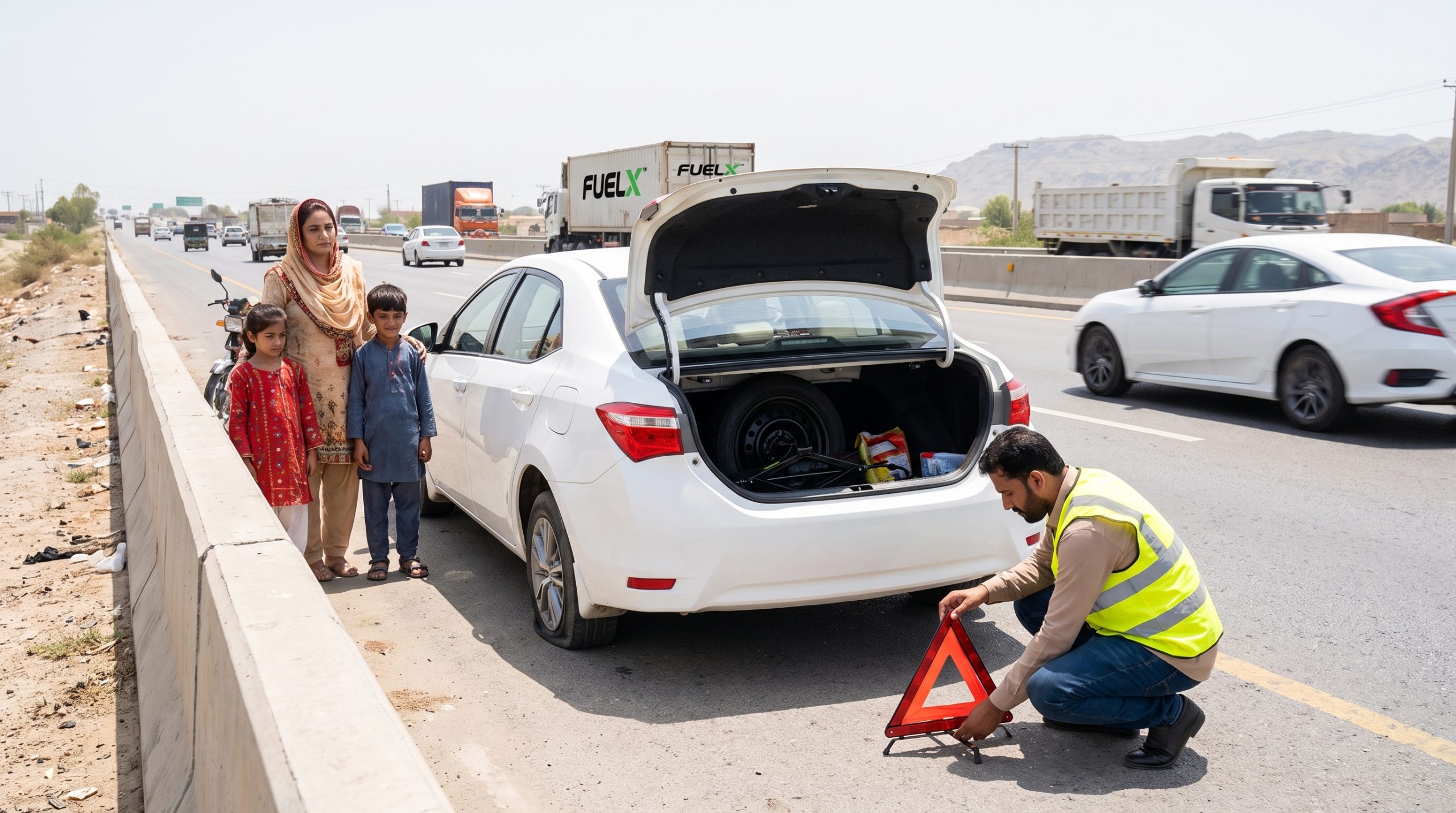
Imagine getting a flat tyre on the Lahore-Islamabad Motorway late at night or experiencing engine overheating while driving through southern Punjab during summer. In these situations, immediate access to essential equipment allows you to stay safe while waiting for roadside assistance.
A properly equipped emergency kit helps you:
Improve roadside safety for yourself and your passengers.
Handle simple repairs without waiting hours for assistance.
Reduce towing costs for minor mechanical issues.
Prevent small problems from becoming expensive repairs.
Stay comfortable during unexpected delays.
Emergency preparedness is especially important for families with children, ride-hailing drivers, sales representatives, and anyone who regularly travels long distances.
Basic Safety Equipment Every Car Should Carry
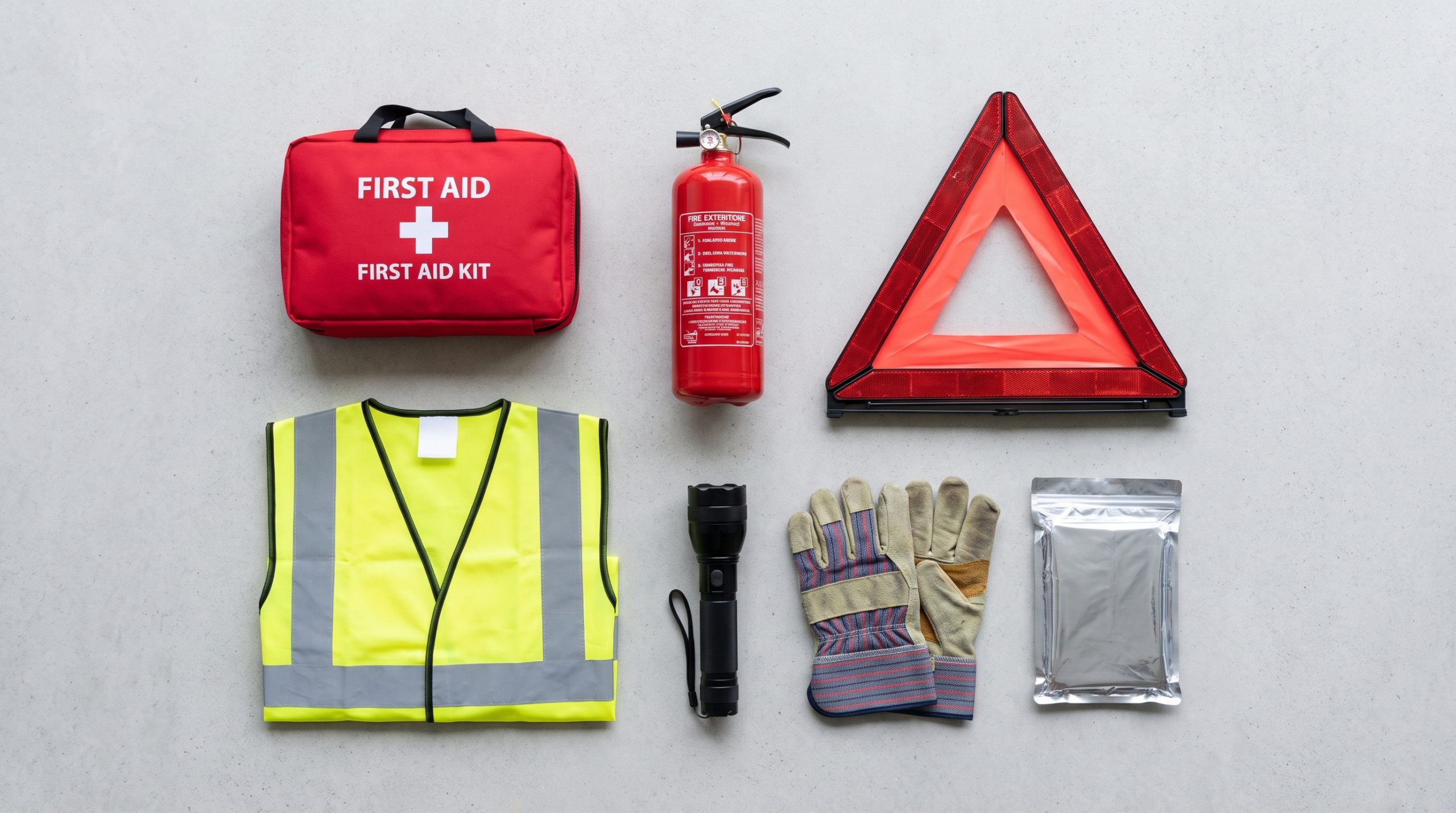
First Aid Kit
Medical emergencies don’t always involve major accidents. Even changing a tyre can result in cuts, bruises, or minor burns from hot engine components.
A good first aid kit should include:
Adhesive bandages
Sterile gauze pads
Antiseptic solution
Medical tape
Pain relief tablets
Burn cream
Disposable gloves
Scissors
Tweezers
Check the expiry dates every six months and replace used or expired supplies immediately.
A compact first aid kit occupies very little space but can provide immediate treatment until medical professionals arrive.
Fire Extinguisher
Vehicle fires are relatively rare, but when they occur, they spread quickly because of fuel, engine oil, plastics, and electrical wiring.
Experts recommend carrying an ABC dry powder fire extinguisher weighing around 1–2 kilograms, which is suitable for most passenger vehicles.
Store it within easy reach—preferably under a front seat or securely mounted inside the cabin rather than buried beneath luggage.
Remember that a fire extinguisher is designed for small fires only. If flames become uncontrollable, move everyone to a safe distance and contact emergency services immediately.
Reflective Warning Triangle
Visibility is critical during roadside emergencies.
A reflective warning triangle alerts approaching drivers that your vehicle has stopped unexpectedly.
As a general guideline:
Place it approximately 30 meters behind your vehicle on city roads.
Increase the distance to 50–100 meters on highways, depending on traffic speed.
This gives approaching drivers enough time to slow down or safely change lanes.
High-Visibility Safety Vest
Many roadside accidents occur because drivers leaving their vehicles are difficult to see, especially at night or during heavy rain.
A reflective safety vest dramatically improves visibility by reflecting headlights from hundreds of meters away.
Keep one vest for the driver and, ideally, additional vests for regular passengers if space allows.
Essential Tools for Common Roadside Problems
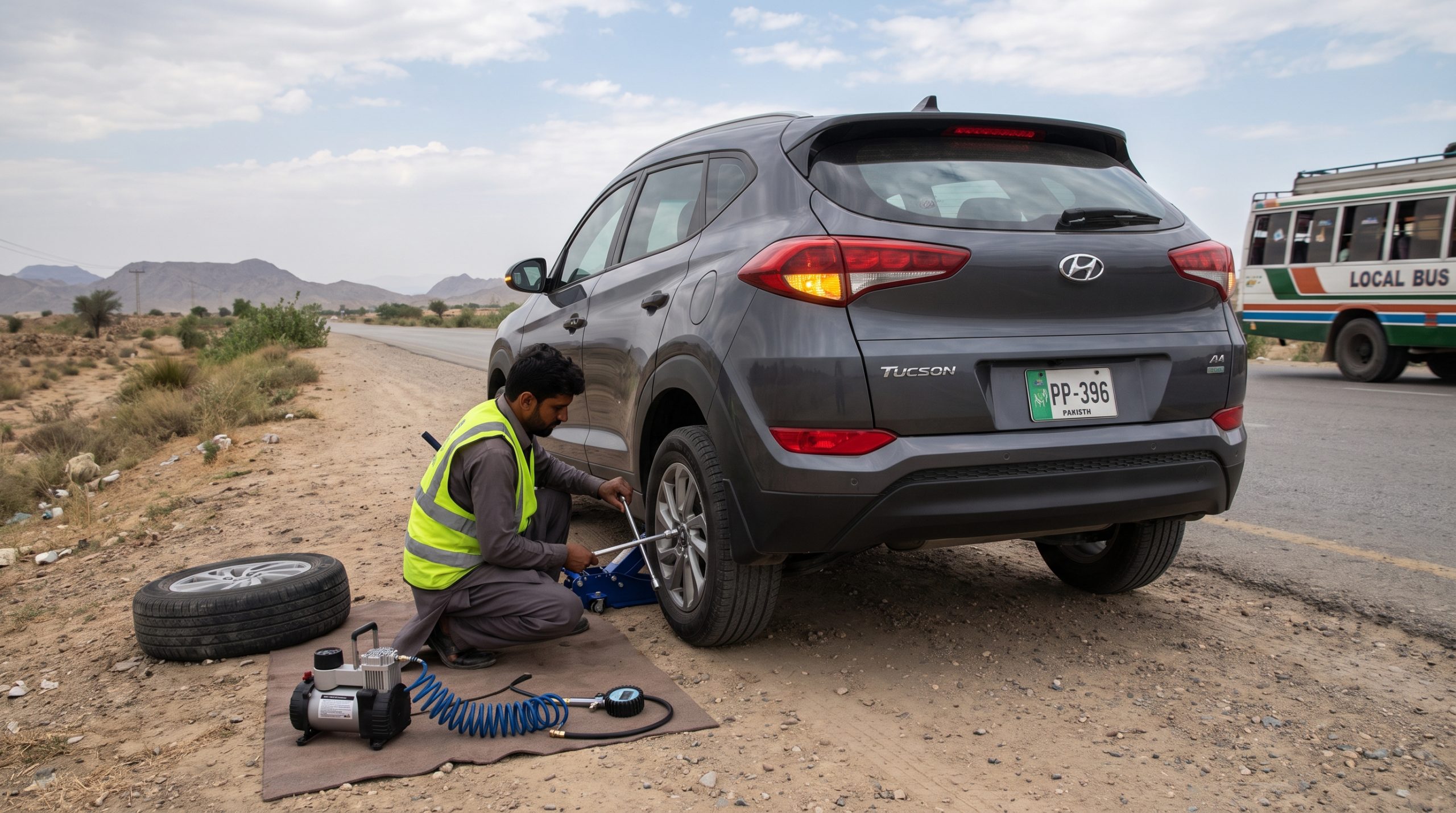
Spare Tyre
A spare tyre is often forgotten until it’s urgently needed.
Unfortunately, many drivers discover their spare tyre is underinflated or damaged after getting a puncture.
Inspect your spare tyre every two to three months by checking:
Air pressure
Tread condition
Sidewall cracks
Valve condition
Even if unused, rubber naturally ages over time.
Car Jack
A quality jack allows you to safely lift your vehicle during tyre replacement.
Before an emergency happens:
Learn the correct lifting points in your owner’s manual.
Practice changing a tyre at home.
Inspect your jack for rust or damage.
Using incorrect lifting points can damage the vehicle’s underbody or cause the jack to slip.
Lug Wrench
Factory-supplied lug wrenches often provide limited leverage.
Many experienced drivers upgrade to a cross-shaped wheel brace, which offers better grip and makes loosening tight wheel nuts much easier.
Always tighten wheel nuts evenly using the recommended torque after replacing a tyre.
Portable Air Compressor
Portable tyre inflators have become one of the most valuable emergency accessories.
They allow you to:
Inflate tyres after slow punctures.
Correct low tyre pressure.
Inflate spare tyres.
Improve handling and fuel economy.
Even a pressure drop of 5–7 PSI can negatively affect tyre wear and increase fuel consumption.
Most portable compressors operate directly from the vehicle’s 12V socket and can inflate a passenger car tyre within several minutes.
Tyre Pressure Gauge
Tyres naturally lose a small amount of pressure every month.
Driving with underinflated tyres can:
Increase braking distance.
Reduce steering control.
Accelerate tyre wear.
Increase fuel consumption by 2–4%.
Checking tyre pressure once a month only takes a few minutes but contributes significantly to safer driving.
Battery and Electrical Emergency Essentials
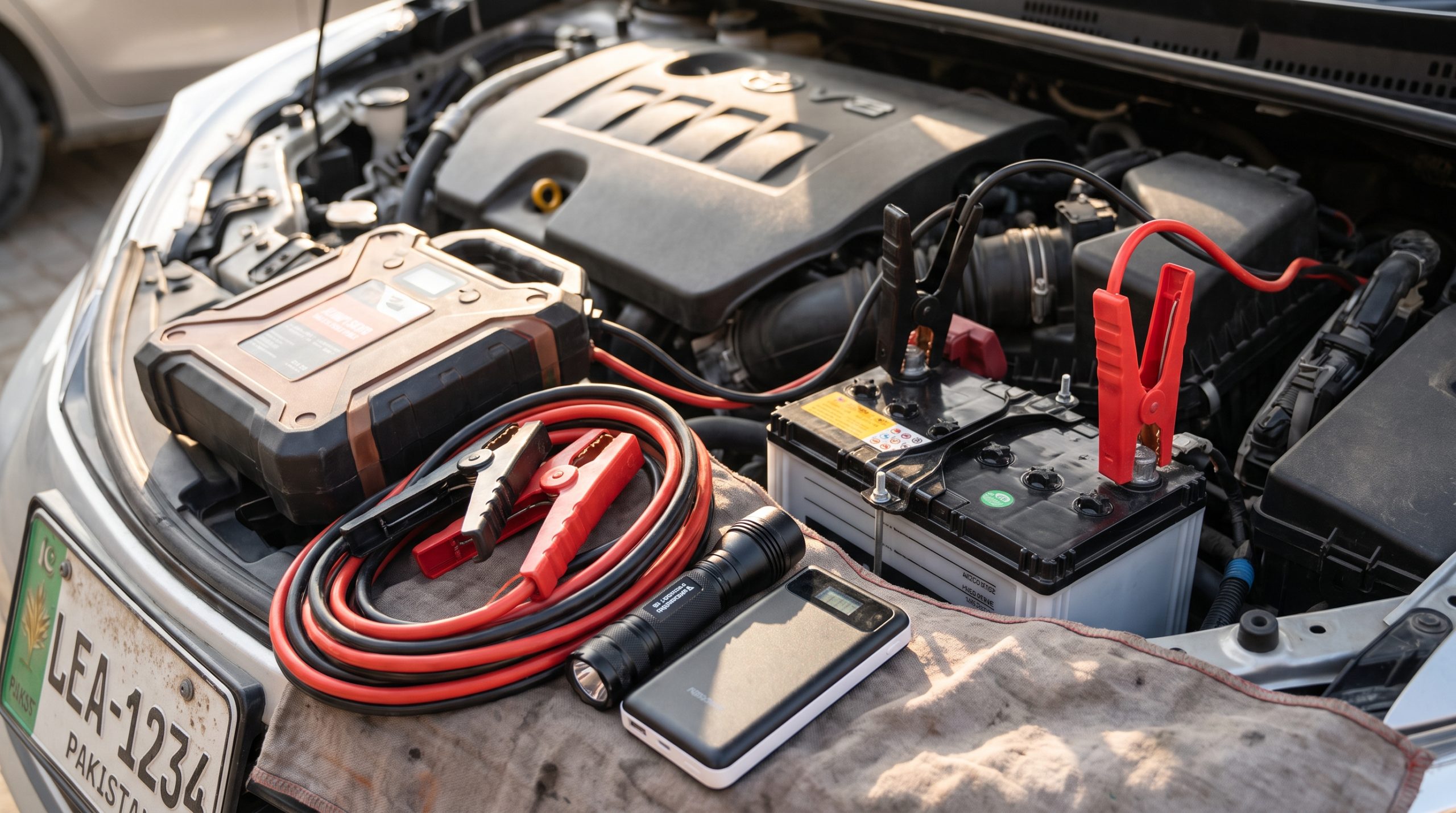
Jumper Cables
Dead batteries remain one of the leading causes of roadside assistance calls.
Battery failures become more common during:
Extreme summer temperatures
Cold winter mornings
Older batteries (typically over 3–4 years old)
Vehicles left unused for extended periods
Quality jumper cables allow another vehicle to safely restart your battery.
Always connect the cables according to your vehicle manufacturer’s recommendations to avoid damaging sensitive electronic systems.
Portable Jump Starter
Portable lithium jump starters have become increasingly popular because they eliminate the need for another vehicle.
Modern units can:
Start petrol engines multiple times.
Charge smartphones.
Power USB devices.
Provide emergency LED lighting.
They’re especially useful for solo travelers or drivers in remote areas.
Recharge the unit every few months to ensure it’s ready when needed.
Flashlight or Rechargeable LED Torch
Roadside repairs frequently happen after sunset or during power outages.
A bright rechargeable LED flashlight helps you:
Inspect engine components.
Replace tyres.
Read vehicle documents.
Signal approaching motorists.
Models producing 300–500 lumens generally provide sufficient brightness for roadside work.
Power Bank
A discharged phone can quickly become another emergency.
Keeping a power bank in your emergency kit ensures you can:
Contact roadside assistance.
Call emergency services.
Share your live location with family.
Continue using GPS navigation.
Recharge it every few months alongside your flashlight.
Fluids Every Driver Should Keep
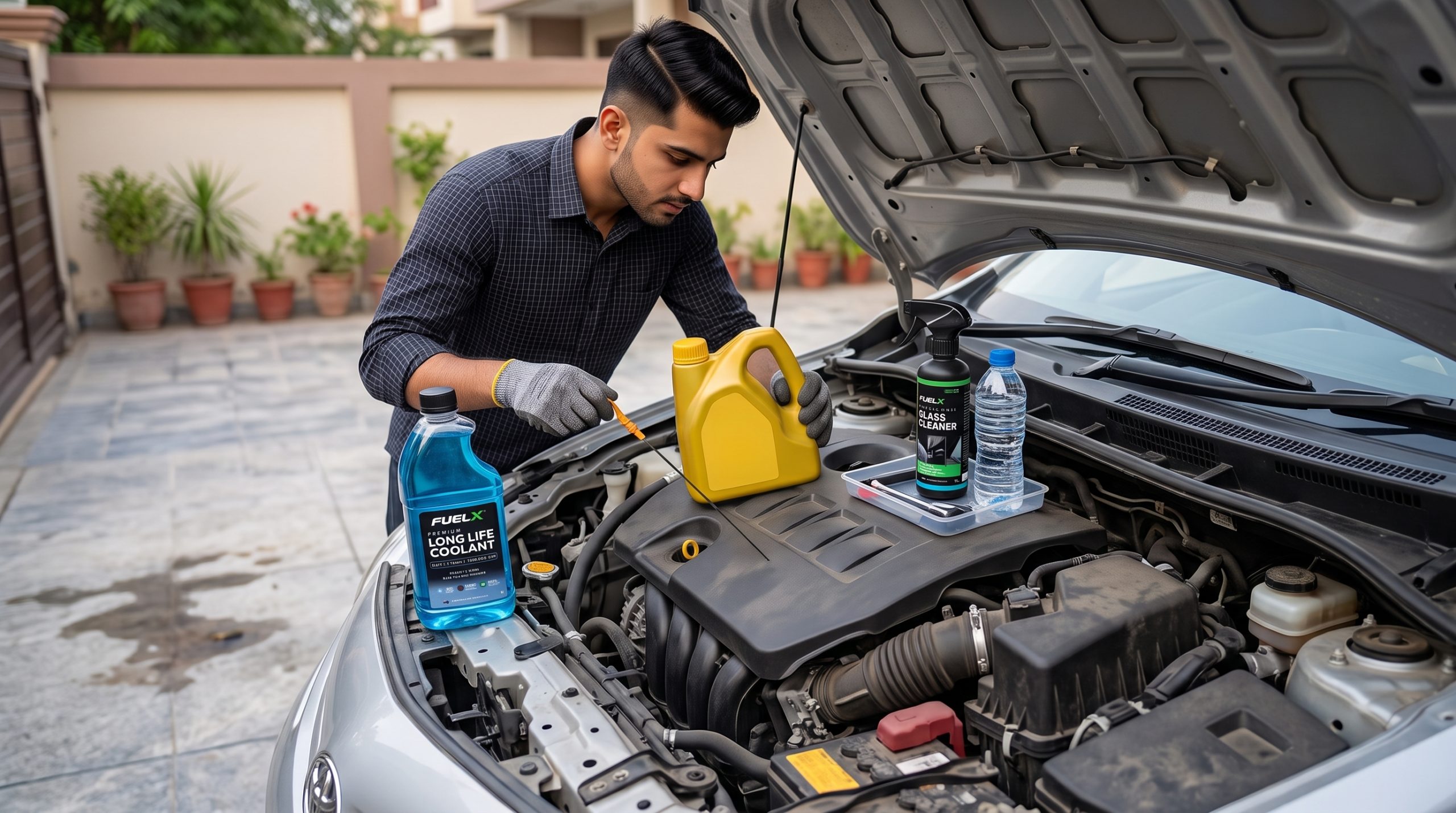
Engine Coolant
Engine overheating is one of the most common causes of vehicle breakdowns during Pakistan’s hot summers.
Always carry coolant that matches your vehicle manufacturer’s specifications.
Never remove the radiator cap while the engine is hot, as pressurized coolant can cause serious burns.
Windshield Washer Fluid
A dirty windshield significantly reduces visibility.
Rain, dust, insects, road grime, and bird droppings can quickly obstruct your view.
Using proper windshield washer fluid instead of plain water improves cleaning performance and reduces streaking.
Clear visibility is especially important during monsoon season and nighttime driving.
Engine Oil
Carrying approximately one liter of the correct engine oil provides peace of mind during long-distance travel.
If the oil warning light appears unexpectedly, topping up the engine may help prevent damage until professional inspection is possible.
However, continuously losing oil usually indicates a mechanical problem that should be repaired promptly.
Drinking Water
Keep several bottles of drinking water in your emergency kit.
Water helps:
Keep passengers hydrated during delays.
Clean hands after repairs.
Rinse minor wounds.
Assist with basic cleaning tasks.
While clean water may be used in true emergencies for temporary engine cooling, it should never replace the proper coolant mixture permanently.
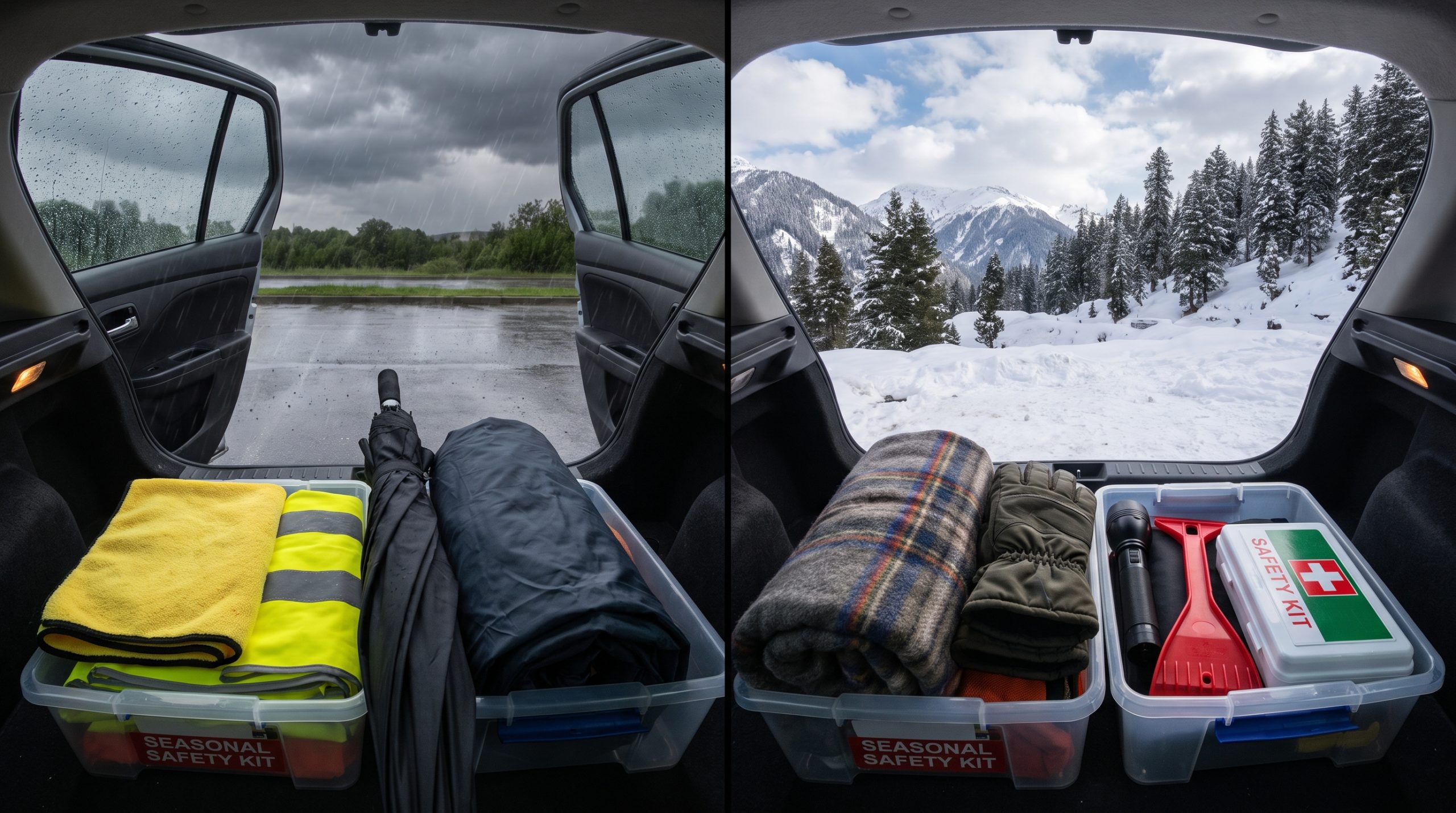
Weather and Seasonal Emergency Supplies
Pakistan’s climate changes dramatically throughout the year.
Preparing for seasonal weather improves both comfort and safety.
Recommended items include:
Raincoat or waterproof poncho
Compact umbrella
Warm blanket
Work gloves
Microfiber towel
Ice scraper (for northern regions)
Extra socks during winter travel
These simple additions can make roadside repairs significantly easier during rain, cold weather, or dusty conditions.
Emergency Supplies for Long Road Trips
Long-distance travel increases the likelihood of encountering unexpected situations far from service stations.
Consider adding these items to your emergency kit.
Tow Rope
Useful when another vehicle can safely tow your car to the nearest repair workshop.
Ensure the rope is rated appropriately for your vehicle’s weight.
Multi-Tool
A quality multi-tool combines:
Pliers
Screwdrivers
Knife
Wire cutters
Bottle opener
It’s incredibly useful for quick roadside fixes.
Duct Tape
Strong duct tape can temporarily secure:
Loose bumpers
Broken plastic panels
Detached hoses
Damaged trim
Although temporary, it can help you reach the nearest repair facility safely.
Zip Ties
These inexpensive fasteners are surprisingly versatile.
They can secure:
Hanging wiring
Loose splash guards
Broken clips
Detached underbody covers
Many mechanics keep dozens of zip ties in their toolboxes because of their usefulness.
Basic Tool Kit
A compact toolkit should include:
Adjustable wrench
Screwdrivers
Socket set
Combination pliers
Allen keys
Utility knife
These tools allow drivers to handle many simple repairs without professional assistance.
Important Emergency Documents to Keep in Your Car
Equipment is important—but paperwork matters too.
Store copies of:
Vehicle registration
Insurance documents
Driving license (where legally appropriate)
Emergency contact numbers
Roadside assistance membership
Vehicle owner’s manual
Keep documents inside a waterproof folder or document organizer to protect them from moisture and accidental damage.
Optional Items That Can Make Emergencies Easier
Some accessories aren’t essential but greatly improve convenience.
Useful additions include:
Seatbelt cutter
Window-breaking escape tool
Emergency blanket
Disposable gloves
Wet wipes
Hand sanitizer
Energy bars
Notebook and pen
Small cash reserve
These items occupy very little space but can become invaluable during extended roadside delays.
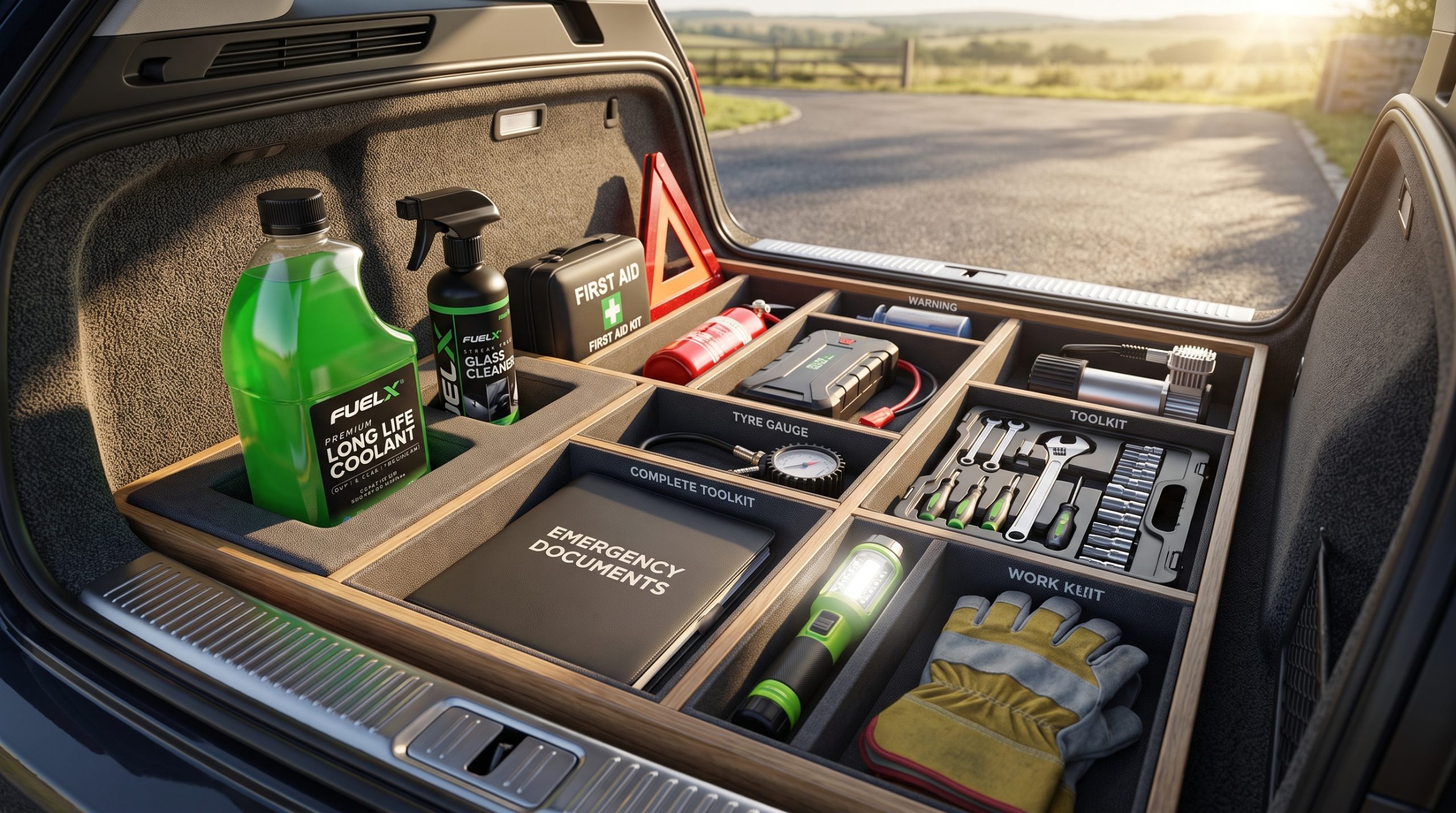
How to Organize Your Car Emergency Kit
A well-organized emergency kit is just as important as its contents.
Choose a durable plastic storage box or trunk organizer with separate compartments.
Arrange items by frequency of use:
Frequently used equipment on top.
Heavy tools at the bottom.
Medical supplies in waterproof pouches.
Fluids stored upright to prevent leaks.
Inspect your emergency kit every three to six months.
During each inspection:
Replace expired medications.
Recharge batteries and power banks.
Test flashlights.
Inspect the spare tyre.
Check coolant and oil containers for leaks.
Routine maintenance ensures your emergency kit remains ready whenever you need it.
Common Mistakes Drivers Make
Even drivers who carry emergency kits often overlook important details.
Common mistakes include:
Never checking spare tyre pressure.
Keeping expired first aid supplies.
Forgetting flashlight batteries.
Allowing power banks to discharge.
Ignoring coolant levels.
Carrying the wrong engine oil.
Not learning how to use the jack.
Leaving loose equipment rolling around inside the trunk.
Preparedness involves both owning the equipment and knowing how to use it safely.
Building a Reliable Emergency Kit with Quality Car Care Products
An emergency kit helps you respond to roadside problems, but preventive maintenance helps reduce the chances of facing those problems in the first place.
Regularly checking your tyres, battery, engine coolant, brakes, and windshield condition allows you to identify small issues before they develop into major breakdowns. Preventive maintenance not only improves vehicle reliability but also enhances fuel efficiency, extends component life, and contributes to safer driving.
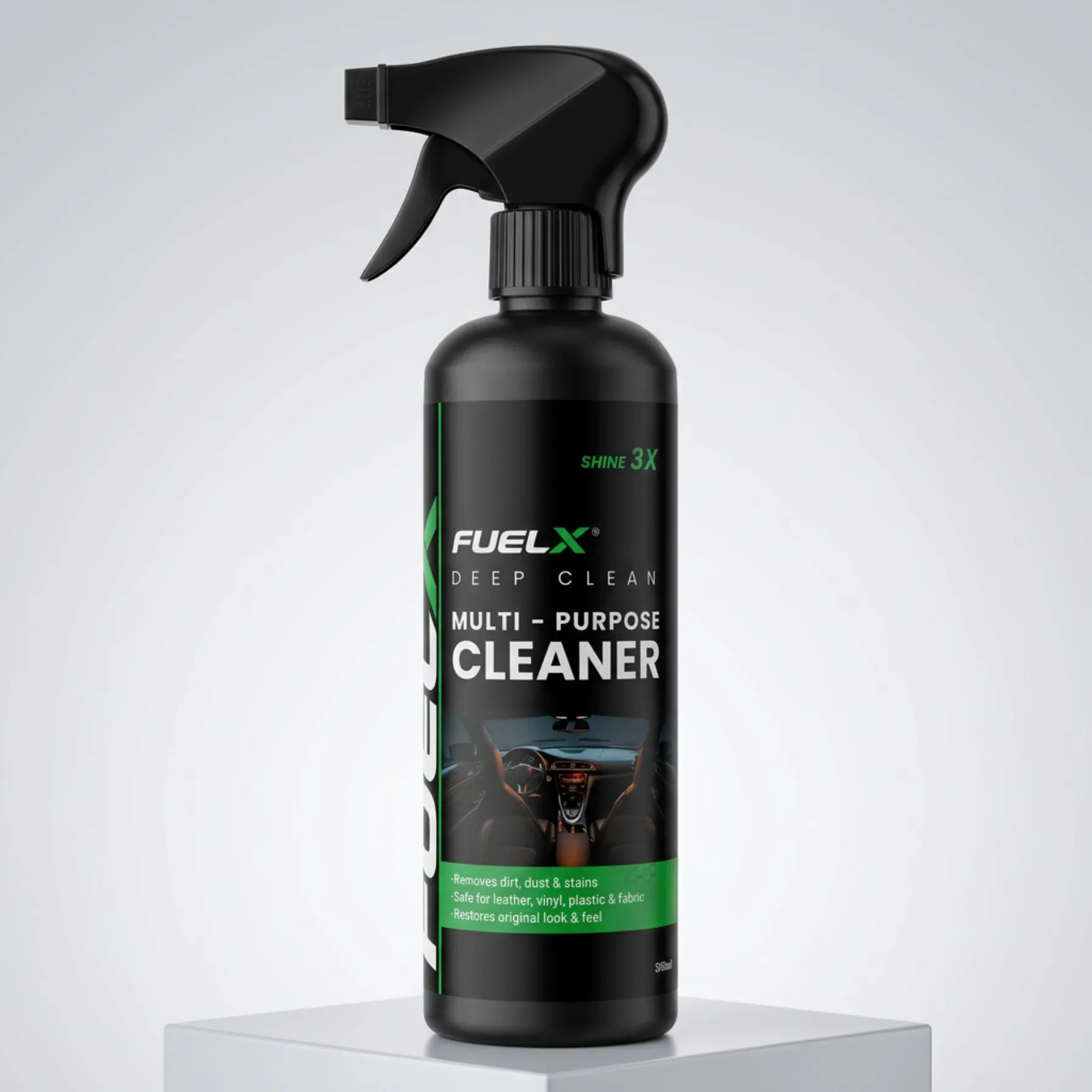
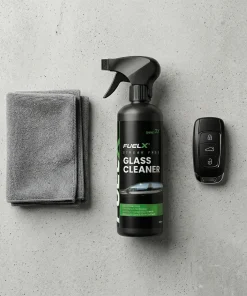
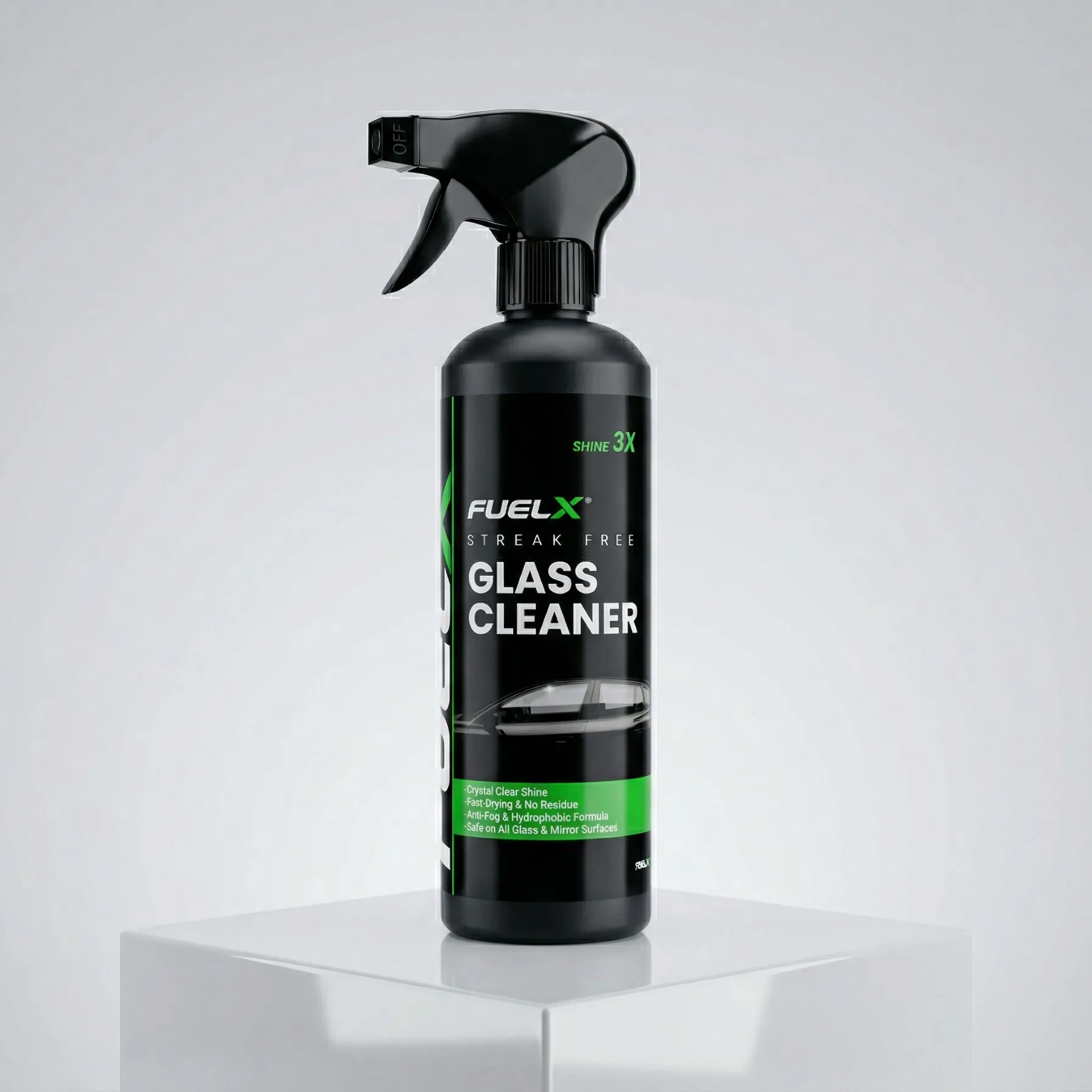
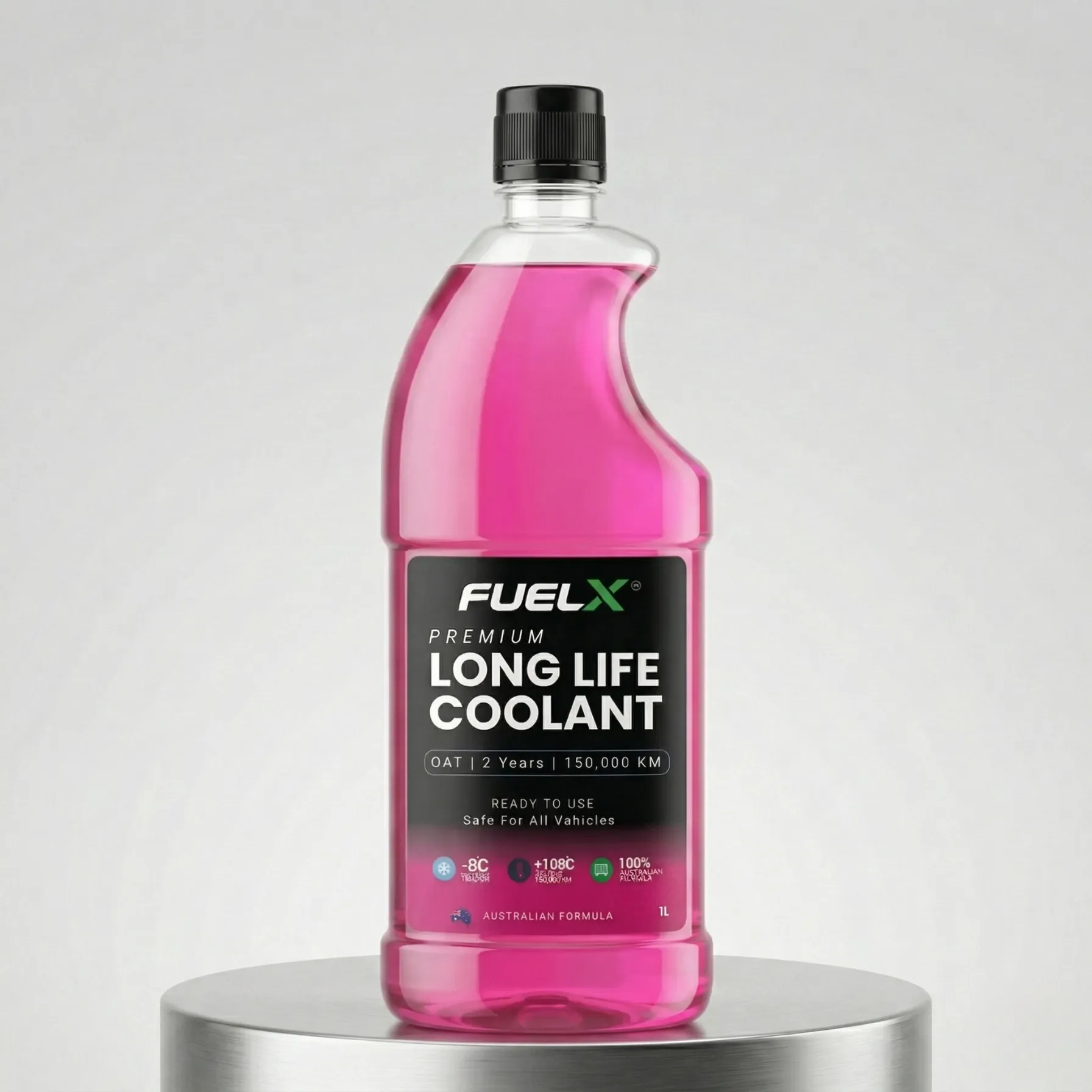
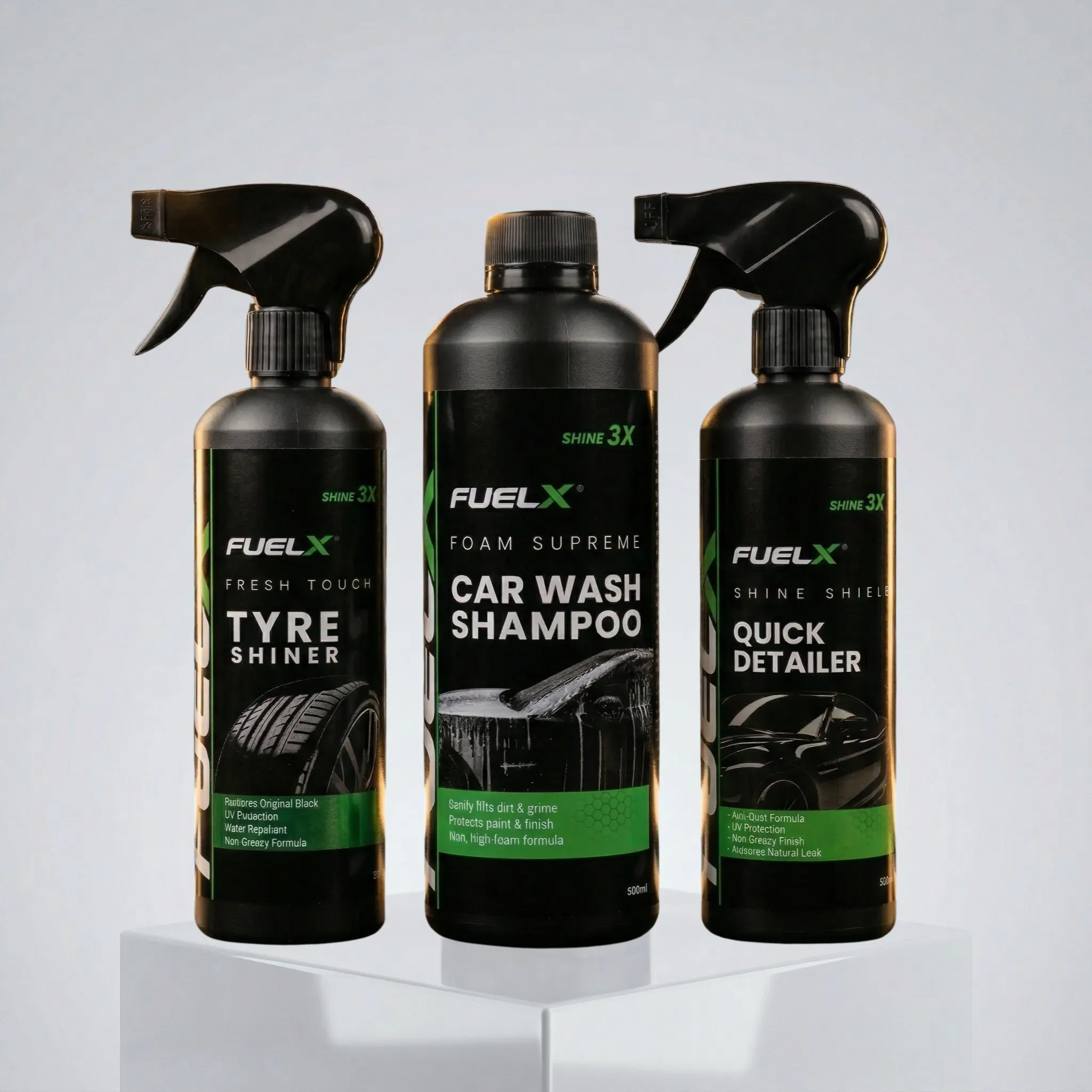
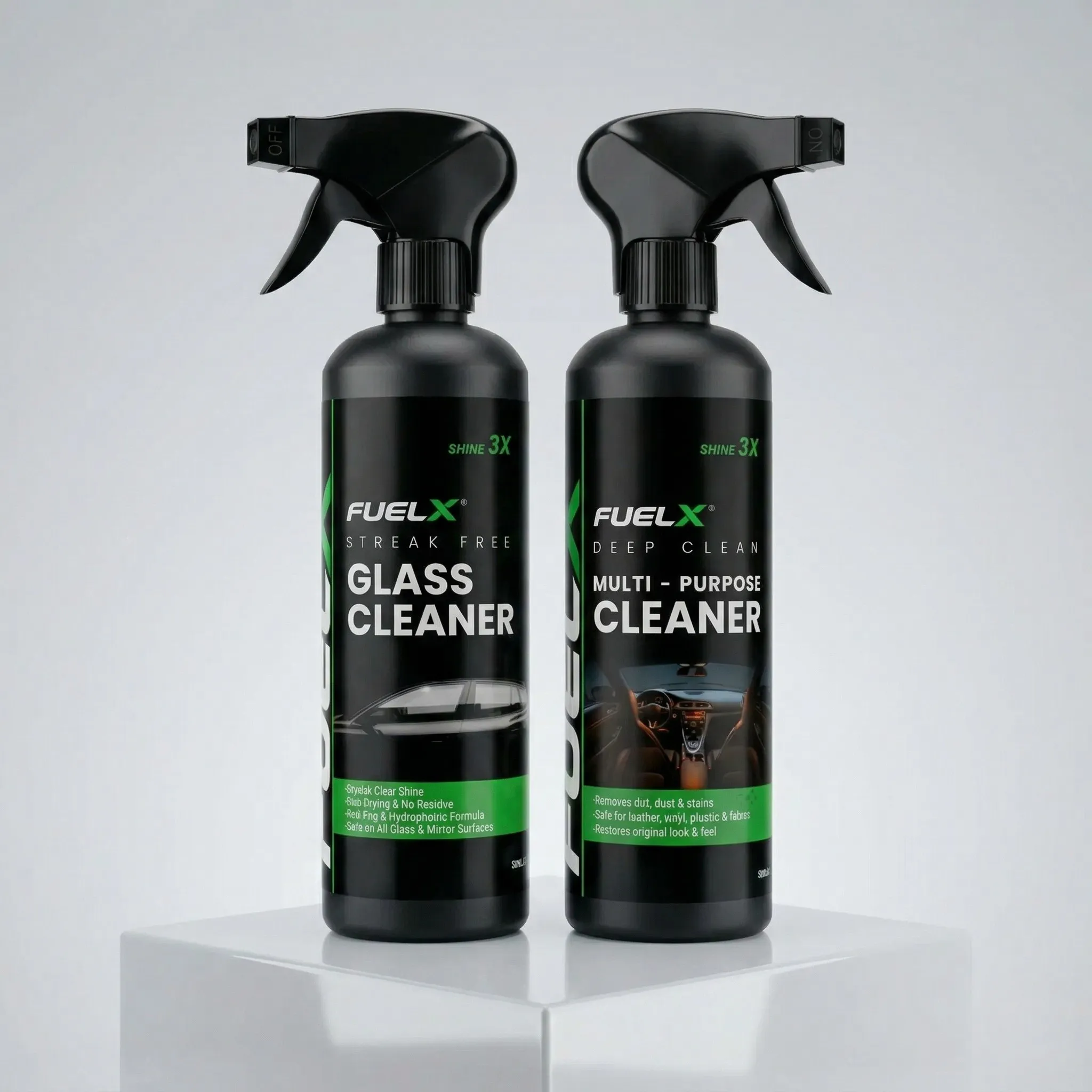
For example, maintaining the correct coolant level with a high-quality engine coolant helps regulate engine temperature during Pakistan’s extreme summer heat and reduces the risk of overheating during long-distance travel. Likewise, using a premium glass cleaner keeps your windshield free from dust, insects, and water spots, ensuring clear visibility in rain, fog, and nighttime conditions.
By combining routine maintenance with a well-stocked emergency kit, you significantly improve your vehicle’s readiness for everyday driving as well as unexpected situations on the road. This proactive approach offers greater peace of mind, whether you’re commuting through busy city streets or embarking on a family road trip across the country.
Conclusion
Every journey begins with the expectation of reaching your destination safely, but unexpected situations can arise without warning. A flat tyre, dead battery, overheating engine, or sudden weather change doesn’t have to become a major crisis if you’re properly prepared.
Building a complete emergency kit requires only a modest investment of time and money, yet it can make a tremendous difference when facing roadside challenges. From first aid supplies and safety equipment to tyre tools, emergency fluids, lighting, and important documents, each item contributes to your overall safety and confidence behind the wheel.
Take a few minutes today to inspect your current emergency supplies or assemble a new kit from scratch. Combine it with regular vehicle maintenance, safe driving habits, and quality car care products to ensure your car remains reliable throughout the year. Being prepared isn’t about expecting problems—it’s about having the confidence to handle them safely whenever they occur.