Your car’s engine generates an enormous amount of heat every time you drive. During normal operation, the combustion process can produce temperatures exceeding 2,000°C inside the cylinders, while the engine itself typically operates safely between 90°C and 105°C. Keeping the engine within this ideal temperature range is the job of the cooling system, with the radiator playing the central role.
In Pakistan, many drivers still use plain water in their radiators instead of engine coolant. Some believe water cools the engine better, while others choose it because it’s inexpensive and readily available. Although water can temporarily help reduce engine temperature, it lacks the protective additives that modern engines require. Over time, relying solely on water can lead to rust, corrosion, overheating, and costly repairs.
So, coolant vs water—which is the better choice for your radiator? In this guide, we’ll compare both options in detail, explain how they affect your engine, and help you choose the safest solution for your vehicle’s long-term performance.
Understanding Your Car’s Cooling System
Your vehicle’s cooling system is designed to remove excess heat from the engine and maintain a stable operating temperature. Without it, the engine would overheat within minutes, causing severe damage to components such as the cylinder head, pistons, head gasket, and engine block.
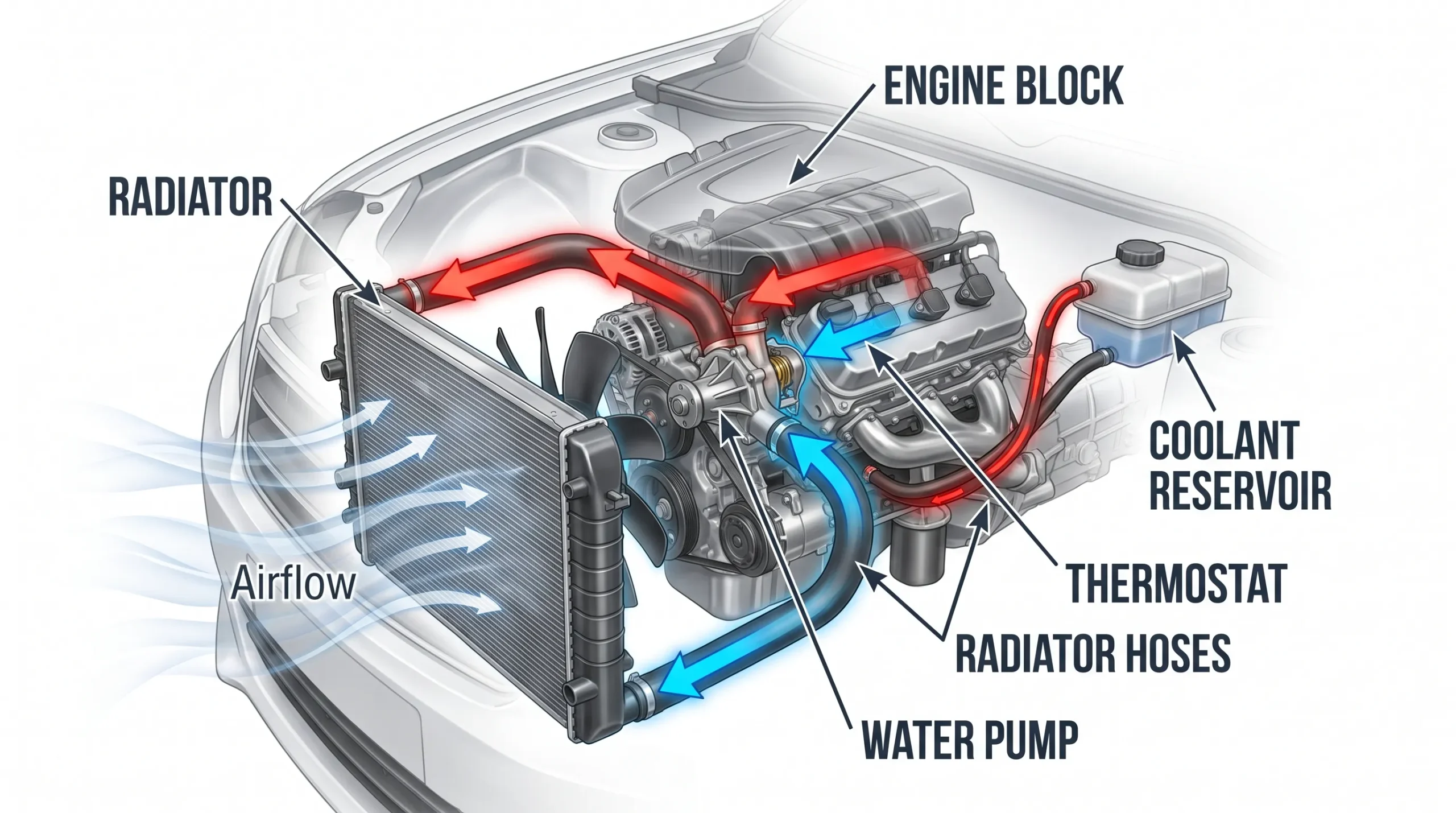
The cooling system consists of several essential components that work together continuously:
Radiator
The radiator acts as a heat exchanger. Hot coolant enters the radiator, where heat is transferred to the surrounding air before the coolant circulates back into the engine.
Water Pump
The water pump keeps coolant flowing through the engine, radiator, heater core, and hoses. Without proper circulation, heat cannot be removed efficiently.
Thermostat
The thermostat automatically opens and closes depending on engine temperature. This allows the engine to warm up quickly while preventing overheating during operation.
Cooling Fan
When driving slowly or sitting in traffic, airflow through the radiator decreases. The electric cooling fan automatically switches on to maintain proper cooling.
Radiator Hoses
Heavy-duty rubber hoses transport coolant throughout the entire cooling system.
Coolant Reservoir
As coolant expands and contracts with temperature changes, the overflow reservoir maintains the correct coolant level and pressure inside the system.
During every journey, coolant continuously absorbs heat from the engine before releasing it through the radiator. This cycle repeats thousands of times during a single drive, highlighting the importance of using the correct cooling fluid.
What Is Engine Coolant?
Engine coolant is a specially engineered liquid designed to regulate engine temperature while protecting every component inside the cooling system.
Many people think coolant is simply colored water, but it’s actually a carefully balanced chemical solution that offers several protective functions.
Most quality coolants contain:
Deionized or distilled water
Ethylene Glycol or Propylene Glycol
Corrosion inhibitors
Rust-prevention additives
Anti-foam agents
Water pump lubricants
Scale and mineral deposit inhibitors
These ingredients help coolant perform tasks that plain water cannot.
For example, glycol raises the coolant’s boiling point, allowing it to remain effective even when engine temperatures become extremely high. Corrosion inhibitors form a protective layer inside the radiator and engine, reducing rust and metal deterioration. Lubricating additives also protect the water pump’s bearings and seals, helping extend their service life.
This combination of cooling and protection makes engine coolant essential for modern vehicles.
Can You Use Plain Water in Your Radiator?
Technically, yes—but only as a temporary emergency solution.
If your vehicle develops a coolant leak while you’re far from a workshop, adding clean water can help prevent immediate engine damage until proper repairs can be made. However, this should never become a permanent habit.
Automobile manufacturers worldwide recommend using the specified coolant because modern engines contain lightweight aluminum components, narrow coolant passages, and high-efficiency water pumps that require corrosion protection and lubrication.
Using only water for weeks or months significantly increases the risk of cooling system damage.
It’s also worth noting that tap water contains minerals such as calcium and magnesium. These minerals gradually form scale inside the radiator, reducing coolant flow and decreasing cooling efficiency.
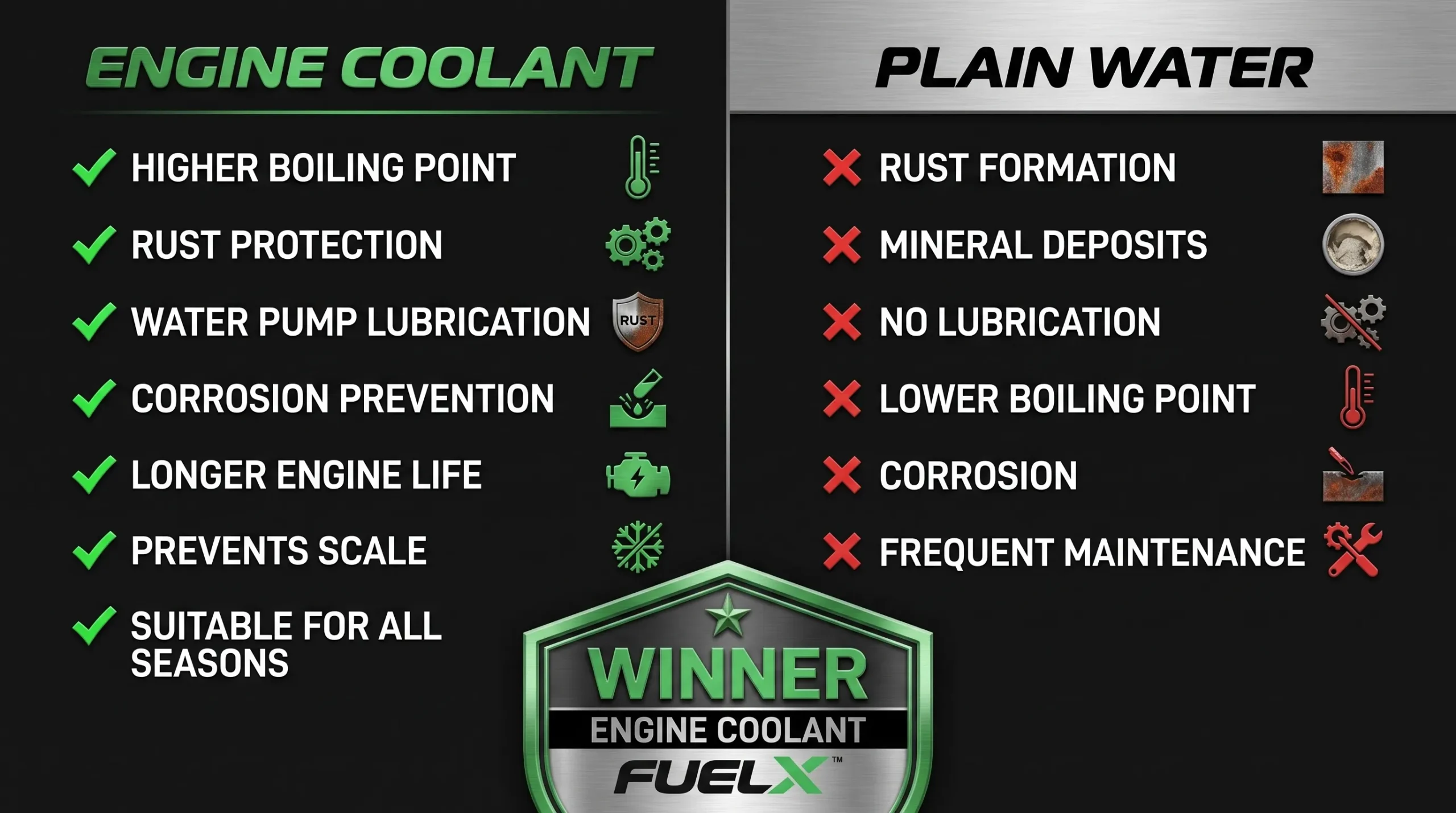
Coolant vs Water: A Detailed Comparison
Feature
Engine Coolant
Plain Water
Cooling Performance
Excellent
Good initially
Boiling Point
Approximately 120°C–130°C (under pressure)
Around 100°C
Freezing Protection
Yes
No
Rust Protection
Excellent
None
Corrosion Prevention
Yes
No
Water Pump Lubrication
Yes
No
Scale Prevention
Yes
No
Long-Term Reliability
Excellent
Poor
Engine Protection
High
Low
Maintenance Cost
Lower over time
Higher due to repairs
Although water absorbs heat slightly faster than coolant, it also boils much sooner and provides no protection against corrosion or internal wear.
Coolant may cost more initially, but it significantly reduces long-term maintenance expenses by protecting expensive engine components.
Why Water Alone Can Damage Your Radiator
Many cooling system problems begin slowly and remain unnoticed until expensive repairs become necessary.
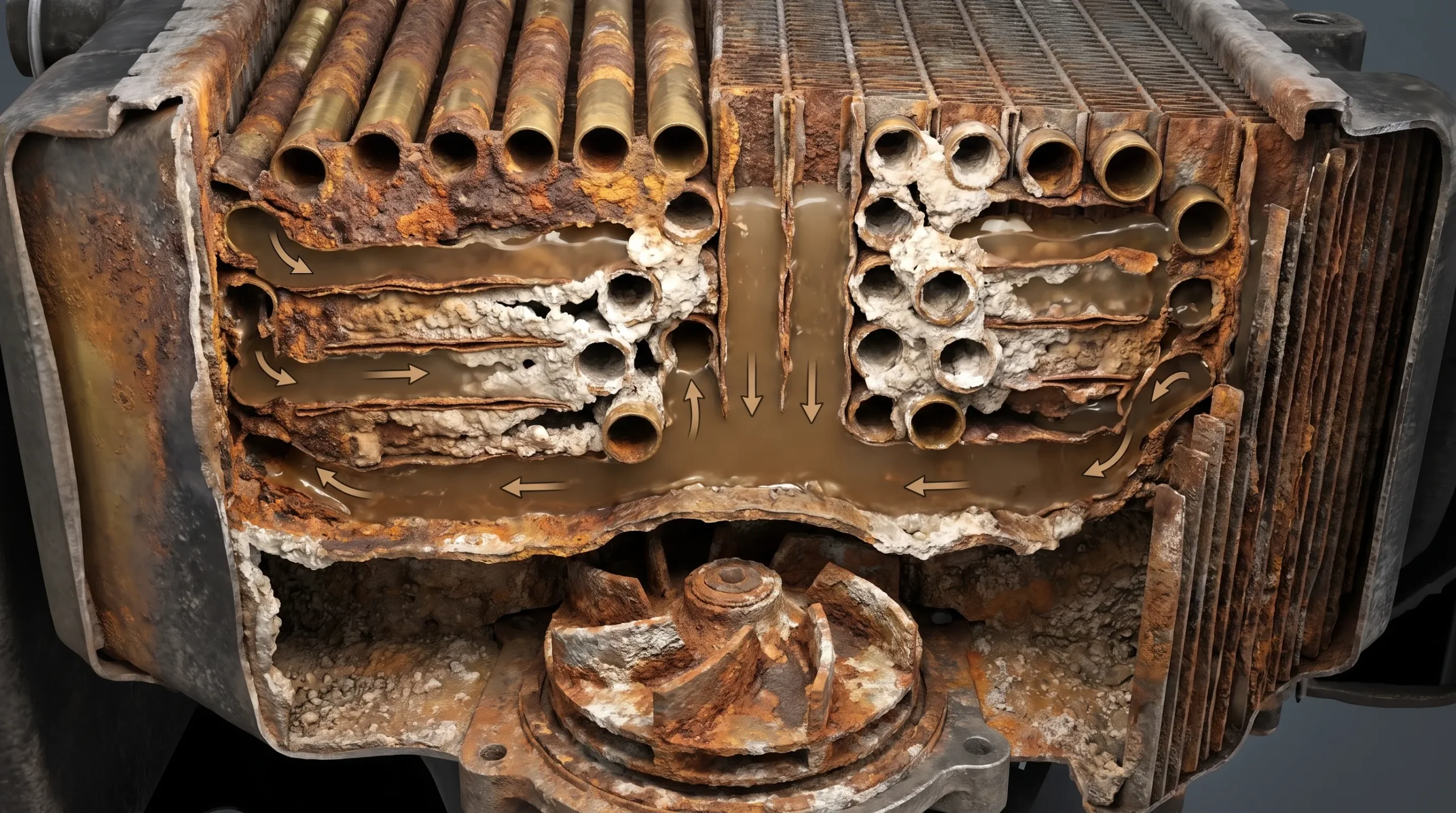
Rust Formation
When untreated water remains inside the cooling system, oxygen reacts with exposed metal surfaces, causing oxidation. Rust particles gradually circulate through the system, contaminating coolant passages and reducing heat transfer.
Over time, severe rust can partially block radiator tubes, making the radiator much less effective.
Corrosion
Today’s engines contain aluminum, cast iron, steel, copper, brass, and other metals. Without corrosion inhibitors, electrochemical reactions slowly damage these metals.
Corrosion often begins inside areas that cannot be inspected visually, making preventive maintenance especially important.
Mineral Deposits
In many parts of Pakistan, tap water contains significant mineral content.
As water repeatedly heats and cools, minerals settle inside radiator passages, forming hard deposits known as scale.
Even a thin layer of scale acts as insulation, reducing the radiator’s ability to transfer heat efficiently.
Water Pump Wear
Water pumps rely on coolant additives to lubricate internal seals and bearings.
Without lubrication, friction increases, causing premature wear and increasing the likelihood of leaks or pump failure.
Increased Risk of Overheating
Rust, corrosion, mineral deposits, and restricted coolant flow all reduce the radiator’s cooling efficiency.
This becomes especially noticeable during:
Summer temperatures exceeding 40°C
Heavy city traffic
Long motorway journeys
Mountain driving
Towing heavy loads
In these conditions, an improperly maintained cooling system is much more likely to overheat.
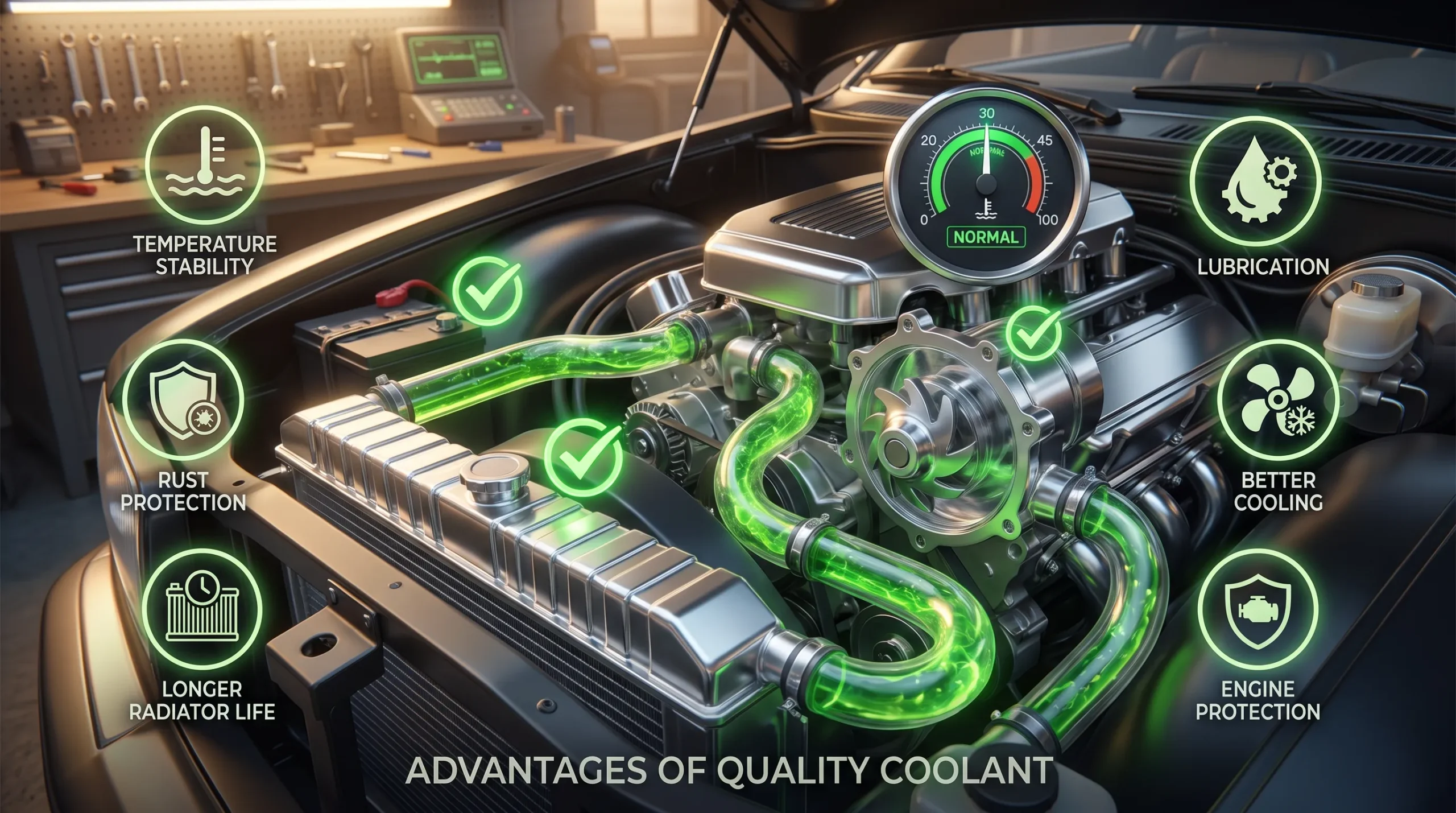
Benefits of Using Quality Engine Coolant
Investing in quality coolant provides multiple long-term advantages beyond simply cooling the engine.
Better Temperature Control
Coolant maintains a consistent operating temperature during city driving, highway travel, and demanding road conditions.
This helps the engine operate at its most efficient temperature, improving reliability and reducing unnecessary stress.
Higher Boiling Point
A typical 50:50 coolant mixture can achieve a boiling point above 120°C within a pressurized cooling system.
This provides an additional safety margin during extremely hot weather or heavy engine loads.
Corrosion Protection
Quality coolant contains inhibitors that prevent rust from forming on internal metal surfaces.
This protection is especially important for aluminum radiators, heater cores, cylinder heads, and engine blocks.
Longer Radiator Life
By preventing corrosion and mineral buildup, coolant helps maintain unrestricted coolant flow and extends the service life of the radiator.
Water Pump Lubrication
Lubricating additives reduce friction within the water pump, minimizing wear on seals and bearings.
This contributes to smoother operation and fewer unexpected failures.
Lower Maintenance Costs
Although coolant requires periodic replacement, it helps prevent expensive repairs involving radiators, thermostats, water pumps, hoses, and even complete engine rebuilds.
Preventive maintenance is almost always less expensive than repairing damage caused by overheating.
Is Water Better Than Coolant in Hot Weather?
A common misconception is that water is better than coolant because it absorbs heat more quickly.
While this statement is technically true, it doesn’t reflect real-world driving conditions.
Plain water boils at around 100°C under normal atmospheric pressure. During heavy traffic, steep climbs, or extended highway driving, cooling system temperatures can approach or exceed this limit.
Once water begins to boil, steam pockets form inside the cooling system. Steam transfers heat much less effectively than liquid, reducing cooling performance and increasing the risk of overheating.
Engine coolant solves this problem by raising the boiling point while also protecting internal components against corrosion and wear.
For Pakistani drivers facing high ambient temperatures, congested roads, and long-distance travel, coolant provides much greater reliability than water alone.
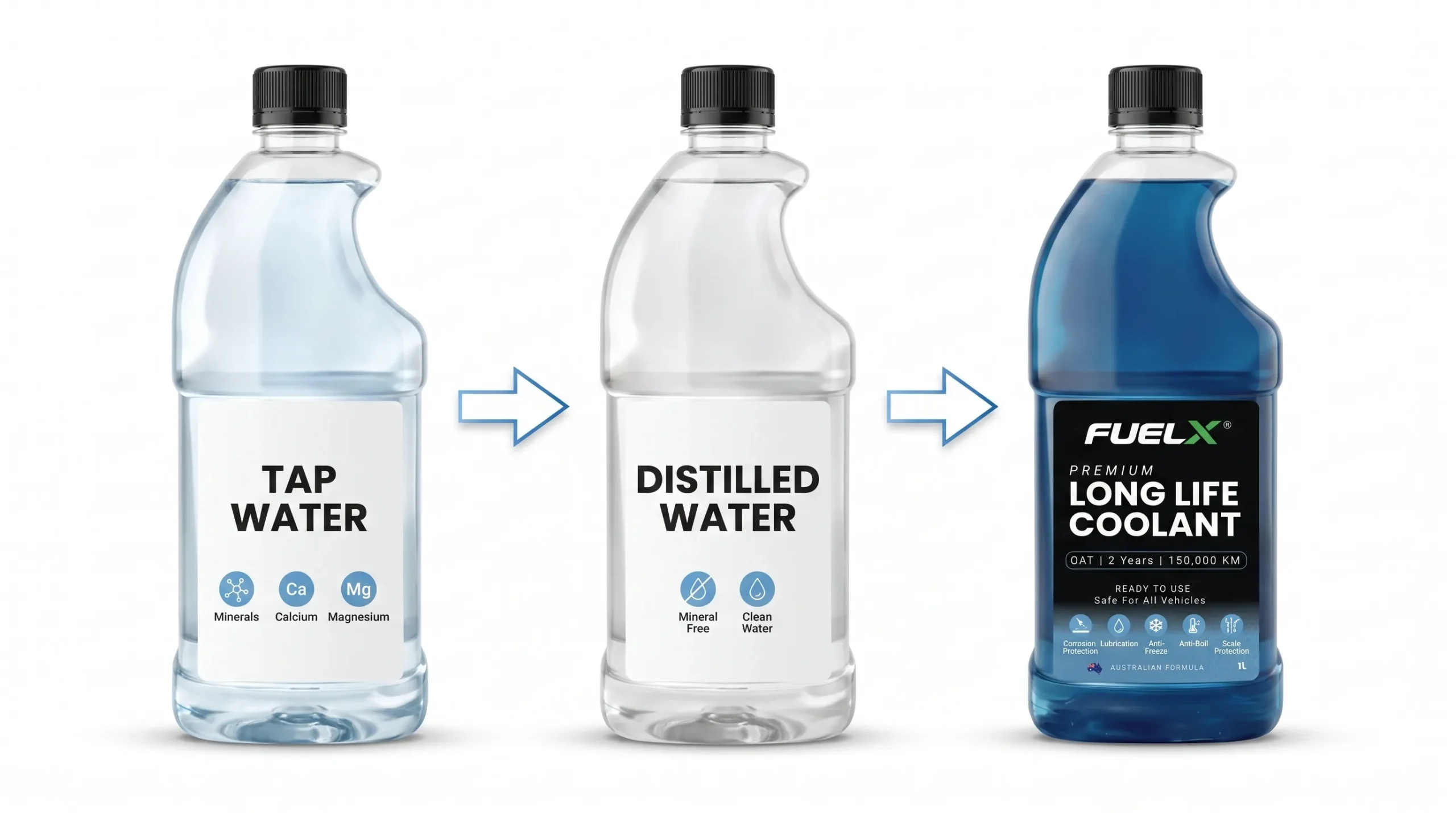
What About Distilled Water?
Distilled water is considerably cleaner than ordinary tap water because it has been purified to remove minerals and impurities.
Compared to tap water, distilled water:
Reduces mineral deposits
Prevents scaling
Keeps radiator passages cleaner
Minimizes contamination
However, distilled water still lacks:
Corrosion inhibitors
Anti-rust additives
Lubricants
Anti-foam chemicals
For this reason, distilled water is best used when mixing concentrated coolant, rather than replacing coolant altogether.
When Should You Replace Engine Coolant?
Coolant gradually loses its protective properties over time as its additives become depleted.
For most passenger vehicles, manufacturers typically recommend replacing coolant every 2 to 5 years or approximately 40,000 to 100,000 kilometers, depending on the coolant type and vehicle specifications. Always follow the maintenance schedule provided in your owner’s manual.
Signs that coolant may need replacing include:
Brown or rusty coolant
Floating debris inside the coolant reservoir
Frequent overheating
Low coolant level
Sweet smell near the engine
Visible coolant leaks
Temperature warning light
Ignoring old coolant can accelerate corrosion and reduce cooling efficiency, eventually leading to expensive repairs.
Tips to Keep Your Cooling System Healthy
Regular maintenance is one of the easiest ways to extend the life of your radiator and engine.
Follow these simple practices:
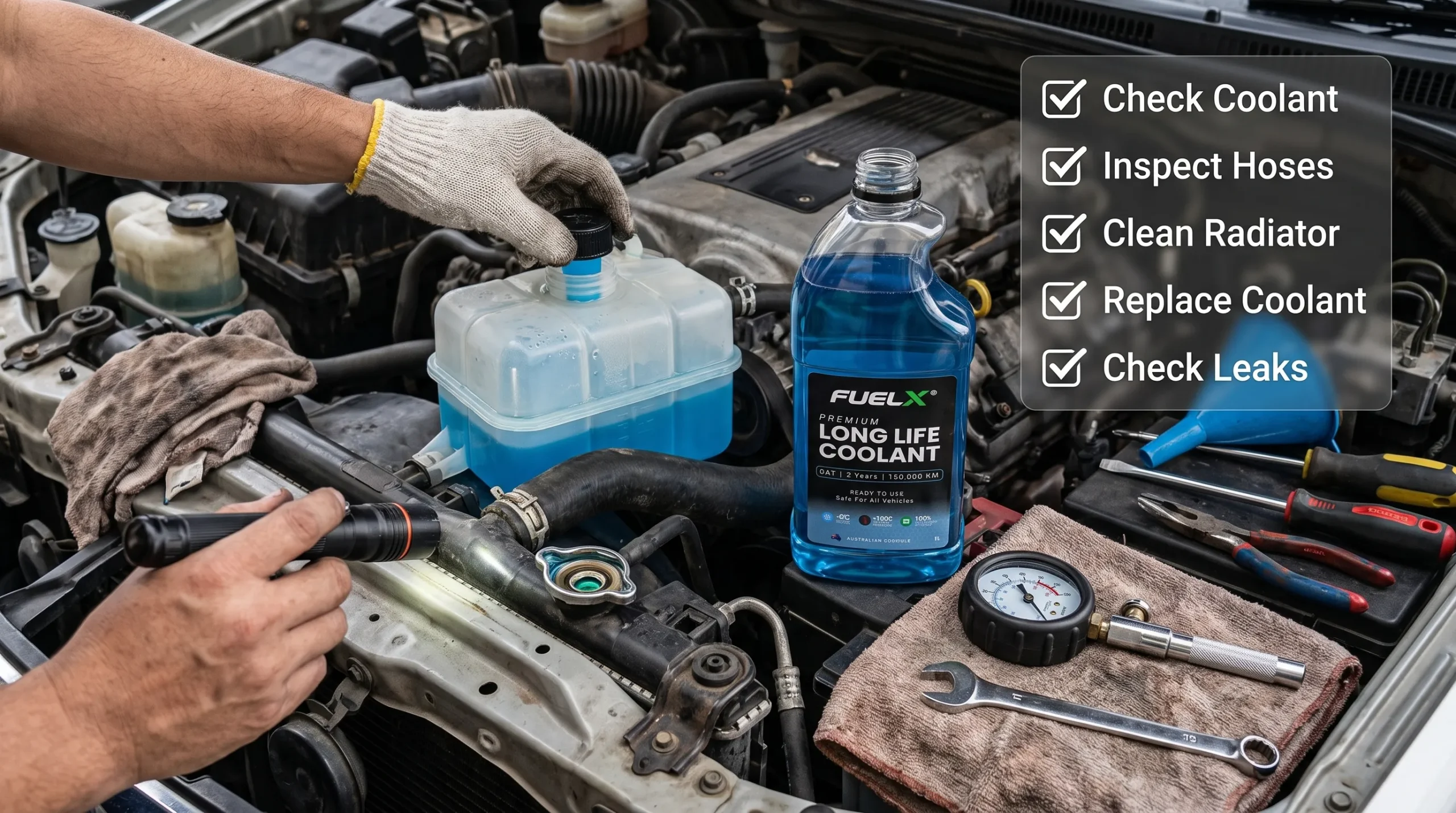
Check coolant levels every few weeks.
Inspect hoses for cracks, swelling, or leaks.
Clean debris from the front of the radiator.
Never mix incompatible coolant formulations.
Allow the engine to cool before opening the radiator cap.
Replace coolant according to the manufacturer’s recommendations.
Use only high-quality coolant that meets your vehicle’s specifications.
Have the cooling system inspected if you notice repeated overheating or coolant loss.
These small maintenance habits can prevent major mechanical failures and improve overall engine reliability.
Choosing the Right Coolant for Your Vehicle
Not all coolants are the same. Different manufacturers recommend different formulations based on engine materials and cooling system design.
When selecting a coolant, consider:
Vehicle make and model
Manufacturer-recommended coolant specification
Local climate
Driving conditions
Existing coolant compatibility
Using the wrong coolant may reduce corrosion protection or create compatibility issues if mixed with another formulation.
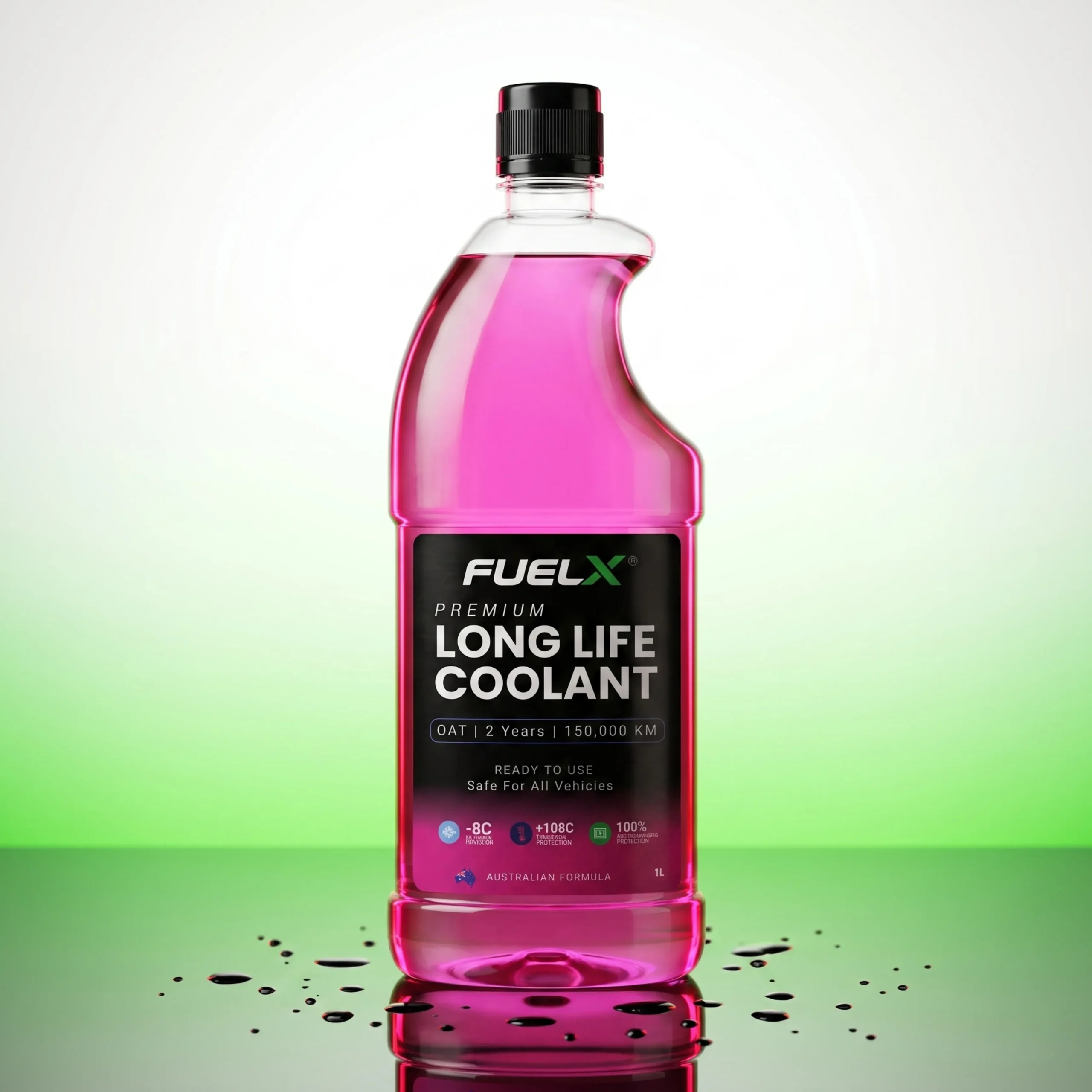
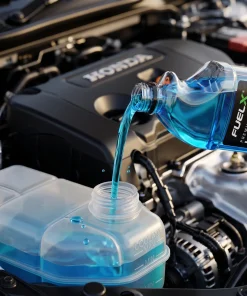
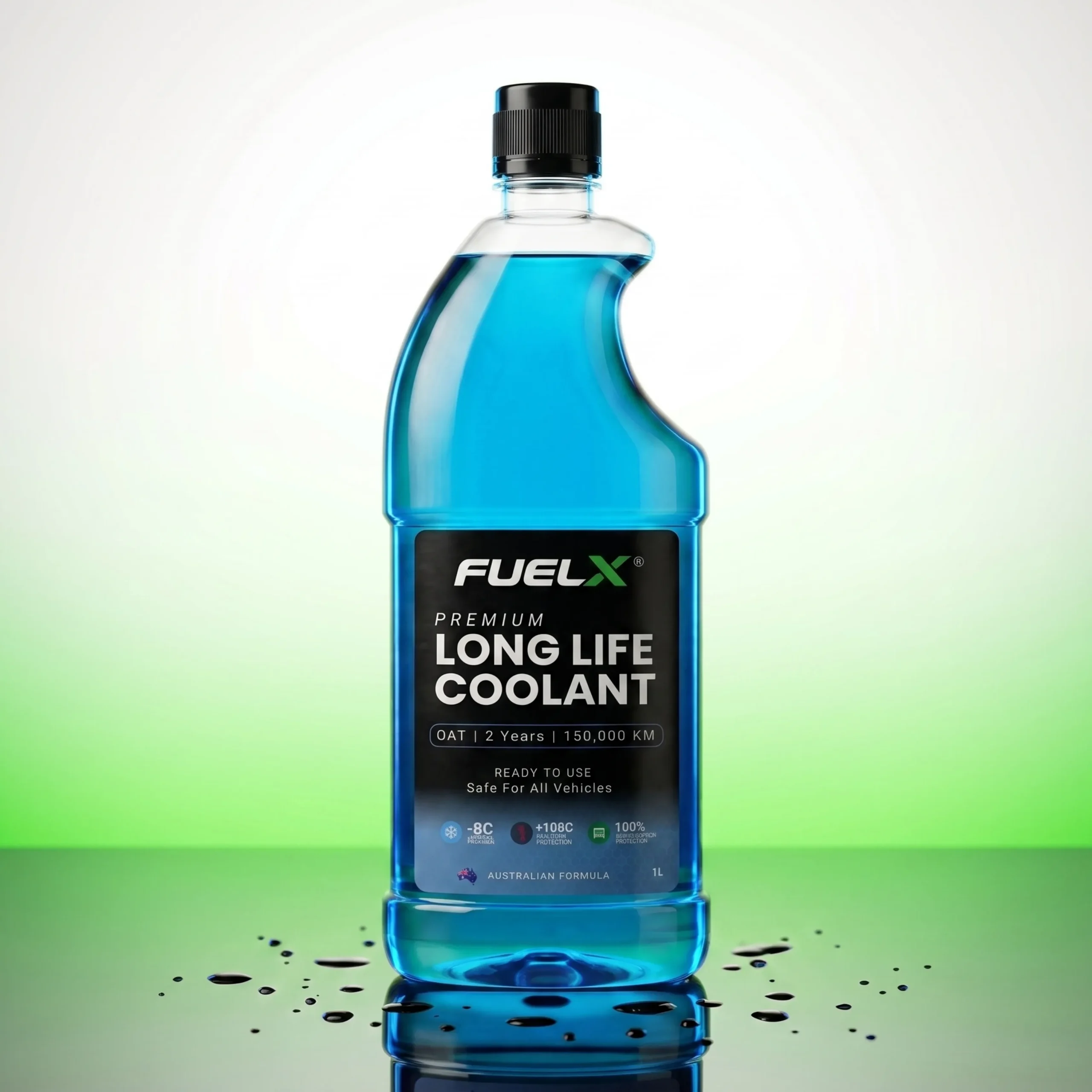
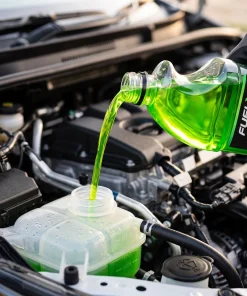
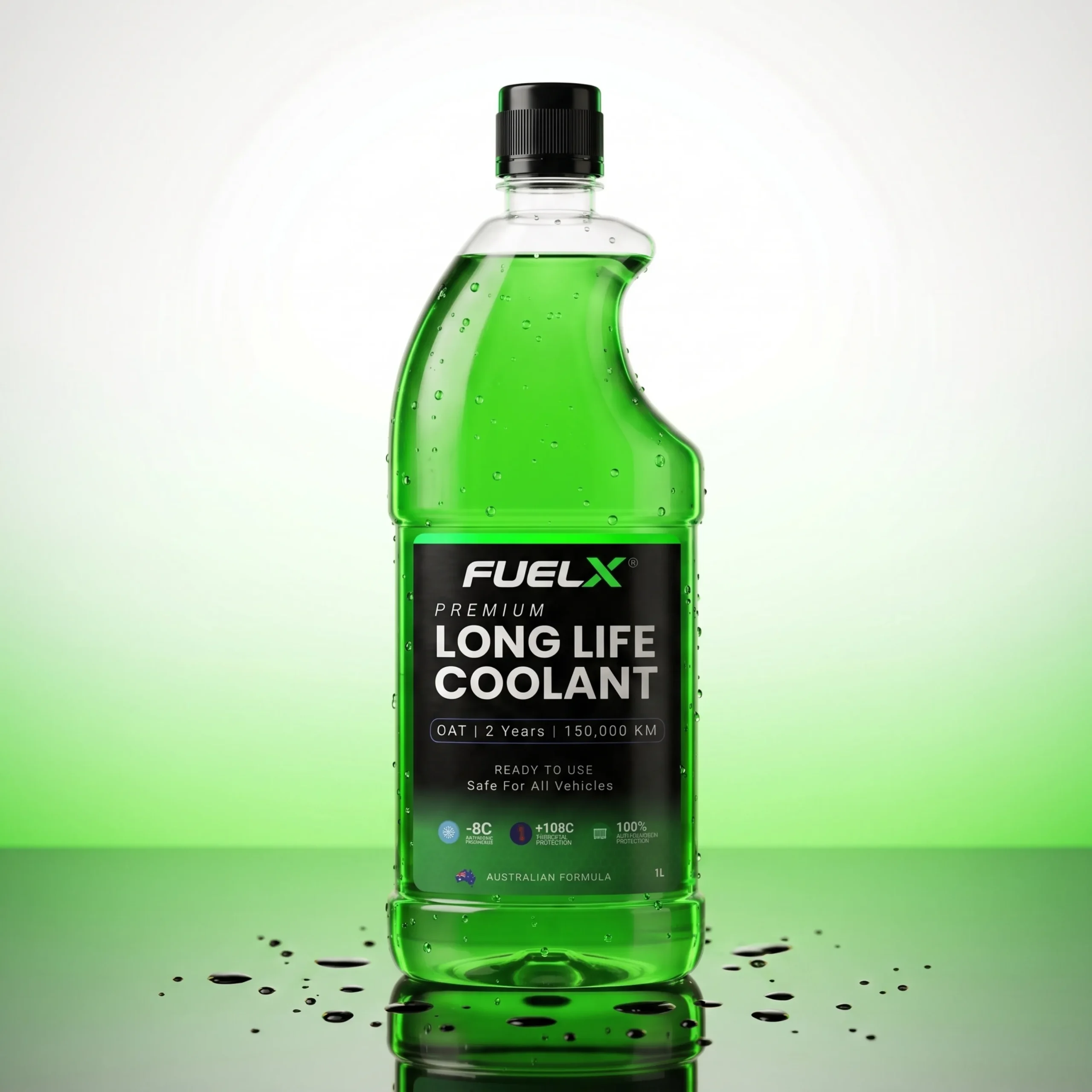
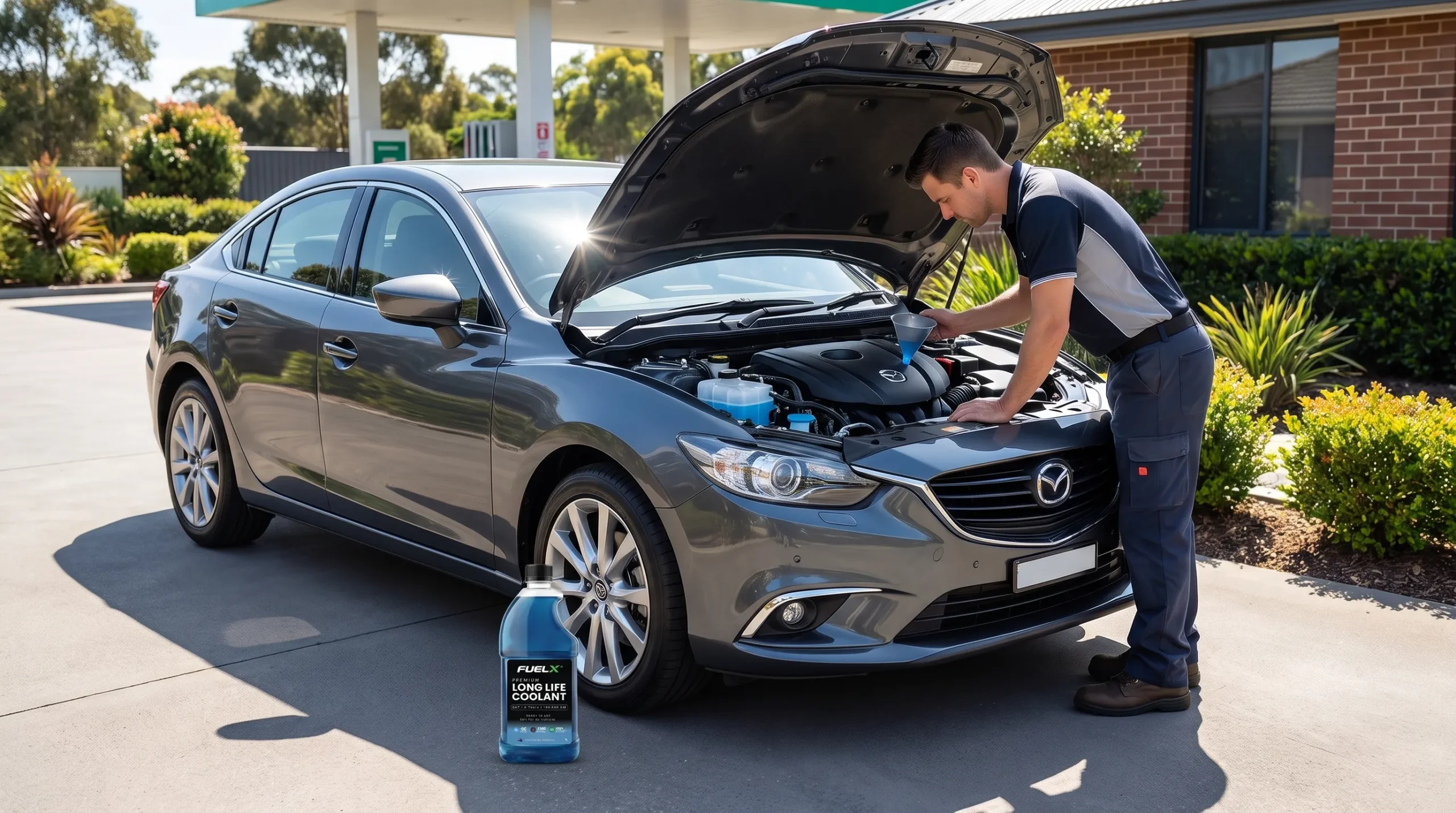
If you’re looking for dependable cooling system protection in Pakistan, FuelX Engine Coolant is formulated to help maintain stable engine temperatures while protecting against corrosion, scale buildup, and water pump wear. Combined with regular maintenance, it helps extend the life of your radiator and supports reliable engine performance in demanding driving conditions.
Final Thoughts
When comparing coolant vs water, the evidence clearly favors engine coolant as the safest and most effective option for protecting your radiator and engine.
Although plain water can temporarily help in emergencies, it cannot provide the corrosion resistance, lubrication, scale prevention, and high-temperature protection required by modern vehicles. Over time, relying solely on water can lead to rust, blocked radiator passages, water pump wear, overheating, and costly repairs.
Using a high-quality engine coolant is a small investment that delivers significant long-term benefits. It keeps your cooling system clean, protects critical engine components, improves reliability, and reduces maintenance costs. Whether you’re commuting through busy city traffic or taking long road trips across Pakistan, maintaining the correct coolant level and using the right coolant formulation will help ensure your engine stays cool, efficient, and dependable for years to come.
FAQ’s
Can I use water instead of coolant in an emergency?
Yes. Clean water can be used temporarily if coolant isn’t available. However, replace it with the correct coolant as soon as possible to restore proper protection.
Is distilled water safe for radiators?
Yes. Distilled water is much safer than tap water because it contains very few minerals. However, it should ideally be mixed with coolant concentrate rather than used alone.
Does coolant improve engine performance?
Coolant doesn’t increase horsepower, but it helps maintain the engine’s ideal operating temperature. This allows the engine to run efficiently and reduces the risk of overheating.
How often should coolant be replaced?
Most manufacturers recommend replacement every 2–5 years or 40,000–100,000 kilometers, depending on the vehicle and coolant type. Always follow your owner’s manual.
Can mixing water and coolant damage my engine?
Using the correct water-to-coolant ratio recommended by the coolant manufacturer is normal. Problems arise when excessive water is used or incompatible coolant types are mixed.
What happens if I never change my coolant?
Old coolant gradually loses its protective additives, increasing the risk of corrosion, overheating, water pump wear, radiator blockage, and engine damage.
Is coolant necessary in Pakistan’s hot climate?
Absolutely. High summer temperatures, traffic congestion, and long-distance travel place significant stress on the cooling system. Coolant provides better heat resistance and protects against corrosion throughout the year.
How do I know if my radiator needs a coolant flush?
If the coolant appears dirty, rusty, contaminated, or your vehicle repeatedly overheats despite having the correct coolant level, it’s advisable to have the cooling system inspected and flushed if necessary.