Planning a long road trip is always exciting, whether you’re heading to the scenic mountains of Murree, the northern valleys of Hunza and Skardu, or visiting family in another city. However, before you pack your bags and hit the road, one thing deserves your attention just as much as your travel itinerary—your car.
Long-distance driving places much more stress on your vehicle than your daily commute. Hours of continuous driving, high temperatures, heavy luggage, and changing road conditions can expose hidden mechanical issues. A small problem like low engine oil or underinflated tyres can quickly turn into an expensive repair or leave you stranded far from the nearest workshop.
The good news is that most roadside breakdowns can be prevented with a simple pre-trip inspection. Spending just 15–20 minutes checking your vehicle before departure can improve safety, increase fuel efficiency, and give you peace of mind throughout your journey. Experts consistently recommend inspecting fluids, tyres, the battery, belts, and other critical components before any extended drive.
In this guide, we’ll walk you through more than 10 essential car maintenance checks every driver should complete before a long road trip. Whether you’re driving a small hatchback, family sedan, SUV, or pickup, these tips will help you enjoy a safer, smoother, and more reliable journey.
Why Car Maintenance Matters Before a Long Journey
Many drivers assume that if their car runs fine around town, it’s automatically ready for a long highway journey. Unfortunately, that’s not always true.
Long-distance travel places extra strain on your engine, cooling system, tyres, brakes, and battery. Driving for several hours at motorway speeds, climbing steep mountain roads, or travelling in Pakistan’s hot summer weather can quickly turn a minor issue into a major breakdown.
Common Problems Drivers Face on Pakistani Roads
Some of the most common problems experienced during long road trips include:
Engine overheating
Flat or damaged tyres
Dead battery
Brake problems
Coolant leaks
Low engine oil
Worn belts or hoses
Many of these issues develop gradually and often show warning signs before they become serious. A quick inspection before leaving can help identify these problems early.
Benefits of Preventive Maintenance
Performing a few simple maintenance checks before your journey offers several advantages:
Improves road safety for you and your passengers
Reduces the risk of unexpected breakdowns
Helps improve fuel efficiency
Prevents costly emergency repairs
Extends the lifespan of your vehicle
Makes your trip more comfortable and stress-free
Think of it as a health check-up for your car. Just as regular medical check-ups help detect health issues early, routine vehicle inspections help catch mechanical problems before they become expensive repairs.
1. Check Your Engine Oil
Engine oil is often called the lifeblood of your vehicle—and for good reason. It lubricates moving engine parts, reduces friction, helps control engine temperature, and prevents excessive wear.
During a long road trip, your engine runs continuously for hours, generating significant heat. If the oil level is low or the oil has deteriorated, the engine has to work much harder, increasing the risk of overheating and internal damage.
How to Check Engine Oil
Checking your engine oil is simple and only takes a few minutes:
Park your car on level ground.
Turn off the engine and allow it to cool for a few minutes.
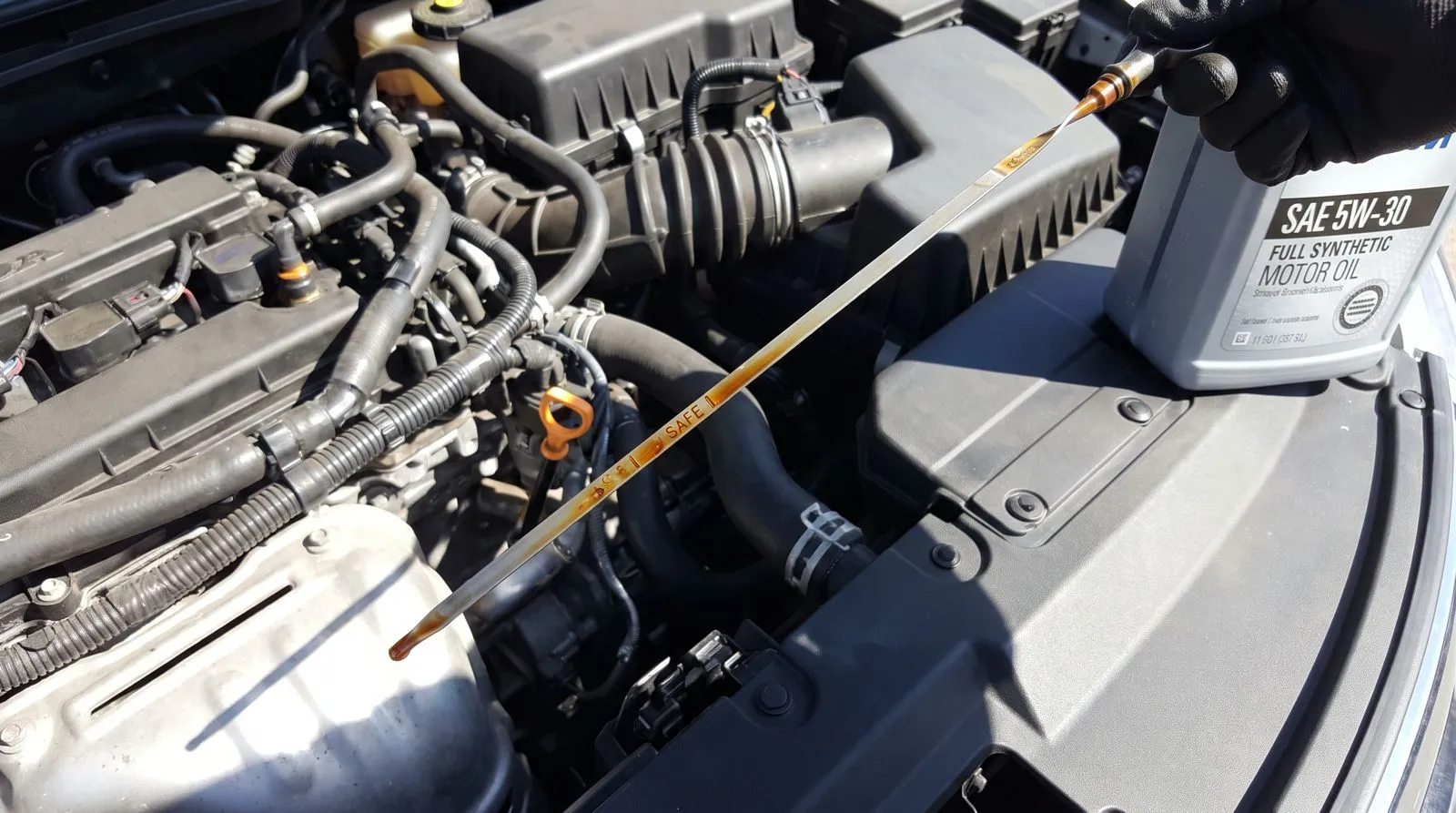
Pull out the dipstick and wipe it clean with a cloth.
Insert it back fully, then remove it again.
Check whether the oil level is between the minimum and maximum marks.
Inspect the Oil Condition
Don’t just check the level—look at the oil itself.
Healthy engine oil is usually amber or light brown. If it appears very dark, thick, gritty, or has a burnt smell, it may be time for an oil change before your trip.
If your scheduled oil change is approaching, it’s often better to replace the oil before leaving rather than during or after your journey. Fresh oil helps the engine perform more efficiently during long-distance driving.
Pro Tip: Always keep at least one litre of the correct engine oil in your vehicle during long road trips for emergency top-ups.
2. Inspect the Coolant Level
One of the most common causes of roadside breakdowns—especially during Pakistan’s summer months—is engine overheating.
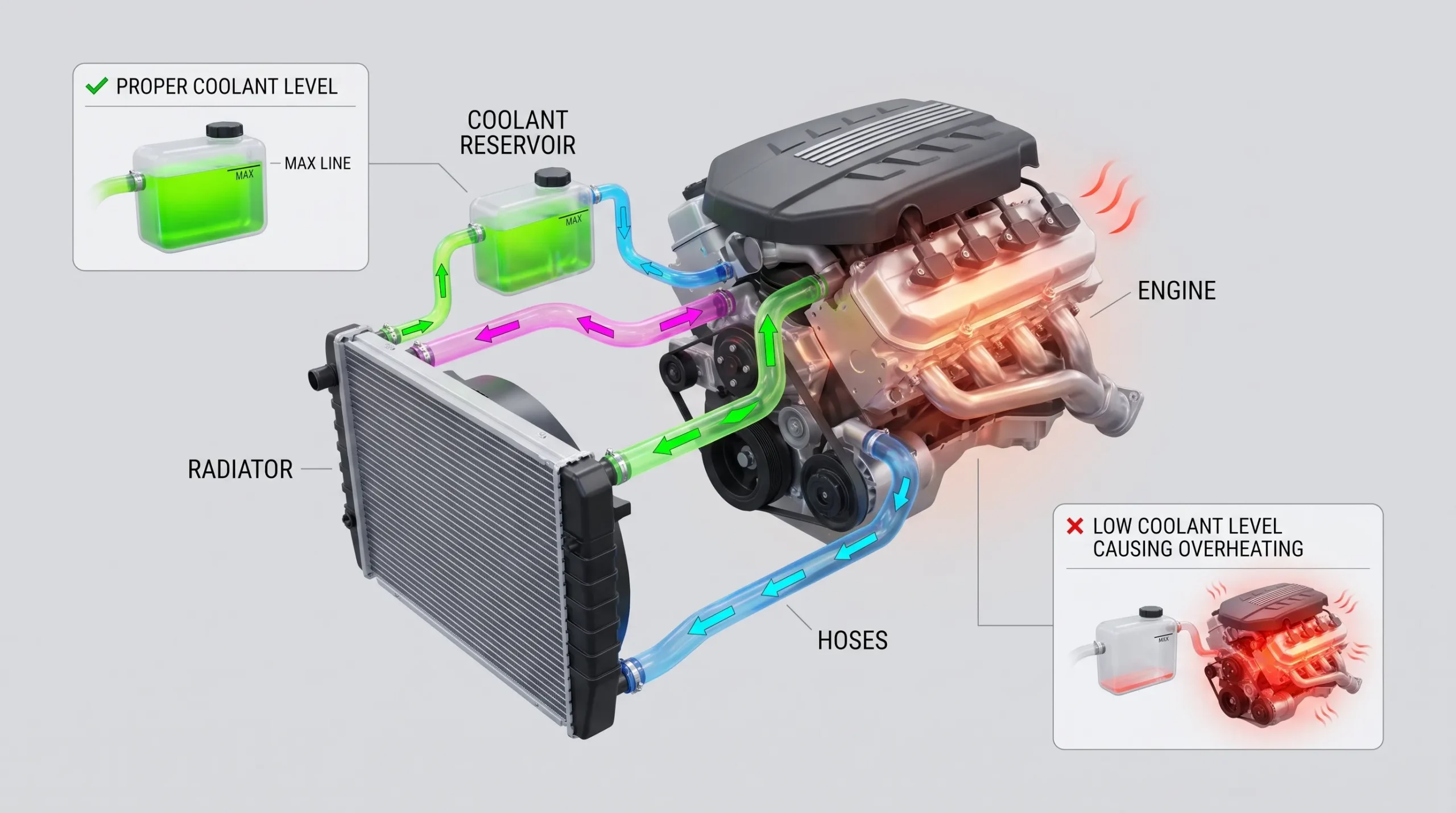
Your car’s coolant plays a crucial role in regulating engine temperature. It circulates through the engine and radiator, absorbing excess heat and preventing the engine from overheating during long drives.
How to Check Coolant
Before checking the coolant:
Ensure the engine is completely cool.
Never remove the radiator cap while the engine is hot, as pressurized hot coolant can cause serious burns.
Instead:
Check the coolant reservoir.
Confirm that the coolant level is between the “MIN” and “MAX” markings.
Inspect around the radiator and hoses for any signs of leaks.
If the coolant level is consistently dropping, your vehicle may have a leak that should be repaired before travelling.
Why Quality Coolant Matters
Using the correct coolant is just as important as maintaining the proper level. Quality coolant helps:
Prevent engine overheating
Protect against corrosion inside the cooling system
Lubricate the water pump
Improve cooling system efficiency
For drivers in Pakistan, using a high-quality coolant instead of plain water provides better protection during both hot summers and colder winter conditions.
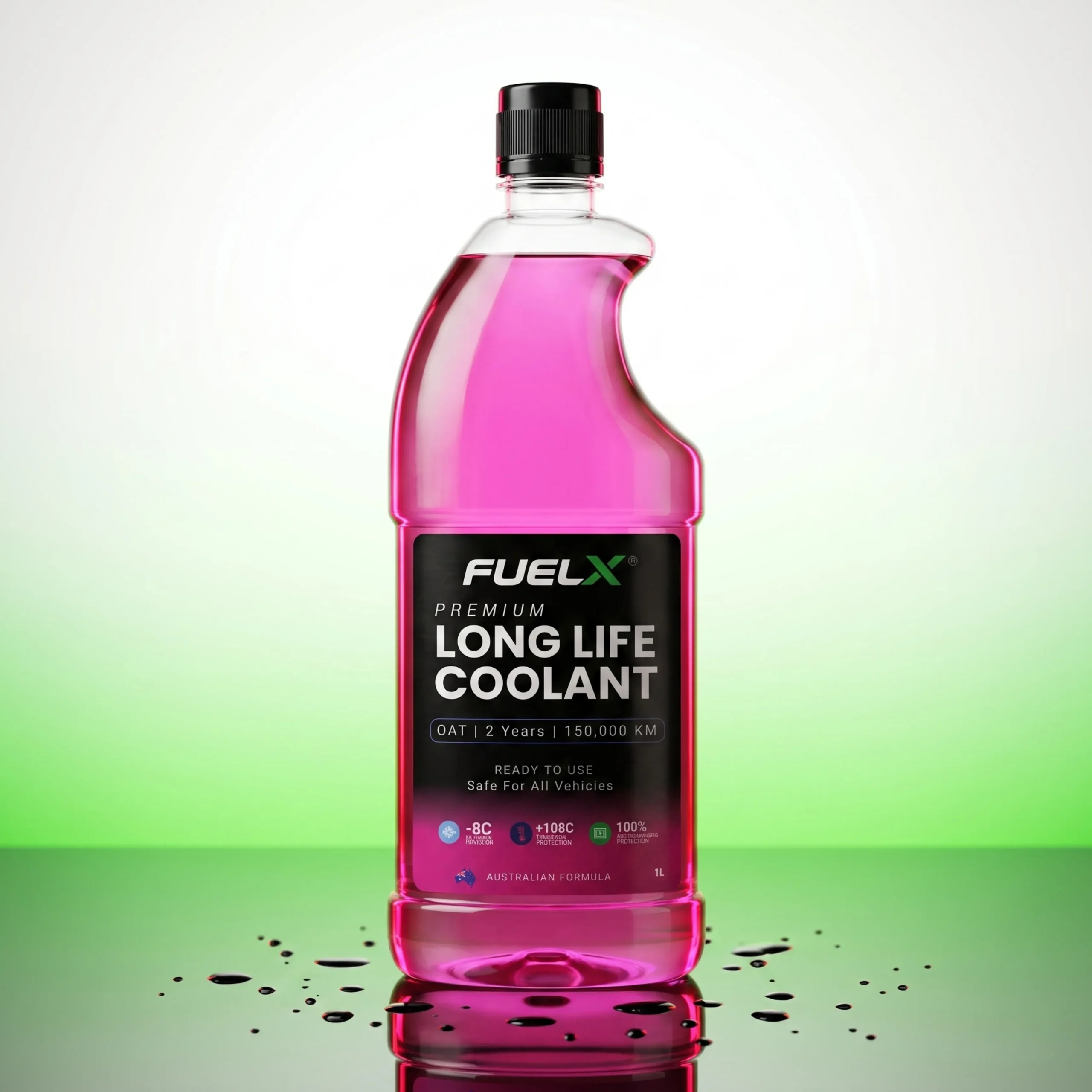
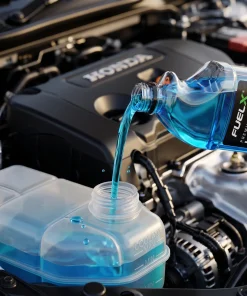
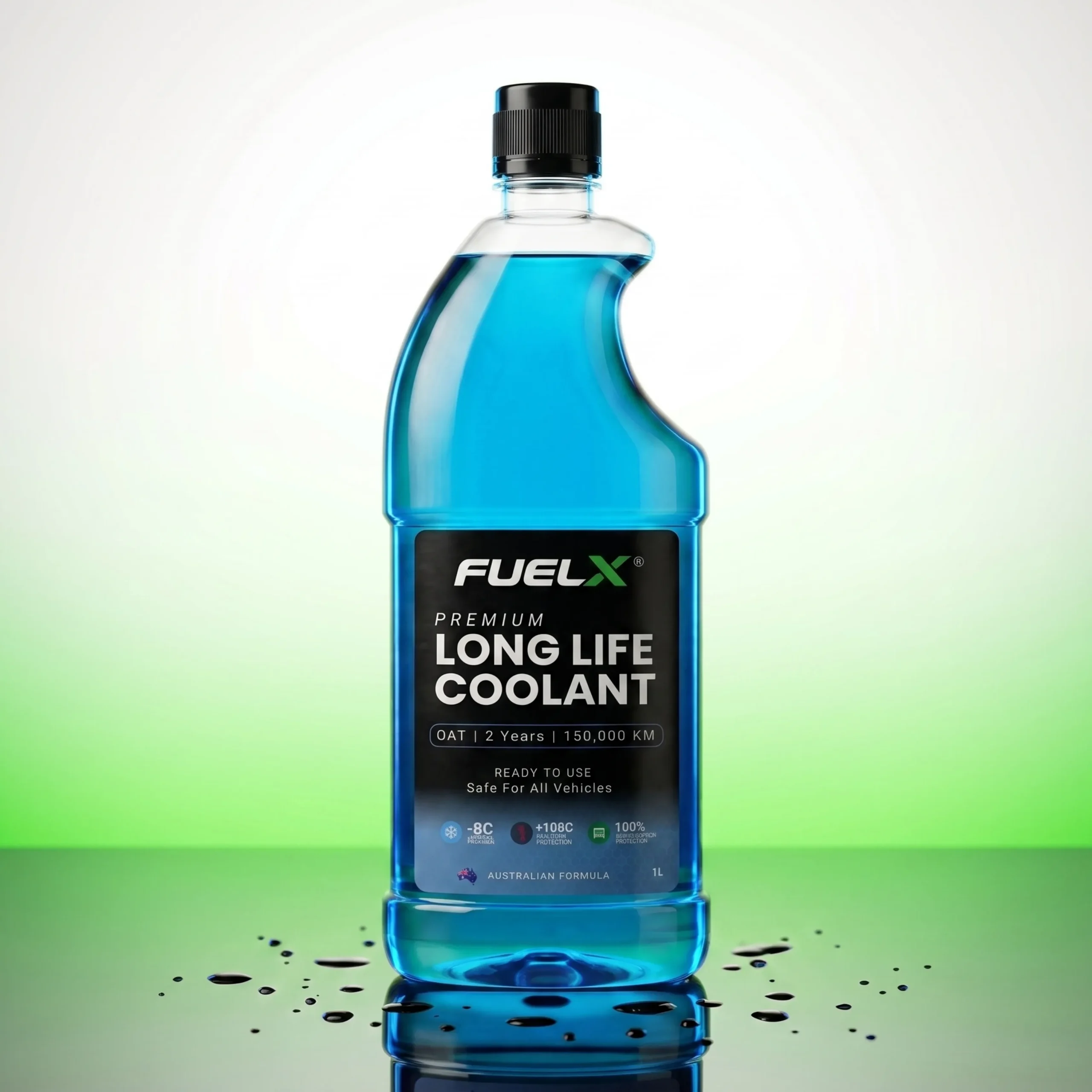
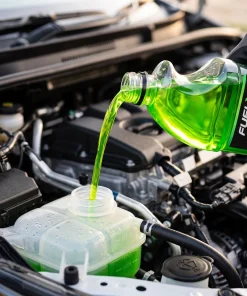
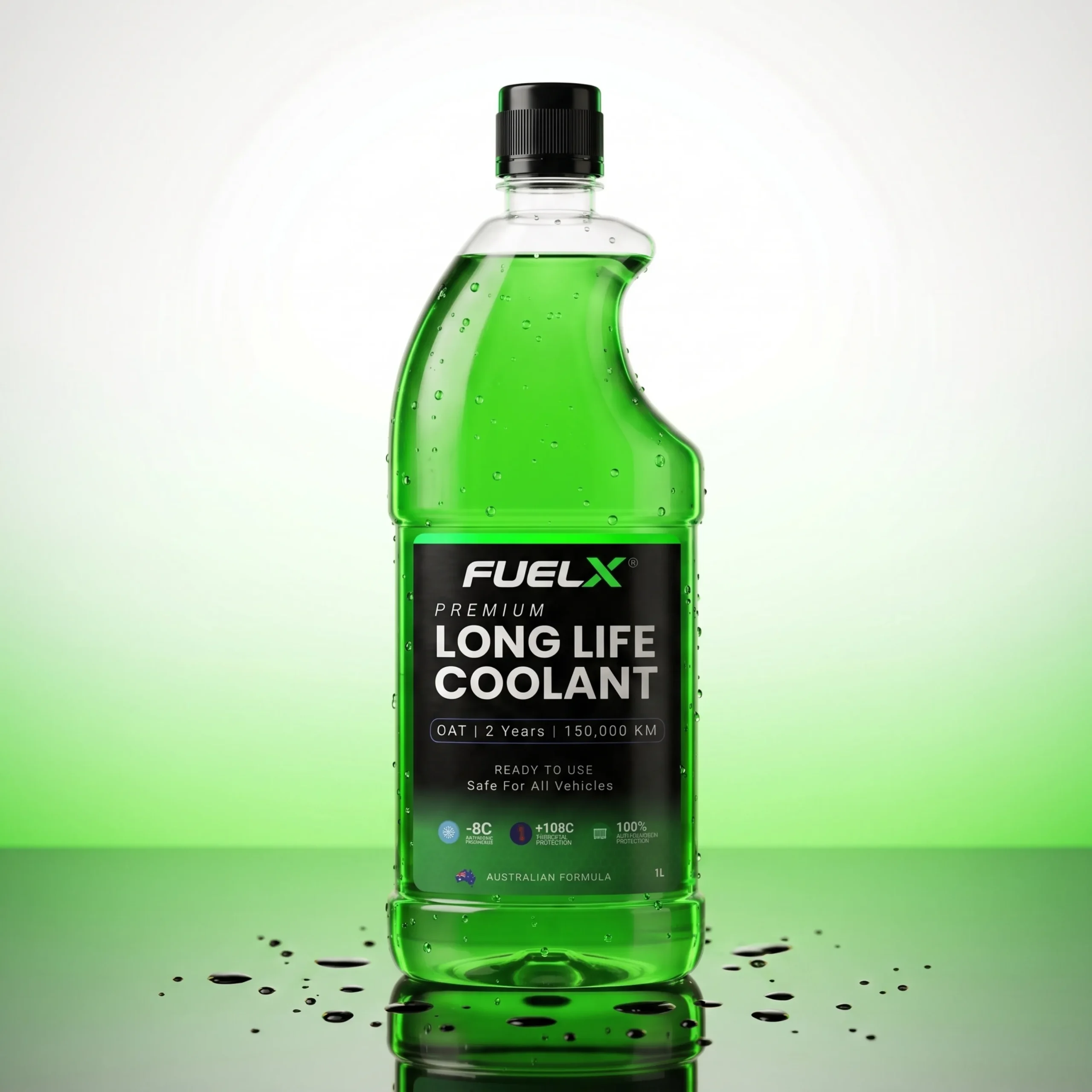
FuelX Tip: Choose the correct FuelX Green, Pink, or Blue Coolant according to your vehicle manufacturer’s recommendations to help maintain optimum engine cooling performance.
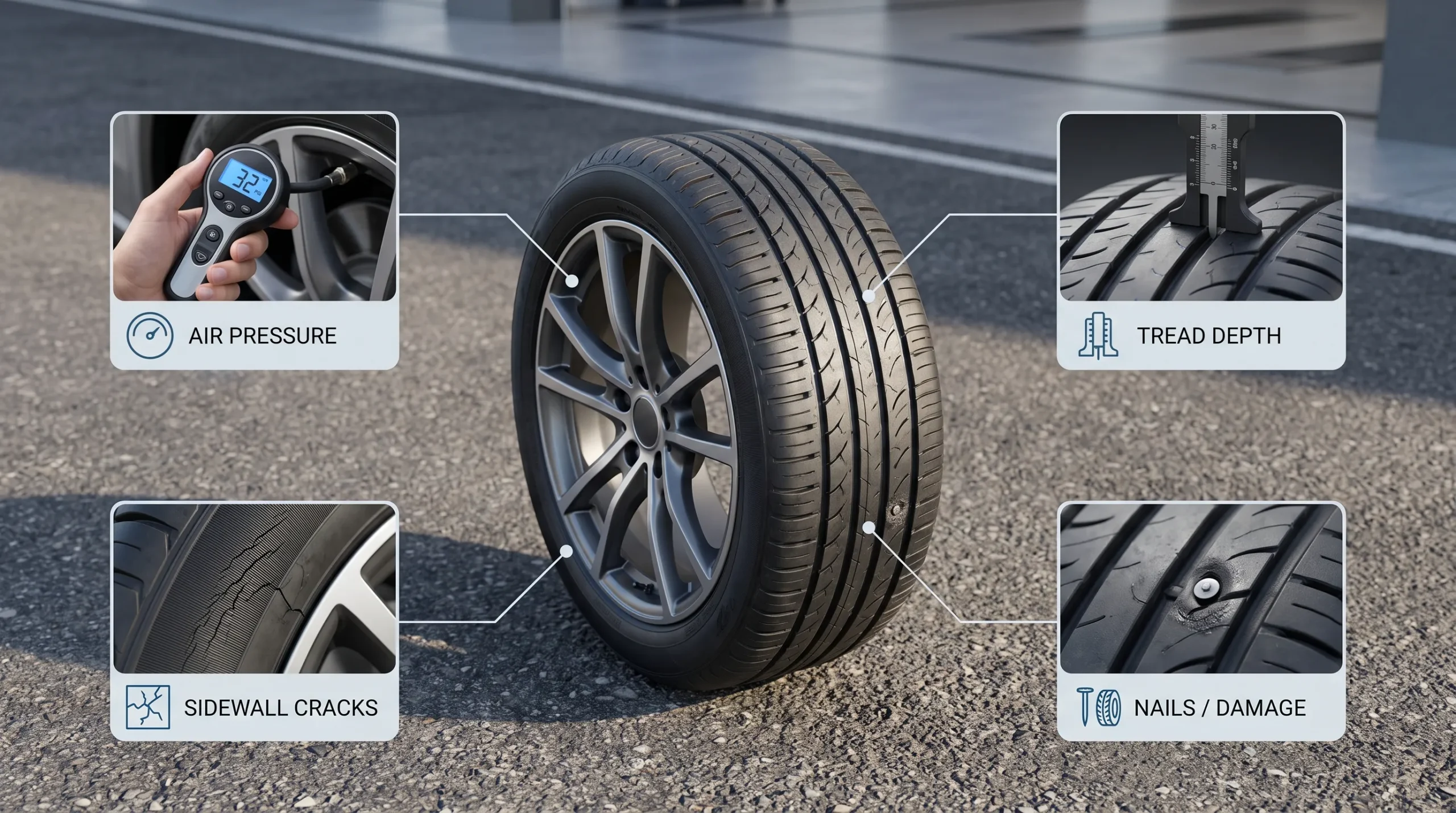
3. Inspect Your Tyres Carefully
Your tyres are the only part of your vehicle that remains in constant contact with the road. Their condition directly affects your safety, braking performance, handling, and fuel economy.
Even if your tyres appear fine at first glance, they should always be inspected before a long journey.
Check Tyre Pressure
Use a tyre pressure gauge to check all four tyres when they are cold.
Maintaining the manufacturer’s recommended tyre pressure offers several benefits:
Better fuel efficiency
Improved handling
Reduced tyre wear
Lower risk of blowouts
Avoid both underinflated and overinflated tyres, as either condition can negatively affect driving performance.
Inspect Tread Depth
Good tread provides better grip, especially on wet roads.
Look for:
Shallow tread
Uneven wear
Bald patches
If your tyres are badly worn, replacing them before your trip is much safer than risking poor traction or a tyre failure on the highway.
Look for Visible Damage
Carefully inspect each tyre for:
Cuts
Cracks
Bulges
Nails or sharp objects embedded in the rubber
Even minor sidewall damage can lead to a dangerous blowout during extended highway driving.
4. Don’t Forget the Spare Tyre
Many drivers spend time checking all four tyres—but completely forget about the spare.
A flat tyre can happen anywhere, and your spare tyre is only useful if it’s properly maintained.
Before leaving, inspect:
Spare tyre air pressure
Tread condition
Jack
Wheel spanner
Locking wheel nut (if equipped)
Portable tyre inflator or puncture repair kit
Having these tools readily available can save valuable time and reduce stress if you experience a puncture during your journey. Many roadside assistance professionals report that drivers often discover their spare tyre is flat only after needing it.
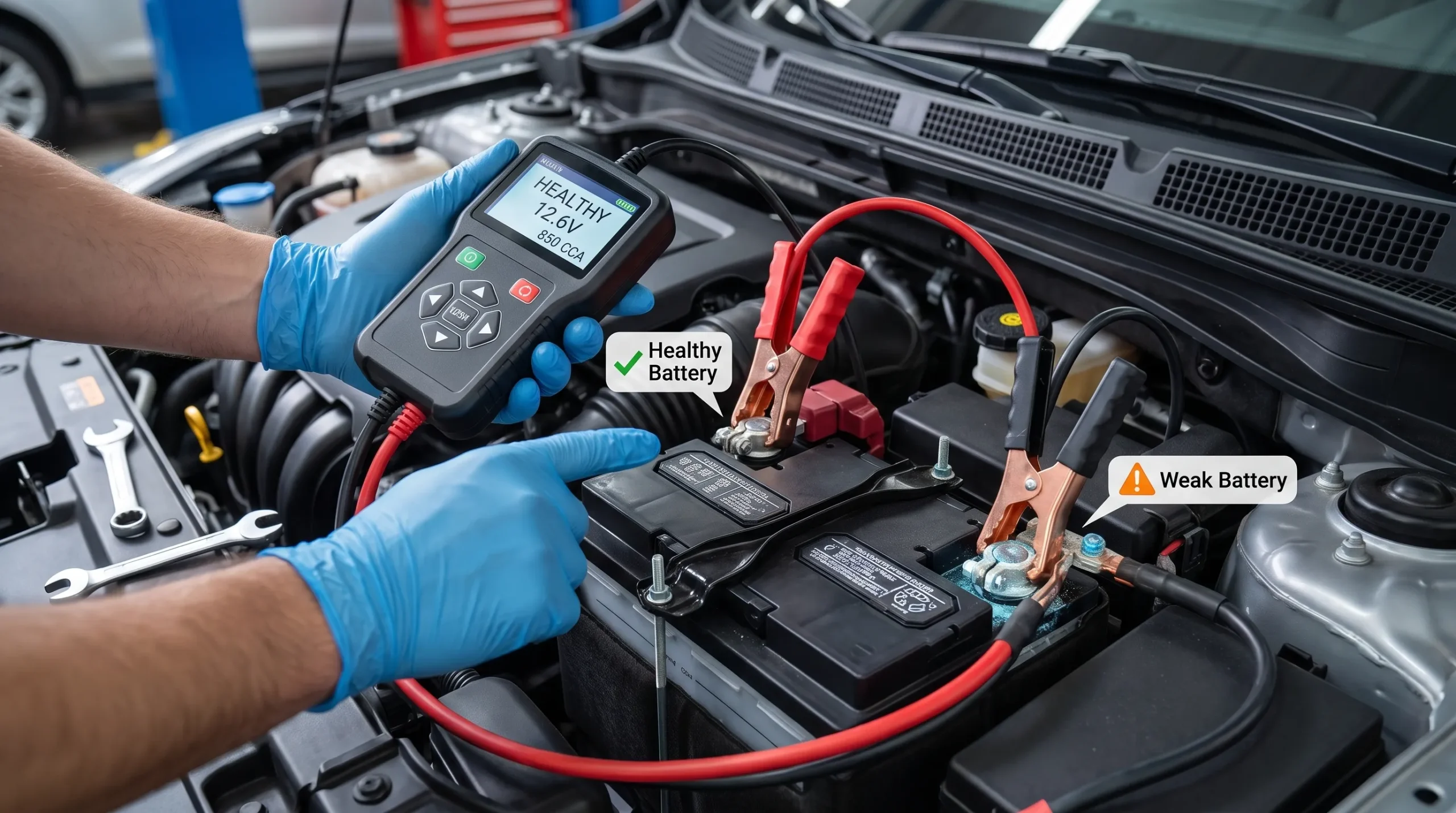
5. Test Your Car Battery
A weak battery is one of the most common reasons vehicles fail to start, especially after stopping at restaurants, fuel stations, or tourist attractions during a road trip. Long highway drives place continuous demand on your vehicle’s electrical system, so it’s important to ensure your battery is in good condition before leaving. Experts recommend checking the battery before any extended journey, particularly if it’s more than three years old or has shown signs of weakness.
Signs Your Battery May Need Attention
Watch for these warning signs:
The engine cranks slowly when starting.
Headlights appear dim while the engine is off.
Dashboard battery warning light stays on.
Electrical accessories work inconsistently.
White, blue, or green corrosion around the battery terminals.
If you notice any of these symptoms, have the battery tested at a trusted workshop before your trip.
Quick Battery Inspection
Before you leave:
Ensure the battery terminals are clean and tightly connected.
Remove any corrosion carefully using the proper cleaning method.
Confirm the battery is securely mounted.
If the battery is nearing the end of its expected lifespan, consider replacing it before a long journey rather than risking an unexpected failure.
Road Trip Tip: Carry a set of jumper cables or a portable jump starter, especially if you’ll be travelling through remote areas where roadside assistance may not be readily available.
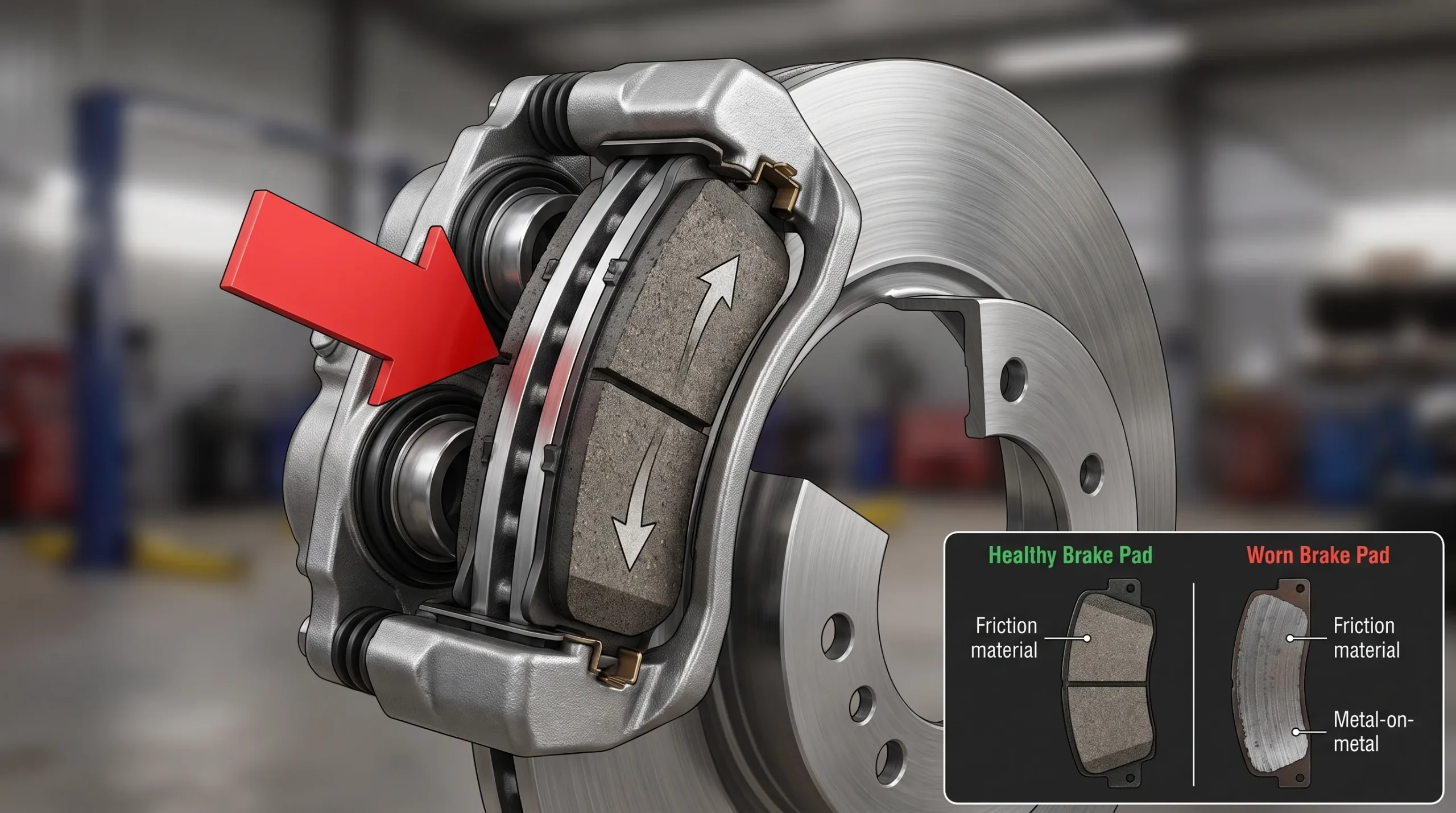
6. Inspect the Braking System
Your engine helps you move—but your brakes help you stop safely.
Whether you’re driving on the M-2 Motorway, descending mountain roads in northern Pakistan, or navigating busy city traffic, reliable brakes are essential. Worn brake components can increase stopping distances and reduce vehicle control, particularly when carrying passengers and luggage.
Listen and Feel for Warning Signs
Before travelling, pay attention to:
Squealing or grinding noises
Vibrations while braking
A soft or spongy brake pedal
The vehicle pulling to one side
Longer stopping distances than usual
These symptoms should never be ignored, as they may indicate worn brake pads, damaged discs, or hydraulic issues.
Check Brake Fluid
Brake fluid transfers the force from your brake pedal to the braking system.
Open the reservoir (following your owner’s manual) and ensure the fluid is between the minimum and maximum marks.
Low brake fluid may indicate:
Worn brake pads
A leak in the braking system
Air entering the hydraulic system
If the fluid level keeps dropping, have the system inspected by a qualified mechanic before your journey.
Safety Tip: Never postpone brake repairs simply because the car still stops. Small braking issues can become serious during long highway drives or steep descents.
7. Check All Essential Vehicle Fluids
Your vehicle relies on several fluids to keep different systems operating efficiently. While engine oil and coolant receive most of the attention, the other fluids are equally important for a safe and comfortable road trip.
Before leaving, inspect the following:
Fluid
Why It Matters
Check Before Trip?
Engine Oil
Lubricates engine components
✔
Coolant
Prevents overheating
✔
Brake Fluid
Ensures safe braking
✔
Transmission Fluid
Smooth gear changes
✔
Power Steering Fluid
Easier steering control
✔
Windshield Washer Fluid
Clear driving visibility
✔
Transmission Fluid
If your vehicle has an automatic transmission, healthy transmission fluid helps gears shift smoothly and prevents excessive heat buildup.
If the fluid appears dark, smells burnt, or your transmission shifts roughly, schedule an inspection before travelling.
Power Steering Fluid
Low power steering fluid can make steering heavier, especially during parking or slow-speed manoeuvres.
If you notice whining noises while turning the steering wheel, have the steering system checked.
Windshield Washer Fluid
Dust, insects, mud, and road debris can quickly reduce visibility during long drives.
Before your trip:
Fill the washer reservoir.
Test the washer nozzles.
Ensure the spray reaches the windshield evenly.
A clean windshield significantly improves driving safety, particularly during night driving and rainy weather.
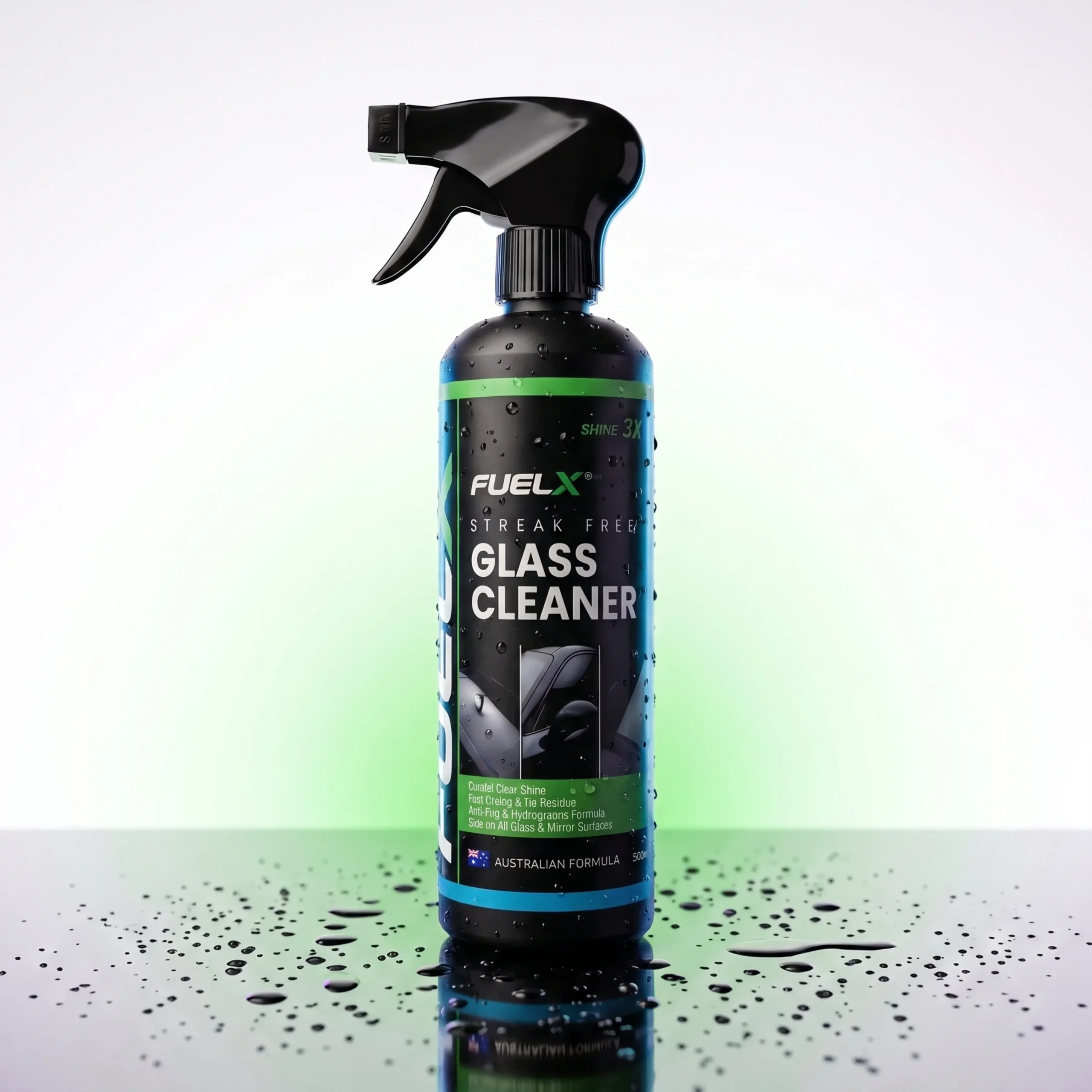
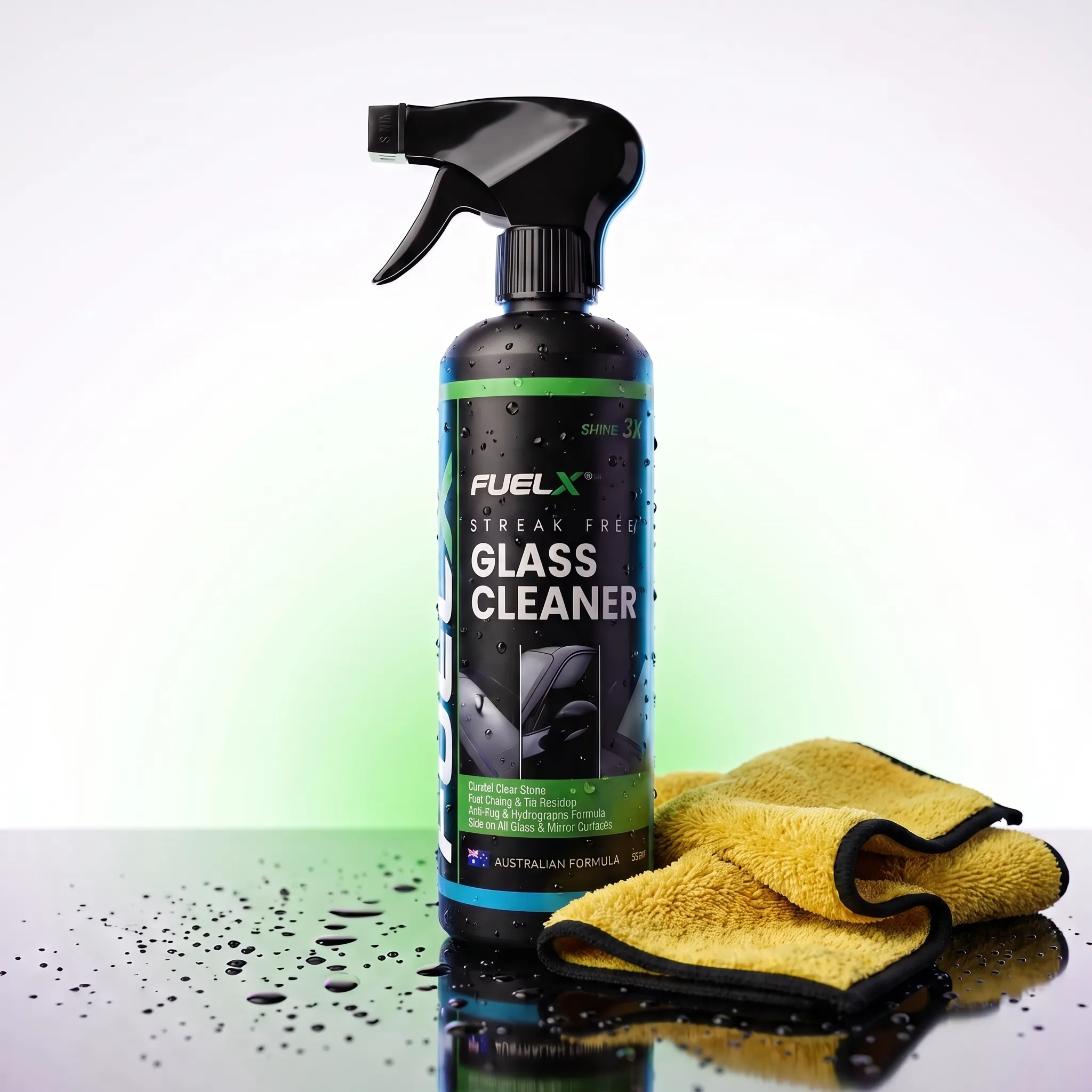
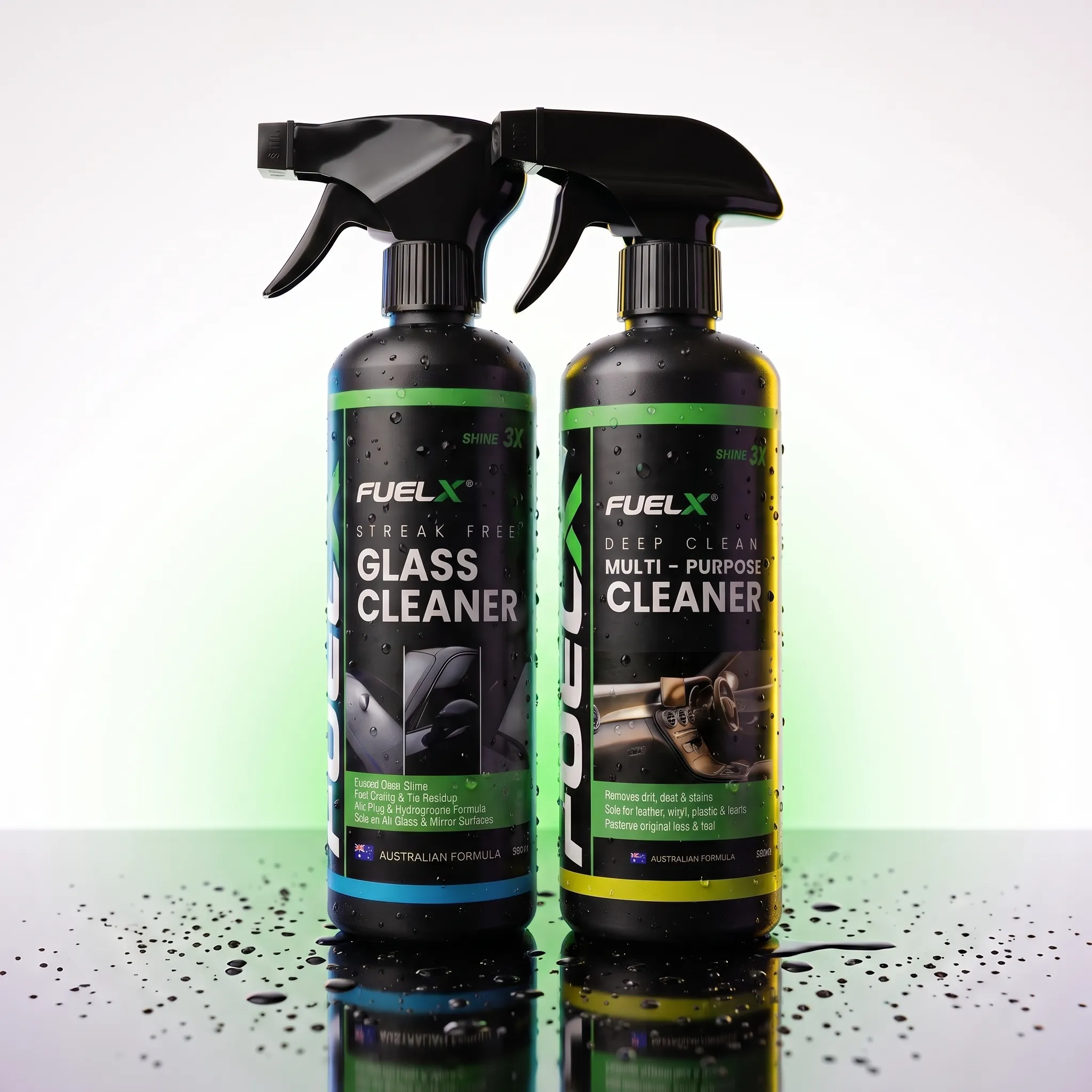
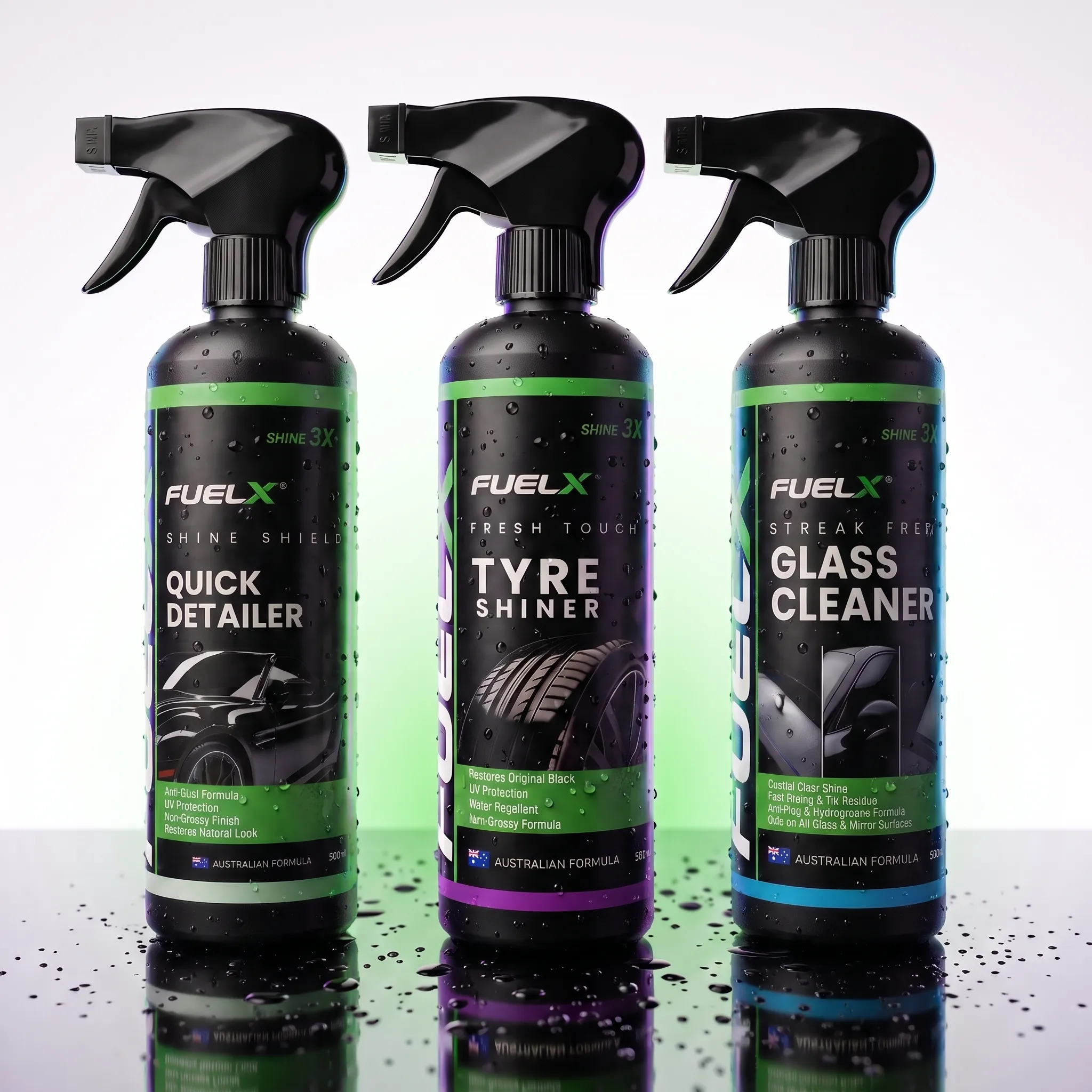
FuelX Tip: Pair a full washer reservoir with a quality glass cleaner before your journey to improve visibility and reduce glare from sunlight and oncoming headlights.
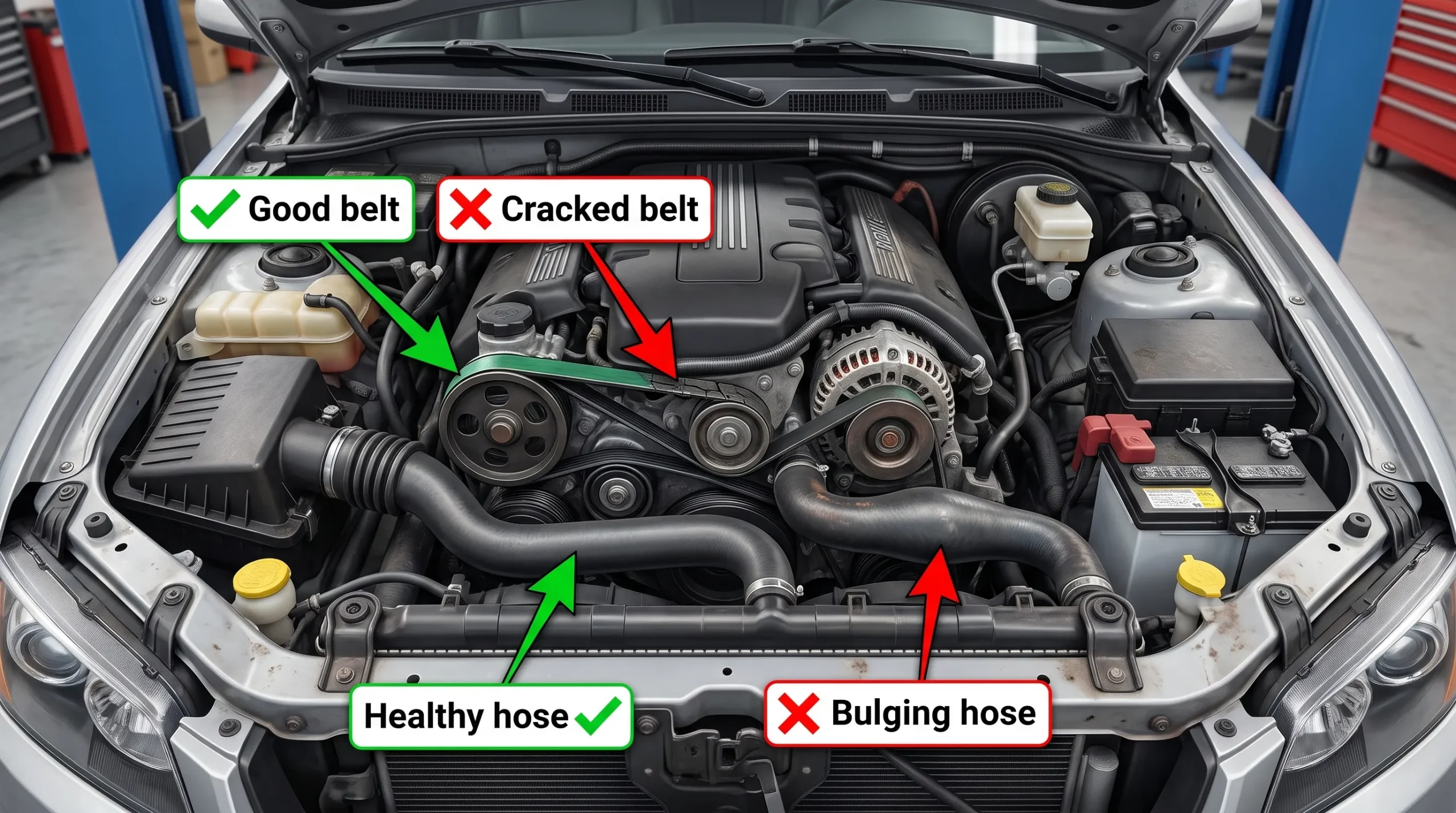
8. Inspect Belts and Hoses
Belts and hoses may not receive much attention during routine maintenance, but they play a vital role in keeping your engine running properly.
These rubber components are constantly exposed to heat, pressure, vibration, and age. Over time, they can crack, harden, or leak. A failed serpentine belt or burst coolant hose can quickly leave you stranded on the roadside.
Examine Engine Belts
Look for:
Cracks
Fraying
Missing ribs
Glazed or shiny surfaces
Squealing noises while the engine is running
A worn serpentine belt may affect multiple systems, including the alternator, water pump, power steering pump, and air-conditioning compressor.
Inspect Rubber Hoses
Carefully examine coolant and radiator hoses for:
Bulges
Cracks
Soft spots
Coolant residue
Loose clamps
Healthy hoses should feel firm yet flexible. Any hose showing signs of deterioration should be replaced before undertaking a long journey.
Look for Fluid Leaks
While inspecting under the hood, also check beneath the vehicle for signs of fresh leaks.
Pay attention to:
Green, pink, or blue coolant stains
Dark engine oil spots
Reddish transmission fluid
Clear water from the air conditioner (this is usually normal)
Small leaks often become much worse after several hours of highway driving, so it’s best to repair them before departure.
Maintenance Tip: If your vehicle is approaching its scheduled service interval, having a professional inspection performed before a long road trip is often less expensive than dealing with an emergency repair far from home.
9. Test All Lights and Electrical Components
Good visibility is essential for safe driving, especially if you’ll be travelling early in the morning, after sunset, or during rainy weather.
Before starting your journey, walk around your vehicle and make sure every exterior light is working correctly. Faulty lights reduce your visibility and make it harder for other drivers to see your intentions, increasing the risk of accidents. Road safety experts recommend checking all lights before any extended drive.
Check the Following Lights
Low beam headlights
High beam headlights
Brake lights
Tail lights
Turn indicators
Reverse lights
Hazard lights
Fog lights (if equipped)
Also test:
Horn
Interior lights
Dashboard warning lights
Power windows
USB charging ports
Replace any blown bulbs before your trip.
Safety Tip: Ask a friend or family member to help you check your brake lights and indicators while you operate the controls.
10. Replace Worn Wiper Blades and Clean the Windshield
Many drivers only think about their wipers when it starts raining. However, worn wiper blades can significantly reduce visibility by leaving streaks or failing to clear water effectively.
Even during dry weather, your windshield may collect dust, insects, mud, and road grime that can affect visibility.
Inspect Your Wiper Blades
Replace your wipers if you notice:
Streaking
Skipping
Squeaking
Torn rubber
Uneven cleaning
Most manufacturers recommend replacing wiper blades every 6–12 months, depending on usage and weather conditions.
Clean Your Windshield
Before leaving:
Clean the inside of the windshield.
Wash the outside thoroughly.
Fill the windshield washer reservoir.
Test the washer spray.
A clean windshield reduces glare from sunlight and headlights while improving visibility during rain.
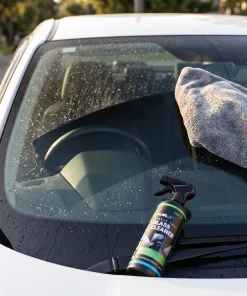
FuelX Tip: Using a quality FuelX Glass Cleaner before your journey helps remove fingerprints, oily residue, and road film for a crystal-clear driving view.
11. Pack an Emergency Road Trip Kit
Even the best-maintained vehicle can experience unexpected problems.
A well-stocked emergency kit can help you handle minor issues until professional assistance arrives.
Recommended Emergency Items
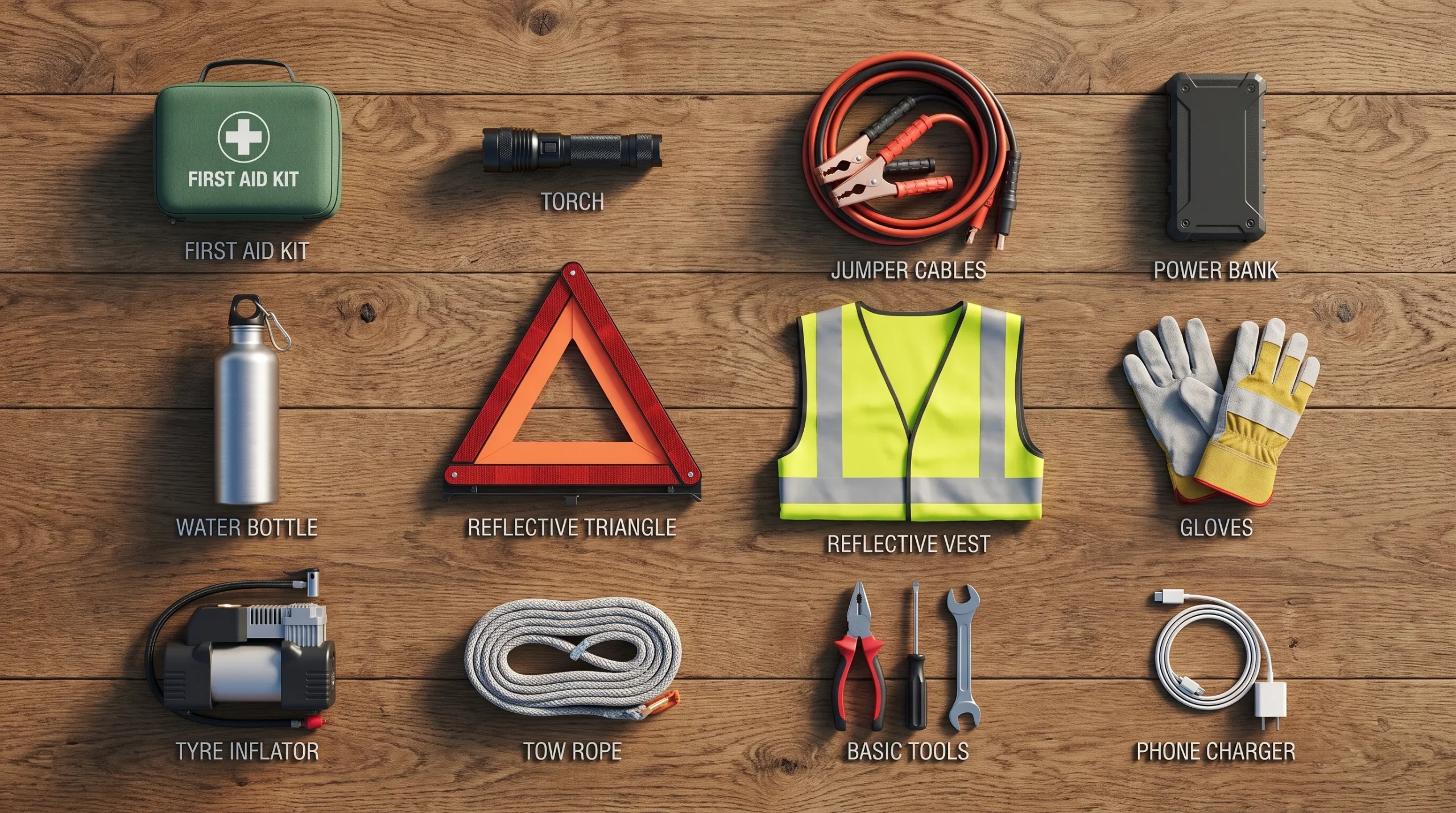
✔ First aid kit ✔ Jumper cables ✔ Portable jump starter ✔ Flashlight with spare batteries ✔ Reflective warning triangle ✔ Reflective safety vest ✔ Spare tyre ✔ Jack and wheel spanner ✔ Portable tyre inflator ✔ Tyre repair kit ✔ Basic tool kit ✔ Tow rope ✔ Drinking water ✔ Non-perishable snacks ✔ Phone charger or power bank ✔ Gloves ✔ Blanket ✔ Printed emergency contact numbers
Having these essentials can make a stressful roadside situation much safer and easier to manage.
12. Wash and Inspect Your Vehicle Before Leaving
Cleaning your car before a road trip isn’t just about appearance—it also provides an opportunity to inspect your vehicle more closely.
A clean car makes it easier to spot:
Paint chips
Fluid leaks
Loose trim
Windshield cracks
Damaged tyres
Missing fasteners
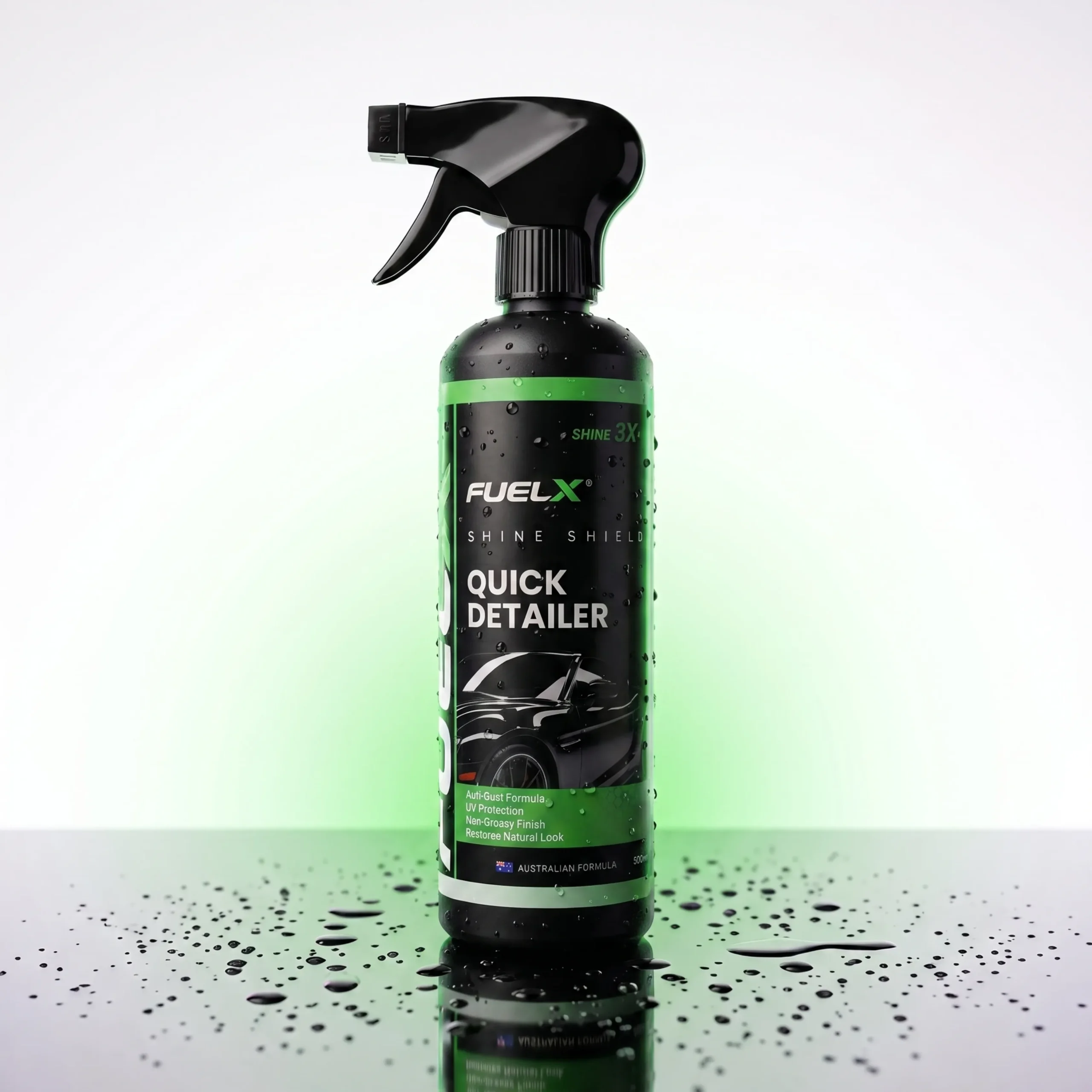
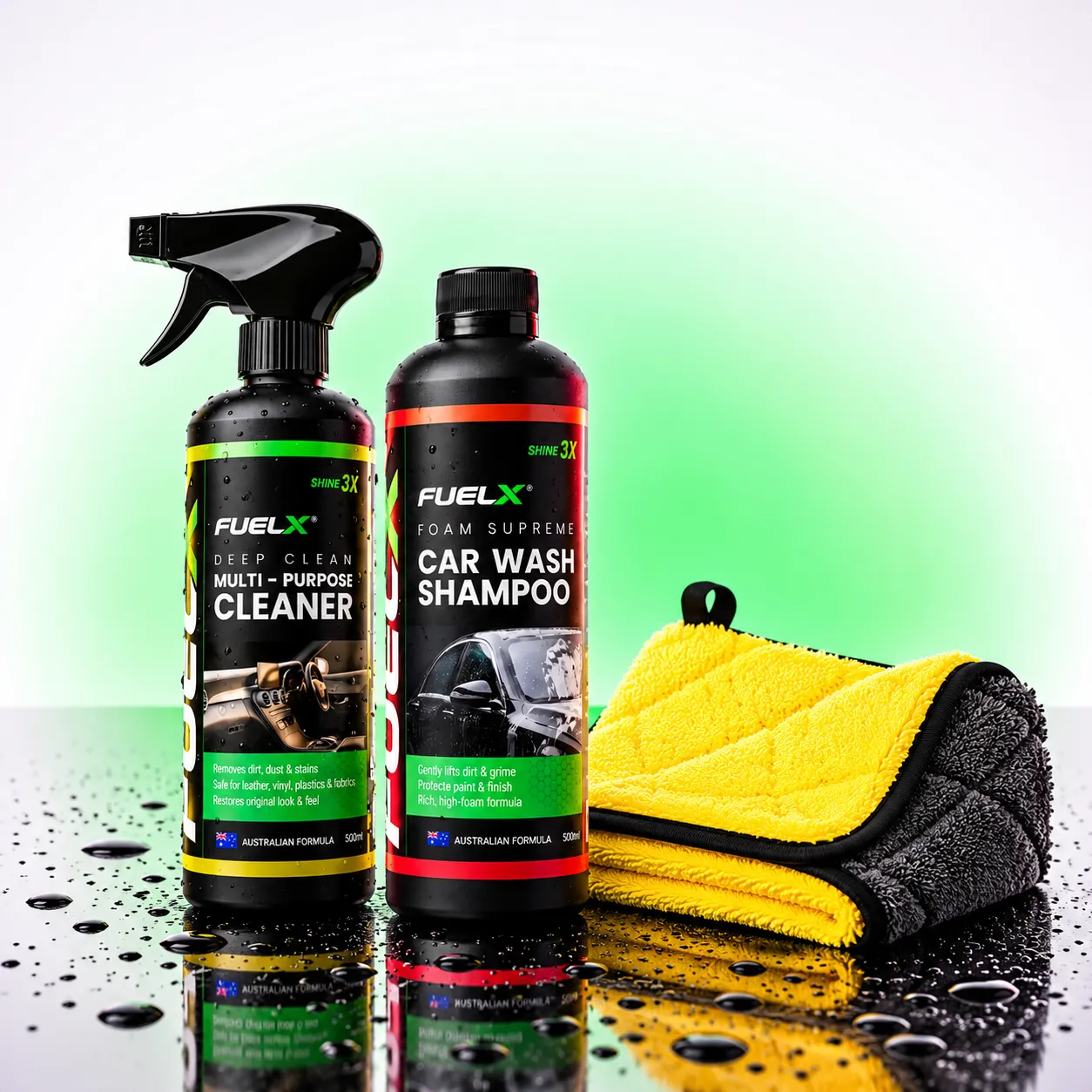
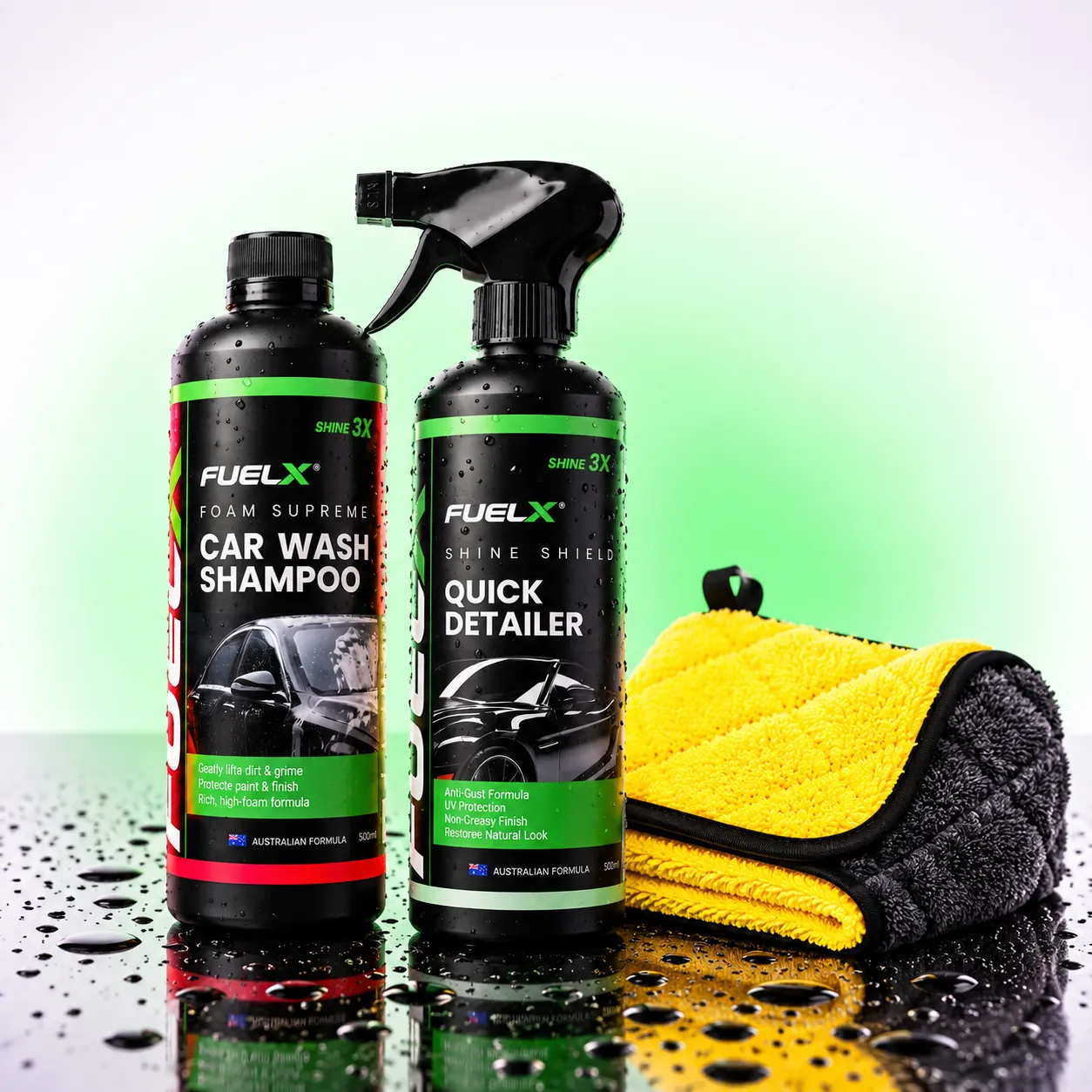
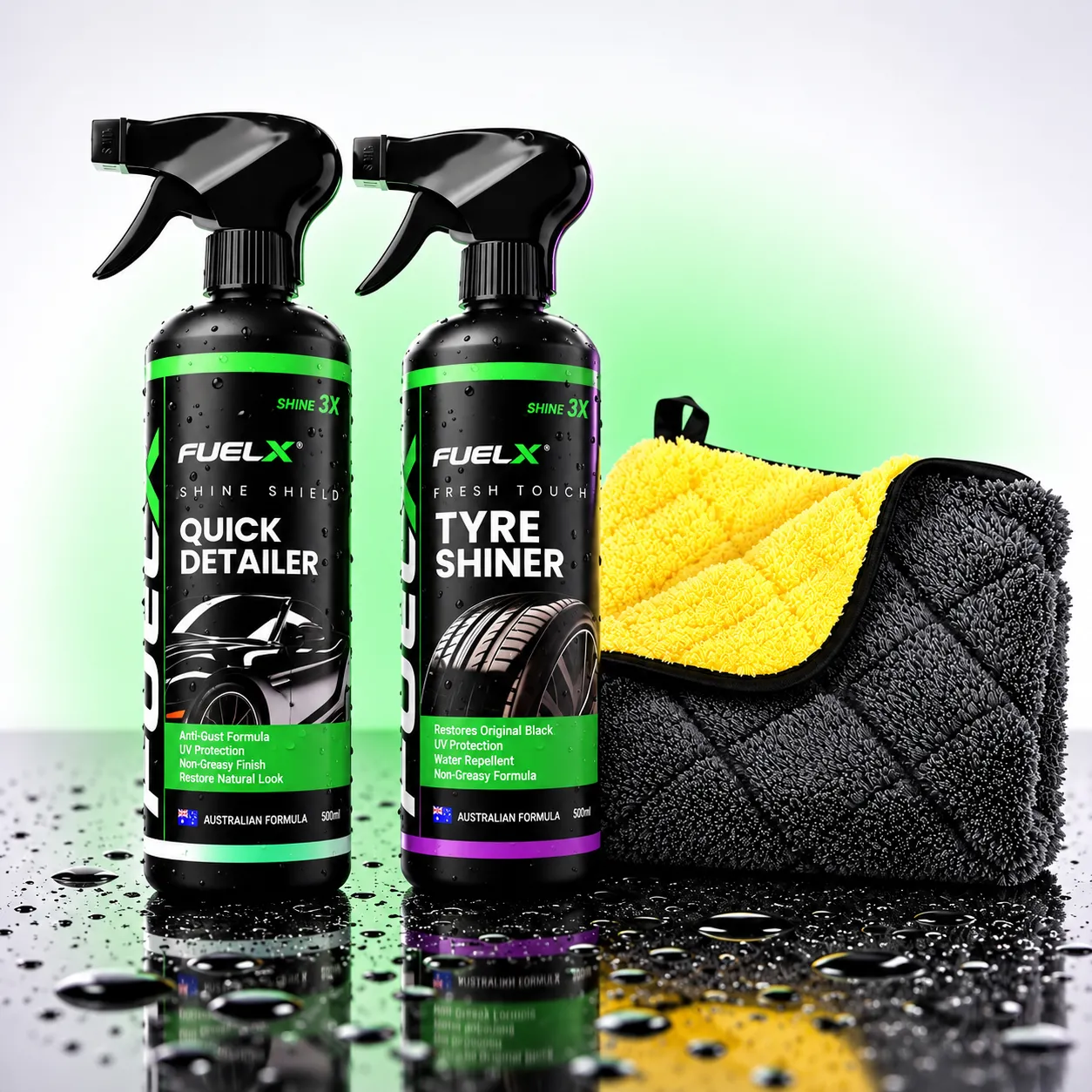
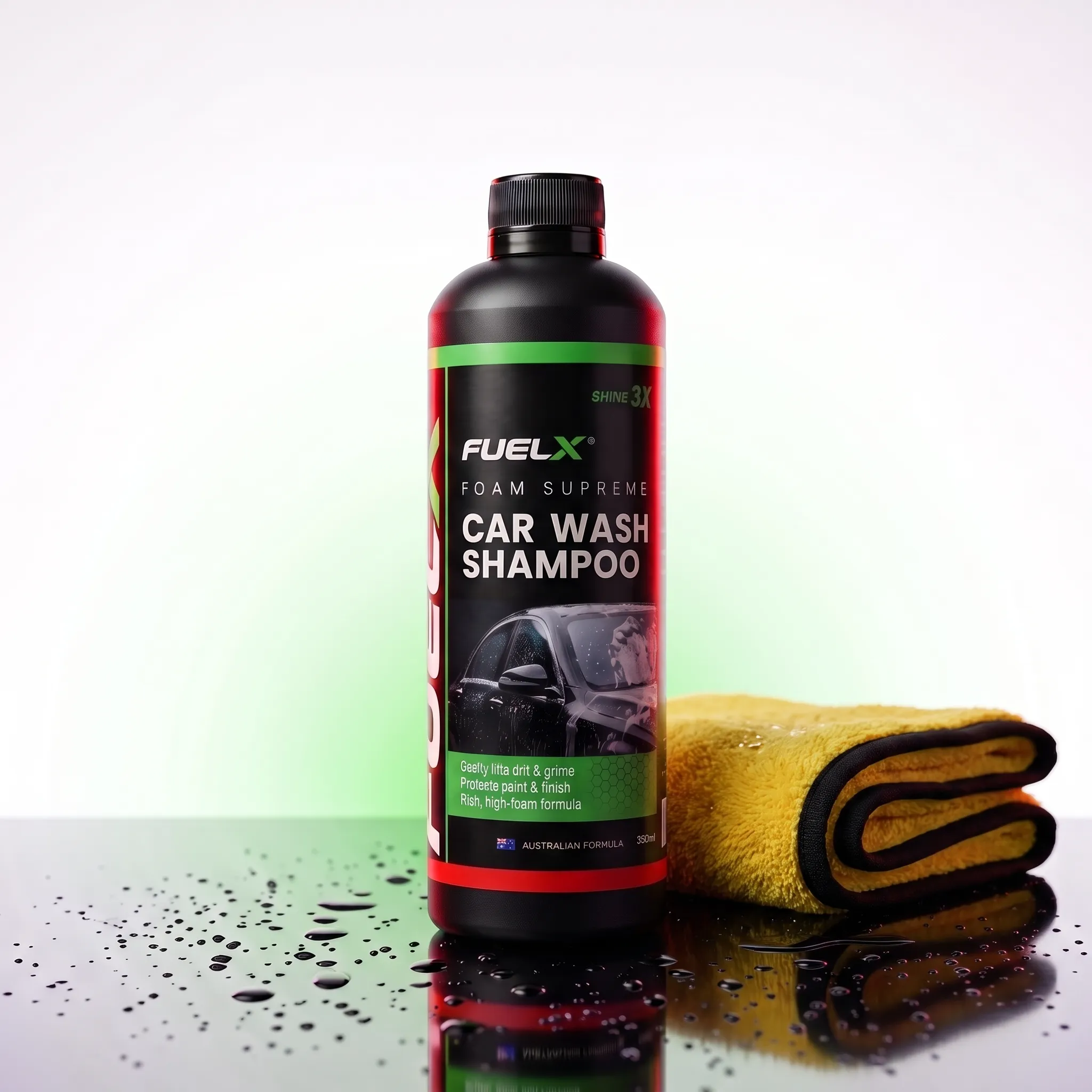
Give Your Car a Quick Detail
Before your trip:
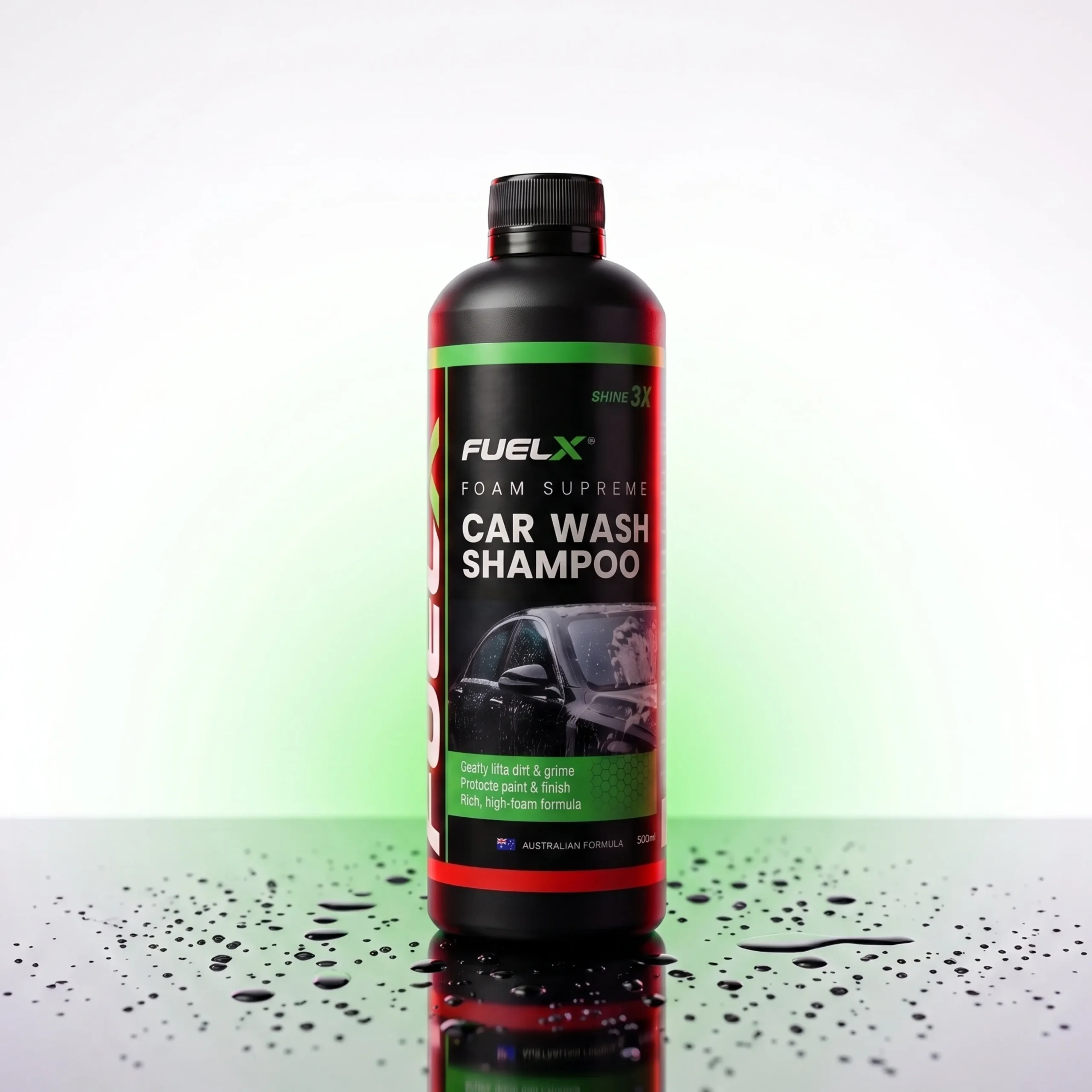
Wash the exterior.
Clean all windows and mirrors.
Vacuum the interior.
Remove unnecessary clutter.
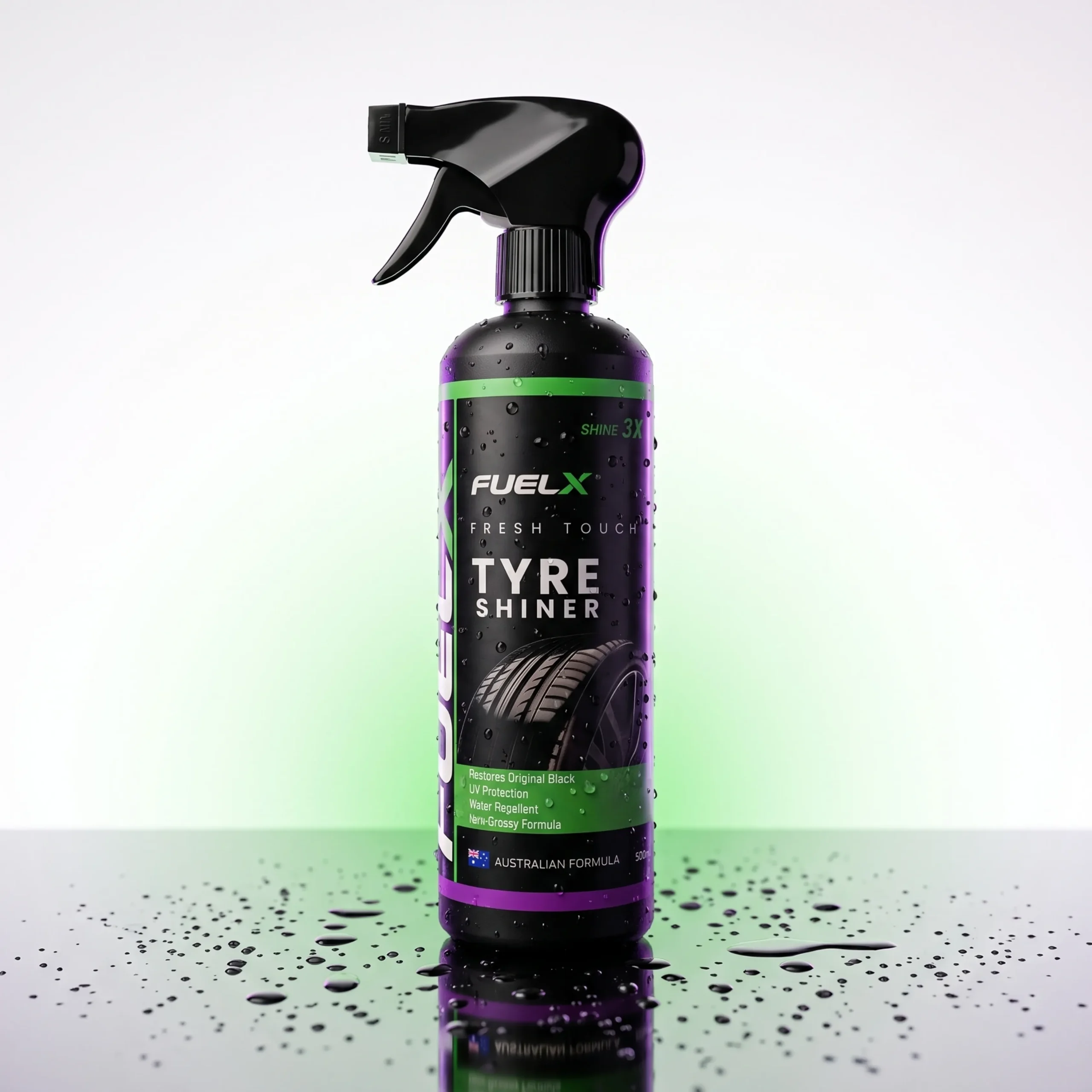
Apply tyre dressing if desired.
Wipe down the dashboard and controls.
Besides making your vehicle look great, a clean cabin creates a more comfortable driving experience for long hours on the road.
Bonus Tips for Long Road Trips in Pakistan
Driving conditions vary across Pakistan, from modern motorways to mountainous roads and remote rural routes. A little extra planning can make your journey safer and more enjoyable.
Start Early
During summer, begin your trip early in the morning to avoid peak afternoon temperatures and heavy traffic.
Plan Fuel Stops
Don’t wait until your fuel tank is nearly empty, especially when travelling through remote areas where fuel stations may be far apart.
Take Regular Breaks
Stop every two to three hours to:
Stretch your legs
Stay hydrated
Reduce driver fatigue
Improve concentration
Monitor the Temperature Gauge
Keep an eye on your engine temperature throughout the journey.
If the temperature rises unusually high:
Pull over safely.
Turn off the engine.
Allow it to cool before checking the coolant level.
Never remove the radiator cap while the engine is hot.
Follow Your Vehicle’s Service Schedule
If your scheduled maintenance is due soon, consider completing it before your road trip instead of postponing it until after you return.
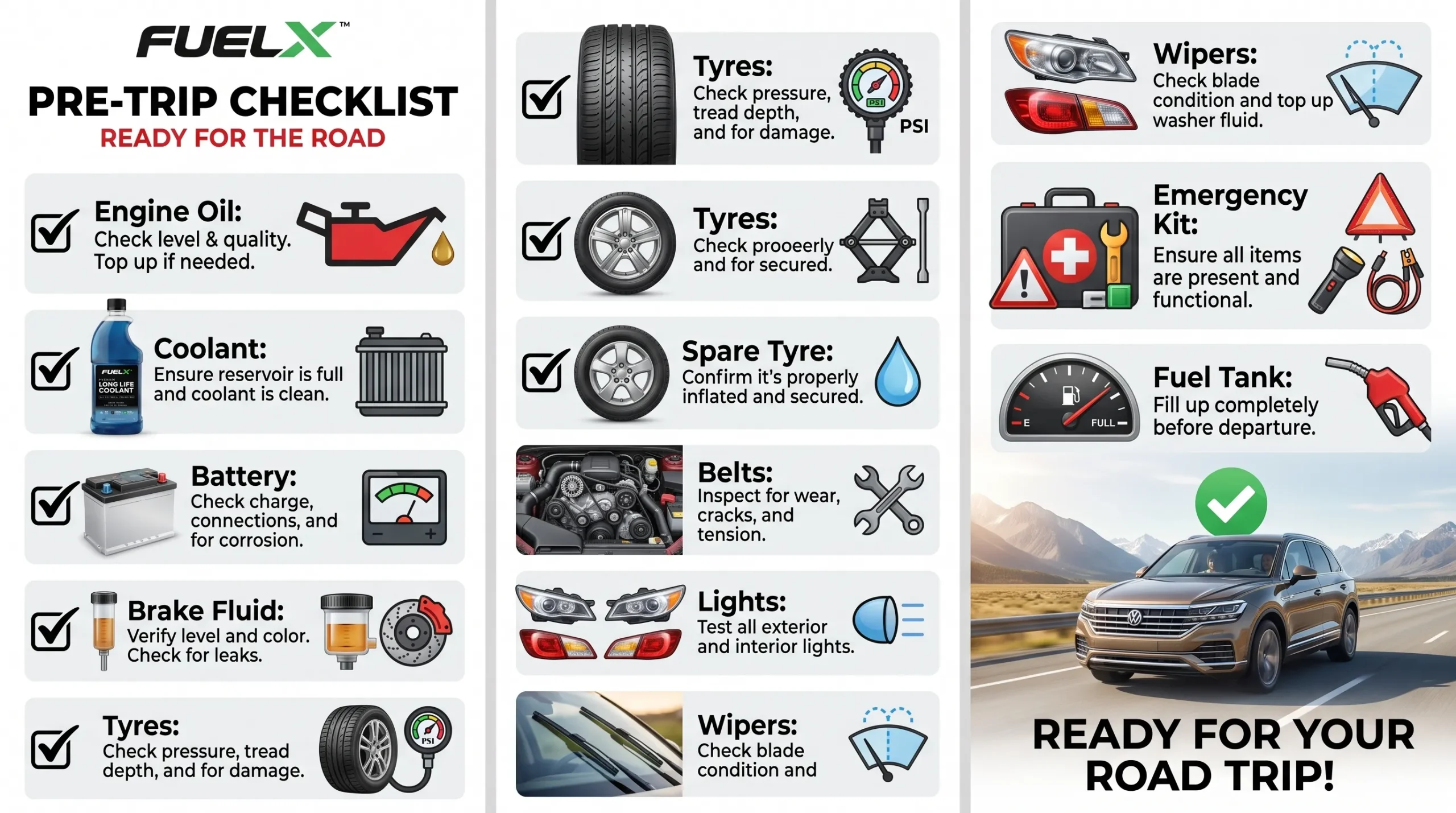
Quick Pre-Trip Car Maintenance Checklist
Use this checklist before every long journey.
Check
Completed
Engine oil
☐
Coolant level
☐
Brake fluid
☐
Transmission fluid
☐
Power steering fluid
☐
Tyre pressure
☐
Tyre tread
☐
Spare tyre
☐
Battery
☐
Brakes
☐
Belts & hoses
☐
Lights
☐
Wiper blades
☐
Washer fluid
☐
Emergency kit
☐
Fuel tank
☐
Completing this checklist takes only a short time but can significantly reduce the chances of an unexpected roadside breakdown.
Conclusion
A memorable road trip begins with a reliable vehicle. By taking a little time to inspect your car before leaving, you can greatly reduce the risk of breakdowns, improve fuel efficiency, and make every kilometre safer for you and your passengers.
From checking engine oil and coolant to inspecting tyres, brakes, lights, and emergency equipment, each maintenance step plays an important role in keeping your vehicle road-ready.
Regular maintenance doesn’t just protect your car—it also protects your travel plans.
Wherever the road takes you, a well-maintained car will help you travel with confidence and peace of mind.
FAQ’s
How many days before a road trip should I inspect my car?
Ideally, inspect your vehicle several days before departure. This gives you enough time to repair or replace any worn parts if necessary.
Should I change my engine oil before a long drive?
If your next oil change is due soon, replacing it before your trip is usually the better option. Fresh engine oil helps protect the engine during long periods of continuous driving.
Is coolant really necessary before travelling?
Yes. Coolant regulates engine temperature and helps prevent overheating, especially during long drives and hot weather.
How often should tyre pressure be checked?
Check tyre pressure at least once a month and always before a long journey. Remember to inspect the spare tyre as well.
What should every emergency kit include?
At a minimum: – First aid kit – Jumper cables – Flashlight – Basic tools – Reflective warning triangle – Spare tyre – Portable phone charger – Drinking water
Can I travel with an old battery?
If your battery is more than three to five years old or has shown signs of weakness, have it tested before your trip. Replacing a failing battery is usually much cheaper and more convenient than dealing with a roadside breakdown.