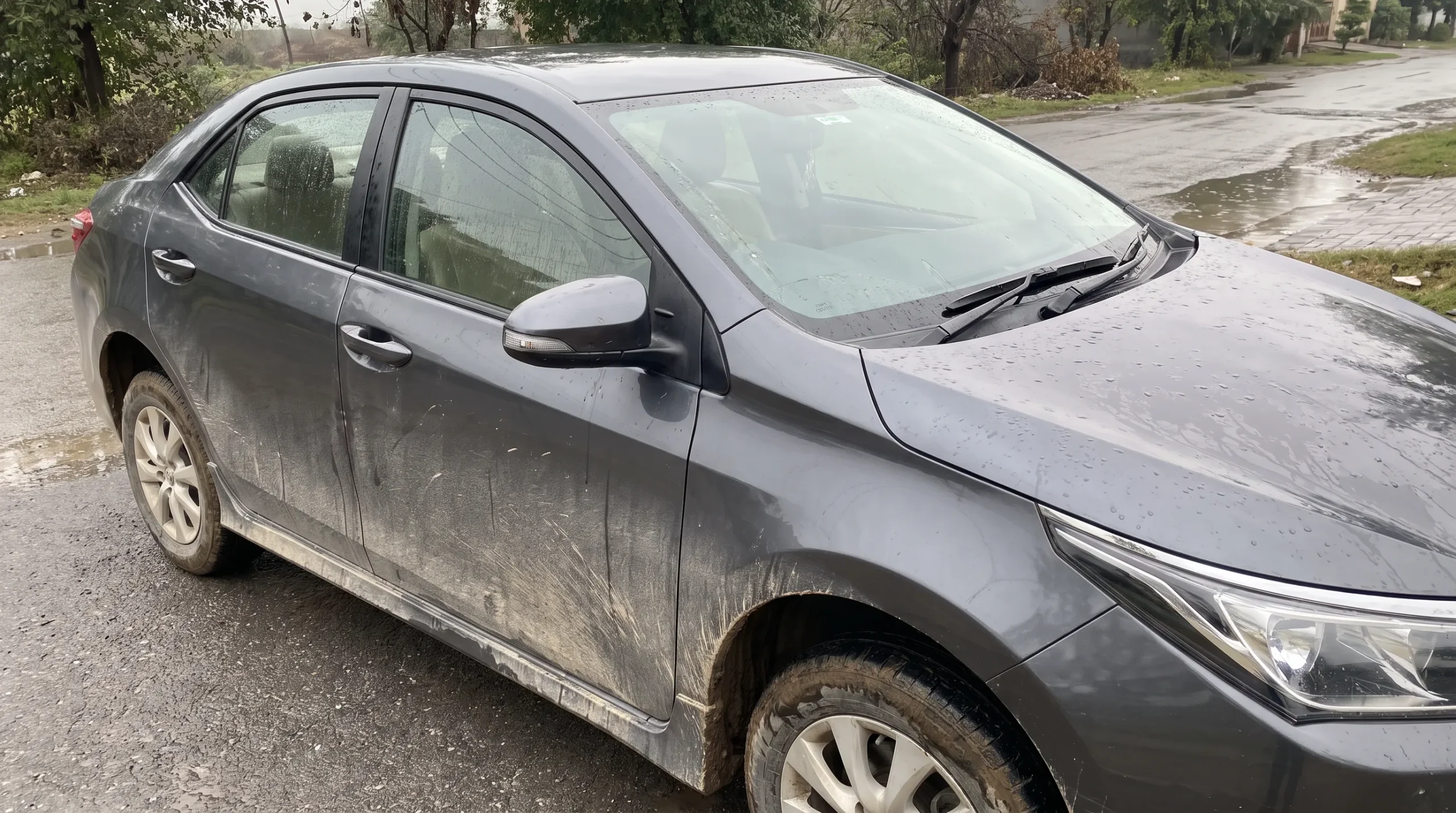
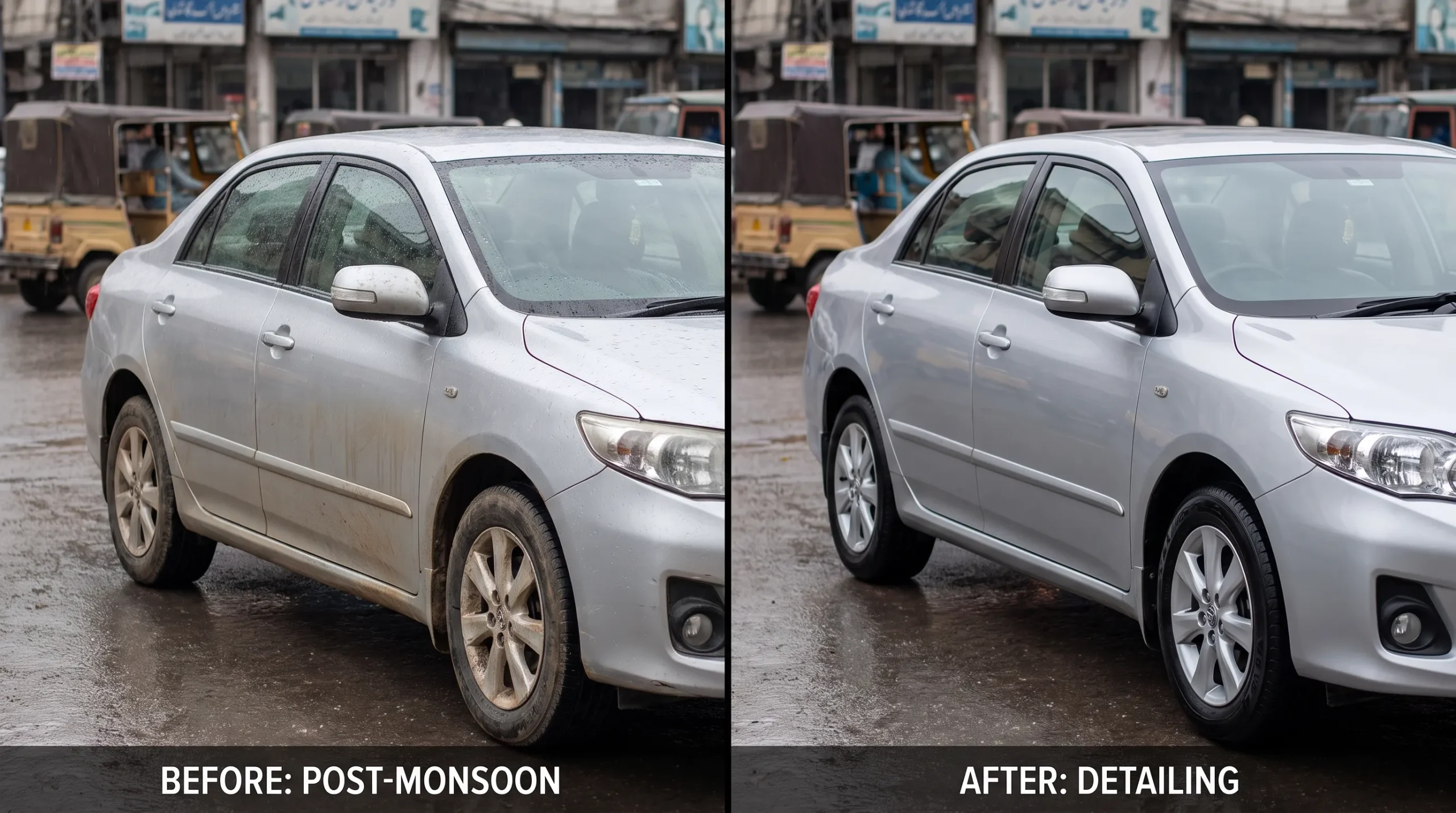
Pakistan’s monsoon season can be tough on vehicles. Weeks of rain, muddy roads, standing water, humidity, dust and traffic can leave a car carrying much more than ordinary dirt. Even when the rain makes the exterior look temporarily cleaner, water can dry and leave mineral deposits, while road spray can deposit mud and grime on the lower body, wheels and wheel arches.
By the end of the monsoon, your car may therefore need more than a quick wash. A proper post-monsoon car detailing routine gives you an opportunity to clean difficult areas, remove accumulated contaminants, dry moisture-prone parts of the interior and inspect the vehicle for early signs of paint damage or corrosion.
Think of it as a seasonal reset for your vehicle.
This car detailing checklist after the monsoon walks through the process step by step, with practical guidance for Pakistani driving conditions.
Why Your Car Needs Detailing After Monsoon
Rainwater does not automatically mean a clean car. As rain falls through the atmosphere and lands on roads, it can combine with dust, pollutants and other contaminants. When that water dries on the vehicle, some of the residue can remain on the paint and glass.
The problem becomes more noticeable when rain is followed by sunshine. For example, a car that gets wet several times during a rainy week may repeatedly go through a simple cycle:
After several weeks, that repeated cycle can leave visible spots and a layer of road film.
The lower parts of the vehicle can be even dirtier. During wet driving, tyres throw muddy water onto the doors, bumpers and wheel arches. A car travelling through busy city traffic can accumulate this contamination quickly.
The interior has its own problems. Wet shoes, umbrellas and damp floor mats can introduce moisture into the cabin. If a carpet remains damp for an extended period, unpleasant odors can develop.
A post-monsoon detail therefore isn’t only about appearance. It combines cleaning, drying, inspection and preventative maintenance.
Post-Monsoon Car Detailing Checklist
1. Start With a Thorough Exterior Rinse
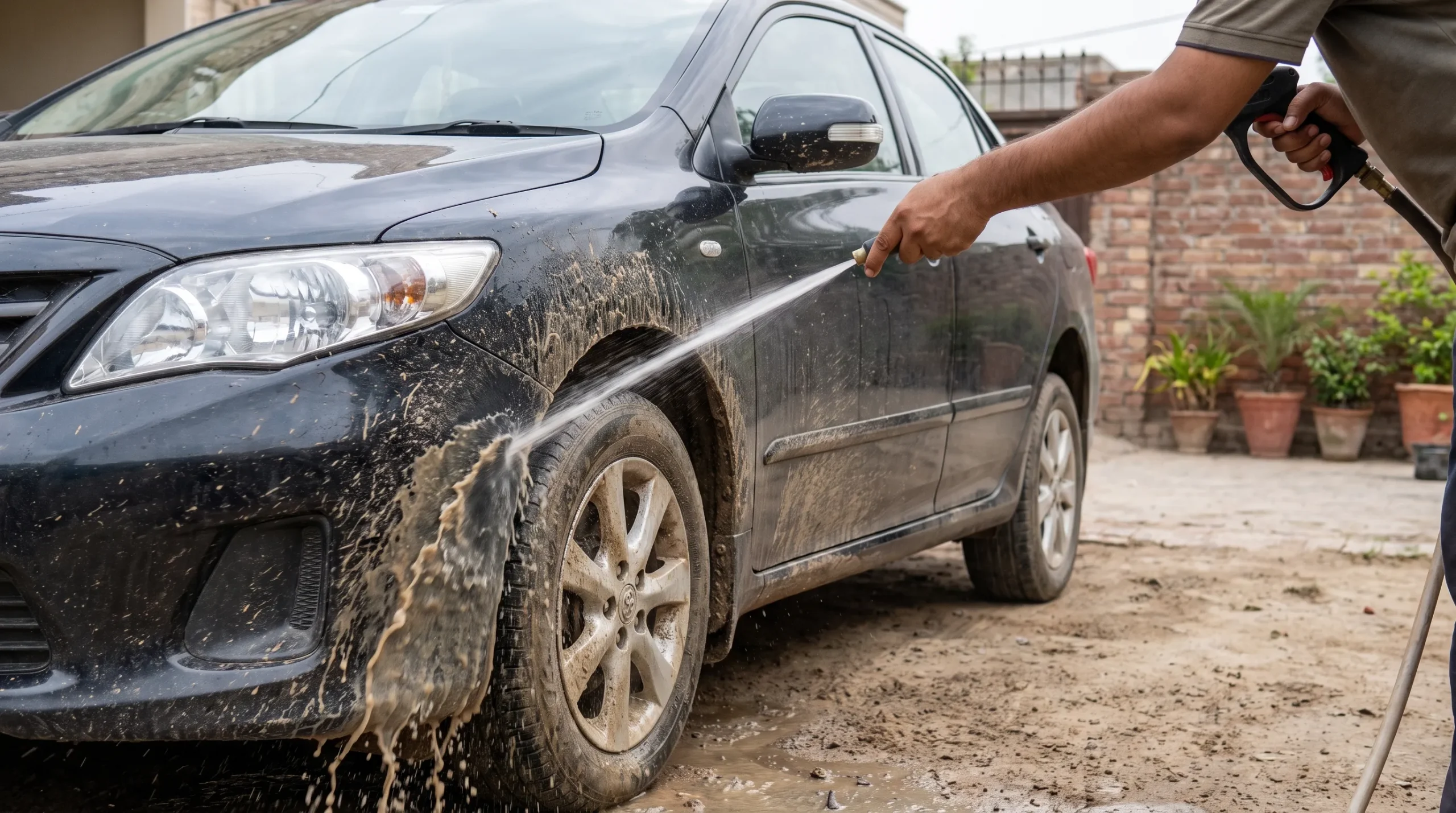
Before applying shampoo or rubbing the paint, give the entire vehicle a thorough rinse.
This first step is more important than it looks. Dried mud can contain tiny particles of road dust and grit. If you immediately wipe a dirty panel with a cloth, those particles can move across the paint and potentially create fine scratches.
Start with the roof and upper panels, then work downward. Give extra attention to:
Lower doors
Front and rear bumpers
Side skirts
Mud flaps
Wheel arches
Areas behind the wheels
If the vehicle has visible mud deposits, allow water to soften them rather than trying to scrape them off.
A few extra minutes spent rinsing can make the subsequent washing process safer and easier.
2. Wash the Body With Proper Car Shampoo
Once loose contamination has been rinsed away, wash the vehicle with a dedicated automotive car shampoo.
A useful approach is to work from the cleaner areas toward the dirtier ones. Wash the roof and upper panels first, followed by the windows, bonnet, doors and lower body sections.
For example, the lower section of a car driven through muddy streets can be considerably dirtier than the roof. Using the same dirty wash material across both areas can transfer abrasive contamination back onto cleaner surfaces.
Avoid using household dishwashing liquid as your regular car-washing solution. Automotive shampoos are formulated specifically for vehicle-cleaning applications, making them the more appropriate choice for routine maintenance.
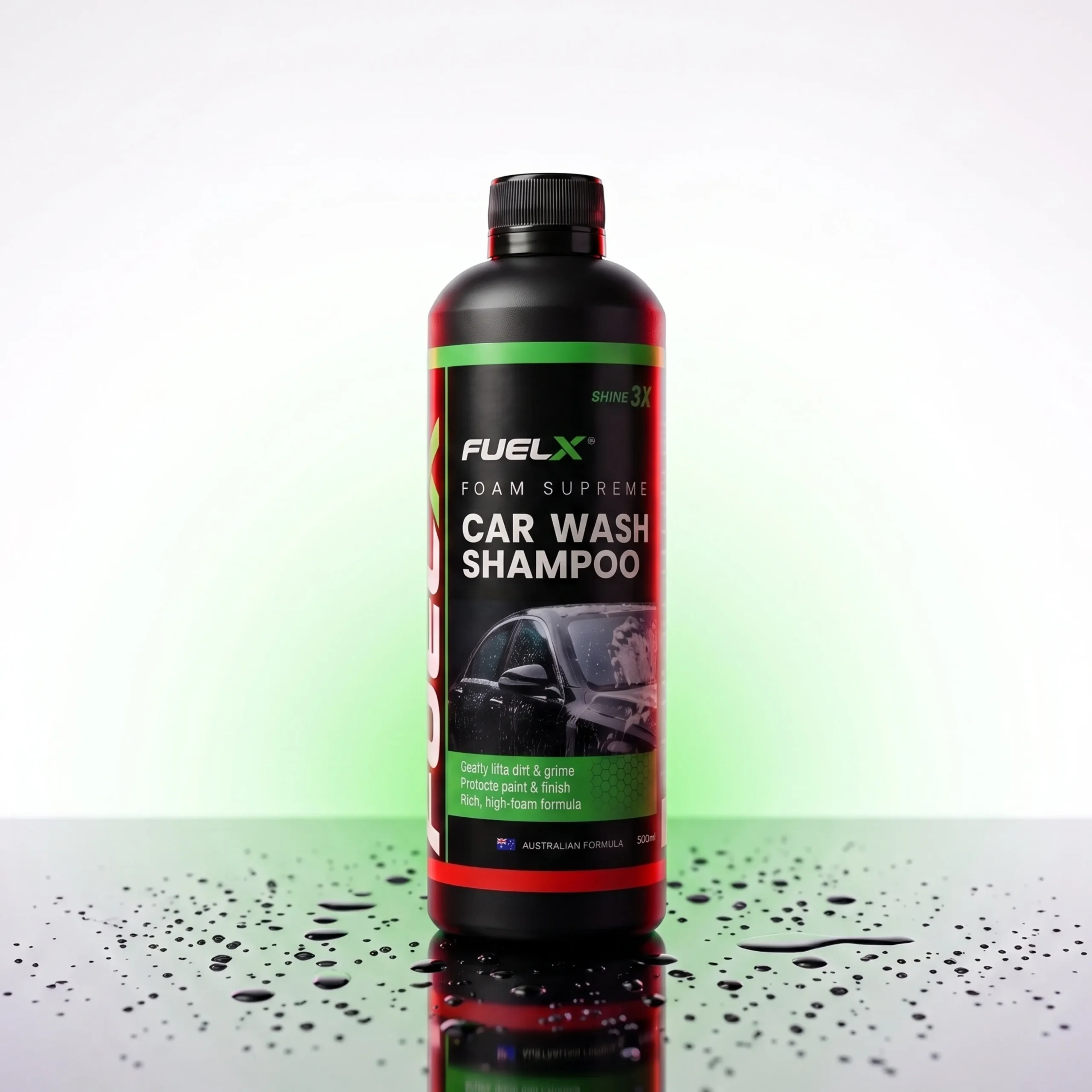
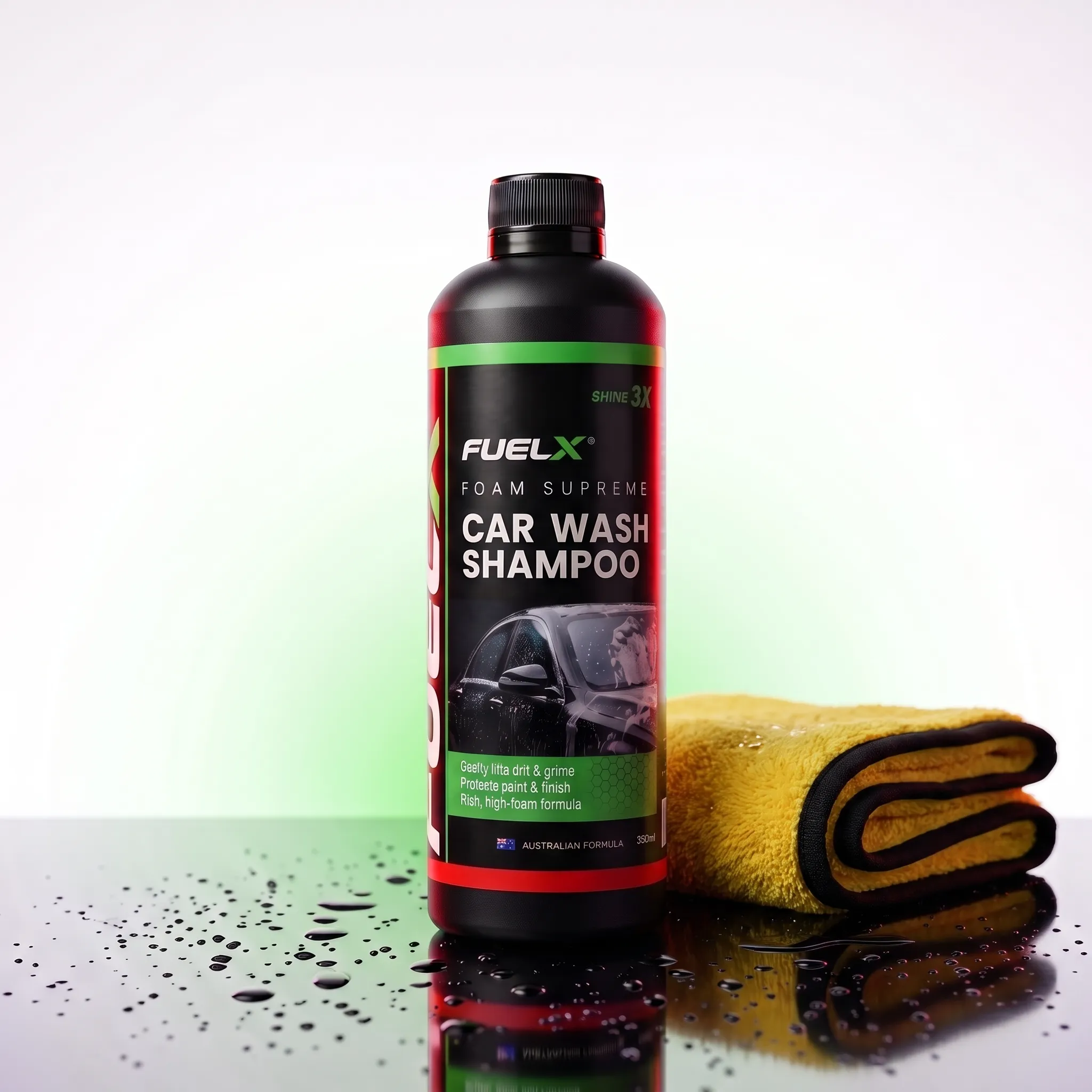
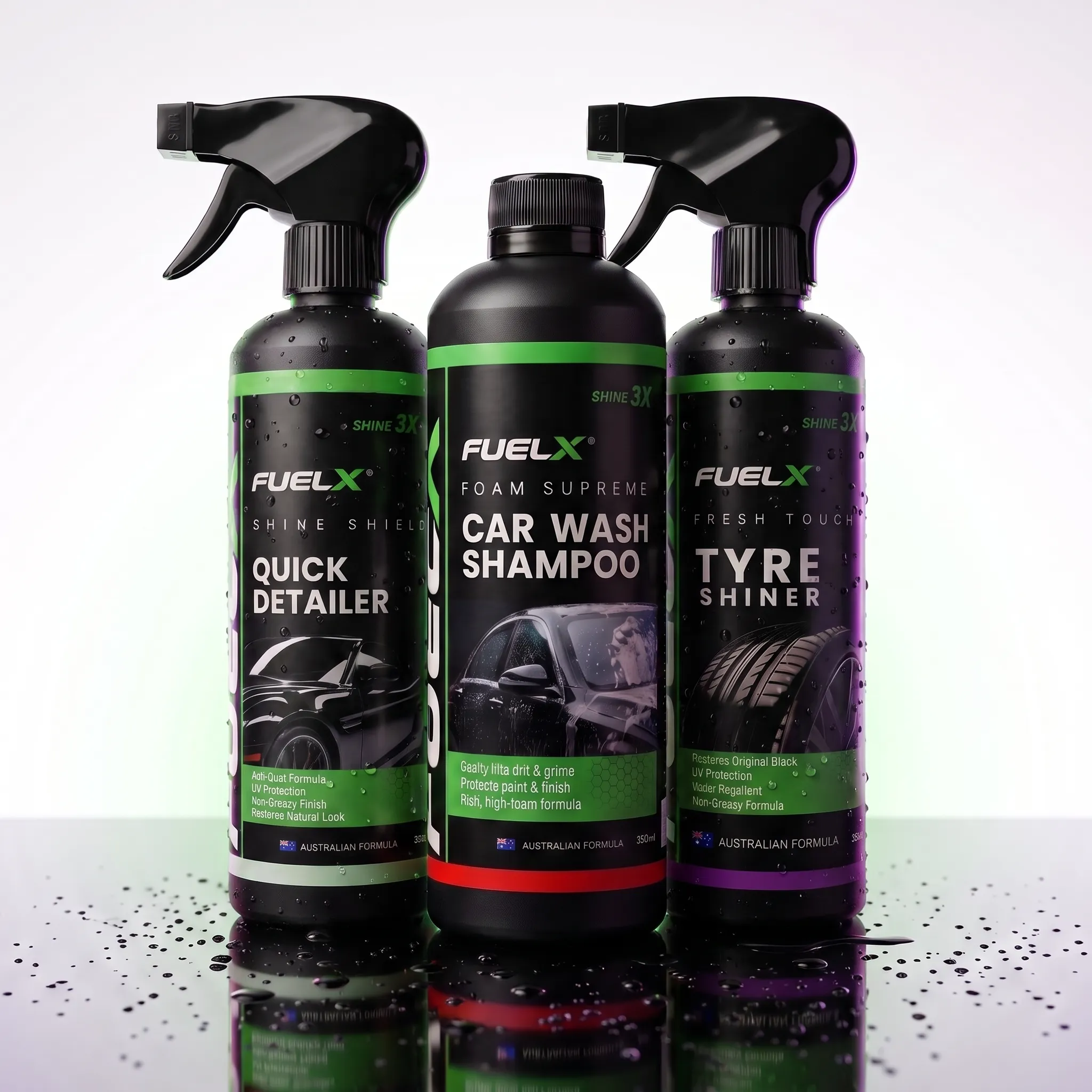
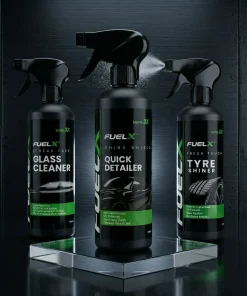
FuelX product to consider: FuelX Car Wash Shampoo.
3. Check the Paint for Water Spots and Stubborn Contamination
After washing and rinsing, inspect the paint in good lighting.
Pay particular attention to horizontal surfaces such as:
Roof
Bonnet
Trunk
Top edges of doors
These surfaces can collect rainwater and are more likely to show dried water marks.
Not every mark is the same. Some may simply be leftover dirt, while others may be mineral deposits or more firmly attached contamination.
This is why aggressive rubbing isn’t a good first response. Start with proper washing and gentle cleaning. If a mark remains, identify what you’re dealing with before choosing a stronger treatment.
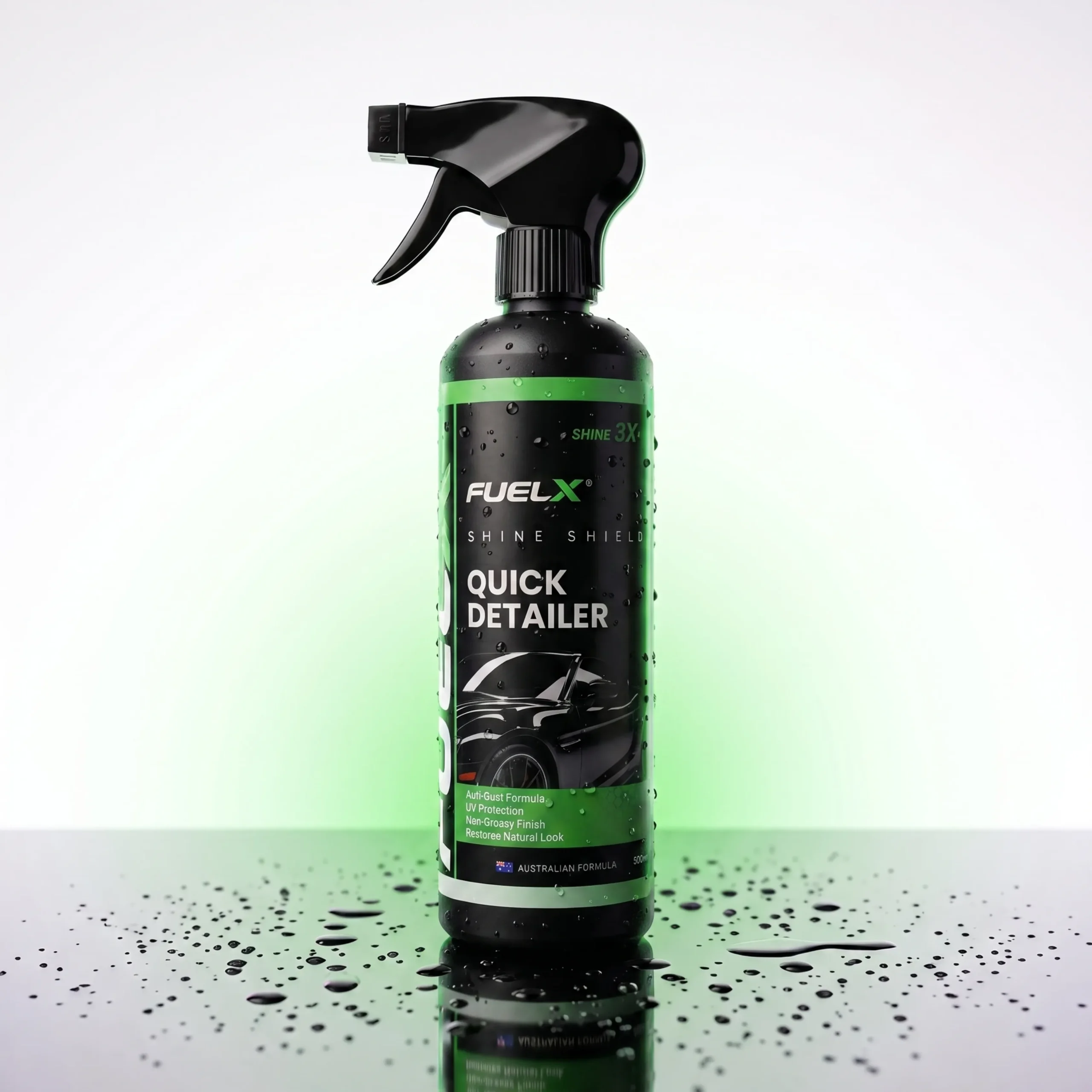
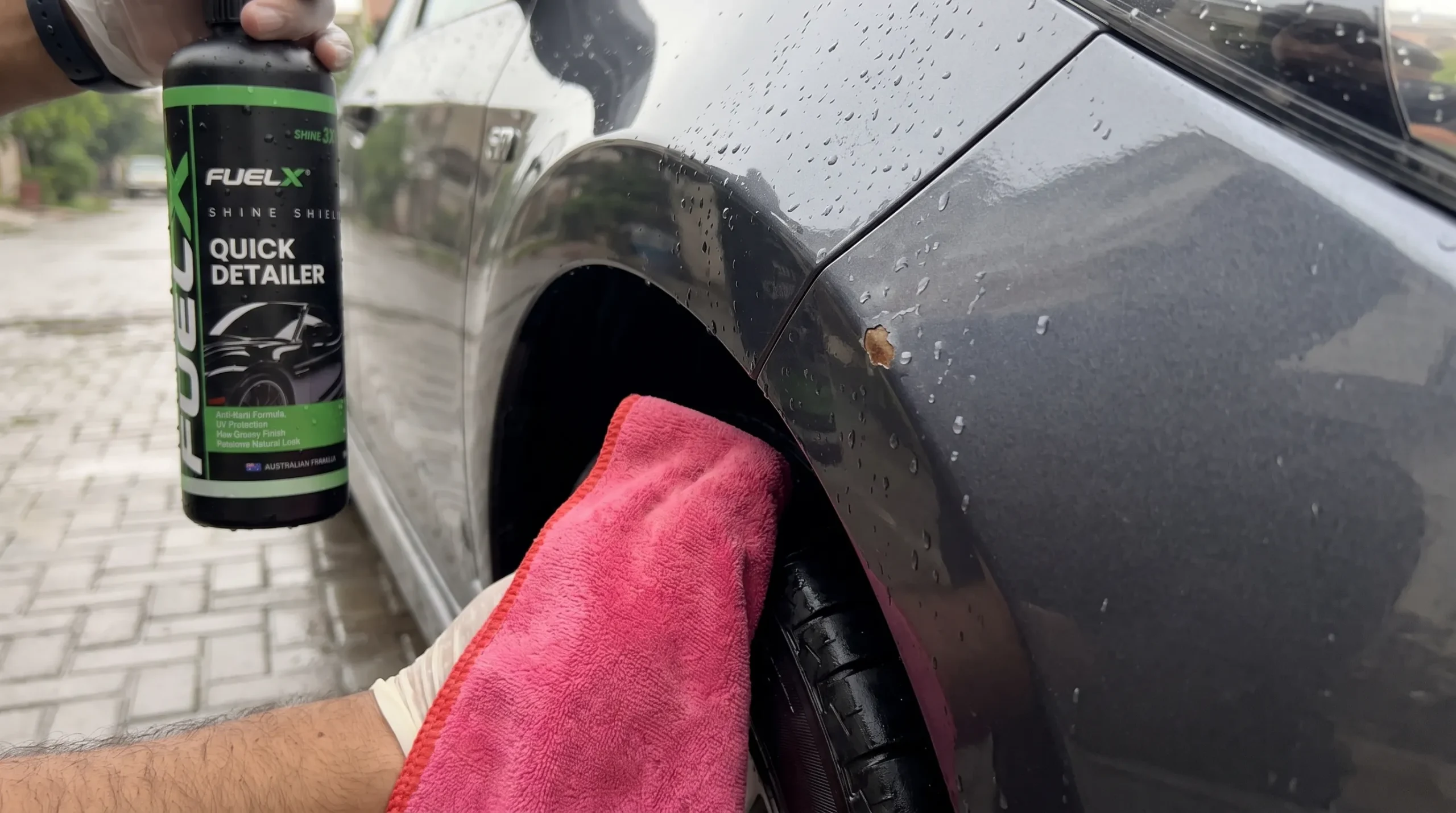
For light finishing on a clean surface, a suitable quick detailer can be useful.
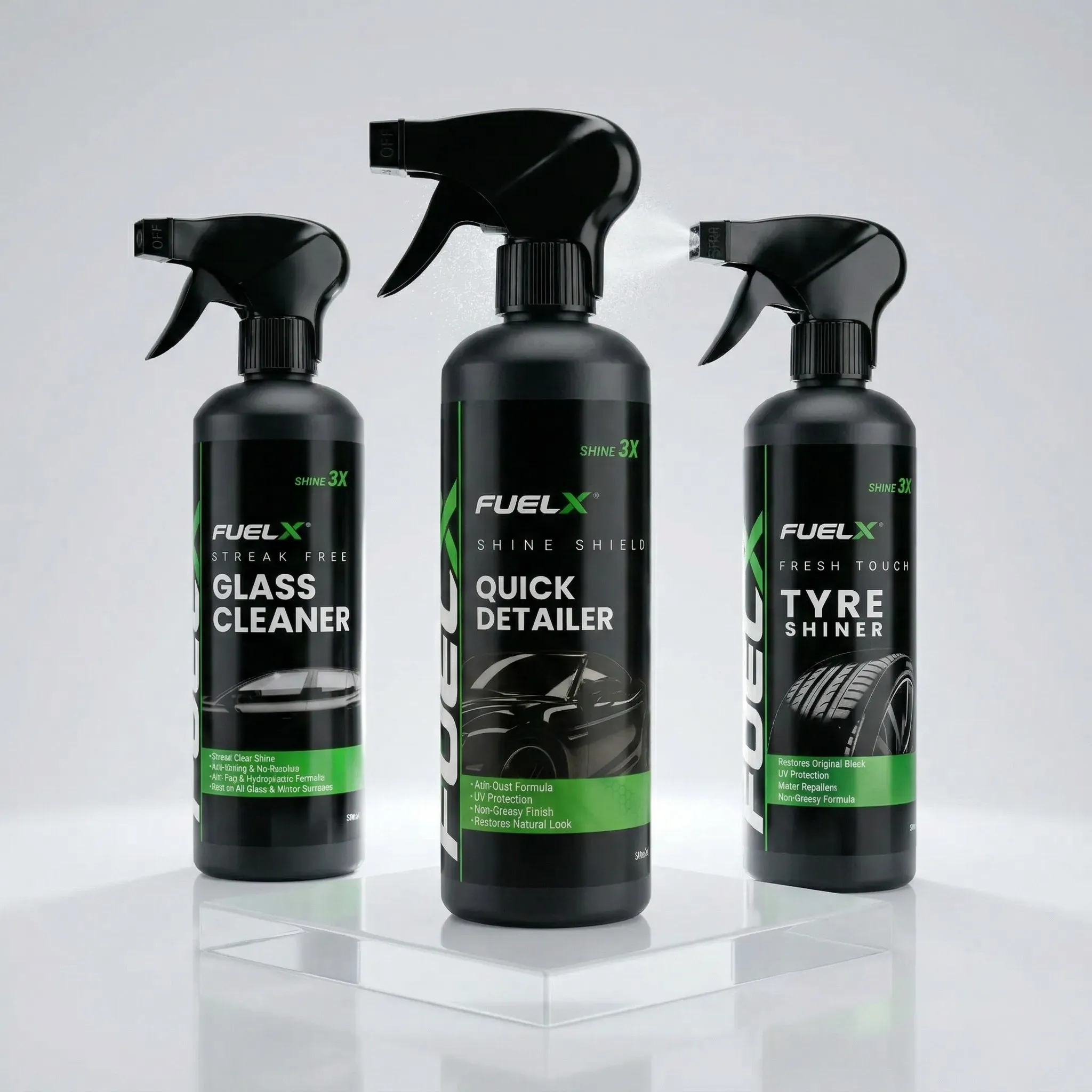
FuelX product to consider: FuelX Quick Detailer.
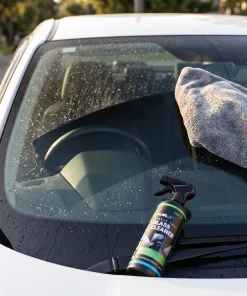
4. Clean the Windshield and All Glass
Glass deserves special attention after monsoon because visibility directly affects driving.
Rainwater, road spray, dust and repeated wiper movement can leave a thin film on the windshield. During daylight, this residue may be easy to overlook. At night, however, streaks and contamination can scatter light from headlights and street lamps, making the glass appear hazy.
Clean:
Front windshield
Rear windshield
Side windows
Exterior mirrors
Don’t forget the inside of the windshield. Interior glass can collect fingerprints, dust and residue from the cabin.
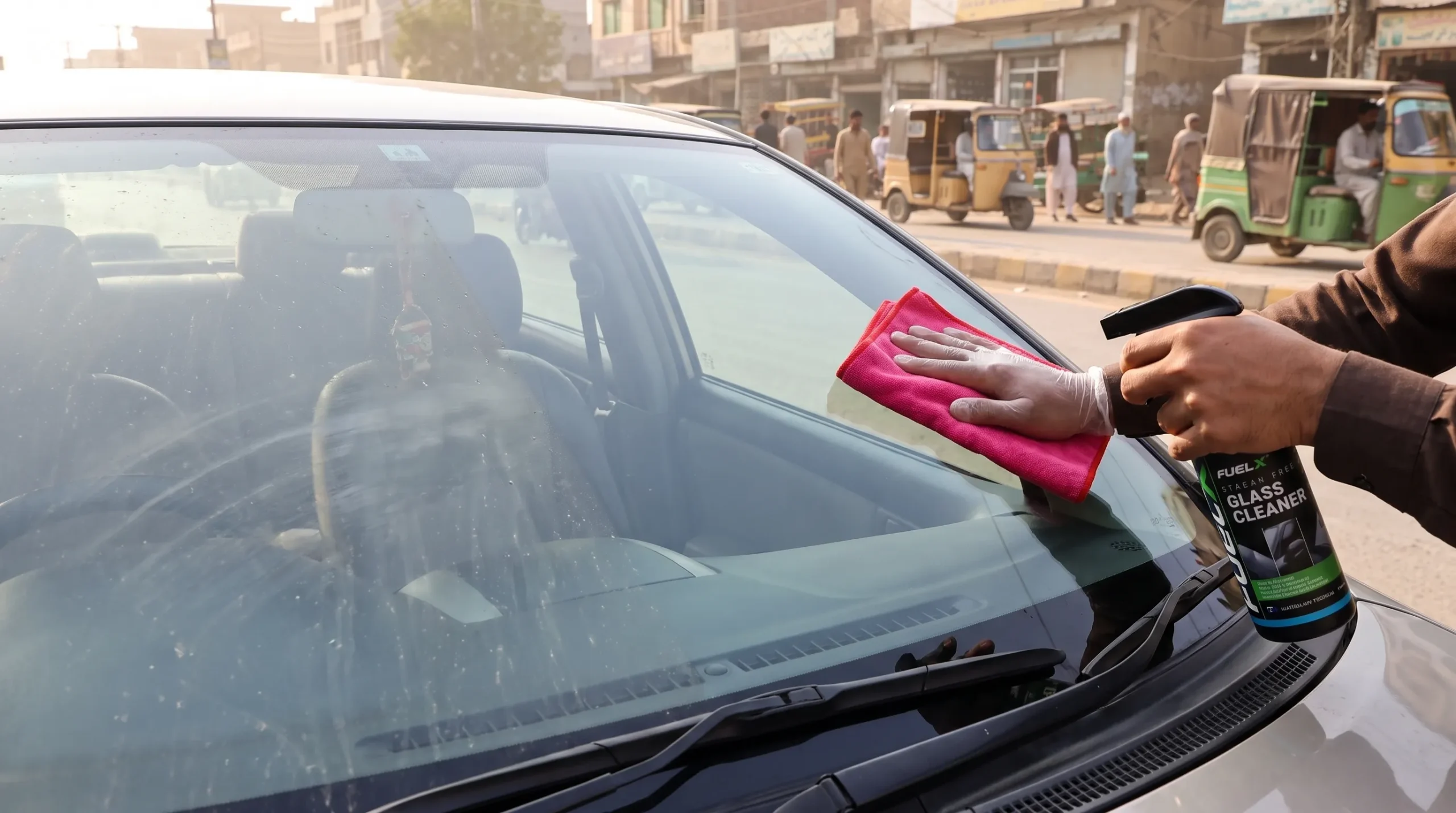
Use a dedicated glass cleaner and a clean microfiber towel. Work in small sections and buff until the glass is clear and streak-free.
A practical test is to inspect the windshield from different angles after cleaning. If you can still see a hazy film when light reflects across it, it may need another pass.
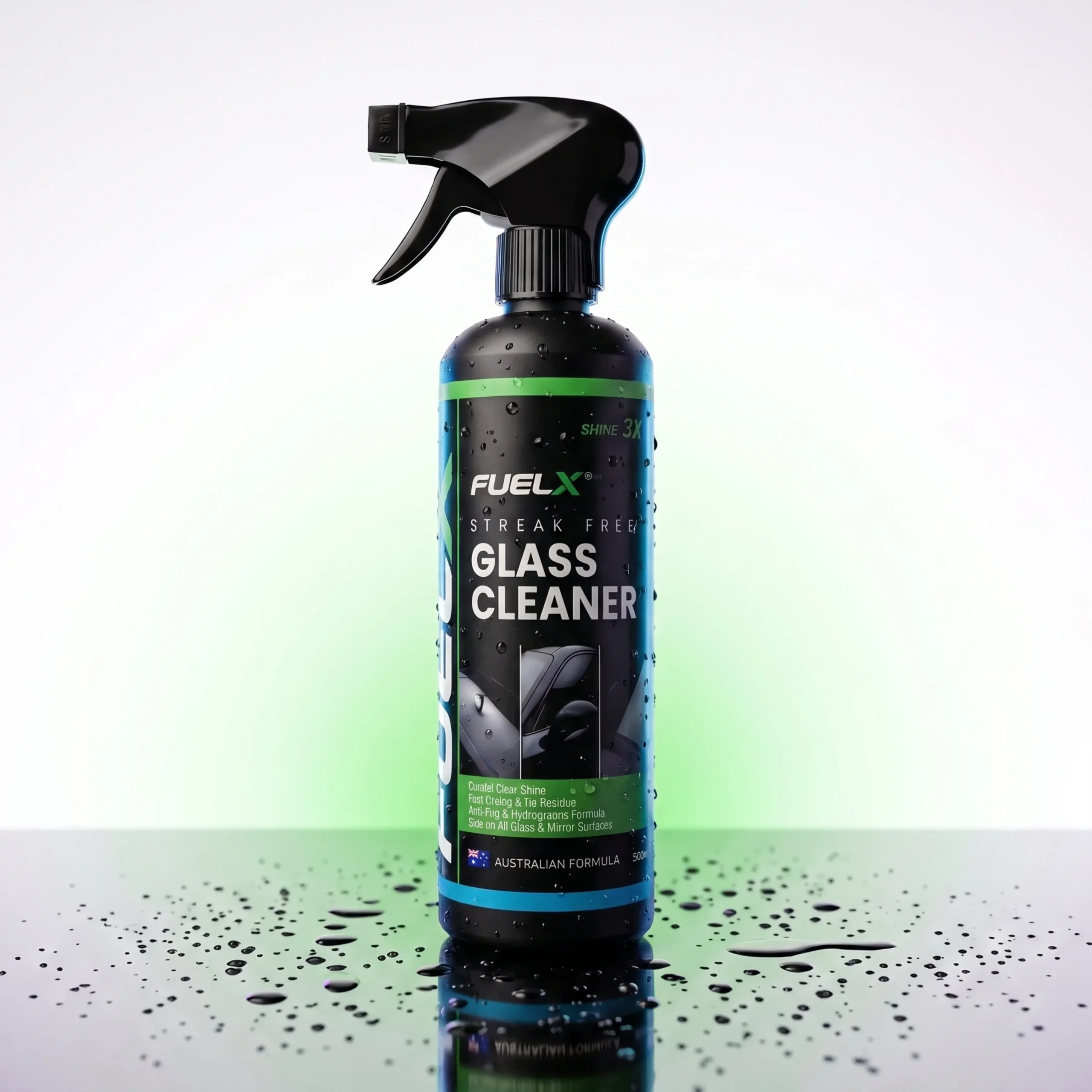
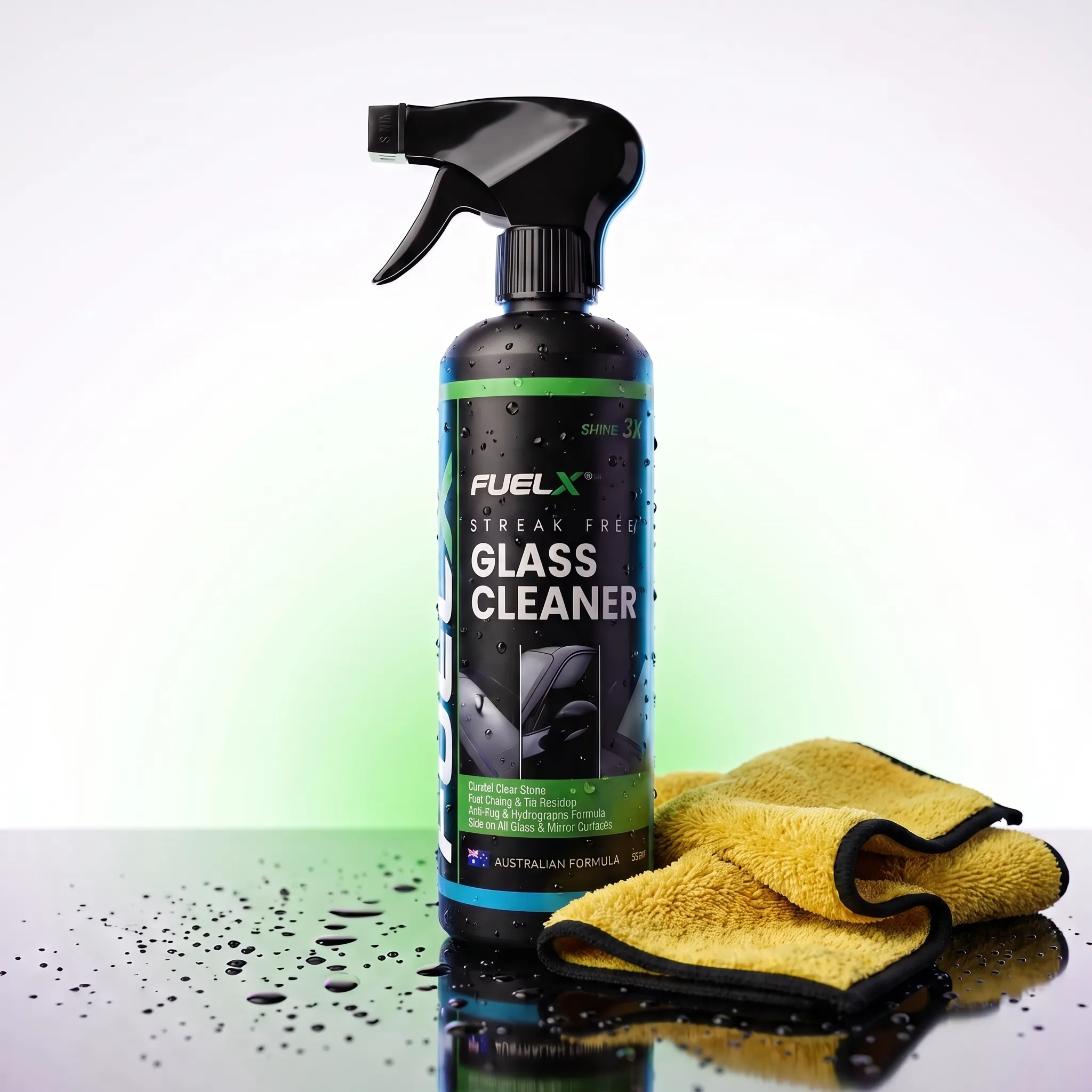
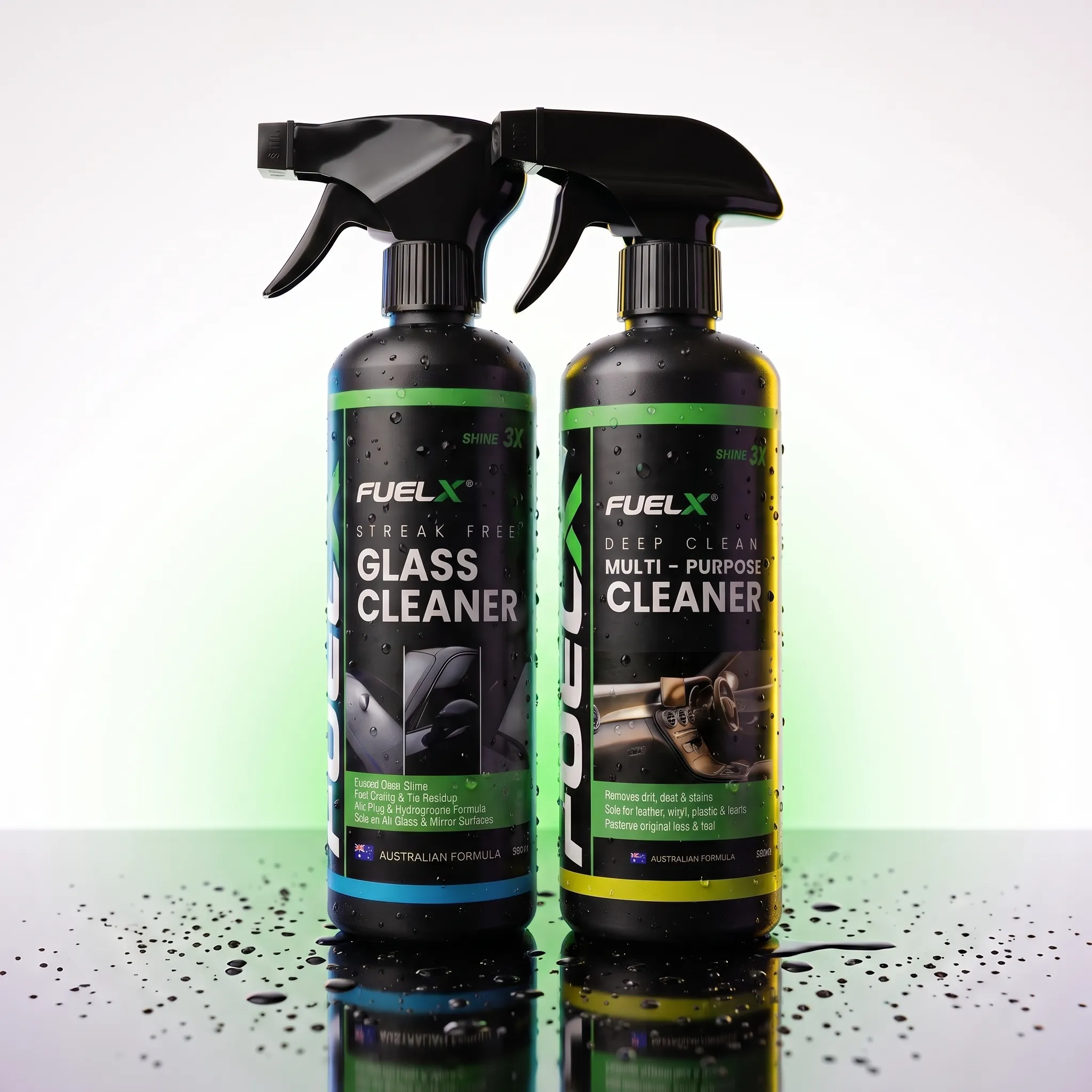
FuelX product to consider: FuelX Glass Cleaner.
5. Inspect the Wipers and Windshield Cowl
While cleaning the windshield, inspect the wiper blades.
Signs that wipers may need replacement include:
Persistent streaks
Areas that remain wet after a pass
Chattering or unusual noise
Cracked or visibly damaged rubber
Cleaning the glass won’t compensate for badly worn wipers.
Also inspect the cowl area at the bottom of the windshield. Leaves, mud and other debris can collect there during rainy weather. Remove visible debris and keep the drainage area clear.
This is a small part of the car, but it is easy to overlook during an ordinary wash.
6. Deep-Clean the Wheels and Tyres
Your wheels and tyres are among the dirtiest parts of a vehicle during monsoon.
They are constantly exposed to:
Mud
Road dust
Standing water
Brake dust
Oil and road grime
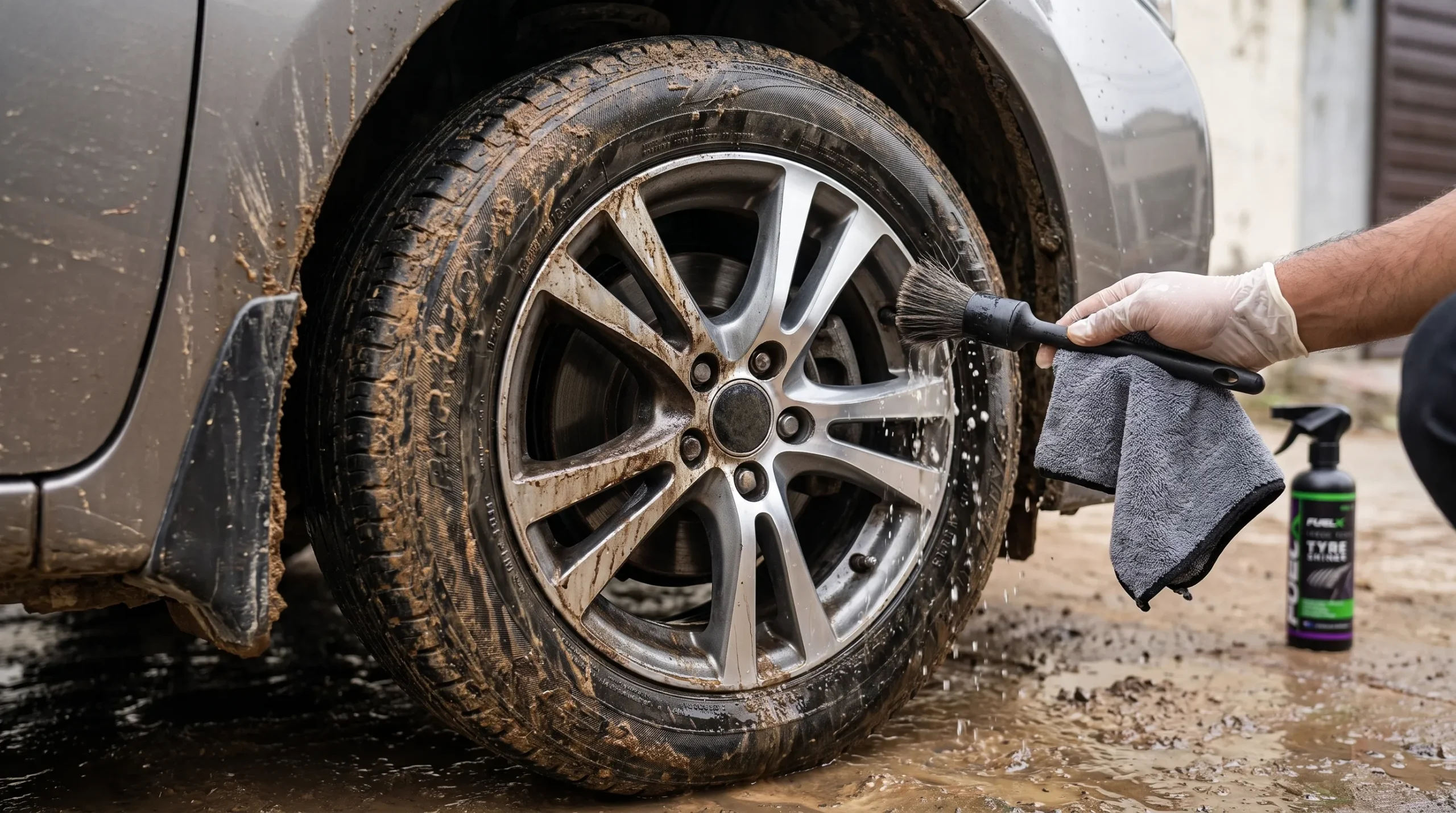
Clean the wheels carefully and rinse away accumulated contamination. Then clean the tyre sidewalls.
Allow the tyres to dry before applying a tyre-finishing product. Applying a dressing over wet, dirty tyres can produce an uneven appearance and trap contamination underneath.
For a daily-driven vehicle, checking the tyres during cleaning is also a good habit. Look for obvious cuts, bulges or unusual damage.
If you only clean the visible painted panels, you can miss some of the heaviest monsoon contamination.
Look inside the wheel arches and around:
Mud flaps
Lower bumpers
Rocker panels
Side skirts
Areas behind the wheels
These locations can collect layers of wet mud and road grime.
A simple way to understand the problem is to look at how much spray your tyres produce during a rainy drive. The same water that hits the road is thrown backward and sideways by the rotating tyre, carrying dirt with it.
Rinse these areas thoroughly and inspect them while cleaning. If you notice loose components, damaged plastic liners or unusual corrosion, address the underlying problem instead of simply cleaning over it.
Don’t Forget the Car Interior
Exterior detailing gets most of the attention, but the cabin can also retain the effects of monsoon.
8. Remove Moisture From the Interior
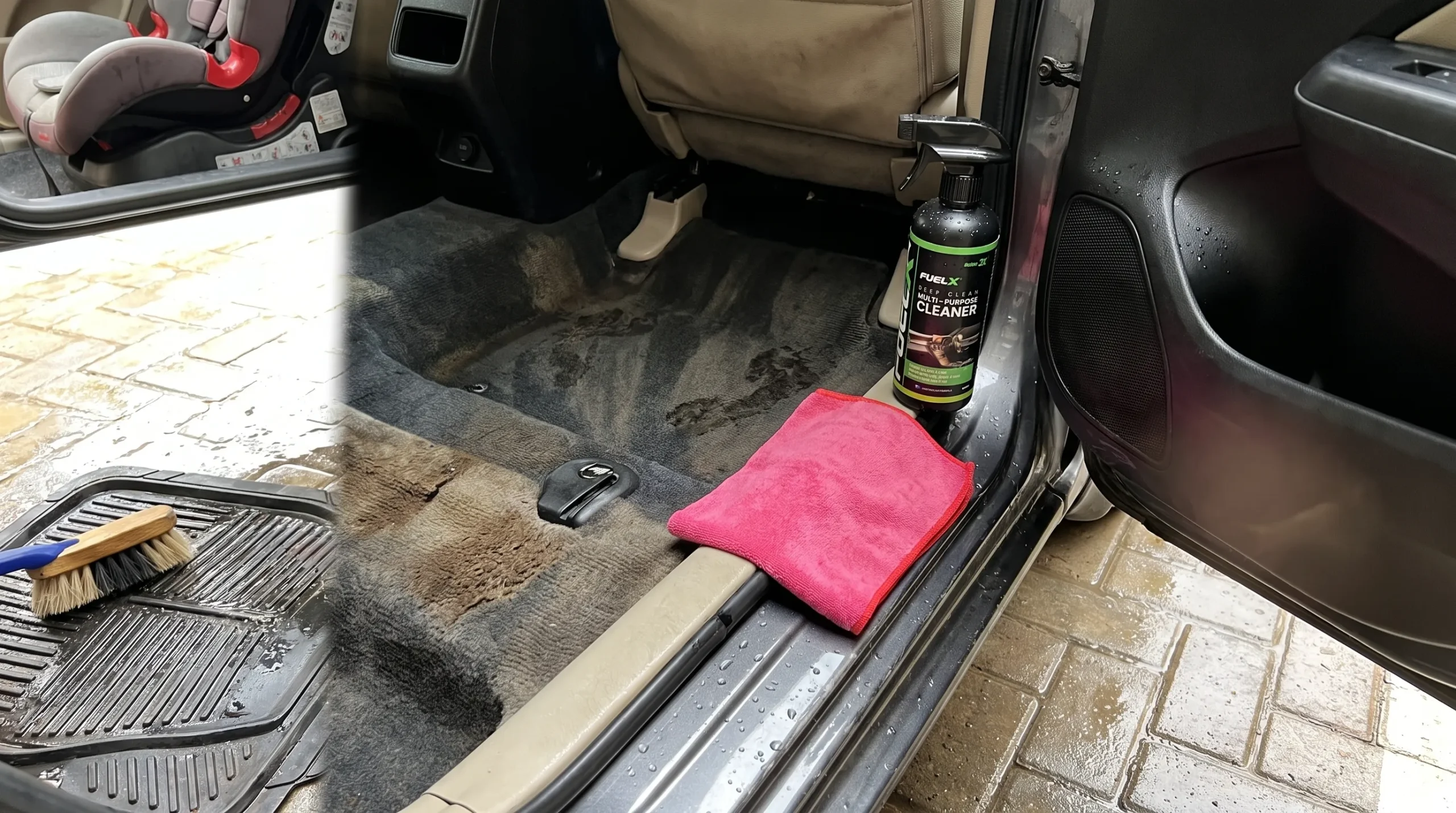
Start by removing the floor mats.
Clean them according to their material and allow them to dry completely. Then check the carpet underneath.
This is particularly important because a mat can feel dry on top while moisture remains underneath.
If a car has been exposed to repeated wet-weather use, don’t simply put damp mats back into the cabin and close all the doors and windows.
Instead:
Remove the mats.
Clean them.
Dry them completely.
Check the carpet underneath.
Ventilate the cabin.
Investigate any persistent damp smell.
A dry interior is much easier to maintain than one that repeatedly traps moisture.
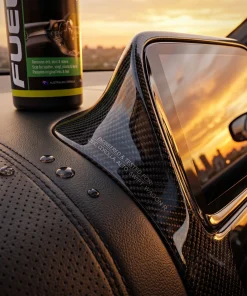
9. Clean the Dashboard and Interior Surfaces
Once the cabin is dry, clean the dashboard and other appropriate interior surfaces.
Dust can accumulate on the dashboard, centre console, door panels and other areas. During monsoon, moisture can cause this dust to stick to surfaces rather than simply remaining loose.
Use a cleaner appropriate for the material you are cleaning. Don’t assume that one product should be used on every surface.
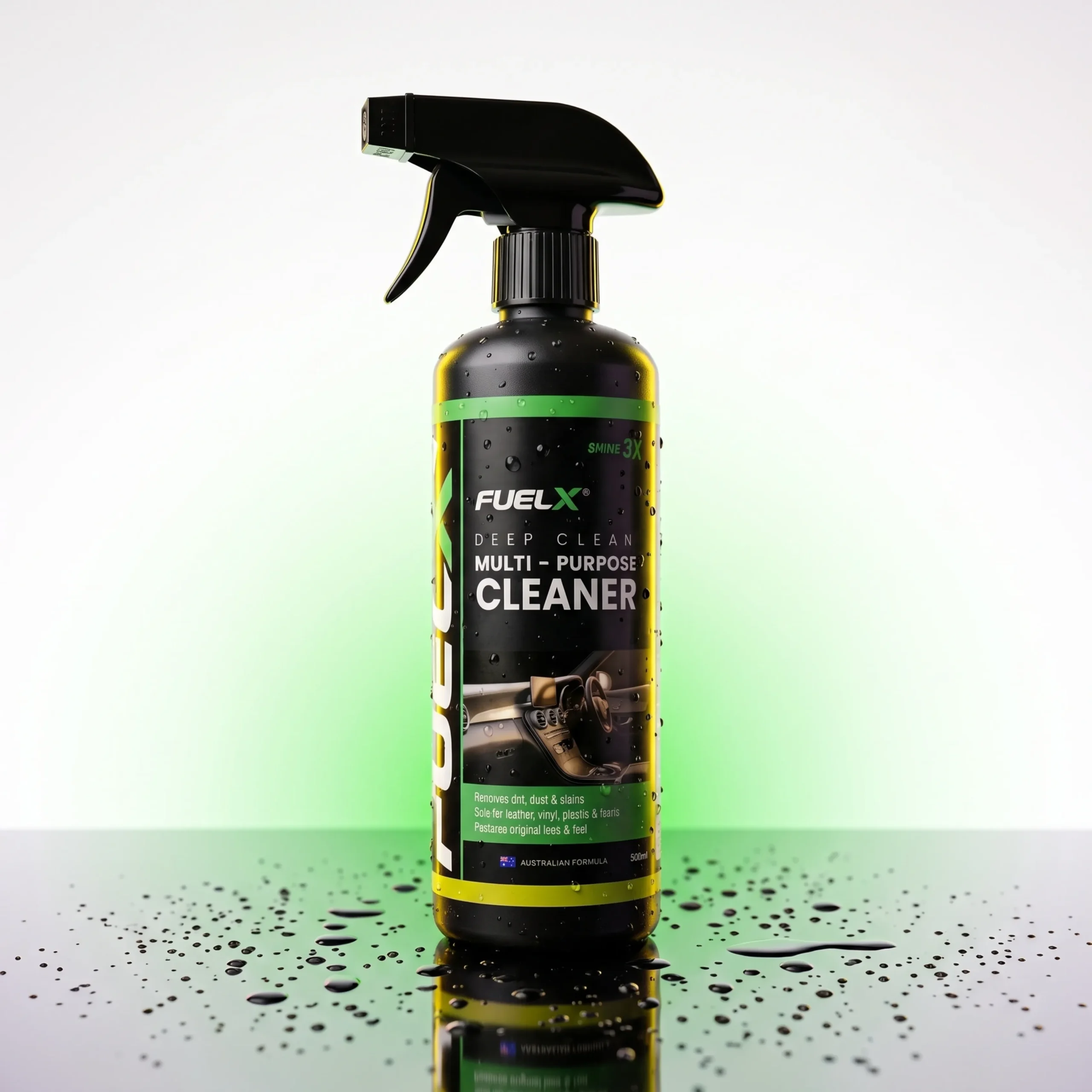
For suitable surfaces, a multipurpose automotive cleaner can help remove accumulated dirt.
Also avoid excessive product application. A dashboard doesn’t need to be excessively wet or coated in a thick layer of dressing to look clean.
FuelX product to consider: FuelX Multi-Purpose Cleaner.
10. Check for Monsoon-Related Odors
If your vehicle smells different after monsoon, don’t simply cover the odor with an air freshener.
Find the source first.
Check:
Floor mats
Carpets
Upholstery
Trunk area
Wet items left inside
Areas where water may have entered
For example, if an umbrella is repeatedly placed inside the vehicle while wet, it can contribute to cabin moisture. Likewise, wet footwear can introduce water into floor mats and carpets.
If the source is moisture, drying and cleaning should come before fragrance.
If an odor persists despite proper drying and cleaning, the vehicle may need a more thorough inspection.
Inspect Areas That Are Easy to Miss
11. Clean Door Jambs, Seals and Other Hidden Areas
Open all doors and inspect the areas that are normally hidden when the vehicle is closed.
Check:
Door jambs
Door seals
Trunk or hatch area
Fuel-filler area
Number plate area
Side mirrors
Around headlights and tail lights
Mud and water can collect in these locations without being obvious from outside.
A useful habit is to spend the final few minutes of your wash simply walking around the vehicle with the doors and trunk open. You’ll often discover areas that were missed during the main cleaning process.
Look for Early Signs of Rust or Paint Damage
12. Inspect the Paint Before Problems Become Bigger
Post-monsoon detailing is also an opportunity to inspect the vehicle.
Look for:
Small paint chips
Scratches
Rust-colored spots
Bubbling paint
Exposed metal
Corrosion around damaged areas
A small stone chip on the bonnet, for example, may expose the underlying material. Repeated exposure to moisture can make an already-damaged area more vulnerable to corrosion.
This doesn’t mean every small mark will immediately become a serious rust problem. The point is to identify damage early.
Detailing products clean and maintain surfaces; they are not substitutes for professional bodywork when corrosion or structural damage is present.
Give Your Car a Final Detail
13. Use a Quick Detailer for Light Finishing
Once the vehicle has been washed and dried, you can perform a light finishing step.
A quick detailer can be useful for removing very light residue and improving the finished appearance of an already-clean exterior.
The key phrase is already-clean.
A quick detailer shouldn’t be treated as a replacement for washing a heavily dirty car. If the paint is covered in mud or road grime, wash it first.
Apply the product according to its instructions and work in small sections. Use a clean microfiber towel and turn to a clean side as needed.
FuelX product to consider: FuelX Quick Detailer.
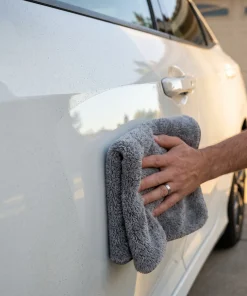
14. Use the Right Microfiber Towels
Microfiber towels are an important part of safe detailing.
Don’t use the same towel for everything.
Ideally, separate towels can be used for:
Paint
Glass
Wheels
Interior
Drying
Why?
Because a towel used around a dirty wheel can pick up grit and brake dust. If you subsequently use that towel on your paint, you risk transferring contamination to a surface that you just cleaned.
Wash detailing towels after use and store them in a clean location.
FuelX products to consider: FuelX Premium Microfiber Detailing Towel and FuelX Applicator Pads.
Post-Monsoon Detailing Mistakes to Avoid
Dry-wiping muddy paint
This is one of the easiest ways to turn loose road grime into a paint-scratching problem. Rinse first.
Using one dirty cloth everywhere
A cloth used on tyres or wheels should not automatically become your paint towel.
Ignoring wet carpets
Always check underneath floor mats after repeated rainy-weather driving.
Detailing in harsh sunlight
Direct sunlight can cause cleaning products to dry faster than intended and make it harder to achieve an even finish. Whenever practical, work in shade.
Forgetting the lower body
The roof may look clean while the lower doors, mud flaps and wheel arches are still covered with monsoon grime.
Assuming rain has cleaned the vehicle
Rain may remove some loose dust, but it can also deposit contaminants and leave mineral residue after evaporation.
How Often Should You Detail Your Car After Monsoon?
There is no universal number of days that applies to every vehicle.
A car used daily in heavy traffic and frequently driven through muddy roads will generally need more frequent cleaning than a vehicle that is driven occasionally and kept under cover.
A practical routine is:
During monsoon: Clean the vehicle whenever significant mud and road contamination accumulate.
At the end of monsoon: Perform one thorough inspection and detailing session.
After monsoon: Return to a normal washing routine based on how quickly the vehicle gets dirty.
The important distinction is between washing and detailing.
A normal wash removes everyday dirt. Detailing is more thorough. It involves cleaning difficult areas, inspecting surfaces and dealing with accumulated contamination.
FuelX Essentials for Post-Monsoon Car Care
You don’t need a garage full of products to maintain your car after monsoon. A small, sensible collection can cover most routine jobs.
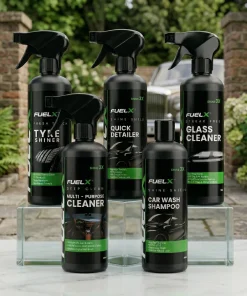
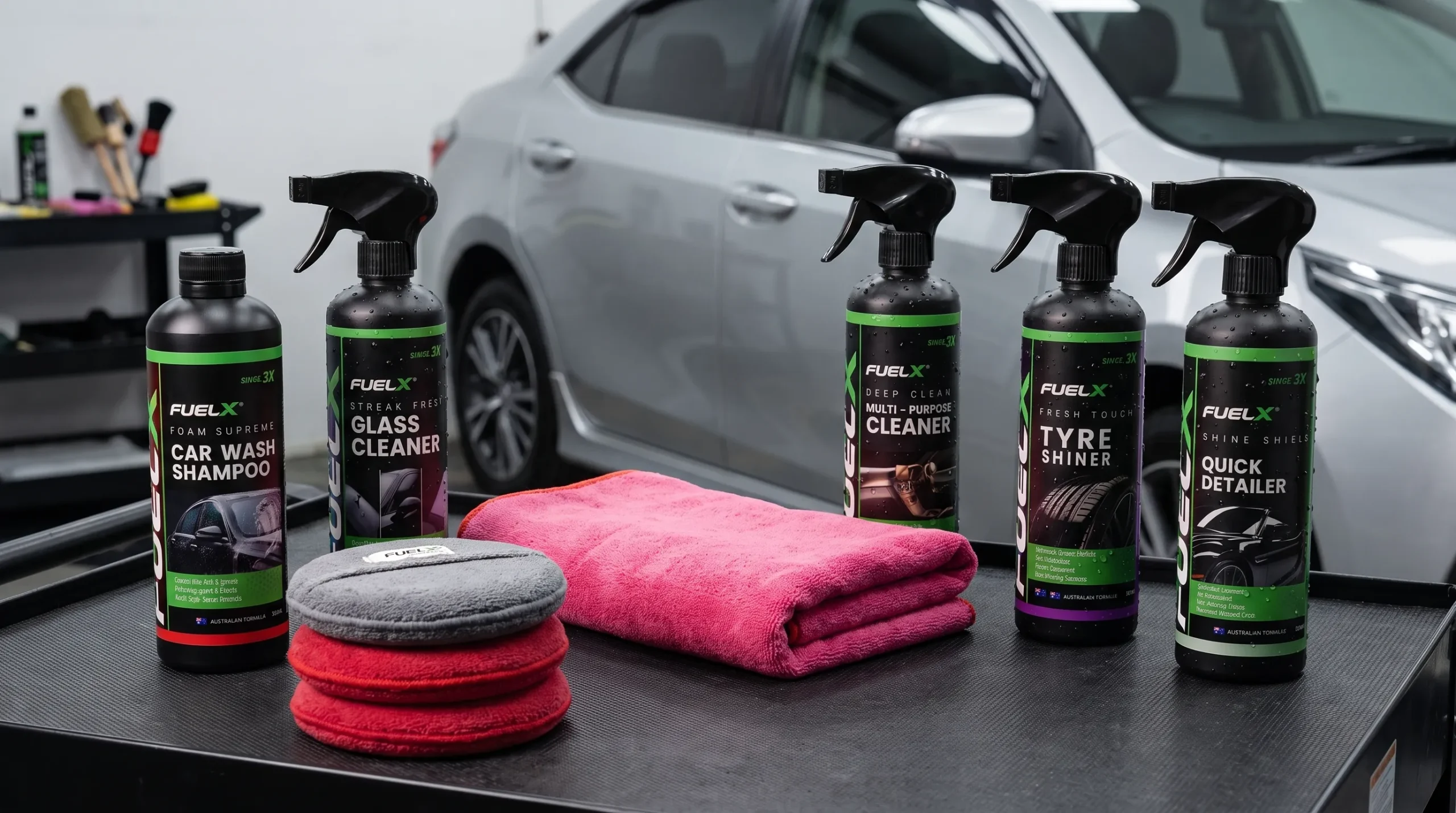
Depending on your vehicle and cleaning requirements, useful FuelX products include:
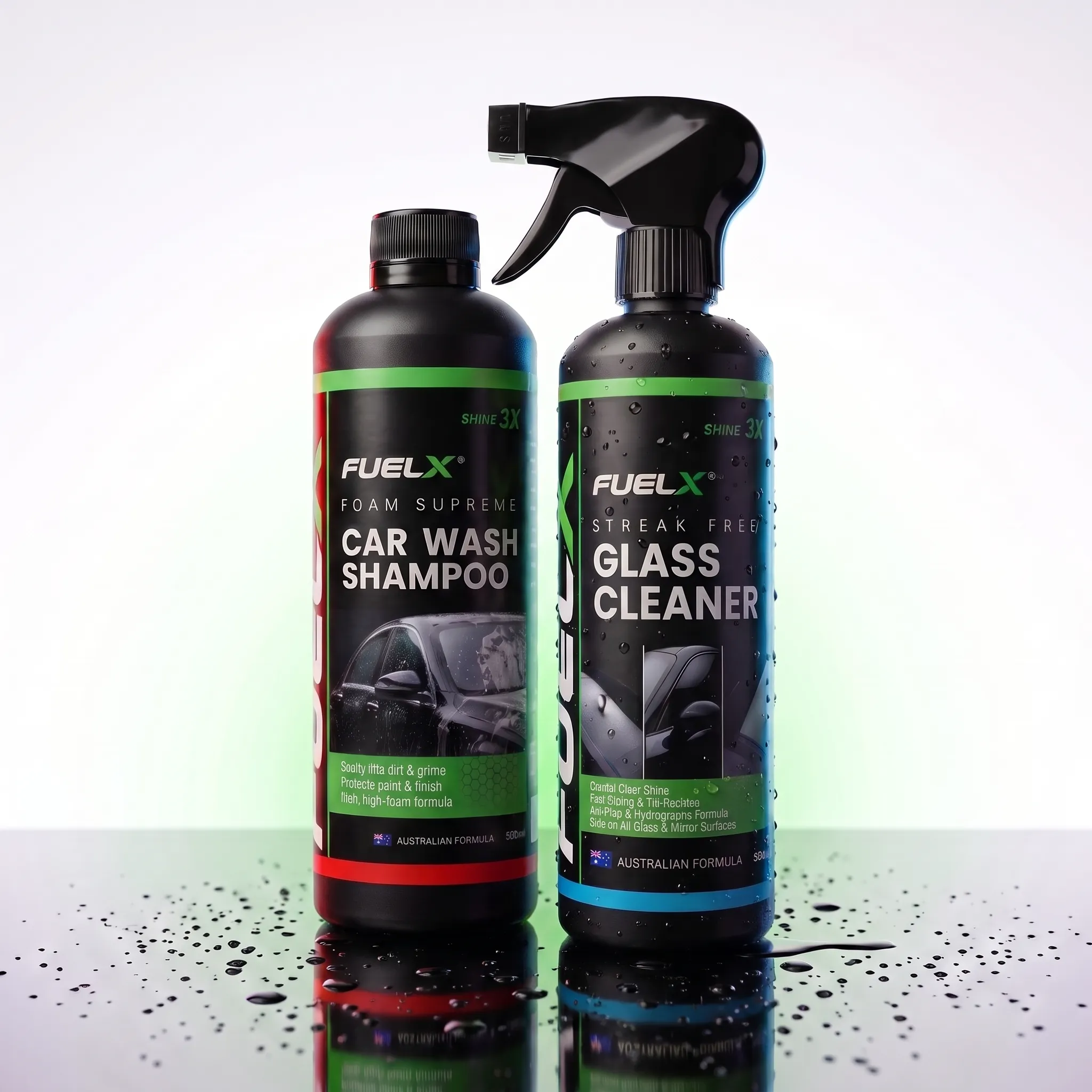
FuelX Car Wash Shampoo — for regular exterior washing
FuelX Glass Cleaner — for windshield and window cleaning
FuelX Multi-Purpose Cleaner — for suitable interior and general cleaning applications
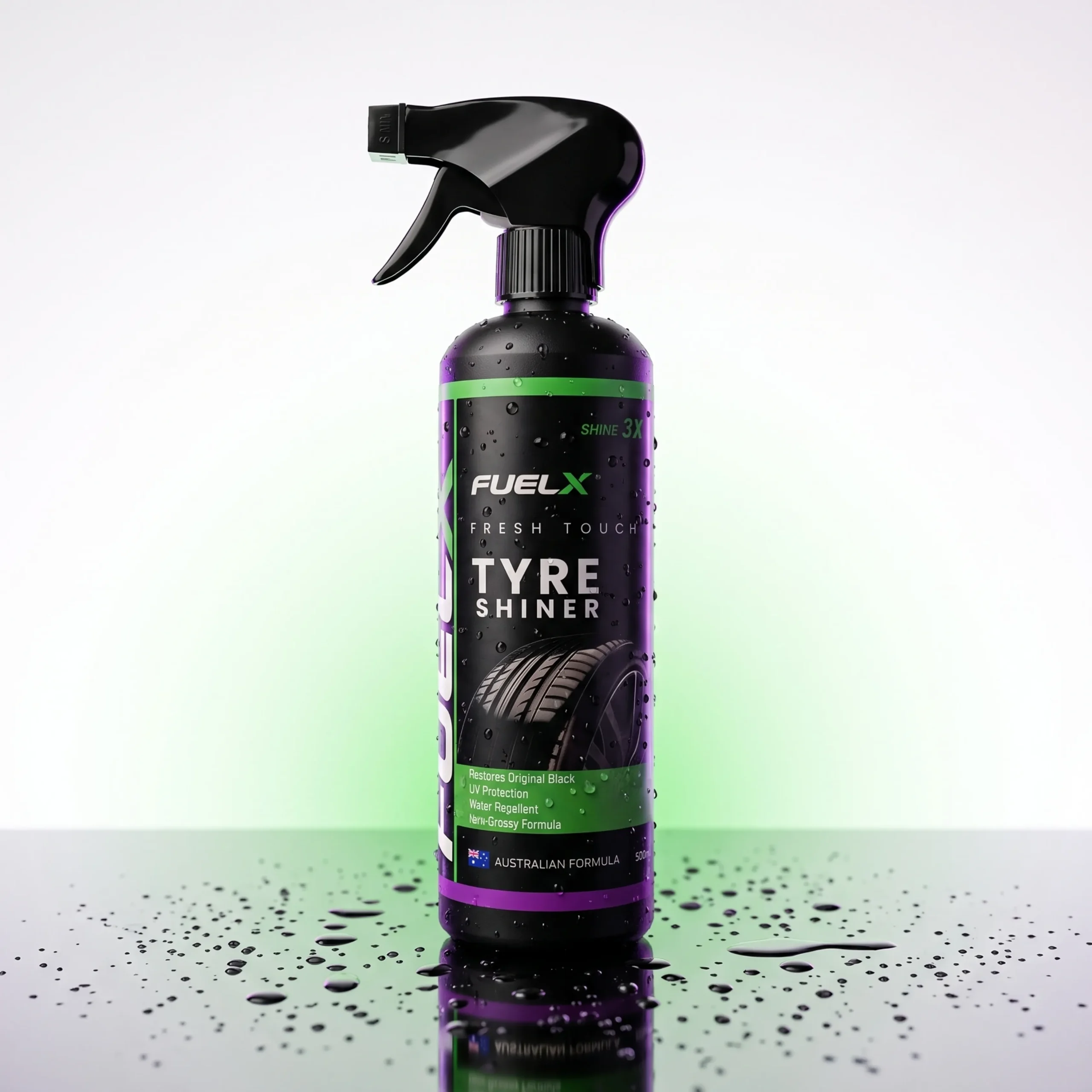
FuelX Tyre Shiner — for tyre finishing
FuelX Quick Detailer — for light exterior finishing
FuelX Premium Microfiber Detailing Towel — for drying and detailing
FuelX Applicator Pads — for controlled product application
For someone building a home car-care setup from scratch, a suitable FuelX wash or detailing kit can also simplify the process by combining several essentials.
The goal isn’t to use the maximum number of products. It’s to use the right product for the right surface and job.
Your Final Post-Monsoon Detailing Checklist
Before you finish, make sure you’ve covered the following:
Rinsed loose dirt from the exterior
Washed the body with car shampoo
Checked the paint for water spots
Cleaned the windshield and windows
Inspected the wipers and windshield cowl
Cleaned wheels and tyres
Rinsed wheel arches and lower body areas
Cleaned door jambs and seals
Removed and dried floor mats
Checked carpets for trapped moisture
Cleaned suitable interior surfaces
Investigated unusual odors
Inspected paint chips and possible rust
Dried the vehicle properly
Completed the final detailing stage
Cleaned and stored microfiber towels
If you can tick most of these boxes, your vehicle is in a much better position going into the post-monsoon driving season.
Conclusion
The end of monsoon is the perfect time to give your vehicle more than a quick wash.
Months of rain, muddy roads, road spray, humidity and dust can leave contamination in places that aren’t immediately visible. A proper post-monsoon detailing session gives you the opportunity to clean those areas, dry the interior, restore clear glass, refresh the tyres and inspect the paint for early signs of damage.
The most important part is not making the car look shiny for one afternoon. It’s establishing a maintenance habit.
Start with a thorough rinse, wash the exterior properly, clean the glass and wheels, dry the interior, inspect hidden areas and look for small problems before they become expensive ones.
With a sensible routine and the right car-care products, your vehicle can come out of monsoon cleaner, better maintained and ready for the months ahead.
FAQ’s
Should I detail my car immediately after monsoon?
A thorough inspection and cleaning after the rainy season is a good idea, particularly if the car has experienced frequent rain, muddy roads and prolonged moisture exposure. You don’t necessarily need professional detailing; a careful home routine can address many ordinary cleaning tasks.
Can rain damage car paint?
Rain itself isn’t necessarily the main problem. Contaminants carried by rain, road grime, pollutants and minerals left behind as water evaporates can contribute to surface contamination. Existing scratches and paint chips can also deserve attention after prolonged wet-weather exposure.
How do I remove water spots from my car?
Start by washing the vehicle properly and inspecting the surface afterward. Light residue may respond to an appropriate detailing product, while stubborn deposits may require a more specific treatment. Avoid aggressive rubbing simply because a mark doesn’t disappear immediately.
How do I clean my car interior after monsoon?
Remove and dry floor mats, check carpets underneath for moisture, ventilate the cabin and clean appropriate interior surfaces. If an odor persists, look for the source rather than simply masking it with fragrance.
How often should I wash my car during monsoon?
It depends on rainfall, road conditions and how often you drive. If your vehicle regularly accumulates mud and road grime, clean it rather than waiting until the entire monsoon season is over.
Is car shampoo better than dish soap?
For routine vehicle washing, a purpose-made car shampoo is generally the more appropriate option. Automotive shampoo is designed specifically for vehicle-cleaning applications, while dishwashing products are designed for household dishes and cookware.