Engine oil is often called the lifeblood of your vehicle, and for good reason. It lubricates moving parts, reduces friction, keeps the engine cool, and protects critical components from wear. However, when it comes time for an oil change, many car owners face the same question: Should I choose synthetic engine oil or mineral engine oil?
Both types of oil are designed to protect your engine, but they differ in how they are produced, how they perform, and how long they last. Choosing the right one depends on your vehicle, driving habits, budget, and the conditions in which you drive.
In Pakistan, where temperatures often exceed 40°C during summer, roads can be dusty, and traffic congestion is common, selecting the right engine oil becomes even more important. In this guide, we’ll compare synthetic and mineral engine oils, explain their advantages and disadvantages, and help you determine which option is best for your vehicle.
What Is Engine Oil and Why Does It Matter?
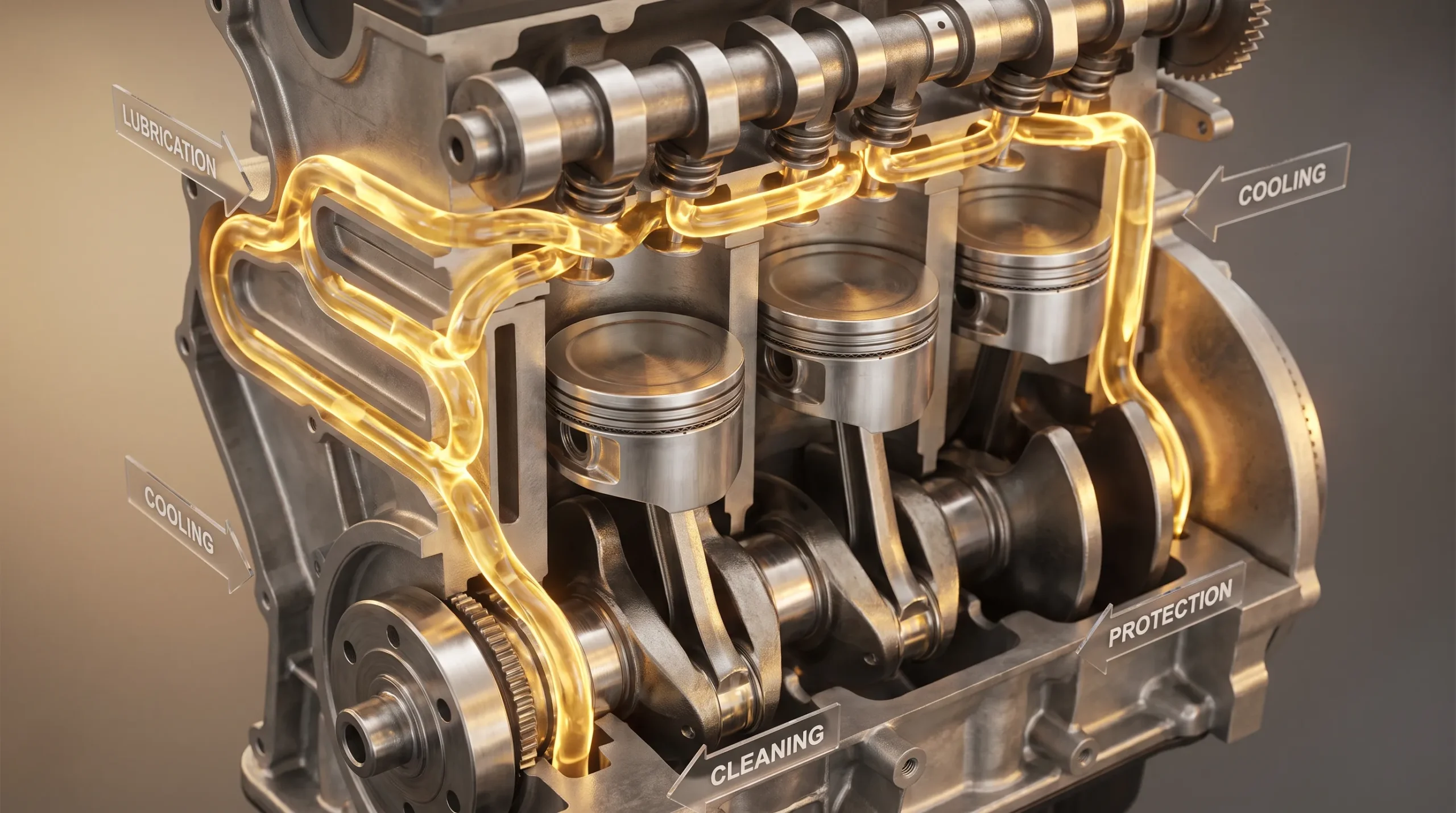
Engine oil performs several essential functions that keep your vehicle running smoothly. Without proper lubrication, metal engine components would rub directly against each other, causing excessive heat and rapid wear.
High-quality engine oil helps to:
Lubricate moving engine components
Reduce friction and wear
Carry heat away from engine parts
Prevent rust and corrosion
Clean dirt and sludge from the engine
Improve fuel efficiency
Extend engine life
Using the wrong engine oil or delaying oil changes can lead to poor engine performance, increased fuel consumption, overheating, sludge buildup, and expensive repairs.
What Is Mineral Engine Oil?
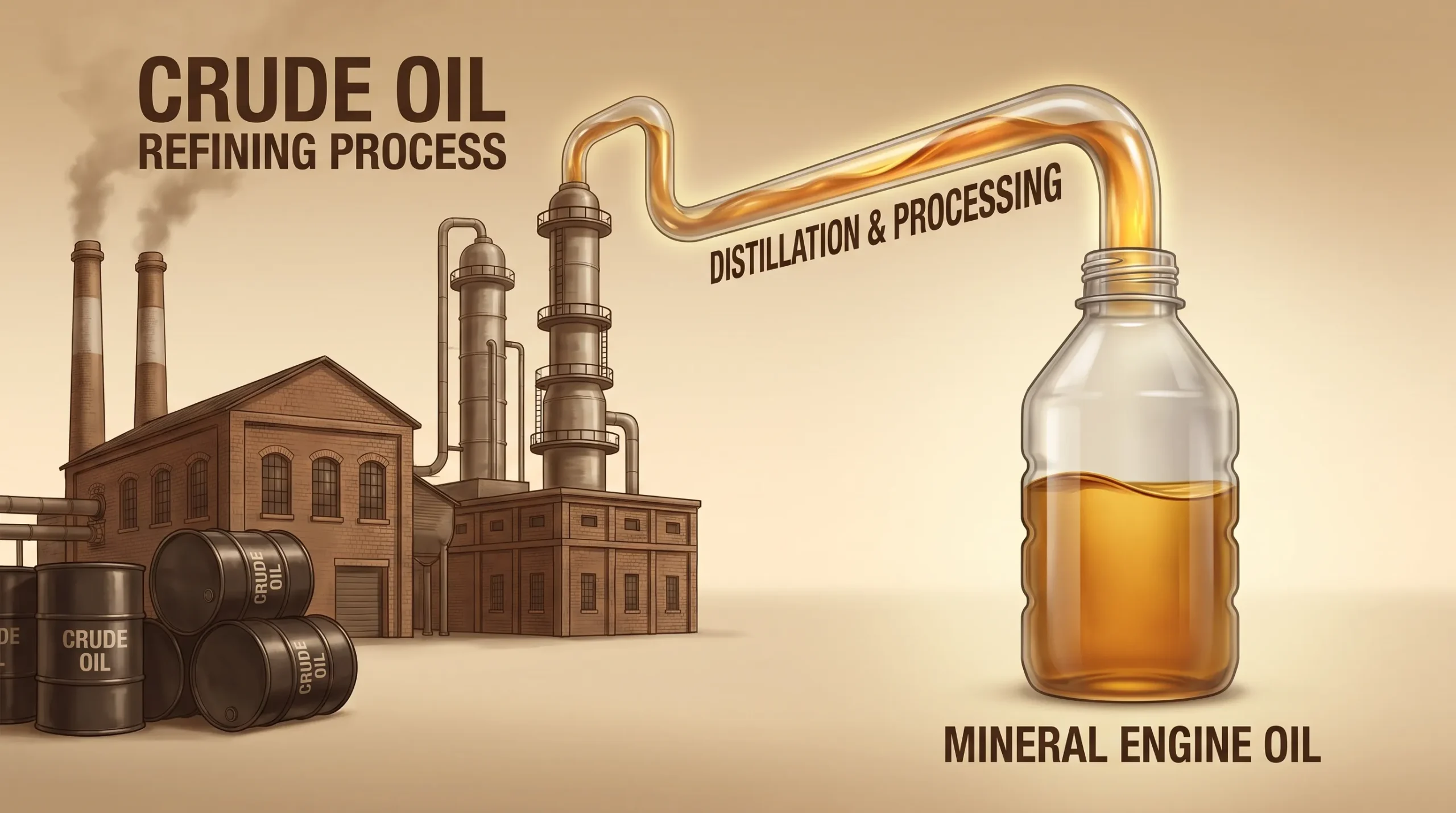
Mineral engine oil is the traditional type of engine oil and has been used in vehicles for decades. It is produced by refining crude petroleum into a lubricant suitable for automotive engines.
Although modern refining removes many impurities, mineral oil still contains naturally occurring molecules of different sizes, making it less consistent than synthetic oil.
How Mineral Oil Is Made
Mineral oil begins as crude oil extracted from the ground. After refining and purification, additives are mixed in to improve lubrication, reduce corrosion, and prevent oxidation.
Because it is less processed than synthetic oil, mineral oil is more affordable but also less resistant to heat and engine stress.
Advantages of Mineral Engine Oil
Mineral engine oil offers several benefits:
Lower purchase price
Suitable for older engines
Widely available across Pakistan
Ideal for vehicles with lower annual mileage
Simple maintenance option for older cars
Disadvantages of Mineral Engine Oil
Despite its affordability, mineral oil has several limitations:
Breaks down faster under high temperatures
Requires more frequent oil changes
Forms sludge more easily
Offers less protection during extreme driving conditions
Lower resistance to oxidation
What Is Synthetic Engine Oil?
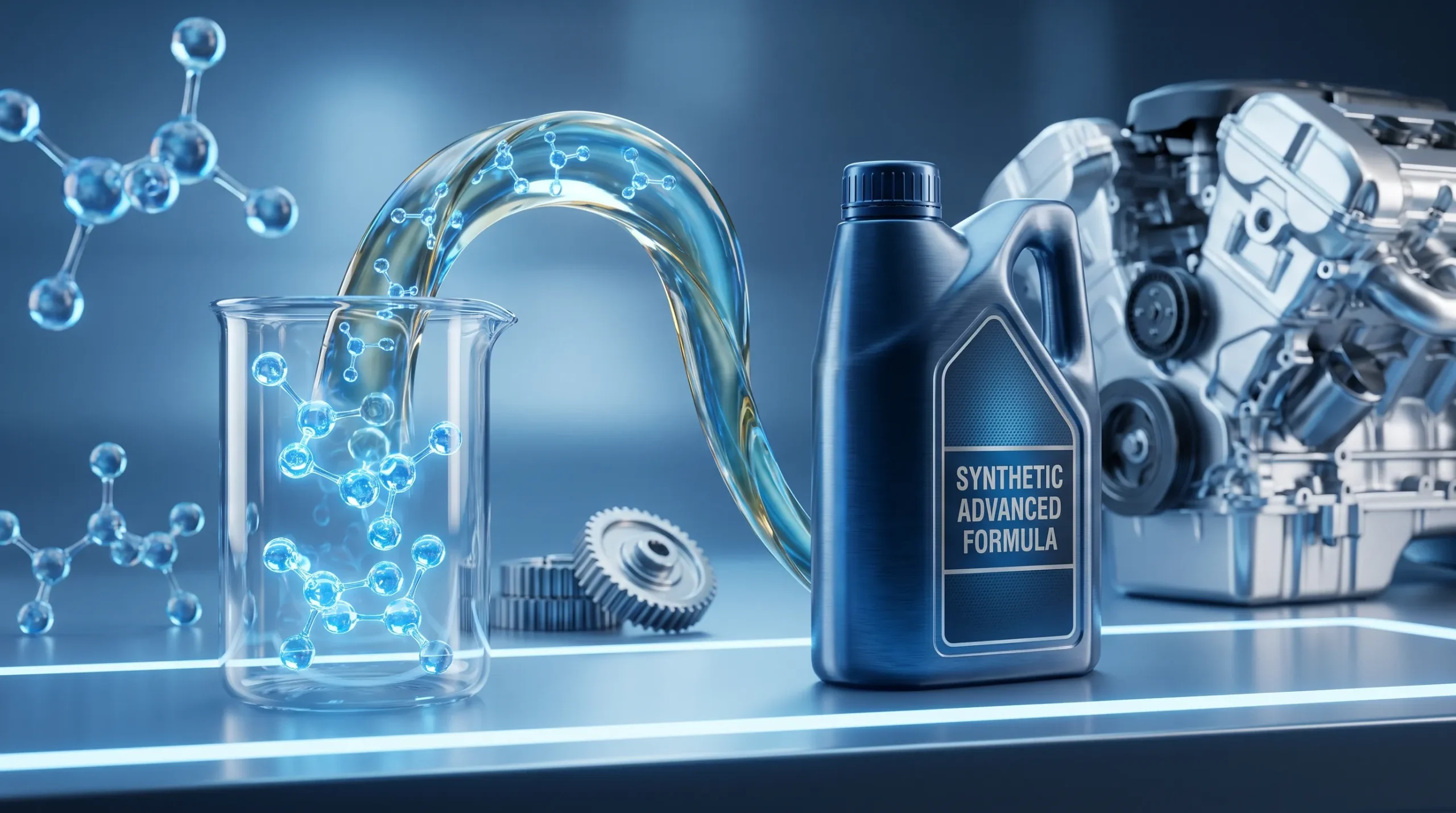
Synthetic engine oil is manufactured using chemically engineered base oils rather than simply refining crude oil. The result is a lubricant with uniform molecular structures that provide better protection and more consistent performance.
Because of its advanced formulation, synthetic oil has become the preferred choice for many modern vehicles.
How Synthetic Oil Is Manufactured
Instead of relying solely on refined petroleum, synthetic oils are chemically engineered to remove impurities and optimize lubrication properties. Advanced additive packages further improve performance by reducing wear, resisting oxidation, and preventing sludge formation.
Advantages of Synthetic Engine Oil
Synthetic oil provides several important benefits:
Superior engine protection
Better lubrication during cold starts
Excellent performance in high temperatures
Longer oil change intervals
Improved fuel efficiency
Cleaner engine with reduced sludge
Greater resistance to oxidation
Better protection for turbocharged engines
Disadvantages of Synthetic Engine Oil
The primary drawback of synthetic oil is its higher upfront cost.
Additionally:
Older vehicles with severe oil leaks may require inspection before switching.
Some older engines may not fully benefit from premium synthetic oil if driven only occasionally.
Synthetic vs Mineral Engine Oil – Side-by-Side Comparison
Feature
Synthetic Oil
Mineral Oil
Manufacturing
Chemically engineered
Refined crude oil
Engine Protection
Excellent
Good
Heat Resistance
Excellent
Moderate
Cold Start Performance
Excellent
Fair
Oil Change Interval
Longer
Shorter
Fuel Economy
Better
Average
Sludge Formation
Very low
Higher
Oxidation Resistance
High
Moderate
Engine Cleanliness
Excellent
Good
Cost
Higher
Lower
Best For
Modern vehicles, high-performance engines
Older vehicles, budget-conscious owners
Overall Lifespan
Longer
Shorter
Which Engine Oil Performs Better in Pakistan’s Climate?
Pakistan presents unique challenges for vehicle engines. High summer temperatures, heavy traffic, mountainous roads, and dusty environments all place extra stress on engine oil.
Synthetic engine oil performs exceptionally well under these demanding conditions because it maintains its viscosity even at high temperatures.
It is especially beneficial for:
Daily commuting in city traffic
Long motorway journeys
Summer driving
Turbocharged engines
Frequent stop-and-go driving
Vehicles carrying heavy loads
Mineral oil remains suitable for drivers who use their vehicles occasionally or drive short distances, but it may degrade faster during prolonged exposure to heat.
Which Oil Is Better for Different Types of Vehicles?
Brand-New Cars
Most modern vehicles are designed to operate with synthetic or semi-synthetic oils. Manufacturers often specify low-viscosity synthetic oils to improve fuel efficiency and engine longevity.
Always follow the oil grade recommended in your owner’s manual.
Older Vehicles
Older cars with higher mileage may continue to perform well using mineral oil if recommended by the manufacturer.
However, many well-maintained older engines can also benefit from synthetic oil due to its superior cleaning properties and wear protection.
High-Mileage Vehicles
Cars with significant mileage may require specially formulated high-mileage engine oils that contain additives to reduce leaks and protect worn engine seals.
Both mineral-based and synthetic high-mileage oils are available.
Performance and Turbocharged Vehicles
Turbochargers generate extremely high temperatures, making synthetic oil the preferred choice. Its superior thermal stability helps protect both the engine and turbocharger under demanding conditions.
Cost Comparison – Is Synthetic Oil Worth the Extra Money?
At first glance, synthetic engine oil appears more expensive than mineral oil. However, looking only at the purchase price doesn’t tell the whole story.
Synthetic oil typically lasts longer between oil changes, offers better engine protection, and can improve fuel efficiency. Over time, these benefits may help reduce maintenance costs and extend engine life.
For example:
A driver using mineral oil may need to change oil every 5,000 kilometers, while synthetic oil may last between 8,000 and 10,000 kilometers, depending on the manufacturer’s recommendations and driving conditions.
Although synthetic oil costs more per oil change, fewer service visits and better engine protection often make it a worthwhile investment over the life of the vehicle.
Can You Switch from Mineral Oil to Synthetic Oil?
Yes, in most cases, switching from mineral oil to synthetic oil is perfectly safe.
Modern synthetic oils are compatible with most engines, provided the correct viscosity and specifications are used.
Before switching:
Consult your owner’s manual.
Replace the oil filter during the oil change.
Use a trusted engine oil brand.
Inspect older engines for existing oil leaks.
Contrary to common myths, synthetic oil does not damage healthy engines or create leaks on its own.
How to Choose the Right Engine Oil
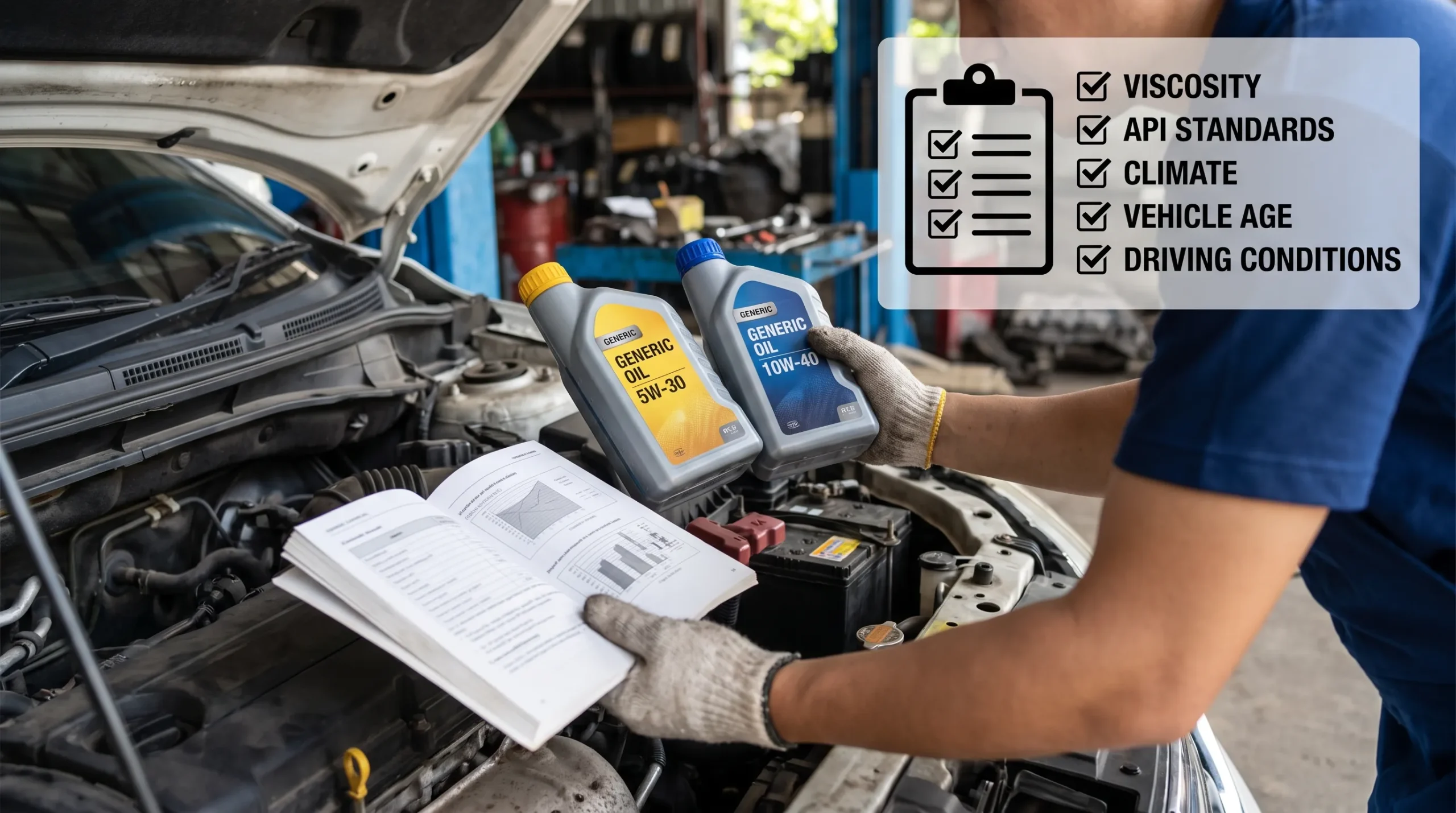
Selecting the correct engine oil involves more than simply choosing between synthetic and mineral.
Consider the following factors:
Follow your vehicle manufacturer’s recommendations.
Use the correct viscosity grade (such as 5W-30 or 10W-40).
Look for recognized API or ACEA certifications.
Consider your driving style.
Account for Pakistan’s climate.
Think about your vehicle’s age and mileage.
Choose a reputable brand.
The right oil is always the one that meets your engine’s specifications rather than simply being the most expensive option.
Signs It’s Time to Change Your Engine Oil
Even the best engine oil eventually loses its effectiveness.
Watch for these common signs:
Oil warning light appears
Engine becomes noisier
Dark, dirty engine oil
Burning oil smell
Reduced fuel economy
Sluggish engine performance
Oil change interval has been reached
Checking your oil level regularly can help identify problems before they become costly repairs.
Tips to Extend Engine Life Regardless of Oil Type
Whether you choose synthetic or mineral engine oil, good maintenance habits play the biggest role in engine longevity.
Here are some simple tips:
Check engine oil levels every few weeks.
Replace the oil filter with every oil change.
Never exceed recommended service intervals.
Use genuine, high-quality engine oil.
Avoid mixing incompatible oil grades.
Repair oil leaks promptly.
Allow the engine to warm up briefly before aggressive driving.
Follow your vehicle’s maintenance schedule.
Consistent maintenance is often more important than choosing the most expensive oil.
Final Thoughts
Both synthetic and mineral engine oils serve the same essential purpose, but they perform differently under various driving conditions.
Synthetic engine oil offers superior protection, better resistance to heat, longer service intervals, improved fuel efficiency, and cleaner engine performance. It is the preferred choice for most modern vehicles and is particularly well-suited to Pakistan’s demanding climate.
Mineral engine oil remains a practical option for older vehicles, drivers with lower annual mileage, or those seeking a more budget-friendly solution, provided it meets the manufacturer’s specifications.
Ultimately, the best engine oil is the one that matches your vehicle’s recommended viscosity, meets recognized quality standards, and is replaced at the proper intervals. By following your manufacturer’s guidance and maintaining a regular oil change schedule, you can help maximize engine performance, reliability, and lifespan for years to come.
FAQ’s
Which engine oil is best for daily driving in Pakistan?
For most modern vehicles driven daily in Pakistan’s hot climate, synthetic engine oil provides better protection, improved heat resistance, and longer service intervals.
Is synthetic engine oil suitable for older cars?
Yes. Many older vehicles can safely use synthetic oil if it matches the manufacturer’s recommended specifications. If your vehicle has high mileage or existing leaks, consult a trusted mechanic before switching.
How often should synthetic engine oil be changed?
The recommended interval varies by manufacturer and driving conditions. Always follow your vehicle’s owner’s manual rather than relying on a fixed distance.
Does synthetic oil improve fuel economy?
Yes. Synthetic oil reduces engine friction more effectively than mineral oil, which may contribute to slightly better fuel efficiency.
Can I mix synthetic and mineral engine oil?
Although they are generally compatible in emergencies, routinely mixing them is not recommended because it reduces the performance benefits of synthetic oil.
Which oil is better for long-distance travel?
Synthetic engine oil is better suited for long trips because it offers superior heat resistance, maintains consistent viscosity, and provides longer-lasting protection.
Is synthetic oil worth the higher price?
For drivers who regularly commute, travel long distances, or own newer vehicles, synthetic oil often provides better long-term value through improved engine protection and reduced maintenance.
How do I know which oil my car needs?
The best source of information is your vehicle owner’s manual. It specifies the correct viscosity grade and industry standards required for your engine.