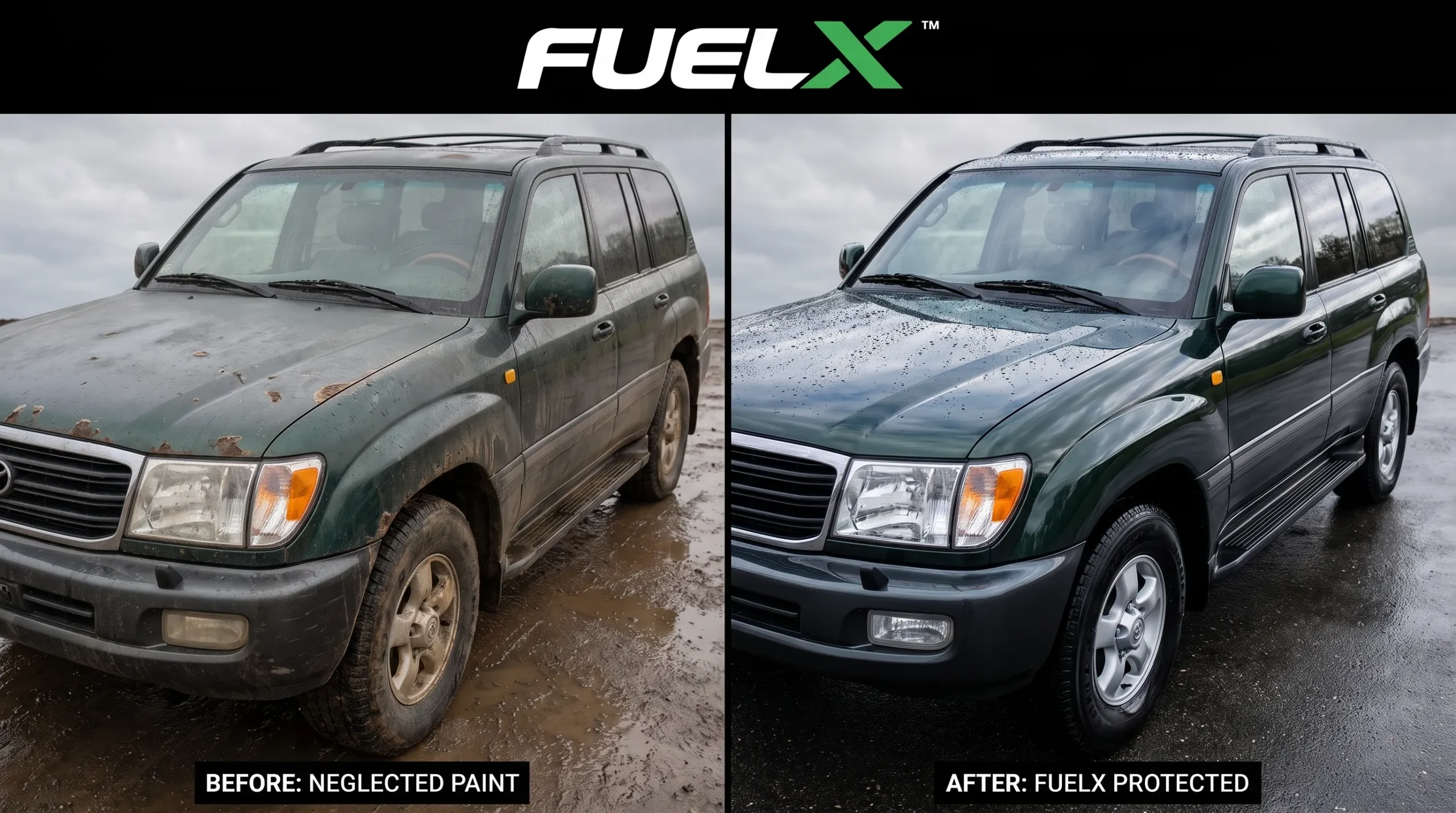
Rain is often seen as nature’s free car wash. After a heavy shower, many car owners assume their vehicle has been cleaned and doesn’t require immediate attention. While rain can remove some loose dust from the surface, it also brings pollutants, minerals, and contaminants that can gradually damage your car’s paint if they aren’t removed promptly.
In Pakistan, the monsoon season presents even greater challenges. Heavy rainfall combines with dusty roads, industrial pollution, muddy streets, high humidity, and intense sunlight. Together, these conditions can leave your vehicle covered in grime, create stubborn water spots, reduce paint gloss, and even accelerate rust in areas where the paint has already been damaged.
Modern automotive paint systems are designed to withstand outdoor conditions, but no paint is maintenance-free. The key to preserving your car’s appearance is understanding how rain affects the paint and adopting a simple maintenance routine that keeps contaminants from causing long-term damage.
Whether you drive daily through city traffic or occasionally travel on highways, learning how to protect your vehicle during the rainy season can help maintain its showroom shine, improve resale value, and reduce expensive detailing or repainting costs.
Does Rain Really Damage Your Car Paint?
The answer is yes—but indirectly.
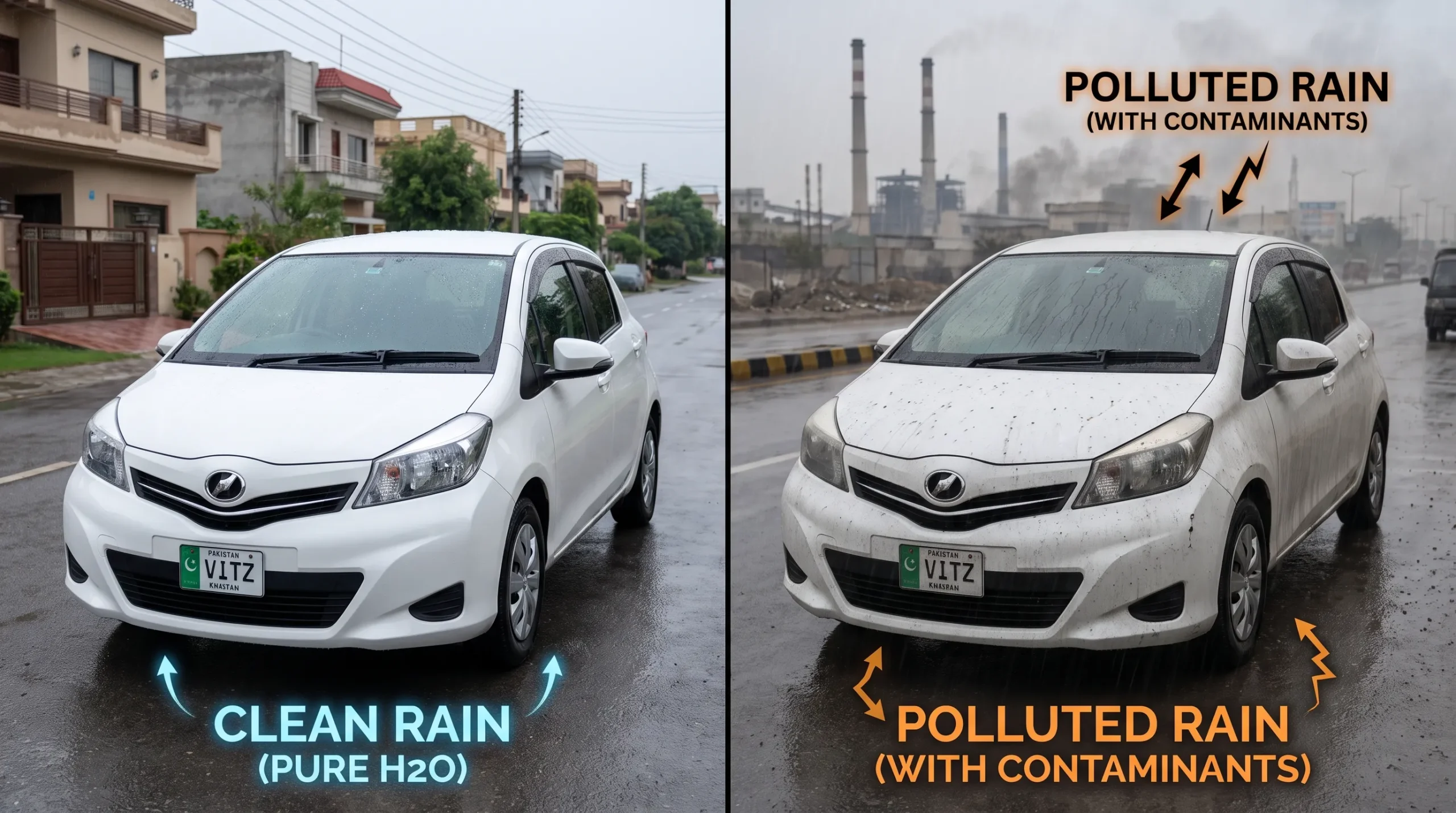
Pure rainwater itself is generally harmless to modern automotive paint. Most vehicles today are finished with a clear coat, a transparent protective layer that shields the colored paint from UV rays, oxidation, and minor environmental exposure.
However, rainwater rarely remains pure before reaching your vehicle.
As raindrops fall through the atmosphere, they collect airborne pollutants such as:
Vehicle exhaust emissions
Industrial smoke
Dust particles
Soot
Chemical pollutants
Pollen
Once rain lands on your car and evaporates, these contaminants remain behind on the paint surface.
One rainy day is unlikely to cause noticeable damage. The problem develops when dirt, pollution, and minerals repeatedly accumulate without regular washing. Over weeks and months, these deposits can reduce paint clarity, create stubborn stains, and slowly wear down the protective clear coat.
Simply put, it’s not the rain that harms your paint—it’s what the rain carries and what it leaves behind.
Why Rainwater Isn’t Pure
Rain begins as relatively clean water vapor, but by the time it reaches the ground, it has travelled through several kilometers of atmosphere.
During that journey, it collects numerous contaminants.
Air Pollution
Urban environments expose rainwater to pollutants produced by:
Cars and motorcycles
Diesel trucks
Construction activities
Manufacturing industries
Agricultural burning
According to global air quality studies, cities with higher levels of particulate matter (PM2.5 and PM10) experience greater deposition of airborne pollutants during rainfall. These microscopic particles stick to automotive paint and reduce its shine over time.
In major Pakistani cities such as Lahore, Karachi, Faisalabad, and Rawalpindi, seasonal smog and dust storms can significantly increase the amount of contamination washed onto vehicles.
Mild Acidity
Rainwater can also become mildly acidic when atmospheric pollutants such as sulfur dioxide (SO₂) and nitrogen oxides (NOₓ) dissolve into water droplets.
Normal rain typically has a pH of around 5.6, making it slightly acidic. In heavily polluted areas, acidity may increase further.
While this level isn’t immediately harmful, repeated exposure over several years can gradually weaken paint protection if contaminants remain on the vehicle’s surface for extended periods.
Fortunately, modern clear coats are designed to resist occasional exposure. Problems usually arise only when acidic residues are allowed to dry repeatedly without cleaning.
Dirt Picked Up During Rain
Rain doesn’t stop collecting contaminants after reaching your vehicle.
As you drive on wet roads, your tires throw up:
Mud
Oil residue
Fine sand
Brake dust
Road salt (in some regions)
Organic debris
These materials stick easily to wet paint.
Once the vehicle dries, they become more difficult to remove and may scratch the surface during improper cleaning.
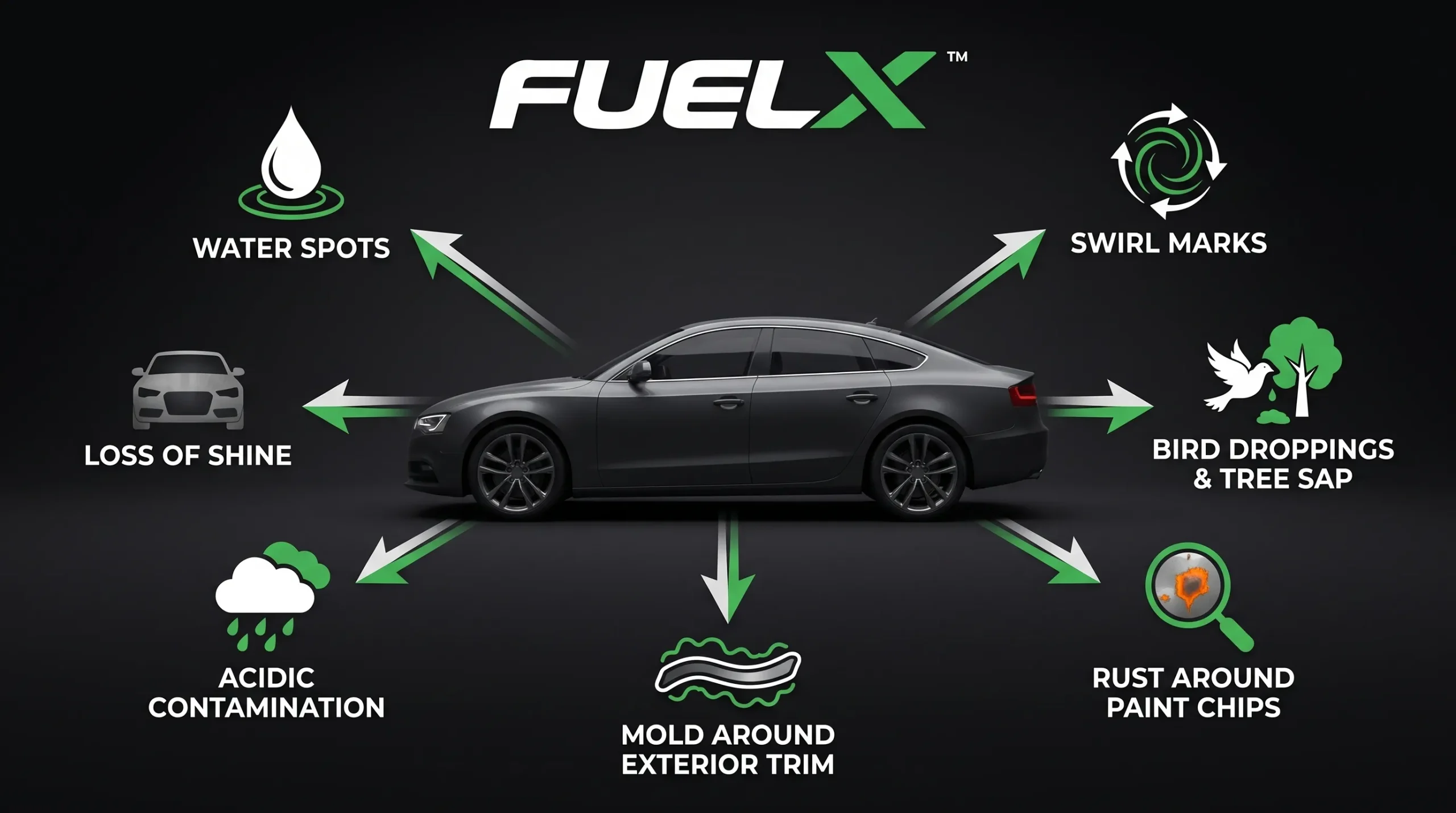
7 Ways Rain Affect Your Car Paint
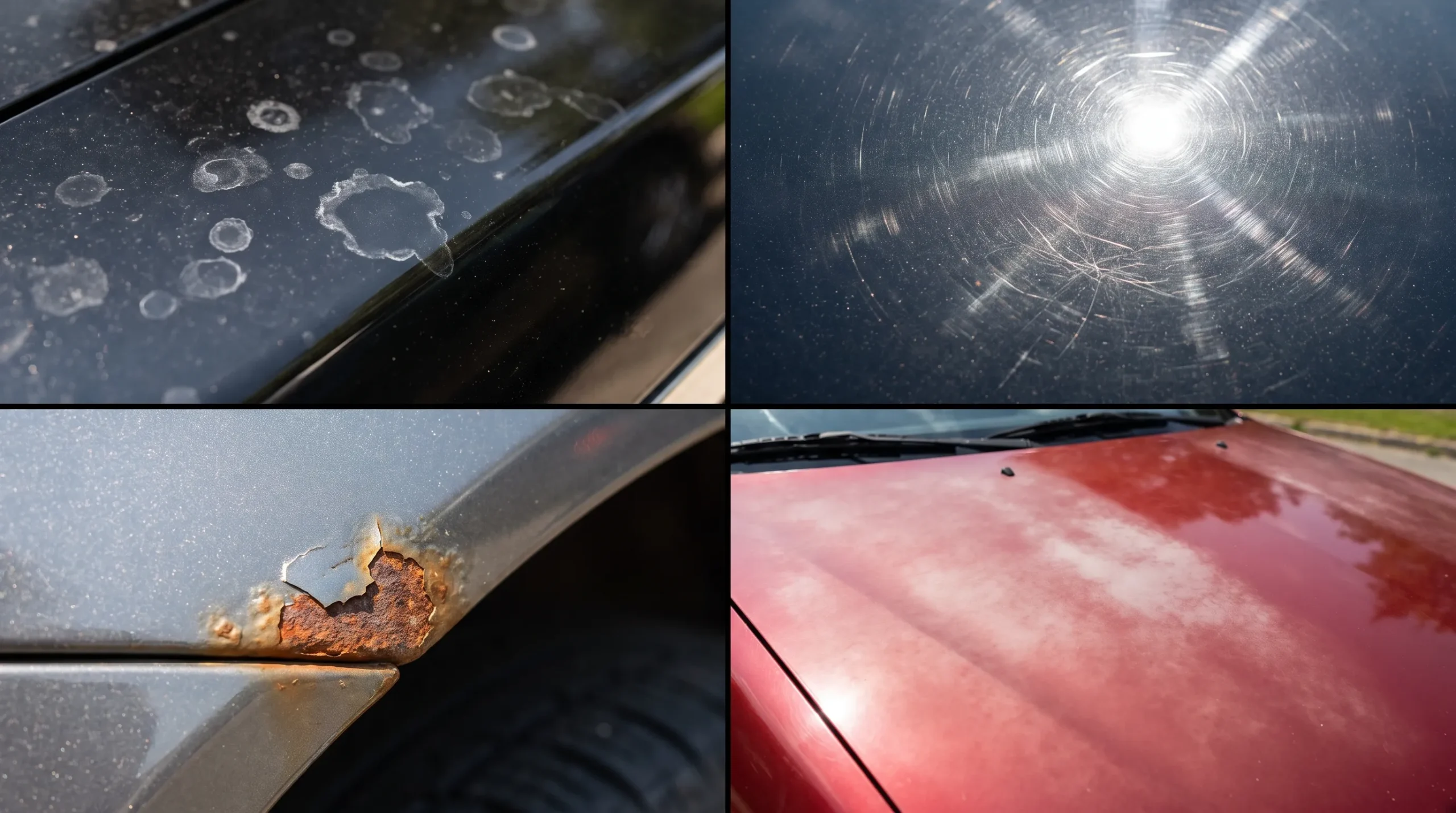
1. Water Spots
Water spotting is one of the most common paint issues after rainfall.
As water evaporates, dissolved minerals and pollutants remain on the surface.
These deposits form circular white marks that become especially visible on dark-colored vehicles.
If left untreated during hot weather, mineral deposits can slowly etch into the clear coat, requiring machine polishing for complete removal.
Regular drying after washing significantly reduces the risk of permanent water spots.
2. Loss of Shine
Rain doesn’t directly remove your vehicle’s gloss.
Instead, dirt, pollution, and grime accumulate with every rainfall.
This thin layer of contamination scatters light instead of reflecting it evenly, making the paint appear dull and lifeless.
Many owners mistakenly believe their paint is fading, when in reality, it’s simply covered by contaminants that regular washing can remove.
A properly cleaned and maintained vehicle often regains much of its original shine without any polishing.
3. Acidic Contamination
Repeated exposure to mildly acidic pollutants slowly affects the protective clear coat.
While damage develops gradually, signs may include:
Reduced gloss
Slight discoloration
Oxidation
Increased susceptibility to scratches
Vehicles parked outdoors every day experience far greater exposure than those stored in covered parking.
Applying protective waxes, sealants, or quick detailers creates an additional barrier between contaminants and the paint surface.
4. Mud and Road Sand Can Scratch Paint
During the rainy season, muddy roads contain thousands of tiny abrasive particles.
Many drivers unknowingly damage their paint by wiping mud with a dry cloth.
Those trapped sand particles act like extremely fine sandpaper, producing microscopic scratches called swirl marks.
These scratches become highly visible under direct sunlight and gradually reduce paint clarity.
Always rinse heavy dirt away before washing.
Using the two-bucket wash method and clean microfiber wash mitts further minimizes the risk of scratching.
5. Bird Droppings and Tree Sap Become Harder to Remove
Rain softens organic contaminants initially.
However, after rainfall stops, sunlight quickly bakes bird droppings and tree sap onto the paint.
Bird droppings contain natural acids that can begin affecting the clear coat within a relatively short period, especially during hot weather.
Similarly, tree sap hardens into a sticky layer that attracts additional dirt and becomes increasingly difficult to remove.
Prompt cleaning prevents permanent staining and paint etching.
6. Rust Around Paint Chips
Even modern vehicles are vulnerable to corrosion when bare metal becomes exposed.
Stone chips, parking scratches, and minor impacts create small openings in the paint.
Rainwater enters these exposed areas, allowing moisture to reach the metal underneath.
Rust often begins as tiny orange spots but gradually spreads beneath surrounding paint.
Repairing small paint chips early is significantly less expensive than repairing advanced corrosion later.
7. Mold and Algae Around Exterior Trim
High humidity during Pakistan’s monsoon season creates ideal conditions for biological growth.
Moisture trapped around:
Door seals
Windshield moldings
Side mirrors
Window trims
may encourage algae, mildew, and mold.
Besides affecting appearance, these deposits may shorten the lifespan of rubber seals if neglected for long periods.
Routine washing and proper drying help prevent moisture buildup.
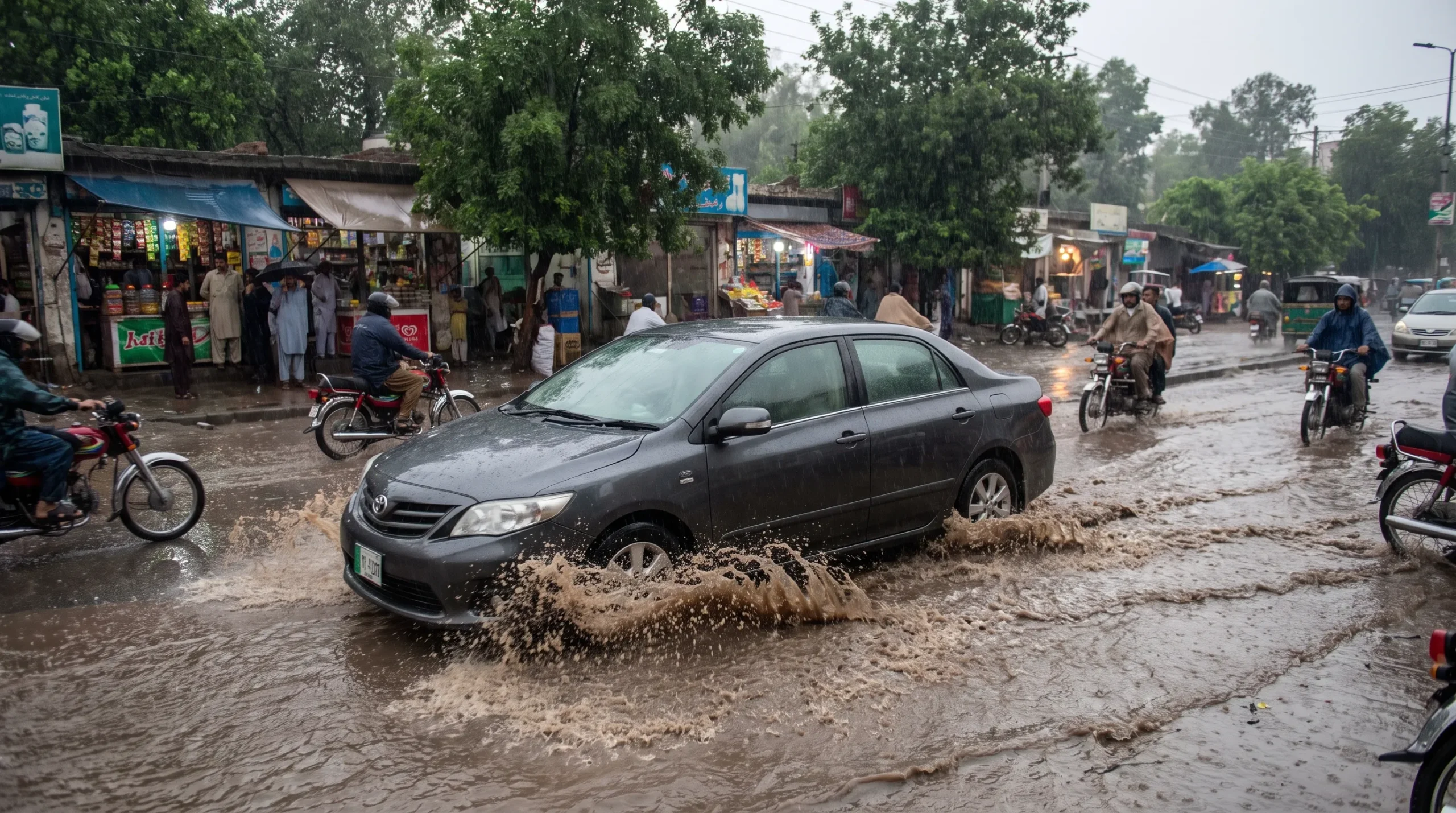
Why Pakistan’s Monsoon Season Is Especially Tough on Car Paint
Pakistan’s rainy season creates conditions that are particularly challenging for vehicle owners.
Before rain begins, roads often accumulate weeks of dust and loose soil.
The first heavy shower transforms this dust into muddy water that splashes onto vehicles.
In busy urban areas, rainwater mixes with:
Fuel residue
Engine oil
Industrial pollutants
Brake dust
Construction debris
As traffic moves through puddles, contaminated water coats the lower body panels, wheel arches, bumpers, and doors.
In addition, Pakistan experiences high humidity during monsoon months.
Moisture remains on vehicles for longer periods, slowing natural drying and allowing contaminants more time to settle on painted surfaces.
Vehicles parked beneath trees face additional exposure to leaves, sap, insects, and bird droppings, all of which become harder to remove after rainfall.
These combined environmental factors make consistent paint maintenance essential throughout the rainy season.
Signs Your Car Paint Has Been Damaged by Rain
Many forms of rain-related paint damage develop slowly.
Watch for these warning signs:
White mineral deposits after drying
Rough texture when running your hand across clean paint
Reduced gloss and shine
Swirl marks visible under sunlight
Faded or cloudy paint
Small rust spots around stone chips
Stains that remain after washing
Water no longer beading on the surface
Early intervention often prevents more expensive paint correction later.
How to Protect Your Car Paint During the Rainy Season
Fortunately, protecting your paint doesn’t require professional detailing every week.
A few consistent habits provide excellent long-term results.
Wash Your Car Regularly
Experts generally recommend washing a daily-driven vehicle every 1–2 weeks, or sooner if it has been exposed to heavy rain, mud, or bird droppings.
Removing contaminants quickly prevents them from bonding to the paint.
Avoid allowing dried mud to remain on the vehicle for several days.
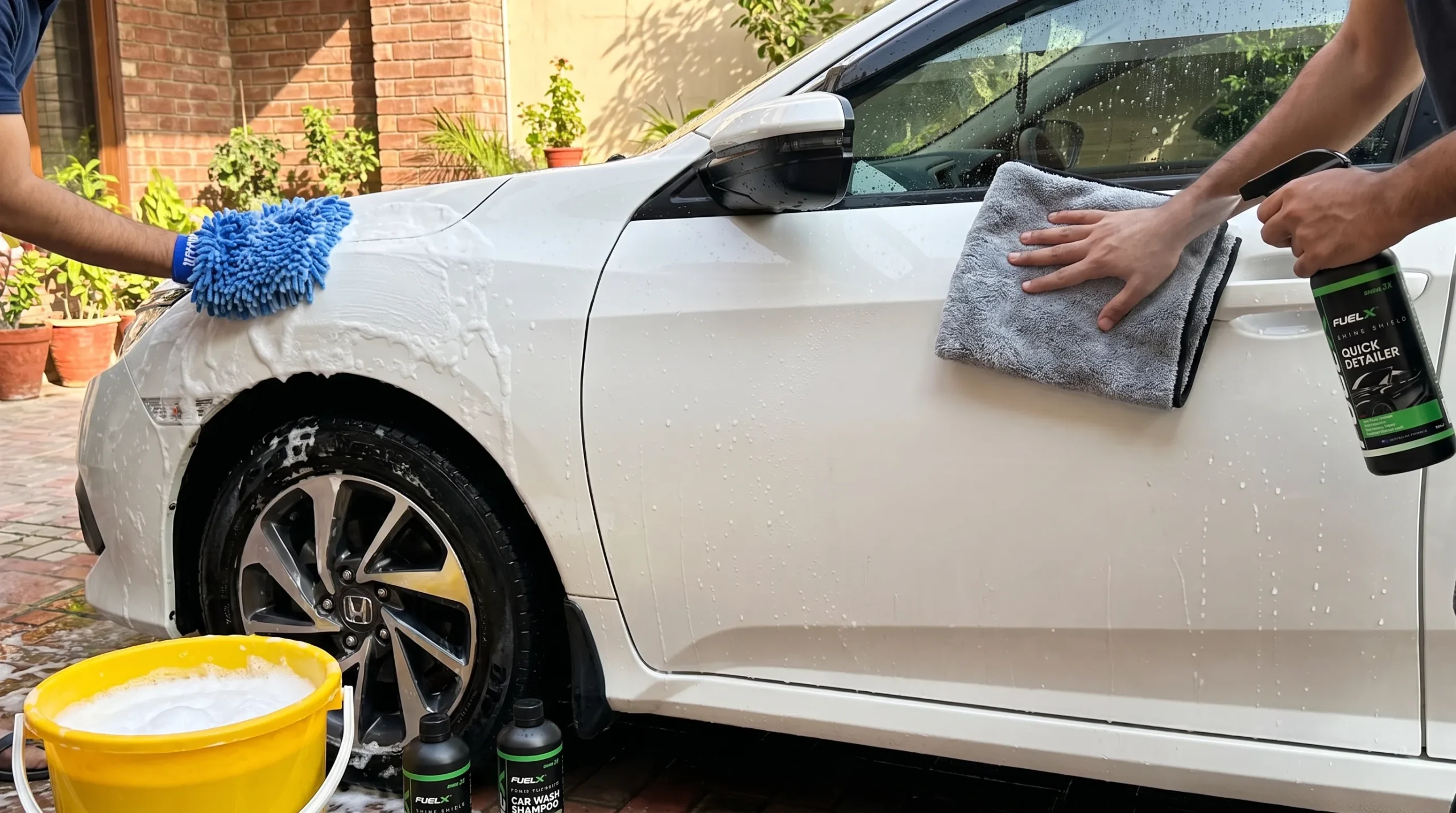
Use a pH-Neutral Car Shampoo
Household detergents may remove grease effectively, but they can also strip protective waxes from automotive paint.
A pH-balanced shampoo is specifically formulated to remove dirt without harming existing protection.
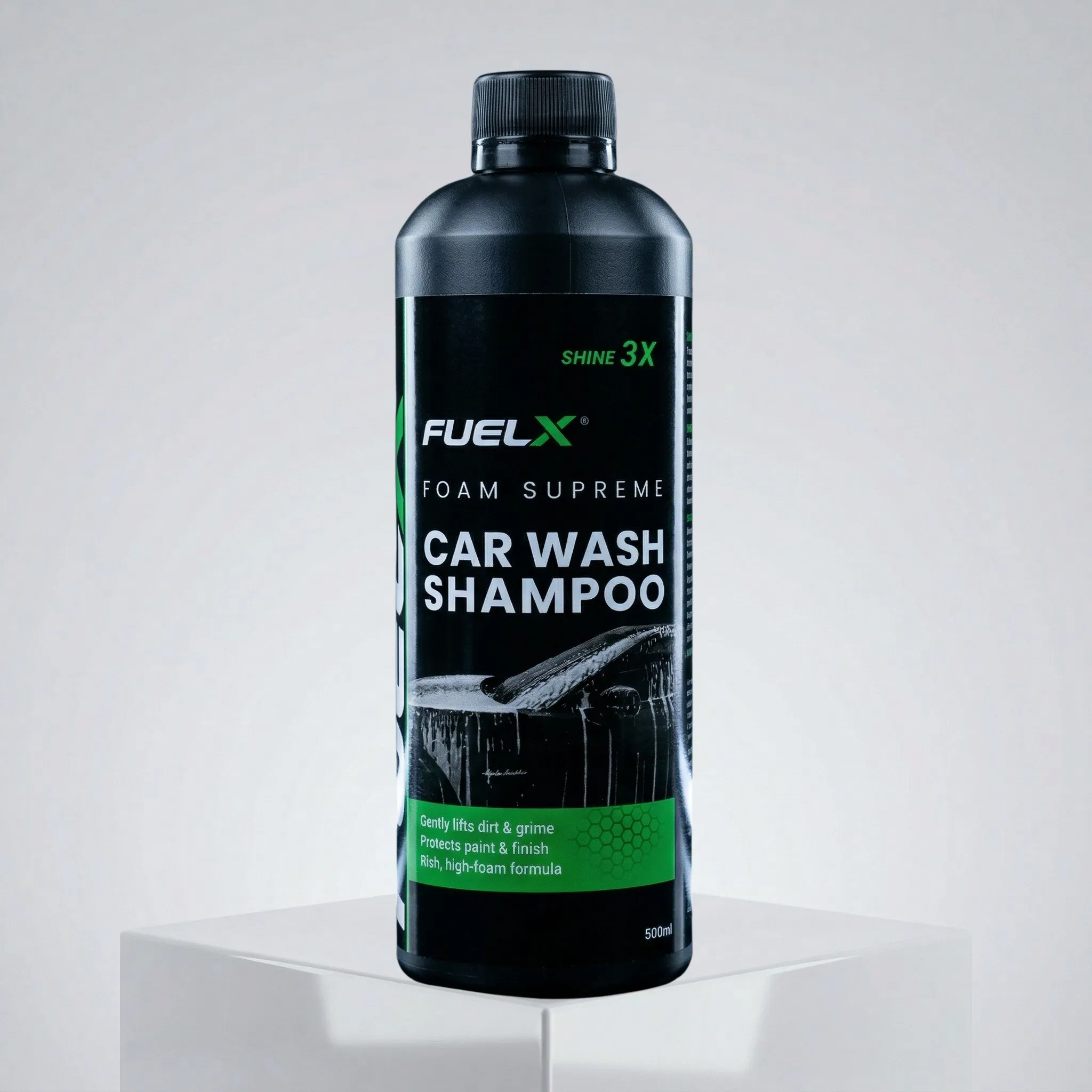
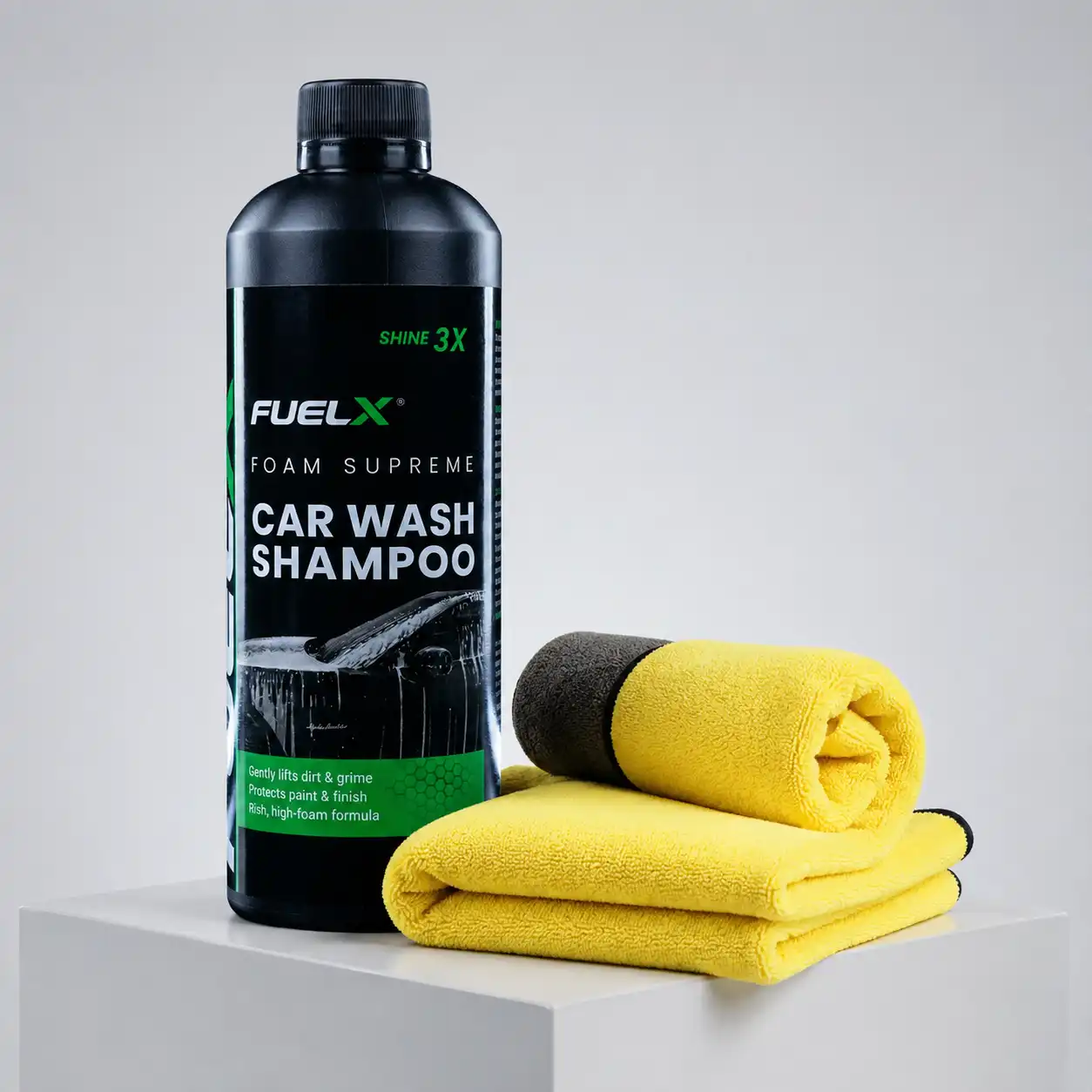
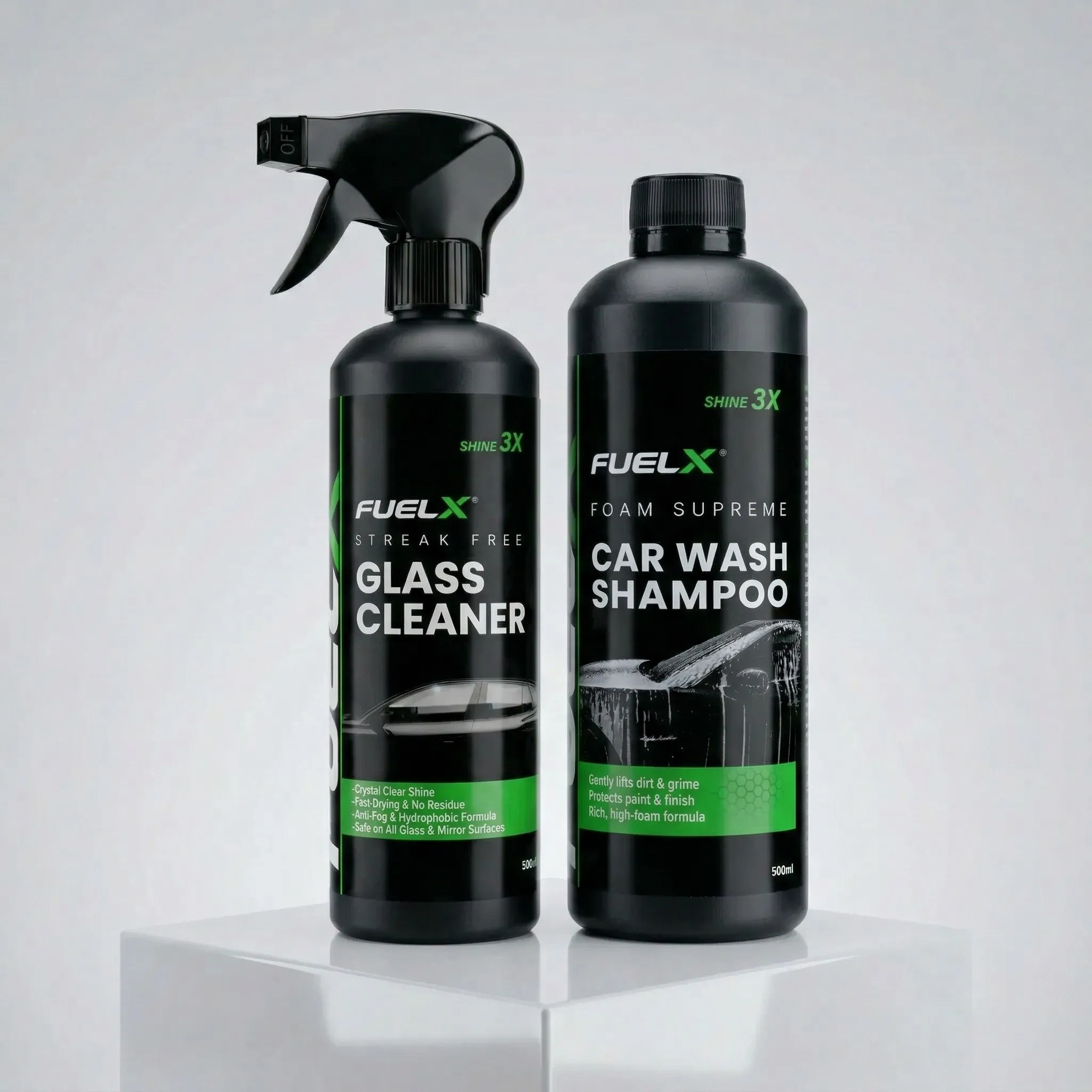
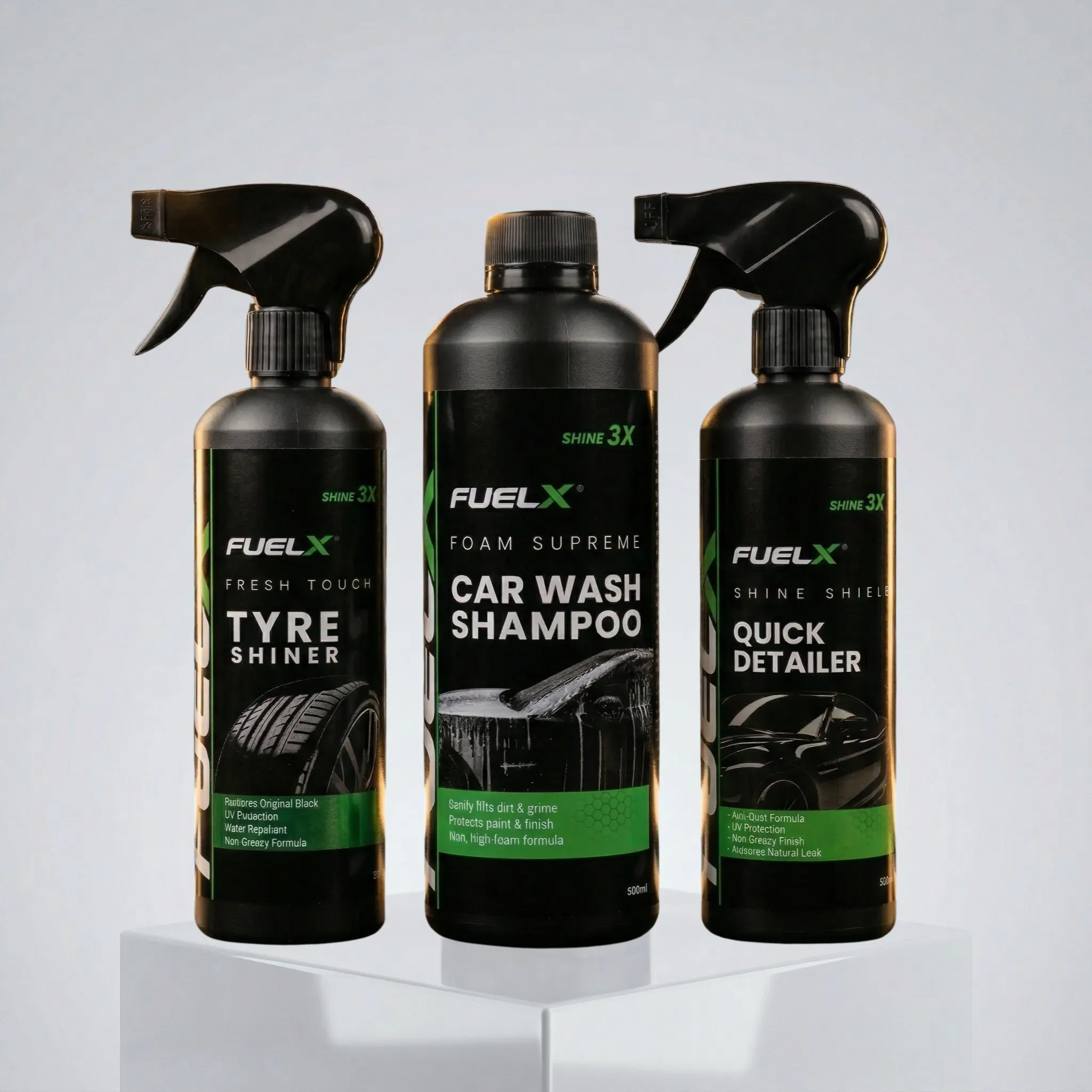
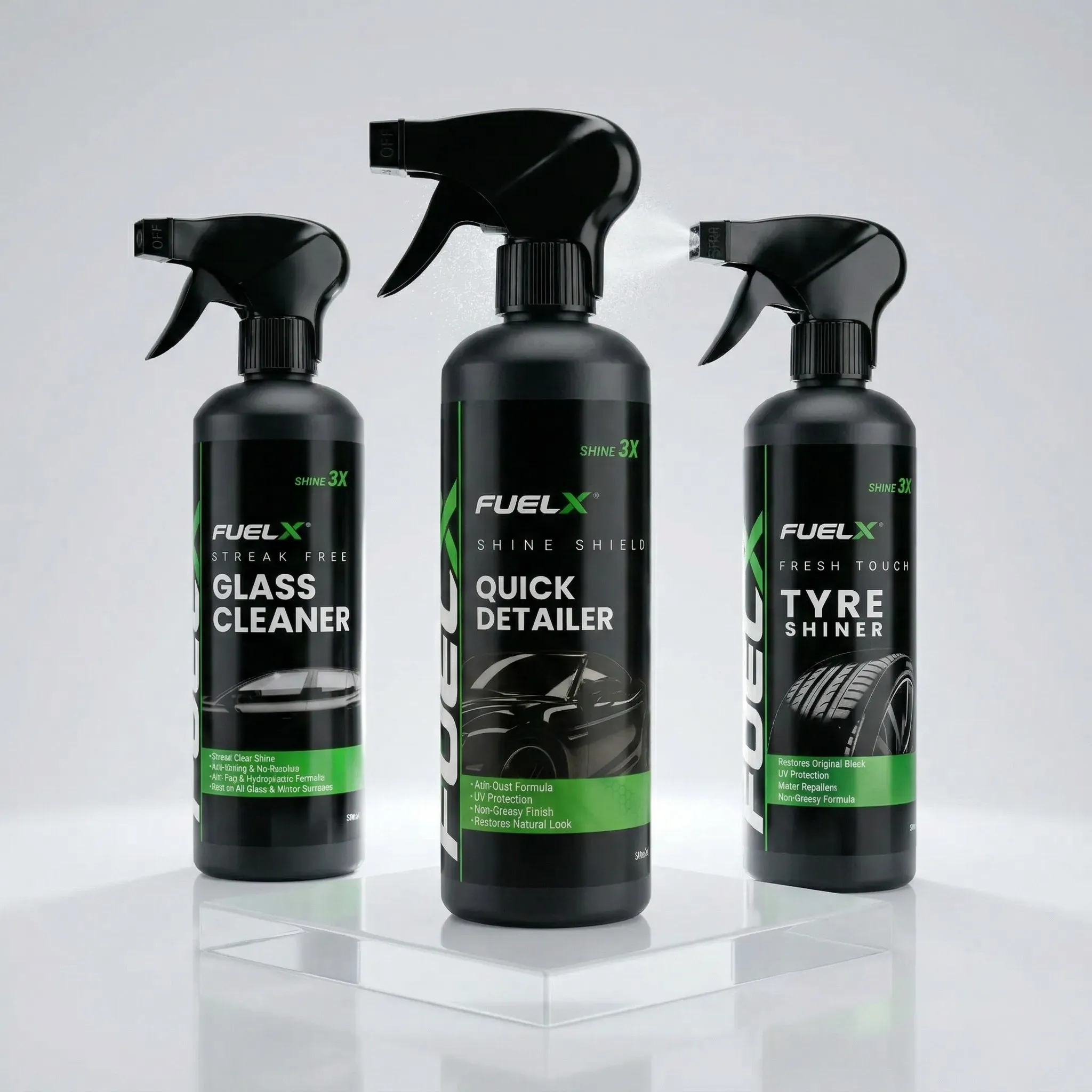
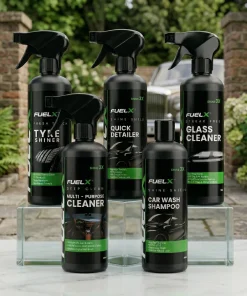
FuelX Car Wash Shampoo produces rich foam that safely lifts dirt from the surface while maintaining your vehicle’s finish, making it ideal for regular maintenance during the rainy season.
Dry the Vehicle Properly
Air drying often leaves behind mineral deposits.
Instead, dry your vehicle using a high-quality microfiber towel immediately after washing.
Microfiber fibers trap moisture efficiently while reducing friction against the paint, helping prevent both water spots and scratches.
Pay extra attention to mirrors, door handles, and window edges where water tends to collect.
Apply a Quick Detailer
A quick detailer is one of the easiest ways to maintain your vehicle between full washes.
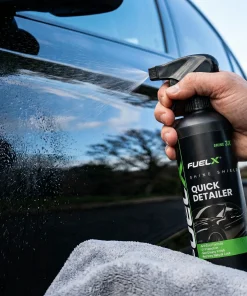
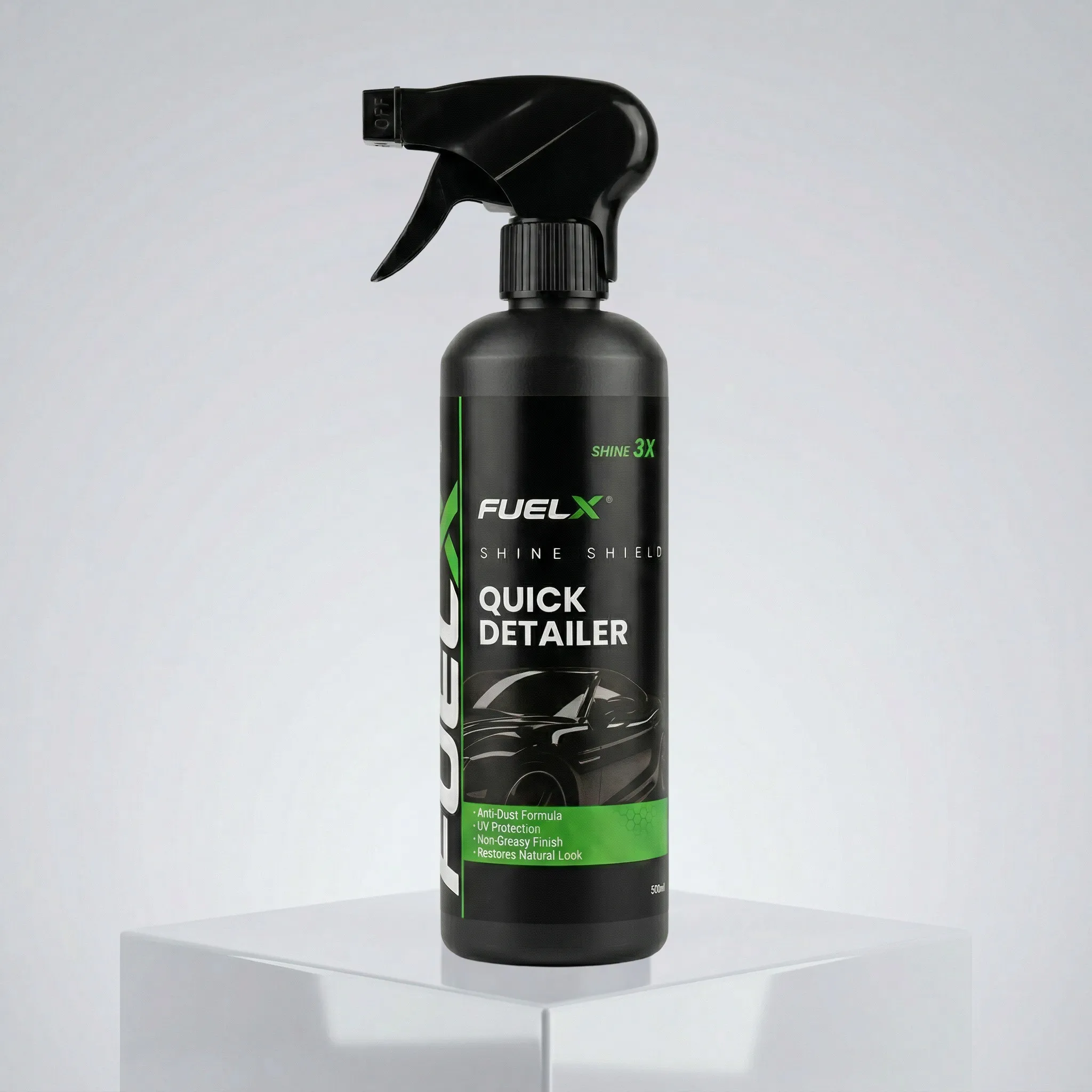
Products such as FuelX Quick Detailer enhance gloss while creating a slick surface that encourages water to bead and slide away more easily.
This protective layer also makes future washing quicker because dirt has less opportunity to bond strongly to the paint.
Avoid Parking Under Trees
Although trees provide welcome shade during summer, they introduce several paint hazards.
Parking beneath trees increases exposure to:
Bird droppings
Sticky sap
Falling branches
Leaves
Pollen
Whenever possible, choose covered parking or use a quality car cover when leaving your vehicle outdoors for extended periods.
Repair Paint Chips Quickly
Small paint chips are easy to ignore.
Unfortunately, they provide the perfect entry point for moisture.
Touch-up paint or professional repairs performed early can prevent corrosion and preserve your vehicle’s appearance for years.
Common Mistakes That Make Rain Damage Worse
Many drivers unknowingly create additional paint damage while trying to clean their vehicles.
Avoid these common mistakes:
Wiping muddy paint without rinsing first
Using household dishwashing liquid
Washing with dirty sponges
Reusing contaminated towels
Allowing water to dry naturally
Ignoring bird droppings for several days
Washing in direct sunlight
Skipping regular maintenance during monsoon season
Following proper washing techniques greatly reduces the likelihood of swirl marks and premature paint wear.
Final Thoughts
Rain is a natural part of driving, especially during Pakistan’s monsoon season, but it doesn’t have to compromise your vehicle’s appearance. The real threat comes from the dust, pollutants, minerals, road grime, and organic contaminants that rainwater carries and leaves behind after it evaporates.
By following a consistent maintenance routine—washing your car every one to two weeks, drying it thoroughly, removing bird droppings promptly, and repairing paint chips before rust develops—you can significantly reduce the risk of water spots, fading, swirl marks, and corrosion. These simple habits not only keep your car looking cleaner but also help preserve its resale value and extend the life of its paint.
For the best results, use products designed specifically for automotive finishes. A pH-balanced solution like FuelX Car Wash Shampoo safely removes rain-related contaminants without stripping existing protection, while FuelX Quick Detailer restores gloss, enhances water beading, and adds a protective layer between washes. Combined with quality microfiber towels and regular care, these products can help keep your vehicle looking its best throughout the rainy season and beyond.
FAQ’s
Does rain ruin car paint?
Rain itself usually doesn’t damage modern automotive paint. However, pollutants, dirt, and minerals carried by rain can gradually affect the clear coat if the vehicle isn’t cleaned regularly.
Is acid rain common in Pakistan?
Rainfall in Pakistan can become mildly acidic, particularly in urban and industrial areas where air pollution levels are higher. While occasional exposure isn’t normally harmful, regular cleaning helps prevent long-term contamination.
How soon should I wash my car after rain?
Ideally, wash your vehicle within 24 to 48 hours after heavy rainfall, especially if you’ve driven through muddy roads or heavily polluted areas.
Can water spots become permanent?
Yes. Mineral deposits can eventually etch into the clear coat if left untreated for long periods, making professional polishing necessary.
Should I wax my car during the rainy season?
Absolutely. Wax or paint sealants provide an additional protective barrier that improves water beading, reduces contaminant adhesion, and makes cleaning easier throughout the monsoon season.
Which products help protect car paint from rain?
A complete rainy-season maintenance routine should include a pH-neutral car shampoo, quality microfiber towels, a quick detailer, and periodic wax or paint protection products.