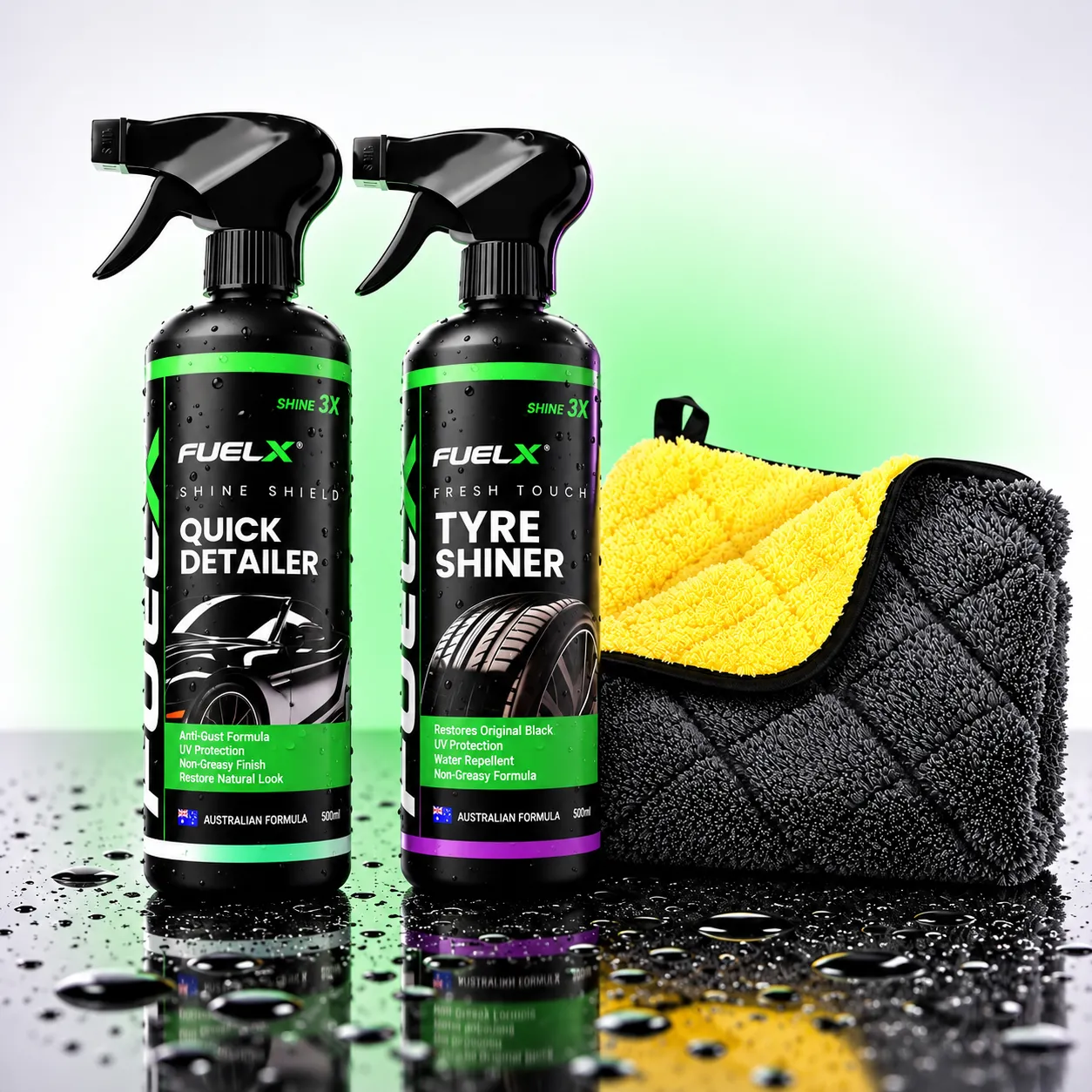
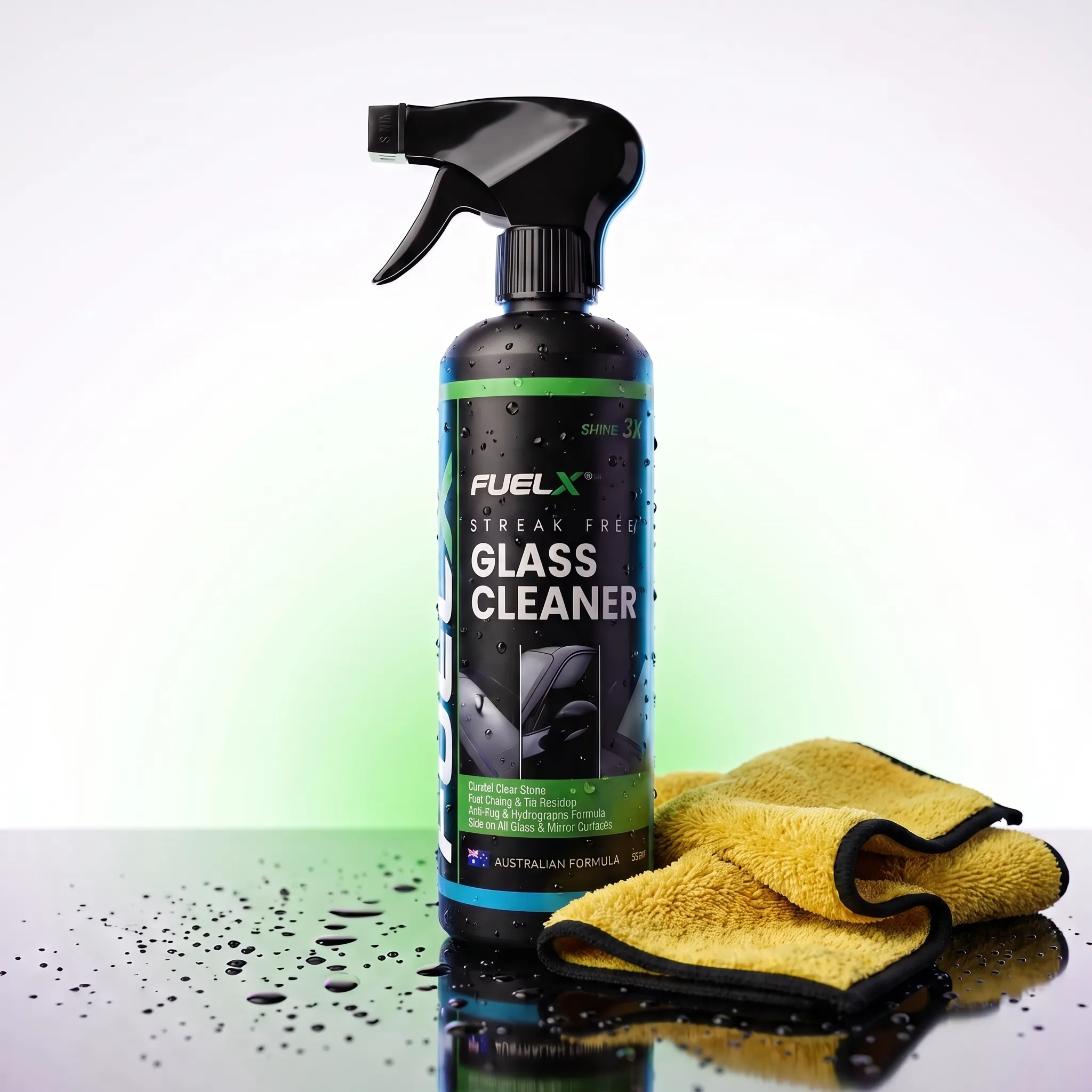
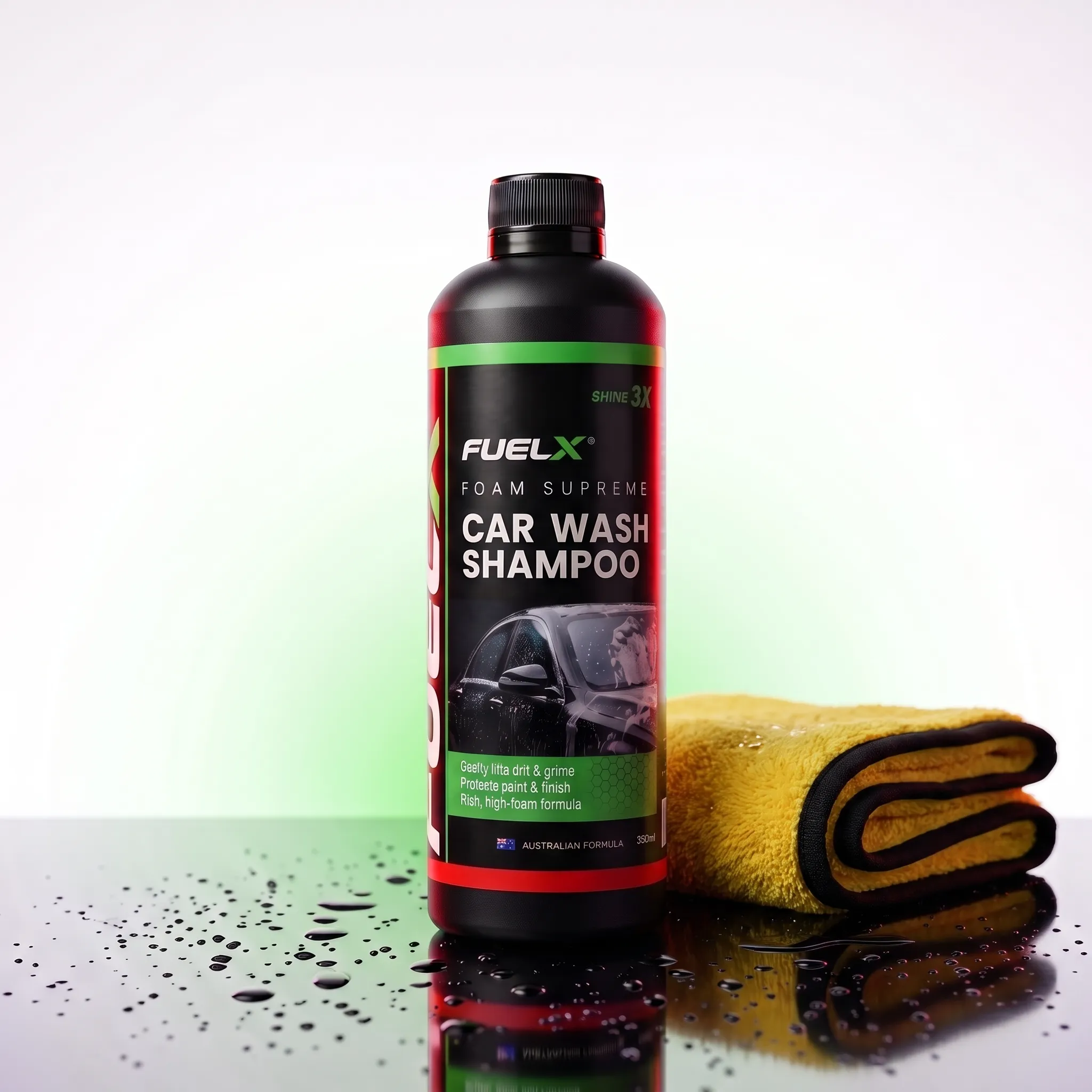
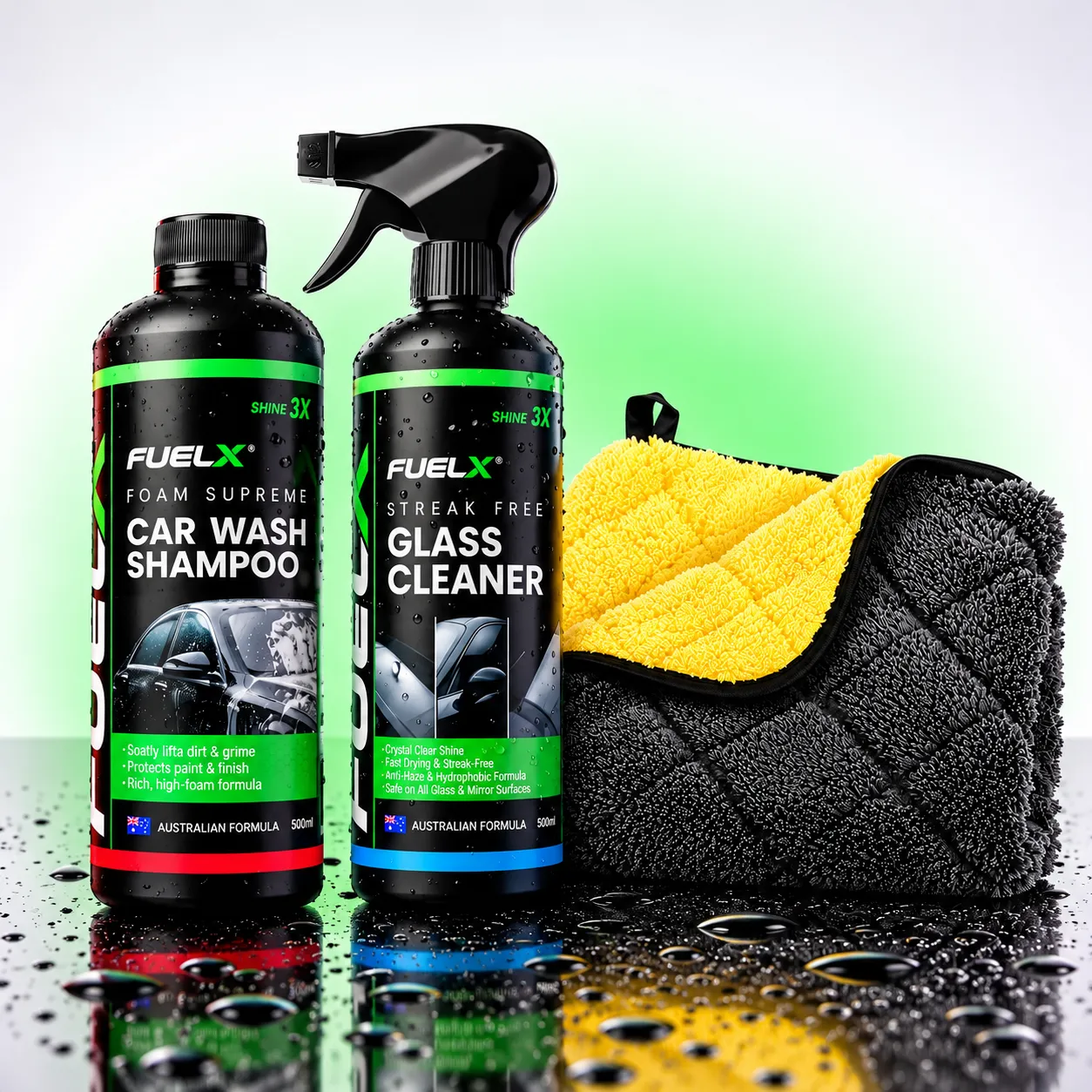
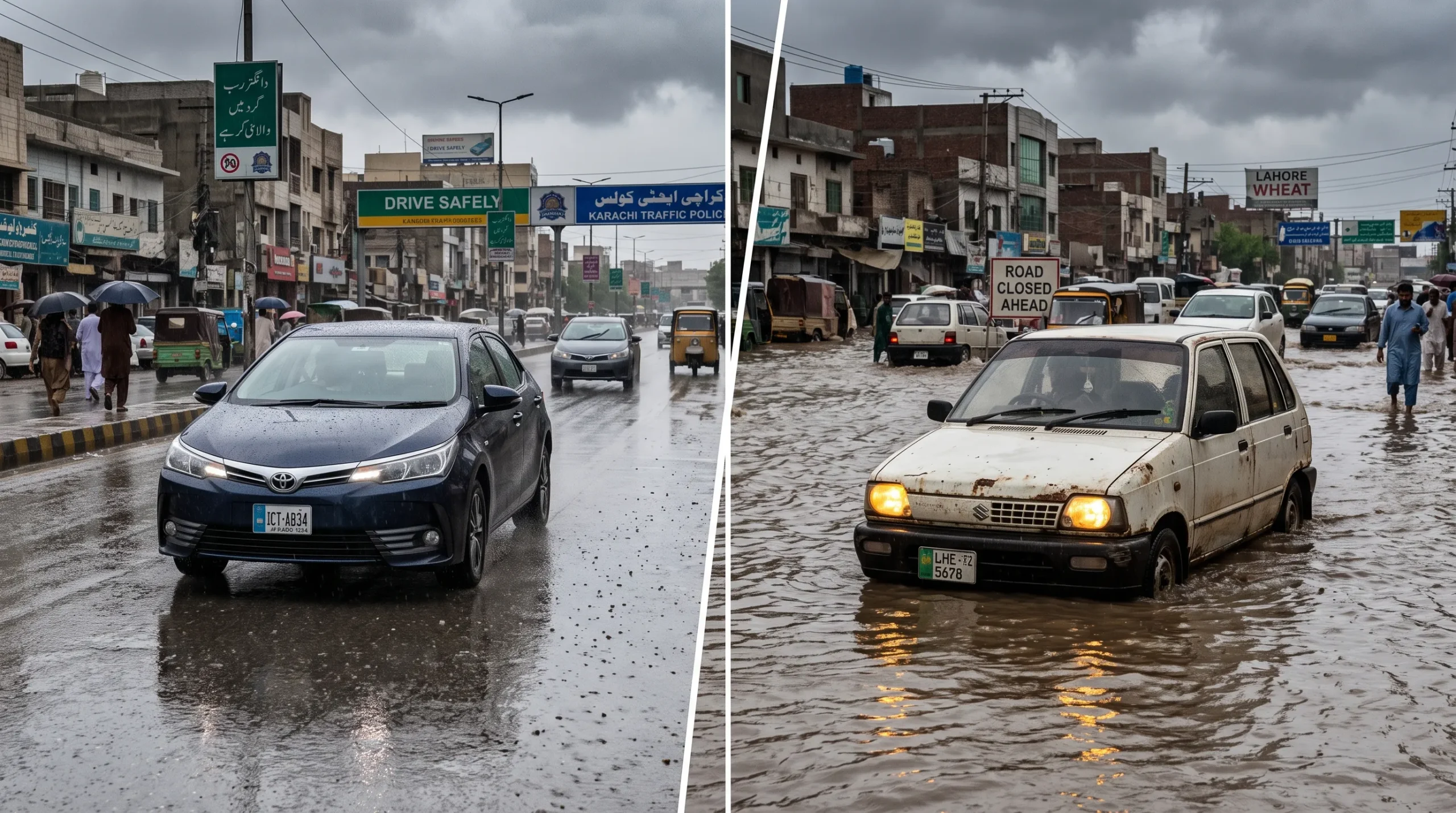
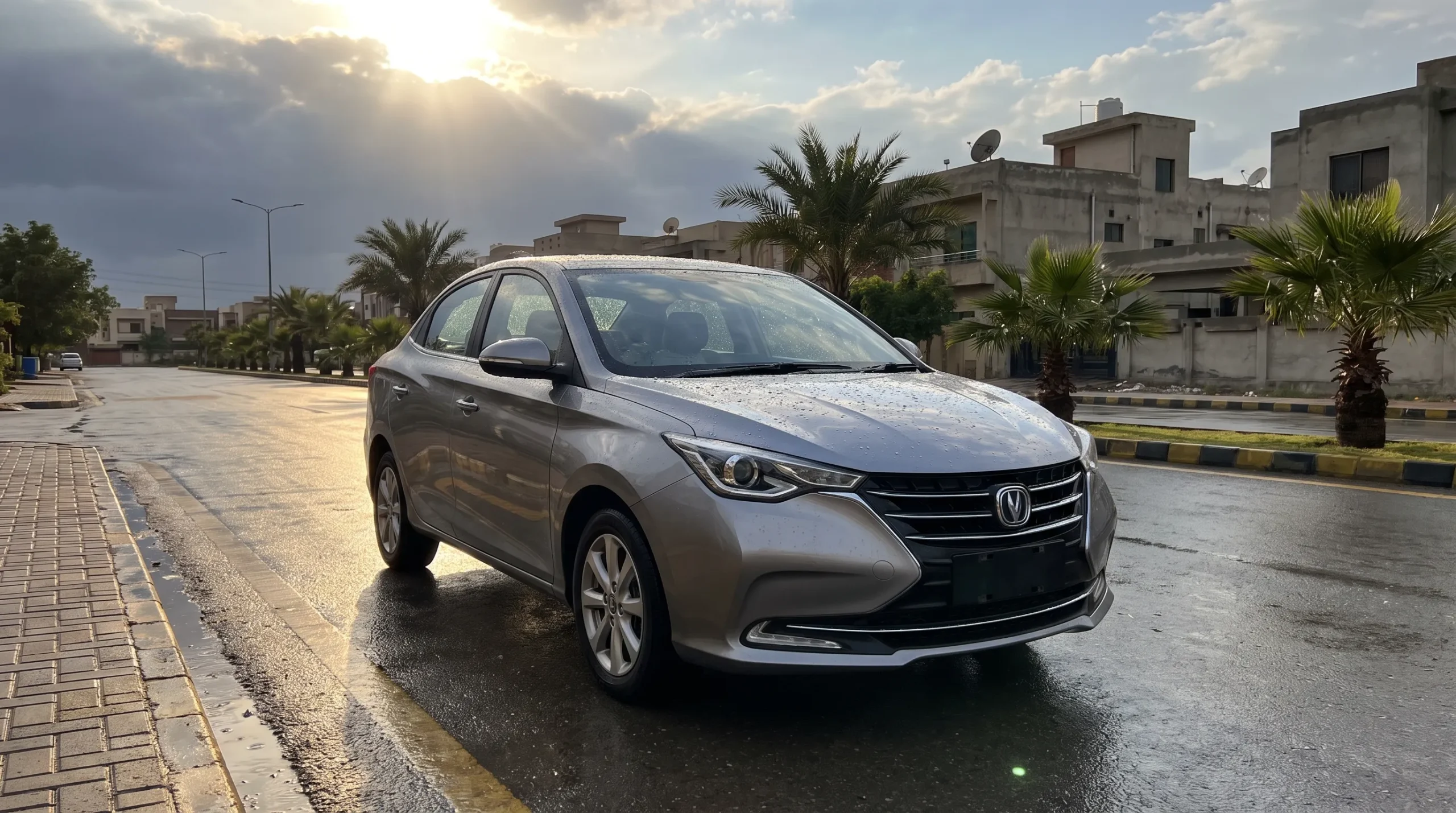
Pakistan’s monsoon season brings much-needed rainfall, but it also creates challenging driving conditions. Heavy rain, flooded roads, muddy streets, high humidity, and poor visibility can all take a toll on your vehicle. Without proper maintenance, these conditions may lead to rust, brake problems, electrical faults, tyre issues, and expensive repairs.
Whether you drive a compact hatchback, a family sedan, an SUV, or a pickup truck, preparing your vehicle before and during the rainy season is essential. A few preventive maintenance checks can improve your safety, protect your investment, and reduce the risk of unexpected breakdowns.
This monsoon car care checklist for Pakistan covers the most important maintenance tasks every driver should follow in 2026 to keep their vehicle in excellent condition throughout the rainy season.
Why Monsoon Car Care Matters in Pakistan
Monsoon weather presents unique challenges for vehicles across Pakistan. Cities such as Karachi, Lahore, Islamabad, Rawalpindi, Faisalabad, and Peshawar often experience waterlogged roads, traffic congestion, and frequent rainfall that expose vehicles to harsh conditions.
Rainwater mixes with dirt, oil, and debris on the roads, increasing the risk of slipping and reducing braking performance. Constant exposure to moisture also encourages rust formation, especially underneath the vehicle where water and mud tend to accumulate.
Humidity can affect electrical systems, weaken battery performance, and cause fogging inside the windshield, reducing visibility while driving. Regular maintenance helps minimize these risks while extending your vehicle’s lifespan.
Complete Monsoon Car Care Checklist
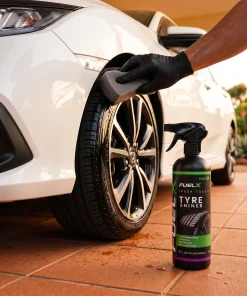
1. Inspect Your Tyres
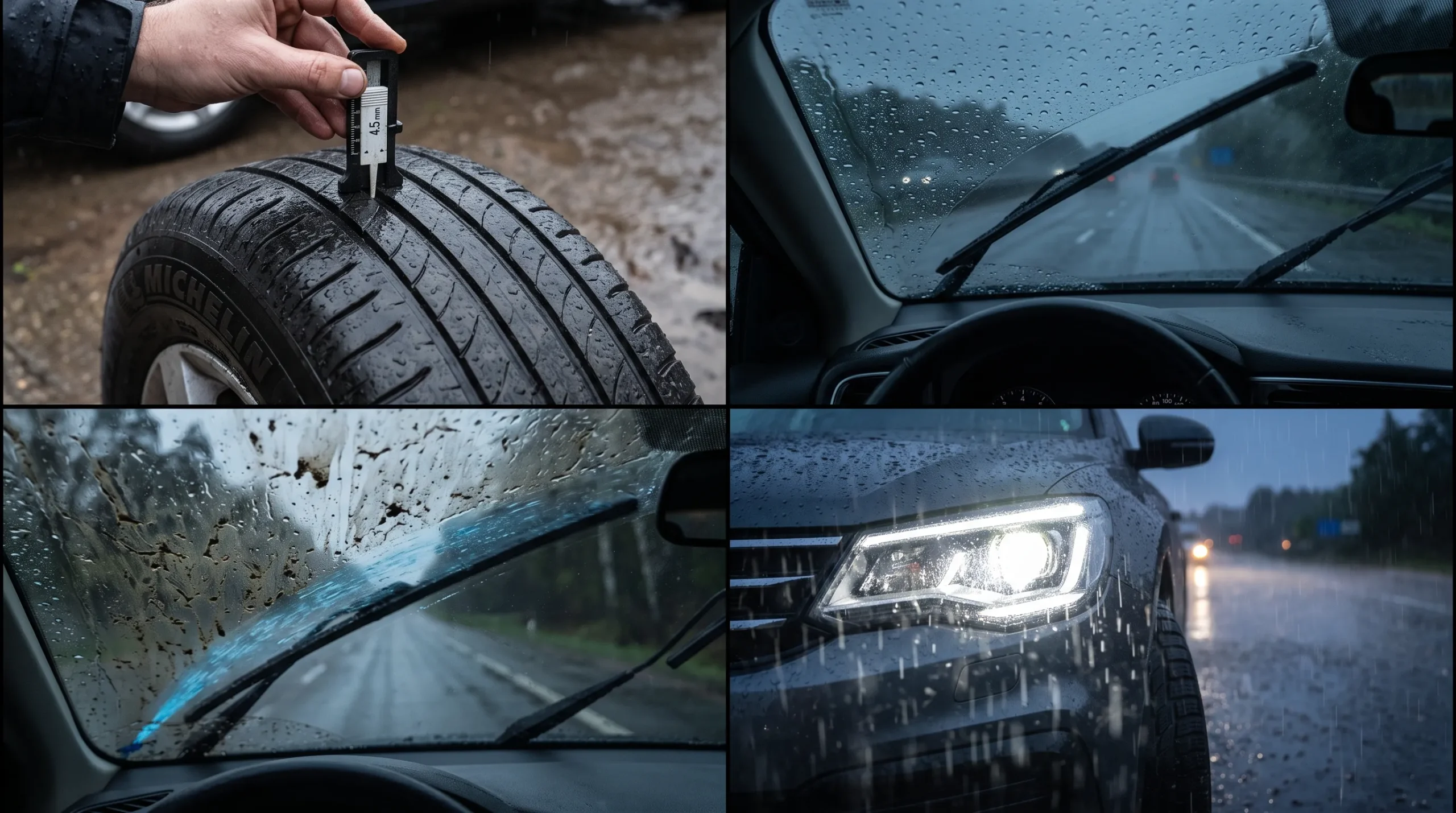
Your tyres are the only part of the vehicle that stays in contact with the road, making them one of the most critical safety components during rainy weather.
Check the tread depth regularly. Worn tyres struggle to disperse water, increasing the chances of hydroplaning, where the tyres lose contact with the road surface.
Also inspect:
Tyre pressure
Sidewall cracks
Uneven wear
Wheel alignment
Wheel balancing
Maintaining properly inflated tyres improves grip, fuel efficiency, and braking performance during wet conditions.
2. Check Your Windshield Wipers
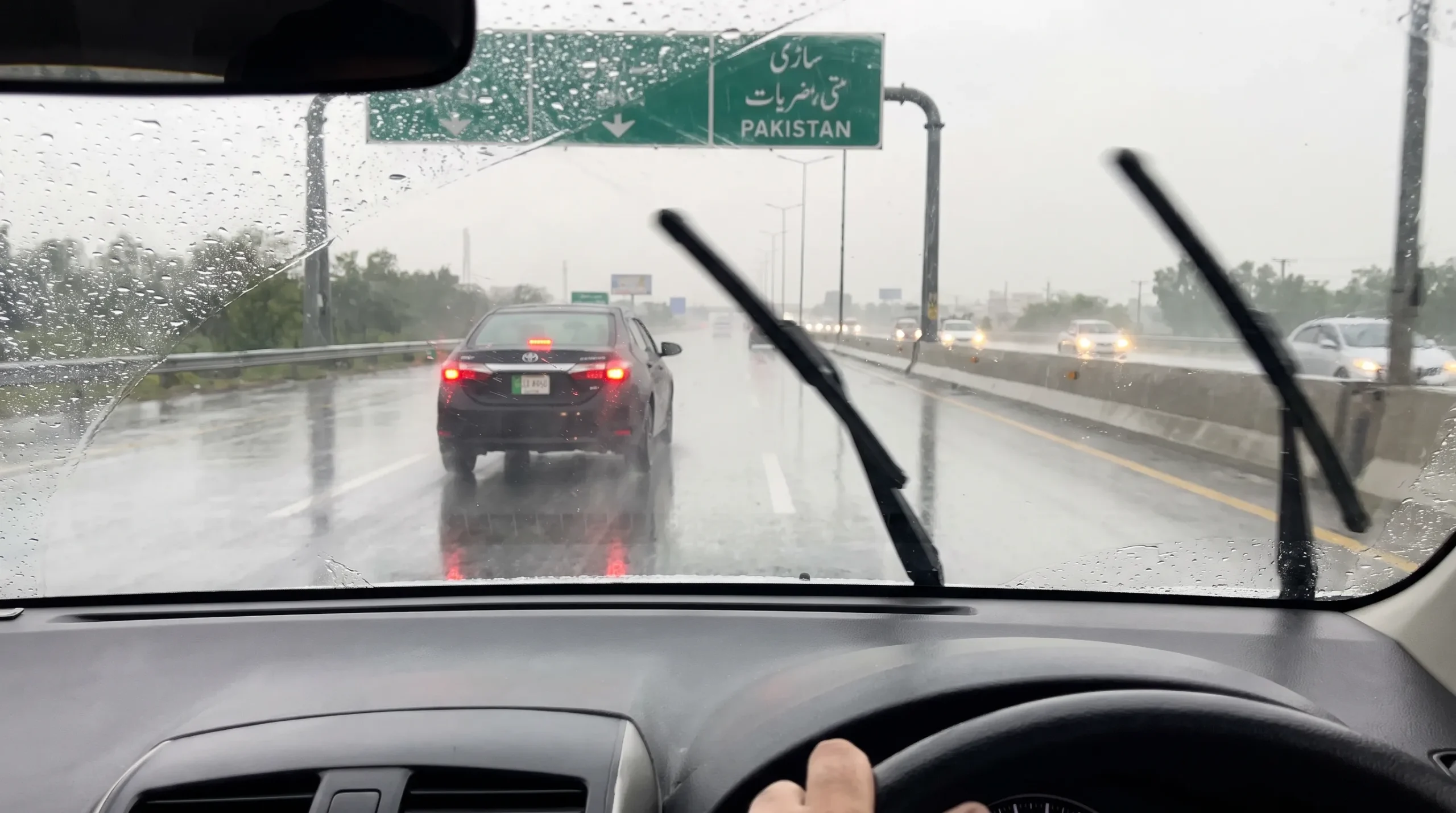
Visibility is one of the biggest concerns during heavy rain. If your windshield wipers leave streaks, skip across the glass, or make squeaking noises, they should be replaced.
Good-quality wiper blades clear rainwater quickly and help you maintain a clear view of the road, especially during sudden downpours.
As a general rule, inspect your wipers every few months and replace them when signs of wear appear.
3. Refill Windshield Washer Fluid
Many drivers rely on plain water in the washer reservoir, but it often struggles to remove mud, oily residue, and insect marks.
A proper windshield washer solution cleans the glass more effectively and improves visibility during long rainy drives.
Keeping the reservoir full ensures you can quickly clean your windshield whenever road spray reduces visibility.
4. Test All Vehicle Lights
Rain significantly reduces visibility for everyone on the road.
Before the monsoon begins, inspect every exterior light, including:
Headlights
Tail lights
Brake lights
Turn indicators
Fog lamps
Reverse lights
Replacing faulty bulbs immediately helps other drivers see your vehicle and allows you to identify hazards sooner.
5. Check Your Car Battery
Moisture and humidity can accelerate corrosion around battery terminals, affecting electrical performance.
Inspect your battery for:
Corroded terminals
Loose connections
Low voltage
Cracked casing
Slow engine cranking
Cleaning battery terminals and ensuring secure connections can prevent starting issues during rainy mornings.
If your battery is several years old, consider having it tested before the monsoon season arrives.
6. Inspect Your Braking System
Your braking system works harder during wet weather.
Listen for unusual noises and pay attention to changes in braking performance.
Inspect:
Brake pads
Brake discs
Brake fluid level
Brake lines
After driving through standing water, gently apply the brakes several times when safe to help dry the brake components and restore normal braking performance.
7. Protect Your Car’s Paint
Rainwater may seem harmless, but when combined with airborne pollutants, bird droppings, tree sap, and road grime, it can gradually damage your vehicle’s paint.
Applying a quality wax or paint sealant before the rainy season creates a protective barrier that makes cleaning easier and reduces the risk of staining.
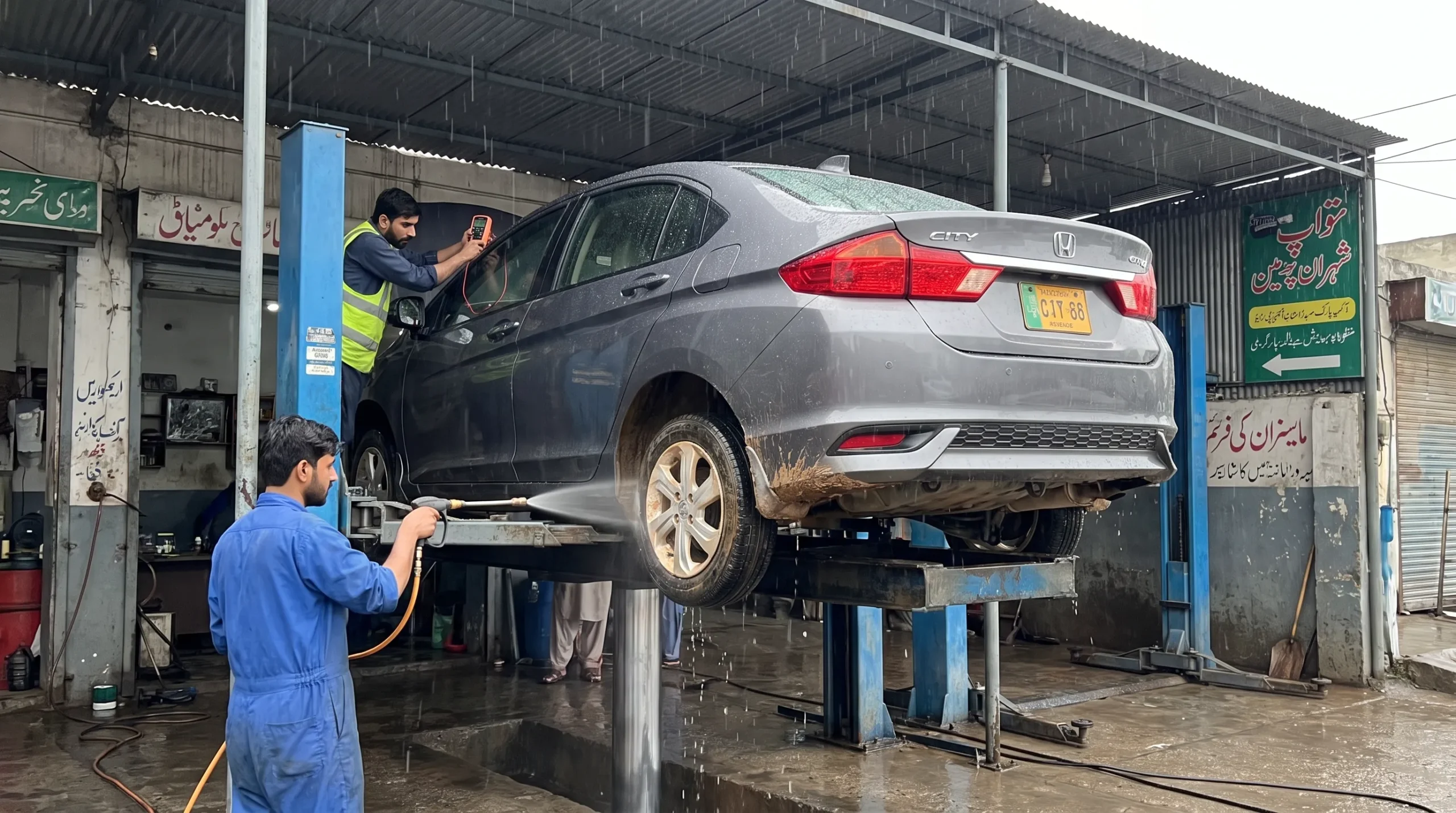
Most drivers focus only on the visible parts of the vehicle, but the undercarriage often suffers the most during monsoon.
Mud, dirty water, and road debris collect underneath the vehicle, trapping moisture and increasing the likelihood of corrosion.
Whenever possible, rinse the underbody after driving through muddy or flooded roads to remove contaminants before they cause long-term damage.
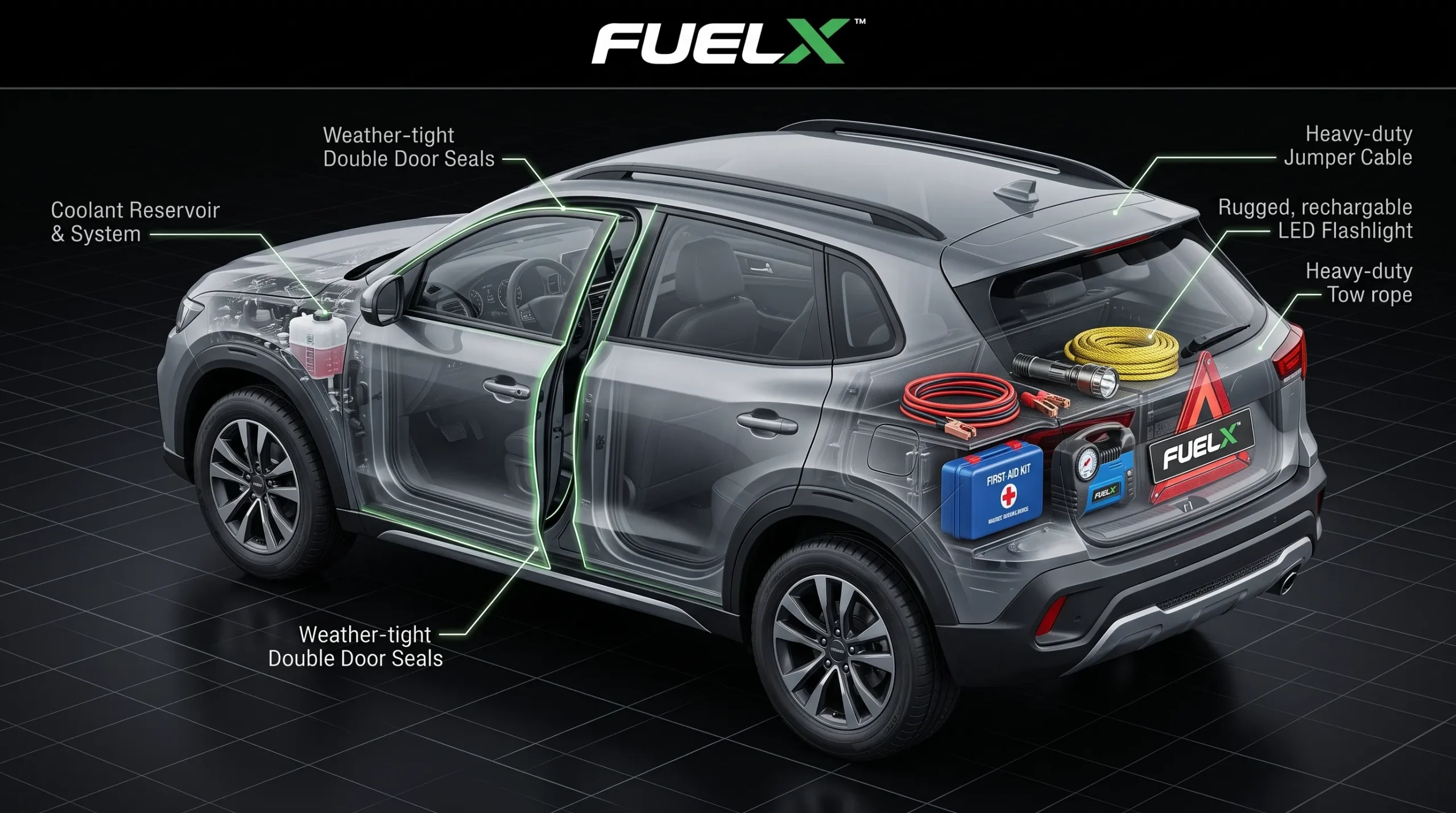
9. Inspect Door and Window Rubber Seals
Rubber weather seals keep rainwater outside your vehicle.
Over time, these seals can crack, shrink, or become loose, allowing water to enter the cabin.
Check for:
Water leaks
Damp carpets
Wet seats
Moldy smells
Wind noise
Replacing damaged seals early helps protect your interior from moisture damage and mold growth.
10. Check the Engine Bay
Modern engine bays are designed to handle rain, but excessive water exposure can still cause problems.
Inspect the engine compartment for:
Loose electrical connectors
Damaged wiring
Broken plastic covers
Signs of water intrusion
Blocked drainage areas
Avoid spraying high-pressure water directly onto sensitive electrical components when cleaning the engine.
11. Monitor Engine Coolant
Although engine overheating is commonly associated with summer, coolant remains equally important during the rainy season.
Traffic congestion caused by heavy rainfall often forces engines to idle for longer periods, increasing operating temperatures.
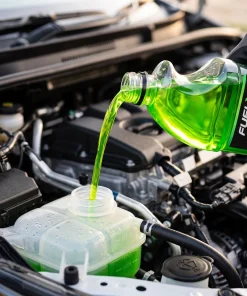
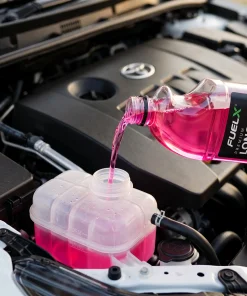
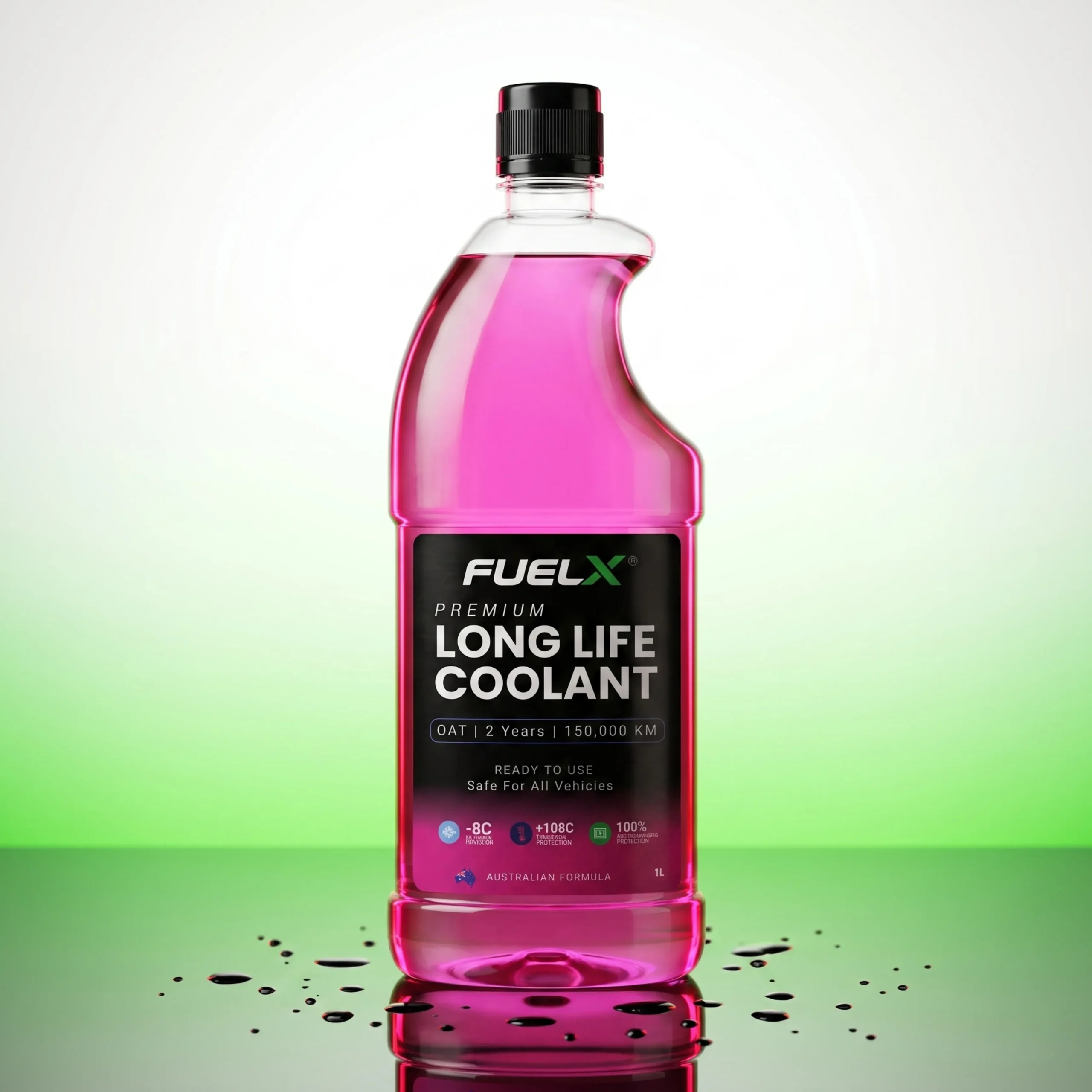
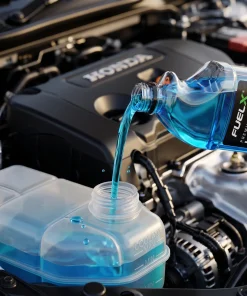
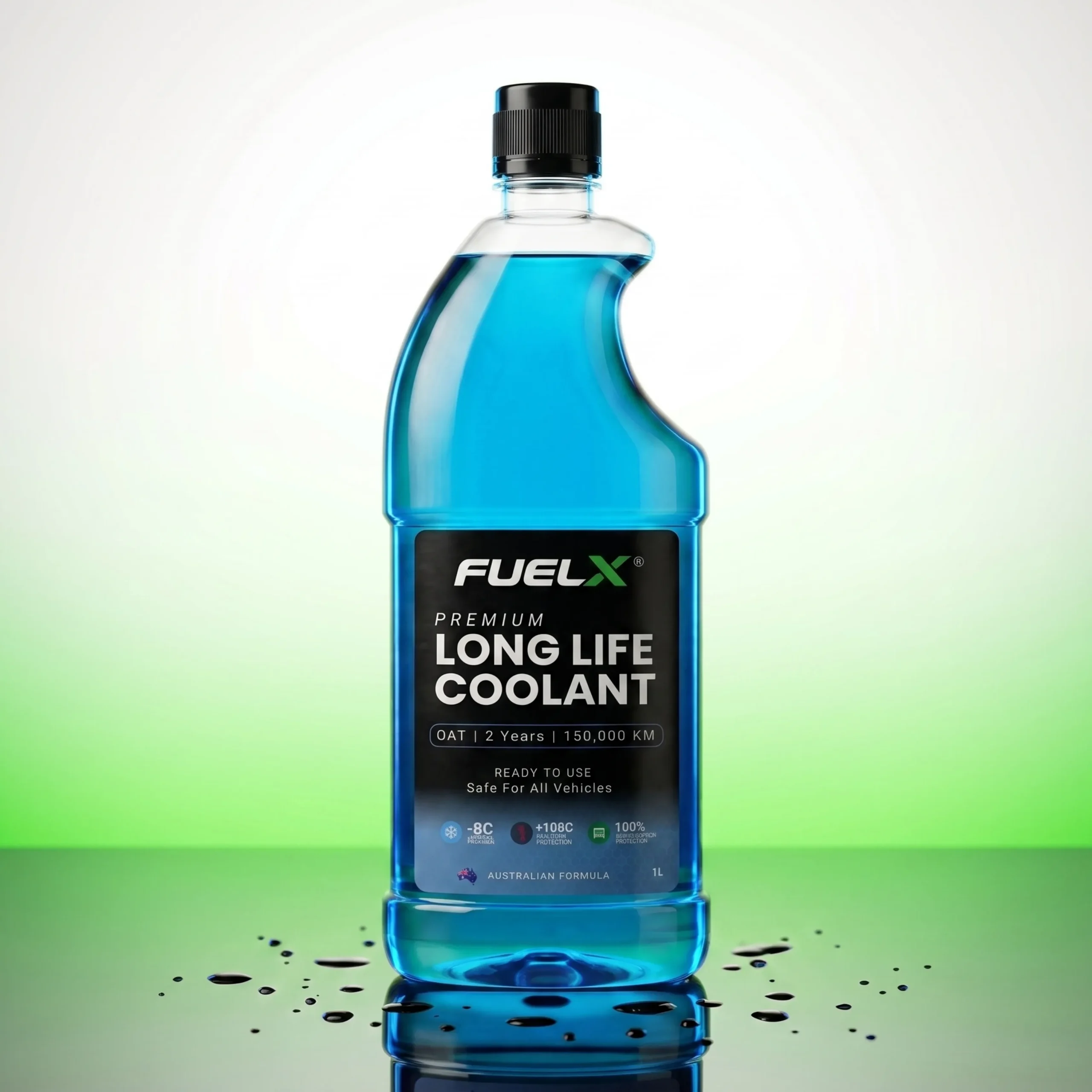
Regularly inspect your coolant level and check for leaks around hoses and the radiator. Using a high-quality coolant such as FuelX Engine Coolant helps maintain stable engine temperatures while protecting the cooling system from corrosion and rust.
Ignoring coolant maintenance can lead to overheating, reduced engine performance, and costly repairs.
12. Keep Emergency Supplies in Your Vehicle
Unexpected situations become more common during severe weather.
Having these essentials available can make a stressful situation much easier to handle until help arrives.
Monsoon Car Washing Tips
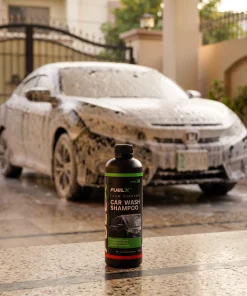
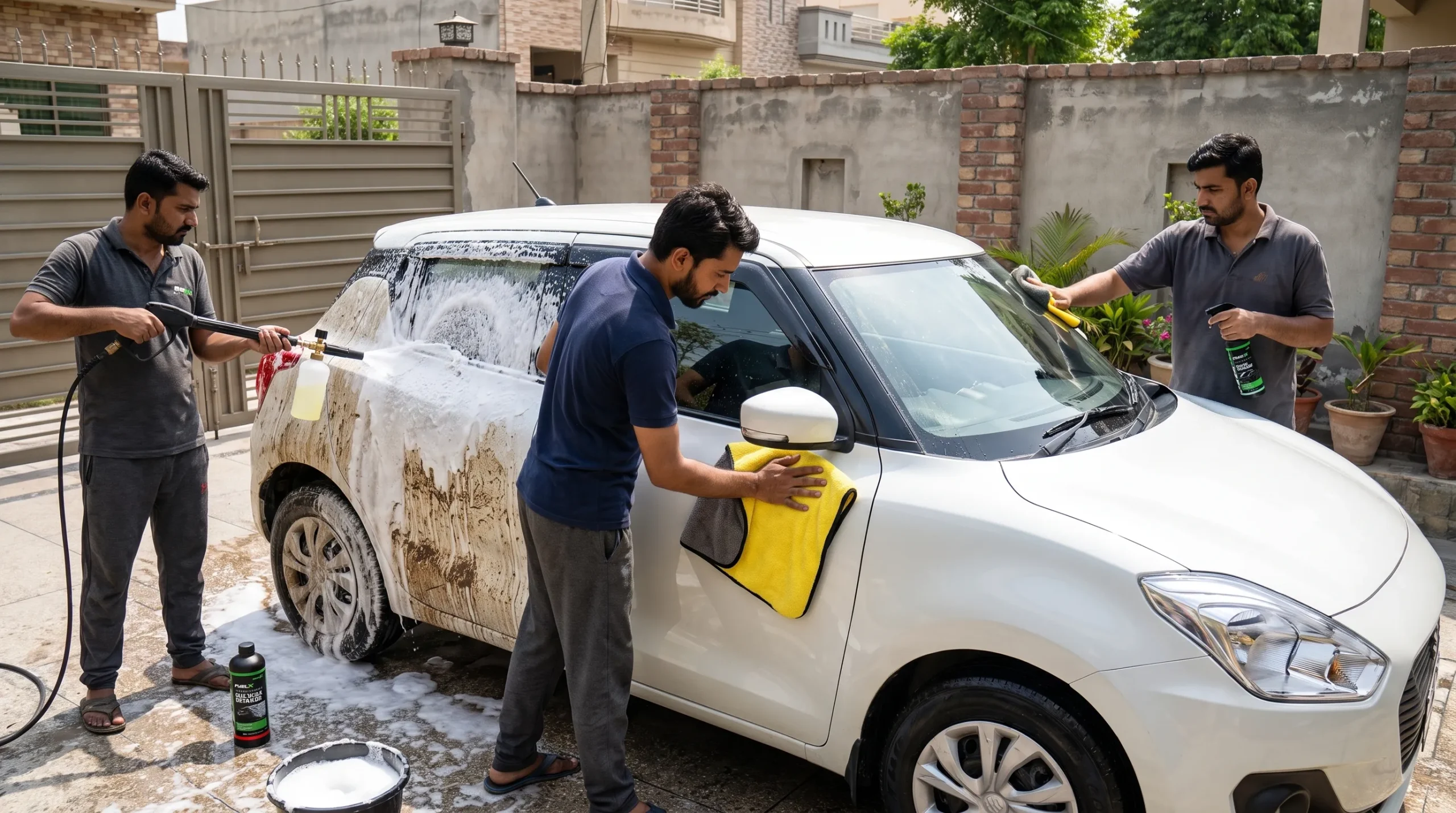
Regular washing is one of the simplest ways to protect your vehicle during the rainy season.
Mud, road grime, and polluted rainwater should never remain on your car for long periods. After driving through muddy roads, wash the vehicle thoroughly, paying special attention to the wheel arches, lower body panels, and undercarriage.
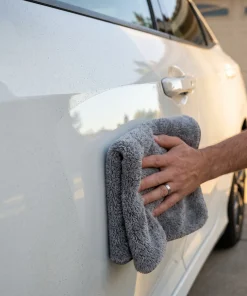
Dry the vehicle using clean microfiber towels to prevent water spots and reduce the chance of moisture lingering around trim pieces and door seals.
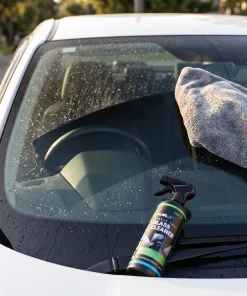
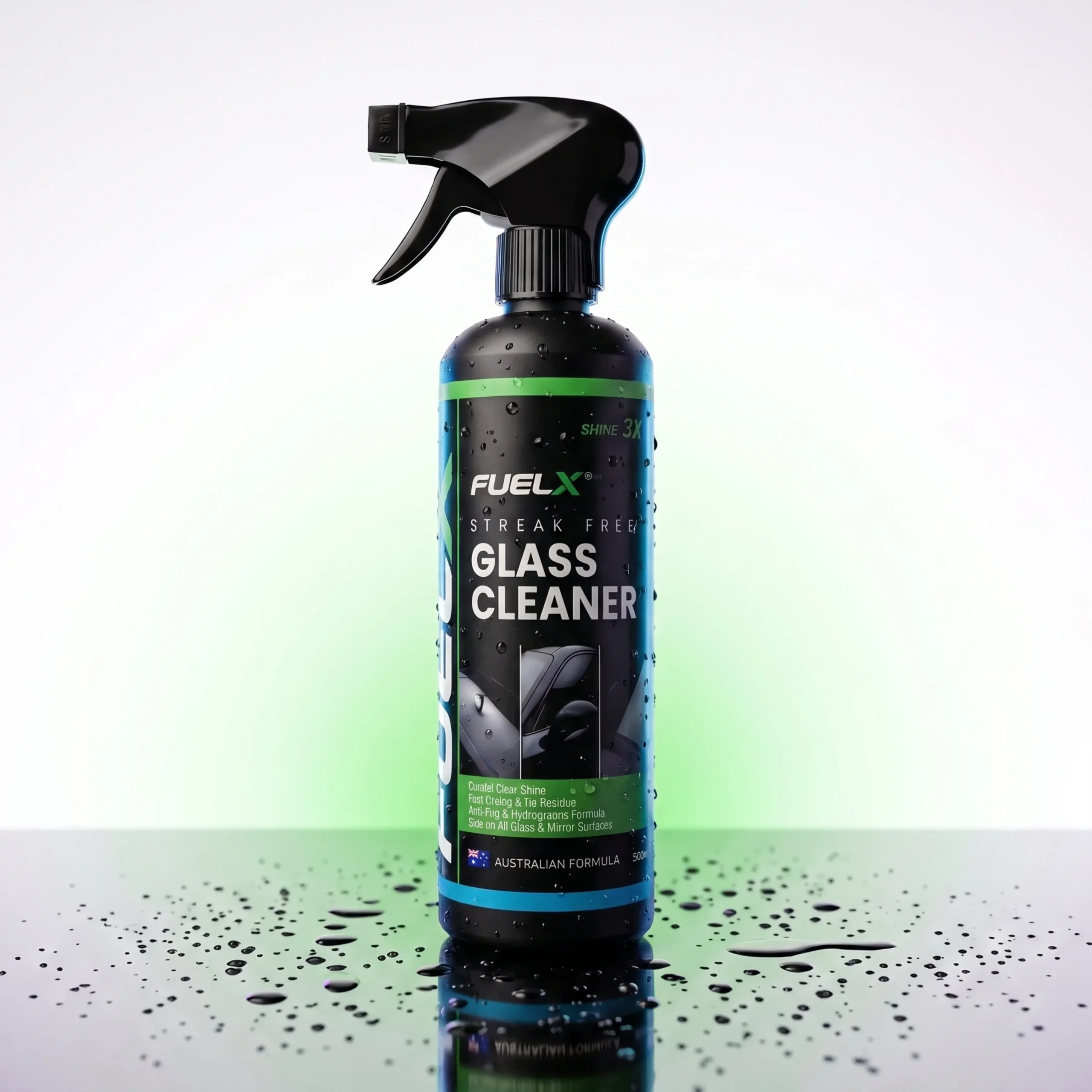
Don’t forget to clean the windows with a quality automotive glass cleaner to maintain excellent visibility during the next rainfall.
Car Detailing Tips During Monsoon
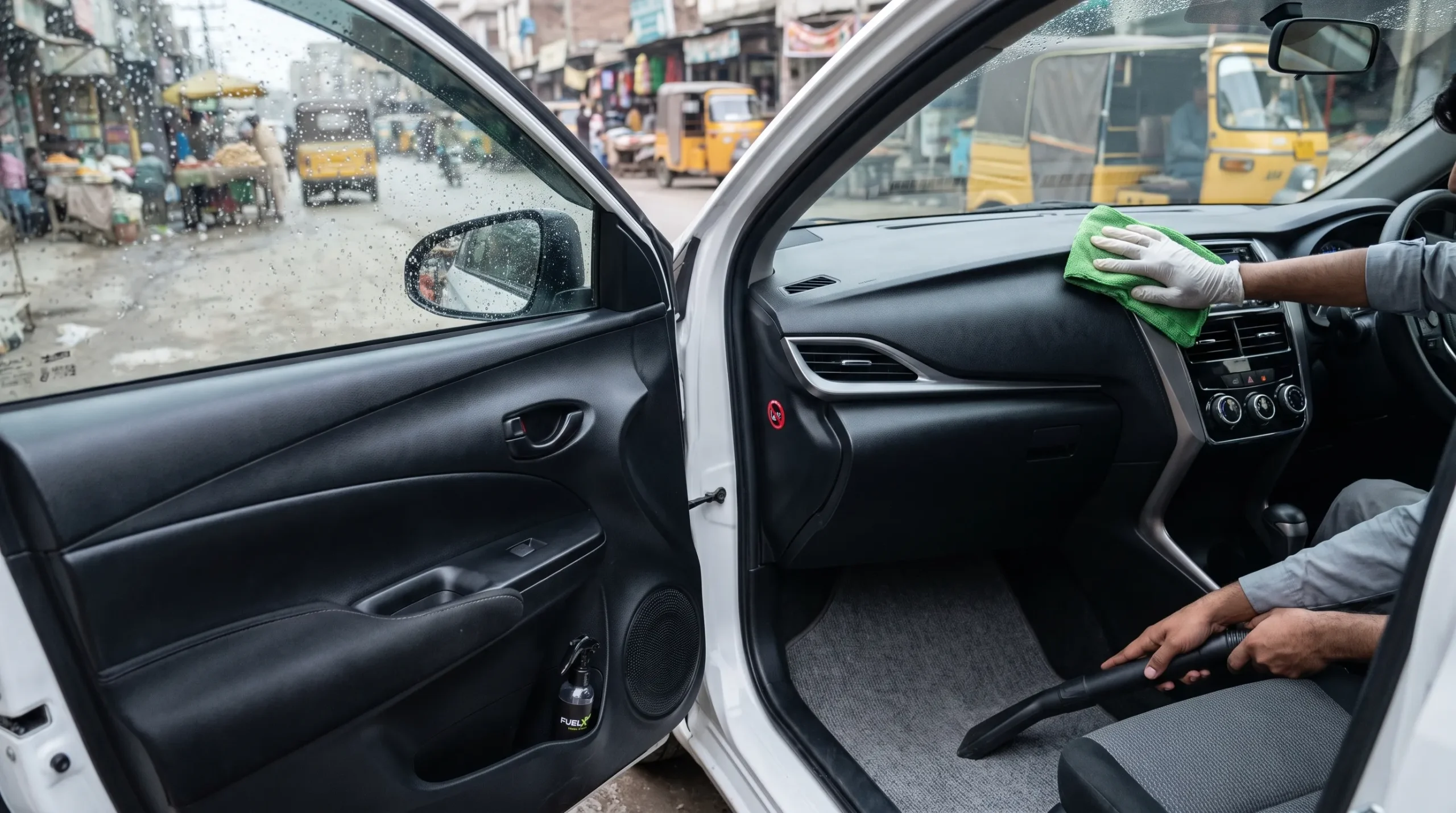
The interior of your vehicle also requires extra attention during humid weather.
Wet shoes and umbrellas often introduce moisture into the cabin, creating unpleasant odors and encouraging mold growth.
To keep your interior fresh:
Vacuum carpets regularly.
Remove and dry floor mats after rainy trips.
Wipe the dashboard and door panels.
Clean cup holders and storage compartments.
Leave windows slightly open in a secure location when possible to improve ventilation.
Regular interior detailing not only improves comfort but also helps preserve upholstery and interior materials.
Common Mistakes Drivers Make During Monsoon
Many expensive repairs result from avoidable mistakes.
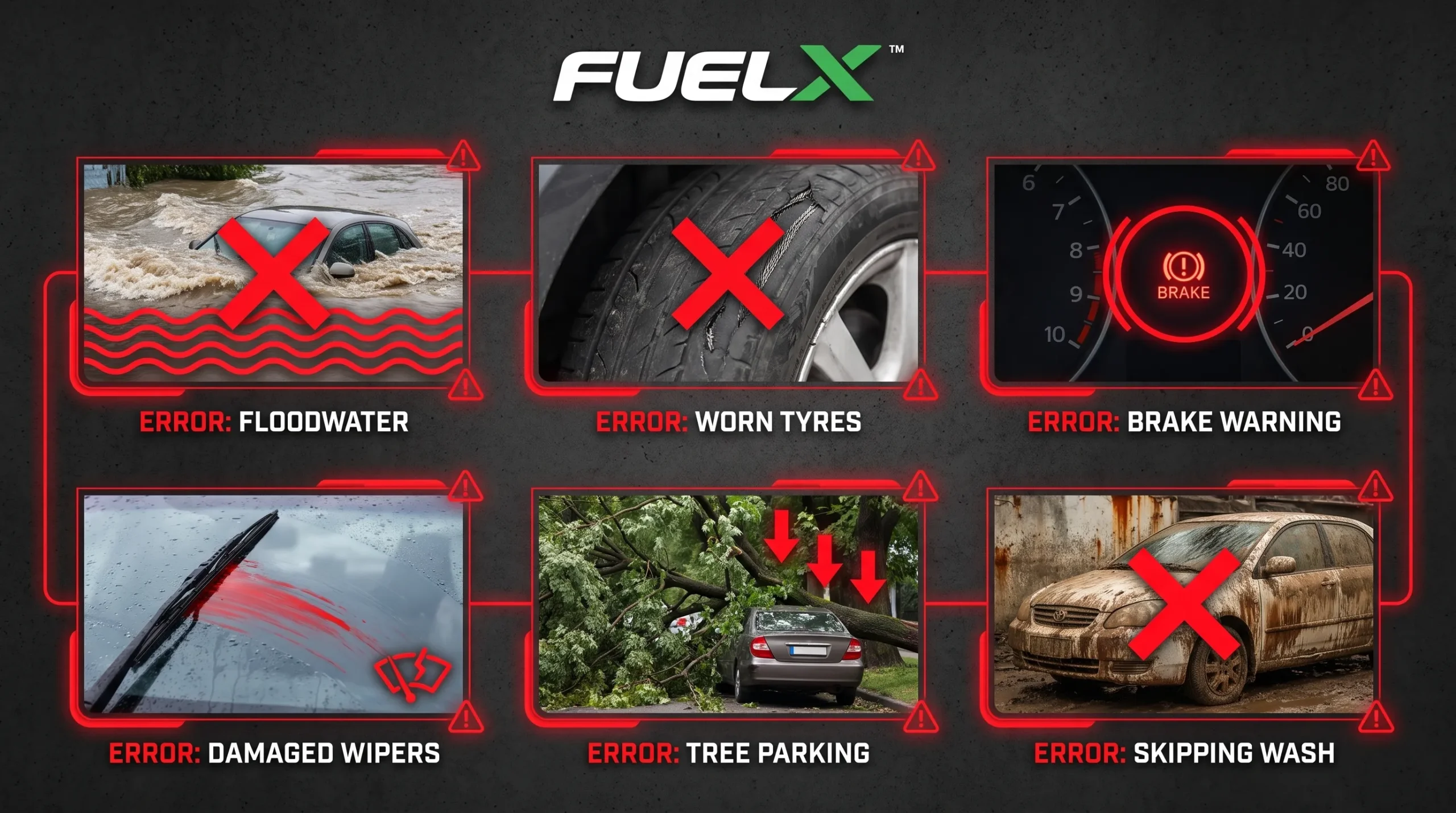
Some of the most common include:
Driving through deep floodwater without checking its depth.
Ignoring worn tyres.
Delaying brake maintenance.
Using damaged windshield wipers.
Parking beneath trees where falling branches and sap can damage the vehicle.
Leaving mud on the vehicle for several days.
Ignoring coolant and battery inspections.
Avoiding these habits can significantly reduce repair costs over time.
Safe Driving Tips During Heavy Rain
Even a well-maintained vehicle requires careful driving during monsoon weather.
Always reduce your speed when roads are wet and increase the distance between your vehicle and the one ahead. Sudden acceleration, sharp steering movements, and hard braking can all reduce traction.
Turn on your headlights during heavy rain to improve visibility, even during daylight hours.
Avoid driving through flooded roads whenever possible. Water depth is often difficult to judge, and hidden potholes or stalled vehicles may be beneath the surface.
If your vehicle begins to hydroplane, remain calm, ease off the accelerator, and steer gently until the tyres regain grip.
Conclusion
Pakistan’s monsoon season doesn’t have to be hard on your vehicle. With regular inspections, proper cleaning, and timely maintenance, you can reduce the risk of breakdowns, improve driving safety, and extend your car’s lifespan.
Simple habits like checking your tyres, maintaining your braking system, replacing worn wipers, monitoring coolant levels, and washing away mud after rainy drives can save you from costly repairs later. Pair these maintenance practices with safe driving techniques, and you’ll be well prepared to handle whatever the 2026 monsoon season brings.
A little preparation today can keep your car performing reliably throughout the rainy months while protecting both your investment and everyone traveling with you.
FAQ’s
How often should I wash my car during Pakistan’s monsoon season?
Wash your car every one to two weeks, or immediately after driving through muddy or flooded roads.
Can rain damage my car’s paint?
Yes. Polluted rainwater, mud, bird droppings, and contaminants can gradually damage paint if left unwashed.
Should I wax my car before the rainy season?
Yes. Wax or paint sealants create a protective layer that makes cleaning easier and helps preserve your paint finish.
What should I do if my car stalls in floodwater?
Do not attempt to restart the engine. Doing so may cause severe engine damage if water has entered the engine. Seek professional assistance.
Is it safe to drive through standing water?
Only if the water is shallow and you are certain of the road conditions. Deep water can damage the engine, brakes, and electrical systems.
How can I prevent rust during monsoon?
Wash your vehicle regularly, clean the undercarriage, repair paint chips promptly, and keep the vehicle dry whenever possible.
When should windshield wipers be replaced?
Replace them whenever they leave streaks, chatter, or fail to clear the windshield effectively. Most drivers replace them every six to twelve months.
Does engine coolant help during the rainy season?
Yes. Engine coolant regulates engine temperature and protects the cooling system from corrosion throughout the year, including during rainy weather.