Pakistan’s summer temperatures can easily exceed 40°C, making a properly functioning car air conditioning (AC) system more of a necessity than a luxury. Whether you’re commuting through busy city traffic, taking a family road trip, or driving for ride-hailing services, your car’s AC works hard to keep the cabin comfortable.
Unfortunately, many drivers only pay attention to their AC when it starts blowing warm air or develops an unpleasant smell. By then, a minor issue may have turned into an expensive repair.
The good news is that regular AC maintenance can help your cooling system perform efficiently, improve fuel economy, extend the lifespan of expensive components, and prevent unexpected breakdowns during the hottest months of the year. In this guide, we’ll share practical car AC maintenance tips specifically suited to Pakistan’s climate and road conditions.
Why Car AC Maintenance Is Essential During Pakistani Summers
High Temperatures Increase AC Workload
Summer in Pakistan brings intense heat, especially in cities like Karachi, Lahore, Multan, Faisalabad, and Hyderabad. When your car sits under direct sunlight, the cabin temperature can become significantly hotter than the outside air.
To cool this heated cabin, the AC compressor must work continuously at higher loads. Over time, this extra strain can reduce cooling efficiency and accelerate wear on important AC components.
Regular servicing helps the system handle these demanding conditions more effectively.
Dust and Pollution Affect Cooling Efficiency
Pakistan’s roads often expose vehicles to dust, sand, pollen, and pollution. These contaminants gradually accumulate on the AC condenser and cabin air filter.
A clogged filter restricts airflow, while a dirty condenser struggles to release heat effectively. As a result, your AC takes longer to cool the cabin and consumes more energy.
Keeping these components clean helps maintain consistent cooling performance throughout summer.
Better Cooling Means Safer and More Comfortable Driving
A cool cabin doesn’t just improve comfort—it also helps reduce driver fatigue during long journeys and heavy traffic. Comfortable temperatures improve concentration, making driving safer for everyone inside the vehicle.
Children, elderly passengers, and pets also benefit from a properly functioning AC system, especially during peak afternoon temperatures.
Signs Your Car AC Needs Maintenance
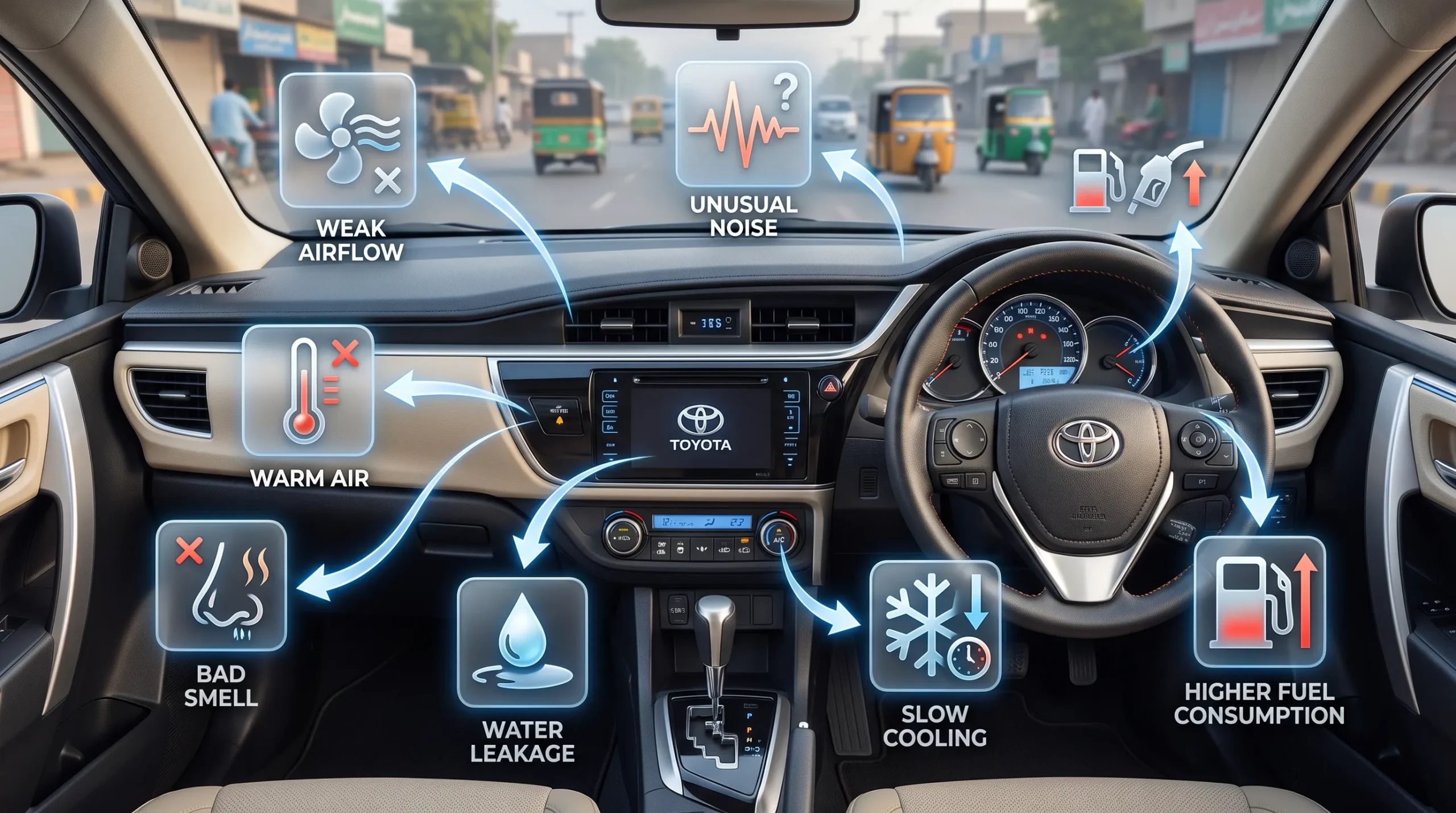
Your car usually gives warning signs before the AC system fails completely. Watch for these common symptoms:
Weak airflow from the air vents
AC blowing warm or only mildly cool air
Unpleasant odors when the AC starts
Strange clicking, squealing, or grinding noises
Water leaking inside the cabin
Cooling takes much longer than usual
Noticeable increase in fuel consumption while using the AC
Ignoring these symptoms can lead to larger and more expensive repairs.
10 Car AC Maintenance Tips for Summer
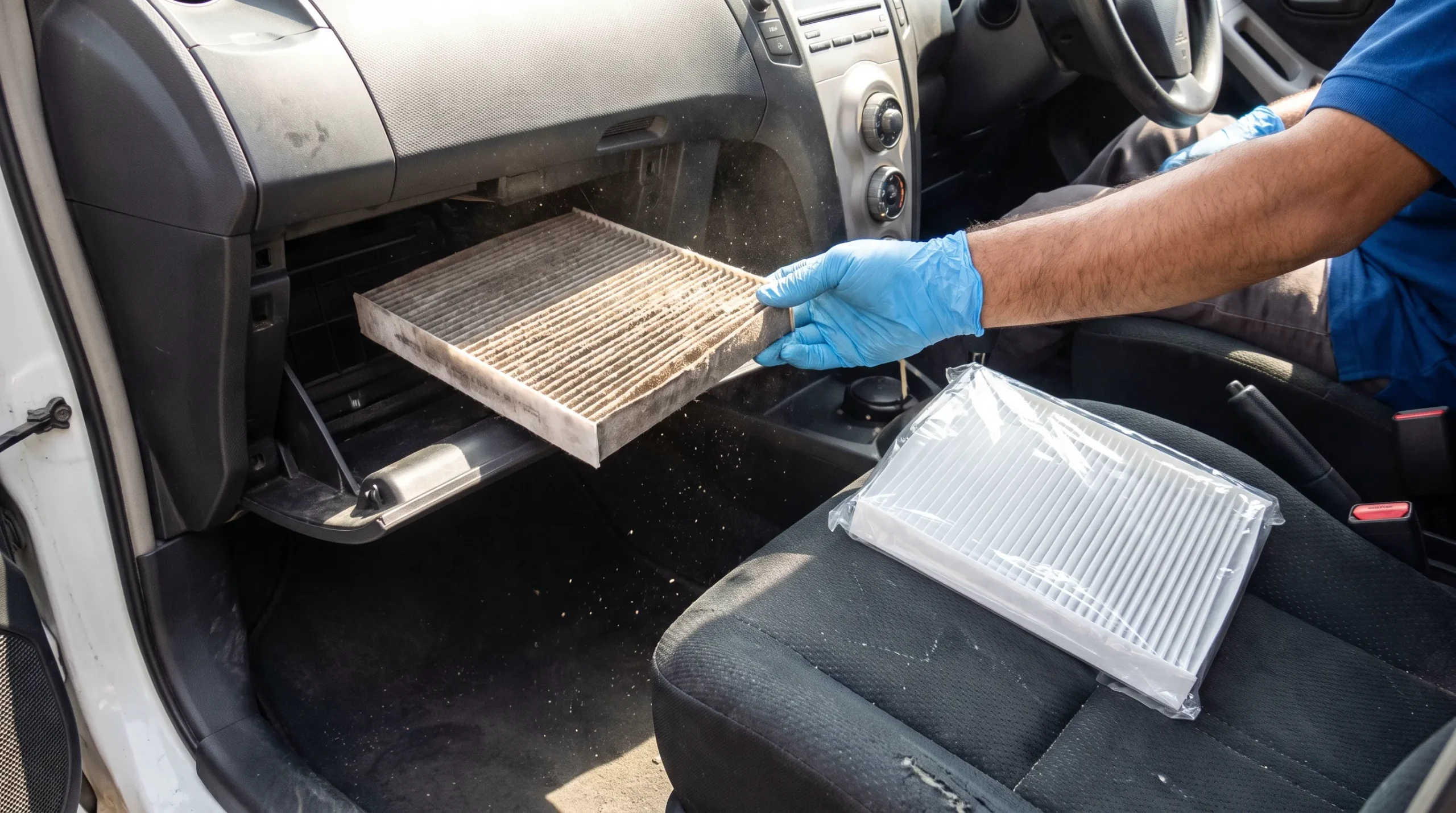
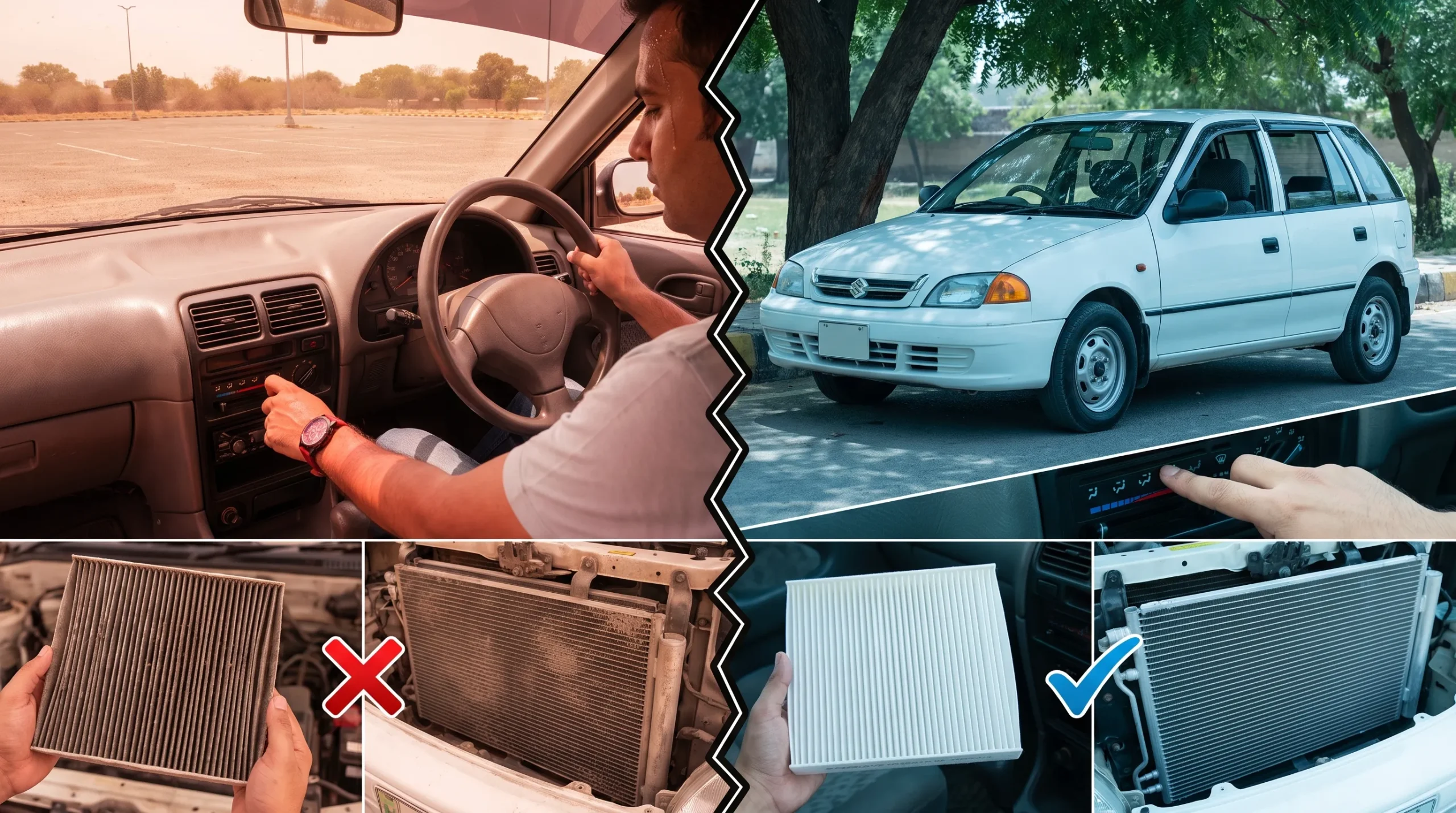
1. Clean or Replace the Cabin Air Filter
The cabin air filter prevents dust, pollen, and pollutants from entering your vehicle’s interior.
When it becomes dirty, airflow decreases significantly, making the AC feel weaker even if the cooling system itself is working properly.
If you frequently drive on dusty roads, inspect the filter more often than the manufacturer’s recommended interval. Replacing a clogged filter is one of the easiest and most affordable ways to improve AC performance.
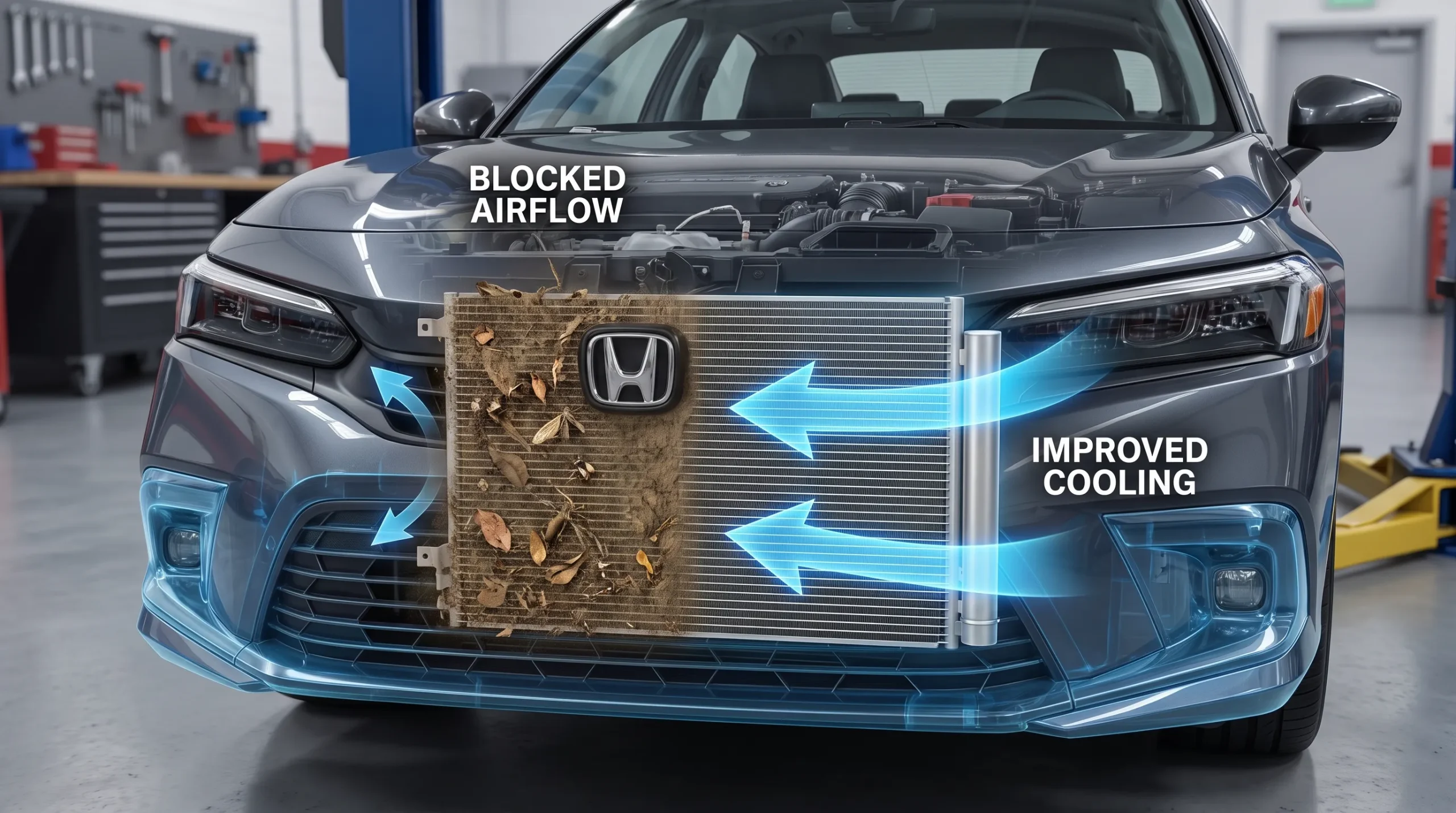
2. Keep the AC Condenser Clean
The condenser is located near the front grille and helps release heat from the refrigerant.
Over time, dirt, insects, leaves, and road debris can block airflow through the condenser fins, reducing cooling efficiency.
Regularly cleaning the condenser with low-pressure water or compressed air helps improve heat transfer and allows the AC to cool the cabin faster.
3. Check Refrigerant (AC Gas) Levels
Low refrigerant is one of the most common reasons a car AC stops cooling effectively.
If you notice reduced cooling, avoid repeatedly topping up the refrigerant without identifying the cause. Refrigerant doesn’t normally disappear on its own—low levels usually indicate a leak somewhere in the system.
A professional technician can perform pressure testing and leak detection before safely refilling the refrigerant.
4. Run Your AC Regularly
Even if you don’t use your car every day, it’s a good habit to run the AC for about 10 to 15 minutes every week.
This helps circulate refrigerant and compressor oil throughout the system, keeping seals lubricated and reducing the chance of leaks caused by dried-out rubber components.
5. Inspect Belts and Hoses
Your AC system depends on several belts and hoses to function properly.
Look for visible signs of:
Cracks
Fraying
Oil contamination
Loose fittings
Refrigerant leaks
Replacing worn components before they fail can prevent roadside breakdowns and costly compressor damage.
6. Never Ignore Unusual Noises
A healthy AC system should operate quietly.
If you hear grinding, rattling, squealing, or clicking sounds, the problem could involve:
Compressor bearings
AC clutch
Cooling fan
Belt tensioner
Pulley system
Addressing unusual noises early often prevents much larger repair bills later.
7. Park in the Shade Whenever Possible
Parking under direct sunlight dramatically increases cabin temperature.
Whenever possible, choose:
Covered parking
Basement parking
Trees (where safe)
Carports
A cooler cabin means your AC doesn’t have to work as hard when you start driving.
8. Use Sunshades and Quality Window Tint
A reflective windshield sunshade can significantly reduce heat buildup inside your vehicle while parked.
Where legally permitted, quality window tint also helps block ultraviolet (UV) rays and reduces interior temperatures.
Together, these measures reduce the workload on your AC system and improve overall cooling efficiency.
9. Vent Hot Air Before Turning the AC to Maximum
Many drivers immediately switch the AC to maximum cooling after entering a hot car.
A better approach is to lower the windows for about a minute to allow trapped hot air to escape. Once the hottest air has been removed, close the windows and switch on the AC.
This simple habit helps the system cool the cabin more quickly.
10. Schedule Professional AC Servicing Before Peak Summer
Preventive servicing before temperatures rise can identify problems before they become serious.
A professional AC inspection typically includes:
Refrigerant pressure testing
Leak detection
Condenser cleaning
Evaporator inspection
Compressor performance check
Electrical system inspection
Cabin air filter evaluation
Regular servicing improves cooling performance and reduces the risk of unexpected failures during summer.
Common Car AC Mistakes That Reduce Cooling Performance
Many cooling problems result from avoidable mistakes.
Some of the most common include:
Ignoring cabin filter replacement
Delaying AC servicing for several years
Using poor-quality replacement parts
Refilling refrigerant without checking for leaks
Running the AC while the engine is overheating
Ignoring small refrigerant leaks until cooling stops completely
Avoiding these mistakes can extend the life of your AC system and reduce maintenance costs.
How Often Should You Service Your Car AC in Pakistan?
The ideal service interval depends on how and where you drive.
Driving Condition
Recommended Service Interval
Normal city driving
Every 12 months
Dusty environments
Every 6–9 months
Frequent highway driving
Every 12 months
Commercial use (Uber, Careem, taxis)
Every 6 months
Always follow your vehicle manufacturer’s maintenance schedule, especially for newer vehicles under warranty.
DIY AC Maintenance vs Professional Service
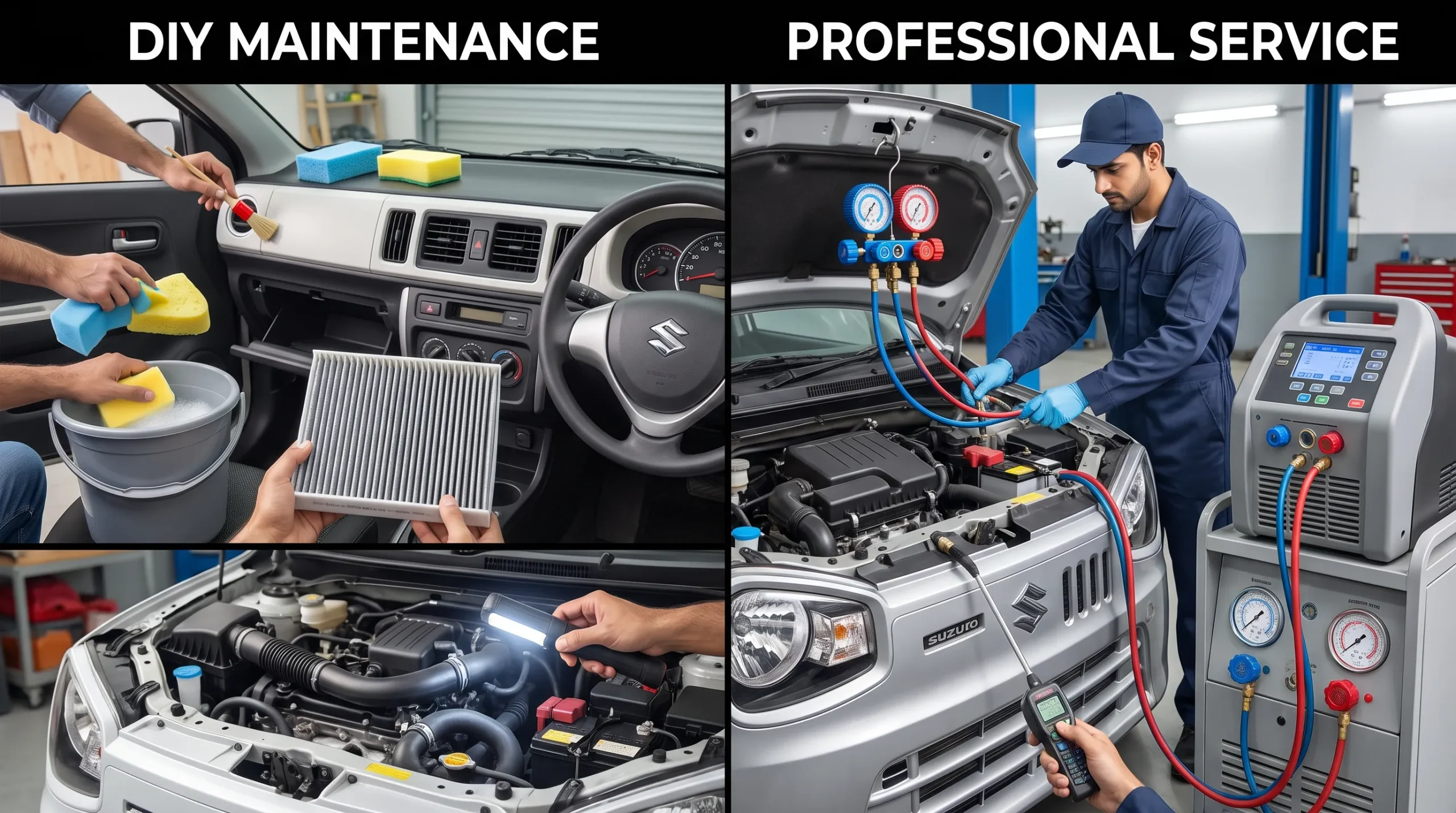
Some maintenance tasks can be performed at home, while others require specialized equipment.
DIY Maintenance
You can safely:
Inspect the cabin air filter
Remove leaves and debris from the front grille
Clean dashboard air vents
Check airflow from the vents
Visually inspect belts and hoses
These simple checks help identify issues before they become serious.
Professional Maintenance
Certain tasks should always be handled by qualified technicians, including:
Refrigerant recovery and refill
Leak detection
Pressure testing
Compressor inspection
Evaporator cleaning
Electrical diagnostics
Attempting these repairs without proper tools may damage the AC system or lead to incorrect refrigerant handling.
How Proper AC Maintenance Saves Money
Regular maintenance is an investment that can reduce long-term vehicle expenses.
A well-maintained AC system offers several financial benefits:
Improved fuel efficiency by reducing compressor strain.
Longer lifespan for expensive components like the compressor and condenser.
Lower risk of emergency repairs during peak summer.
Better resale value thanks to a well-maintained vehicle.
Consistent cooling performance without unexpected breakdowns.
Preventive maintenance is usually far less expensive than replacing major AC components after a failure.
Recommended Products to Keep Your Car Comfortable in Summer
While your AC system handles cooling, maintaining a clean and protected cabin also improves the overall driving experience.
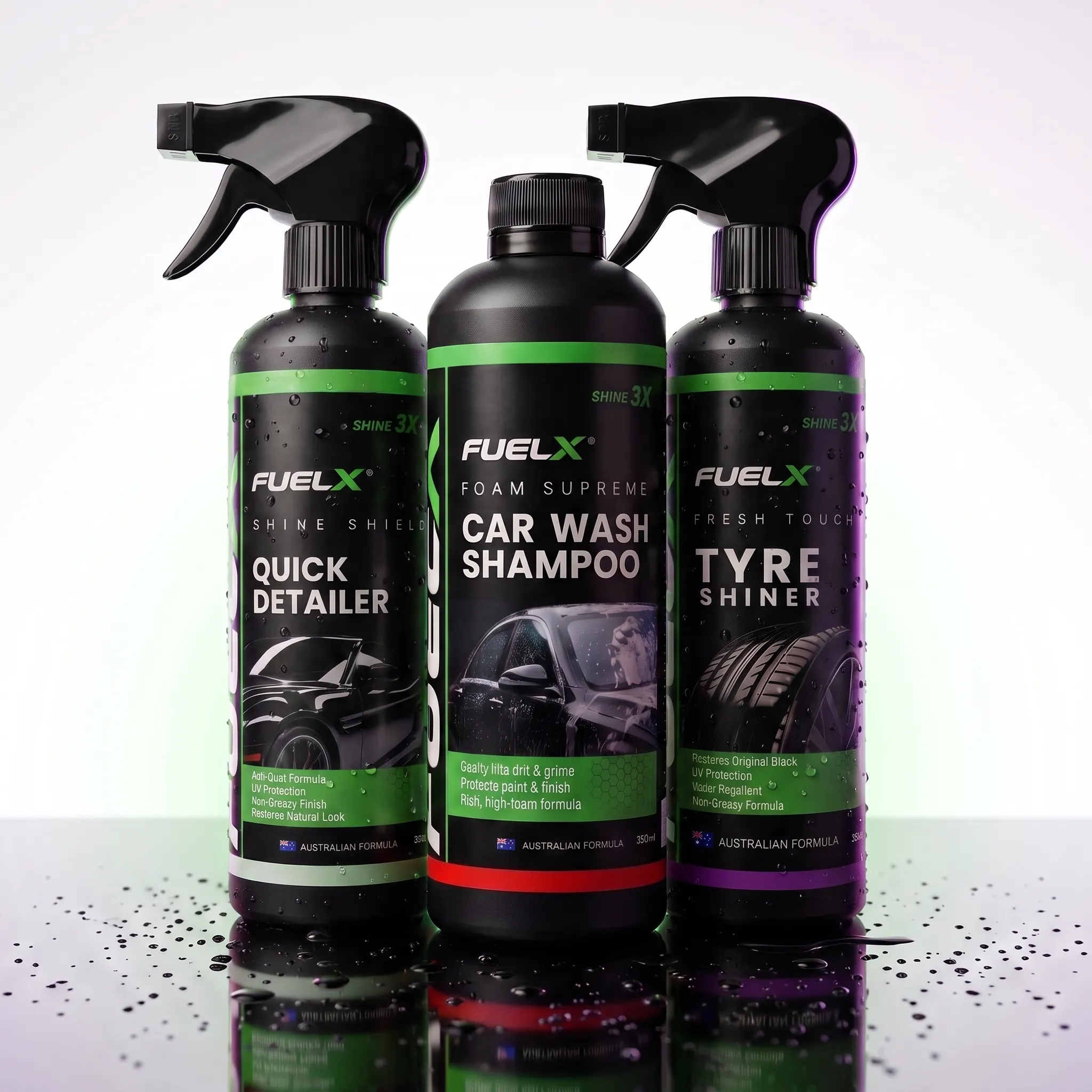
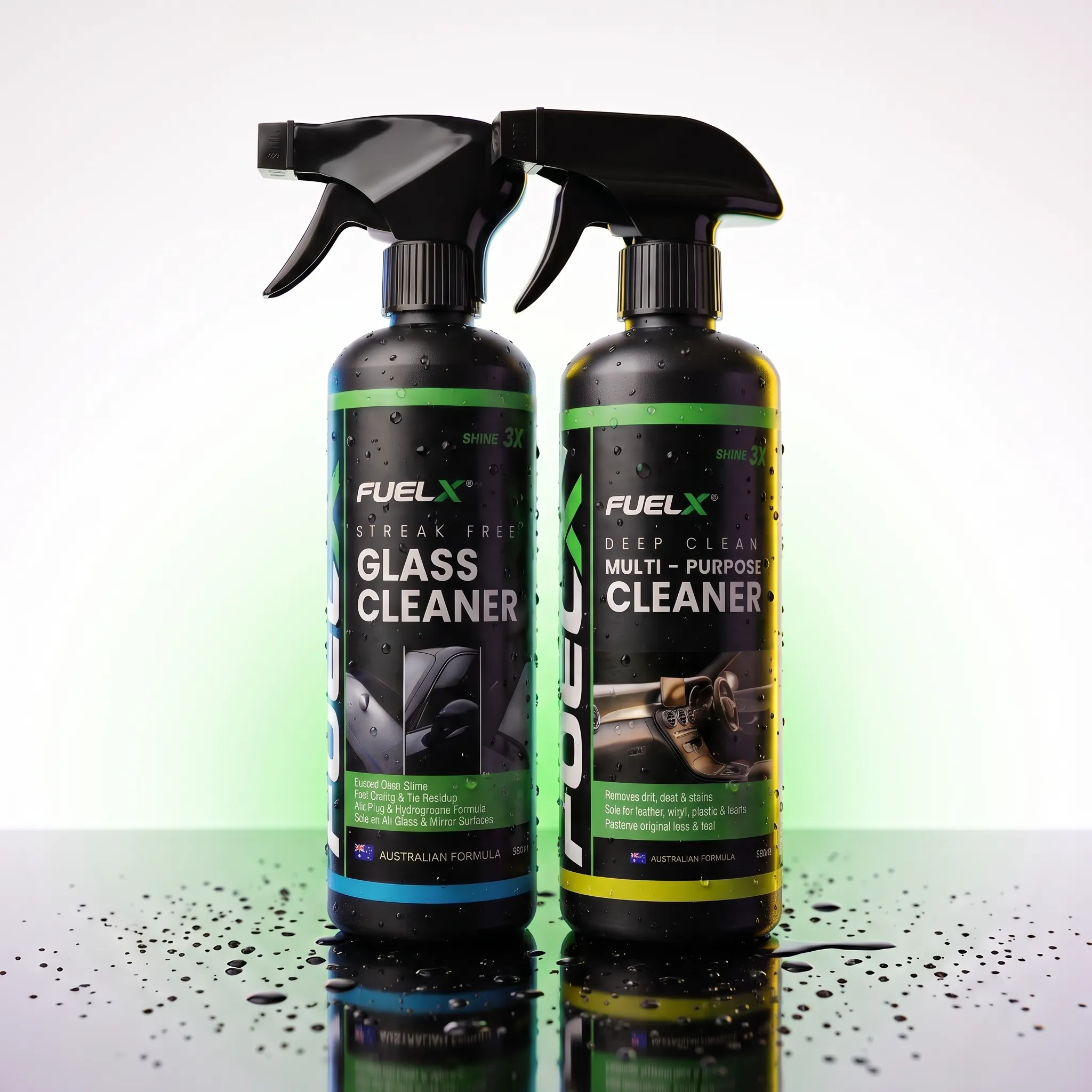
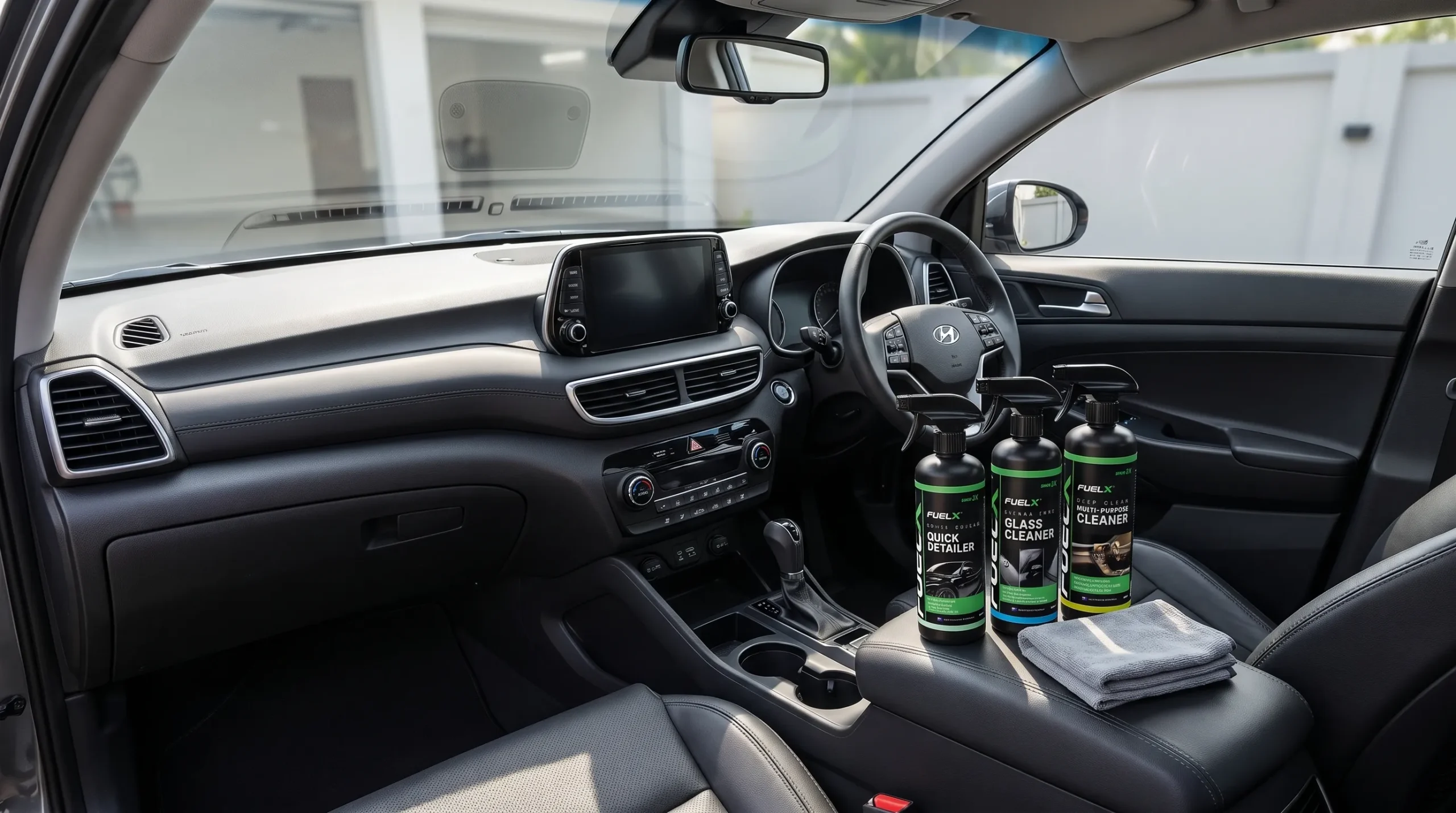
Consider using quality car care products such as:
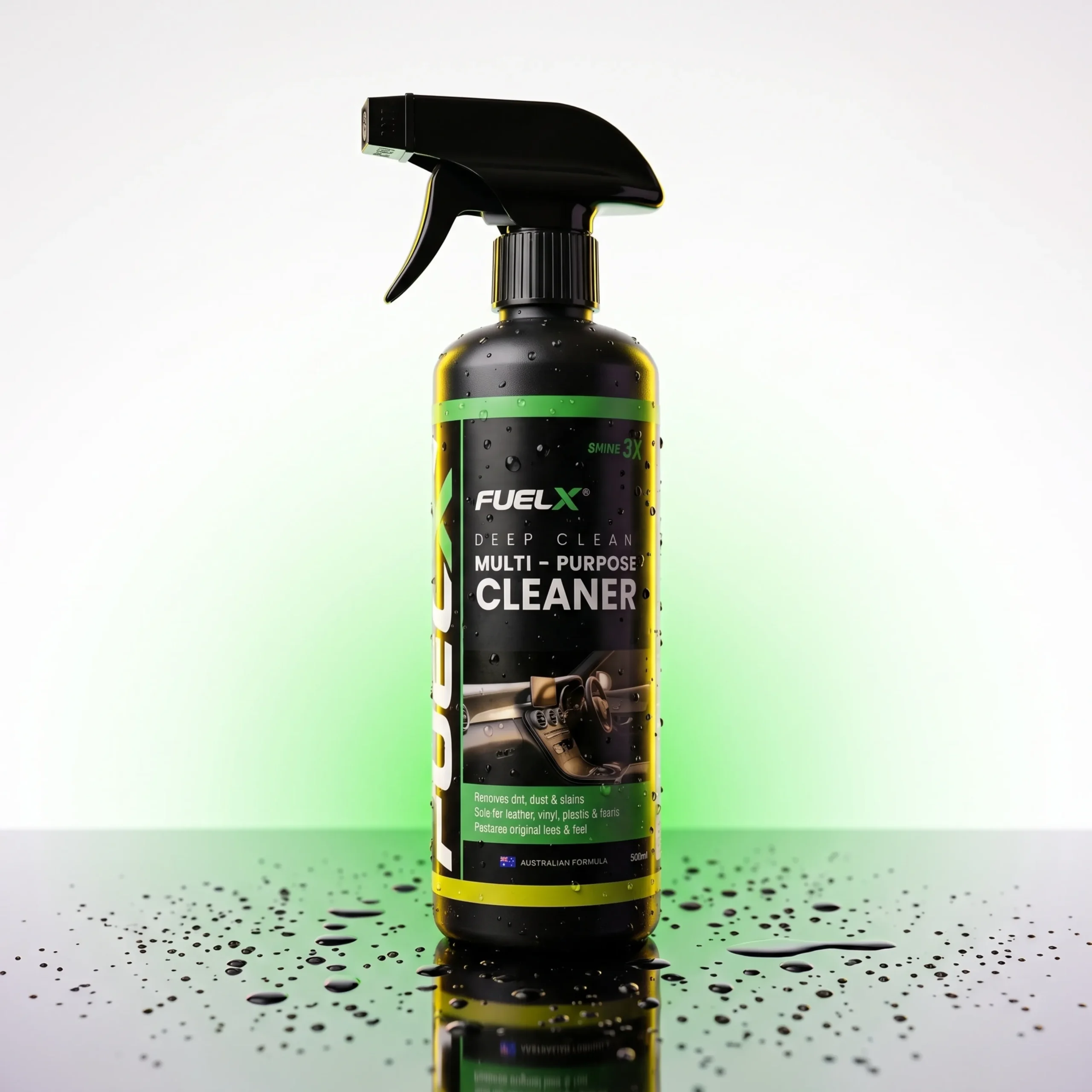
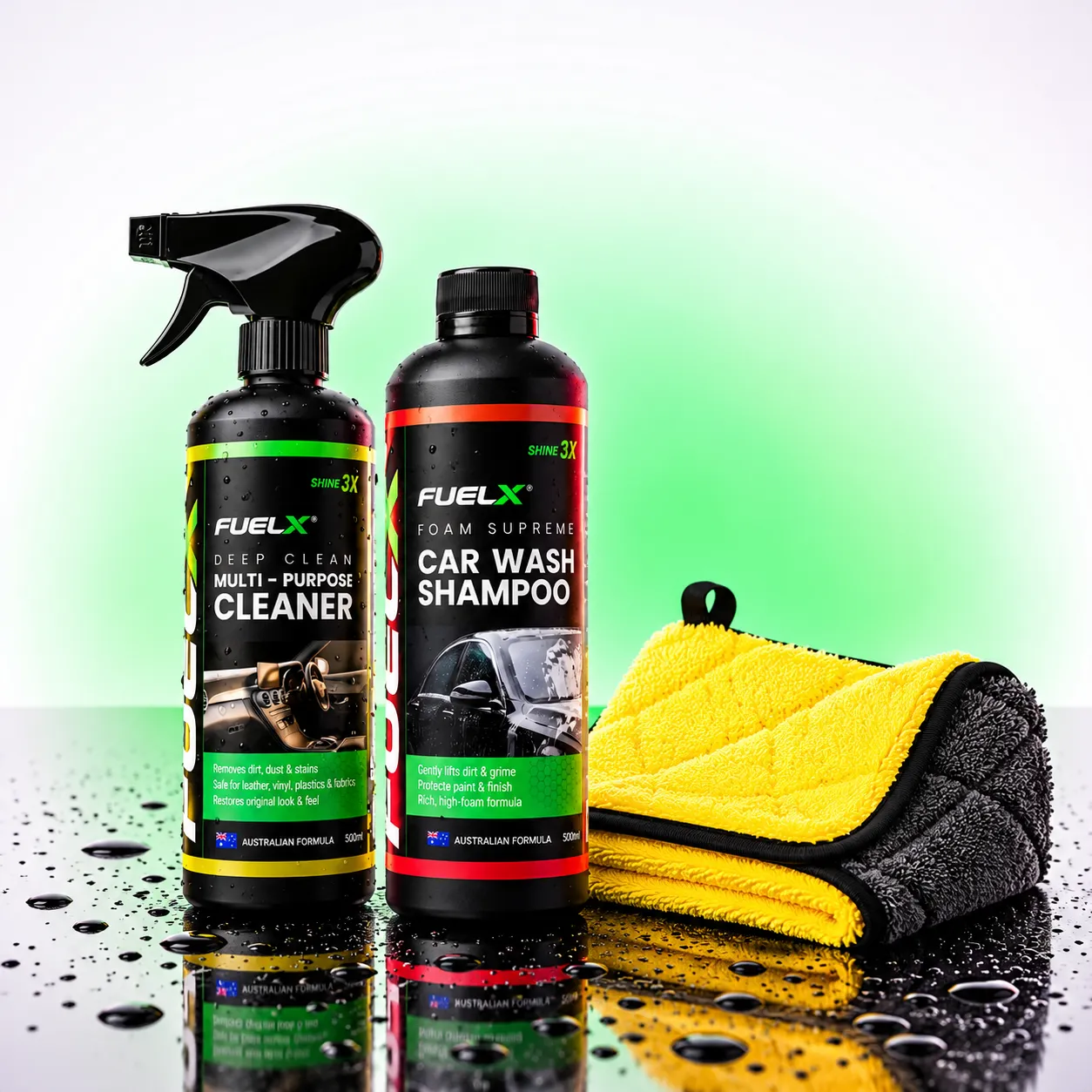
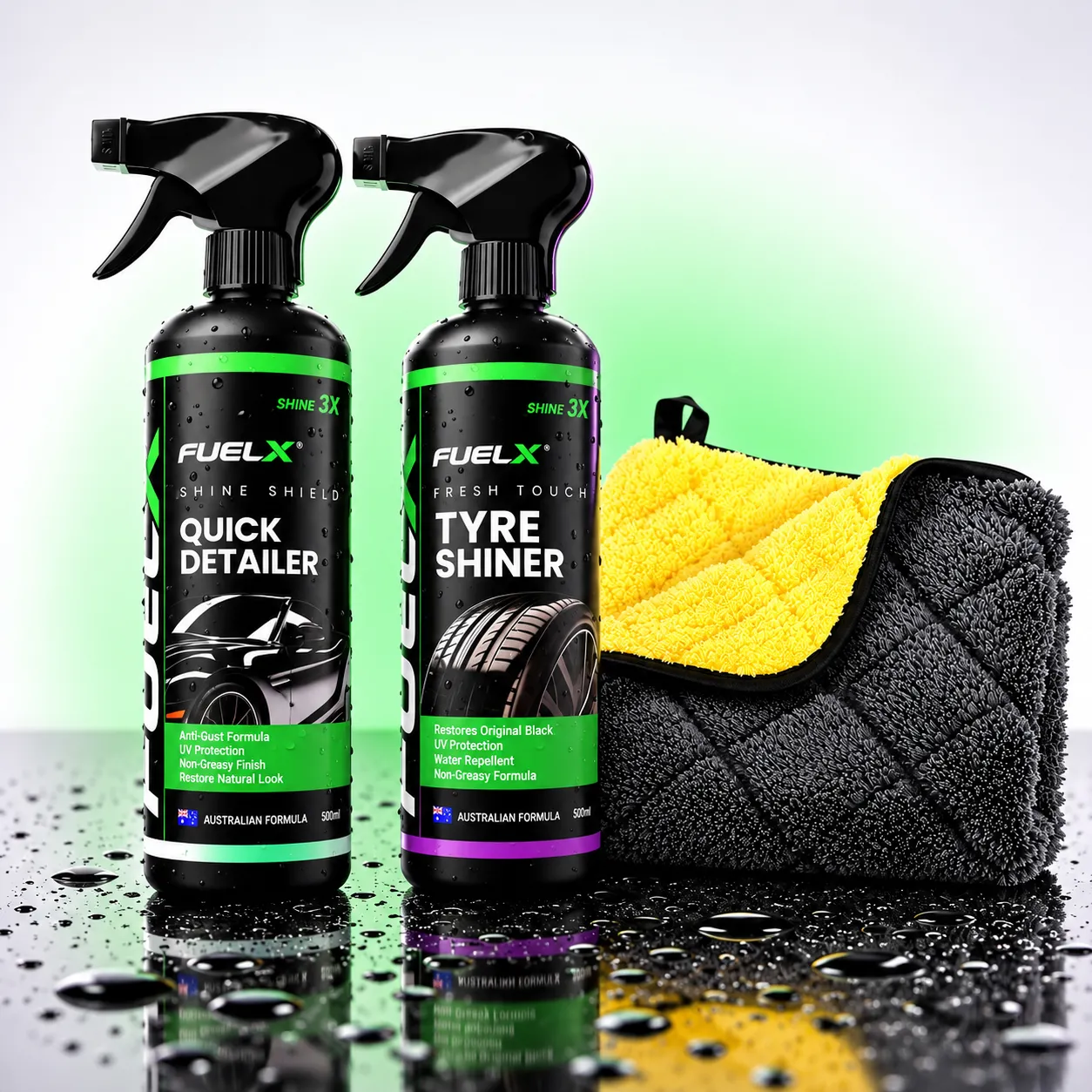
FuelX Multi-Purpose Cleaner to remove dust, dirt, and grime from interior plastic surfaces around the dashboard and vents.
FuelX Dashboard Polish to help protect dashboard surfaces from harsh UV rays while giving them a clean, well-maintained appearance.
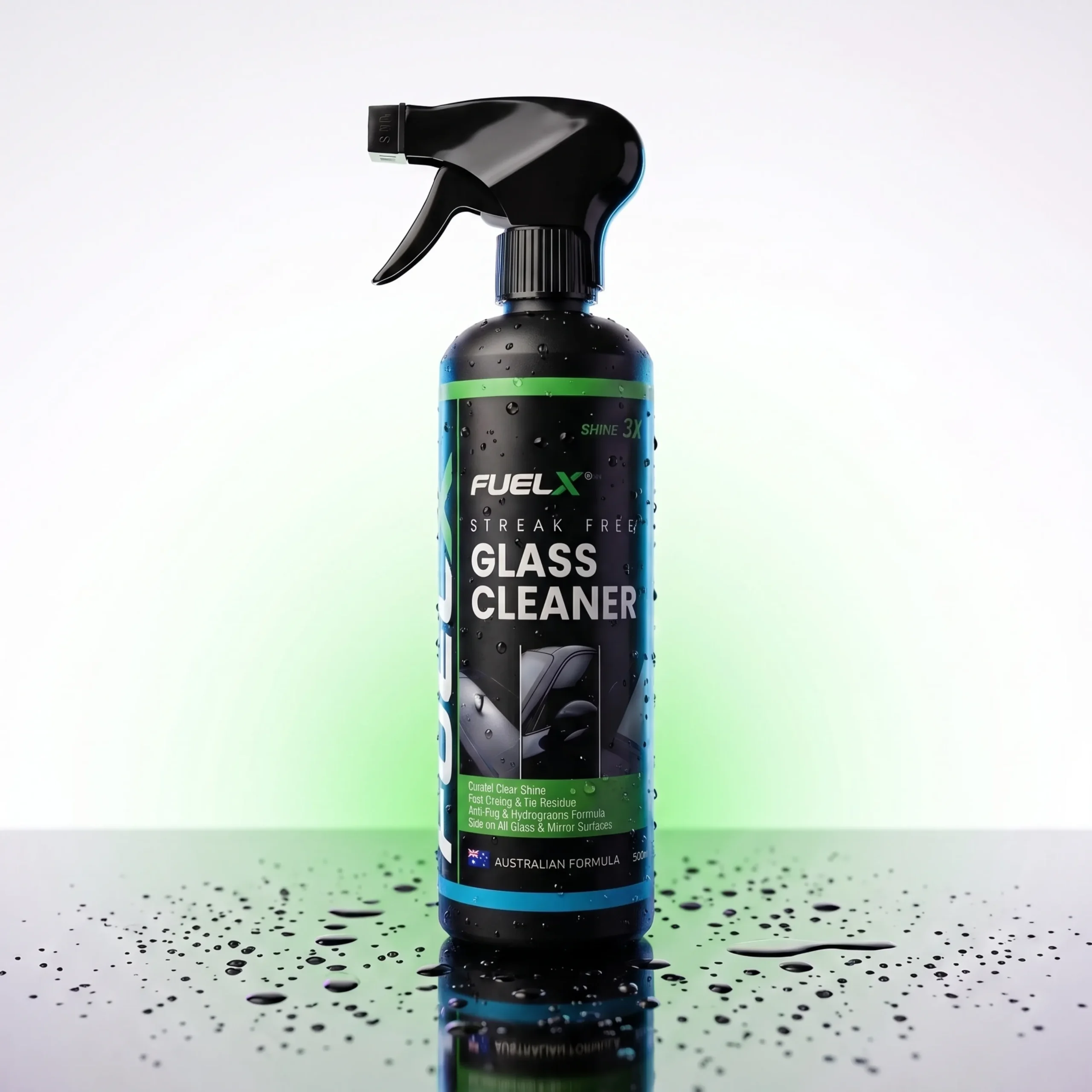
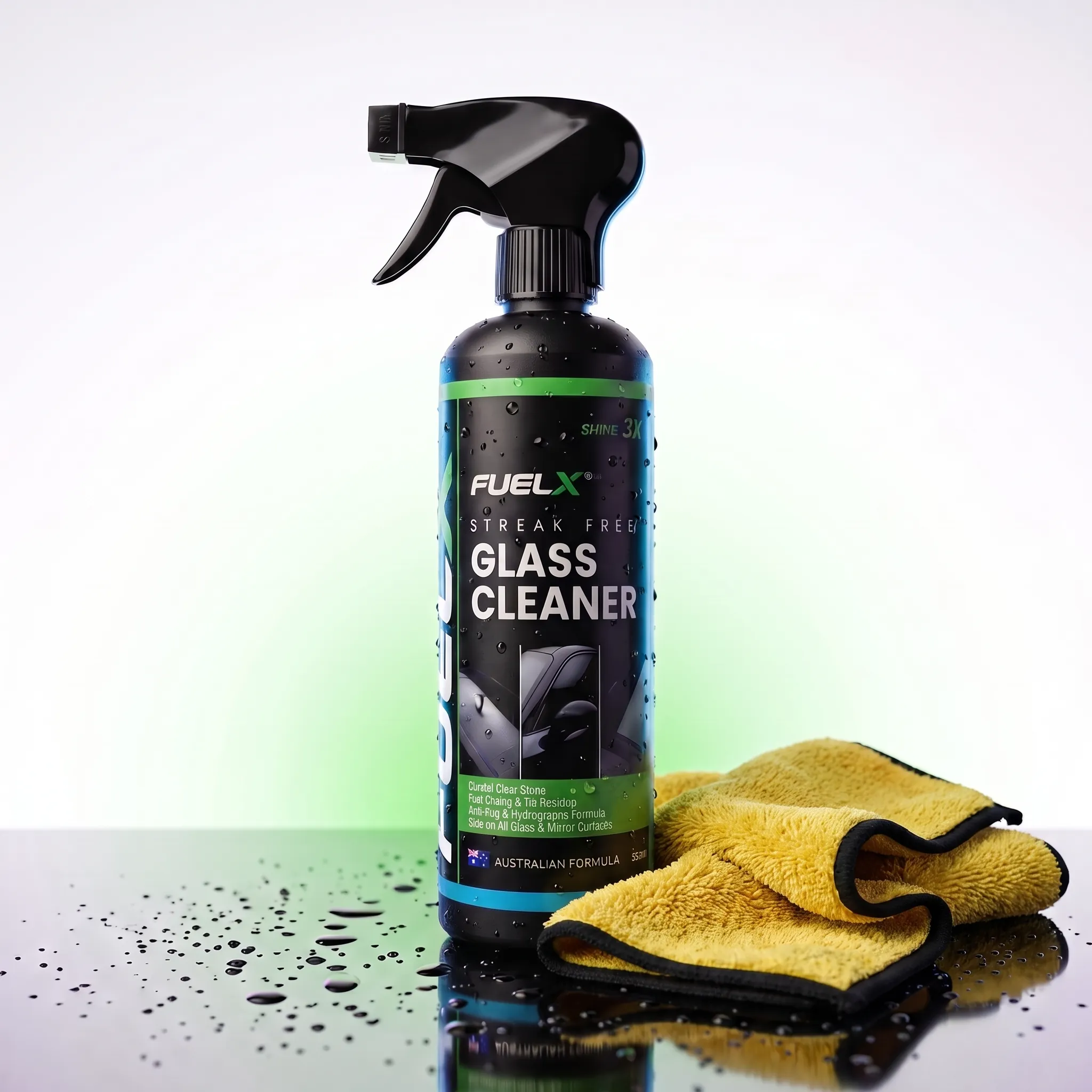
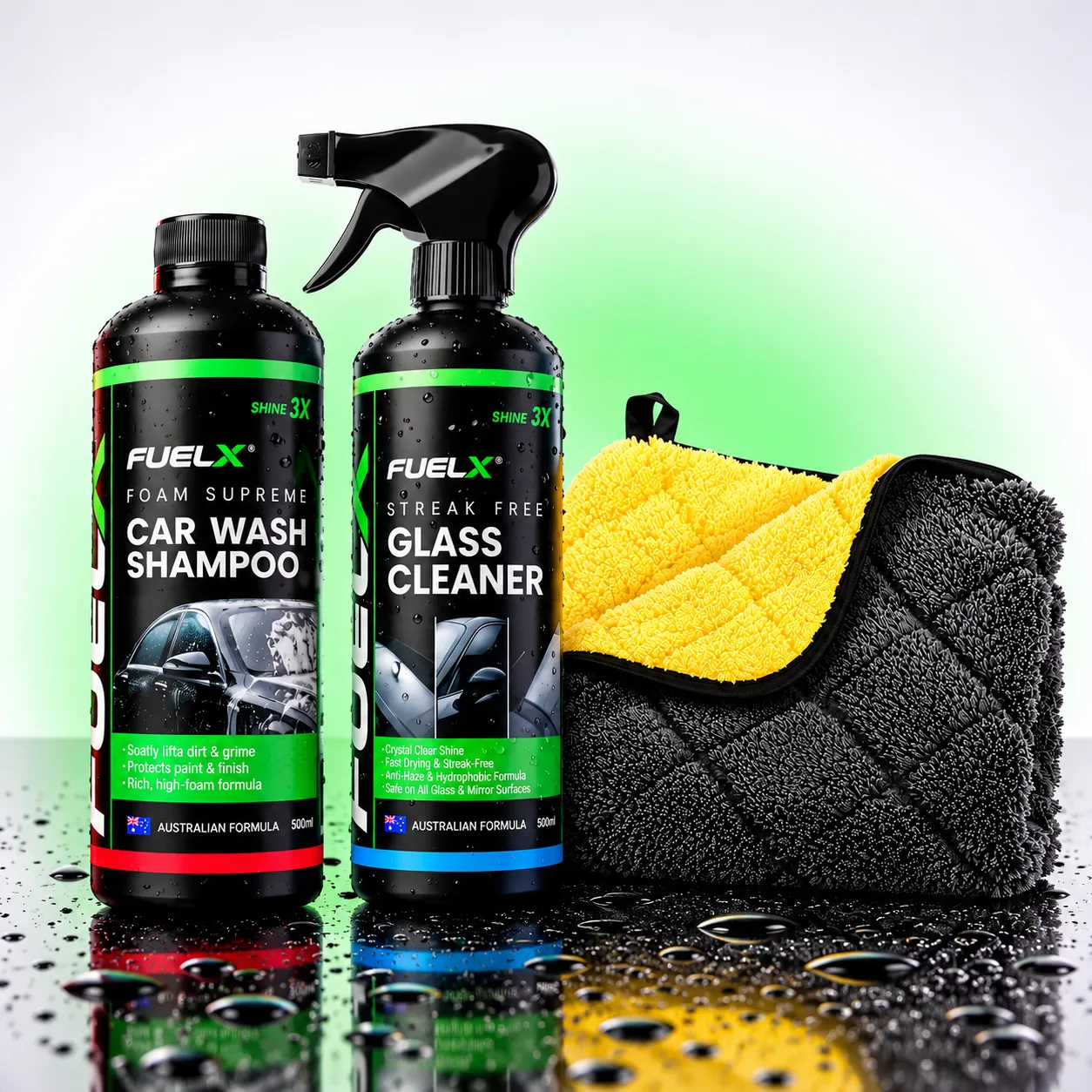
FuelX Glass Cleaner for streak-free windows that improve visibility during bright summer days.
Using these products as part of your regular vehicle care routine helps keep your car looking, feeling, and smelling fresh throughout the summer.
Conclusion
Pakistan’s hot summers place significant demands on your car’s air conditioning system, making preventive maintenance more important than ever. Simple habits such as replacing the cabin air filter, cleaning the condenser, checking refrigerant levels, and scheduling timely professional servicing can help your AC deliver reliable cooling when you need it most.
By taking care of your AC before problems develop, you’ll enjoy a more comfortable driving experience, reduce the risk of costly repairs, and help extend the lifespan of your vehicle’s cooling system. Pairing regular AC maintenance with a clean, well-protected interior using quality car care products will ensure your car stays cool, fresh, and ready for every summer journey across Pakistan.
FAQ’s
How often should I service my car AC in Pakistan?
For most private vehicles, an annual AC inspection is sufficient. However, vehicles driven in dusty areas or used commercially may benefit from servicing every six to nine months.
Why is my car AC blowing warm air?
Common causes include low refrigerant levels, a clogged cabin air filter, a dirty condenser, compressor problems, or refrigerant leaks. A professional inspection can identify the exact issue.
Can a dirty cabin air filter reduce cooling?
Yes. A clogged cabin air filter restricts airflow through the vents, making the AC feel less effective even if the cooling system itself is functioning properly.
Is an AC gas refill part of regular maintenance?
Not necessarily. Refrigerant is contained within a sealed system and should not require frequent refilling. If levels are low, the system should be inspected for leaks before adding more refrigerant.
Does using the AC increase fuel consumption?
Yes, operating the AC places an additional load on the engine, which can slightly increase fuel consumption. However, a properly maintained AC system operates more efficiently than one that is neglected.
Should I run my car AC during winter?
Yes. Running the AC for a short period every week, even during winter, helps circulate refrigerant and compressor oil, keeping seals lubricated and maintaining system health.
How can I improve my car AC cooling naturally?
Parking in the shade, using windshield sunshades, keeping the condenser and cabin air filter clean, and venting hot air before turning on the AC can all improve cooling performance.
What causes bad smells from a car AC?
Unpleasant odors are often caused by mold, mildew, bacteria, or accumulated dirt in the evaporator, cabin air filter, or air ducts. Cleaning these components and replacing the cabin filter usually resolves the issue.