If you want your car to look clean, glossy, and well-maintained, choosing the right exterior detailing product matters. Two products that often cause confusion are quick detailer and car wax. They can both improve the appearance of automotive paint, but they are designed for different purposes.
A quick detailer is mainly used for fast exterior maintenance, light surface contamination, and gloss enhancement. Car wax, on the other hand, is primarily used to provide a protective layer over the paint while improving shine and water beading.
For drivers in Pakistan, the difference becomes even more useful to understand. A car parked outside can collect visible dust within a day, while intense sunlight, road grime, rain, and airborne pollution can gradually affect the appearance of the paint. Using the right product at the right time can save effort and reduce unnecessary wiping.
The simple rule is:
Use a quick detailer to maintain a relatively clean car. Use car wax to provide periodic paint protection.
Let’s look at how each product works and when you should use it.
What Is a Quick Detailer?
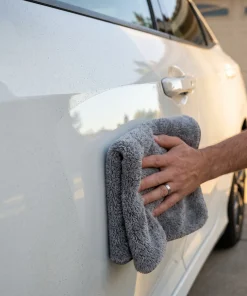
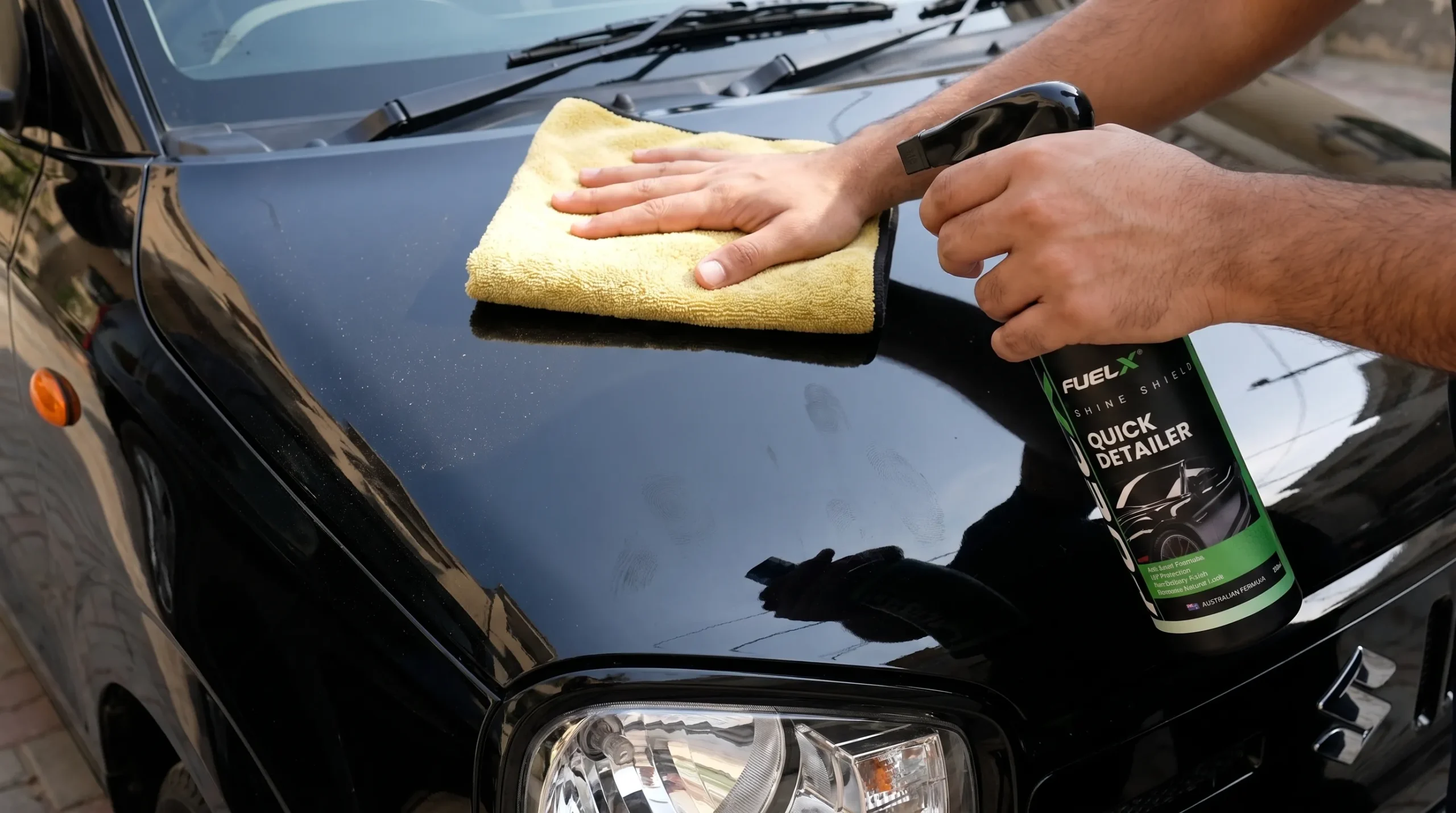
A quick detailer is an exterior car-care product designed to refresh the appearance of a vehicle between regular washes. It is generally sprayed onto the paint and worked with a clean microfiber towel.
The product is particularly useful for light dust, fingerprints, smudges, and minor surface contamination. Depending on its formulation, it may also leave behind gloss-enhancing or light protective ingredients.
For example, suppose you washed your car on Sunday. By Tuesday, it has accumulated a thin layer of dust from normal driving and parking outdoors, but there is no mud or heavy road grime. Instead of immediately performing another full wash, a suitable quick detailer may be useful for a quick maintenance session.
However, there is an important safety rule:
A quick detailer is not a replacement for washing a heavily dirty car.
If the paint is covered with mud, sand, gritty road dirt, or significant contamination, wiping it with a microfiber towel can drag abrasive particles across the surface. This can contribute to fine scratches and swirl marks.
How Does a Quick Detailer Work?
Quick detailers are formulated to provide lubrication between the microfiber towel and the vehicle’s surface. This helps the towel glide more smoothly while lifting or encapsulating light surface contamination, depending on the product’s formulation.
Many modern quick detailers also contain ingredients intended to enhance gloss and surface slickness.
The important point is that a quick detailer is designed for maintenance, not heavy cleaning.
Think of it like cleaning a dining table. If you have a few fingerprints and a little dust, a quick wipe makes sense. If someone spilled mud across the table, you would first perform a proper cleaning rather than simply wiping it with a dry cloth.
When Should You Use a Quick Detailer?
A quick detailer can be useful when:
Your car has only light dust.
You need to remove fingerprints or minor smudges.
The vehicle was recently washed.
You want to refresh the paint’s gloss.
You need a quick exterior touch-up.
You want to maintain a recently detailed vehicle between washes.
For a regularly driven vehicle in Pakistan, this can be convenient because dust accumulation can happen quickly, particularly when driving through busy urban areas or parking outdoors.
What Is Car Wax?
Car wax is primarily a paint-protection product. It is applied to a properly cleaned exterior surface to leave a protective layer over the paint.
Wax can improve the visual depth and gloss of paint and can also encourage water to bead and roll away from the surface. The exact level of protection, appearance, and durability depends on the specific wax formulation and the conditions in which the vehicle is used.
Traditional car waxes may contain natural waxes such as carnauba, while many modern products use synthetic polymers or blends. Therefore, two products marketed as “wax” can behave quite differently.
How Does Car Wax Work?
After the vehicle is washed and the paint is properly prepared, wax is applied according to the manufacturer’s instructions. Once finished, the wax leaves a thin layer over the paint.
This layer can help:
Enhance gloss
Improve water beading
Reduce direct exposure of the paint to everyday contaminants
Make the surface feel smoother
Make subsequent cleaning easier in some cases
However, wax isn’t a permanent shield.
A vehicle exposed to frequent washing, strong sunlight, rain, dust, and road contamination will gradually lose the benefits of the wax layer. That’s why waxing is normally treated as periodic maintenance rather than a one-time treatment.
When Should You Wax Your Car?
Wax is most appropriate when you’re already planning a more thorough exterior detailing session.
The exact preparation and application process depends on the product.
For example, if you haven’t washed your car for several weeks and the paint has accumulated dirt and contaminants, applying wax immediately isn’t the best approach. First clean the surface properly. Wax works best when it is applied to clean paint.
Quick Detailer vs Car Wax: Key Differences
The easiest way to understand the difference is to think about their main jobs.
Quick detailer = maintenance and appearance refresh.
Car wax = periodic protection and appearance enhancement.
Feature
Quick Detailer
Car Wax
Primary purpose
Quick maintenance
Paint protection
Typical use
Between washes
Periodically
Application time
Usually quick
Generally requires more preparation
Light dust
Suitable when product allows
Not designed for this
Heavy dirt
Not suitable
Not suitable
Gloss enhancement
Yes
Yes
Water behavior
Depends on formulation
Common benefit
Protection
Usually lighter/shorter-term, depending on formula
Main purpose
Best suited for
Regular maintenance
Exterior detailing
These categories are useful, but they aren’t absolute. Some quick detailers contain protective polymers, while modern waxes can be very easy and fast to apply.
That’s why you should always check the specific product’s instructions instead of assuming that every quick detailer or every wax behaves exactly the same way.
Can You Use a Quick Detailer Instead of Car Wax?
Generally, no.
A quick detailer and car wax should be viewed as complementary products rather than direct substitutes.
If your vehicle is already clean and you simply want to remove light dust and restore some gloss, a quick detailer is usually the more practical choice.
If you want to establish or refresh a dedicated protective layer, car wax is more appropriate.
Consider a simple real-world example.
You wash your car on Saturday. On Monday, it has light dust from parking outside. You don’t necessarily need to repeat the complete wash-and-wax process. A suitable quick detailer can be used for maintenance if the surface condition is appropriate.
Two or three weeks later, after regular driving and washing, you may decide that the vehicle needs another proper detailing session. That’s when applying wax again may make sense, depending on the condition of the existing protection and the wax manufacturer’s recommendations.
This approach prevents you from expecting one product to perform every job.
Can You Use Quick Detailer After Waxing Your Car?
Yes, in many exterior-care routines, a quick detailer can be used to maintain the appearance of a waxed vehicle.
For example:
Step 1: Wash the vehicle
Remove dust, road grime, mud, and other contamination.
Step 2: Apply wax
Follow the wax manufacturer’s recommended application procedure.
Step 3: Maintain the finish
After subsequent washes, use a suitable quick detailer when the vehicle only needs light maintenance.
The idea is simple:
Wax provides periodic protection, while quick detailer helps maintain the appearance between more intensive detailing sessions.
Always check the instructions and compatibility of the specific products you’re using.
Quick Detailer vs Wax in Pakistan’s Climate
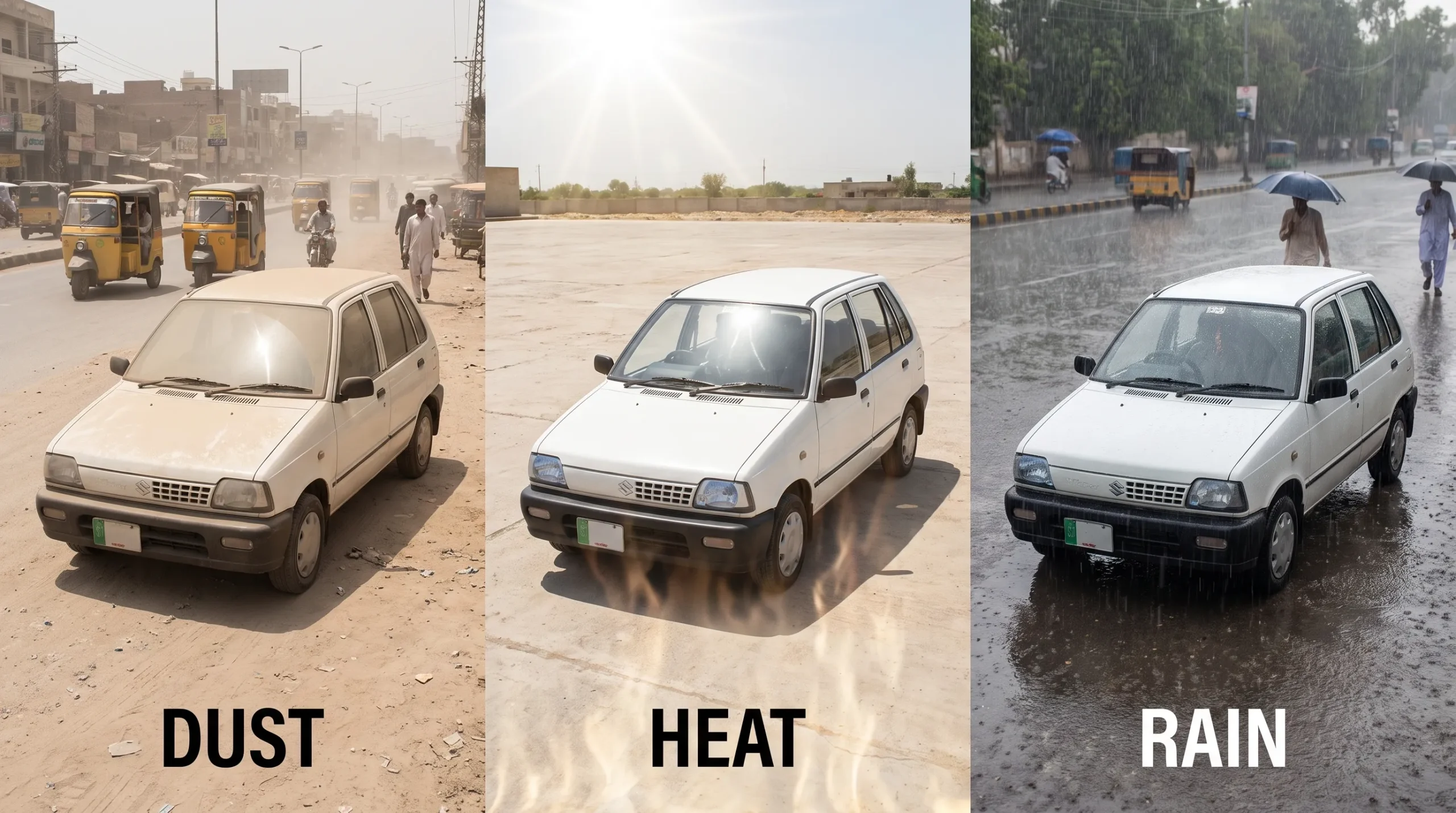
The difference between these products becomes particularly practical in Pakistan because vehicles regularly face dust, intense sunlight, heat, rain, and road contamination.
Dust and Road Grime
Dust is one of the most obvious exterior-care challenges.
A vehicle that is driven daily can accumulate visible dust quickly, particularly after traveling through busy roads or areas with construction and exposed soil.
A quick detailer can be useful for a vehicle that has only a light layer of dust and is otherwise clean.
But there is a limit.
If you can see substantial grit, mud, or heavy road grime, don’t repeatedly wipe the surface with a towel. Wash the vehicle properly first.
The goal isn’t simply to make the car look clean. It’s to avoid unnecessarily dragging abrasive particles across the paint.
Strong Sun and Heat
Pakistan’s summer temperatures can make exterior surfaces extremely hot, especially when a vehicle is parked in direct sunlight.
Working on a cooler surface gives you more control and can prevent a product from drying too quickly.
A practical approach is to detail the car early in the morning, later in the afternoon, or in a shaded area when conditions are suitable.
Rain and Monsoon Conditions
Rain doesn’t automatically clean a vehicle.
Rainwater can pick up airborne particles and contaminants before reaching the vehicle. Once water evaporates, it can also leave visible spots depending on the water and surface conditions.
Regular washing remains important during the monsoon season.
A suitable wax can provide periodic paint protection, while a quick detailer can be useful for maintaining the finish when the vehicle is already relatively clean.
Which One Should You Choose?
The answer depends on your goal.
Choose a Quick Detailer If:
Your car is already relatively clean.
You have light dust or fingerprints.
You want a quick gloss refresh.
You regularly maintain your vehicle.
You don’t want to perform a complete wash for every minor touch-up.
For example, if your car was washed yesterday and has only accumulated a small amount of dust, a quick detailer may be more practical than repeating a full wash.
Choose Car Wax If:
You want periodic paint protection.
You’re performing a more thorough exterior detailing session.
You want to enhance gloss and water beading.
You want to refresh the vehicle’s protective layer.
Wax makes more sense when you’re already spending time preparing and detailing the vehicle.
Consider Using Both If:
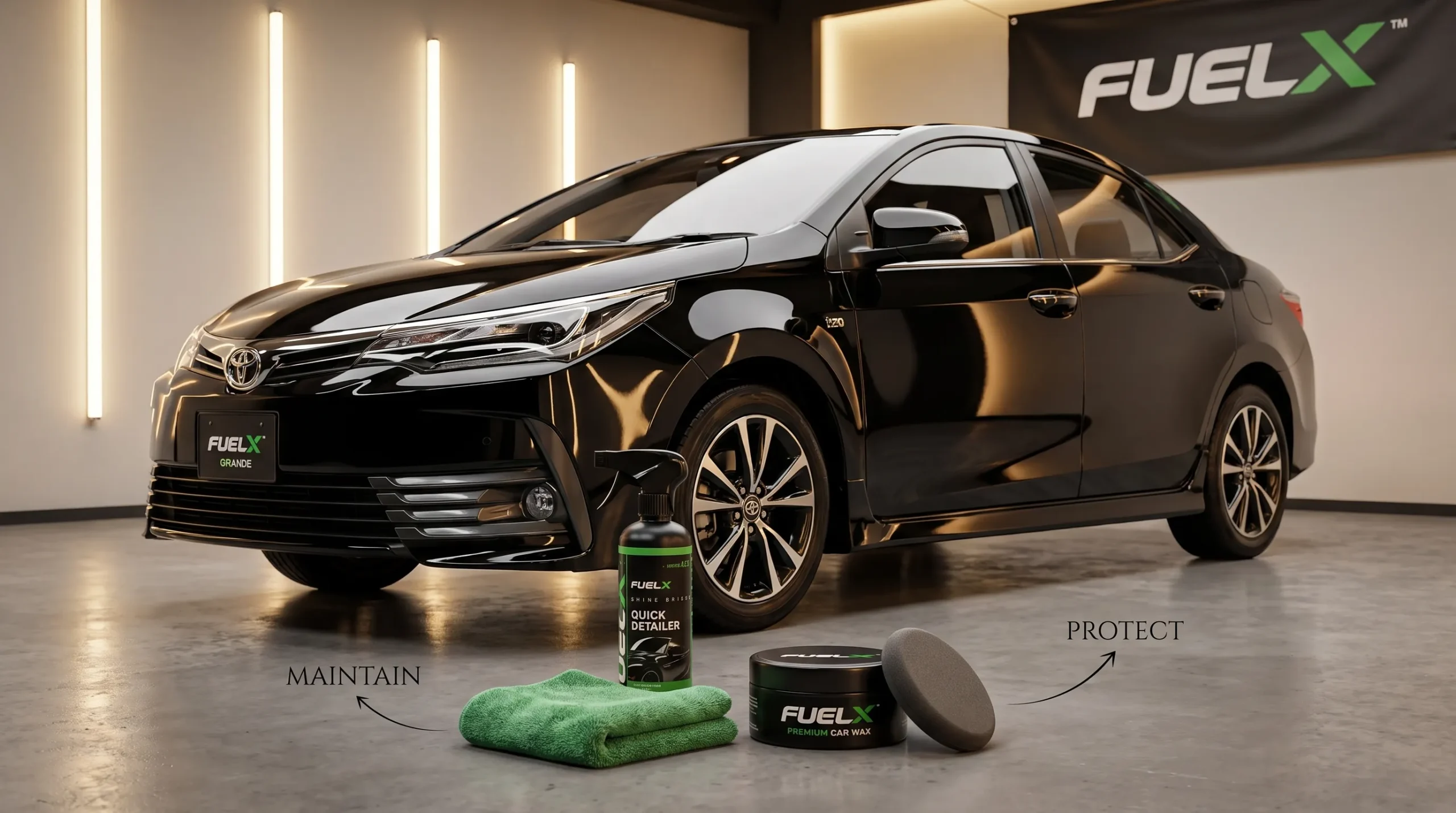
For enthusiasts or owners who like to keep their vehicles in consistently good condition, using both can create a practical maintenance routine.
The exact frequency depends on how much the vehicle is driven, where it is parked, environmental exposure, and the instructions for the products being used.
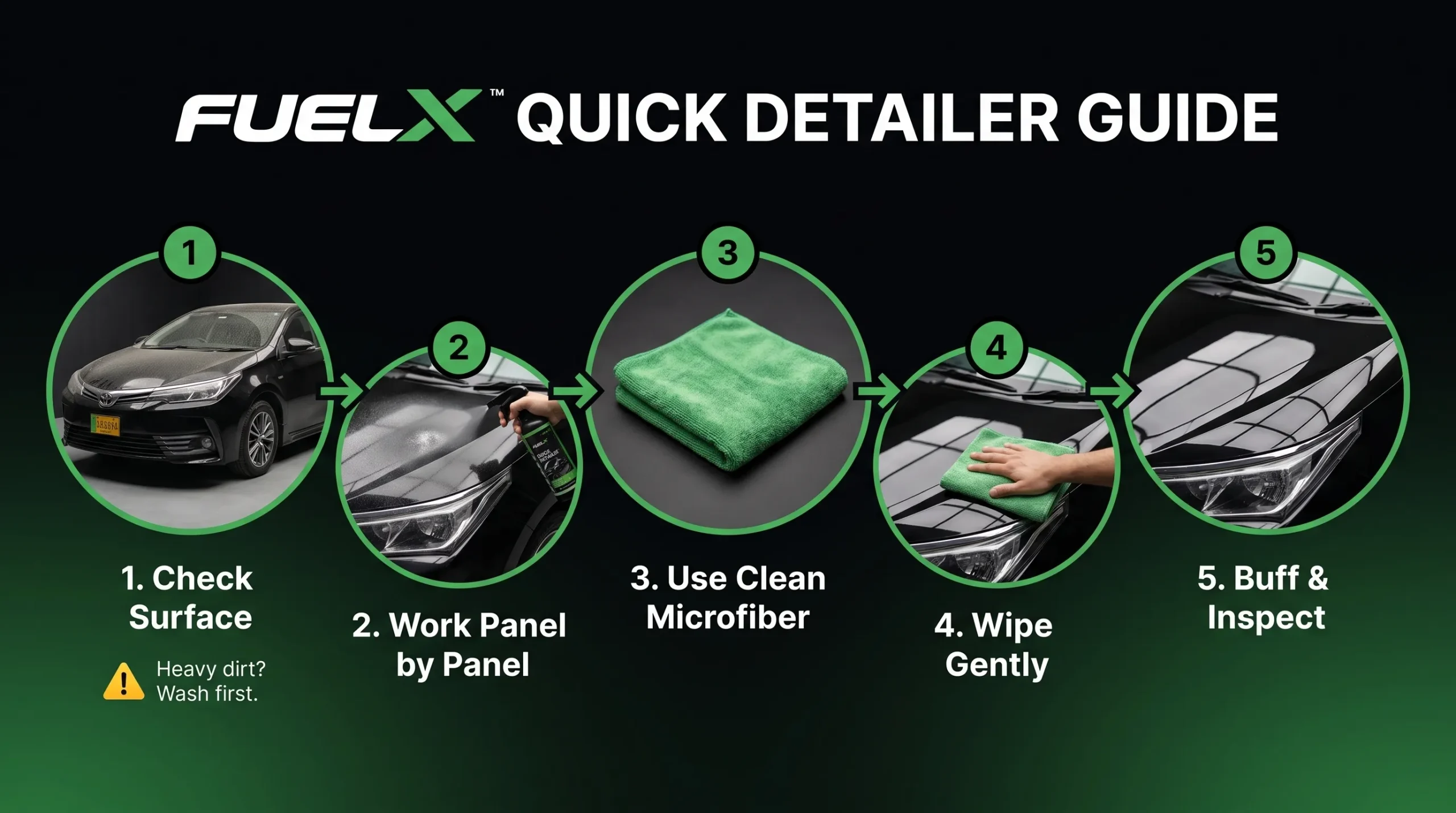
How to Use a Quick Detailer Correctly
Getting good results isn’t only about the product. Application technique matters too.
Step 1: Check the Vehicle’s Condition
Look closely at the paint.
If there is only light dust or minor surface contamination, a quick detailer may be appropriate.
If there is mud, sand, heavy road grime, or significant contamination, wash the vehicle first.
Step 2: Work One Panel at a Time
Apply the product according to the manufacturer’s instructions.
Working panel by panel makes it easier to control the amount of product and inspect your results.
There’s no advantage to covering the entire vehicle with excessive product at once.
Step 3: Use a Clean Microfiber Towel
A clean microfiber towel is essential.
For example, if you’re detailing a sedan, you might use separate towels for different exterior tasks rather than relying on one towel for the entire vehicle.
Once one side of the towel becomes contaminated, fold it to expose a clean section.
The important principle is:
Don’t use a towel that has collected grit to continue wiping clean paint.
Step 4: Wipe Gently
Use controlled, light movements according to the product’s instructions.
You don’t need to aggressively scrub the paint during routine maintenance.
If something doesn’t come off easily, stop and reassess the surface rather than increasing pressure.
Step 5: Buff the Surface
Use a clean section of the microfiber towel to remove remaining residue and even out the finish.
When done correctly, the surface should look clean and glossy without obvious streaks or residue.
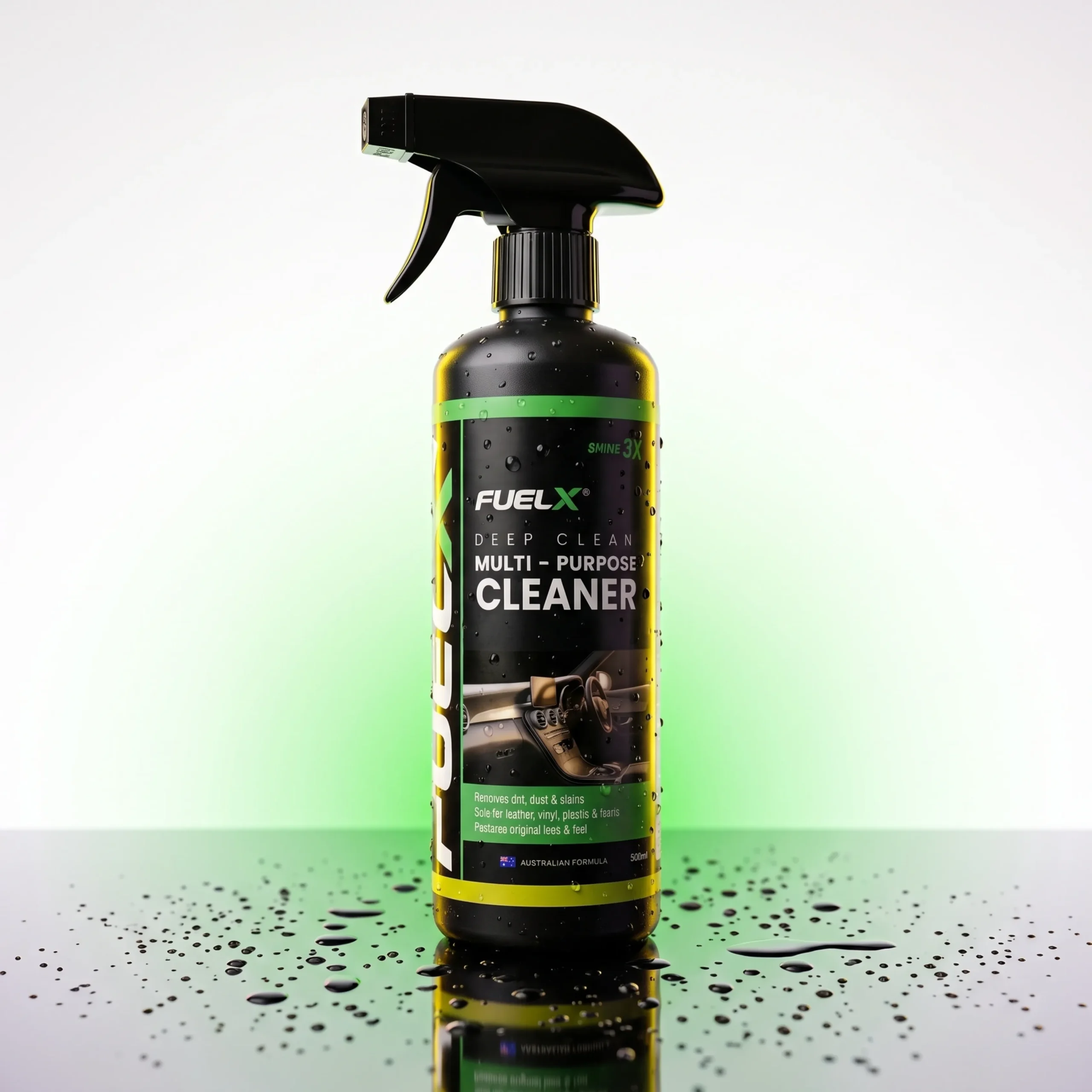
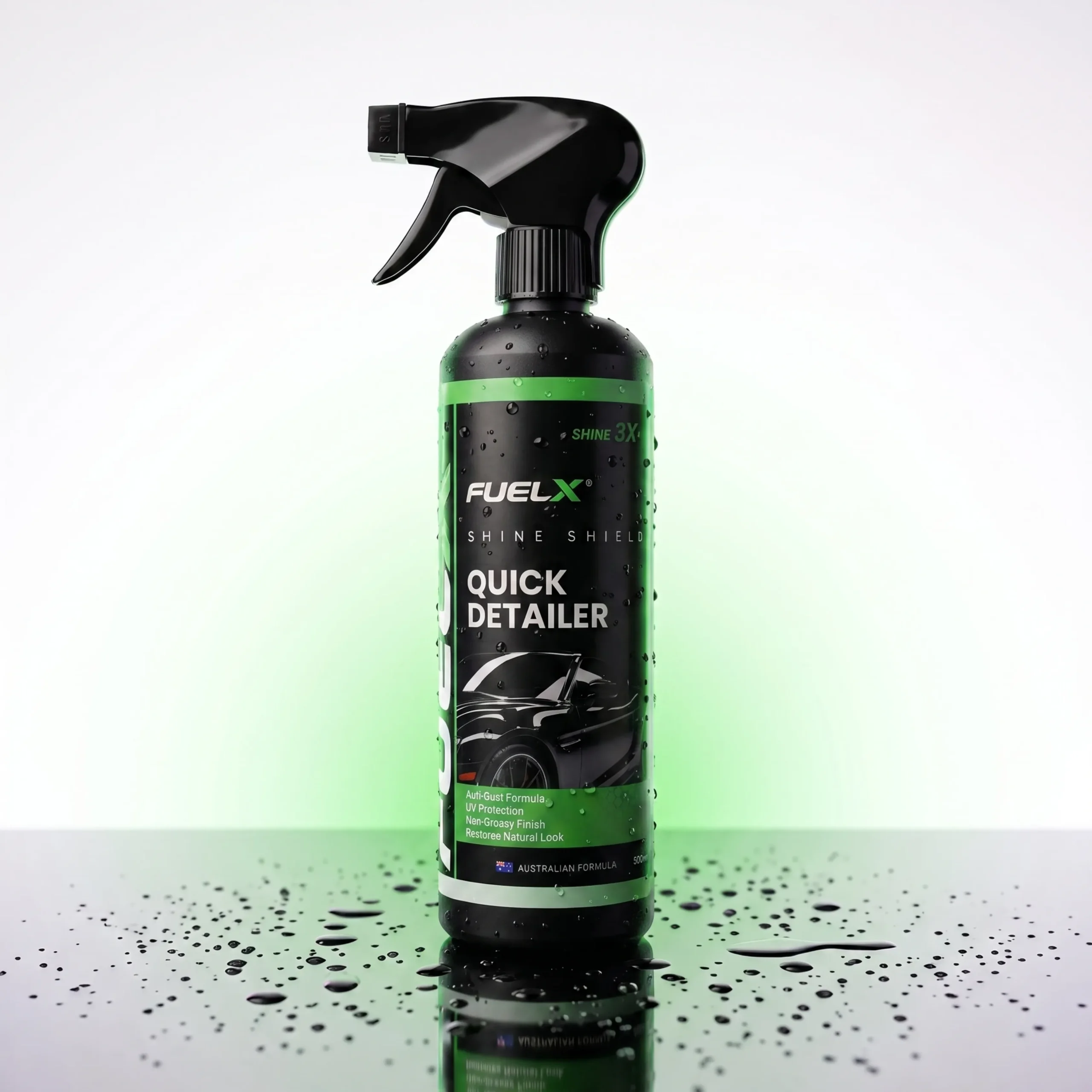
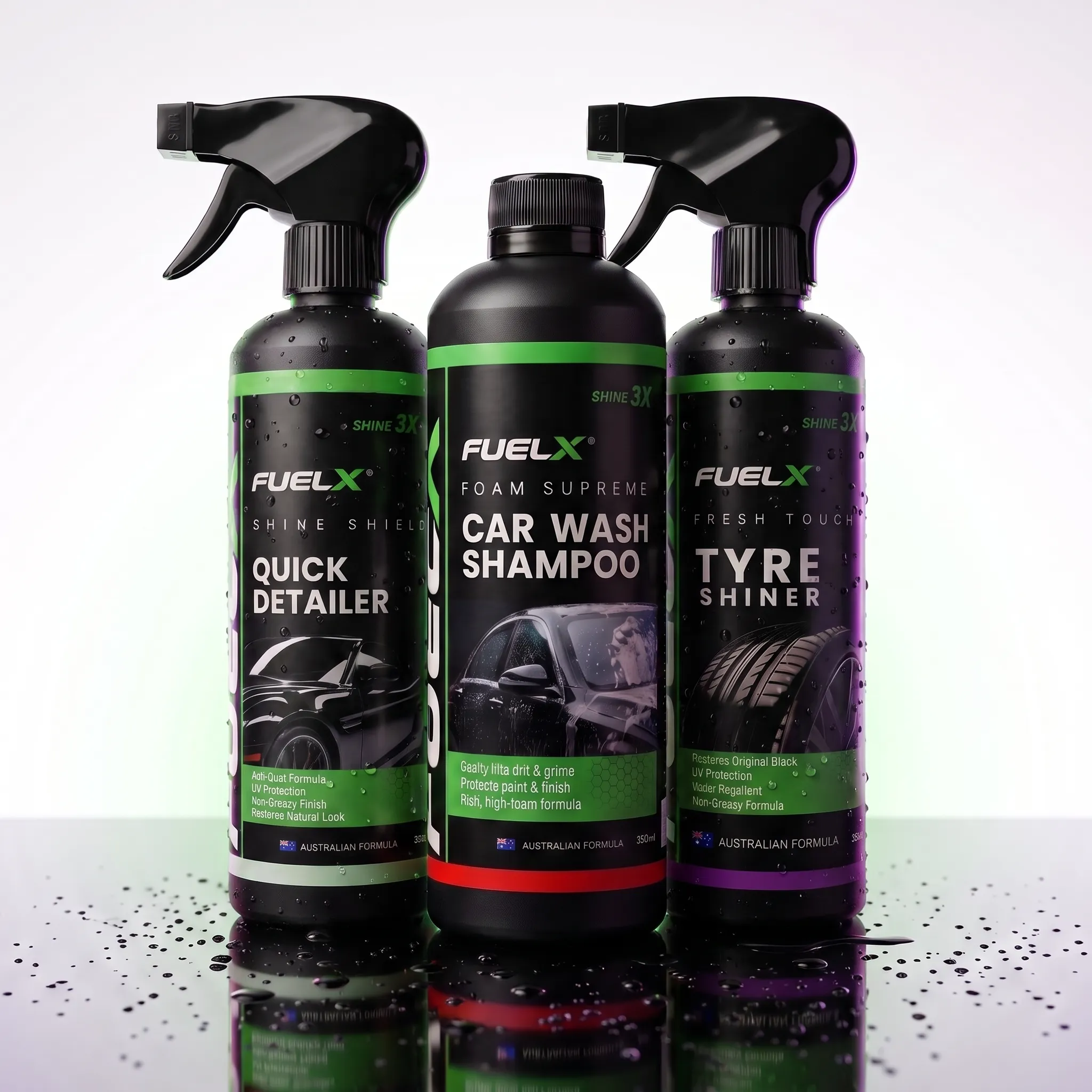
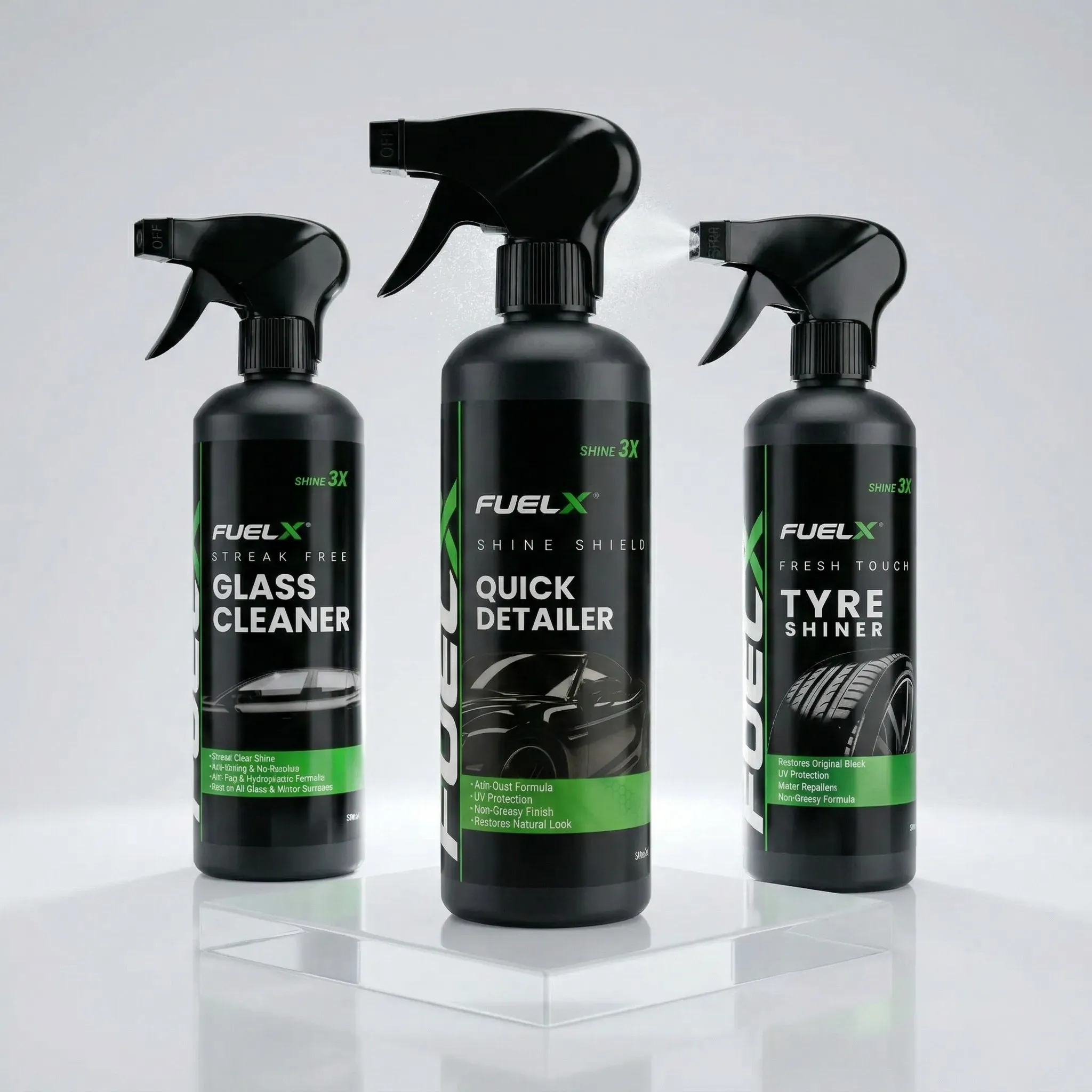
For regular exterior maintenance, FuelX Quick Detailer can be incorporated into this type of routine according to its product instructions.
Common Quick Detailer and Wax Mistakes
1. Using Quick Detailer on Heavy Dirt
This is one of the most important mistakes to avoid.
A quick detailer isn’t designed to replace a proper wash when the vehicle is covered with heavy contamination.
2. Using a Dirty Microfiber Towel
A towel that has already been used on dirty wheels, tyres, or heavily contaminated surfaces shouldn’t automatically be used on clean paint.
Keep your exterior paint towels clean and separate where practical.
3. Detailing a Hot Surface
If the panel is extremely hot, the product may dry faster than intended.
Follow the product’s recommended conditions and, when appropriate, work in a shaded area.
4. Applying Too Much Product
More product doesn’t necessarily produce more shine.
Excess product can instead make wiping and buffing more difficult. Follow the manufacturer’s recommended application method.
5. Expecting Quick Detailer to Remove Scratches
A quick detailer doesn’t repair scratches.
If a scratch is actually affecting the paint surface, it requires an appropriate paint-correction approach rather than simply applying more detailing spray.
6. Expecting Wax to Clean the Car
Wax should be applied to a properly cleaned surface.
Don’t use wax as a substitute for washing.
Final Thoughts
So, quick detailer vs car wax—which one should you buy?
The answer is that they perform different jobs.
A quick detailer is useful for maintaining a relatively clean vehicle, removing light surface contamination, and refreshing gloss between washes.
Car wax is primarily used for periodic paint protection and shine. It can help improve water beading and provide a protective layer over properly cleaned paint.
For most car owners, there’s no need to think of them as competing products.
Think of your exterior-care routine this way:
Wash regularly → Wax periodically → Maintain with a suitable quick detailer → Repeat.
For Pakistani drivers dealing with everyday dust, heat, rain, and road grime, understanding when to wash, when to detail, and when to apply protection can make car care more effective and less time-consuming.
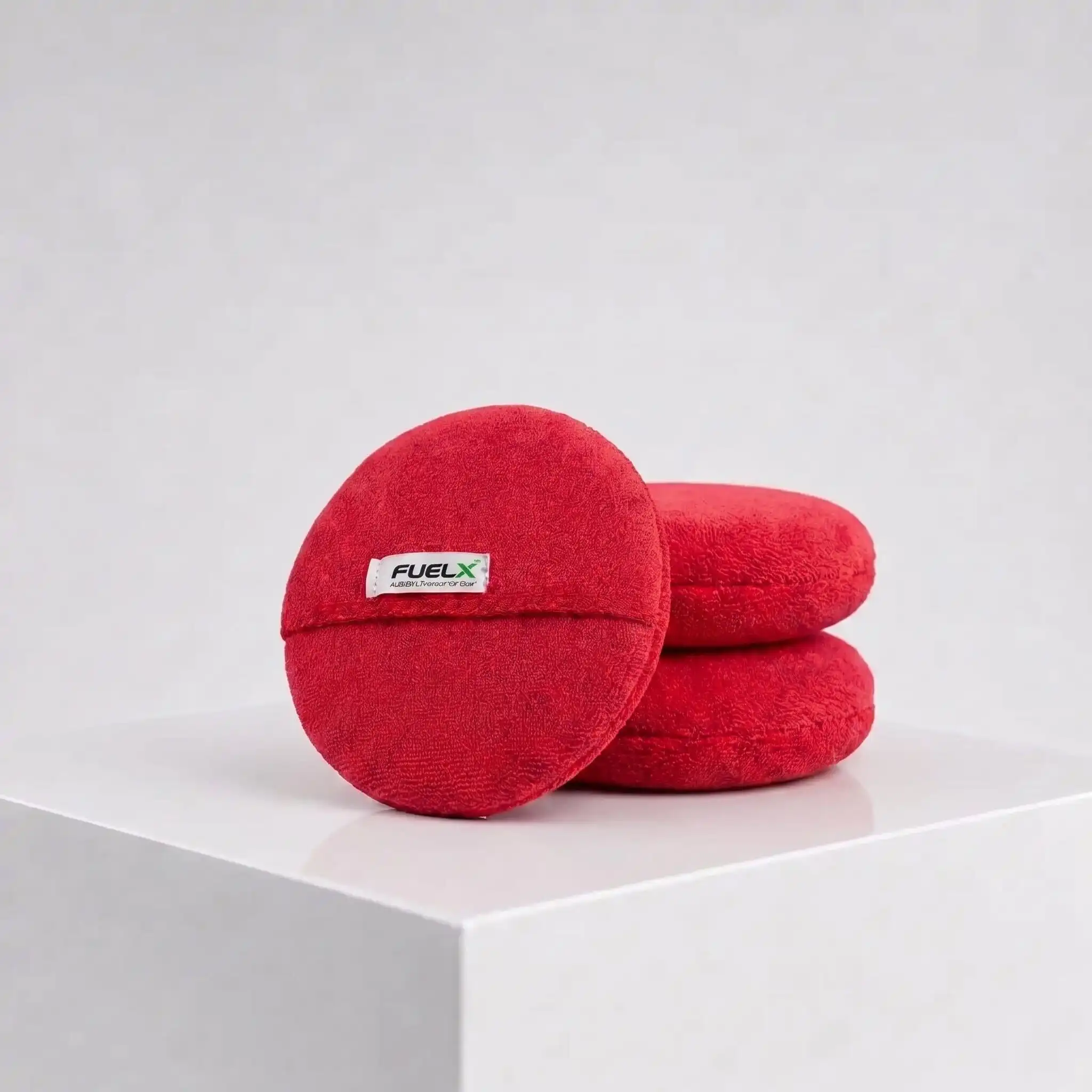
And if you’re looking for a quick way to refresh a relatively clean exterior between washes, FuelX Quick Detailer can be a practical addition to your car-care routine. Pair it with a clean microfiber detailing towel and use both according to the manufacturer’s instructions for the best results.
FAQ’s
Is quick detailer the same as car wax?
No. A quick detailer is primarily designed for quick exterior maintenance and gloss enhancement, while car wax is primarily intended to provide a protective layer and enhance the paint’s appearance.
Does quick detailer protect car paint?
Some quick detailers can provide light protection depending on their formulation. However, you shouldn’t assume that every quick detailer offers the same durability or protection as a dedicated wax. Check the specific product’s claims and instructions.
Can I use quick detailer every day?
There is no universal requirement to use a quick detailer every day. Use it when the vehicle’s condition and the product instructions make it appropriate. If the car becomes heavily dirty, wash it rather than repeatedly wiping the contamination away.
Should I wax my car before using quick detailer?
Wax can provide the protective layer, while a suitable quick detailer can subsequently help maintain the appearance between washes. They can therefore work together as part of an exterior-care routine, assuming the products are compatible.
Does quick detailer remove scratches?
No. A standard quick detailer isn’t a scratch-removal product. It can improve the appearance of clean paint, but actual scratches require an appropriate paint-correction method.
Does car wax make a car shinier than quick detailer?
Both products can improve gloss, but the final result depends on the paint’s condition, surface preparation, product formulation, and application technique. A properly cleaned and prepared surface can make a significant difference to the final appearance.
How often should I use quick detailer?
There’s no single number that works for every vehicle. Usage depends on how often the car is driven, the amount of dust and contamination it encounters, how frequently it is washed, and the manufacturer’s instructions. The key is to use it for light maintenance, not heavy cleaning.