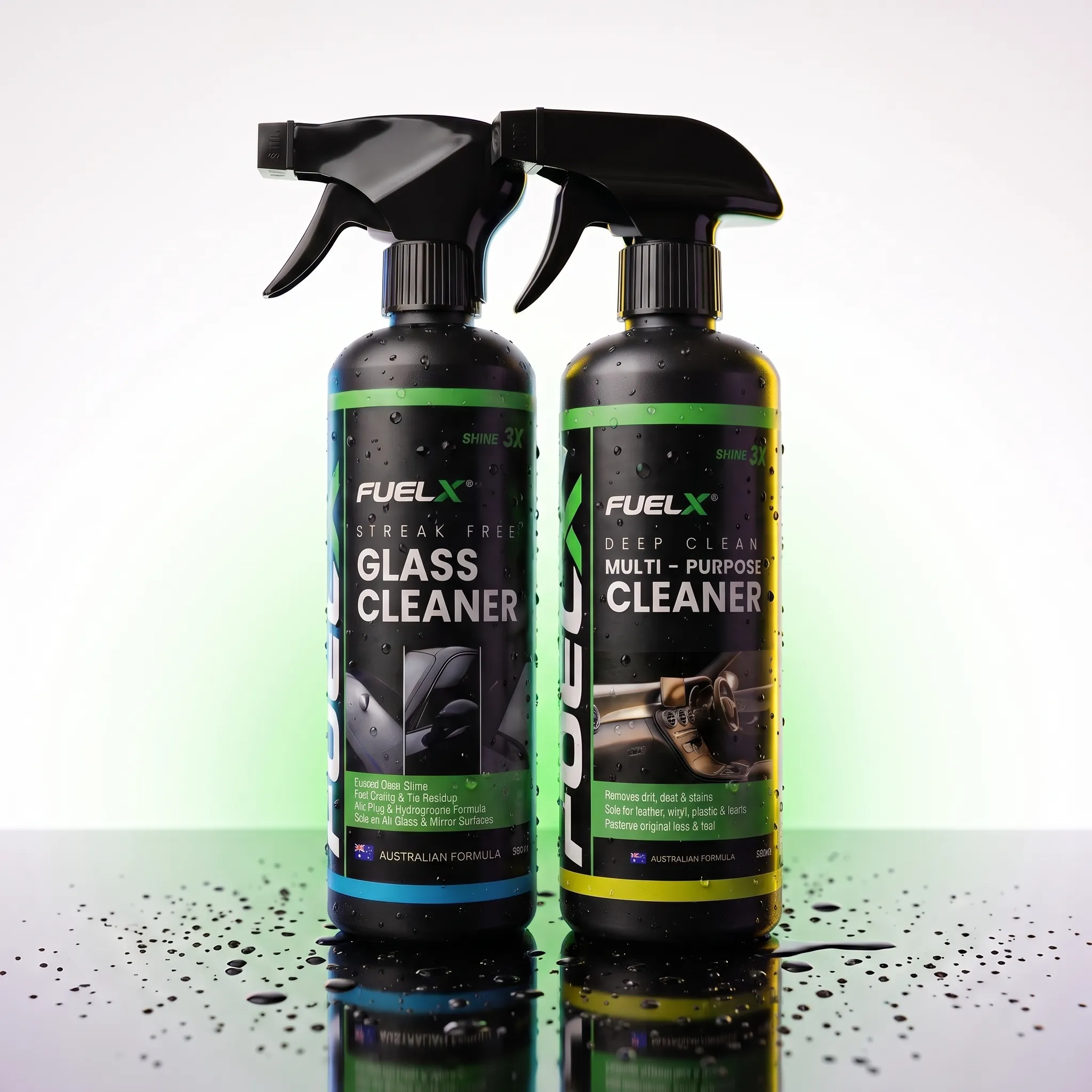
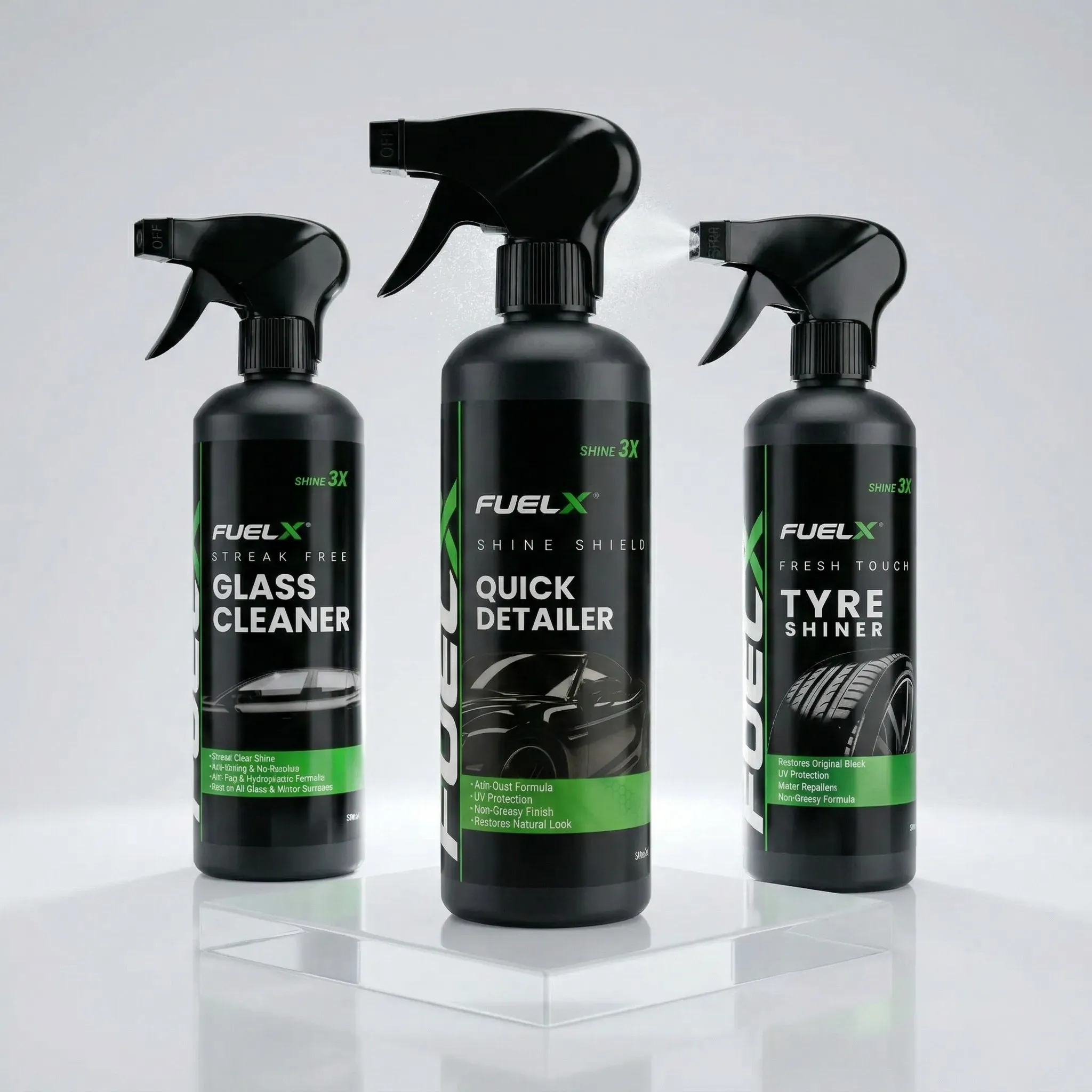
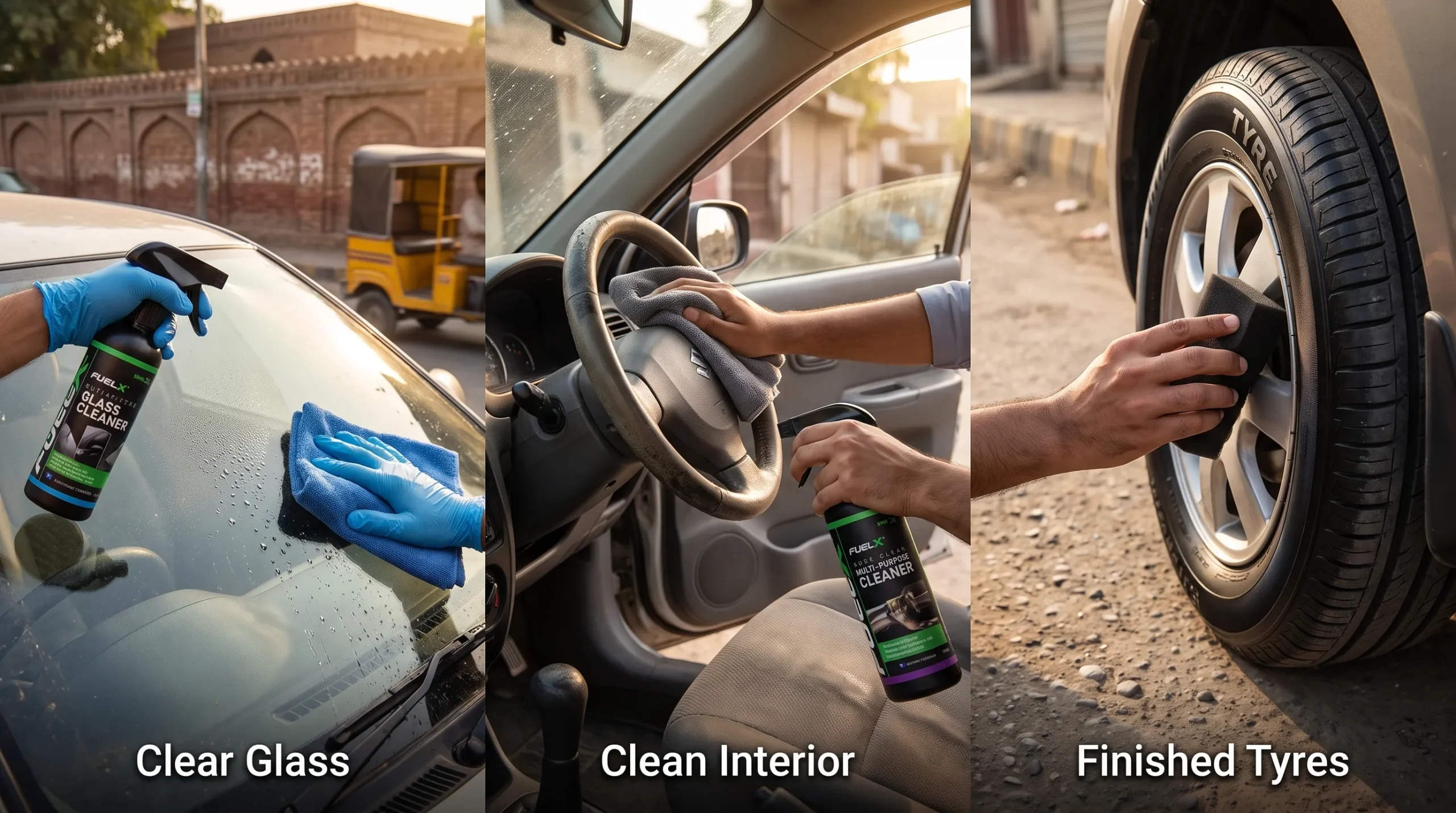
Keeping your car clean at home does not require professional detailing equipment or a garage full of products. For most beginners, a small collection of the right car-care products is enough to handle routine washing, glass cleaning, interior maintenance and tyre care.
This is particularly relevant in Pakistan, where vehicles can quickly accumulate dust, road grime, mud, pollution and water spots. During summer, temperatures can also become high enough to make washing in direct sunlight difficult, while monsoon rain can leave additional dirt and mineral deposits on the vehicle.
In this guide, we will explain what a beginner actually needs, how to use each product, how often to clean a car in Pakistan and which type of FuelX cleaning kit may be suitable for different requirements.
What Should a Beginner Look for in a Car Cleaning Kit?
The best beginner car cleaning kit should make car care easier, not more complicated.
Before buying a kit, consider whether it covers the surfaces you regularly need to clean and whether the products are simple enough to use without professional detailing experience.
For example, if a kit contains 10 products but only three are useful for your regular routine, it may not be a better choice than a four- or five-product kit that covers all your essential tasks.
For a beginner, it is better to understand how to correctly use five useful products than to buy a large detailing collection without knowing what each product does.
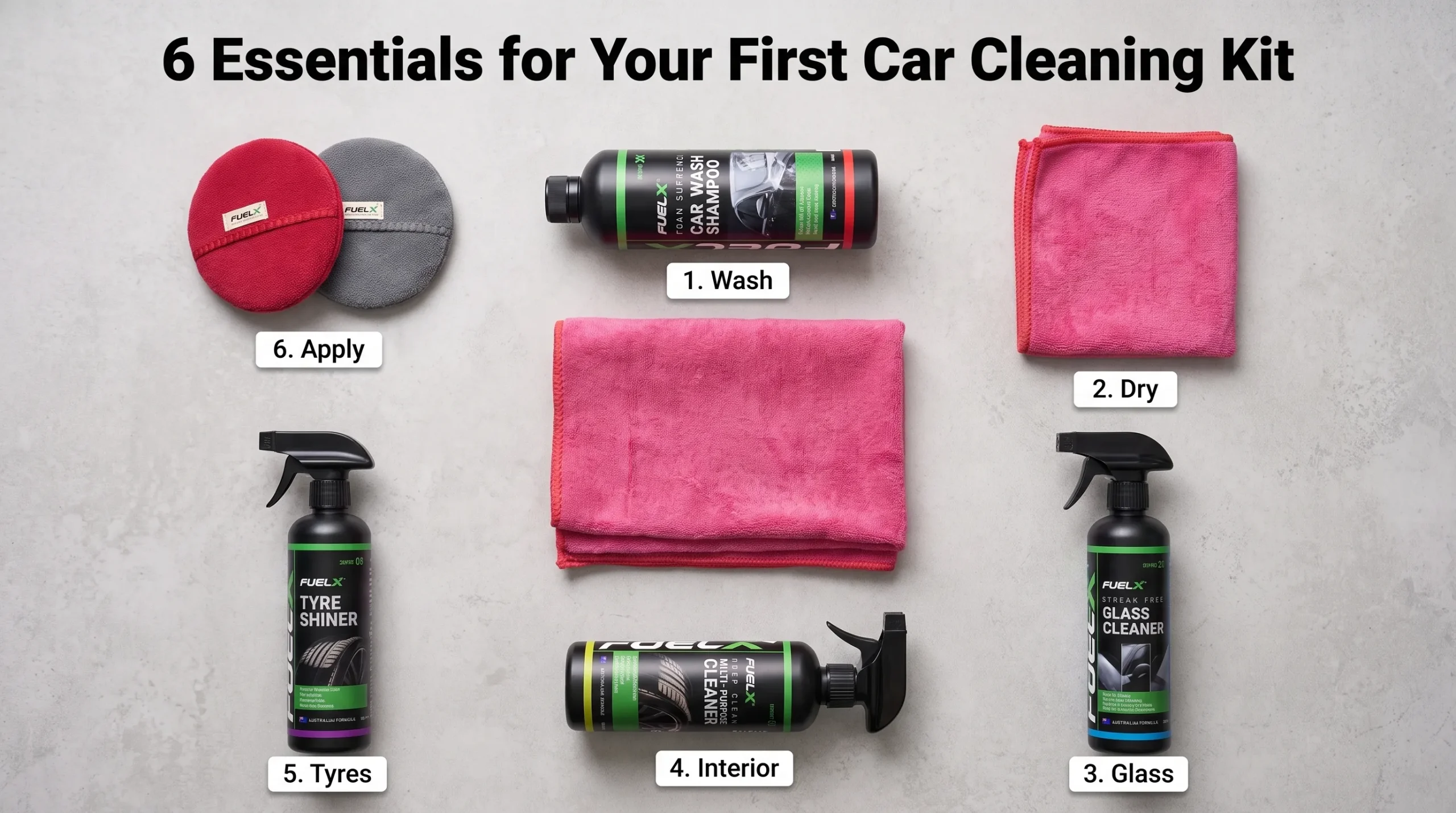
Essential Products in a Beginner Car Cleaning Kit
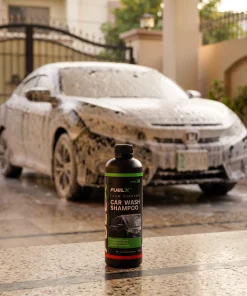
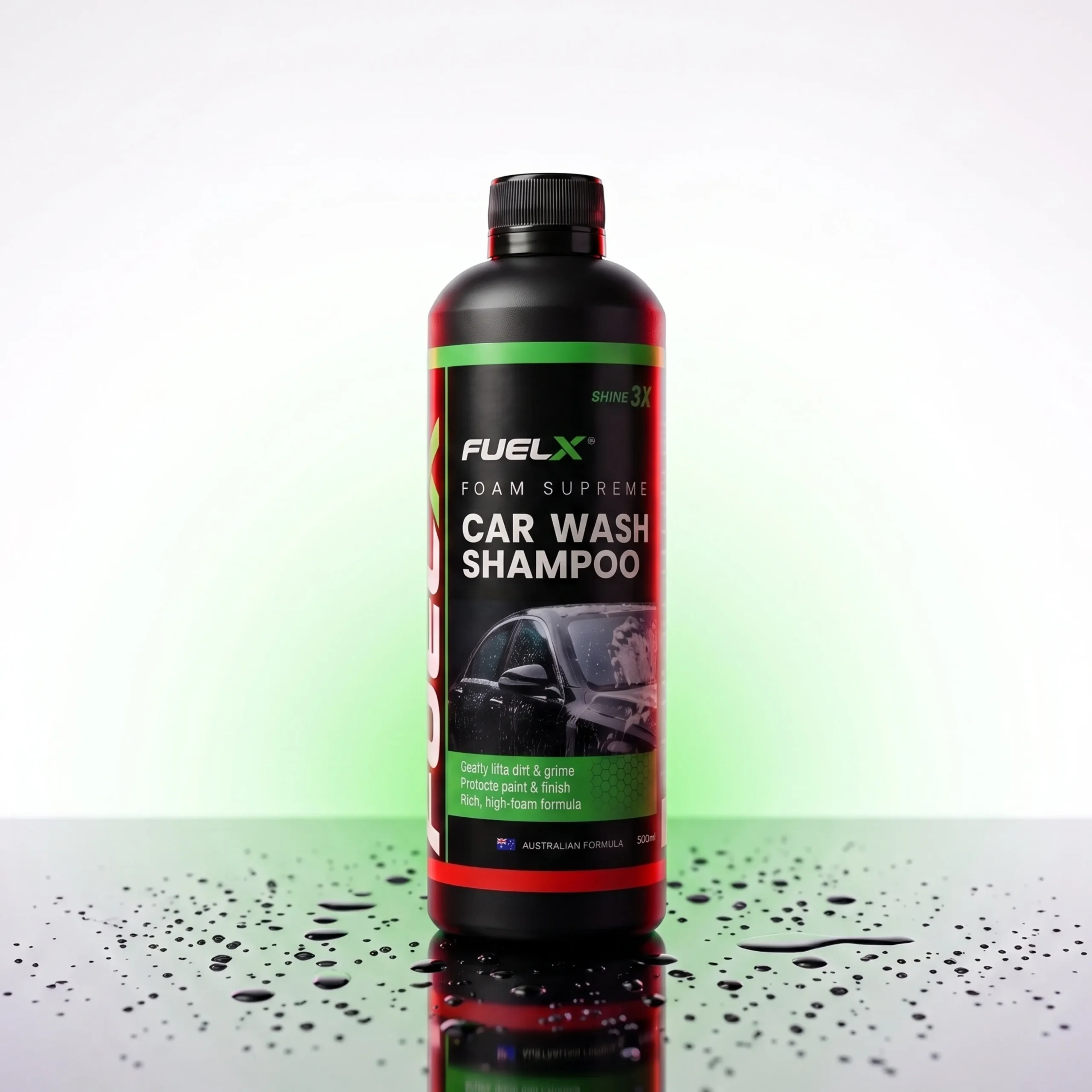
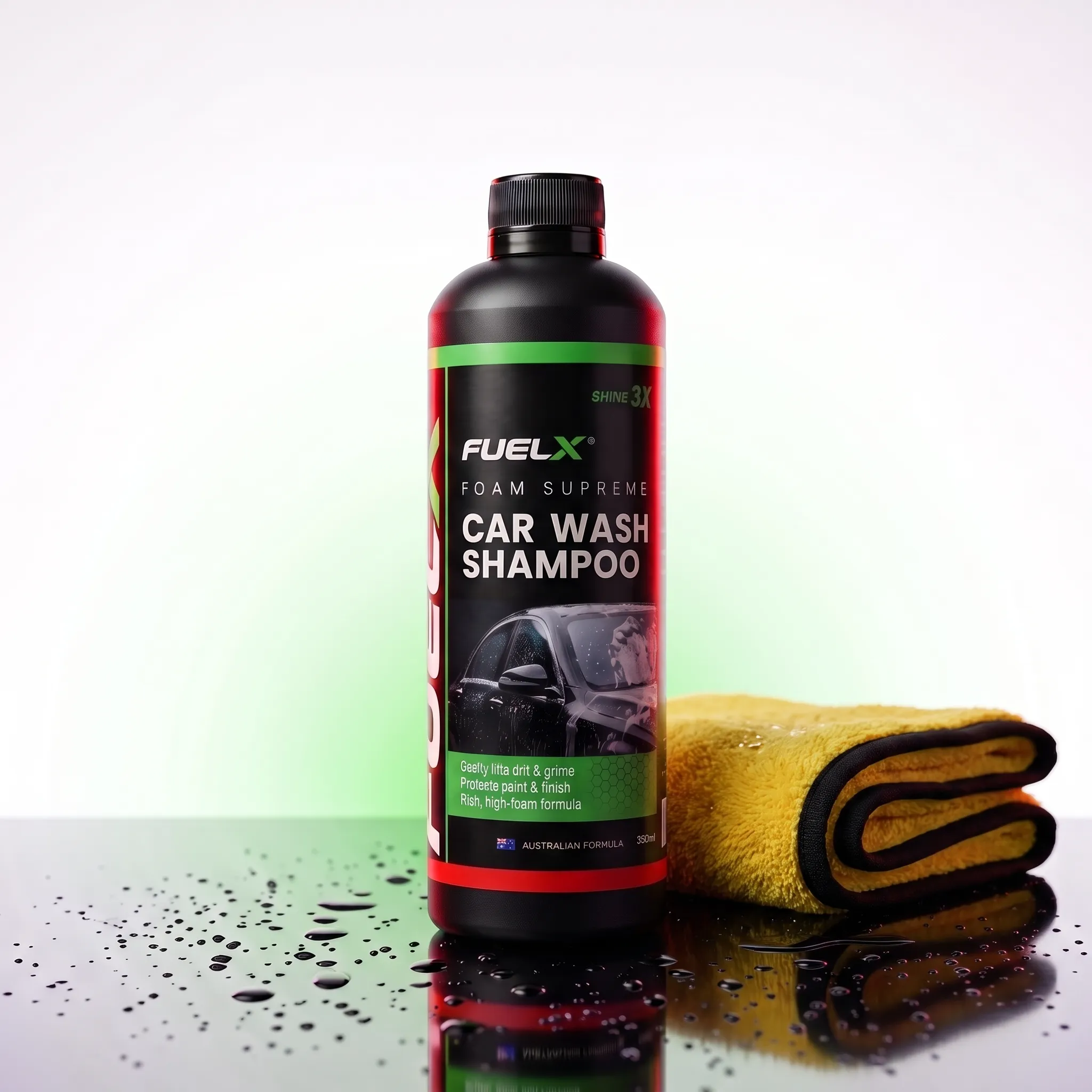
1. Car Wash Shampoo
Car wash shampoo should be the foundation of your exterior cleaning routine.
Everyday driving exposes your vehicle to dust, mud, insects, traffic pollution and road grime. If your car is driven regularly through busy Pakistani roads, a visible layer of dust can develop within just a few days.
A proper wash removes this contamination before it builds up.
A dedicated car shampoo is preferable to household cleaning products because automotive shampoos are specifically designed for vehicle washing. Dishwashing liquids and other household detergents may be effective at removing grease from kitchen surfaces, but that does not make them the ideal choice for routine car washing.
When washing, follow the product’s recommended dilution. For example, if a shampoo’s instructions call for a particular amount of product per litre of water, increasing the concentration several times does not necessarily make the wash safer or more effective.
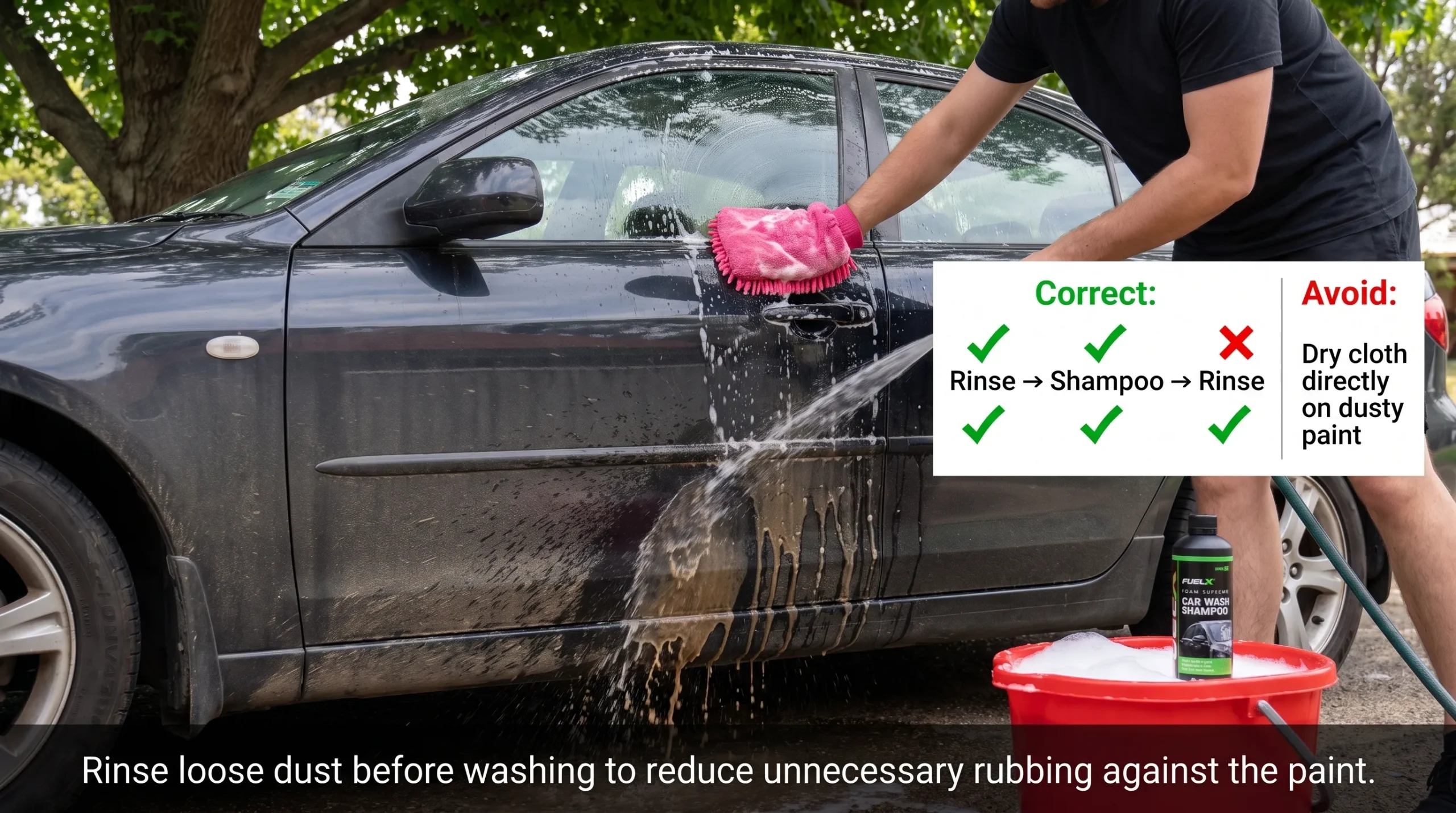
Beginner tip: Rinse loose dust and dirt from the vehicle before rubbing the surface. This reduces the amount of abrasive contamination being moved across the paint.
2. Microfiber Detailing Towels
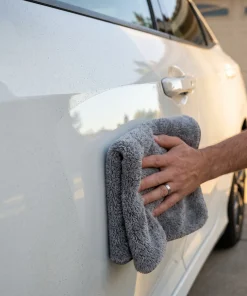
Microfiber towels are among the most useful accessories in a car cleaning kit.
A typical microfiber towel has very fine synthetic fibres that can pick up dust, moisture and residue effectively. Different towel types can be used for drying, glass cleaning, interior surfaces and detailing.
For beginners, the biggest lesson is simple:
Don’t use one dirty towel for the entire car.
For example, a towel used on a dirty tyre can pick up road grime and brake dust. Using that same towel later on your paintwork isn’t a good practice.
A simple colour-coding or separation system can help:
Towels for paint and drying
Towels for glass
Towels for interior surfaces
Separate towels for wheels and tyres
You don’t need 20 towels to start. Even 4–6 dedicated microfiber towels can provide a practical starting point for basic home maintenance.
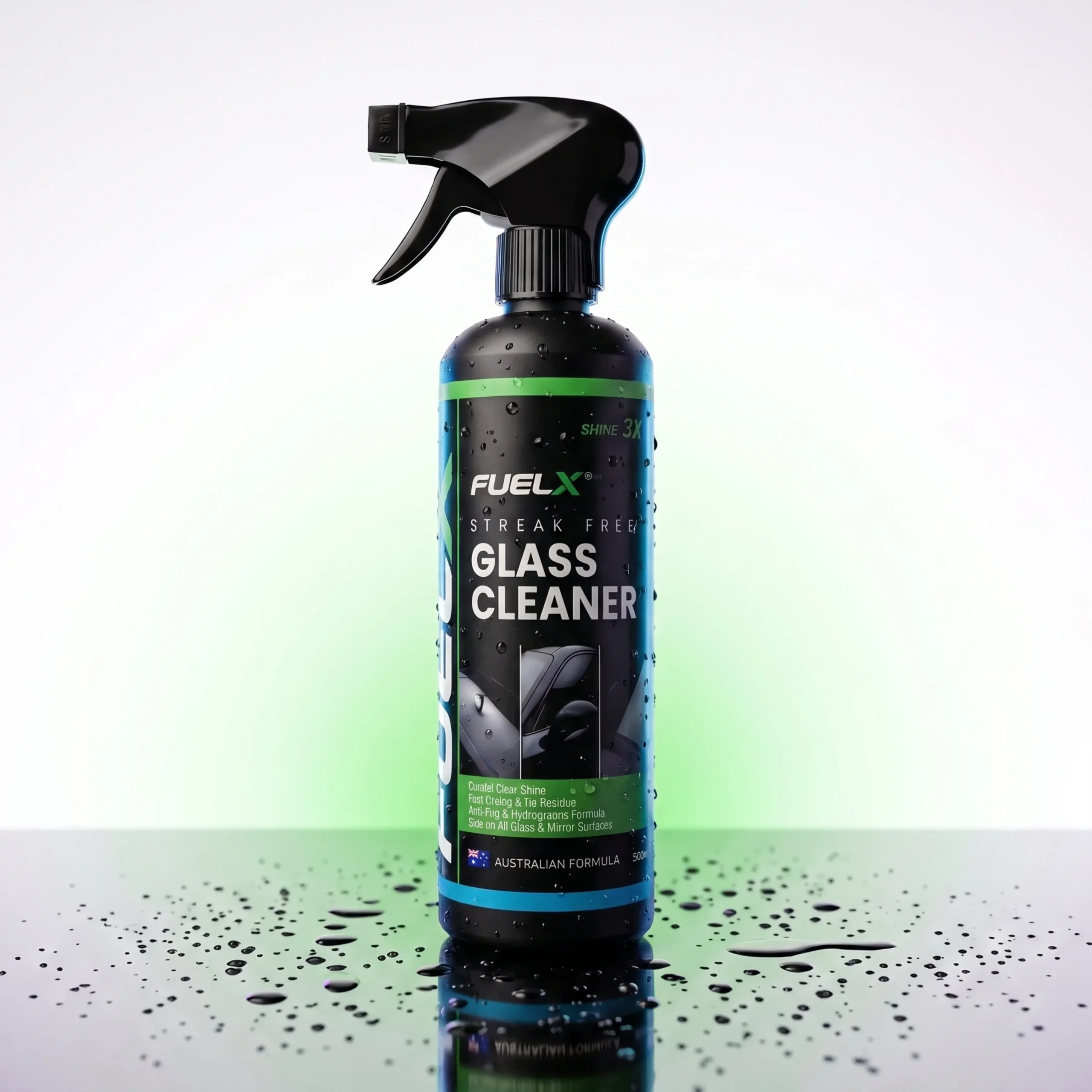
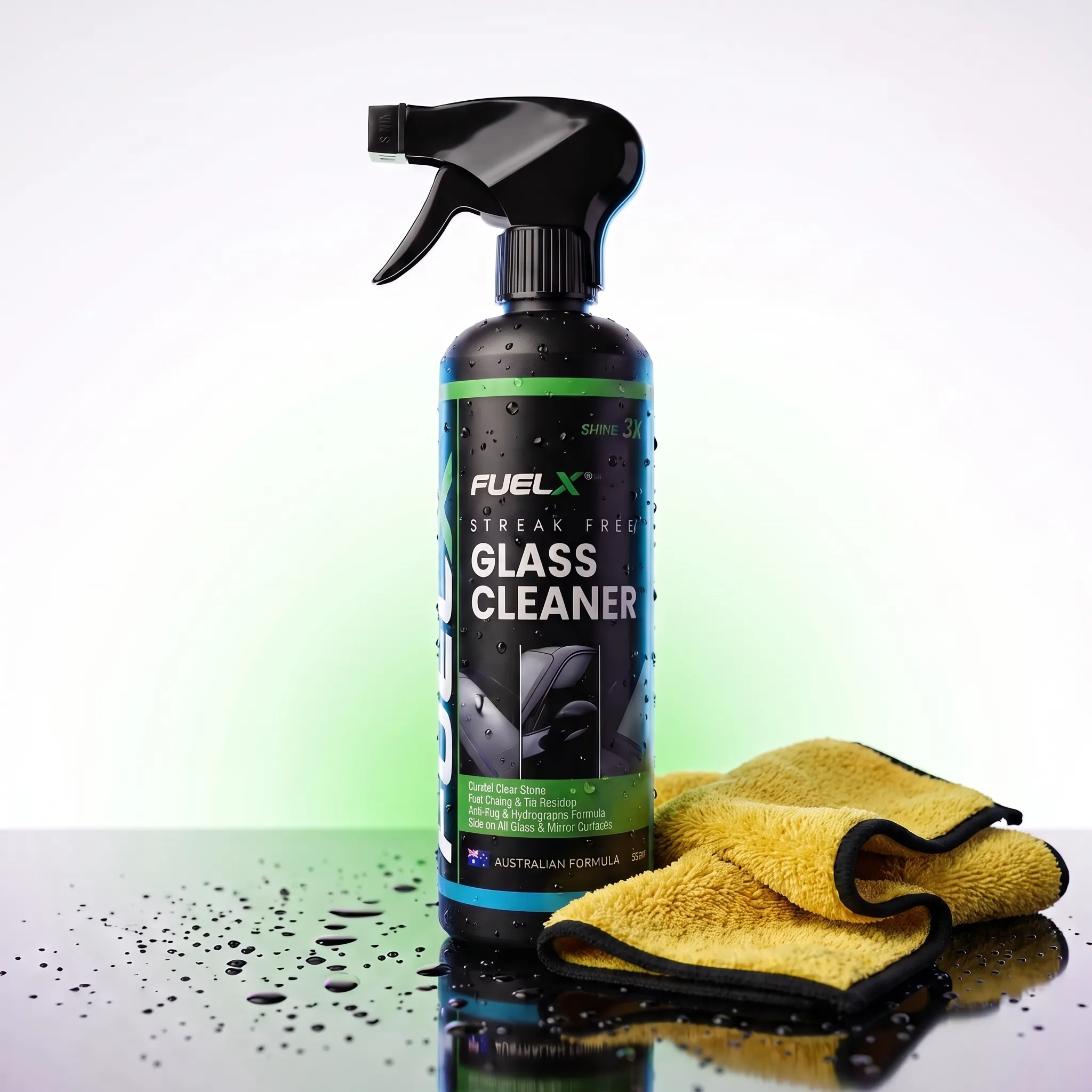
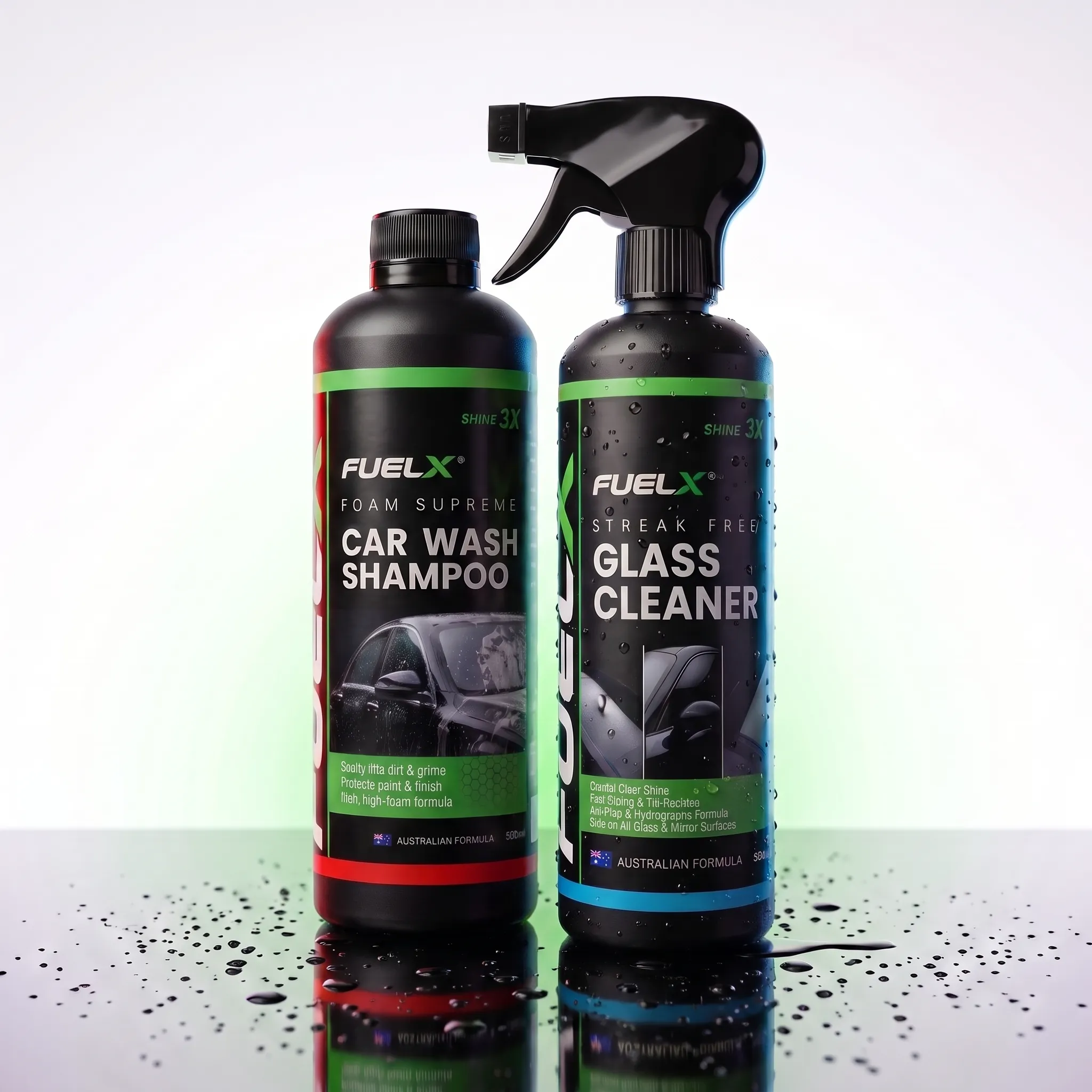
3. Glass Cleaner
Clean glass is essential for both appearance and driving visibility.
A windshield covered with dust, oily residue or fingerprints can become particularly problematic at night. When headlights from oncoming vehicles hit a dirty or hazy windshield, scattered light can make visibility feel worse.
The problem can become even more noticeable during rain.
For this reason, glass cleaning should not be treated as an optional finishing step.
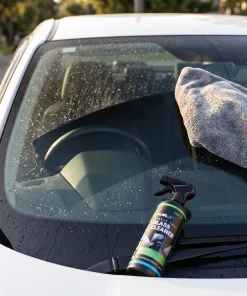
A dedicated automotive glass cleaner can help remove fingerprints, dust, light oily residue and other common contaminants.
When cleaning the windshield, spray the product according to its instructions and wipe using a clean microfiber towel. If necessary, use a second dry section of the towel to remove remaining streaks.
Practical routine: If you drive regularly, inspect the windshield at least once a week and clean it whenever you notice haze or reduced clarity.
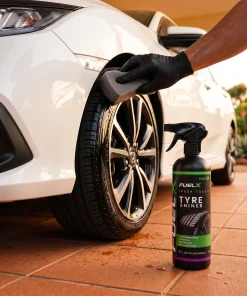
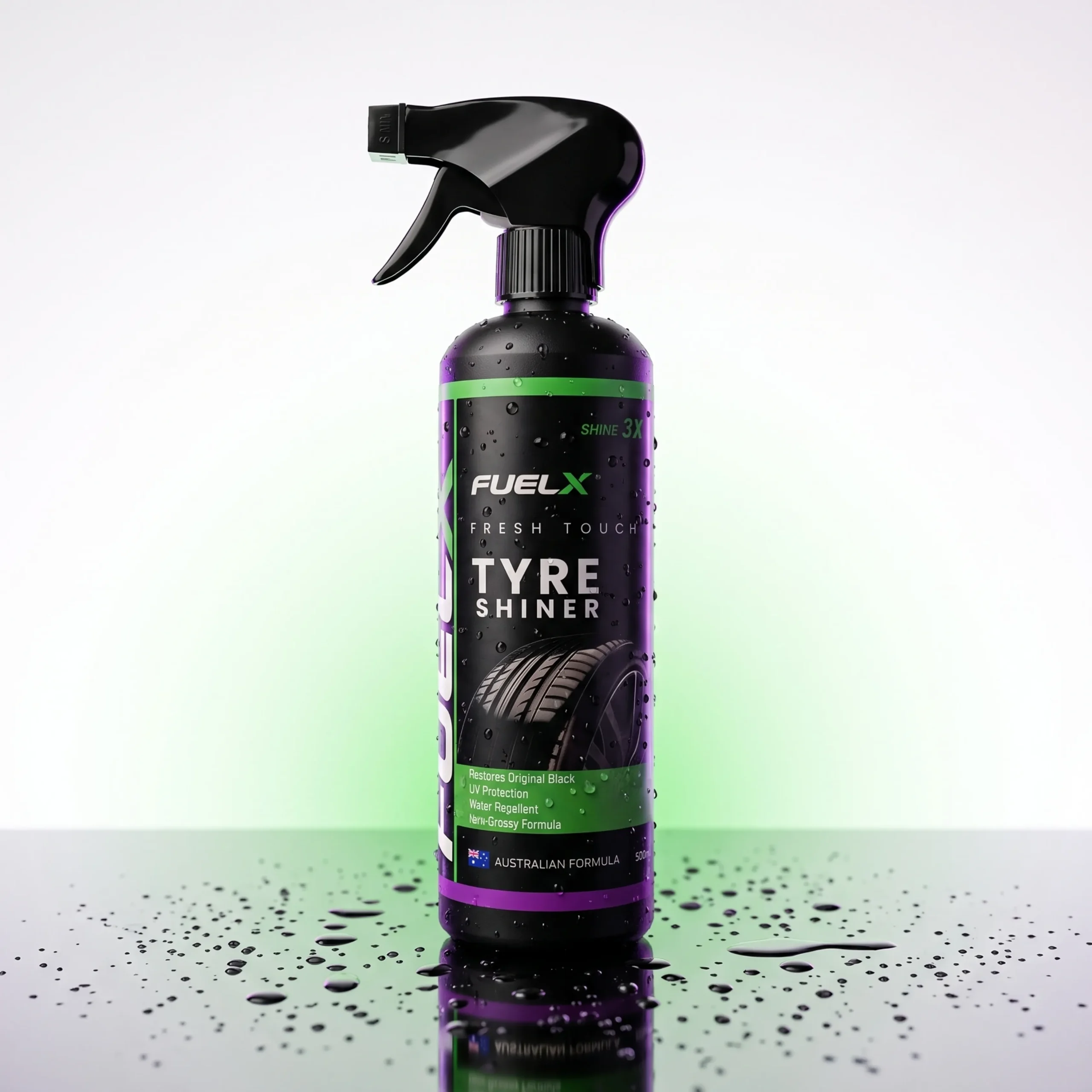
4. Tyre Shiner
Tyres can have a surprisingly large effect on the overall appearance of a clean vehicle.
Imagine washing the body of a car until the paint looks bright, then leaving four dusty, grey-looking tyres underneath it. The vehicle may still look unfinished.
Tyre-care products are designed to improve the appearance of cleaned tyres.
The process is simple:
Clean the tyre.
Remove excess dirt and allow it to dry appropriately.
Apply the tyre product according to its instructions.
Spread it evenly using an applicator where recommended.
Allow it to settle as instructed.
Avoid applying products carelessly to braking components or areas where tyre dressing is not intended.
For beginners, the goal should be an even, controlled finish, rather than using excessive product to make the tyres extremely glossy.
5. Interior or Multi-Purpose Cleaner
Your car’s interior can collect just as much dirt as the exterior—although you may notice it more slowly.
Dust can accumulate on the dashboard, centre console and door panels. Food residue, fingerprints and general grime can also build up over time.
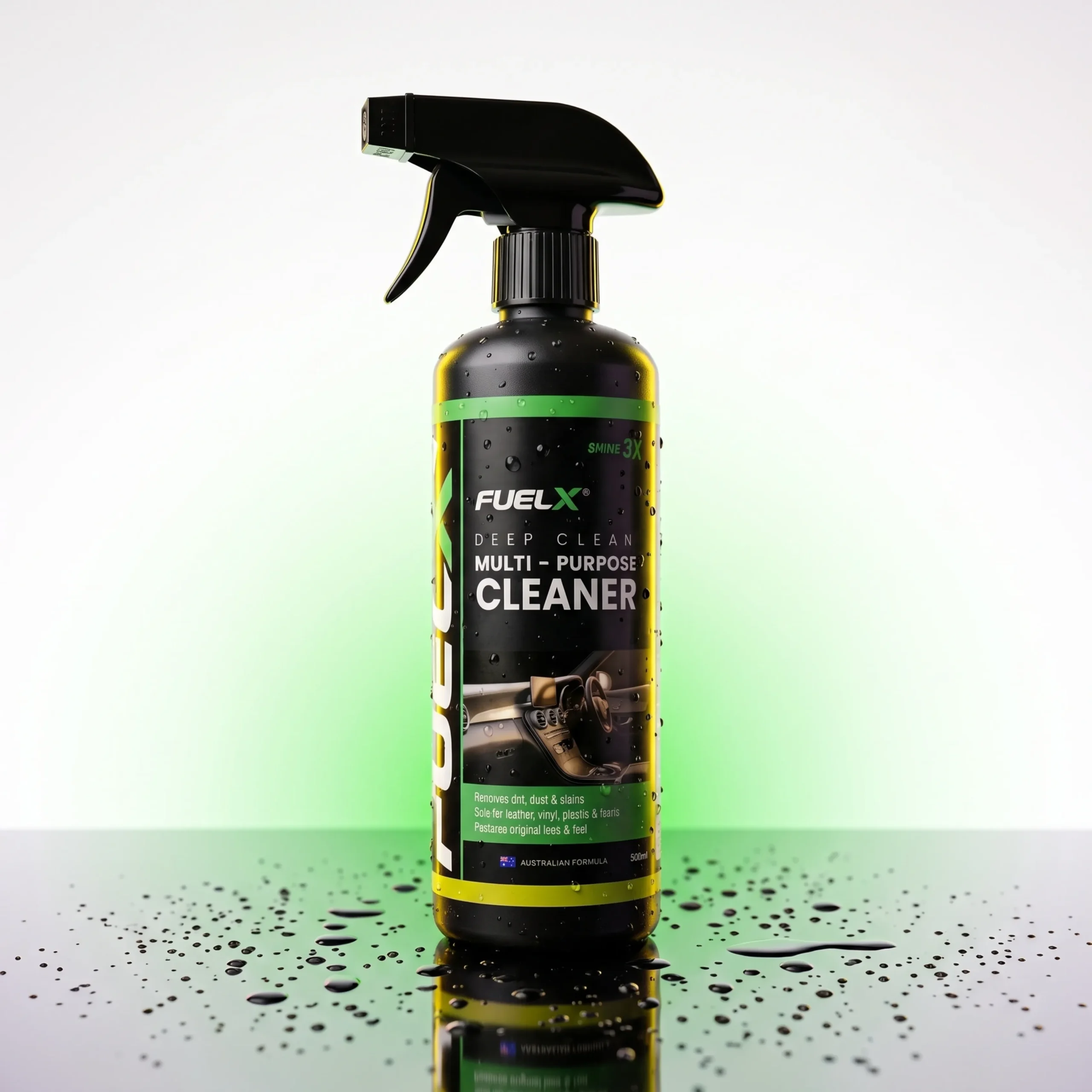
A suitable multi-purpose or interior cleaner can make routine maintenance easier.
For example, a beginner might spend 10–15 minutes once a week:
Removing rubbish
Dusting the dashboard
Wiping door panels
Cleaning suitable plastic surfaces
Checking cup holders and storage areas
The important point is to check the product’s recommended surfaces before application. Not every cleaner is suitable for every material.
Avoid soaking electrical switches, screens or sensitive controls.
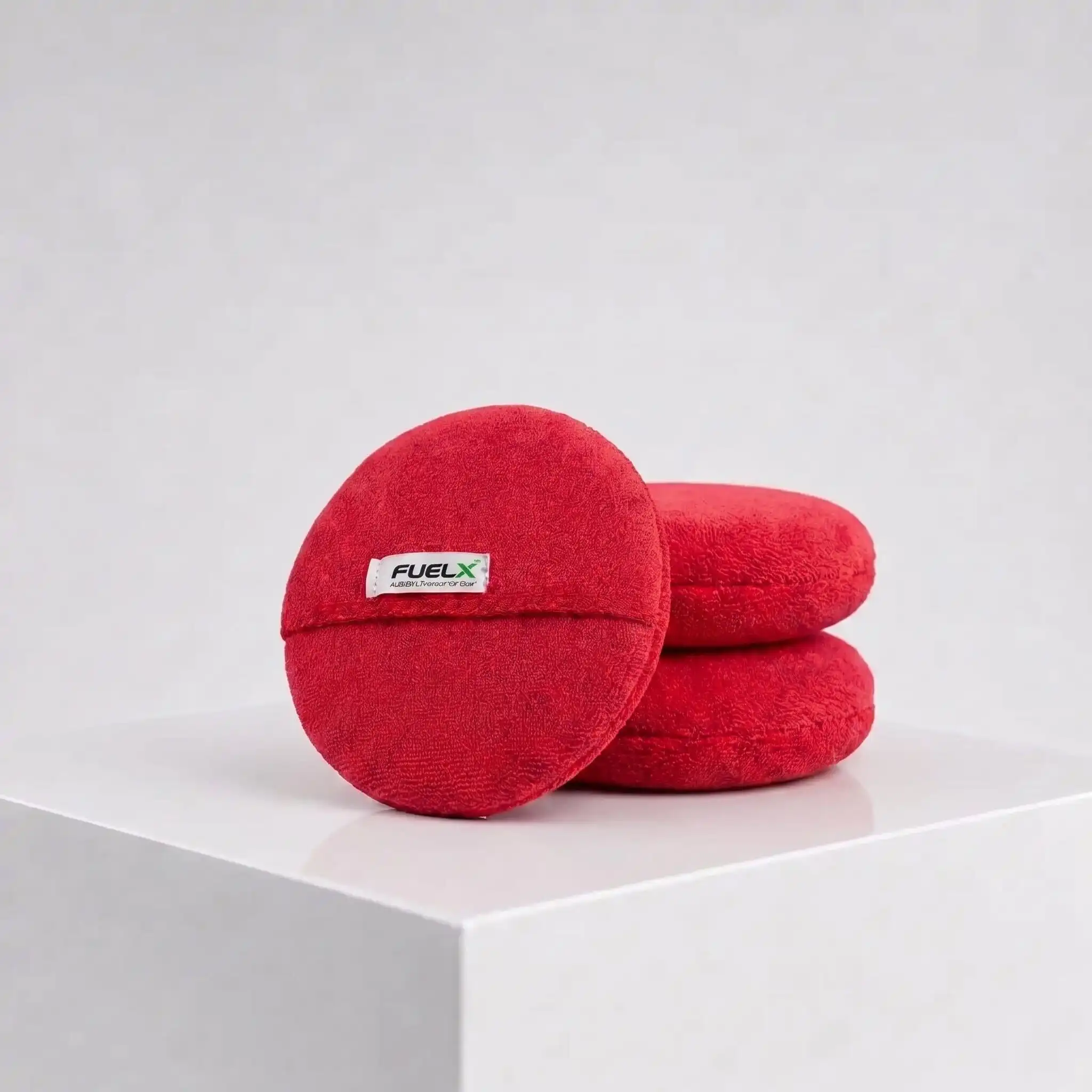
6. Applicator Pads
Applicator pads are small accessories, but they can make product application much more controlled.
Instead of pouring or spreading a product with your hand or an unsuitable cloth, an applicator pad allows you to distribute a controlled amount over the intended surface.
They are particularly useful for products such as tyre-care treatments.
A pack of three applicator pads can also be practical because you can dedicate different pads to different products or surfaces.
Do Beginners Really Need All These Products?
No.
This is one of the most important things to understand before buying a car cleaning kit.
You don’t need to purchase everything at once.
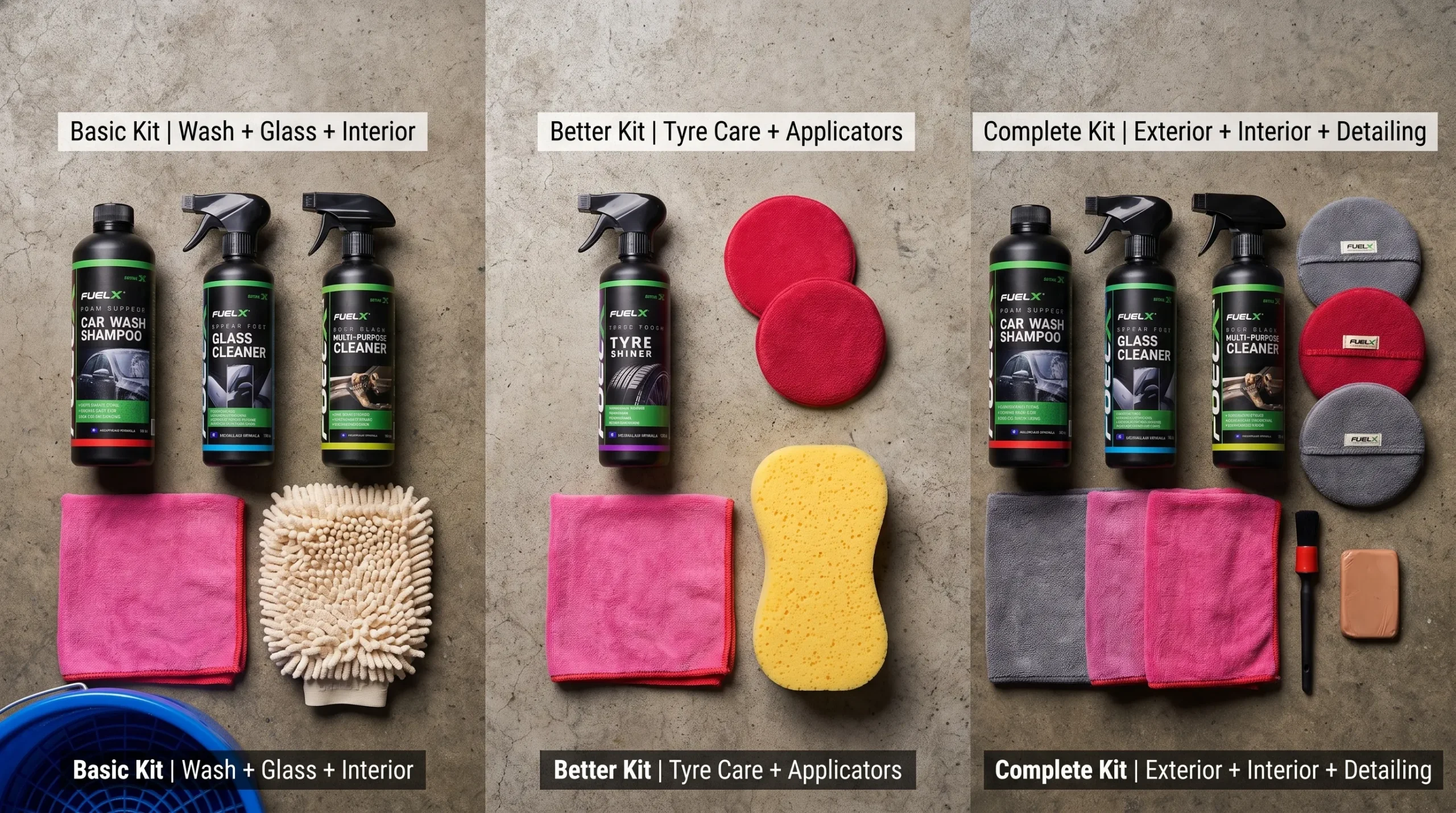
Minimum Kit
For basic maintenance, start with:
Car wash shampoo
4–6 microfiber towels
Glass cleaner
Interior cleaner
This setup can handle the majority of routine cleaning tasks.
Better Starter Kit
If you want a more complete routine, add:
Tyre shiner
Applicator pads
Additional microfiber towels
Now you can maintain the vehicle’s exterior appearance more thoroughly.
Complete Beginner Kit
A comprehensive setup can include:
Exterior wash products
Glass cleaner
Interior cleaner
Tyre-care products
Microfiber towels
Applicator pads
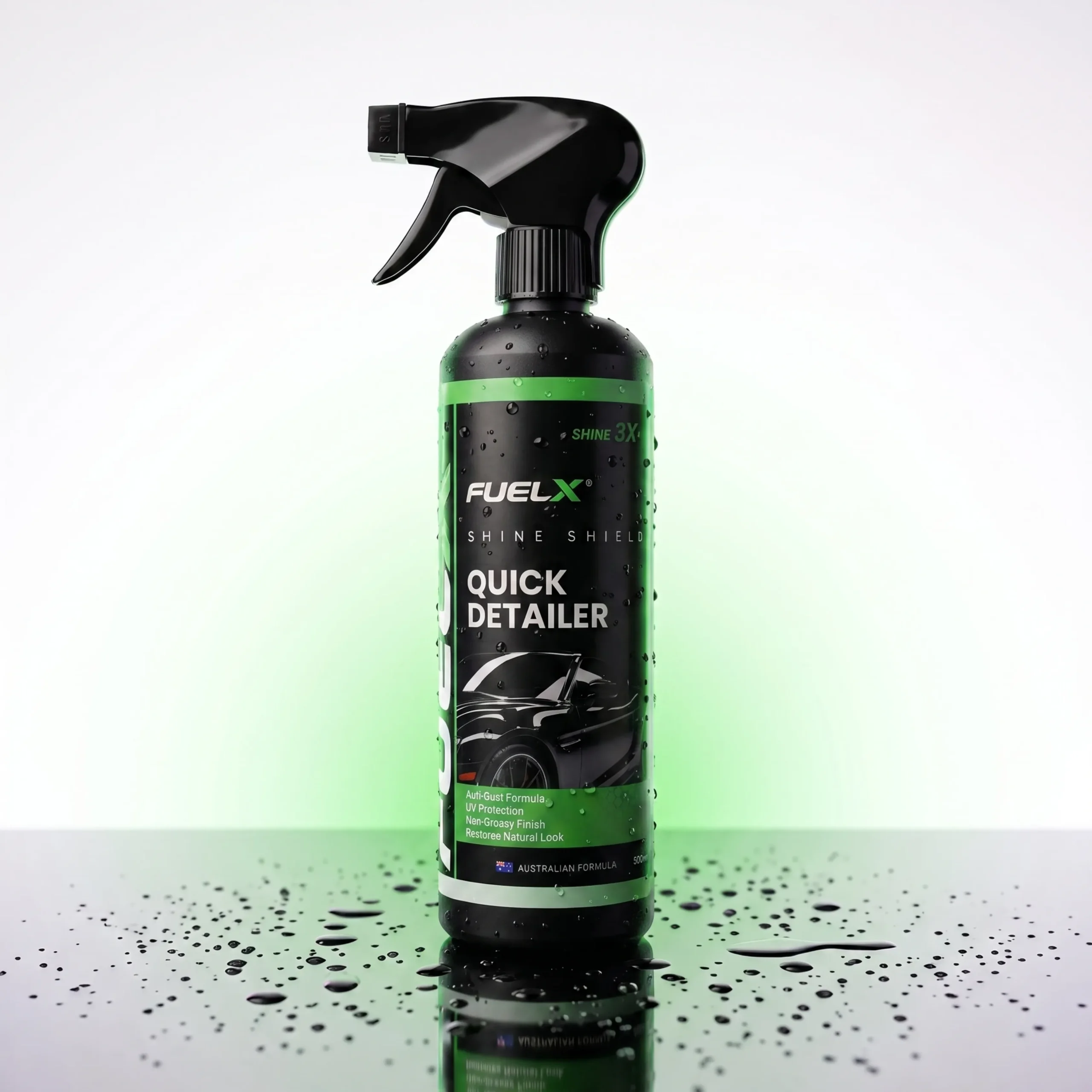
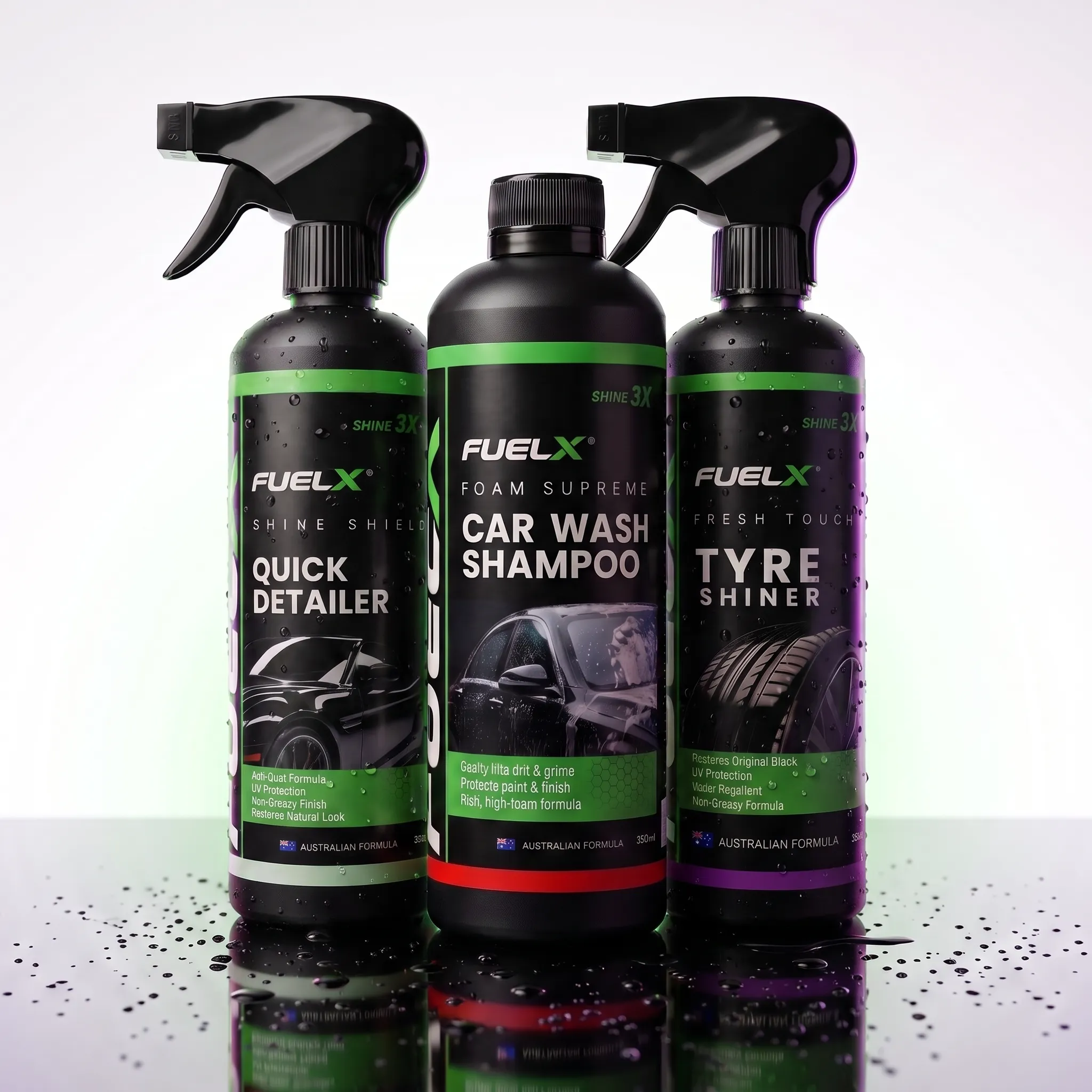
Quick detailer or additional detailing products
The advantage of buying a ready-made kit is convenience. Instead of researching every product separately, you get several complementary items designed to work as part of a broader car-care routine.
Best Car Cleaning Kit for Beginners in Pakistan
There is no single kit that is automatically the best for every driver.
A person who washes a Suzuki Alto once every two weeks has different needs from someone who owns a larger vehicle, drives every day and wants to maintain a showroom-style appearance.
When comparing a kit, ask:
What surfaces does it cover?
How frequently will I use each product?
Are the products beginner-friendly?
Do I already own some of the included items?
Is buying the kit more convenient than purchasing everything individually?
FuelX Starter Wash Kit
The FuelX Starter Wash Kit is a suitable starting point for someone who is new to DIY car care and wants to establish a basic washing routine.
The main advantage of a starter kit is simplicity. Instead of spending time deciding which individual products to buy first, a beginner can start with a group of products intended for fundamental car-care tasks.
This makes a starter kit particularly useful for someone who has recently purchased a vehicle and wants to begin maintaining it at home.
FuelX Exterior Shine Kit
If your main objective is improving and maintaining the appearance of the exterior, the FuelX Exterior Shine Kit is a more focused option.
It can make sense for someone who already has basic interior-cleaning supplies but wants to concentrate on the vehicle’s exterior.
This is especially useful for drivers who frequently notice dust, dull-looking tyres, dirty glass or general loss of exterior freshness.
FuelX Premium Detailer Kit
For a beginner who wants to move beyond basic washing and develop a more complete DIY detailing routine, the FuelX Premium Detailer Kit provides a broader approach.
It is more appropriate when your goal isn’t simply:
“I want to wash my car.”
but rather:
“I want to learn how to properly maintain the appearance of my car.”
The important point is that the best kit depends on your needs, not simply the number of products included.
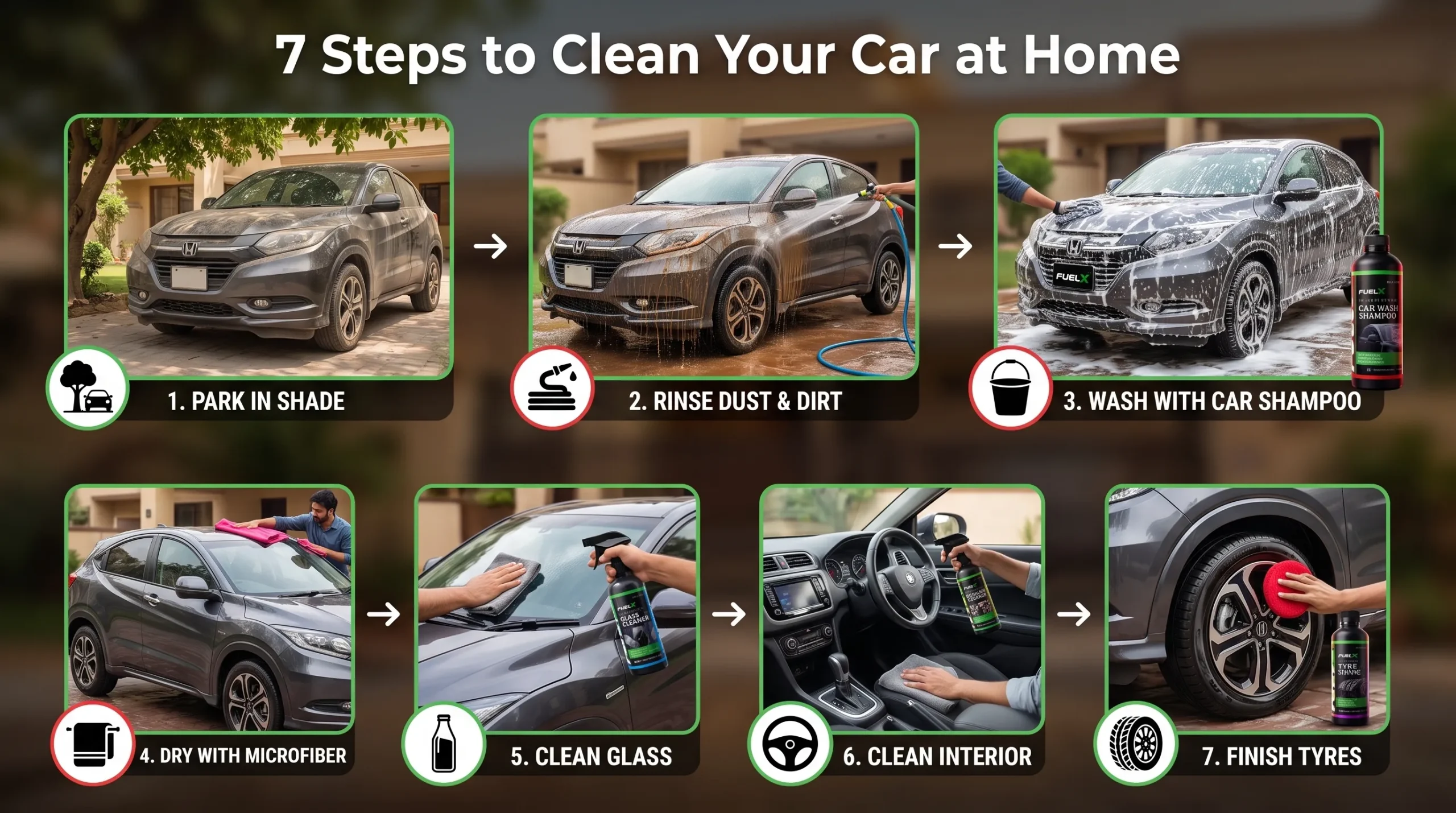
How to Clean Your Car at Home: Beginner’s Step-by-Step Routine
Once you have the right products, the cleaning process is relatively straightforward.
Step 1: Park in the Shade
Avoid washing your vehicle under strong direct sunlight whenever possible.
This is particularly important in Pakistan’s summer months.
If the vehicle’s surface is very hot, water and cleaning products can evaporate quickly. For example, a few minutes of direct exposure during a hot afternoon can be enough for water droplets to begin drying on the surface before you have finished washing.
Early morning, late afternoon or a shaded area is generally more comfortable for DIY car washing.
Step 2: Remove Loose Dust and Dirt
Don’t immediately wipe a dusty vehicle with a dry cloth.
If the surface contains loose sand or road dust, rubbing it directly against the paint can increase the chance of creating fine surface marks.
Instead, start by rinsing the vehicle and loosening the contamination.
Pay particular attention to:
Lower doors
Wheel arches
Rear bumper
Side skirts
Areas behind the wheels
These areas often collect more road grime.
Step 3: Wash With Car Shampoo
Prepare your car shampoo according to the manufacturer’s recommended dilution.
Work systematically across the vehicle instead of randomly moving from panel to panel.
A useful beginner principle is:
Clean from top to bottom.
The roof and upper panels generally have less heavy contamination than the lower sections, while areas near the wheels and lower doors tend to be dirtier.
Rinse thoroughly after washing.
Step 4: Dry the Car
After rinsing, dry the vehicle using a clean microfiber towel.
Why not simply let it air dry?
Because water contains dissolved minerals. When droplets evaporate, those minerals can remain behind as visible spots.
This can be particularly noticeable when washing a vehicle in areas with hard water.
Drying promptly reduces the amount of water left sitting on the surface.
Don’t forget the inside of the windshield. Interior glass can develop an oily film from cabin air, dashboard materials and general use.
A clean windshield should be considered part of safe driving maintenance—not just cosmetic detailing.
Step 6: Clean the Interior
Start by removing rubbish and loose objects.
Then dust the dashboard, console and door panels.
Apply your interior cleaner to appropriate surfaces and wipe with a clean microfiber towel.
A weekly 10–15 minute interior cleaning session can prevent dirt from accumulating to the point where a much longer deep-cleaning session becomes necessary.
Step 7: Finish the Tyres
After cleaning the tyres, apply your tyre-care product according to the manufacturer’s instructions.
Use an applicator pad where appropriate to spread the product evenly.
Give the tyres a final visual inspection before driving.
Common Car Cleaning Mistakes Beginners Should Avoid
Washing in Direct Sunlight
Hot surfaces can cause water and products to dry too quickly.
Better approach: Wash in shade or during cooler parts of the day.
Using Dishwashing Liquid
Household detergents are not designed specifically for automotive washing.
Better approach: Use a dedicated car shampoo.
Wiping Dry Dust From Paint
A dusty vehicle should not be aggressively wiped with a dry cloth.
Better approach: Rinse and wash the surface first.
Using One Towel Everywhere
A towel used on tyres or wheels can carry significant grime.
Better approach: Separate towels by task.
Using Too Much Product
More product does not necessarily mean better cleaning.
Better approach: Follow the manufacturer’s recommended quantity.
Ignoring the Glass
A clean body with dirty glass still leaves the car looking and feeling poorly maintained.
Better approach: Include glass cleaning in every regular maintenance routine.
Cleaning Only Before Special Occasions
Waiting until Eid, a wedding or a road trip before cleaning your car means contamination can accumulate for weeks.
Better approach: Use short, regular cleaning sessions.
How Often Should You Clean Your Car in Pakistan?
Cleaning frequency depends heavily on where and how you drive.
A vehicle used every day in a dusty city may need more frequent washing than one used only on weekends.
A practical starting schedule is:
Task
Suggested Frequency
Exterior wash
Every 1–2 weeks
Glass cleaning
Weekly or as needed
Interior dusting
Weekly
Interior deeper cleaning
Every 3–4 weeks
Tyre cleaning
With regular washes
Quick detailing
As needed
Comprehensive detailing
Every few months
During monsoon season, you may need to adjust this routine.
For example, if your vehicle gets covered in mud after several rainy drives, waiting another two weeks may not be practical. Likewise, a car parked outdoors near a dusty road may require more frequent cleaning.
Think of these intervals as starting points, not strict rules.
Car Cleaning Kit vs Buying Products Individually
Both options can work.
Buying Individually
Advantages:
You choose exactly what you need
You can test products one at a time
You can gradually build your collection
Disadvantages:
More research
More decisions
Individual purchases may become expensive
Beginners may accidentally buy overlapping products
Buying a Kit
Advantages:
Convenient
Easier for beginners
Several complementary products together
Can simplify your car-care routine
Disadvantages:
You may receive a product you don’t immediately need
For someone starting from zero, a well-designed kit can therefore be a practical option.
How Much Should a Beginner Spend on a Car Cleaning Kit in Pakistan?
There is no universal budget because car-care requirements vary.
A basic beginner can focus on the essentials. Someone wanting a more complete exterior-and-interior routine will naturally spend more.
FuelX’s current range provides different individual products and bundles at different price points. For example, individual products such as car wash shampoo, glass cleaner and tyre shiner allow beginners to build a collection gradually, while bundled kits provide a more convenient starting point.
The better question isn’t:
“Which kit has the lowest price?”
Instead ask:
“Which kit gives me the products I will actually use?”
A Rs. 1,500 kit containing four useful products may provide more practical value than a Rs. 2,500 kit containing several products you rarely use.
Final Thoughts
You don’t need a professional detailing setup to keep your car clean.
For most beginners, a practical starting point is car wash shampoo, microfiber towels, glass cleaner and an interior cleaner. Once you are comfortable with the basics, you can add tyre-care products, applicator pads, quick detailers and other detailing products.
For Pakistani drivers, consistent maintenance is especially useful because vehicles regularly encounter dust, heat, traffic pollution, road grime and seasonal rain. A simple 30–60 minute cleaning routine every week or two can be much easier to maintain than allowing dirt to accumulate for months.
If you want a convenient starting point, FuelX offers different car-care kits for different needs—from basic washing to exterior care and more comprehensive detailing.
Ultimately, the best car cleaning kit for a beginner isn’t the one with the most bottles.
It’s the one that gives you the right products, makes the process easy to understand and helps you maintain your car consistently.
FAQ’s
What is the best car cleaning kit for beginners in Pakistan?
The best kit is one that covers your regular cleaning requirements and is easy to use. For someone starting from scratch, a starter wash kit is generally more practical than immediately buying a professional detailing collection.
What products do I need to clean my car at home?
Start with car wash shampoo, microfiber towels, glass cleaner and an interior cleaner. Tyre shiner and applicator pads can be added for more complete maintenance.
Can I wash my car with dishwashing liquid?
It is better to use a dedicated car wash shampoo designed for automotive cleaning. Household dishwashing products are not the ideal choice for routine vehicle washing.
How often should I wash my car in Pakistan?
Every one to two weeks is a reasonable starting point for many regularly driven vehicles. Cars exposed to heavy dust, mud or frequent rain may need more frequent washing.
Do I need separate cleaners for the interior and exterior?
Generally, yes. Different automotive surfaces have different requirements, so products intended for their specific applications are preferable.
Is a car cleaning kit worth buying?
Yes, particularly for beginners who don’t already own car-care products. A kit can reduce research time and provide several complementary products together.
What should I use to clean my car windows?
Use a dedicated automotive glass cleaner with a clean microfiber towel. Clean both the exterior and interior sides of the windshield when necessary.