Washing your car at home is something most people in Pakistan do regularly — dusty summers and rainy spells make it almost unavoidable. And when it’s time to wash, a lot of people just grab the dish soap sitting by the kitchen sink. It foams well, shifts dirt fast and the car looks decent after.
Here’s the thing though. Dish soap was never made for car paint. It was made for greasy dishes.
Car paint isn’t just one layer of color. Underneath that shine there’s a clear coat, wax, sealants and sometimes a ceramic coating on top of all that. Harsh cleaning products eat through those layers slowly and once they’re gone, the paint is sitting exposed to UV rays, dust and pollution with nothing protecting it.
This is exactly why detailers and car care professionals keep saying the same thing — use proper car shampoo, not kitchen detergent.
If you care about keeping your car looking good in Pakistan’s weather, knowing why these two products are different is worth a few minutes of your time.
What Is the Difference Between Car Shampoo and Dish Soap?
Both foam up. Both clean. But that’s about where the similarity ends — they’re built for very different jobs.
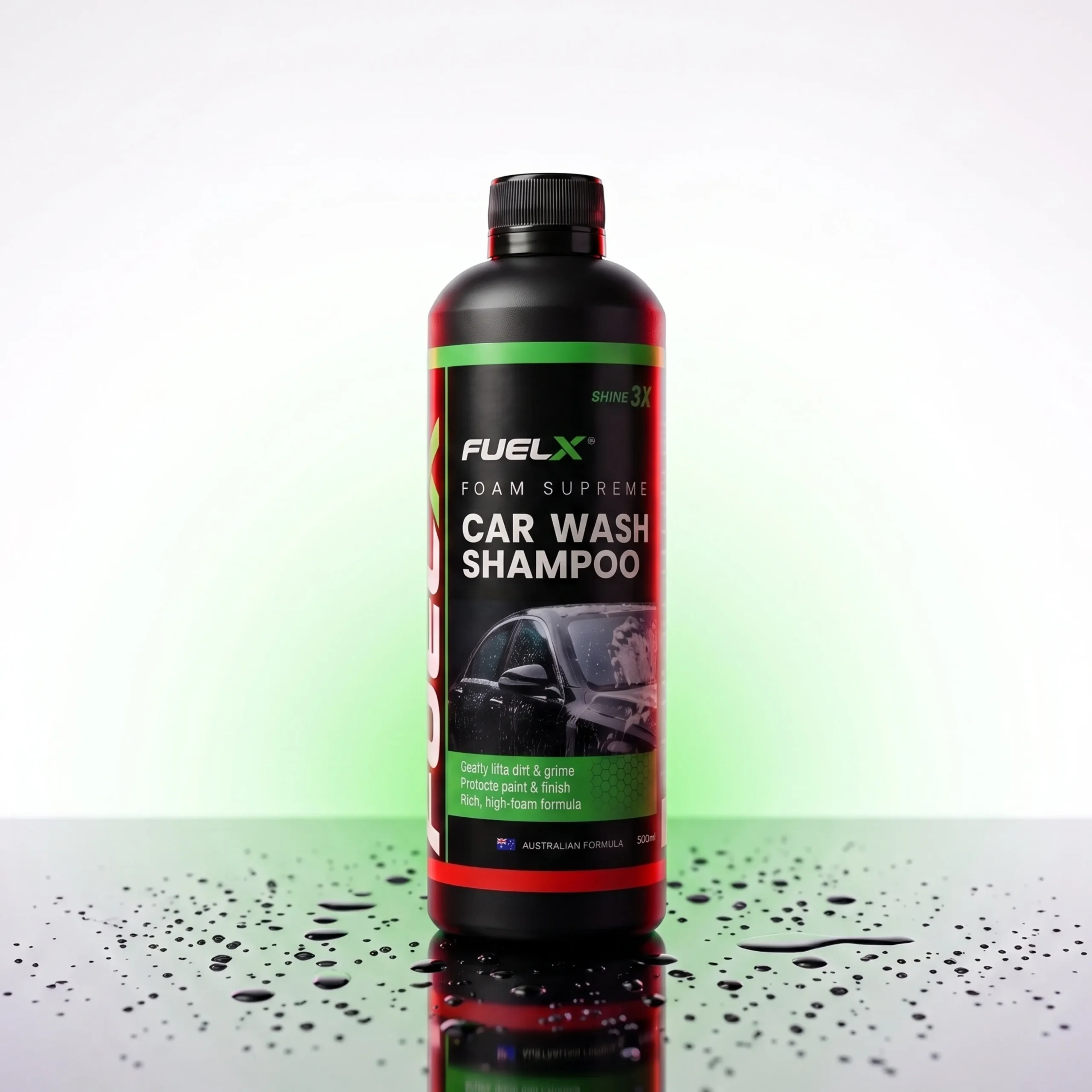
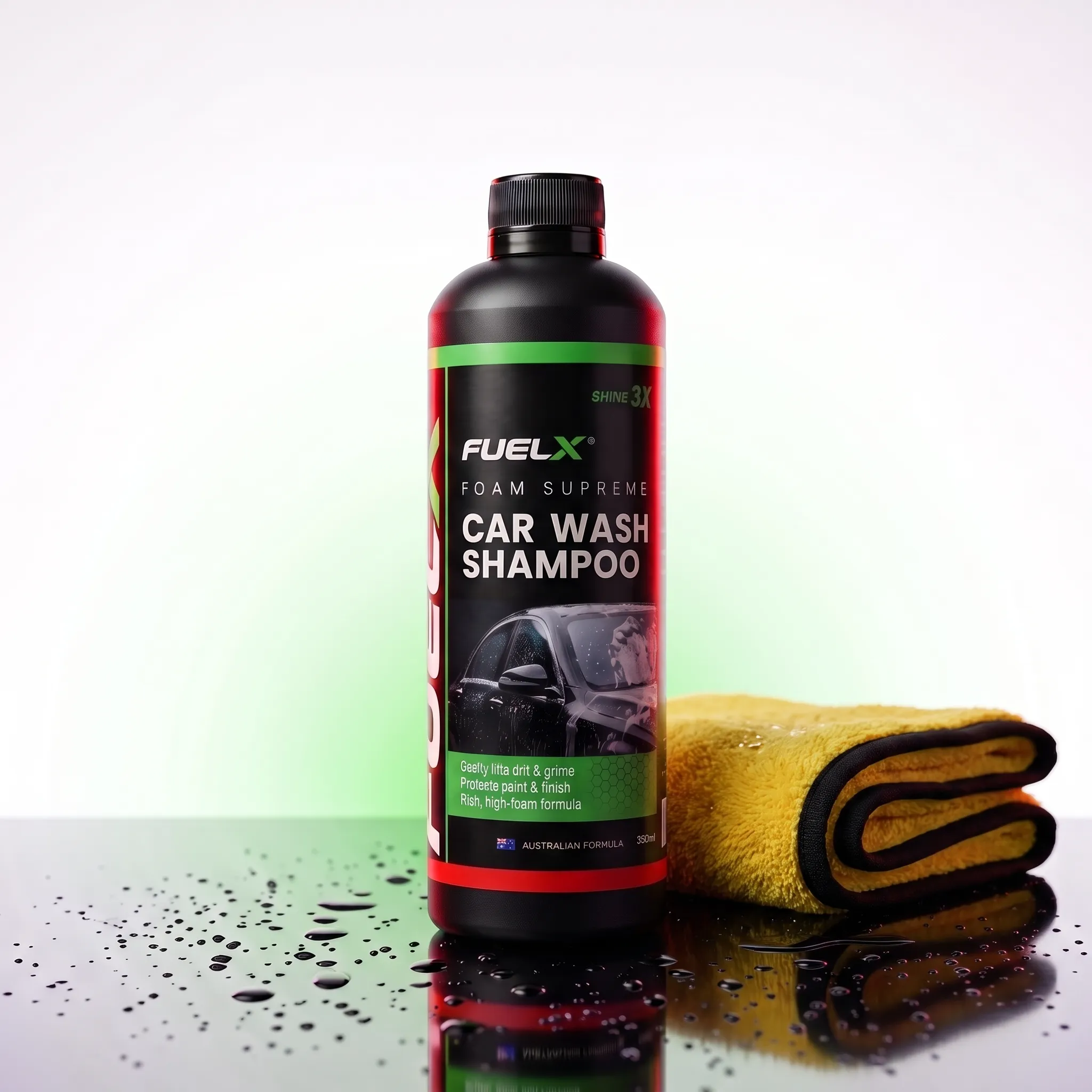
What Is Car Shampoo?
Car shampoo is made specifically for automotive paint. Its whole job is to lift:
Dust
Mud
Road grime
Bird droppings
Traffic pollution
off the surface without pulling away any of the protection underneath.
Most decent car shampoos are:
pH-balanced
Lubricated
Wax-safe
Safe for ceramic coatings
That lubrication part matters more than people realize. It helps dirt slide off the paint rather than dragging across it. Good shampoos also help maintain gloss and reduce swirl marks during the wash itself.
What Is Dish Soap?
Dish soap has one goal — breaking down:
Cooking oil
Grease
Fat residue
on kitchen utensils. To do that, it uses strong degreasers and surfactants that go after oily residues hard.
Works perfectly on dishes.
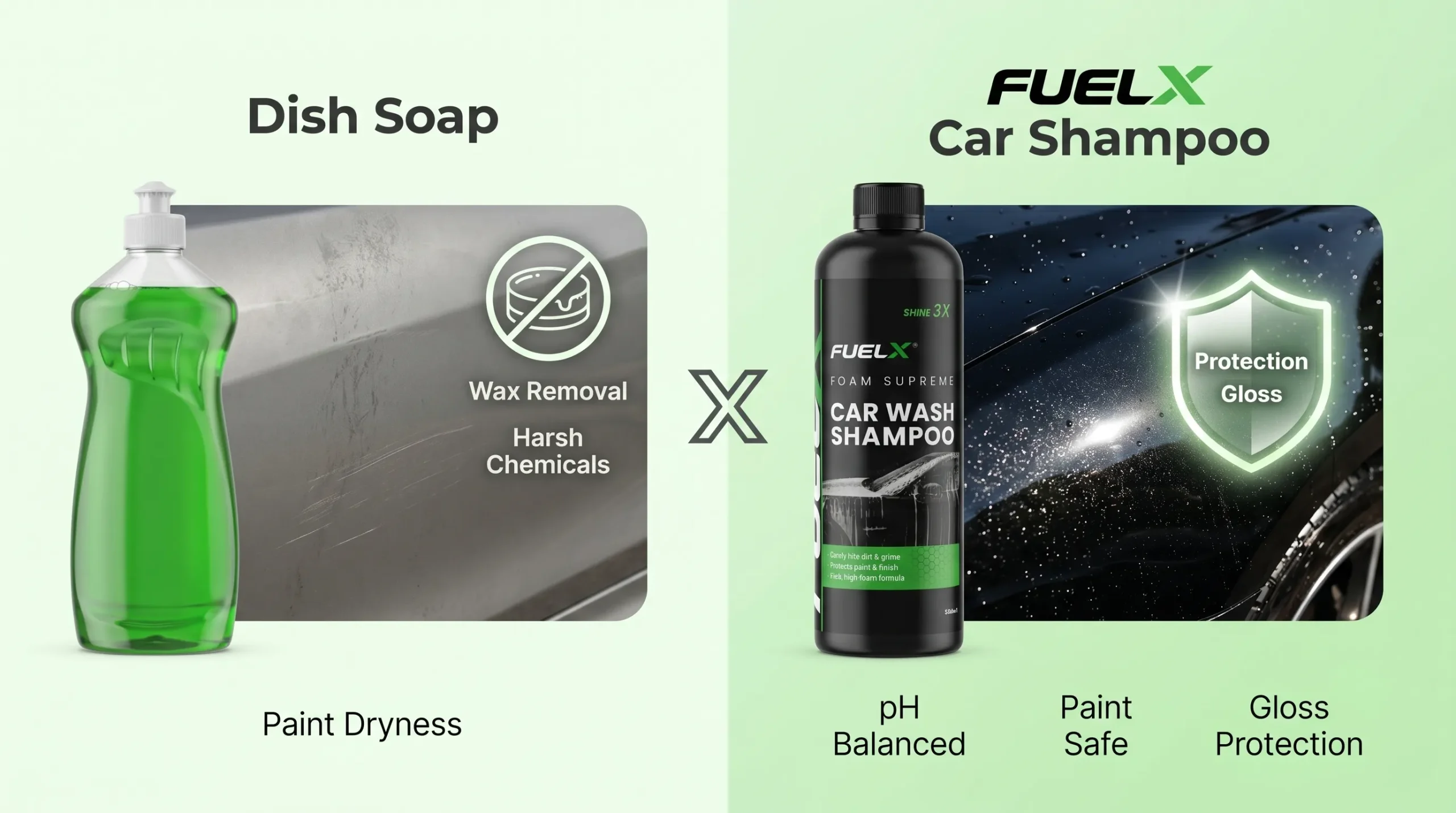
On a car, those same chemicals don’t know the difference between cooking grease and your car’s wax. They strip away:
Wax
Paint sealants
Protective oils
Gloss enhancers
Wash your car with dish soap enough times and the paint ends up completely bare.
Why Dish Soap Can Harm Your Car
Dish soap is cheap and convenient — nobody’s arguing that. But what it does to paint over time ends up costing far more than a bottle of car shampoo ever would.
1. Dish Soap Removes Wax Protection
Most cars have at least some wax on them, even if it’s just a basic layer from the factory or a previous wash.
That wax does a real job. It protects paint from:
UV rays
Water spots
Pollution
Bird droppings
Tree sap
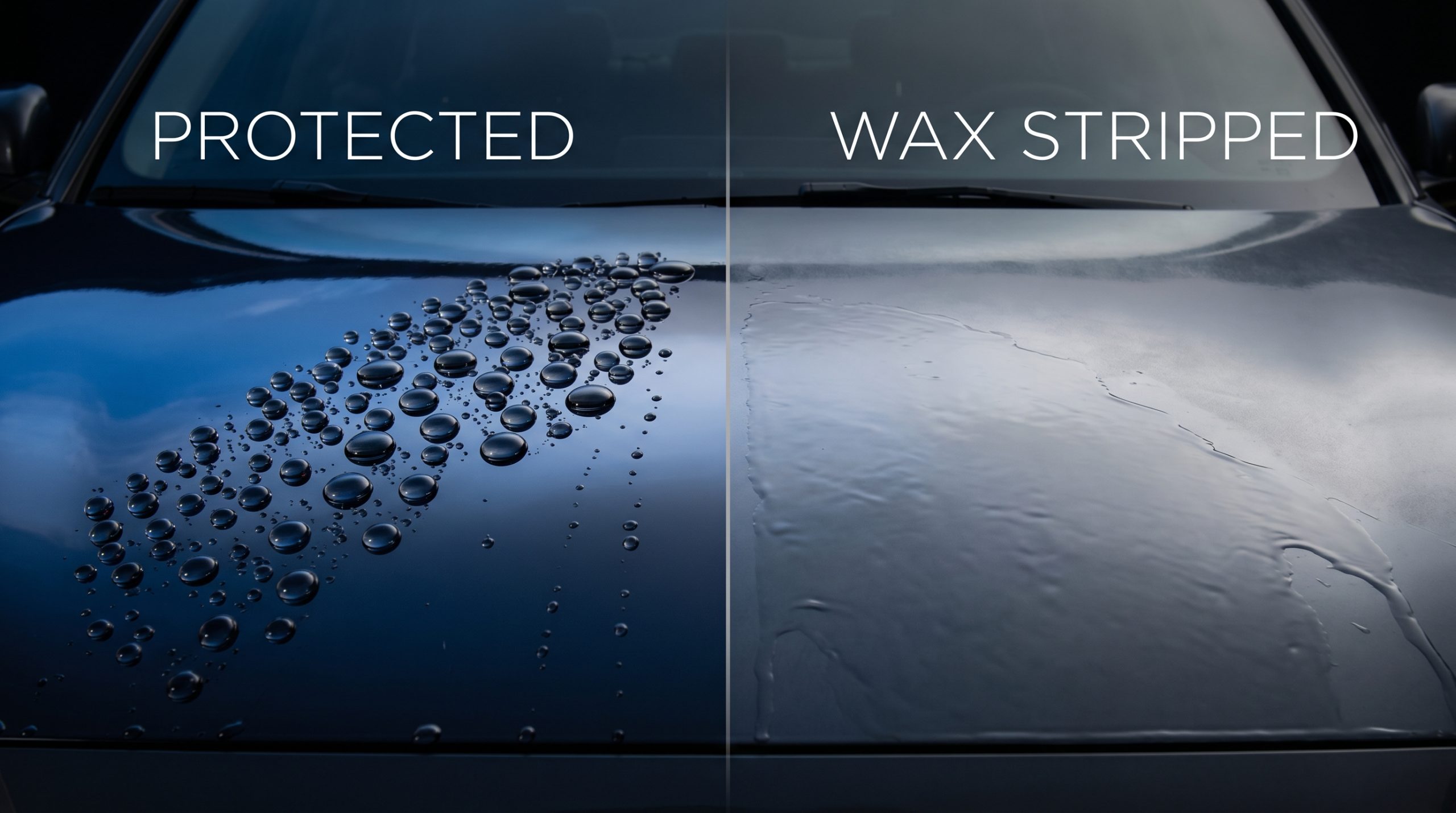
Dish soap cuts through oily and greasy layers and wax behaves just like those residues. So it goes. Pretty quickly too.
Mechanics who’ve seen enough cars will tell you the same thing — regular dish soap use leaves paint unprotected and open to damage.
Example
A properly waxed car may repel water for:
2 to 3 months with regular car shampoo
Only a few washes if cleaned repeatedly with dish soap
The difference is pretty stark.
2. Paint Can Become Dull Over Time
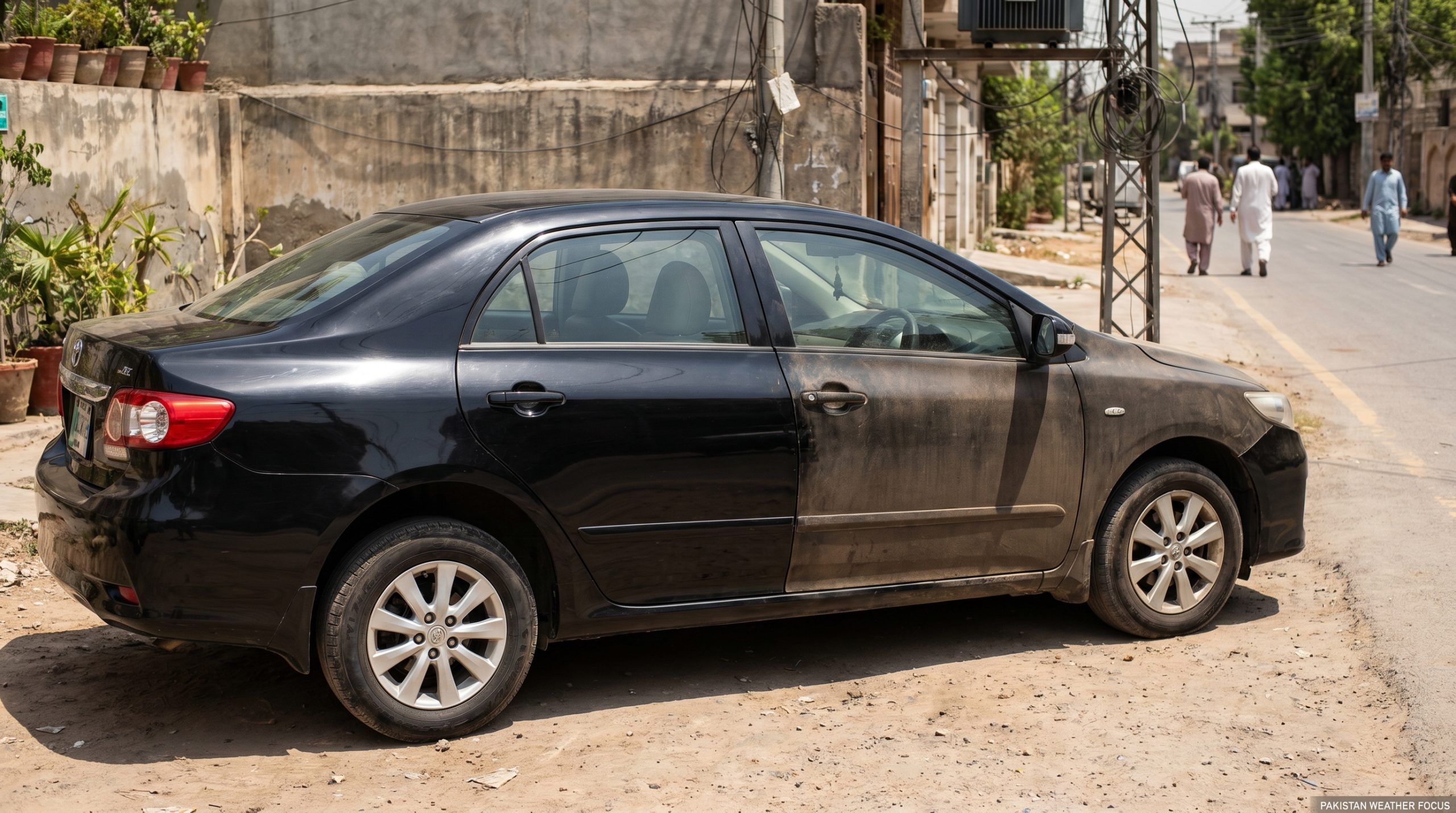
No wax means sunlight hits the clear coat directly. In Pakistan, where summer temperatures in most cities sit between 40°C and 45°C, that’s a serious problem.
UV exposure combined with dust and pollution gradually turns paint:
Dull
Faded
Rough
Dark cars — black, navy blue, graphite gray — show this the most. Swirl marks and dullness are hard to miss on dark paint under sunlight.
It’s one of the main reasons older cars washed with harsh detergents look so flat.
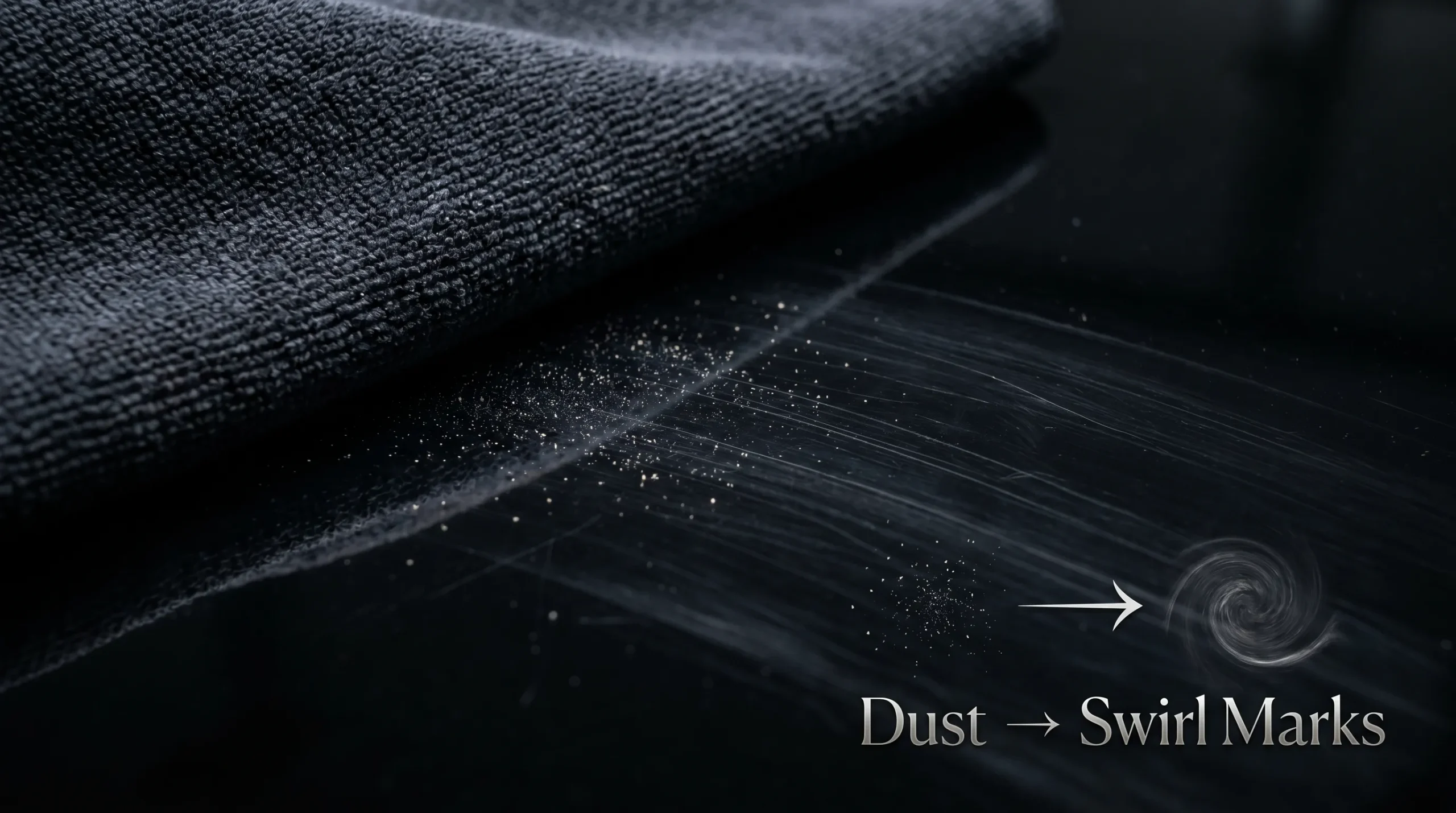
3. Higher Risk of Scratches and Swirl Marks
This is where car shampoo and dish soap really go in different directions.
Good automotive shampoos have lubricating agents that cushion the contact between:
The wash mitt
Dirt particles
The paint surface
Dish soap has none of that.
Without proper lubrication:
Dirt drags across the paint
Micro-scratches develop
Swirl marks appear
Those tiny scratches catch light in the worst way — visible under the sun and even under parking lights at night.
Ask any detailer what causes most of the paint defects they see on daily-driven cars. Improper washing comes up every time.
4. Dish Soap Can Damage Rubber and Plastic Trim
Cars have a lot of rubber and plastic on the outside:
Window seals
Side moldings
Windshield trim
Bumper plastics
Harsh detergents slowly dry these materials out. In Pakistan’s heat, that process happens faster — high temperatures already stress exterior trim and dish soap pushes it further toward:
Fading
Brittleness
Cracking
Trim and seal replacements aren’t cheap either.
5. Harmful for Ceramic Coatings and Sealants
More car owners are putting money into:
Ceramic coatings
Paint sealants
Paint protection film (PPF)
These are meant to last — months, sometimes years.
Dish soap cuts that lifespan down significantly.
A ceramic coating rated for 2 years can start losing its water-repelling ability much sooner if dish soap is part of every wash. Detailing professionals are pretty firm on this — pH-balanced shampoo only for coated cars.
Why Car Shampoo Is the Safer Choice
It costs a bit more than dish soap. But it protects the paint and keeps you out of the detailing shop for longer.
1. pH-Balanced Cleaning Formula
Most automotive shampoos are close to neutral on the pH scale.
Not too acidic. Not too alkaline. Just effective enough to clean without being aggressive about it.
That balance helps preserve:
Clear coat
Wax
Ceramic coating
Paint sealants
while still getting the dirt off properly.
2. Better Lubrication Reduces Scratches
Car shampoo creates a slippery surface to work on.
That slipperiness helps dirt move away from the paint rather than grinding into it — which matters a lot in Pakistan where cars collect:
Fine dust
Sand particles
Industrial pollution
Mud residue
on a daily basis.
The result:
Fewer swirl marks
Safer washing
Smoother paint finish
3. Maintains Shine and Gloss
A car washed regularly with proper shampoo holds onto:
Deeper color
Reflective shine
Smoother finish
That gloss lasts noticeably longer than it would with dish soap. And when it’s time to sell, paint condition is one of the first things a buyer looks at.
4. Safe for Plastic, Rubber and Chrome
Automotive shampoos are designed to work on all exterior surfaces:
Paint
Chrome
Plastic trim
Rubber seals
Alloy wheels
No drying out. No fading. Just a clean surface.
5. Designed for Real Automotive Conditions
Cars don’t get dirty like dishes do. The contamination is completely different — road film, brake dust, insect residue, traffic pollution, mud.
Car shampoo is built to handle exactly that, without touching the surfaces underneath.
Car Shampoo vs Dish Soap – Quick Comparison
Feature
Car Shampoo
Dish Soap
Designed for Automotive Paint
Yes
No
pH Balanced
Usually Yes
Usually No
Preserves Wax
Yes
No
Safe for Ceramic Coating
Yes
No
Reduces Swirl Marks
Yes
Limited
Safe for Rubber & Trim
Yes
Can Dry Them
Recommended for Weekly Washing
Yes
No
Long-Term Paint Safety
High
Low
Is It Ever Okay to Use Dish Soap on a Car?
Actually, yes — in one specific situation.
Before paint correction, polishing, fresh wax application, or ceramic coating installation, detailers sometimes use dish soap deliberately. The goal is to strip every last bit of old wax and contamination off the surface before starting fresh.
But that’s a one-time prep step. Not a weekly wash routine.
Using dish soap every weekend slowly kills paint protection and adds wear to exterior surfaces that adds up over time.
Best Way to Wash Your Car Safely at Home
Choosing the right shampoo is step one. How you use it matters just as much.
Step 1: Wash in Shade
Direct sunlight dries water and shampoo too fast, leaving:
Water spots
Soap stains
Uneven drying
Early morning or evening works much better in Pakistan.
Step 2: Rinse Loose Dirt First
Always rinse before a wash mitt touches the paint. This knocks off:
Loose dust
Mud
Sand particles
and takes a lot of the scratch risk away before you’ve even started.
Step 3: Use Proper Car Shampoo
Mix it according to the label. Keep these away from the car entirely:
Dish soap
Laundry detergent
Floor cleaner
Bleach-based cleaners
All too harsh for automotive paint.
Step 4: Use a Microfiber Wash Mitt
Old sponges and rough cloth scratch. Microfiber mitts trap dirt inside the fibers instead of dragging it across the surface.
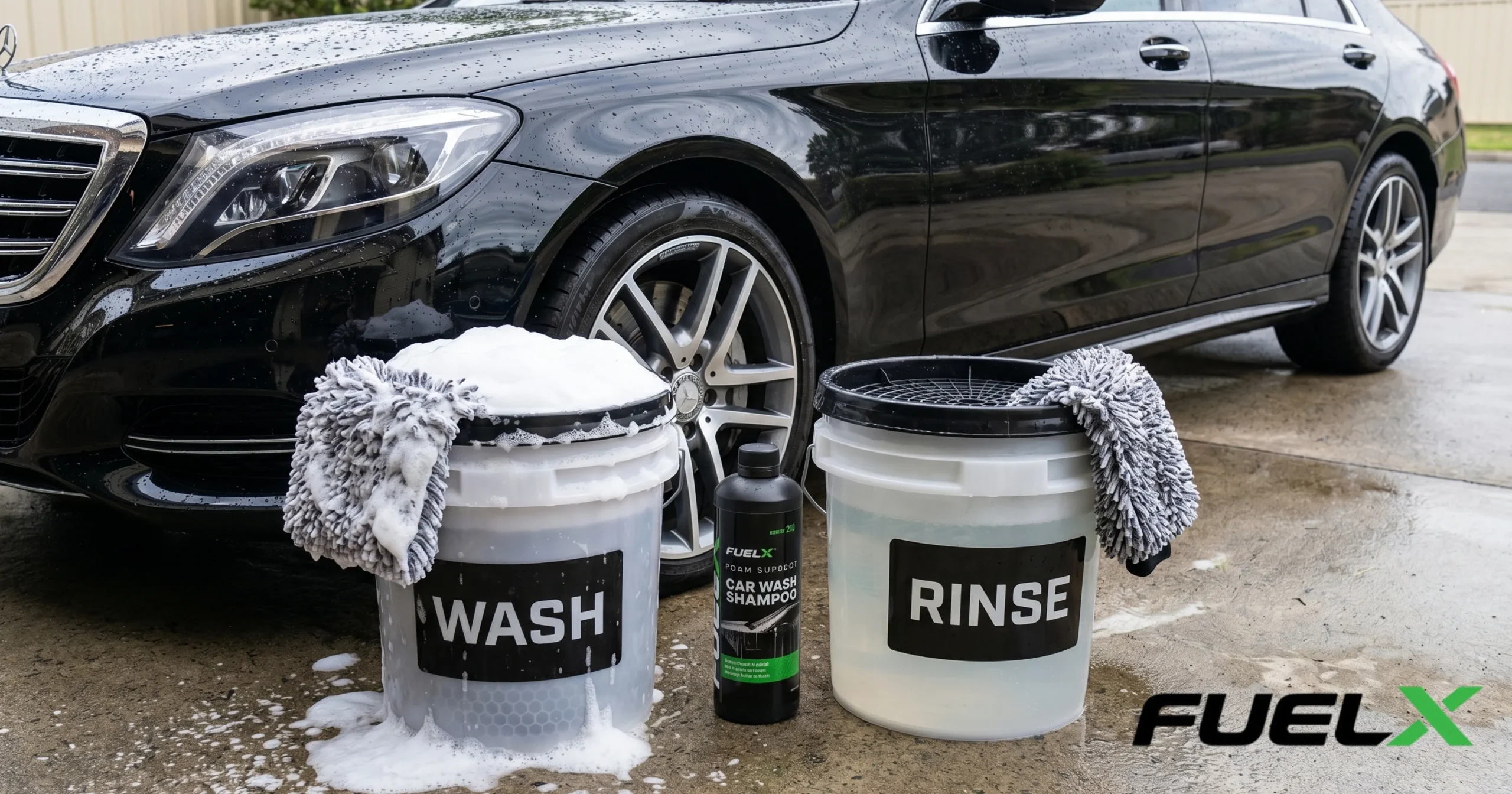
Step 5: Follow the Two-Bucket Method
Two buckets. Simple system. Big difference.
Bucket 1: Clean shampoo water
Bucket 2: Dirty rinse water
Rinse the mitt in bucket 2 before going back to the car. Keeps dirty water off the paint and cuts swirl marks down significantly.
Step 6: Dry the Car Properly
Don’t let it air dry. Tap water minerals leave spots — especially obvious on dark paint.
Most paint damage comes from washing habits, not bad paint quality. Watch out for:
Using dish soap regularly
Washing under direct sunlight
Using rough brushes
Reusing dirty towels
Skipping the rinse step
Washing with dusty sponges
Letting water dry naturally
Even a brand new car picks up visible swirl marks within months if it’s being washed the wrong way.
Conclusion
Dish soap is a quick, cheap option that a lot of people reach for without thinking twice. But it’s not made for car paint and using it regularly strips wax, dulls the finish, dries out trims and leaves swirl marks that are hard to get rid of.
Car shampoo is built for this exact job. It cleans without damaging, keeps the shine going longer and protects everything underneath.
Pakistan’s heat, dust and pollution are tough on cars already. A proper pH-balanced car shampoo is one of the simplest ways to stay ahead of that damage and keep your car looking the way it should.
FAQ’s
Can dish soap permanently damage car paint?
Not in one wash — but regular use strips wax and steadily increases the risk of dullness, oxidation and scratching over time.
How often should I wash my car in Pakistan?
Every 1 to 2 weeks is about right for most Pakistani cities, given the dust, pollution, bird droppings and heat.
What is pH-balanced car shampoo?
A shampoo that cleans without being too harsh on paint, wax, or ceramic coatings.
Can I use hair shampoo on my car?
It’s less aggressive than dish soap, but it’s still not made for automotive paint. Proper car shampoo is the safer option.
Does dish soap remove ceramic coating?
Regular use weakens ceramic coatings over time and reduces their water-repelling performance.