Most people never think twice about how they car wash. You grab whatever’s nearby, scrub it down, rinse it off. Job done. But that casual approach is quietly wrecking the paint on thousands of cars across Pakistan every single week.
The country doesn’t do your car any favors either. Between the:
Heavy dust
Intense summer heat
Polluted roads
Muddy rainwater
Hard water stains
…the paint is already fighting an uphill battle. Throw bad washing habits into the mix and you end up with:
Swirl marks
Micro-scratches
Faded paint
Dull finish
Clear coat damage
What’s frustrating is that almost all of it is avoidable. These aren’t freak accidents — they’re predictable results of specific habits that are easy enough to change.
Why Car Paint Gets Damaged So Easily
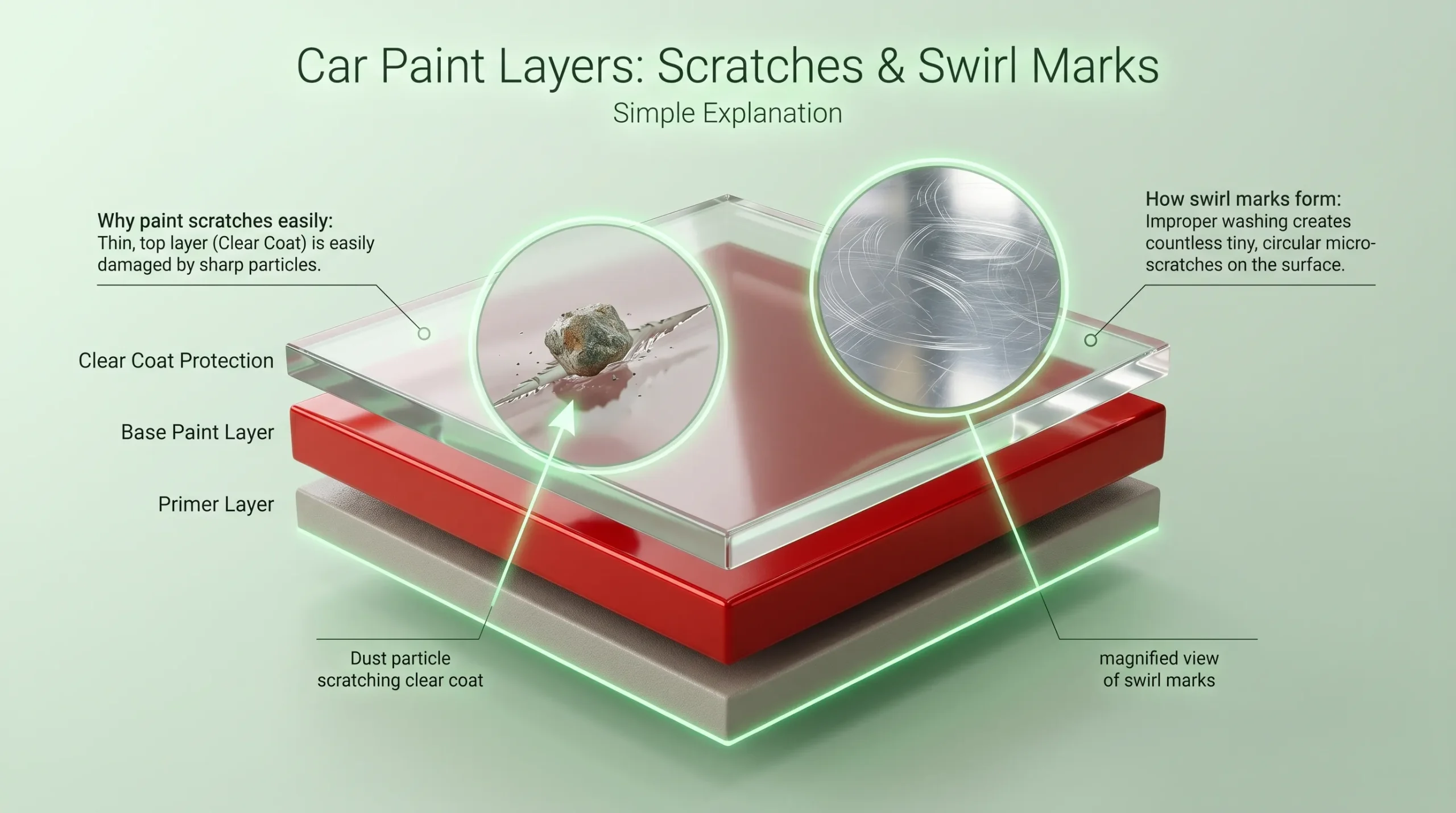
Every modern car has three paint layers stacked on top of each other:
Primer layer
Colored base coat
Transparent clear coat
That clear coat on top is doing all the real work. It’s what makes paint look glossy and it’s what stands between your car’s color and everything the environment throws at it.
The part that surprises most people — that layer is incredibly thin. Experts measure it at around 50–100 microns. To put that in perspective, a single human hair is thicker. So when dust or grit gets rubbed across that surface, even lightly, it leaves a mark.
That’s where swirl marks come from. They’re not deep gouges — they’re microscopic scratches that catch light at certain angles and show up as web-like patterns. And the main culprit isn’t road debris. It’s washing.
Living in Pakistan makes this worse:
Dust storms leave fine abrasive particles on every surface
Road sand sticks to bodywork and stays there
Cars bake under direct sun for hours at a stretch
Vehicles often go several days between washes while contamination builds up
So the technique you use matters — a lot more than most people realize.
Mistake #1 — Using Dish Soap or Laundry Detergent
This is probably the single most common mistake, and it’s happening in driveways all over Pakistan right now.
The go-to products are usually:
Dishwashing liquid
Washing powder
Kitchen cleaners
They foam up well, they’re always in the house, and they seem to get the job done. But foam has nothing to do with whether something is safe on paint.
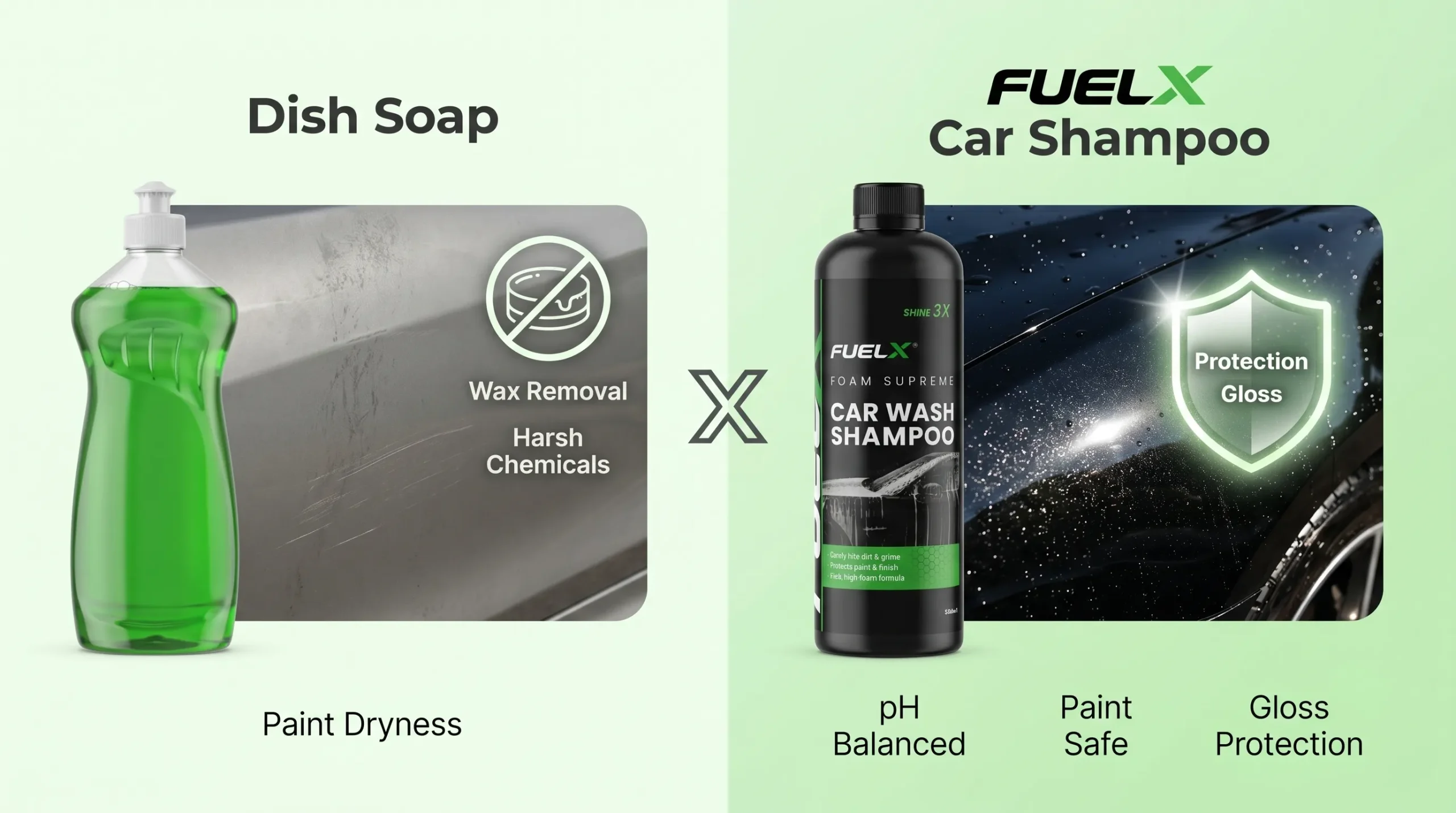
Dish soap was made for one job — cutting through cooking grease on dishes. It’s strong and it doesn’t hold back. On a car, that same strength tears through:
Protective wax
Sealants
Ceramic protection layers
Strip those away and the clear coat is left dealing with:
UV rays
Oxidation
Fading
Environmental contaminants
…on its own, with nothing in between.
Give it a few months of weekend dish soap washes and you’ll start noticing the color looking flatter, less rich than it used to. That’s not age — that’s damage.
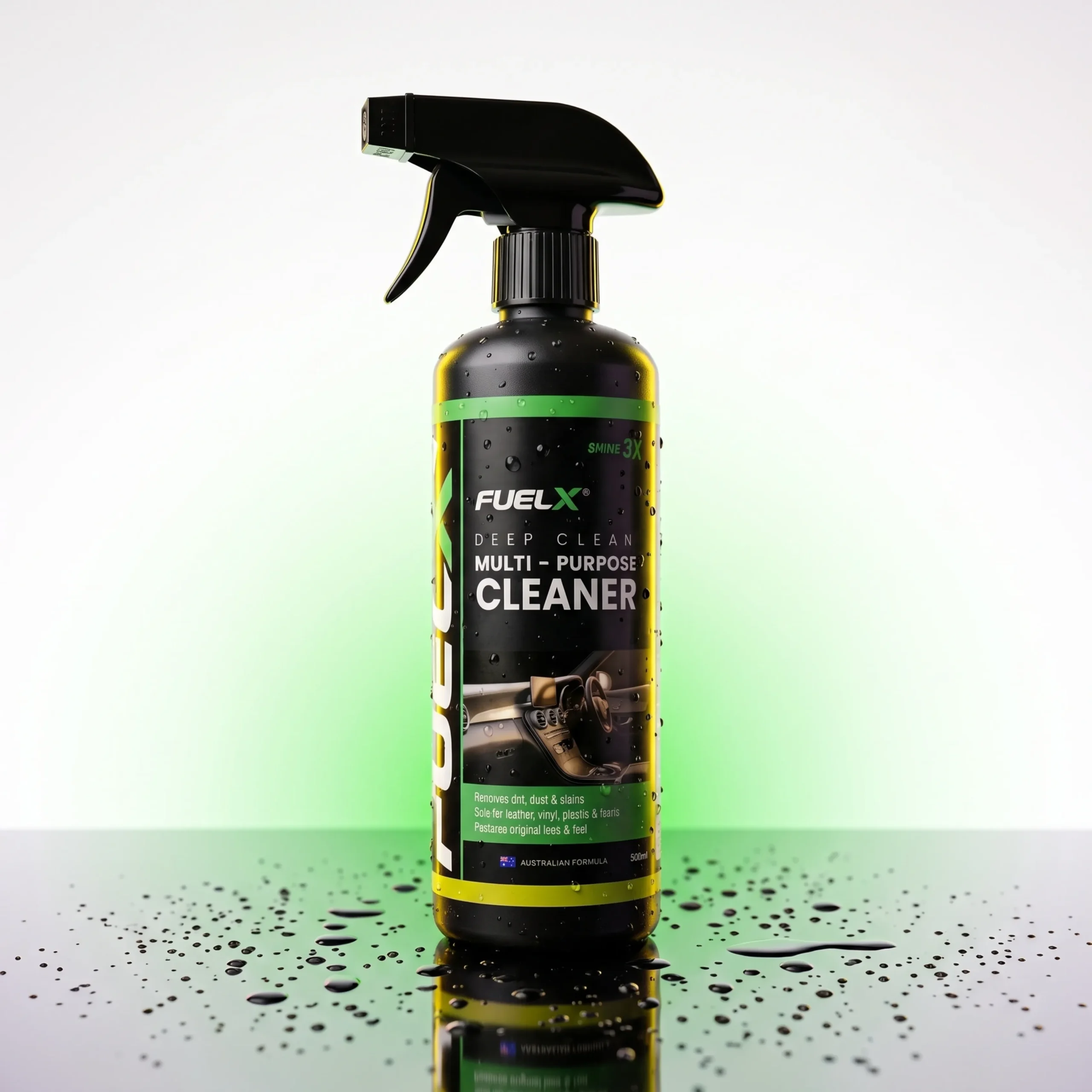
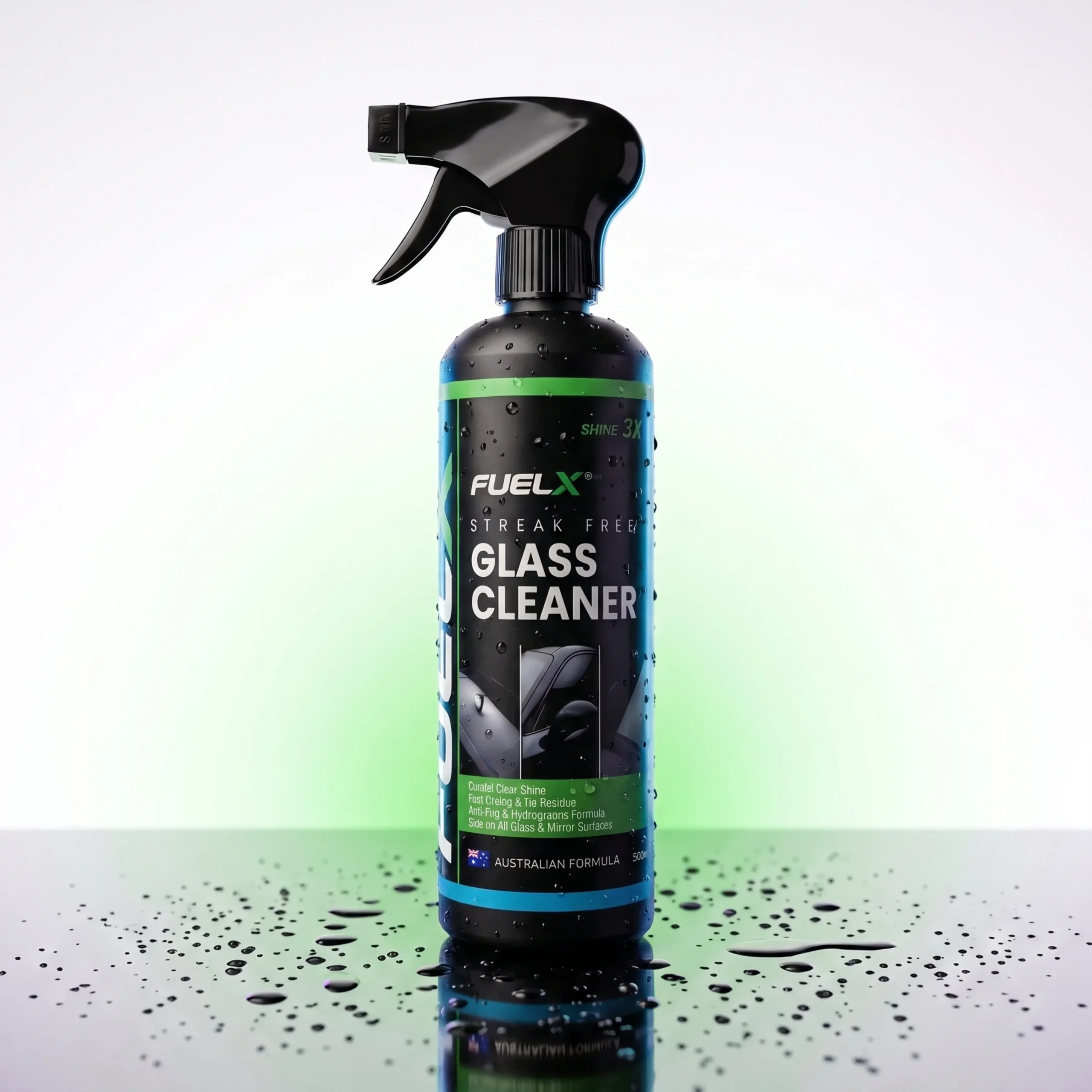
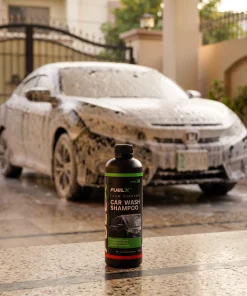
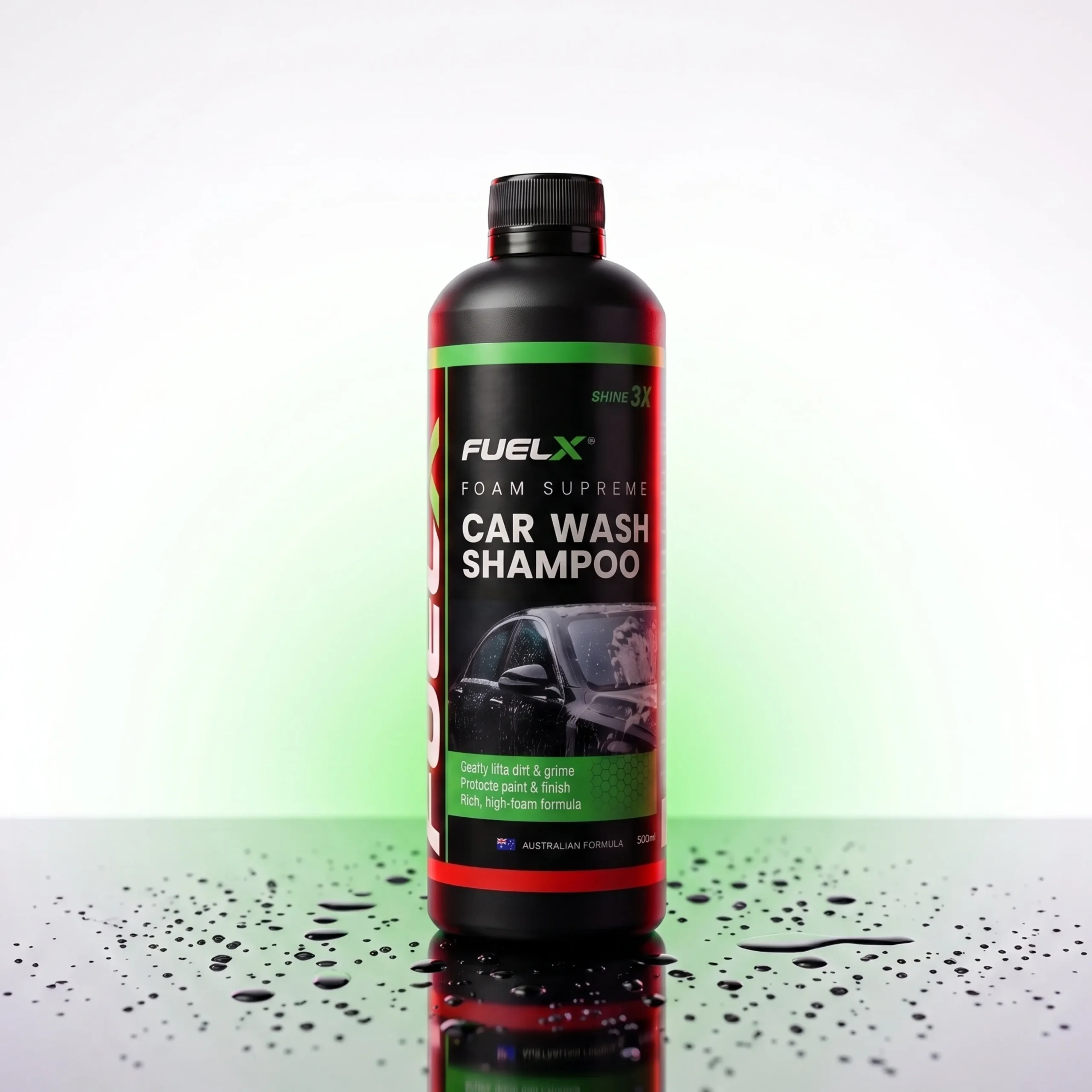
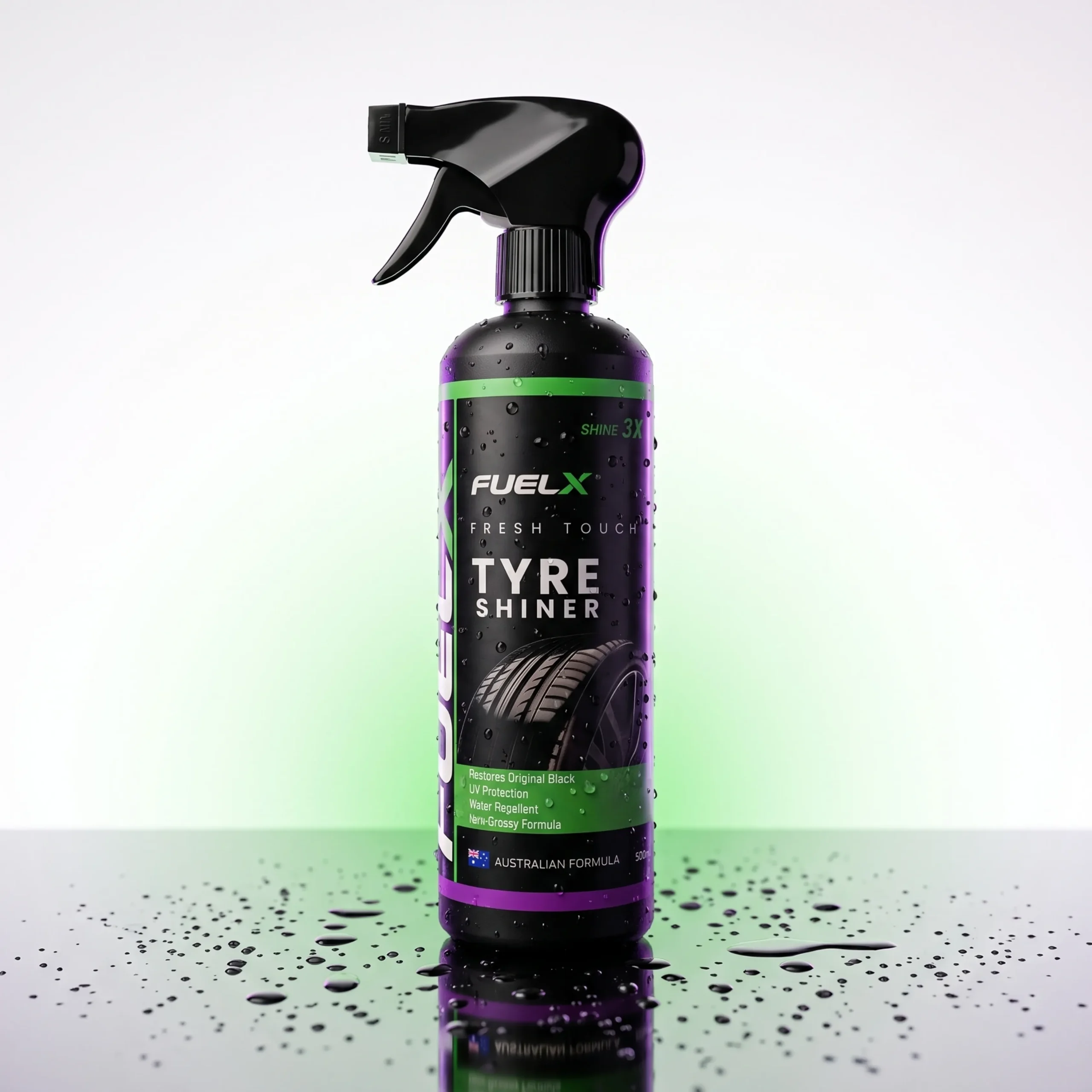
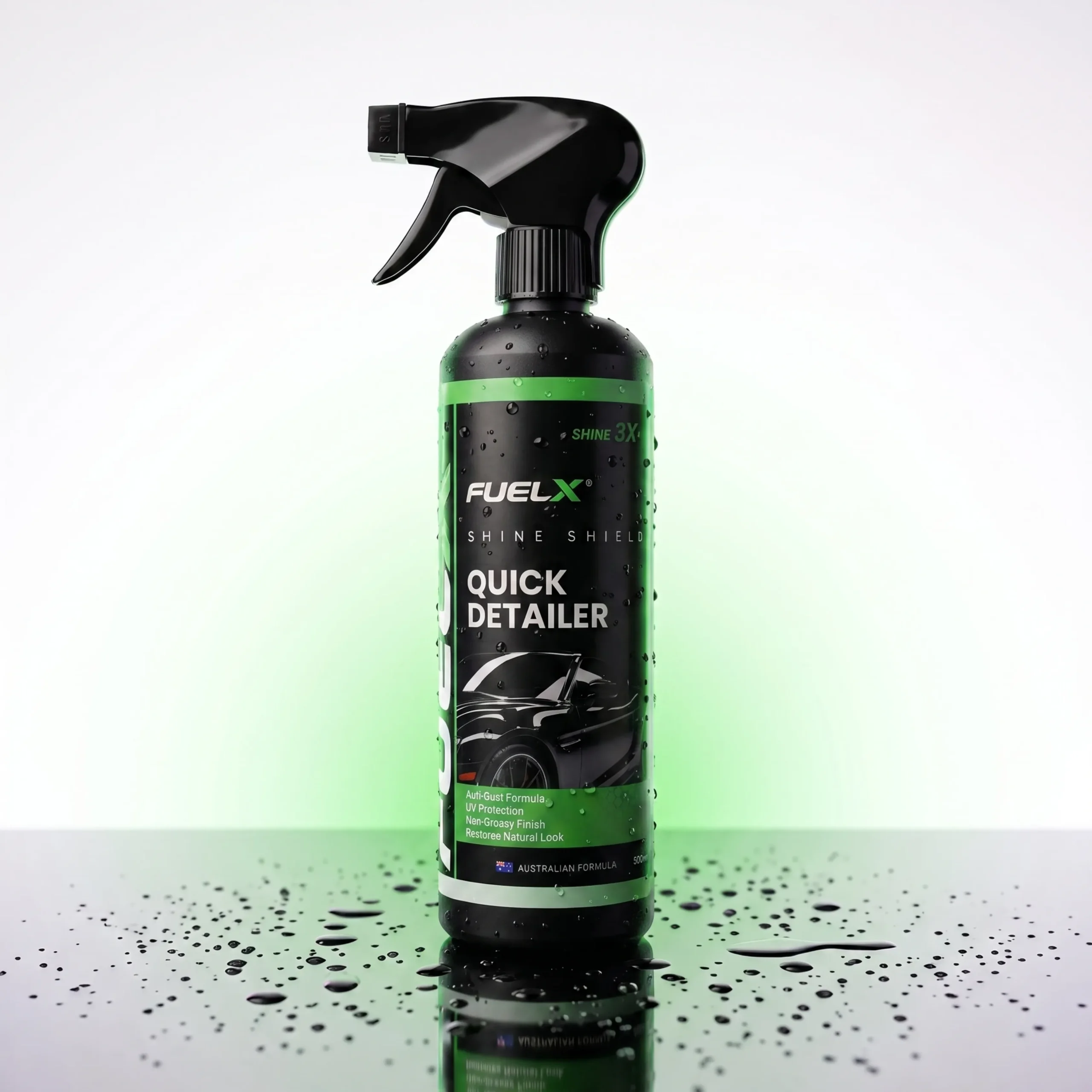
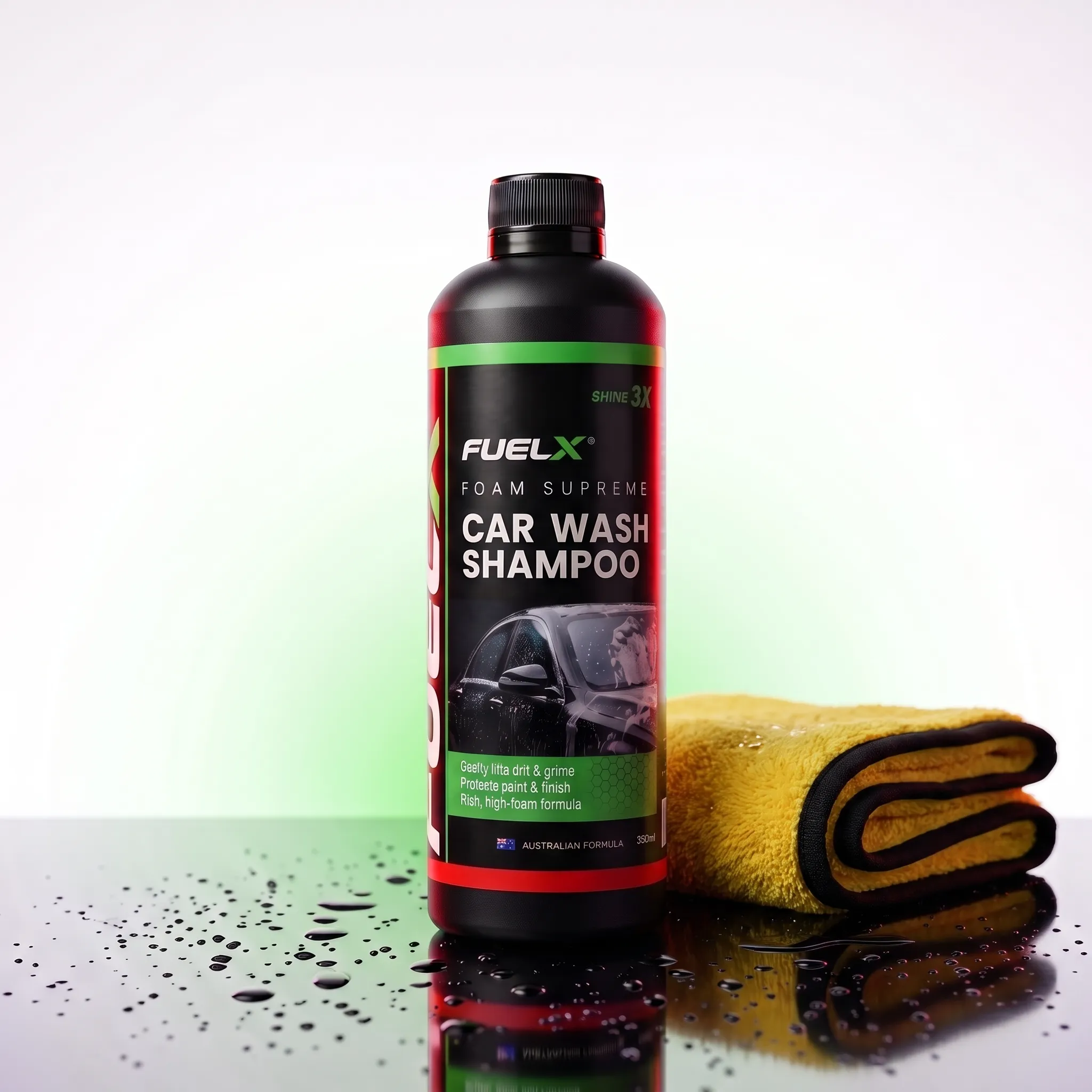
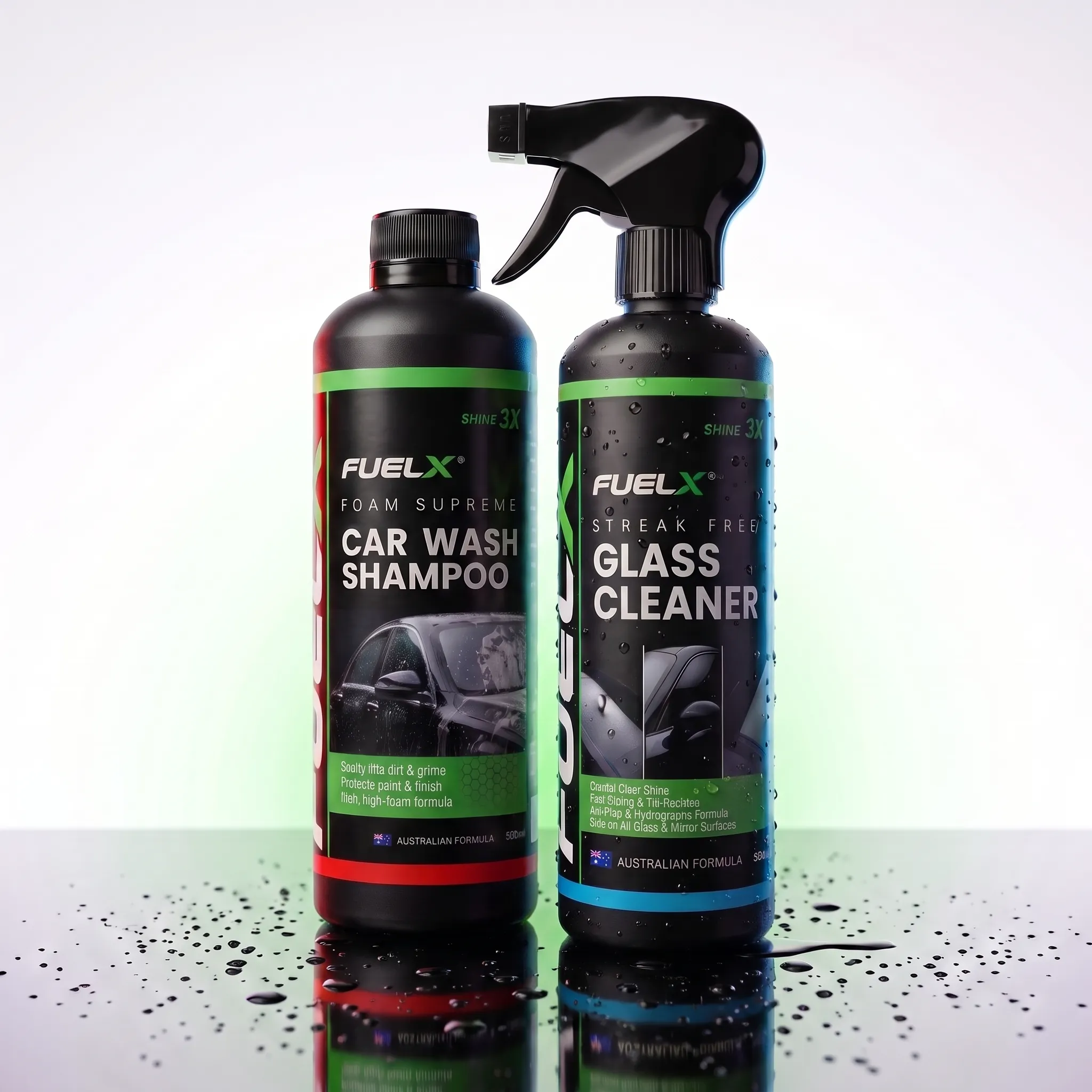
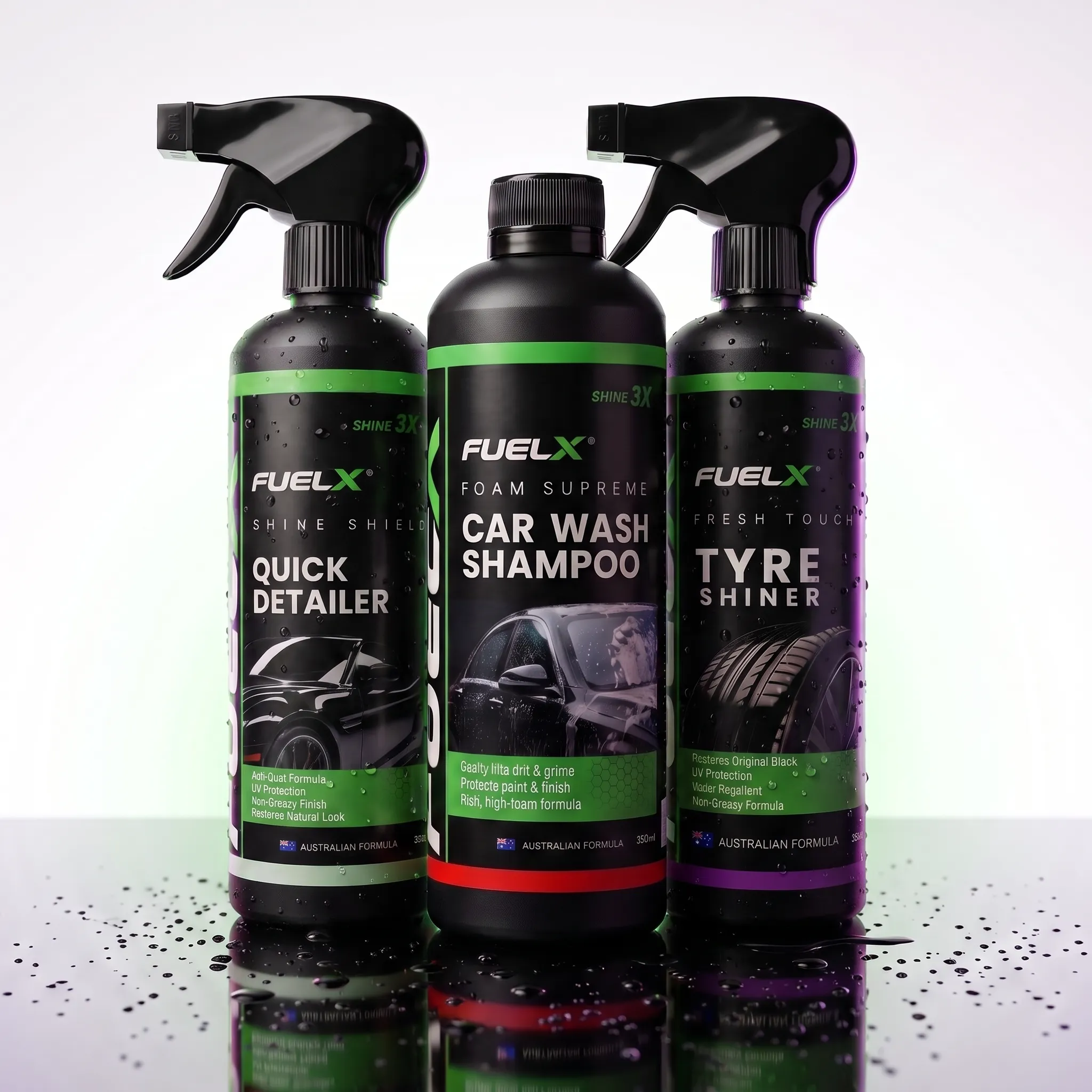
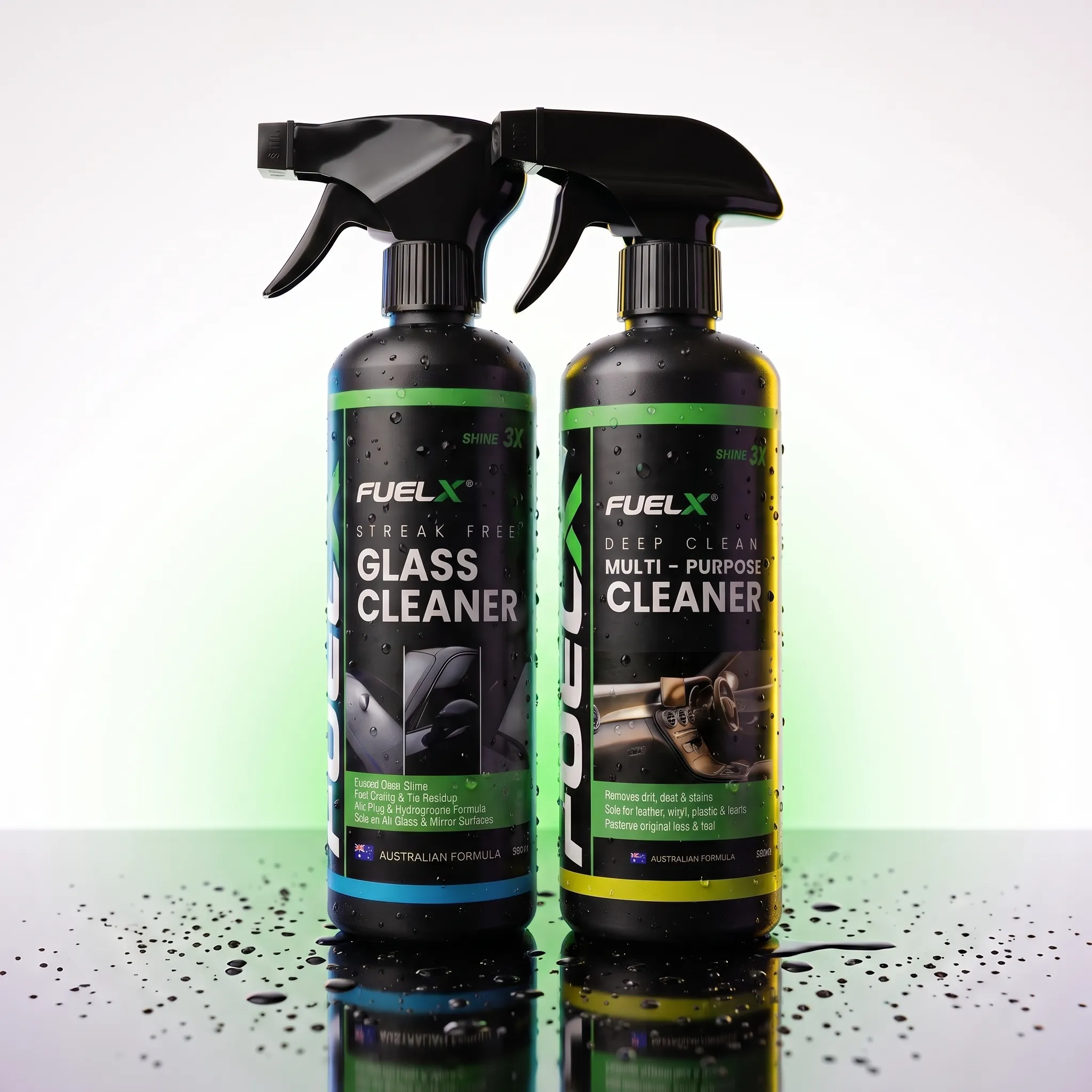
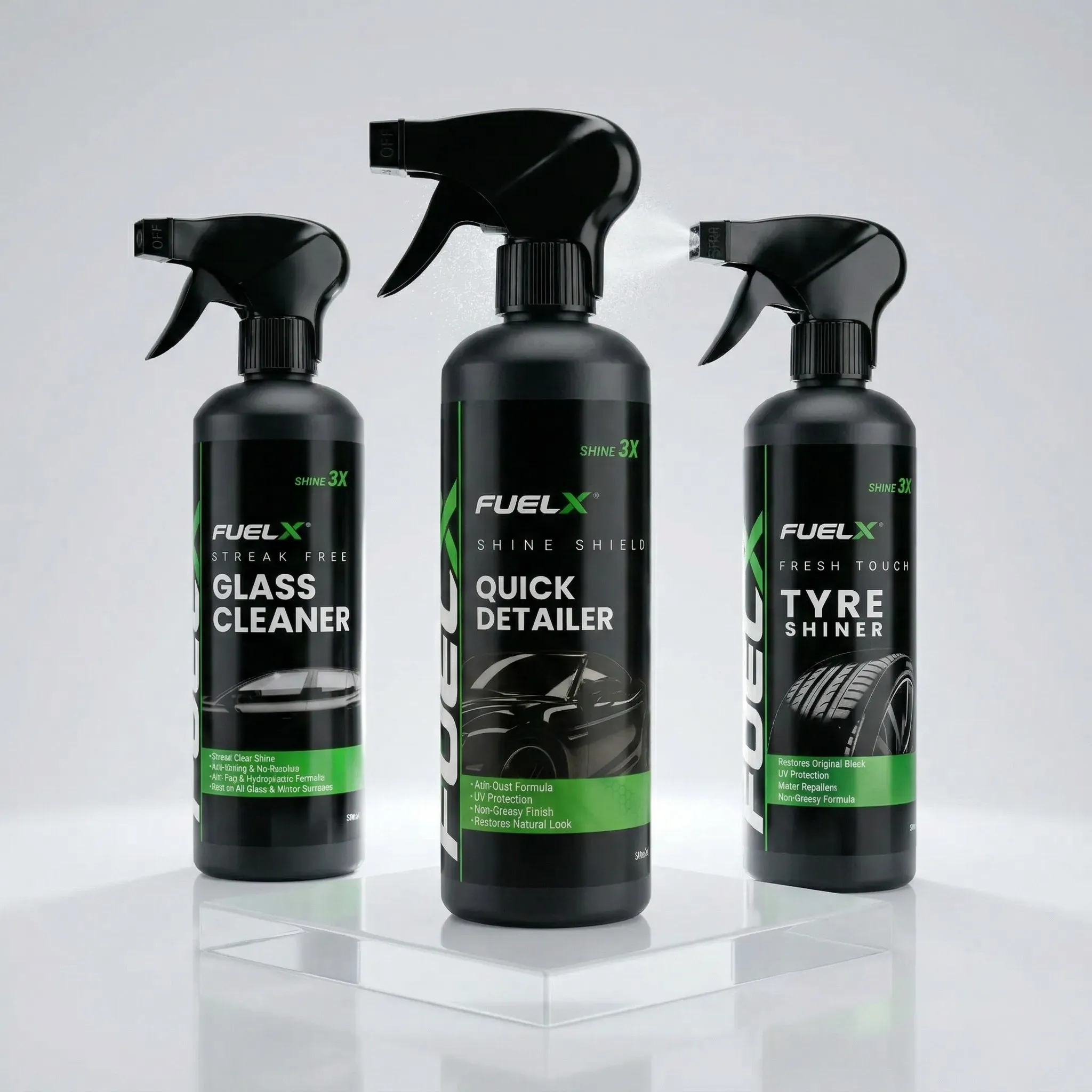
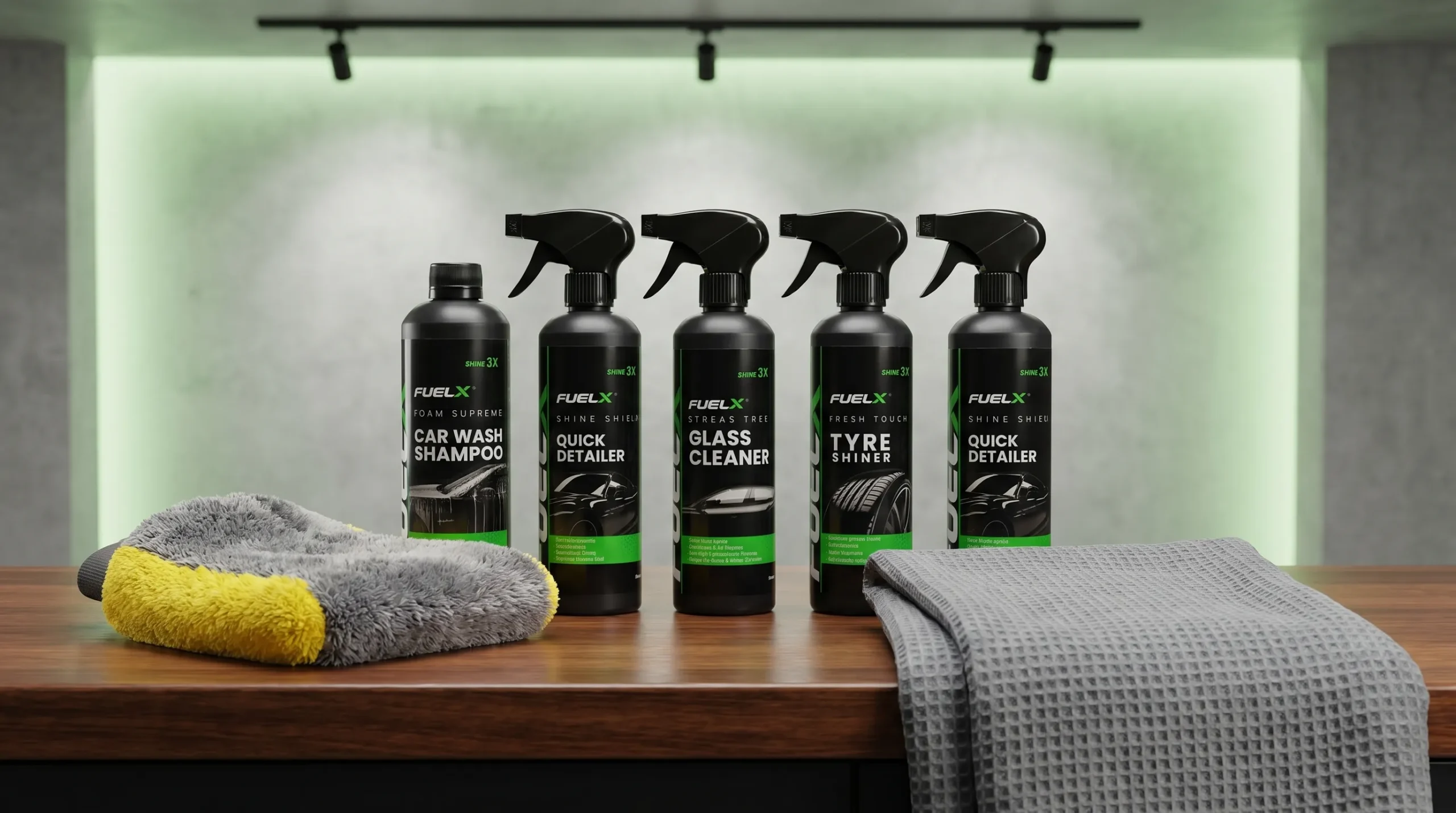
Switch to a pH-balanced car shampoo. These are built with lubricants that help dirt float off the surface cleanly rather than grind across it. FuelX Pakistan has a good option that holds up well for regular use.
Mistake #2 — Washing the Car Under Direct Sunlight
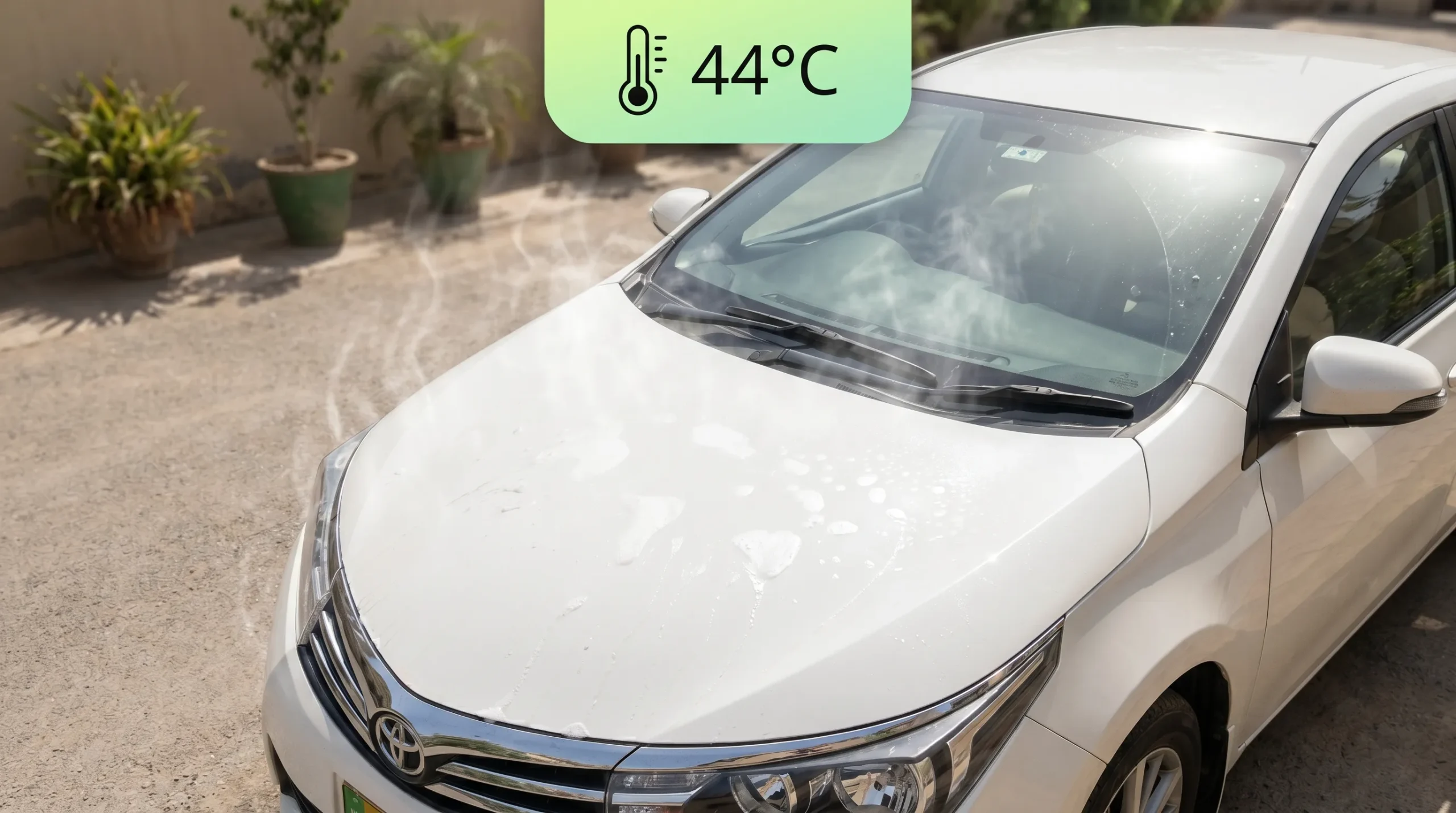
On weekends across Lahore, Karachi, Multan, Faisalabad — same story everywhere. Cars get washed at midday under full sun.
The reasoning makes sense on the surface:
The heat dries the car fast
Sunlight makes dirty patches easier to spot
It feels like a good time to be outside doing chores
What’s actually happening to the paint tells a different story.
A hot panel causes:
Shampoo to dry before you can rinse it off
Water to evaporate almost on contact
Mineral deposits to get baked onto the surface
Soap streaks that take real effort to remove
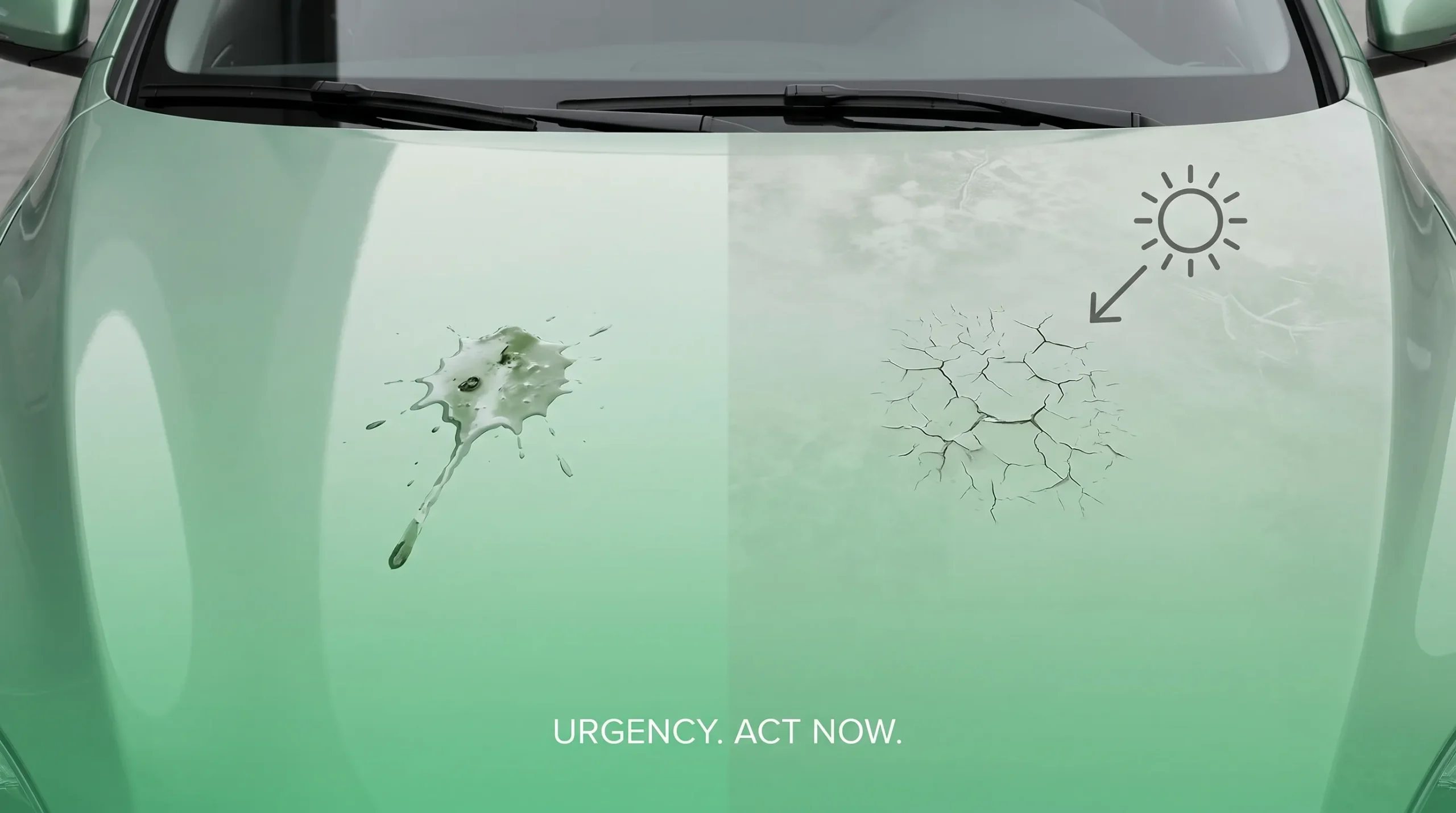
Those water spots aren’t just cosmetic either. In strong heat, they can etch into the clear coat and become permanent marks that no amount of washing will fix.
Pakistani summers already push temperatures to 40–45°C in most major cities. Washing under that sun speeds up damage in ways you won’t notice until it’s too late.
Wash instead:
Early morning
Late evening
In a shaded garage or carport
Mistake #3 — Using Dirty Cloths, Sponges, or Old Towels
Old shirts, rough sponges, whatever bath towel is no longer wanted — this is the standard car washing kit in most Pakistani homes.
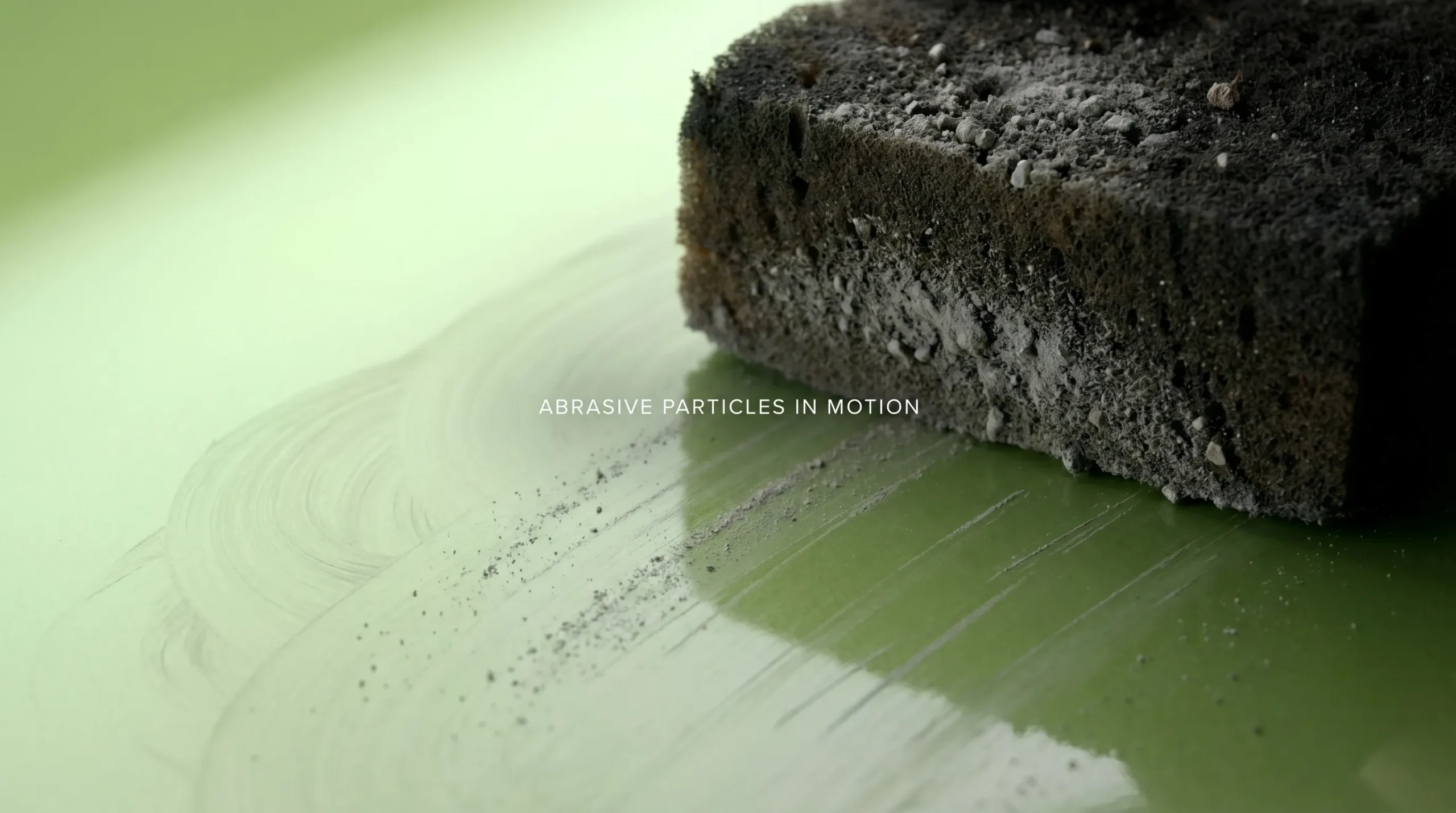
The problem is that fabric holds onto whatever it last touched. Dust, grit, and old dirt trapped in those fibers turns into sandpaper the moment you start rubbing it on paint. Detailing professionals consistently trace a huge portion of swirl marks back to this exact cause.
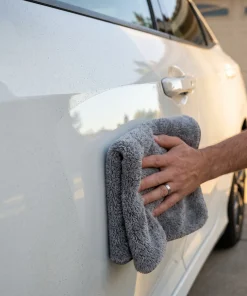
Microfiber towels work differently:
Dirt gets pulled into the fibers rather than dragged across the surface
There’s far less friction involved
Water absorption is much better
The risk of scratching drops significantly
Three simple rules that make a real difference:
Keep separate cloths for paint and wheels — never mix them
Wash microfiber towels regularly so they stay clean
If a towel drops on the ground, it doesn’t go back on the car
Mistake #4 — Skipping the Pre-Rinse Step
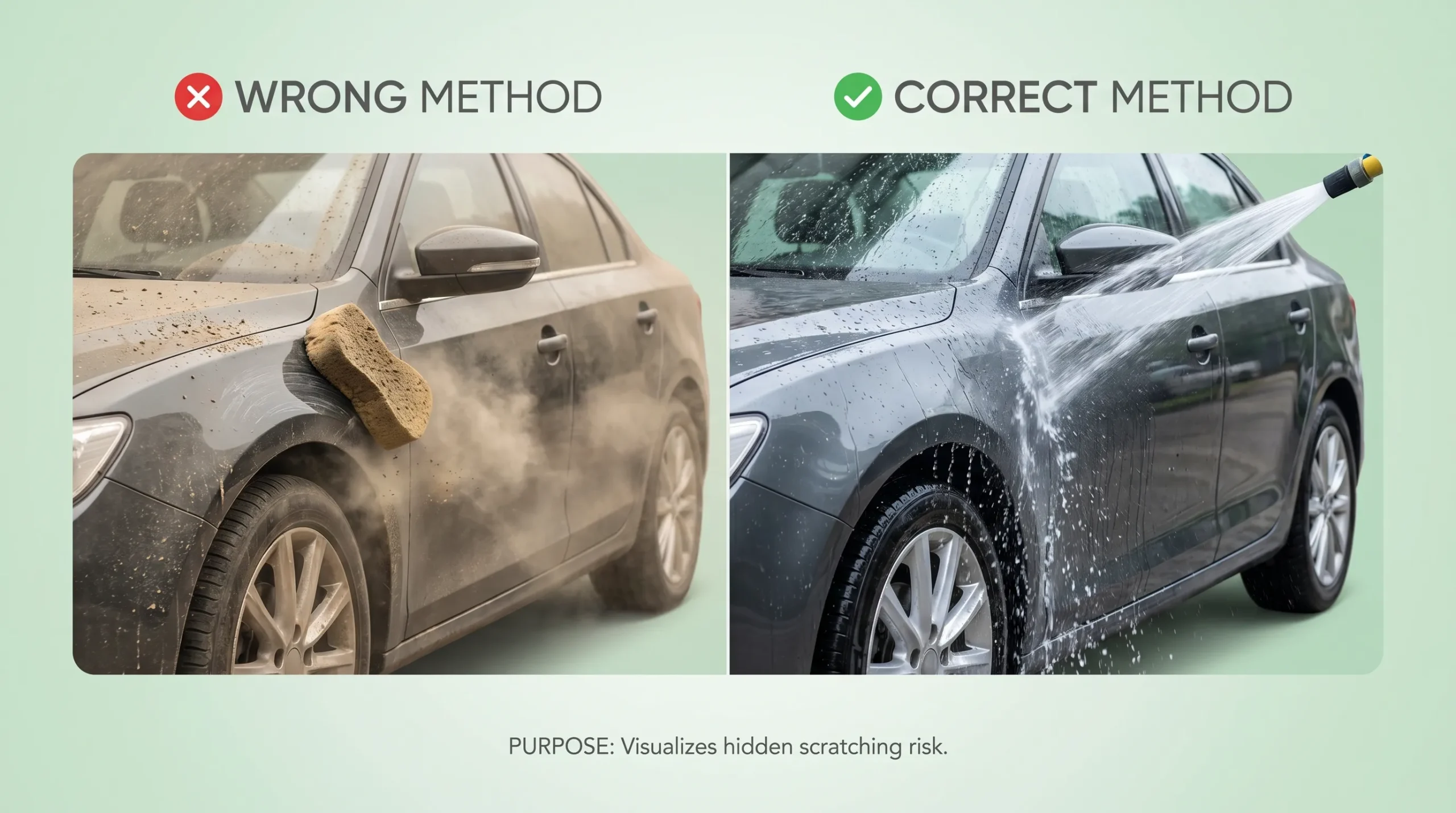
Going straight from dusty car to sponge is one of the more reliable ways to scratch paint without meaning to.
What’s sitting on that surface isn’t just harmless dust:
Sand particles
Brake dust
Road grime
Pollution contaminants
Put a wash mitt over that without rinsing first and you’re essentially rubbing all of it directly into the clear coat.
Think about a car that’s been sitting outside near a main road for a few days. That surface has collected a layer of fine abrasive material from traffic, wind, and dust. Skipping the rinse means the first thing that touches the paint is doing it with all that contamination still sitting there.
Two minutes of rinsing first removes most of that and takes a big chunk of the scratching risk away before you’ve even picked up a mitt.
Mistake #5 — Using Only One Bucket
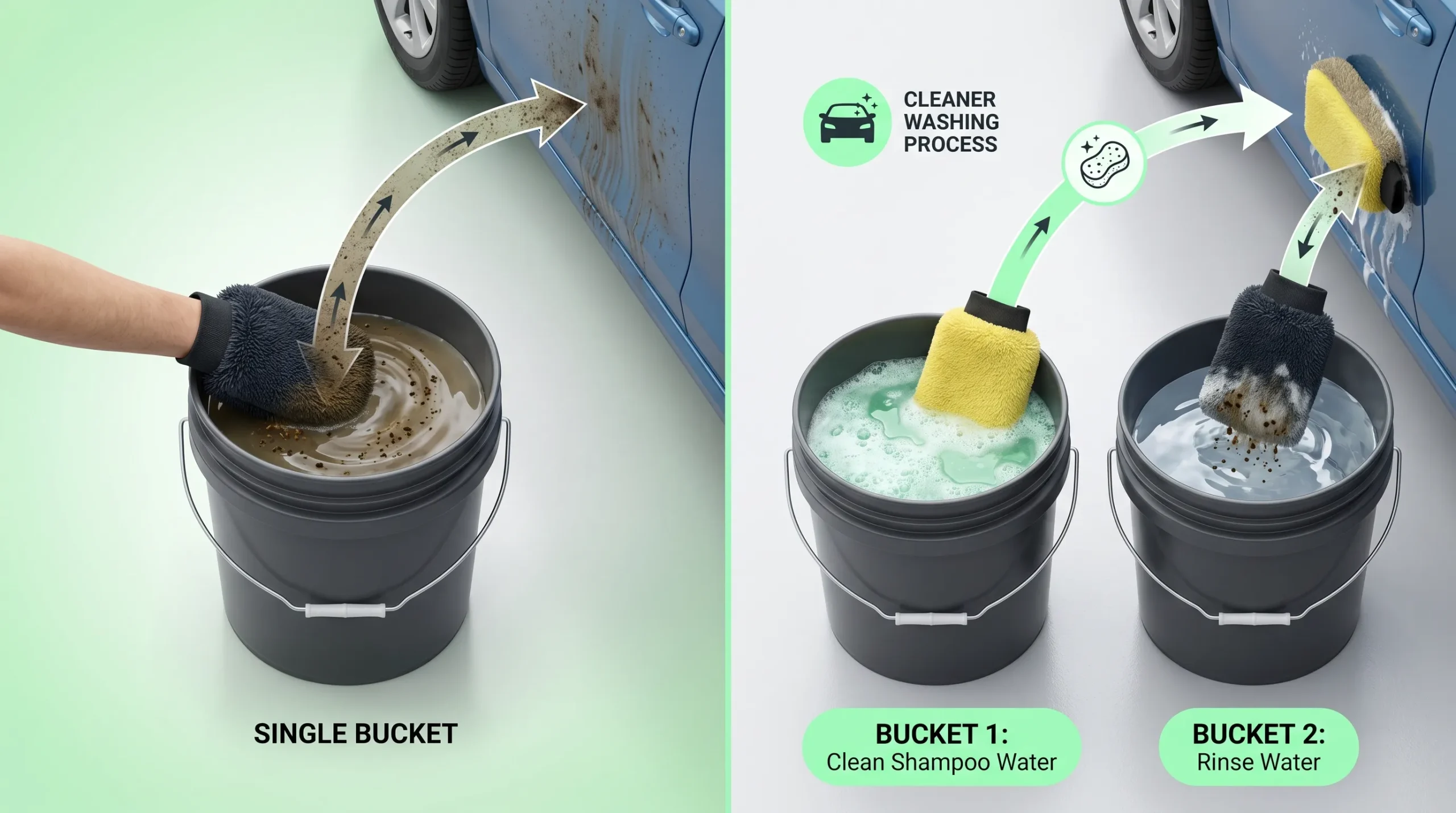
One bucket looks like it should be enough. Here’s what’s actually going on when you use it:
Wash mitt scrubs the car, picks up dirt
Mitt goes back into the bucket
That dirt now sits in your shampoo water
Next dip picks it back up
Back onto the paint it goes
The two-bucket method solves this:
Bucket 1 → clean shampoo water only
Bucket 2 → rinse water for the dirty mitt
Every time the mitt needs more shampoo, rinse it in bucket 2 first. Keeps the dirty water completely separate from the clean wash water.
It’s a genuinely small change to make, and the reduction in swirl marks over time is real.
Mistake #6 — Letting the Car Air Dry
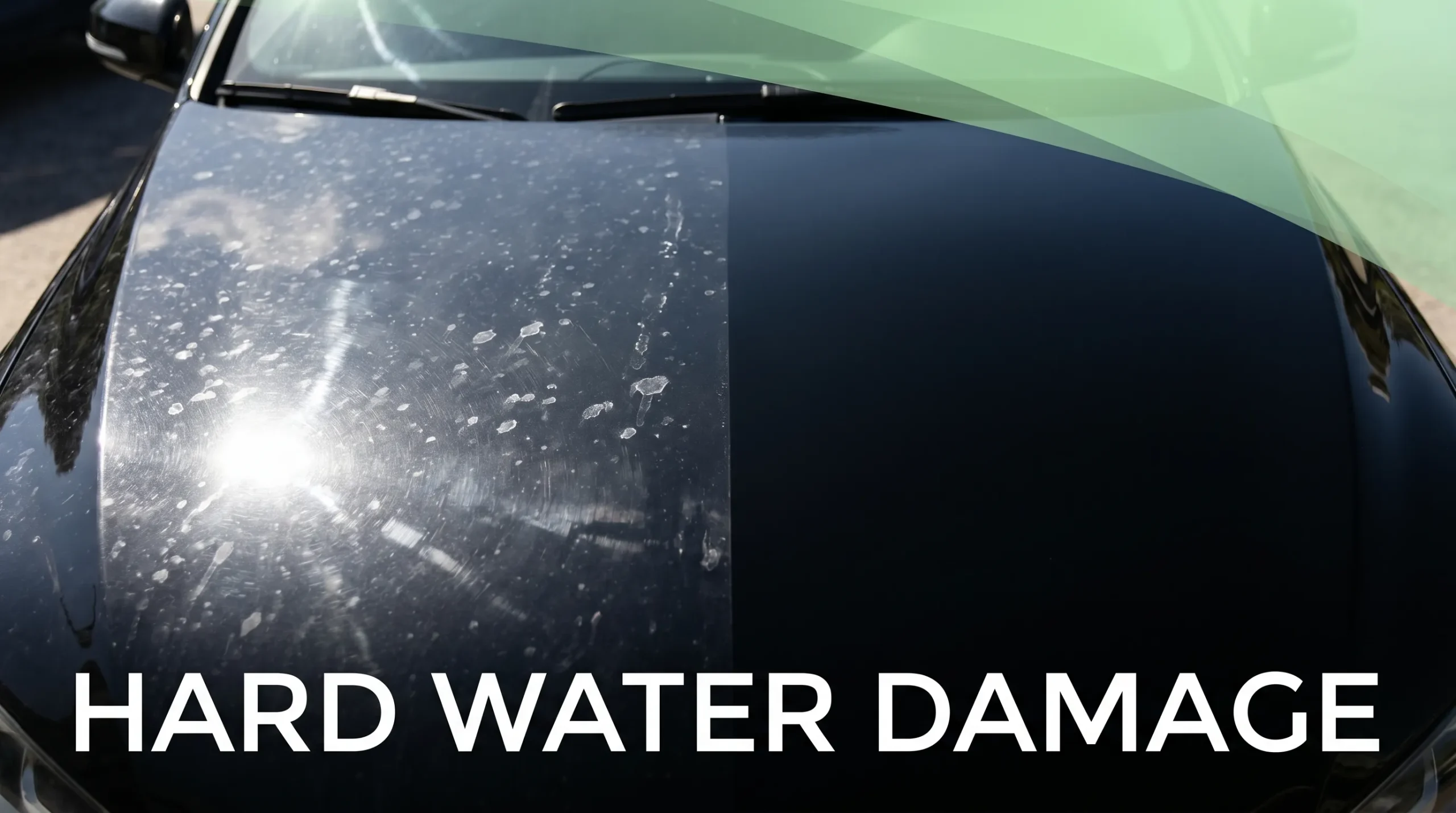
Wash done, step back, let the sun finish the job. Seems reasonable — but what the sun actually does is bake whatever’s in that water onto the paint.
Air drying leaves behind:
Hard water spots
Mineral stains
Streaks
Dull patches
Pakistan’s tap water — particularly from underground sources — carries calcium and magnesium. When water evaporates off a hot surface, those minerals don’t go with it. They stay, they dry, and they bond to the paint. Over time, etching follows.
Dry the car manually right after rinsing:
Clean microfiber drying towel
Soft drying cloth
Gentle blotting motion rather than dragging
Keep away from:
Rough or old towels
Hard back-and-forth wiping
Leaving any water to sit under direct sun
Mistake #7 — Scrubbing Too Hard
It feels like effort equals results. With car paint, that logic breaks down.
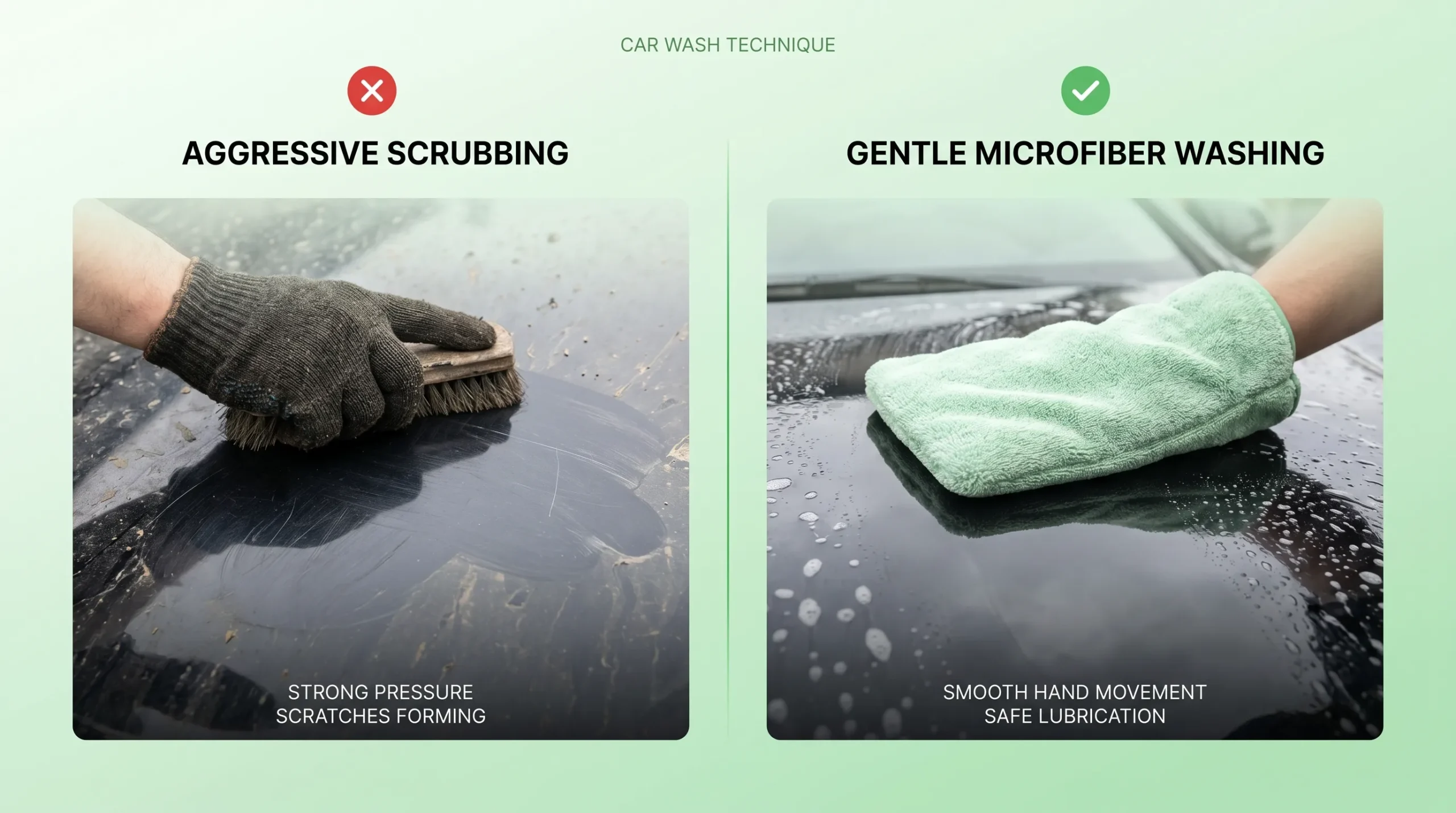
Hard scrubbing:
Forces dirt particles into the paint rather than lifting them
Creates more swirl marks
Makes micro-scratches worse and more visible
Light, straight strokes do the job without the damage. A proper car shampoo lubricates the surface well enough that the mitt should barely need any pressure — it should be gliding, not pushing.
If you’re having to scrub hard to shift dirt, something else is wrong — either the pre-rinse was skipped, the shampoo is too diluted, or the wrong product is being used.
Mistake #8 — Using the Same Cloth for Wheels and Paint
Wheels are filthy. They pick up:
Brake dust
Metal particles
Tar
Road grime
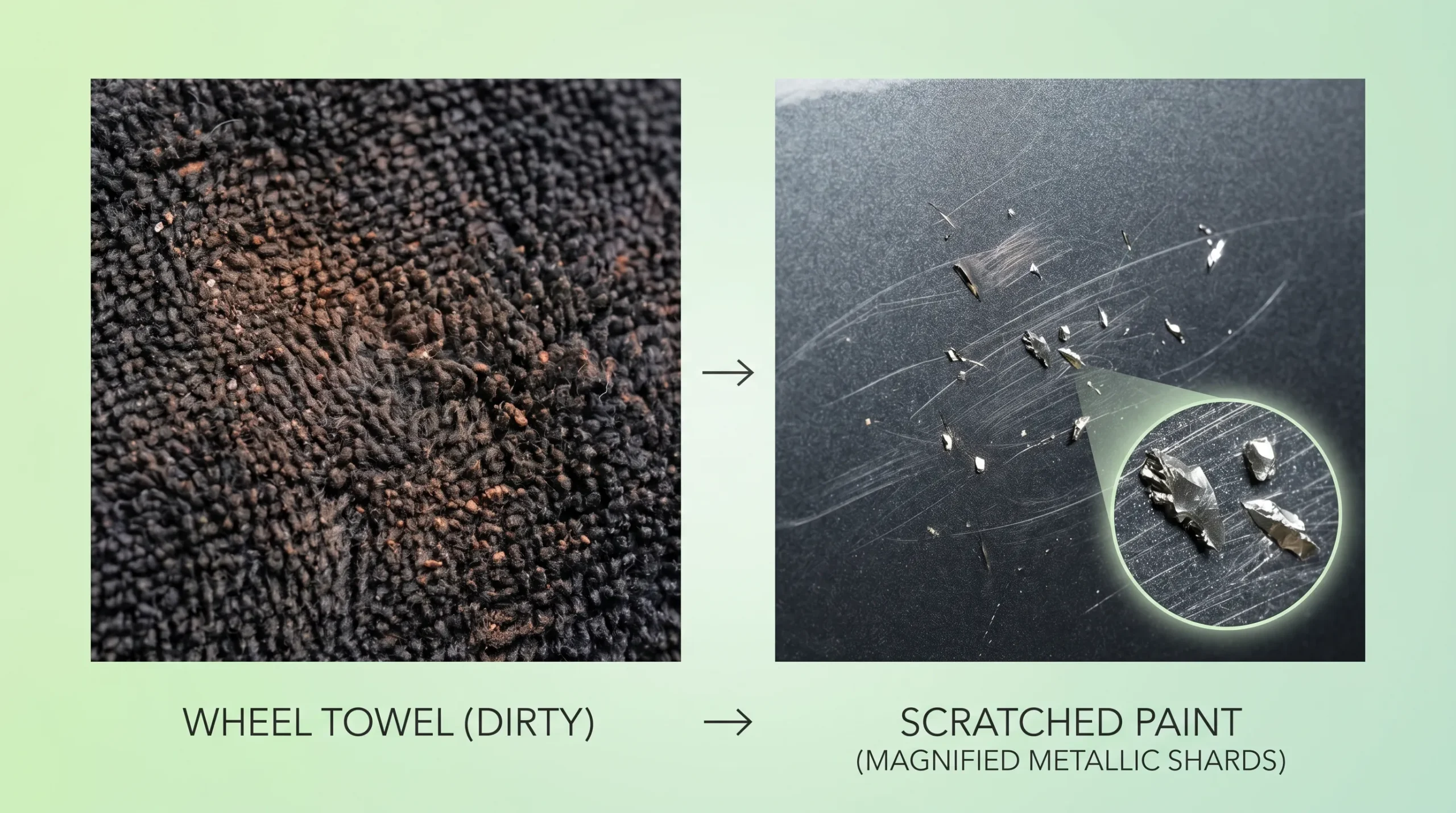
Brake dust deserves special mention — the metallic fragments in it are seriously abrasive. Taking the towel you just used on the wheels and running it over the door panels is asking for deep scratches in the clear coat.
Keep everything separate:
Separate wheel brushes
Separate wheel towels
Separate wash mitts
Wheels get one set. Paint gets another. They never cross over.
Mistake #9 — Ignoring Bird Droppings and Tree Sap
Both of these need to come off the day they land — not at the next scheduled wash.
Bird droppings are acidic. Pakistan’s summer heat hardens them fast and accelerates the etching process. The longer they sit, the deeper they go into the clear coat.
Tree sap brings its own problems:
It grips the paint tightly
Collects dust and dirt on top of itself
Gets harder to shift the longer it’s left
Fresh is always manageable. Dried and baked is a different problem entirely.
Leaving a car unwashed for weeks gives contaminants time to settle in and bond with the surface. Things that keep building up:
Dust
Pollution
Bird droppings
Industrial fallout
Road salt
Mud
The longer they sit, the more oxidation quietly develops underneath.
Every 1–2 weeks works for most situations. Cars parked outside or driven daily through dusty Pakistani roads probably need it more often than that — closer to weekly in some cases.
Signs Your Car Paint Is Already Being Damaged
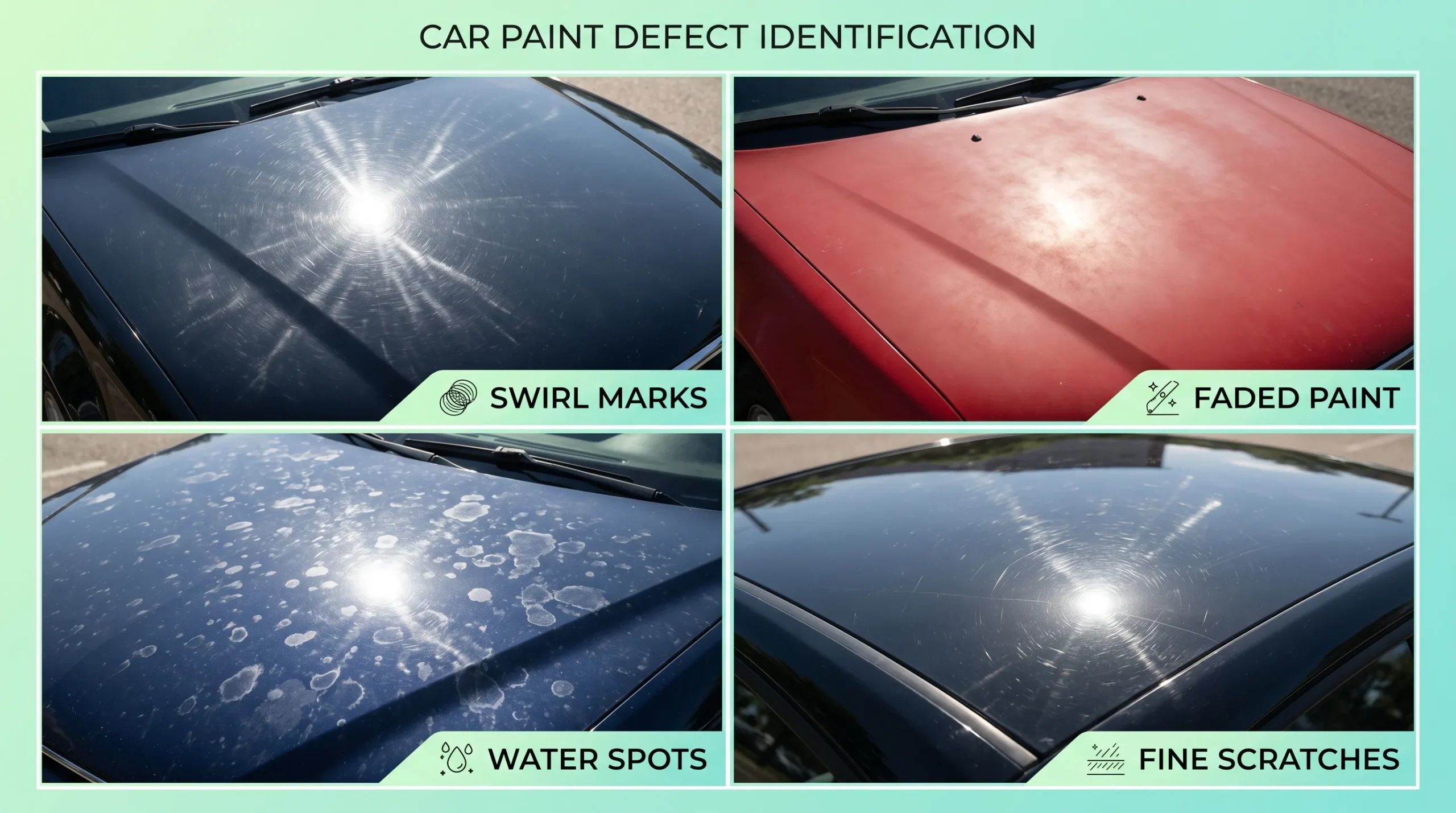
Early warning signs worth looking for:
Swirl marks that catch sunlight at certain angles
Paint that looks washed out or faded
A surface that feels rough or grainy instead of smooth
That deep gloss starting to disappear
Water spots that won’t budge
Fine scratches visible under strong light
Swirl marks show up most clearly under direct sunlight or at night under parking lights — that web pattern across the surface. If they’ve been building up for a while, paint correction polishing is likely the only real fix at that point.
Safe Car Washing Routine for Beginners
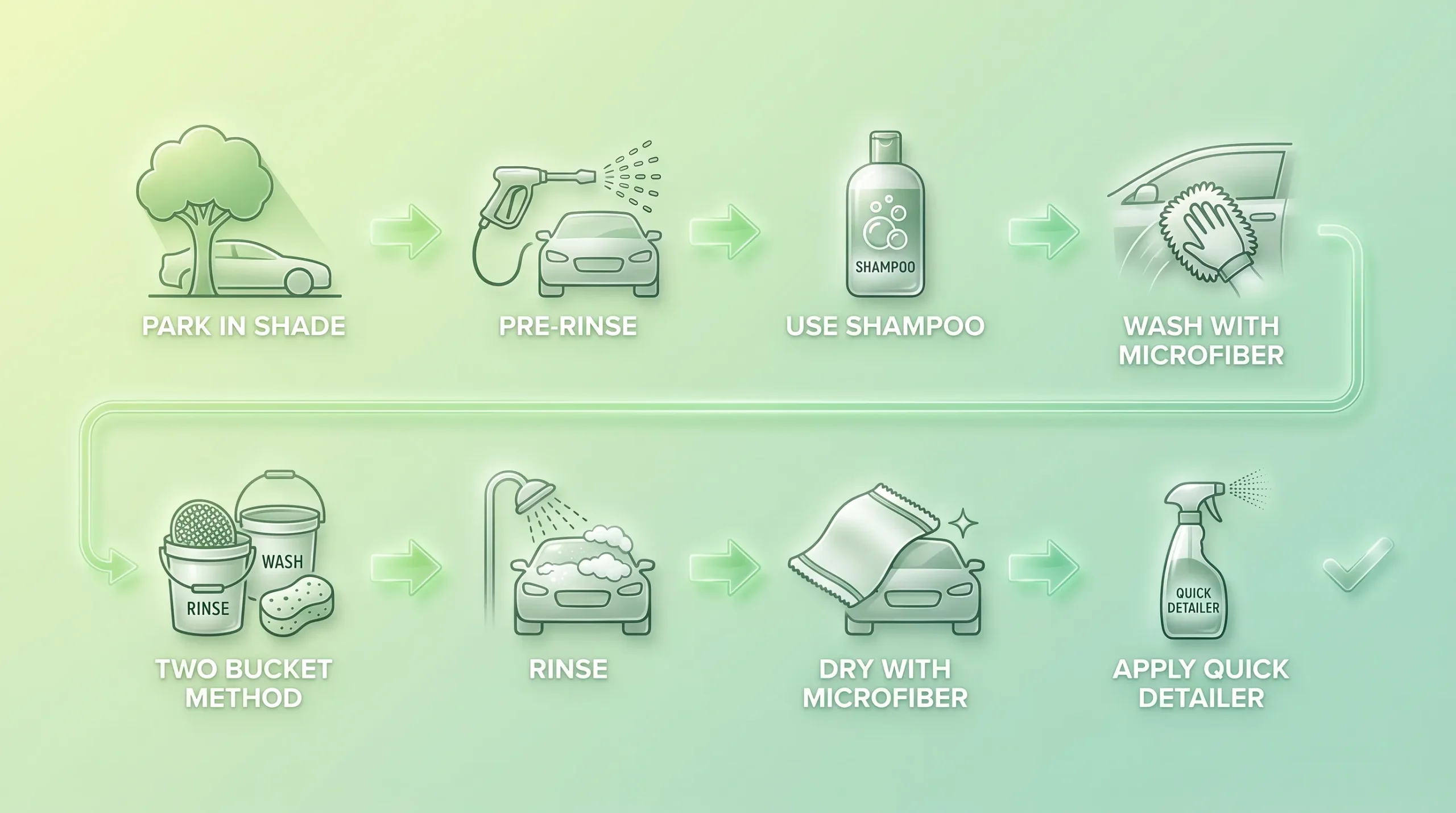
A straightforward process built for Pakistani conditions:
Step 1: Park the Car in Shade Avoid direct sunlight and hot surfaces.
Step 2: Pre-Rinse Thoroughly Remove loose dirt before touching the paint.
Step 3: Use pH-Balanced Car Shampoo Avoid household detergents completely.
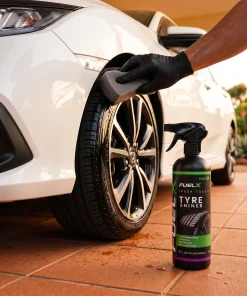
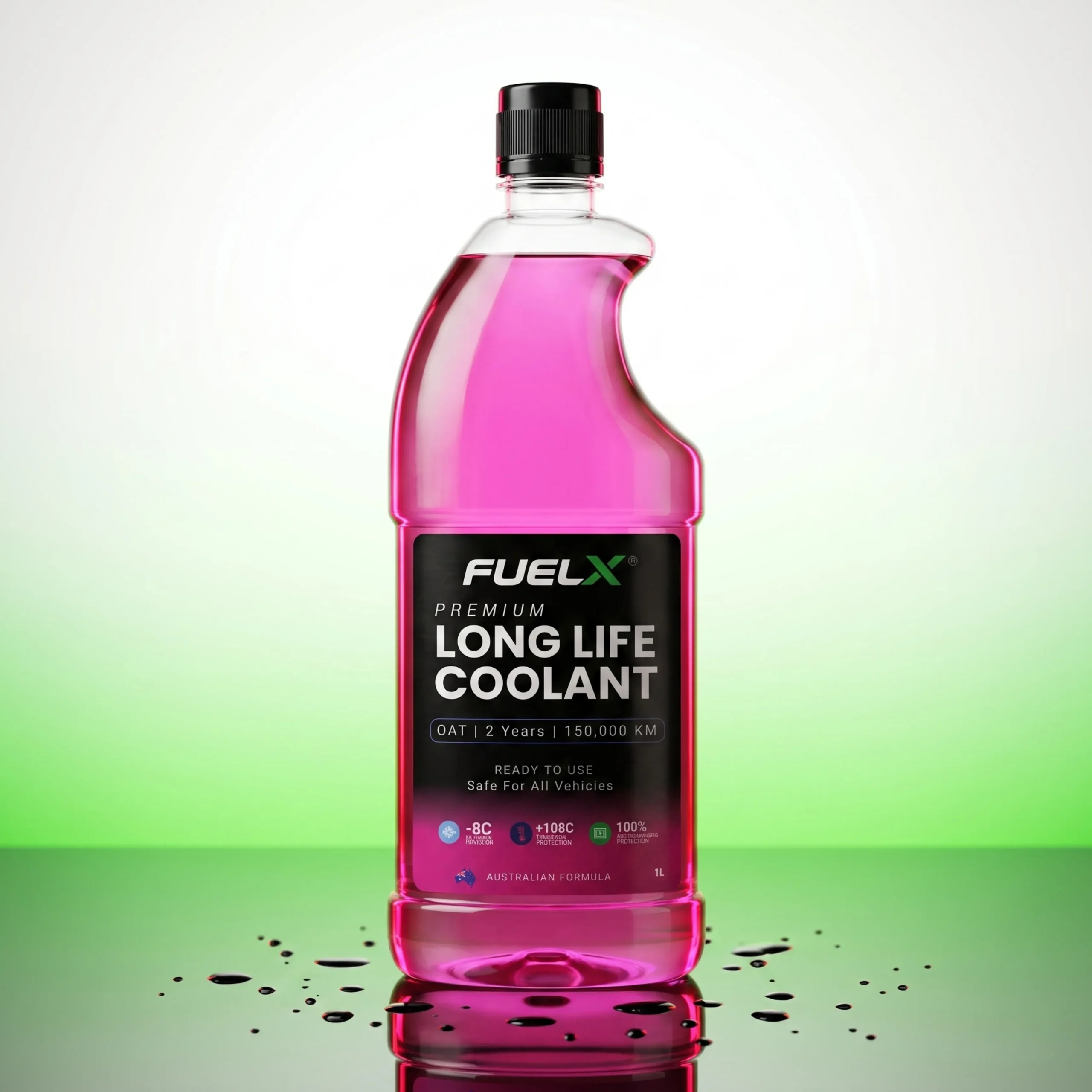
FuelX Pakistan puts together car care products with local conditions in mind — worth looking into if you want products that actually suit Pakistani weather and roads.
Wrapping Up
The roads aren’t where most Pakistani cars lose their paint quality. It happens in the driveway, during washing, week after week.
Habits like:
Using dish soap
Skipping the pre-rinse
Scrubbing too hard
Using dirty towels
wear the clear coat down slowly and steadily. By the time it becomes obvious, the damage is already done.
Getting it right isn’t about expensive gear or professional detailing sessions. It’s just about doing the basics properly, every time.
With the right approach and products from FuelX Pakistan, you can:
Maintain paint shine
Reduce scratches
Protect resale value
Keep your car looking newer for longer
Fixing the habit now costs almost nothing. Fixing the paint later — through correction, polishing or respraying — costs a lot.
FAQ’s
Can dish soap permanently damage car paint?
One wash won’t destroy anything. But use it regularly and the protective layers come off gradually — fading and oxidation catch up eventually.
Why do swirl marks appear after washing?
Dirt gets dragged across the clear coat rather than lifted away cleanly. The wrong tools and technique are almost always behind it.
Is washing a car under sunlight harmful?
Yes. Hot panels cause water and soap to dry faster than you can work, leaving stains and making scratches more likely in the process.
What is the safest cloth for washing cars?
Clean microfiber — it pulls dirt into the fibers rather than spreading it across the paint surface.
How often should I wash my car in Pakistan?
Every 1–2 weeks covers most people. More often if the car sits outside or goes through dusty areas daily.
Can pressure washers damage paint?
They can if held too close or run at high pressure. Keeping at least 30 cm of distance from the paint surface is the standard advice.