Car cleaning isn’t just about making your vehicle look good. Because proper car cleaning with microfiber cloth protects the paint, keeps the resale value intact and the car stays looking newer for much longer. But none of that happens properly without the right cloth in your hand.
Walk into most Pakistani driveways and you’ll find cars being wiped down with old shirts, rough bath towels, or whatever cheap cloth came from the nearest roadside stall. Nobody thinks much of it — but those cloths are quietly doing damage every single time:
Swirl marks
Fine scratches
Paint dullness
Streaky glass
Water spots
And Pakistan’s environment doesn’t give car paint an easy ride either. Lahore, Karachi, Faisalabad, Multan — dust, pollution and brutal summer heat are just part of daily life in these cities. A rough cloth with dust trapped in it is no different from rubbing sandpaper on your paint. It happens slowly, but it happens.
Detailers who do this professionally don’t use random household clothes. They use proper microfiber — and there’s a good reason for that.
Here’s everything worth knowing:
What microfiber cloths actually are
Why they’re safer for car paint
Which GSM works best for different tasks
How to pick the right one in Pakistan
Mistakes people commonly make
How to wash and look after them properly
What Is a Microfiber Cloth?
Microfiber cloth is made from ultra-fine synthetic fibers — usually a blend of polyester and polyamide (nylon). These fibers are so thin they’re actually finer than a human hair.
That fineness is what makes them work so well:
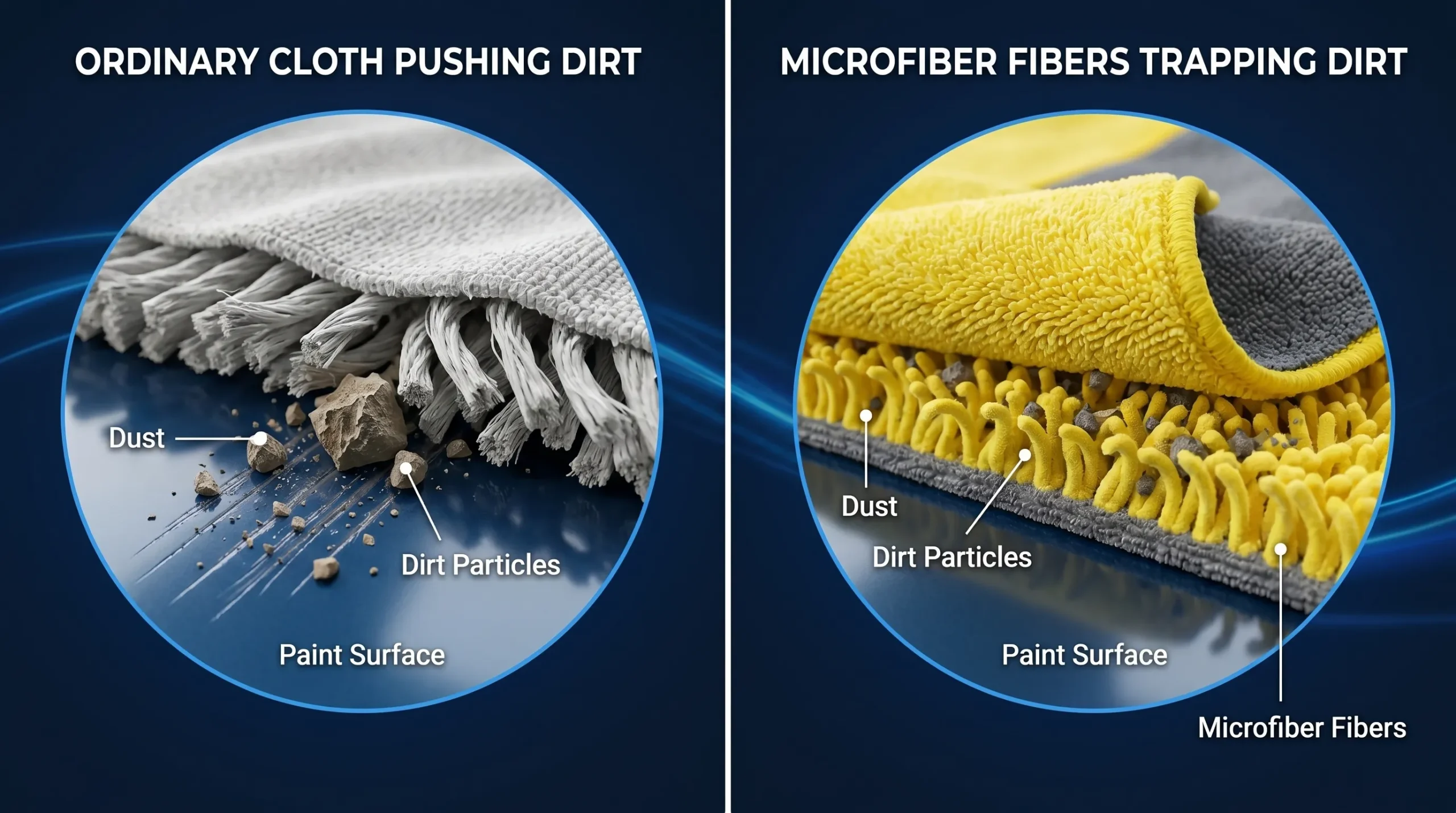
Dust gets trapped rather than pushed around
Water gets absorbed in large amounts
Dirt lifts off safely
Scratching risk drops significantly
A regular cotton cloth moves dirt around the surface. Microfiber pulls it into the fibers. That’s the difference — and it matters a lot on sensitive car paint.
Industry data puts microfiber absorption at up to 7 times the towel’s own weight in water. That’s why detailers reach for them across every single task:
Car washing
Drying
Wax removal
Glass cleaning
Interior detailing
Ceramic coating maintenance
Why Microfiber Cloths Are Better for Car Cleaning
Scratch-Free Cleaning
This is the main reason professionals use microfiber.
Pakistani roads deposit all sorts of things on car surfaces:
Dust
Sand particles
Mud
Construction debris
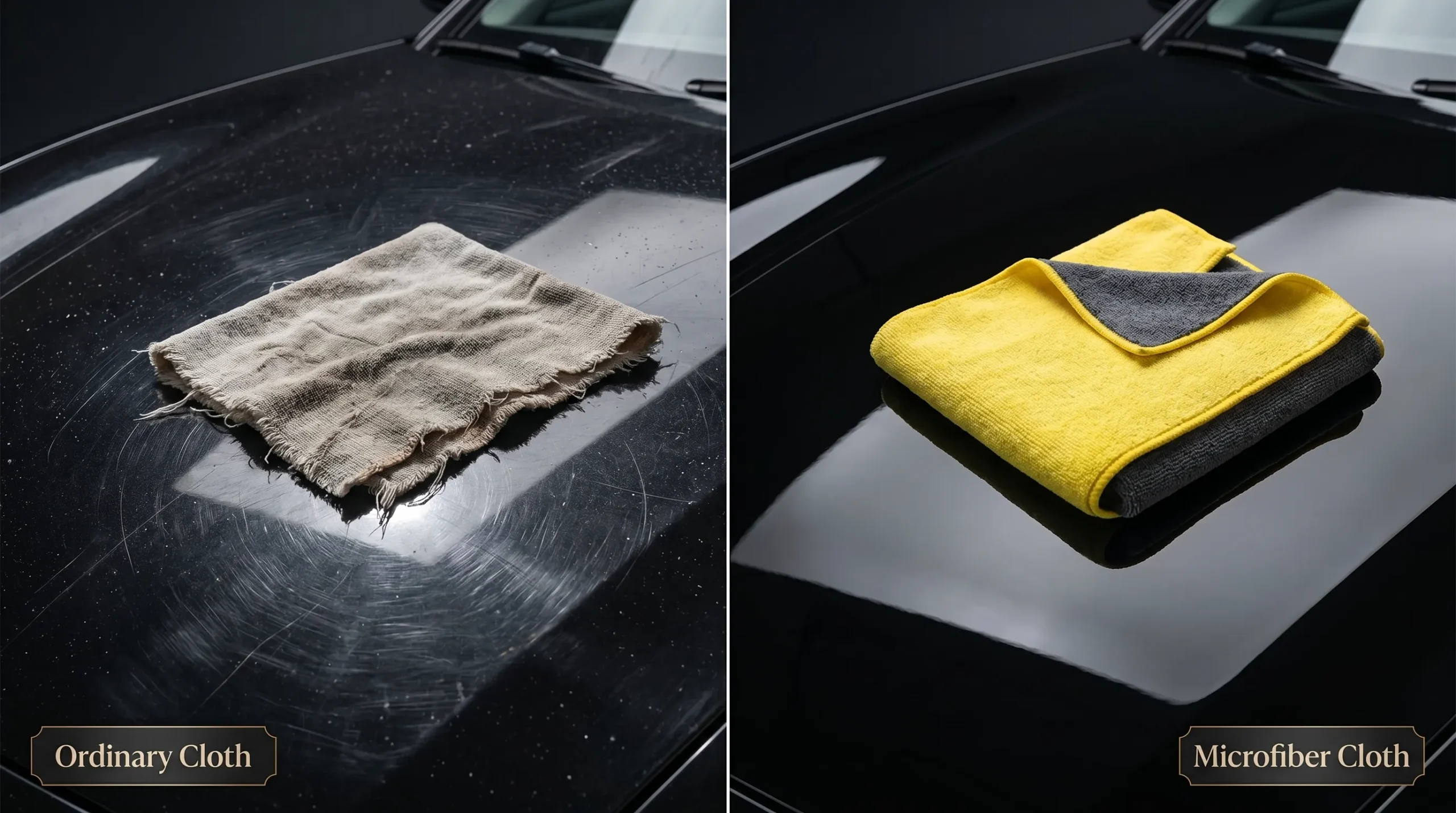
A rough cloth drags all of that across the paint. Those tiny scratches — swirl marks — build up over time and show under sunlight as a dull, web-like pattern.
Microfiber fibers trap that contamination inside rather than letting it grind against the clear coat. For certain cars this matters even more:
Black cars
Dark grey vehicles
Freshly polished paint
Ceramic-coated cars
Black paint under direct sunlight shows every swirl mark immediately. One bad wash and it’s noticeable.
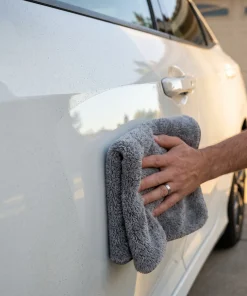
Superior Water Absorption
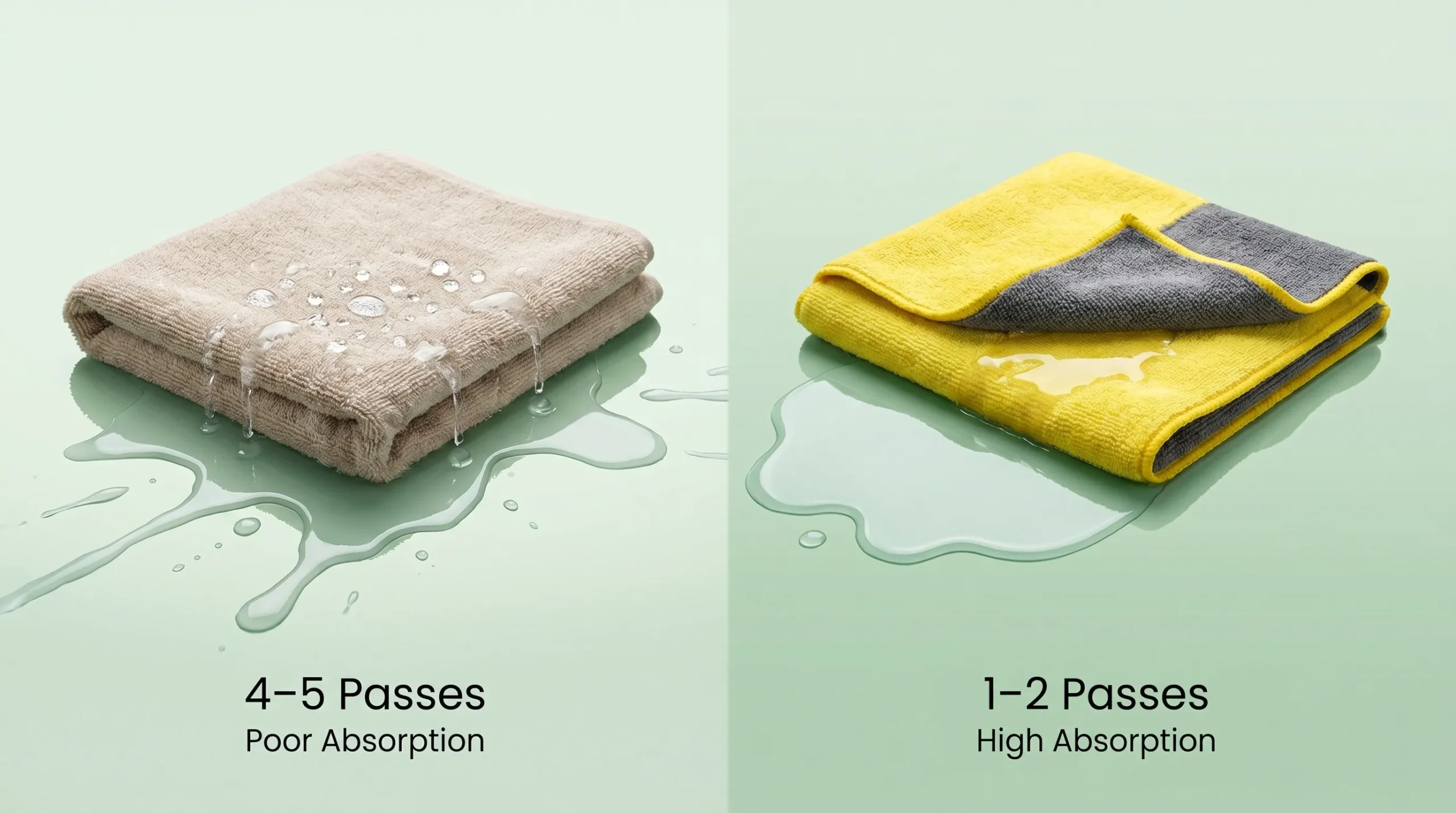
Some microfiber materials hold seven times their own weight in liquid. Cotton can’t come close to that.
What that means in practice:
Faster drying
Fewer water spots
Less wiping effort
Safer drying process
Side by side comparison:
A cotton cloth needs 4–5 passes to dry one door panel
A thick microfiber drying towel covers the same area in 1–2 passes
Fewer passes means less friction, which means less risk.
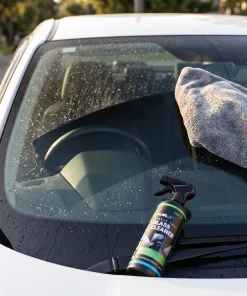
Streak-Free Finish on Glass
Cheap cloths consistently leave behind:
Lint marks
Water streaks
Smudges
Microfiber handles glass differently:
Windshields
Side mirrors
Windows
Chrome trims
The fine fibers leave a noticeably cleaner finish — something that genuinely matters during:
Rainy season
Foggy winter mornings
Night driving
Faster and Easier Cleaning
Because dirt gets trapped efficiently:
Less repeated wiping
Faster overall cleaning
Better results with less effort
Professional detailers move through jobs faster because the towels carry more of the workload.
Reusable and Long Lasting
A good microfiber towel survives hundreds of washes when looked after properly:
Cost-effective long term
Reusable
Better for the environment
Higher upfront cost than a cheap cloth — but the lifespan makes it worthwhile.
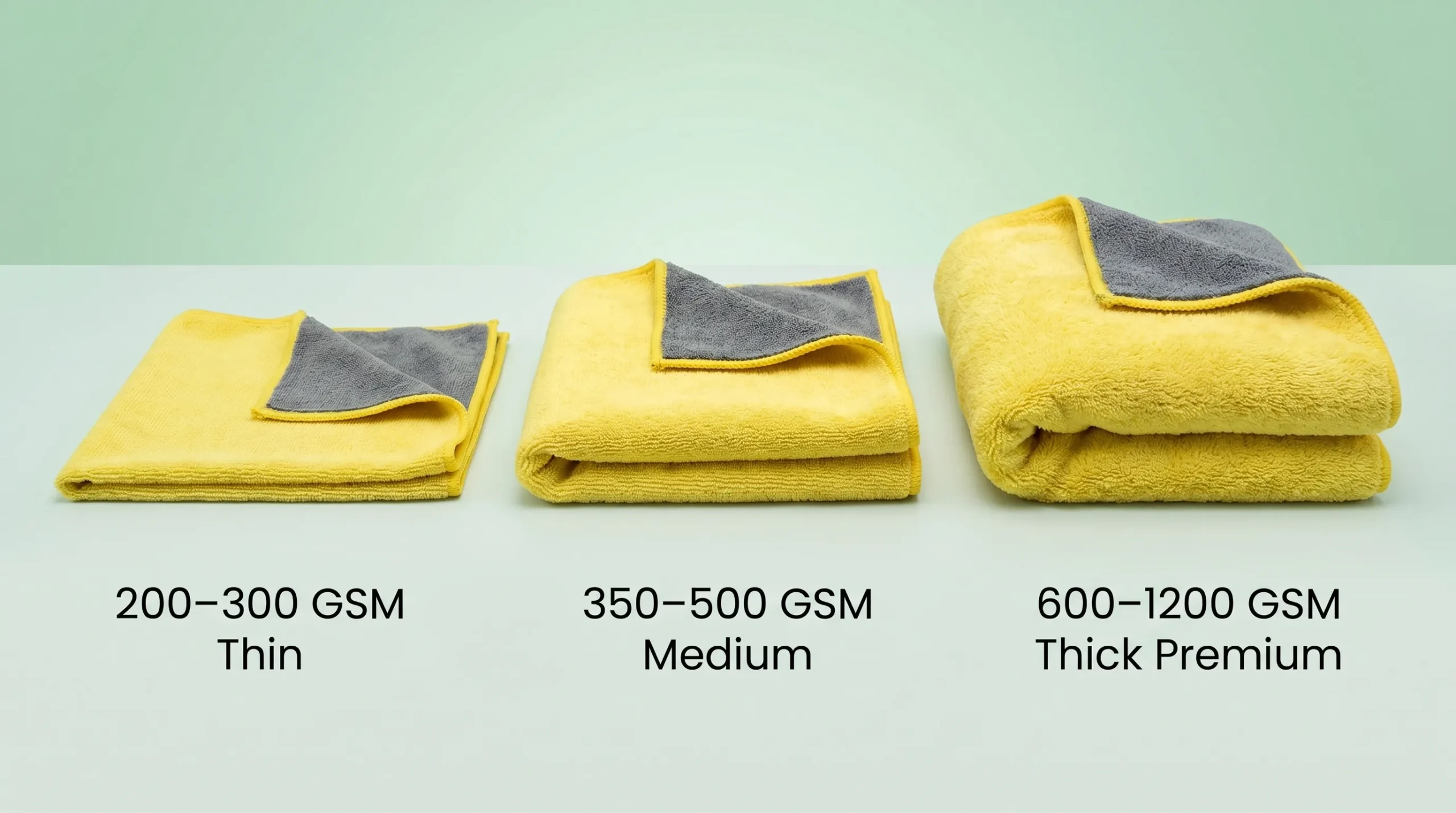
What Does GSM Mean in Microfiber Cloths?
You’ll see this everywhere when shopping for microfiber:
GSM — Grams Per Square Meter
It measures the thickness and density of the cloth.
The simple version:
Low GSM = thinner cloth
High GSM = thicker, softer cloth
Think of it like comparing a thin summer bedsheet to a thick winter blanket.
Generally speaking:
Higher GSM absorbs more water
Higher GSM feels softer
Higher GSM is safer on paint
But higher GSM isn’t always needed — different jobs need different towels.
Types of Microfiber Cloths for Cars
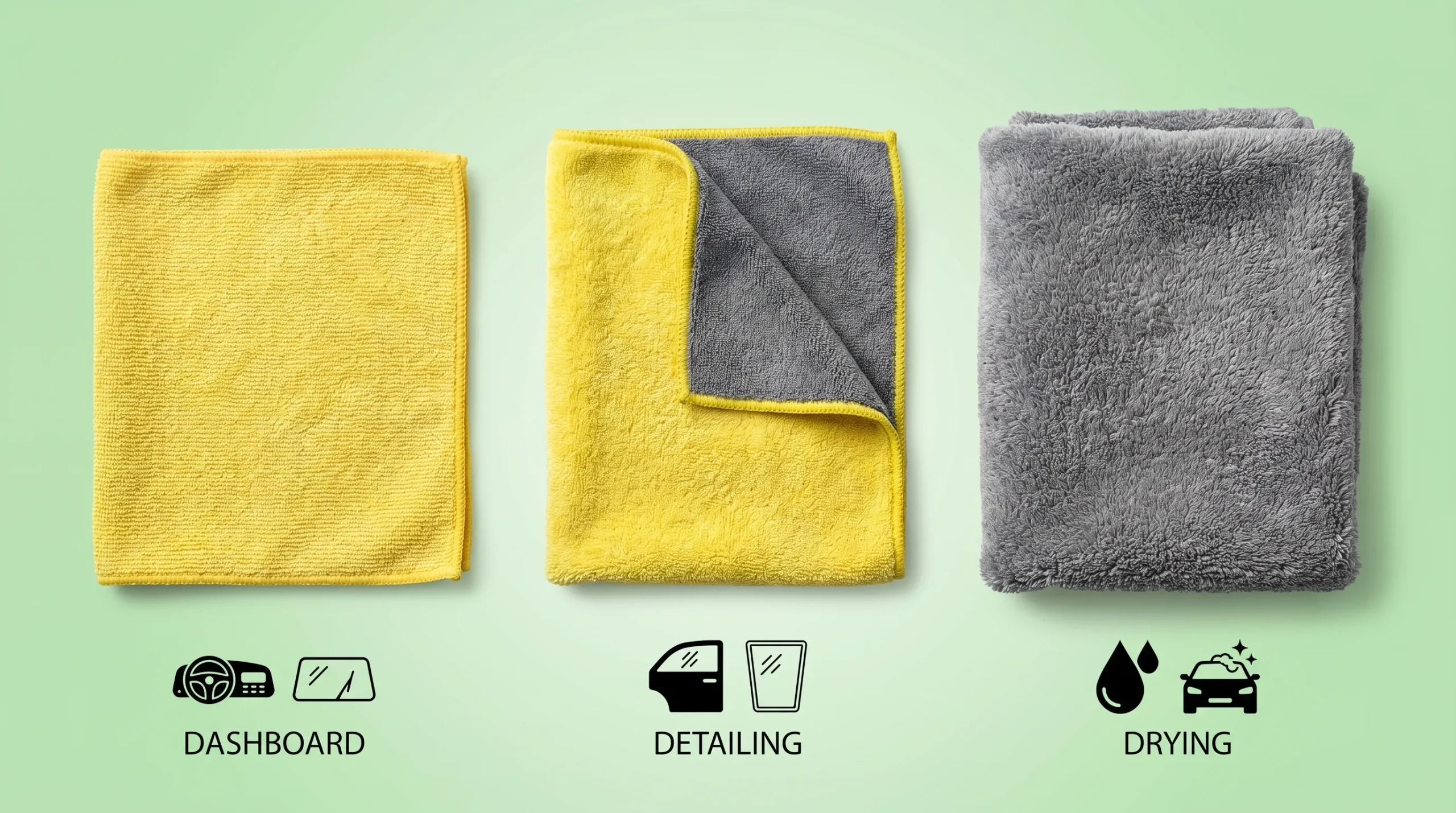
1. Low GSM Microfiber Cloths (200–300 GSM)
Thin, lightweight towels.
Best For:
Dashboard cleaning
Interior dusting
Door jamb cleaning
Engine bay cleaning
Tyre cleaning
Advantages:
Lightweight
Affordable
Quick drying
Easy to wash
Disadvantages:
Lower absorbency
Less softness
Not safe for drying paint
These are fine for rough or dirty areas. Not for sensitive paint.
2. Medium GSM Microfiber Cloths (350–500 GSM)
The most practical choice for the average Pakistani car owner.
Far more water absorption, far less friction during drying. A large 800–1200 GSM drying towel can dry an entire hatchback without needing to be wrung out mid-way.
Why high GSM matters:
Better paint protection
Higher absorbency
Reduced swirl marks
Softer feel
More luxurious finish
Best GSM for Different Car Cleaning Tasks
Cleaning Task
Recommended GSM
Dashboard Cleaning
250–350 GSM
Glass Cleaning
300–400 GSM
Interior Detailing
300–500 GSM
Wax Removal
400–600 GSM
Polishing & Buffing
500–800 GSM
Car Drying
600–1200 GSM
How to Choose the Best Microfiber Cloth in Pakistan
Check the GSM Rating
Avoid anything without clear GSM information on the packaging.
Cheap roadside cloths in local markets tend to:
Feel rough straight out of the packet
Shed fibers after a few washes
Go flat and rough quickly
For most people in Pakistan:
350–500 GSM covers everyday needs
600+ GSM for drying specifically
Choose Edgeless or Soft Edge Towels
Hard stitched edges scratch paint — especially on dark or freshly polished surfaces.
Quality microfiber towels usually come with:
Soft silk borders
Hidden stitching
Edgeless design
Safer choices for:
Black paint
Polished surfaces
Ceramic-coated cars
Look for Plush and Thick Material
Plush towels feel soft and fluffy — not thin or stiff.
This single habit prevents more paint damage than most people realize.
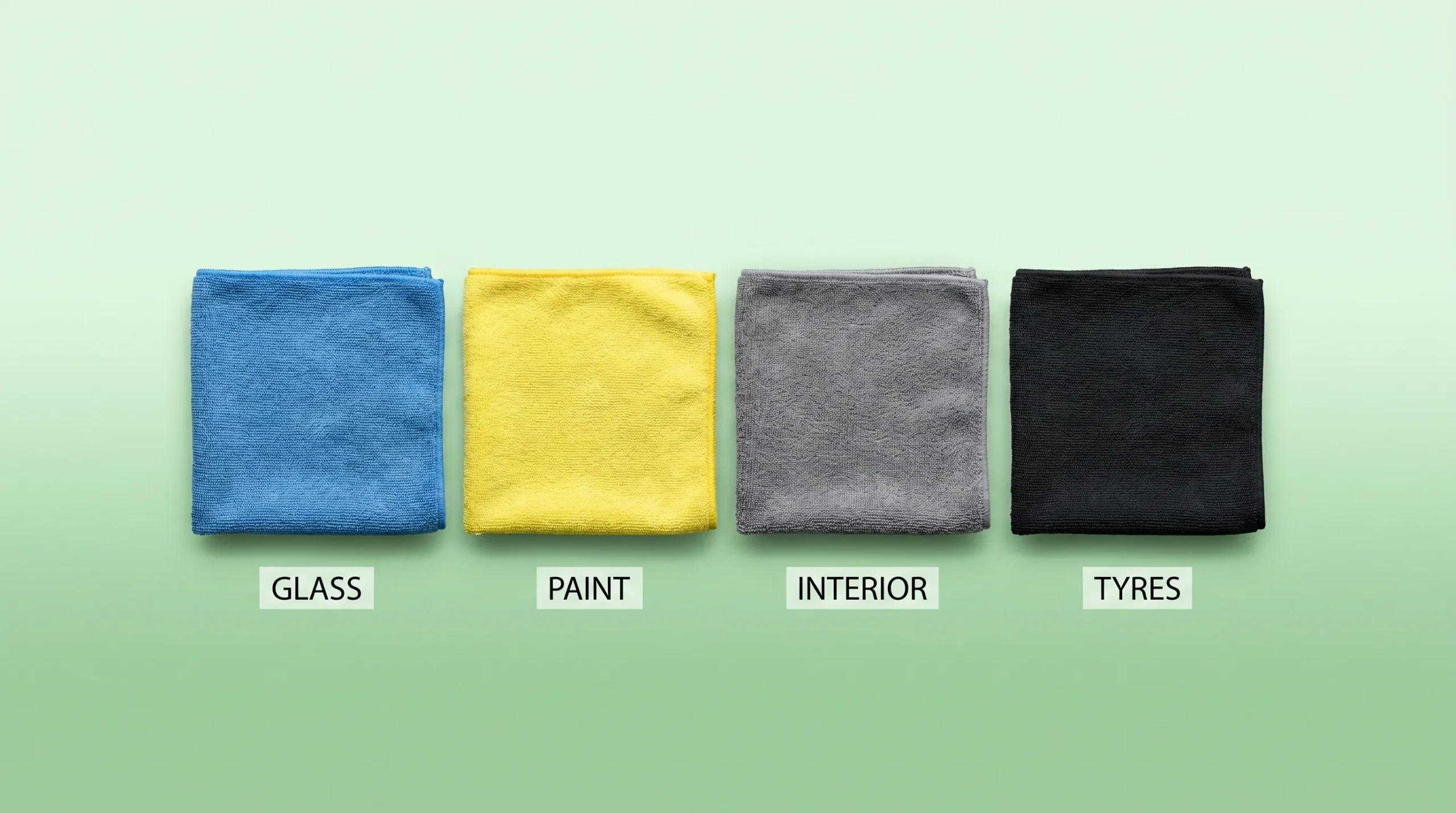
Never run the same towel across:
Tyres
Paint
Glass
Dashboard
Towel Type
Purpose
Paint towel
Exterior paint
Glass towel
Windows & mirrors
Interior towel
Dashboard & seats
Dirty towel
Tyres & engine
Cross-contamination is how brake dust ends up scratching a freshly washed door panel.
Common Mistakes People Make With Microfiber Cloths
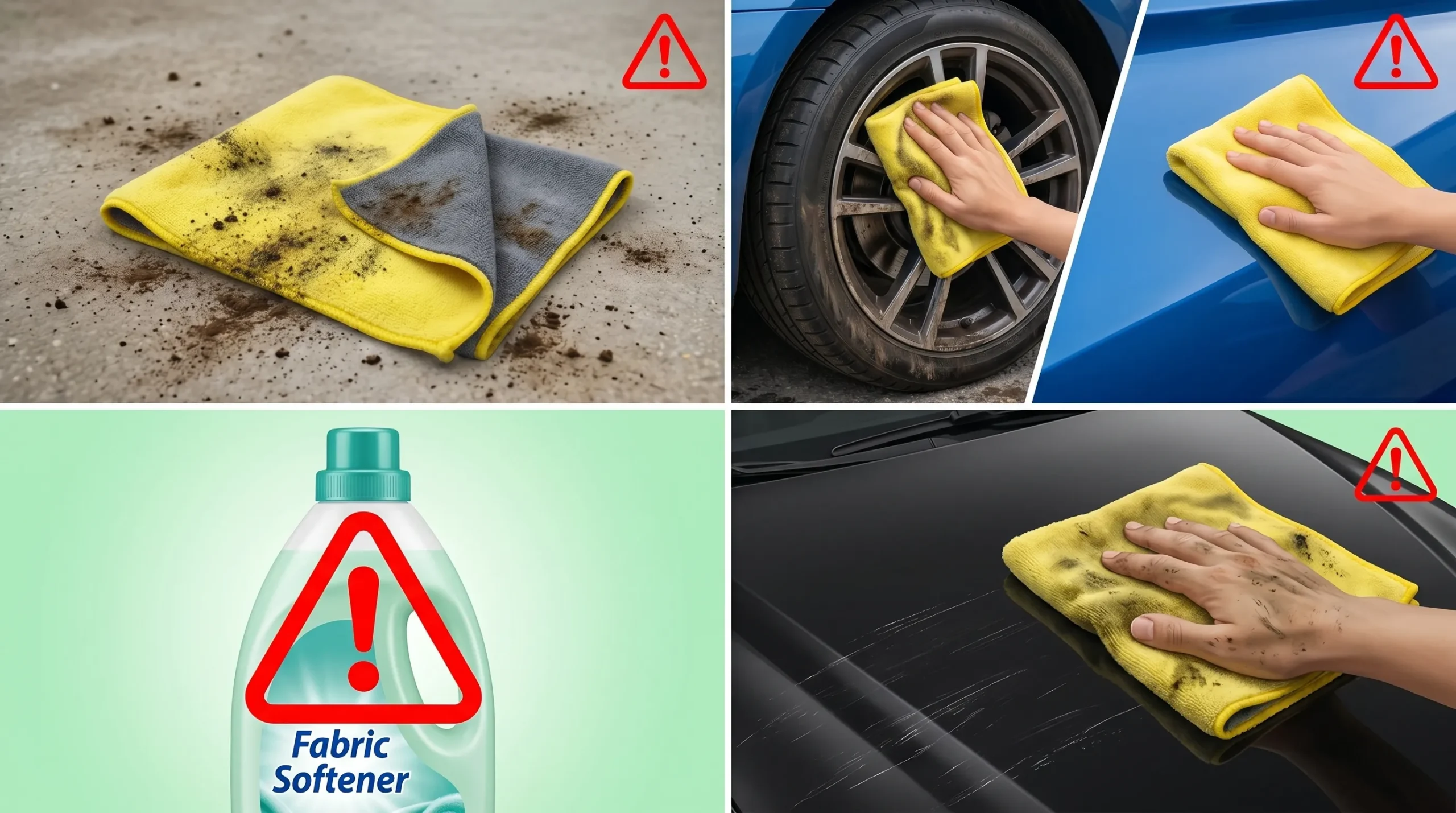
Using One Cloth Everywhere
Tyres carry:
Mud
Sand
Brake dust
That same towel on paint brings all of it along.
Dropping the Towel on the Ground
Microfiber grabs whatever it lands on. A towel dropped on dusty ground picks up sand that scratches paint on the next wipe. Wash it before using it again — no exceptions.
Washing With Fabric Softener
Softener coats the fibers and kills absorbency. The towel ends up:
Less absorbent
Less effective
More prone to streaking
Using Dirty Towels on Paint
Even the best microfiber towel causes damage when it’s dirty. Always check before it touches paint.
Using Cheap Cloths on Black Cars
Black paint catches light in a way that makes every imperfection obvious. A cheap towel on black paint shows results fast — and not good ones.
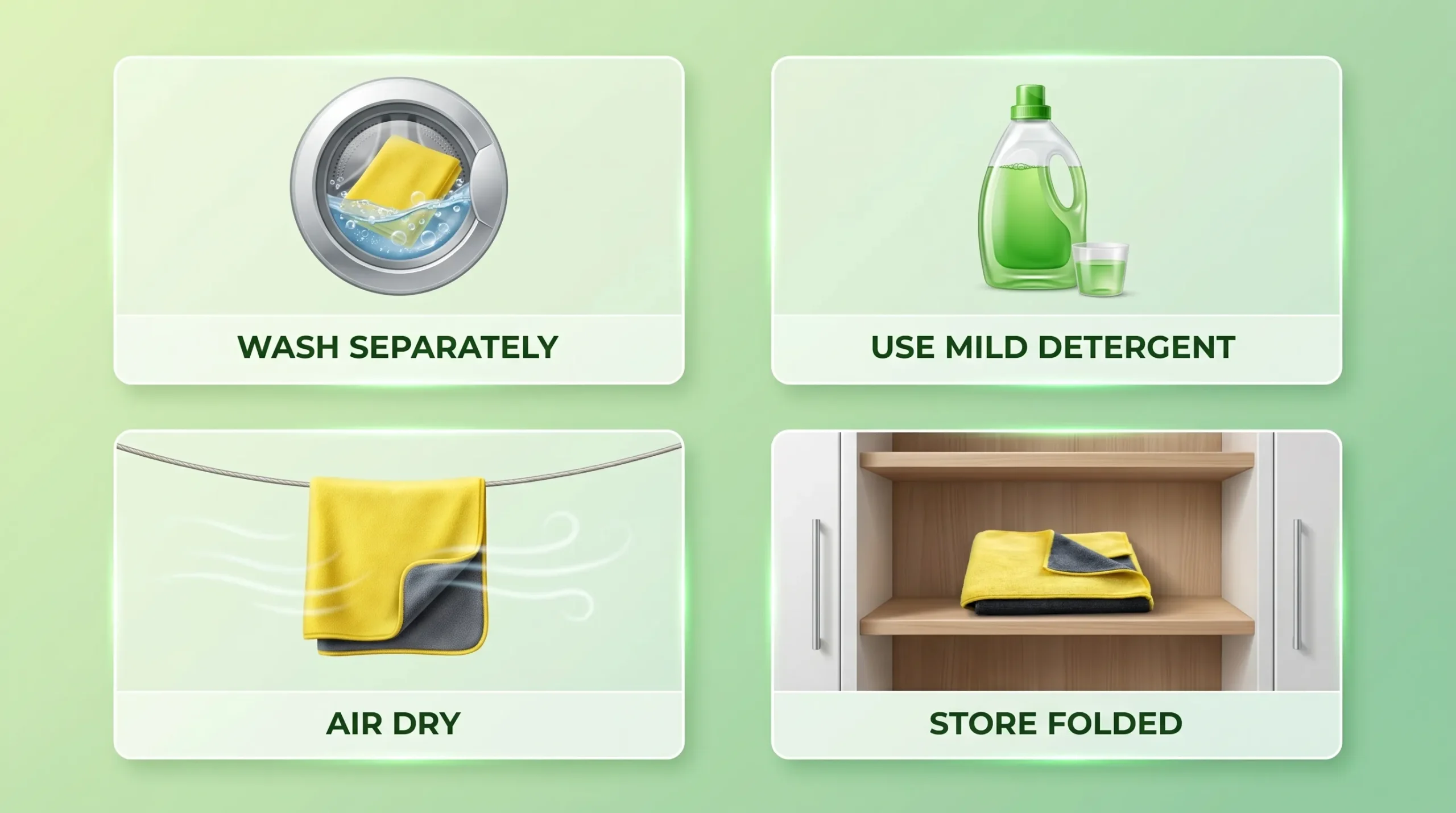
How to Wash and Maintain Microfiber Cloths
Wash Separately
Never wash microfiber with cotton clothing. Cotton lint transfers to the fibers and ruins them.
Use Mild Detergent
Keep these away:
Bleach
Strong chemicals
Fabric softeners
All of them break the fibers down over time.
Use Low Heat or Air Dry
Heat damages microfiber. Air drying is the safest route.
Store Properly
Store towels:
Folded
Clean
Dry
Away from dusty areas
A towel stored badly is already contaminated before the next use.
Best Microfiber Cloth Features to Look For
When buying for car use, these are worth checking:
High absorbency
Lint-free fibers
Plush texture
Soft edges
Durable stitching
Thick material
Dual-sided design
Recommended Microfiber Cloth Sizes
Size
Best Use
30×30 cm
Dashboard & interior
40×40 cm
General detailing
60×90 cm
Car drying
Which Microfiber Cloth Is Best for Pakistani Conditions?
Using proper microfiber with quality cleaning products makes a noticeable difference:
Fewer swirl marks
Better shine
Faster drying
Longer paint protection
Professional results at home
Wrapping Up
Picking the right microfiber cloth sounds like a small thing. In reality it changes how every wash turns out.
A quality microfiber towel:
Protects paint
Reduces scratches
Absorbs water better
Improves shine
Makes cleaning genuinely easier
Swapping out old cotton rags and cheap roadside cloths for proper microfiber is one of the simplest upgrades any car owner can make — and the results show up immediately.
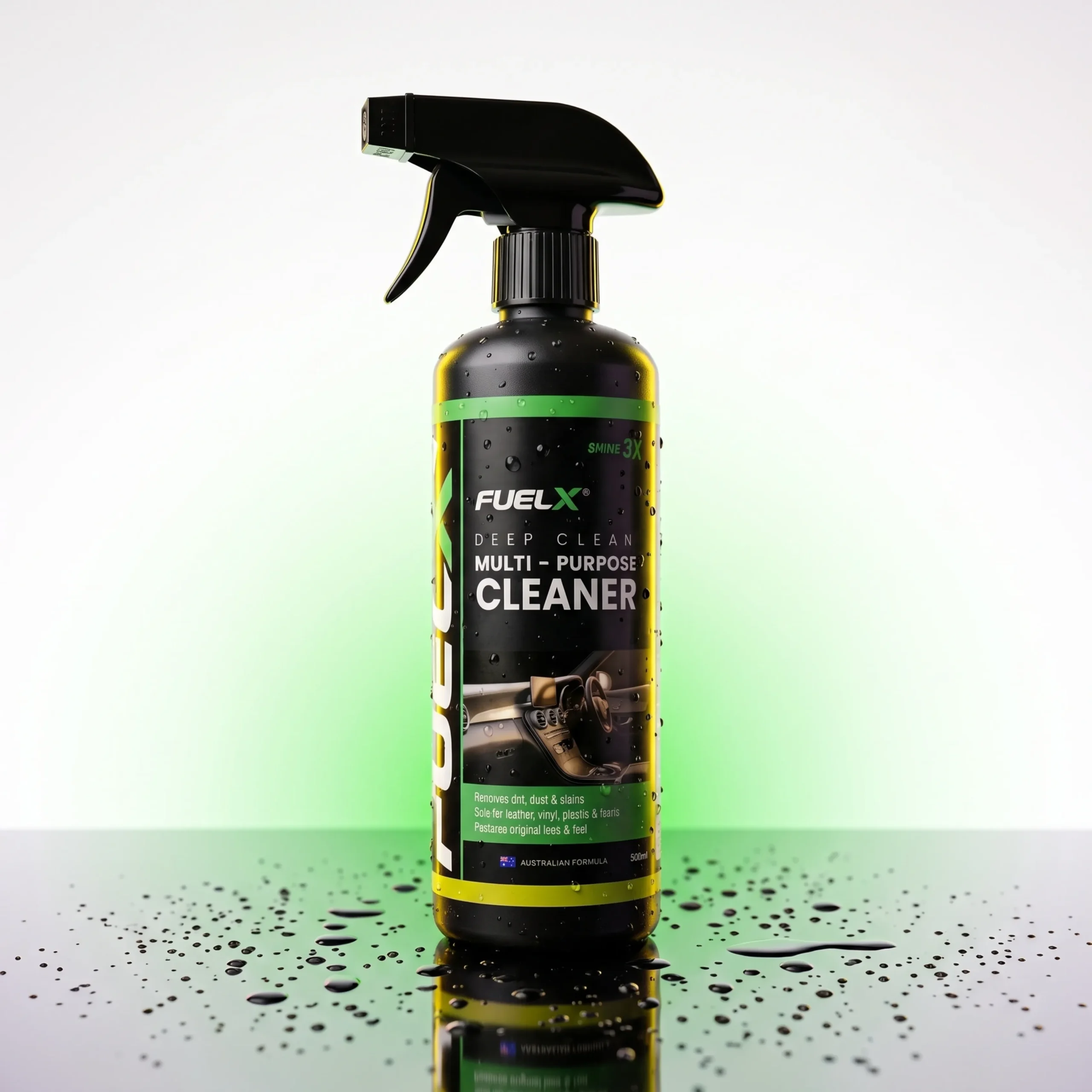
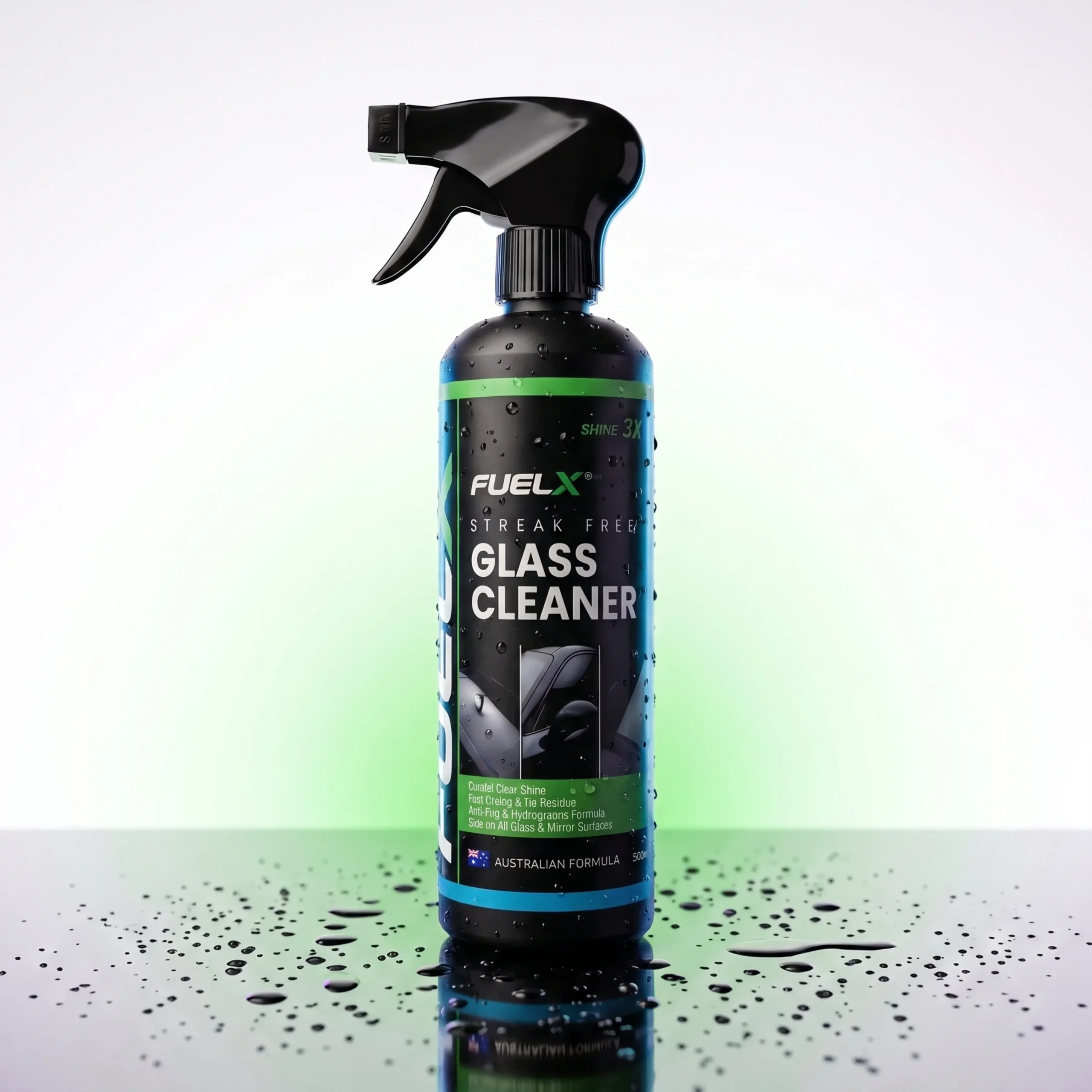
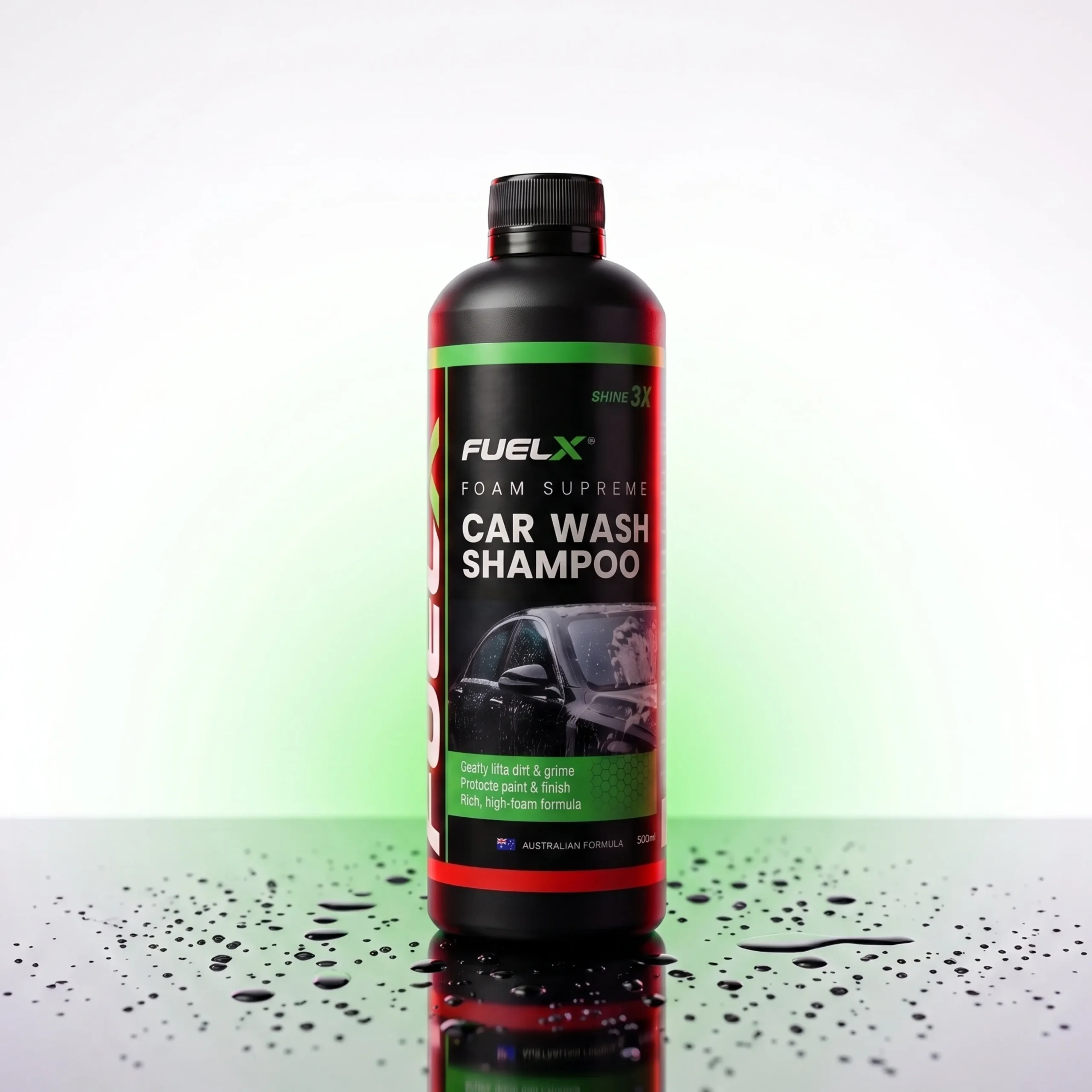
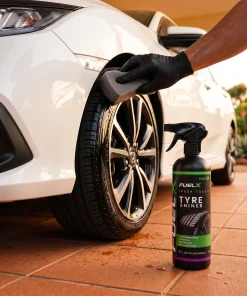
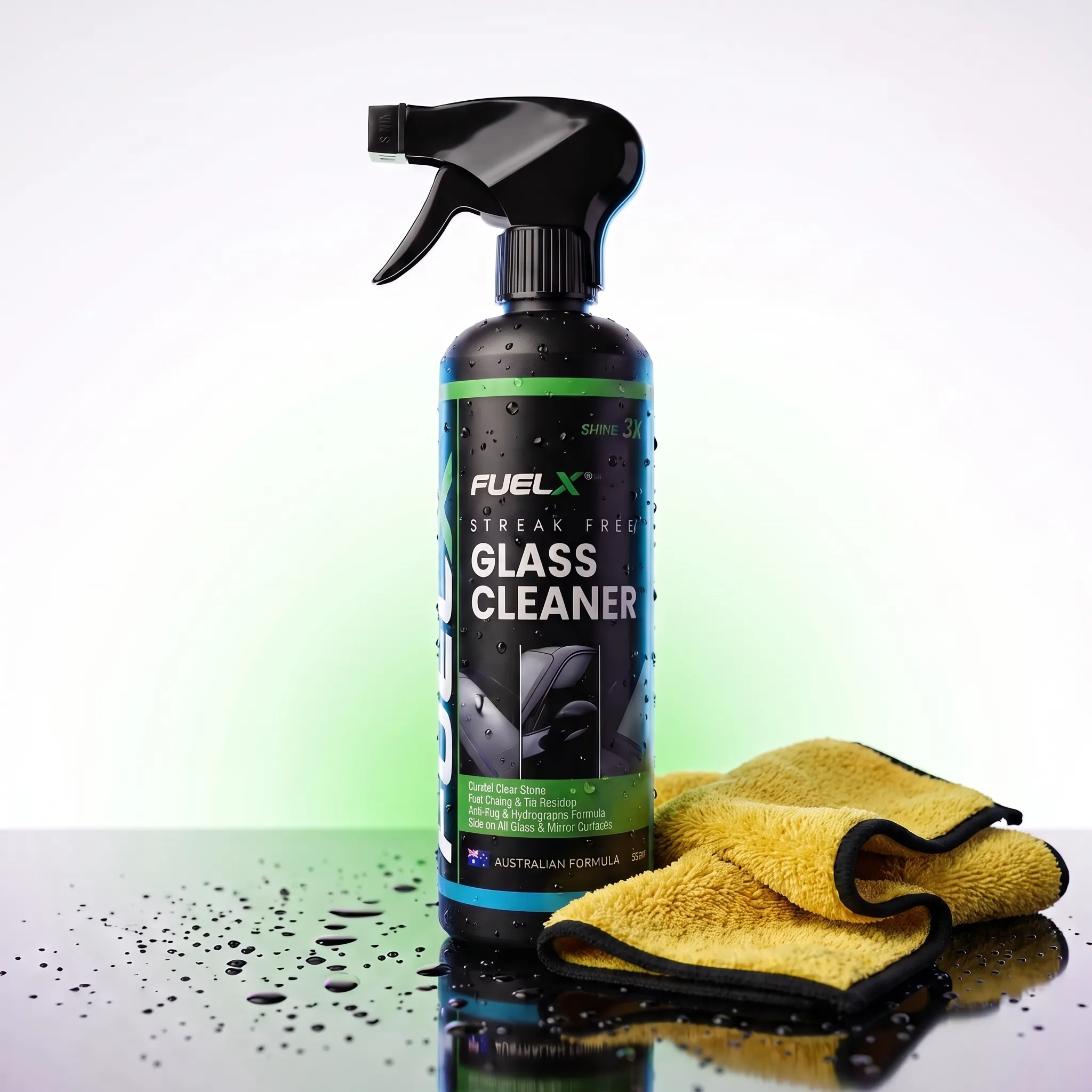
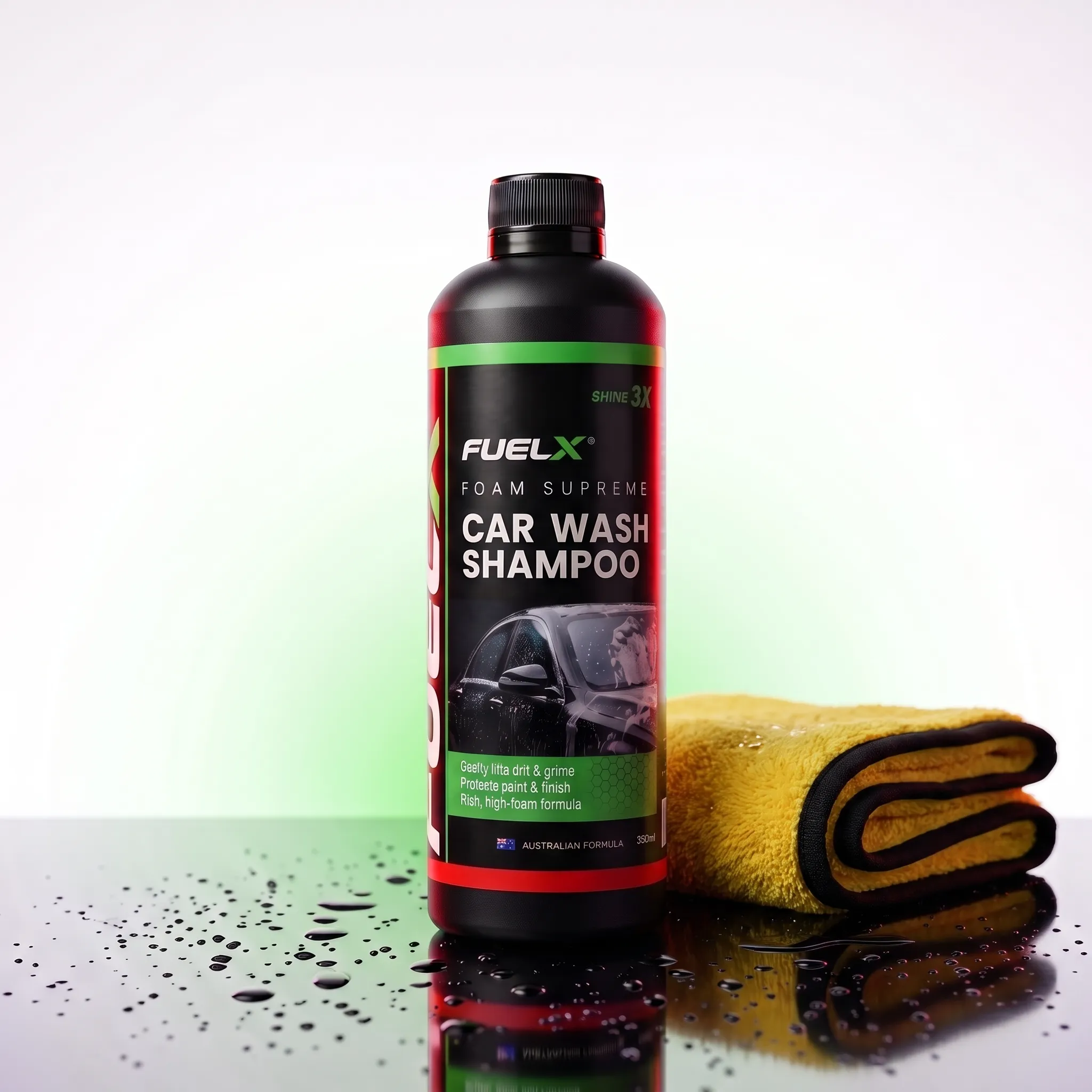
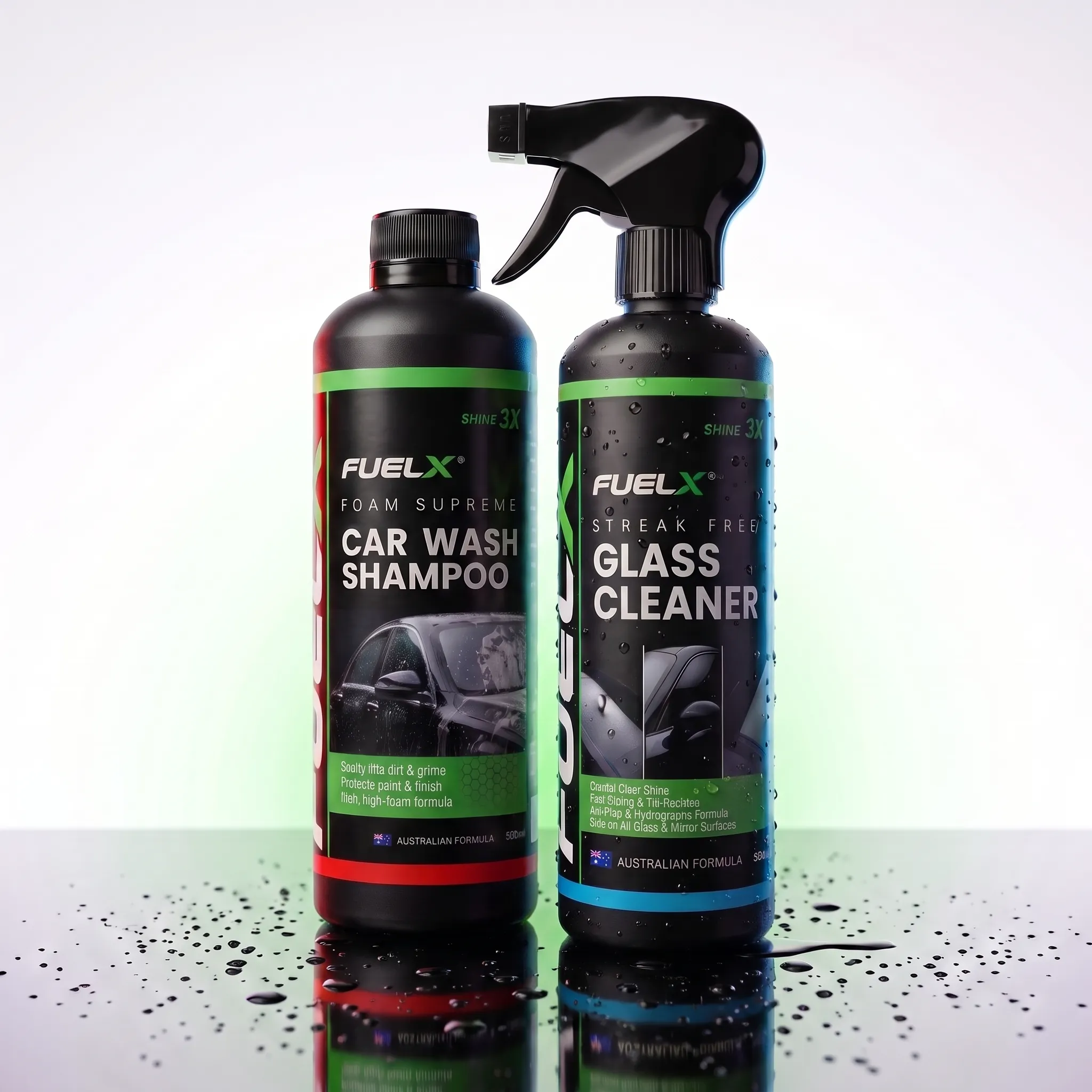
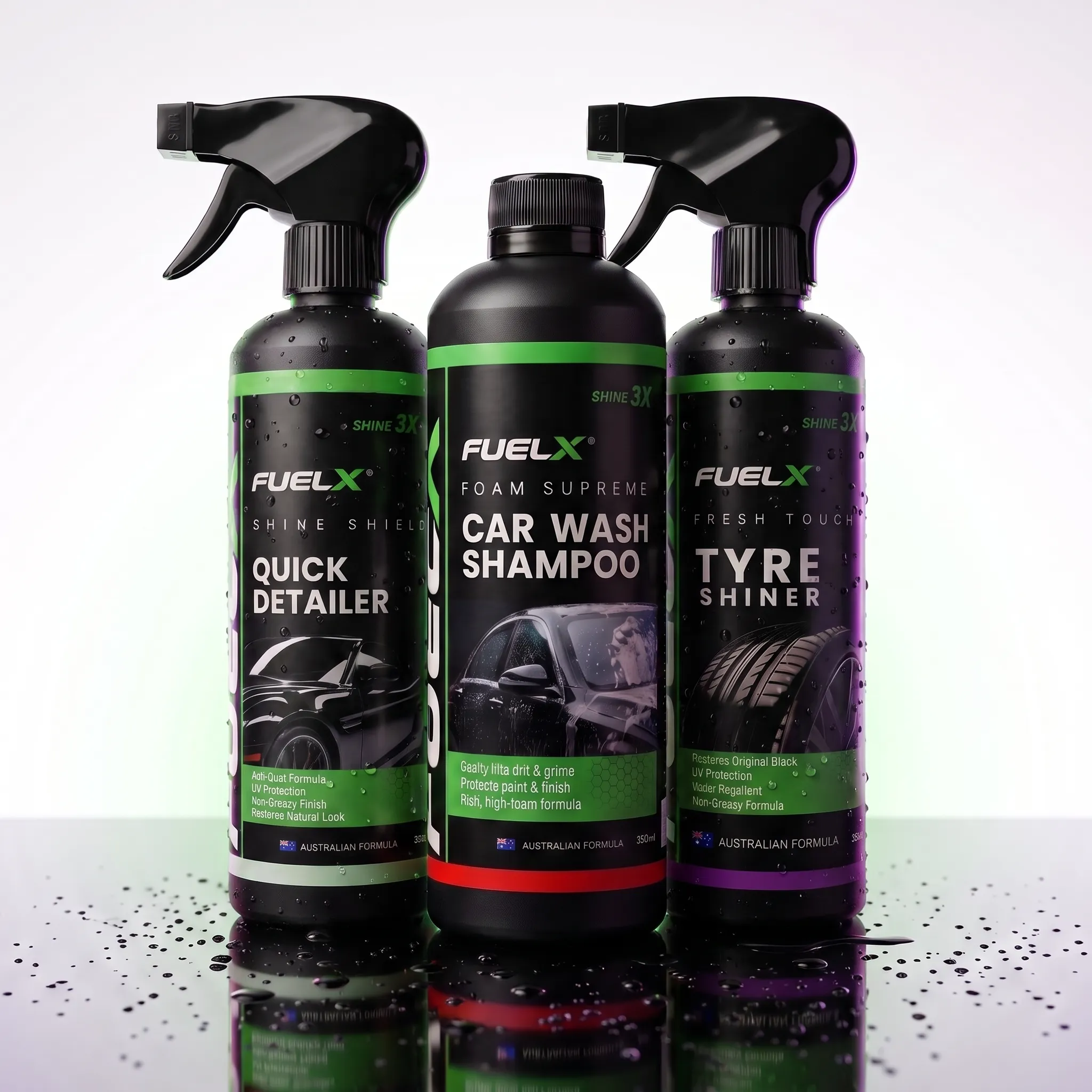
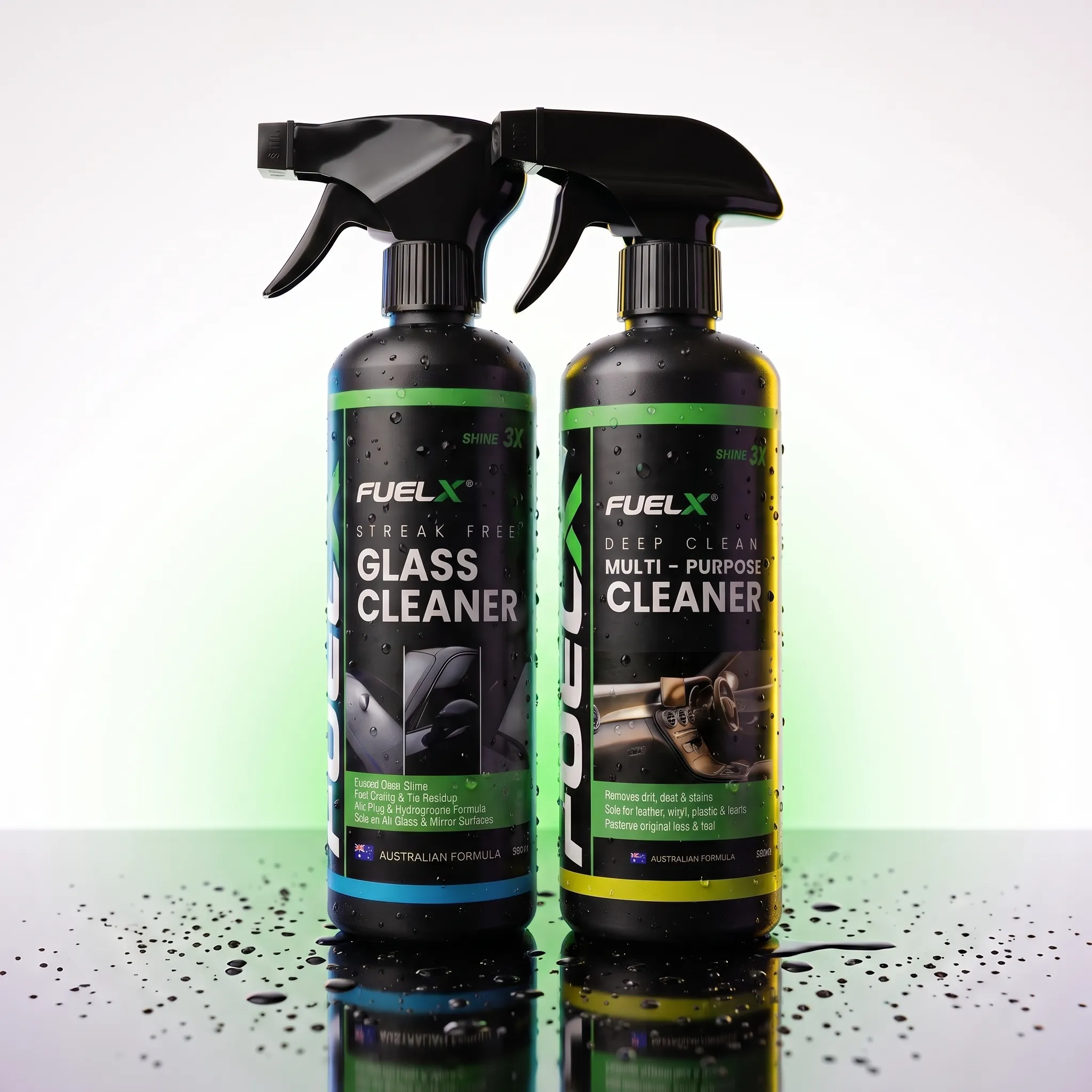
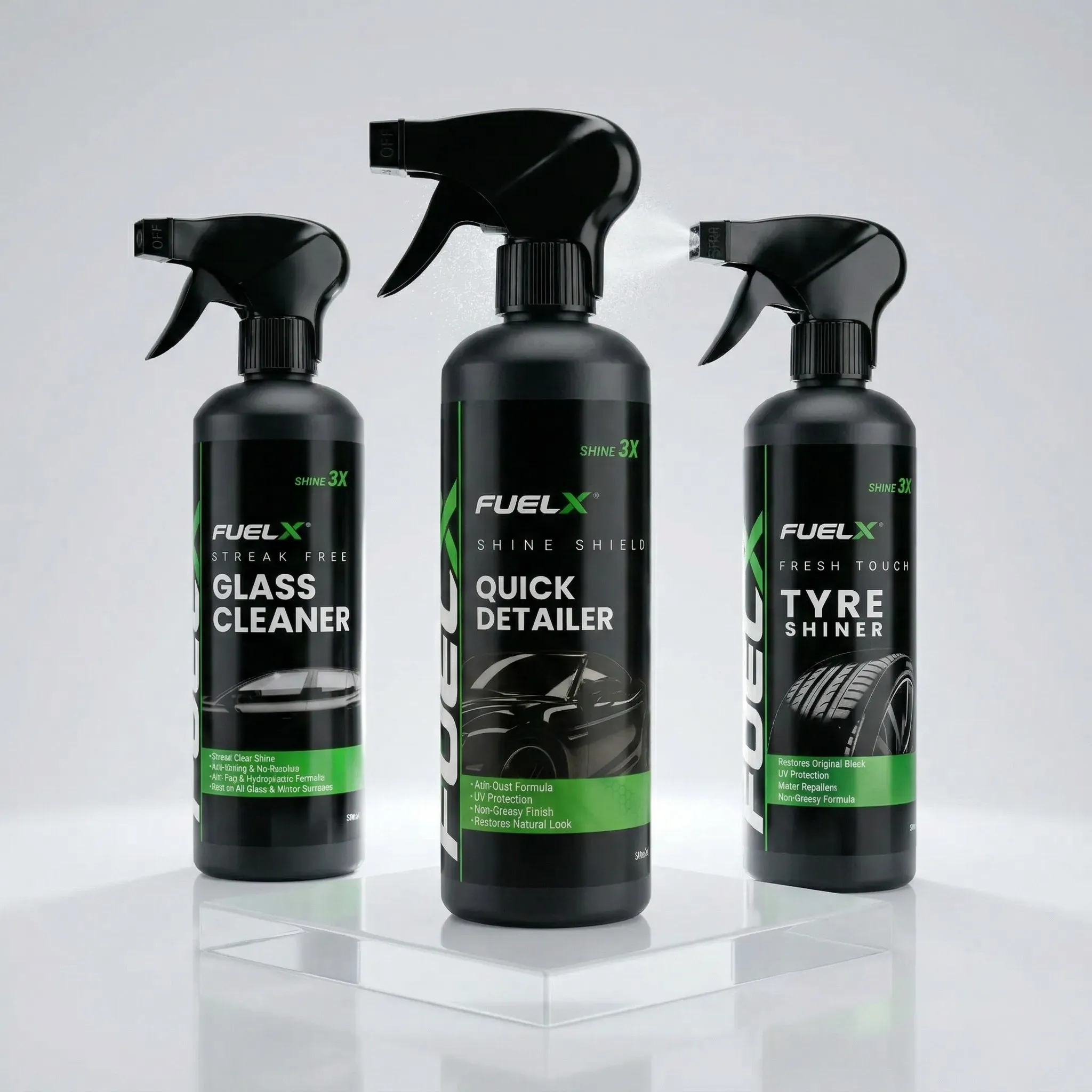
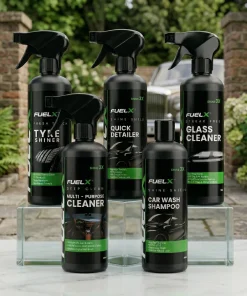
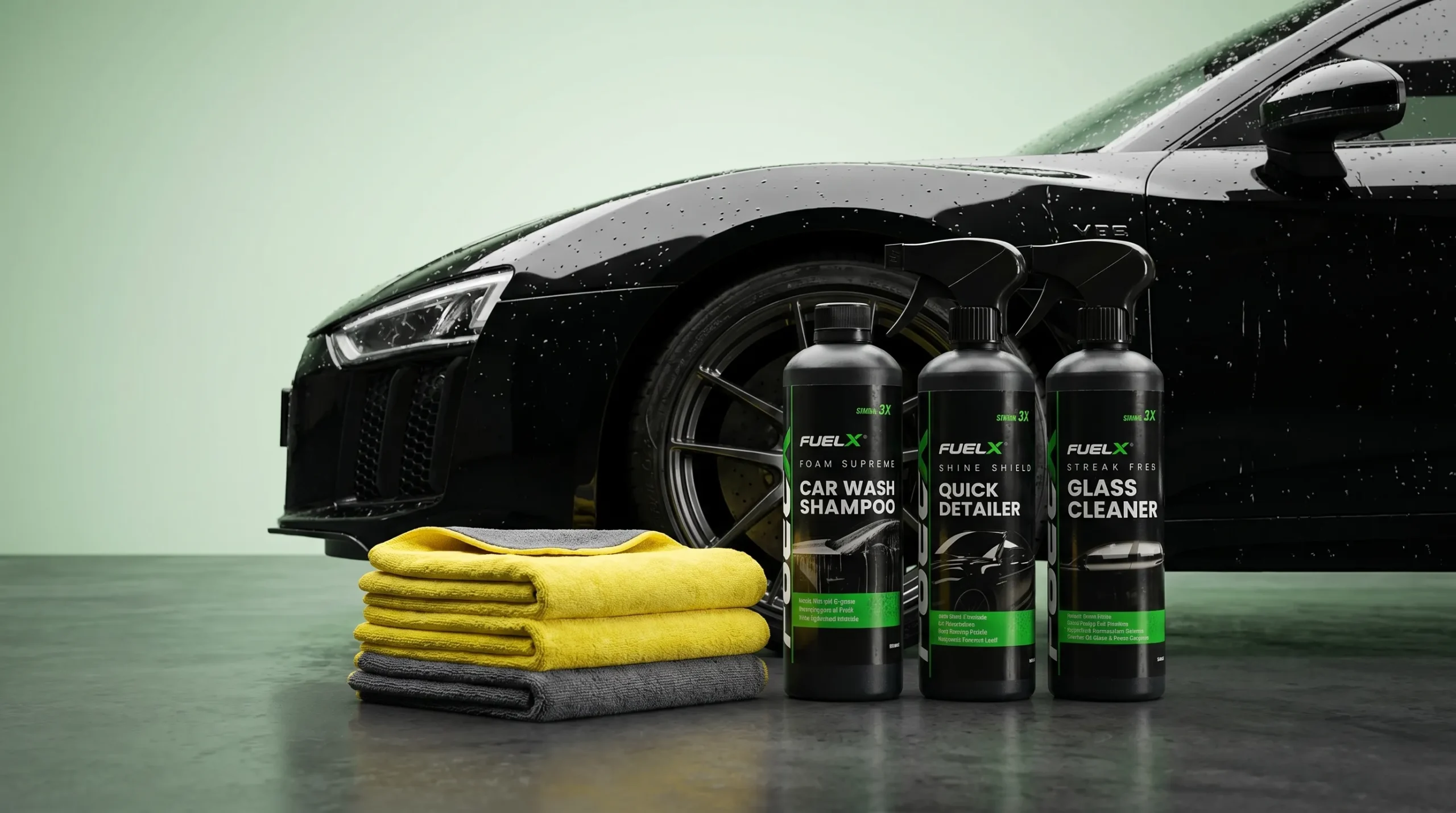
For best results, pair good microfiber towels with proper washing technique and products like FuelX Car Shampoo, Quick Detailer and Glass Cleaner. That combination gives you everything needed for a scratch-free home wash setup.
FAQ’s
Can microfiber cloth scratch car paint?
A clean high-quality cloth is generally safe. Dirty or cheap towels are a different story — they can and do scratch.
Which GSM microfiber cloth is best for drying cars?
600–1200 GSM is the standard recommendation — more water absorbed with less friction involved.
How many microfiber towels should I keep for my car?
At least 3–5 covering different tasks: – Paint – Glass – Interior – Tyres – Drying
Can microfiber towels be washed in a washing machine?
Yes — mild detergent, no fabric softener, low heat or air dry.
Which microfiber towel is best for black cars?
Soft plush edgeless towels with higher GSM. Black paint shows everything, so softer is always safer.
How long do microfiber towels last?
Hundreds of washes with proper care. Quality makes a big difference here.