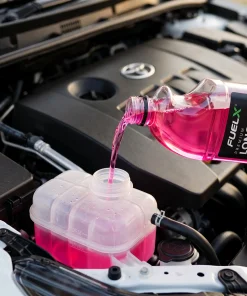
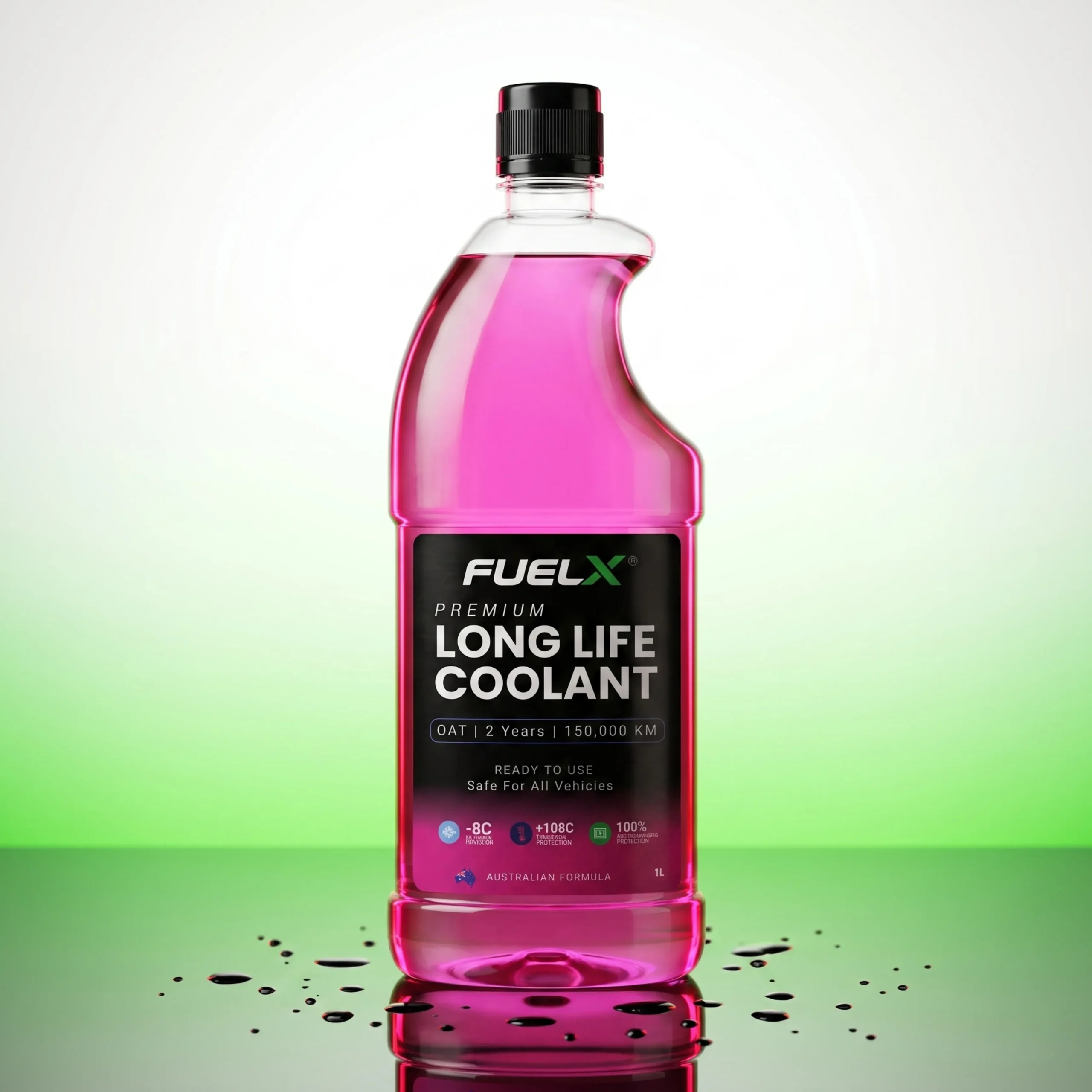
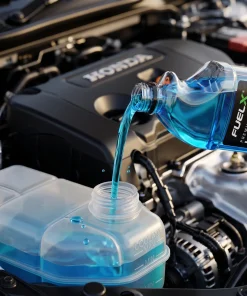
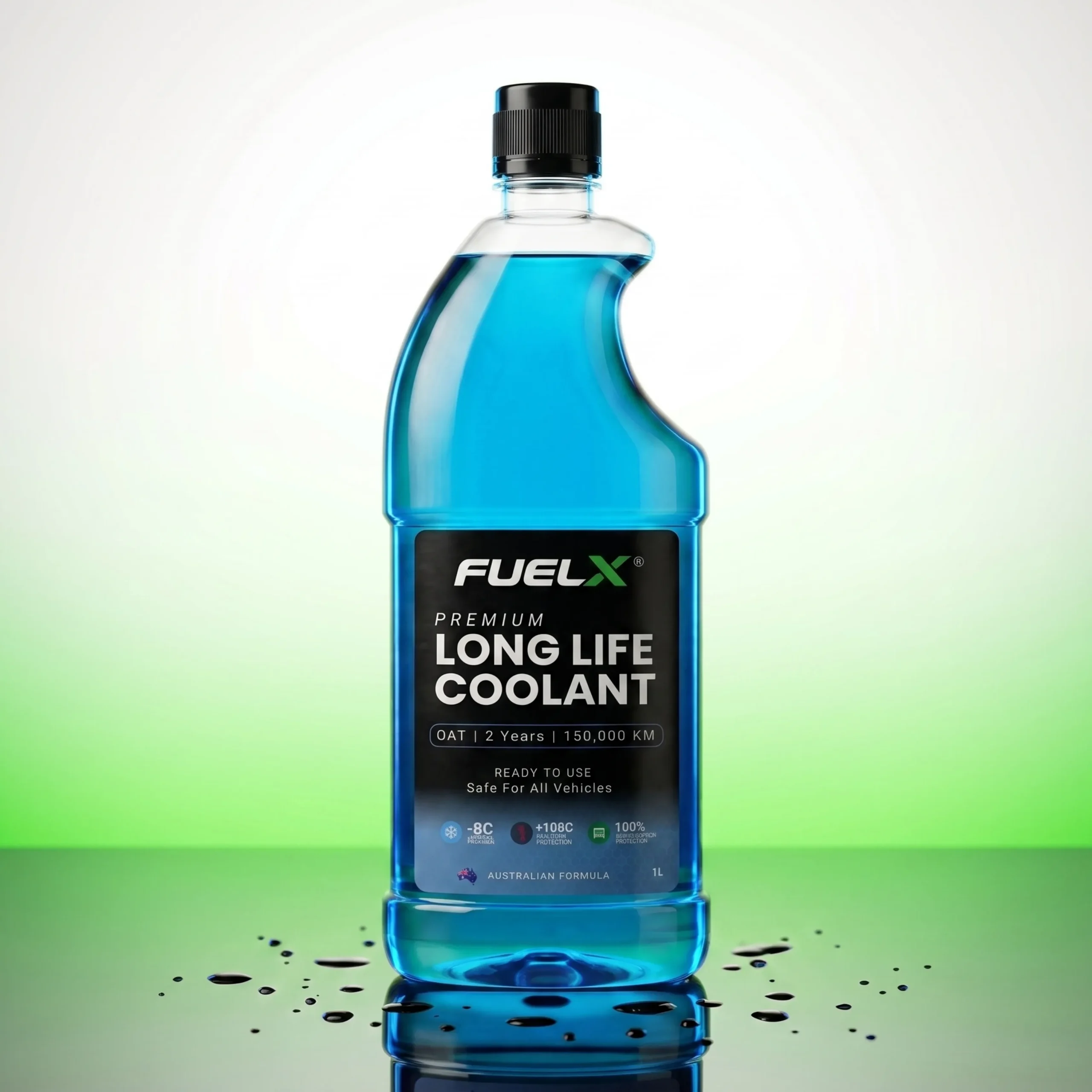
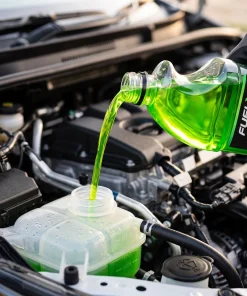
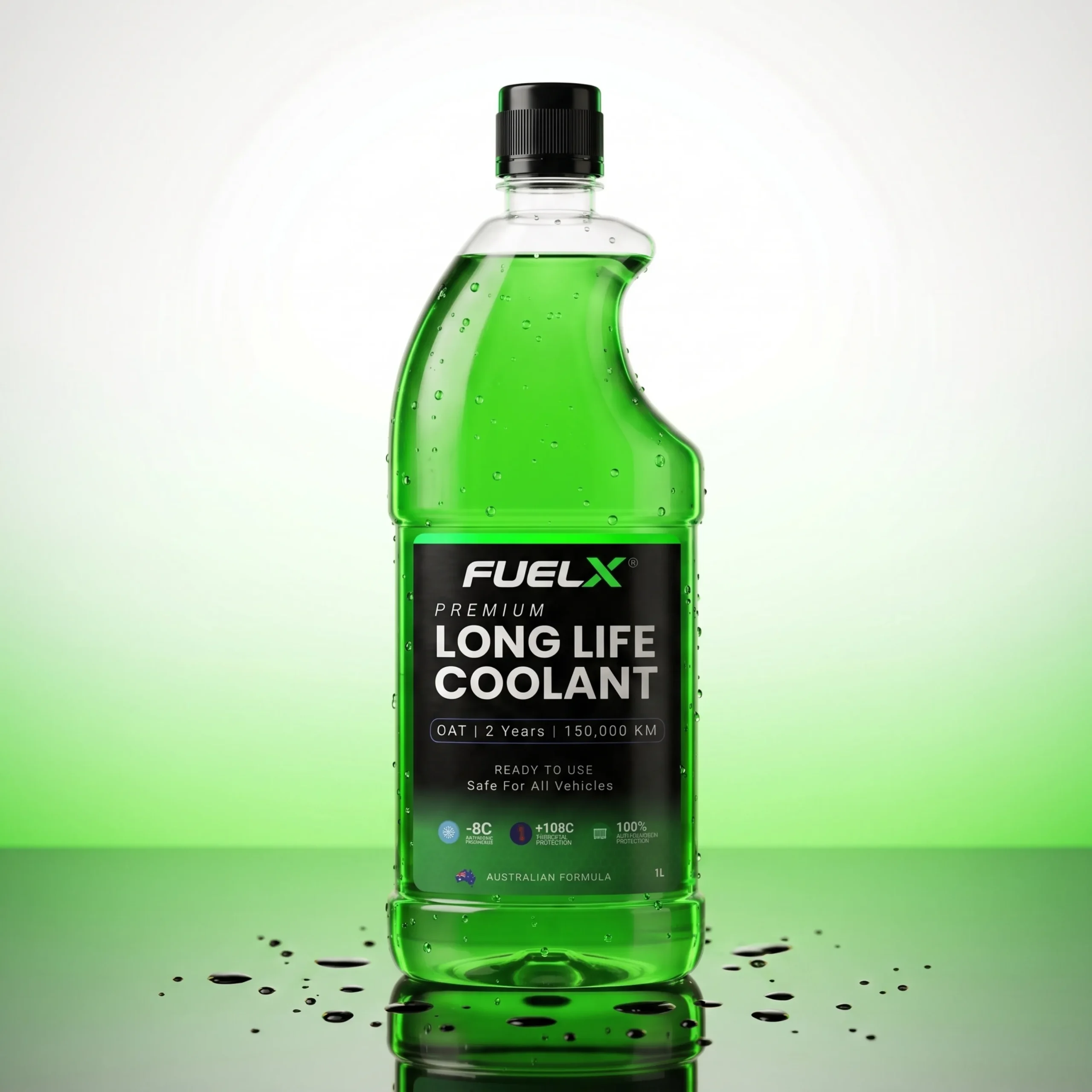
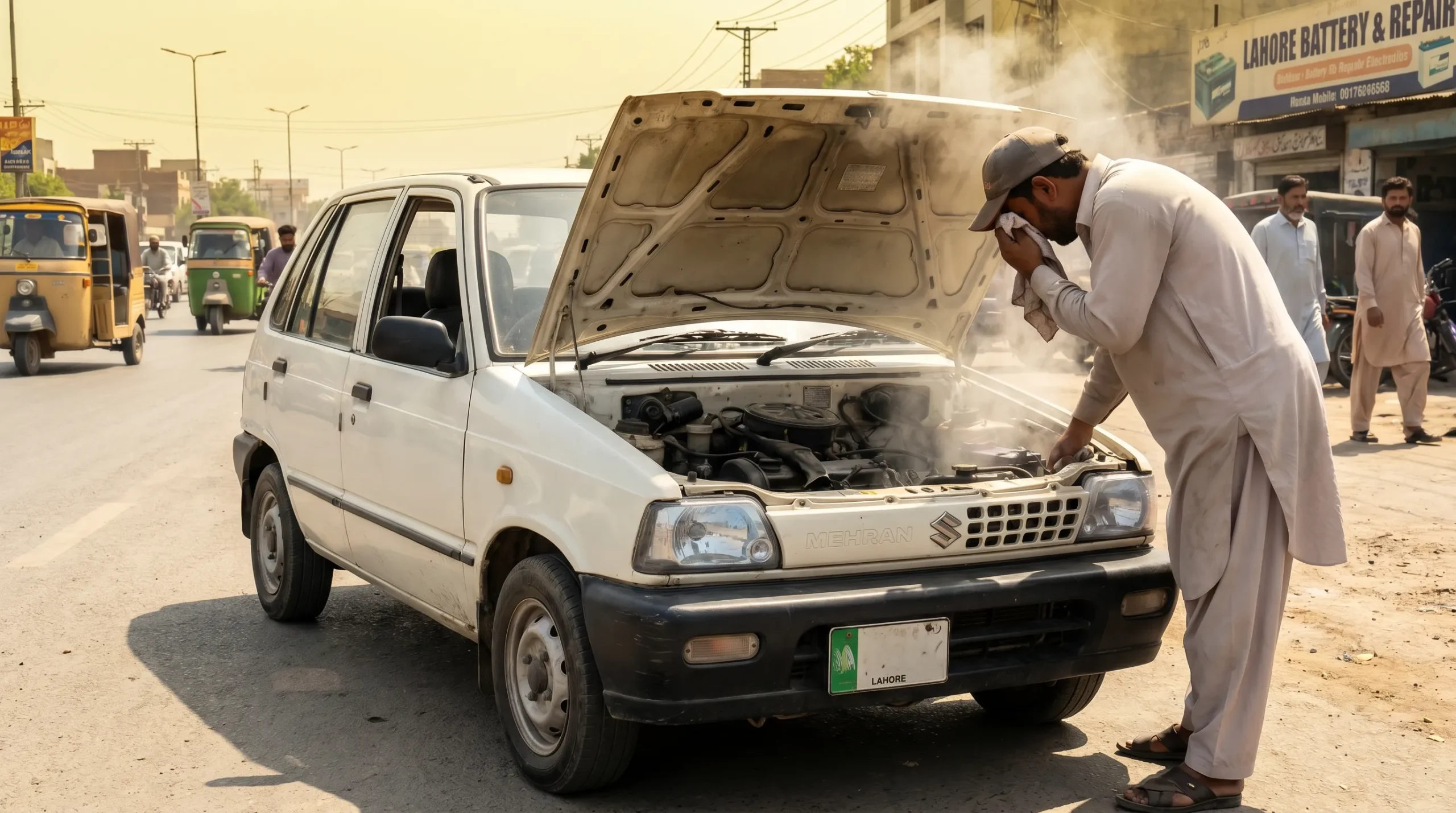
A lot of car owners in Pakistan top up their radiator coolant without even checking if the new one matches what’s already in the system. Some just go by color, assuming all coolants do the same job.
That one small oversight can lead to some pretty serious engine trouble.
Today’s coolants are built on different chemical technologies, corrosion inhibitors and additive packages. Mix the wrong ones together and you’re looking at reduced cooling performance, sludge buildup in the radiator, a damaged water pump and potentially an overheating engine.
In Pakistan, where cities like Lahore, Multan and Karachi regularly hit 45°C in summer, the cooling system is already under a lot of strain. Keeping your coolant in good shape isn’t just about performance — it’s about keeping your engine from giving up on you.
What Does Coolant Actually Do in a Car?
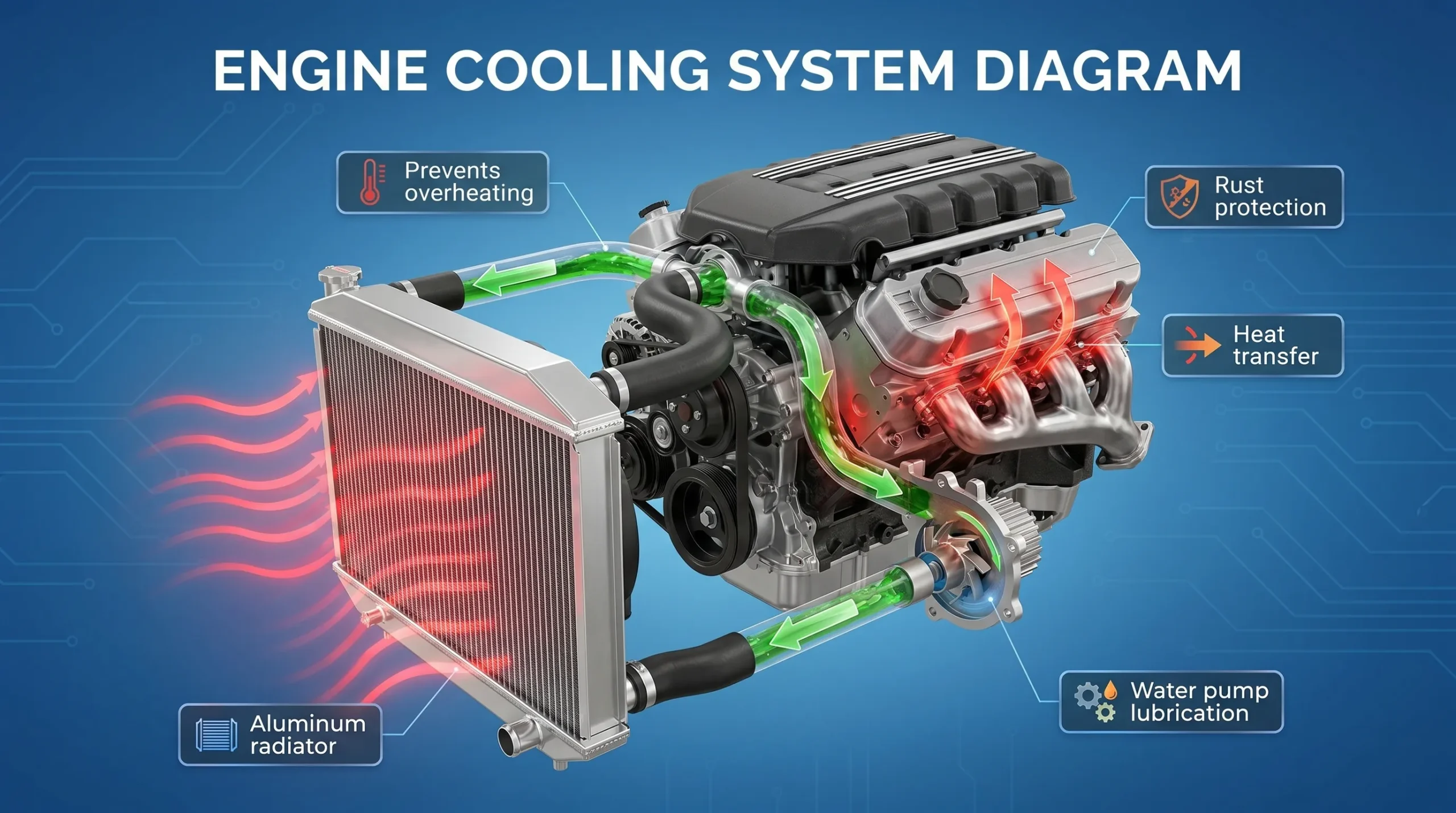
Also known as antifreeze, coolant moves through the engine and radiator to maintain safe operating temperatures.
Most people think it just stops overheating. But it’s actually handling several jobs at once.
A quality coolant helps:
Absorb and transfer engine heat
Prevent overheating in hot weather
Protect metal components from rust and corrosion
Lubricate the water pump
Prevent mineral buildup inside the radiator
Raise boiling point and lower freezing point
According to automotive cooling system research, nearly two-thirds of the heat produced by combustion engines is excess heat — and the cooling system has to deal with all of it.
Without proper coolant circulation:
Engine temperature rises rapidly
Oil performance drops
Metal components expand excessively
Gaskets and seals can fail
Why Plain Water is Not Enough
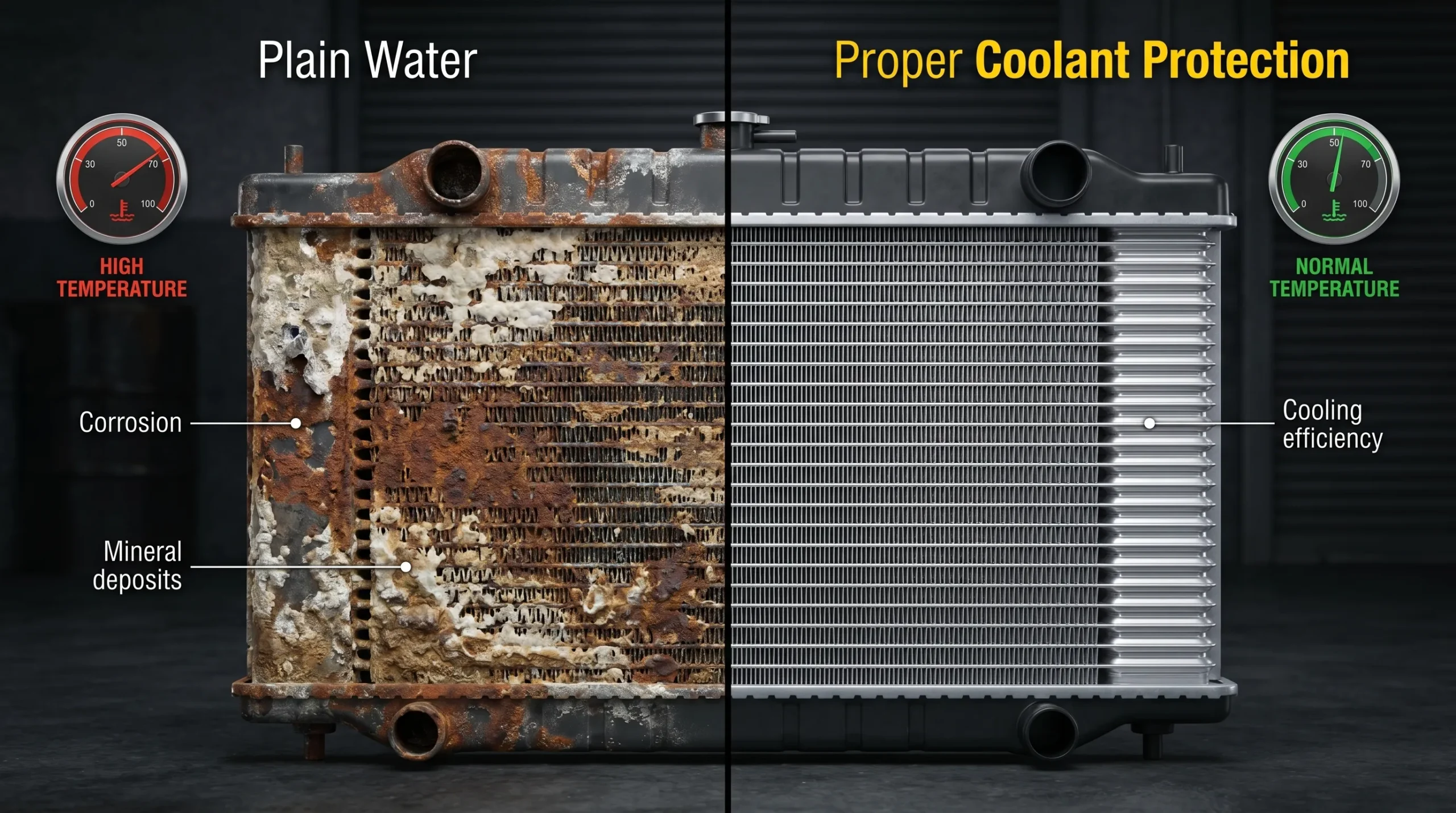
In Pakistan, plenty of drivers still pour plain tap water into the radiator, especially when summer hits.
It might bring the temperature down for a while, but the long-term damage is real.
Tap water contains:
Calcium
Magnesium
Chlorides
Minerals
These minerals settle inside radiator passages and cooling hoses over time. That buildup gradually kills cooling efficiency and puts extra load on the water pump.
A partially blocked radiator can noticeably hurt cooling performance. Even a small restriction inside coolant channels slows circulation — and your engine feels it even if you don’t.
That’s why proper coolant is a much better call than tap water.
Are All Coolants the Same?
No — not even close.
Modern vehicles need different coolant technologies depending on:
Engine design
Metal types used inside the engine
Manufacturer specifications
Operating temperatures
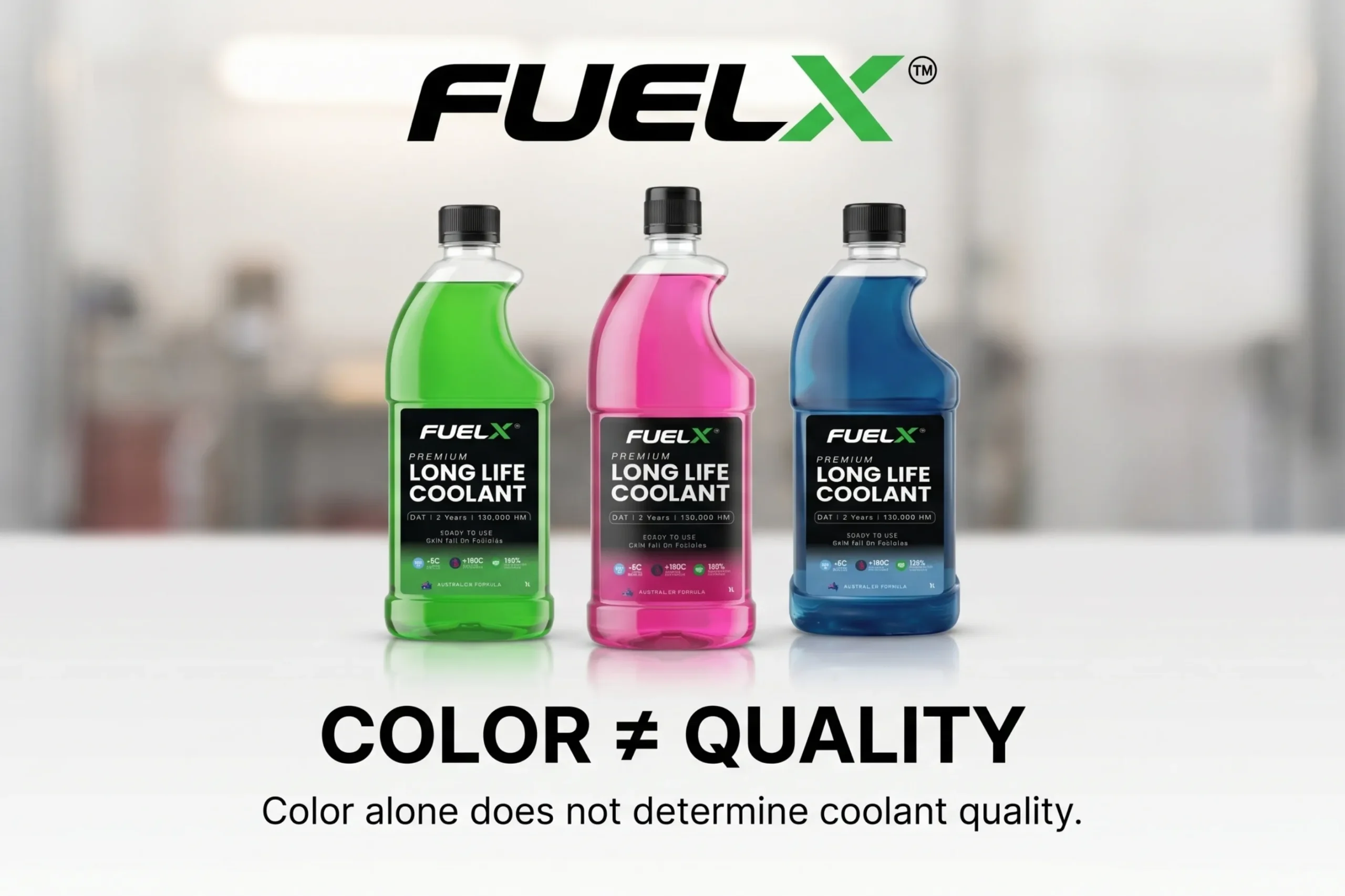
One of the biggest myths out there is: “If the coolant color matches, it must be safe.”
That’s simply not true. Color is just a visual marker. Different brands can use the exact same color for completely different chemical formulas.
Common Coolant Technologies
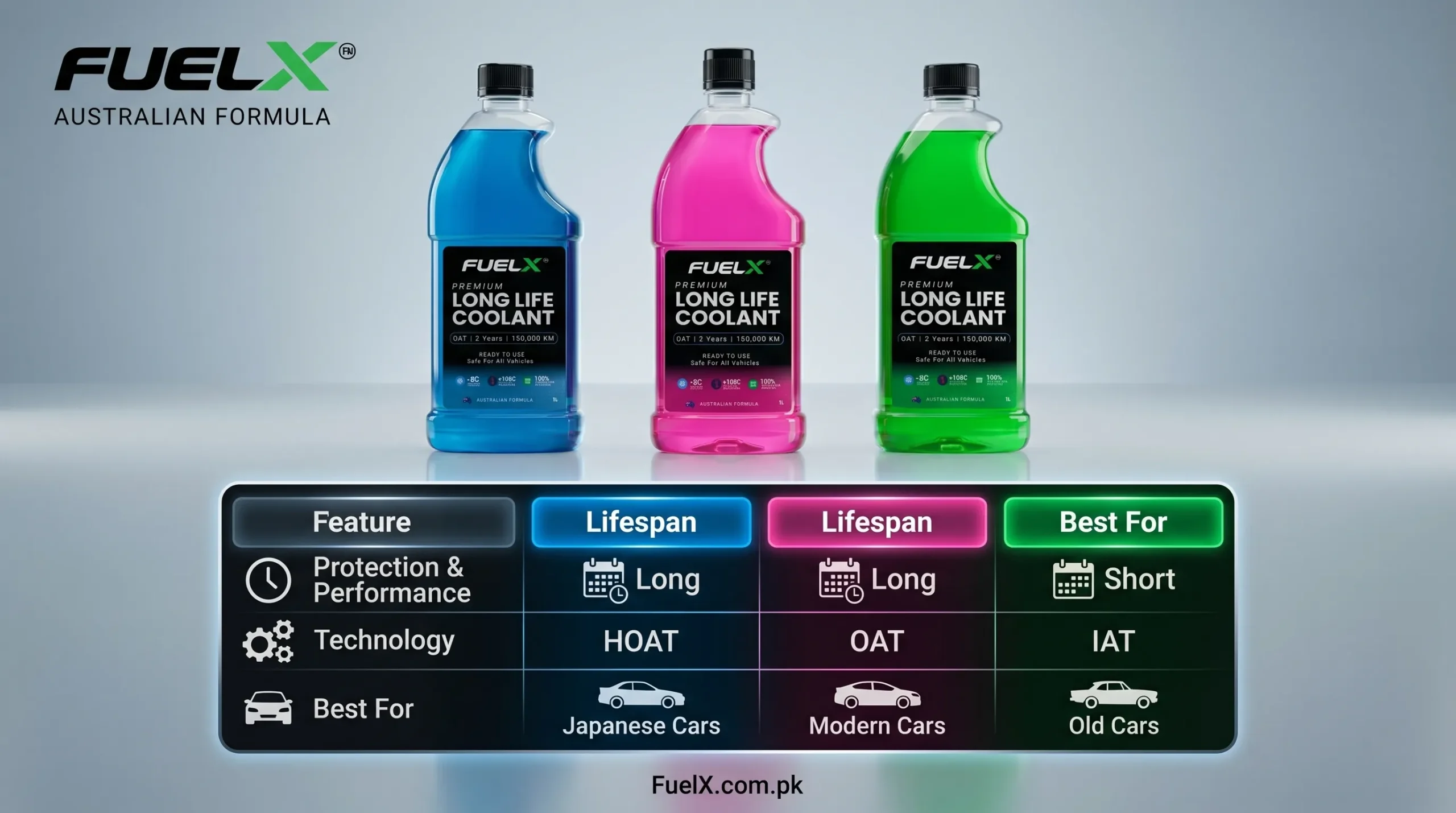
IAT (Inorganic Additive Technology)
Usually found in older vehicles.
Characteristics:
Traditional green coolant
Uses silicates and phosphates
Service life around 2 years or 30,000–40,000 miles
These coolants build a protective coating over metal surfaces, but that coating wears off faster than newer formulas.
OAT (Organic Acid Technology)
Used in many modern vehicles.
Characteristics:
Often orange, red or pink
Longer service life
Better for aluminum engines
Can last up to 5 years or 100,000 miles
OAT coolants rely on organic corrosion inhibitors rather than traditional silicates.
HOAT (Hybrid Organic Acid Technology)
A blend of IAT and OAT technologies.
Characteristics:
Common in European and Asian vehicles
Often blue, yellow or pink
Longer lifespan
Improved corrosion protection
Some HOAT coolants can last 5–10 years or up to 150,000 miles under ideal conditions.
Can You Mix Different Coolants?
In most situations, mixing different coolants is not a good idea — unless the products are specifically made to work together.
Different coolant technologies carry different additives and inhibitors. Different coolant types may react with each other and reduce cooling system protection.
Instead of protecting the engine, the mixture may:
Lose corrosion protection
Form sludge deposits
Damage radiator passages
Reduce heat transfer efficiency
The tricky part is that drivers often don’t notice anything for weeks. The engine keeps running, everything seems fine — and then symptoms start showing up. That delayed reaction is exactly what makes coolant mixing so risky.
What Happens If You Mix Different Coolants?
Sludge or Gel Formation
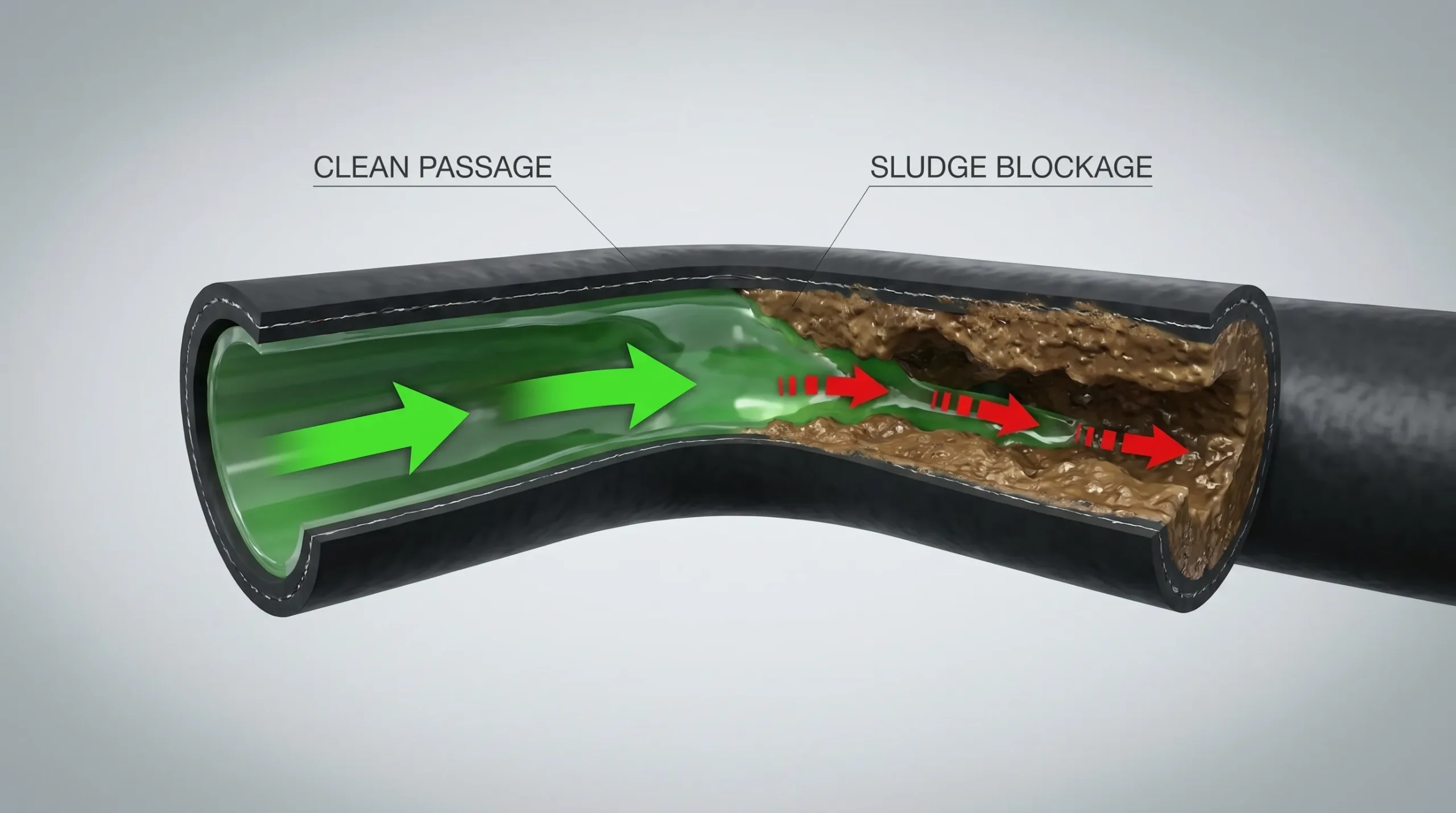
One of the nastier outcomes is sludge or gel-like deposits forming inside the system.
Certain coolant additives react with each other, separate from the solution and leave behind thick brown gunk inside the radiator and engine passages.
Mechanics call this: “The Jell-O Effect”
This sludge can:
Block radiator channels
Restrict coolant circulation
Clog heater cores
Damage water pumps
According to Gates automotive technical data, even a 2 mm restriction inside cooling passages can cut cooling efficiency by up to 40%.
Engine Overheating
Once coolant flow gets restricted, engine temperature goes up fast.
In Pakistan, that’s a particularly bad situation because:
Traffic congestion increases engine heat
Summer temperatures exceed 45°C
Long highway driving stresses cooling systems
Overheating can lead to:
Blown head gaskets
Warped cylinder heads
Engine seizure
Complete engine failure
Depending on the vehicle, engine replacement can run into several lakh rupees.
Corrosion Inside the Cooling System
Coolants carry inhibitors that shield aluminum, steel, copper and other metals from rust and oxidation.
When you mix incompatible formulas, those inhibitors break down and metal surfaces are left exposed.
This can damage:
Radiator cores
Water pumps
Engine blocks
Thermostats
Heater cores
Over time, corrosion particles travel through the cooling system and make blockages even worse.
Water Pump Damage
The water pump needs coolant to lubricate its seals and bearings properly.
When contaminated coolant or sludge gets in there, wear increases and you can end up with:
Noisy water pump operation
Coolant leakage
Reduced circulation
Premature pump failure
Replacing a water pump in Pakistan can cost:
Rs. 8,000–15,000 for small local cars
Rs. 25,000+ for imported or hybrid vehicles
Reduced Coolant Lifespan
Coolant is a carefully balanced formula.
Mix in something incompatible and that balance is gone — along with a good chunk of the coolant’s useful life.
For example:
A coolant designed for 5 years may lose effectiveness much earlier
Corrosion protection may weaken rapidly
Acidity levels can increase
Once coolant turns acidic, internal engine erosion starts becoming a real concern.
Is It Safe to Mix Coolant Colors?
Not always.
Many drivers go by a simple logic:
Green + Green = Safe
Red + Red = Safe
But color has nothing to do with chemical compatibility.
Different manufacturers may use:
Similar colors for different formulas
Different colors for similar formulas
Coolant Color
Possible Technology
Green
IAT
Red
OAT
Pink
OAT / HOAT
Blue
Manufacturer-specific
Orange
OAT
Coolant selection should always come down to manufacturer specifications, chemical technology and vehicle requirements — not color.
When Can Coolants Be Mixed?
There are situations where mixing is okay:
Both use the same technology
Manufacturer approvals match
Product labels confirm compatibility
Some universal coolants are made for multi-vehicle use. But even then, mechanics urge caution — not every “universal” product behaves the same way in every system.
When in doubt, a full coolant flush is the safest move.
What Should You Do If You Accidentally Mix Coolants?
If it’s already happened, don’t panic just yet.
A small amount of mixing won’t always cause instant damage, but you do need to sort it out quickly.
Step 1: Monitor Engine Temperature
Watch the temperature gauge.
If you see:
Increasing temperature
Overheat Steam
Warning lights
Pull over and stop driving right now.
Step 2: Avoid Long-Distance Driving
Until you get it fixed:
Avoid highway trips
Avoid heavy traffic
Avoid aggressive driving
This takes some pressure off the cooling system in the meantime.
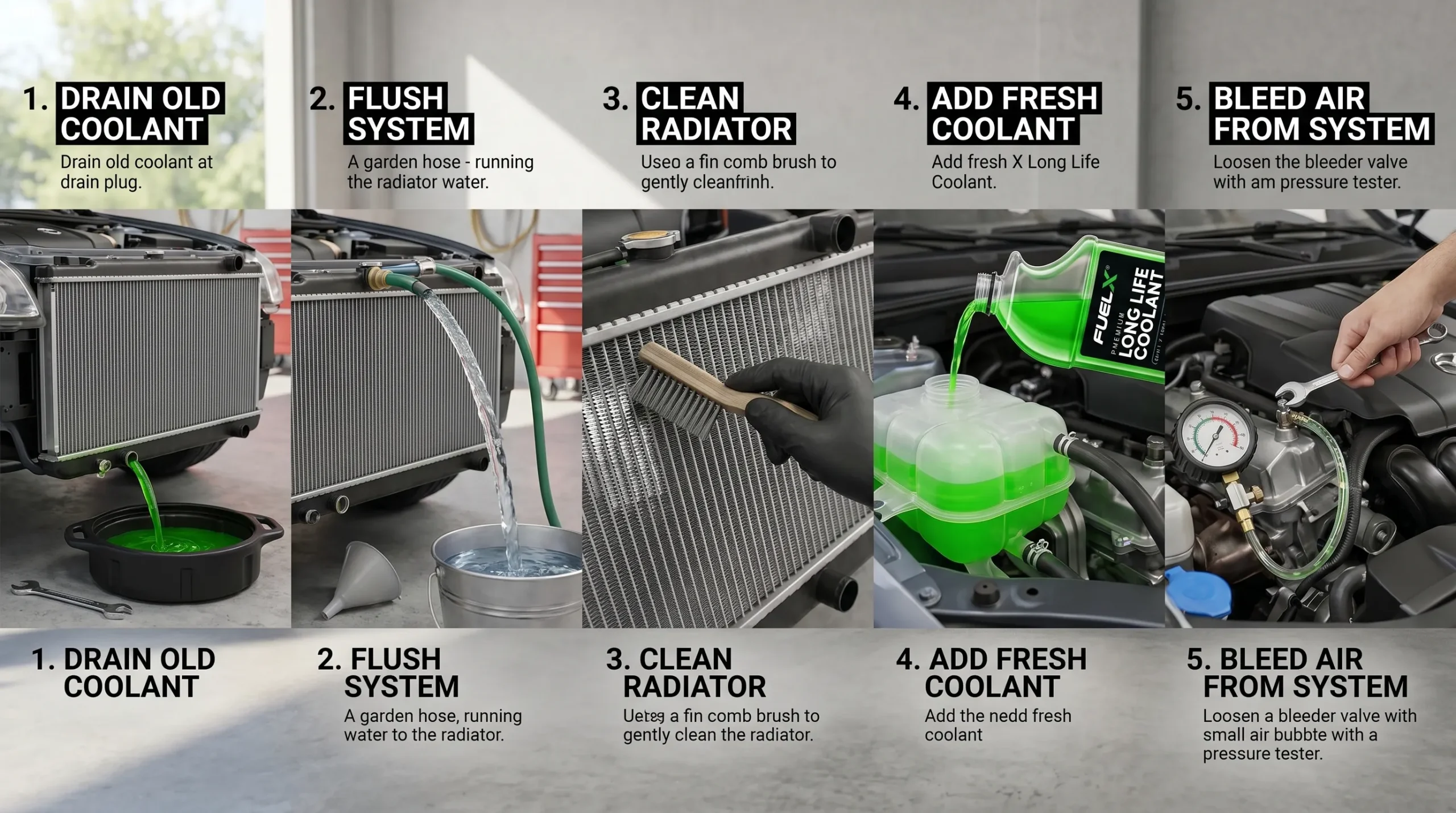
Step 3: Perform a Coolant Flush
A full flush clears out:
Contaminated coolant
Sludge deposits
Corrosion particles
Old additives
Getting it done professionally brings circulation back to where it should be.
In Pakistan, a coolant flush typically costs Rs. 2,500–6,000 depending on the vehicle and coolant quality.
Step 4: Refill With Correct Coolant
Always go back in with:
Manufacturer-approved coolant
Correct chemical specification
Distilled or demineralized water if dilution is required
A 50/50 coolant-to-water ratio is the standard recommendation for solid all-round protection.
How to Check Which Coolant Your Car Needs
The safest way is to go straight to the manufacturer’s recommendation.
You can check through:
Owner’s manual
Coolant reservoir cap
Dealership guidance
Mechanic inspection
Never go by color alone.
Common Coolants Used in Pakistan
Most popular vehicles run on:
Toyota Long Life Coolant
Honda Type-2 Coolant
Suzuki Genuine Coolant
OAT-based universal coolants
Every brand and engine type has its own requirements, so always double-check before buying.
Best Practices for Pakistani Drivers
Pakistan’s climate puts the cooling system through a lot:
Extreme heat
Dust
Stop-and-go traffic
Long summer seasons
That makes proper coolant maintenance even more critical here than in most places.
Recommended Maintenance Tips
Check Coolant Monthly
Low coolant levels push overheating risk up significantly.
Never Use Hard Tap Water
Minerals cause deposits and speed up corrosion.
Replace Coolant on Schedule
Most coolants need replacing every 2–5 years, depending on the type.
Flush Before Changing Coolant Type
Skipping this step risks chemical contamination between the old and new formula.
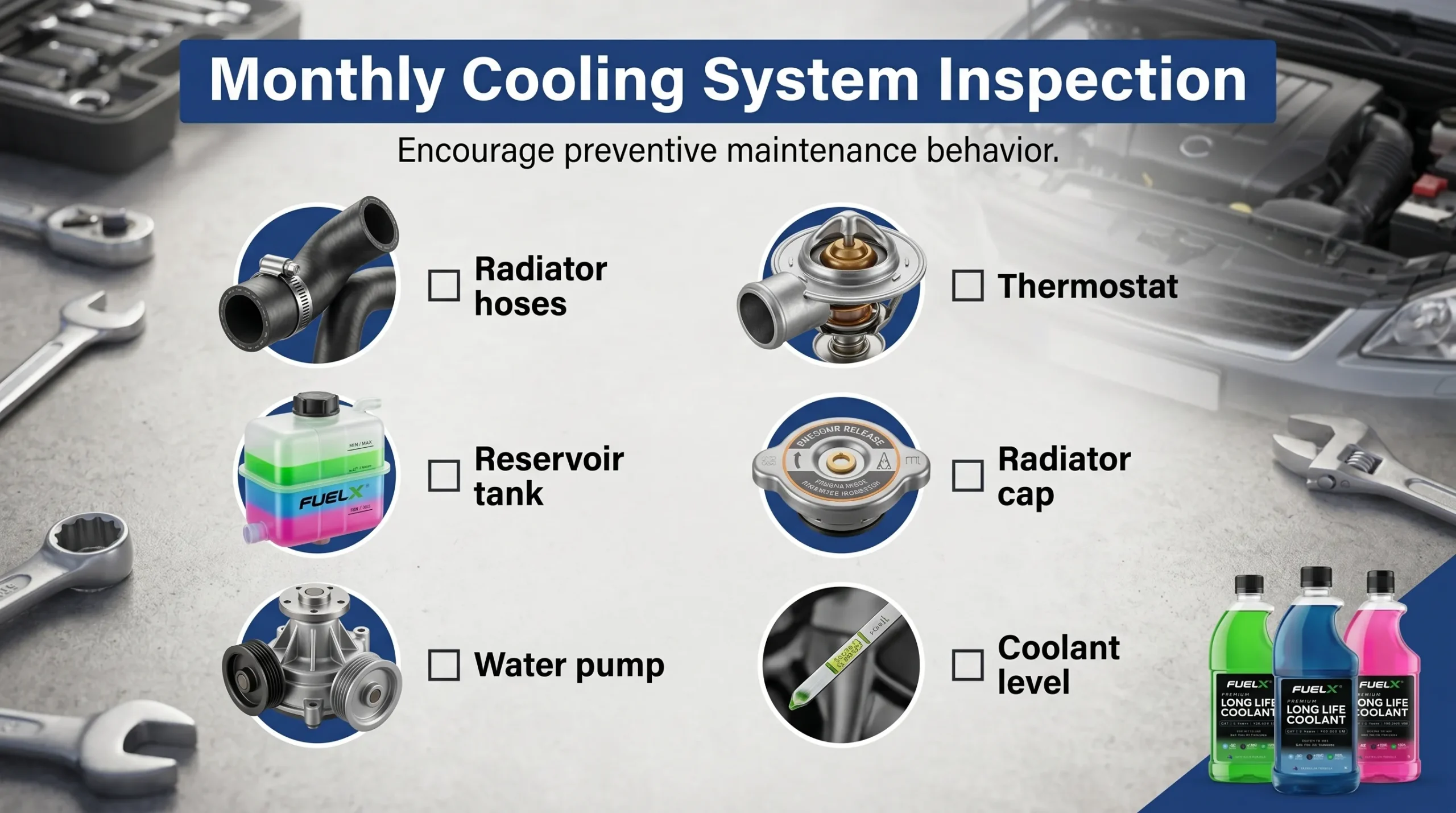
Inspect Cooling Components Regularly
Check:
Radiator hoses
Reservoir tank
Water pump
Thermostat
Radiator cap
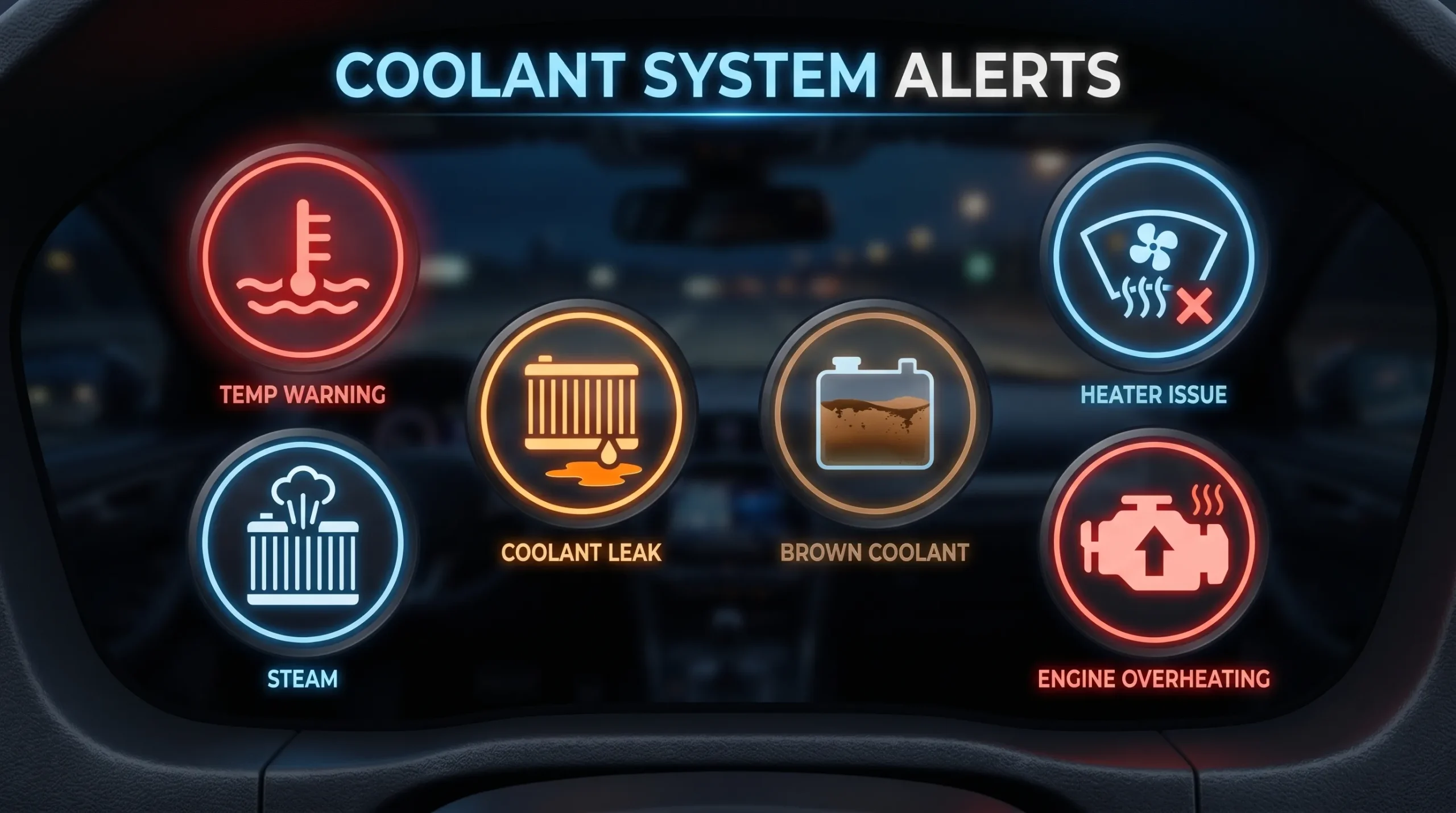
Signs Your Coolant May Be Damaged After Mixing
Keep an eye out for:
Engine overheating
Brown or muddy coolant
Sludge under radiator cap
Sweet smell from engine bay
Coolant leaks
Poor heater performance
Temperature fluctuations
Dashboard warning lights
Any of these is usually a sign of contamination or cooling system damage that needs attention right away.
Can Mixing Coolants Void Warranty?
Yes, in some cases.
Most manufacturers specify which coolants are approved. Using the wrong one can affect warranty claims for:
Radiator damage
Water pump failure
Overheating
Engine corrosion
Stick to manufacturer recommendations — it’s not worth the risk.
FAQ’s
Can you mix red and green coolant?
Usually not. Red and green coolants tend to use different chemical technologies that can react badly when combined.
Can you mix coolant brands?
Sometimes — but only if both products share the same specifications and chemical technology.
What happens if I accidentally mix coolant?
You may run into sludge buildup, overheating, weakened corrosion protection, or long-term cooling system damage.
Can I top up coolant with water?
In an emergency, distilled water is safer than adding an incompatible coolant. But get the right coolant back in as soon as you can.
How often should coolant be changed?
Most modern coolants are good for 2–5 years, depending on the vehicle and coolant type.
Conclusion
Mixing different coolants might not seem like a big deal at the moment, but the damage it causes inside your engine and radiator can take weeks to show up — and by then it’s already done. Different coolant technologies use different chemistry and when incompatible ones mix, you’re risking sludge, reduced cooling, corrosion and damaged components.
The fix is simple:
Use the coolant your vehicle actually needs
Don’t mix unless compatibility is confirmed
Flush the system before switching coolant types
In Pakistan’s climate, where engines are already working harder than average, keeping your coolant right is one of the cheapest and most effective ways to protect your engine and dodge an expensive repair down the road.