The rainy season in Pakistan brings cooler temperatures and much-needed relief after months of intense summer heat. However, it also introduces several challenges for drivers. Heavy rainfall, waterlogged streets, muddy roads, high humidity, and reduced visibility can all affect your vehicle’s performance and safety. While modern vehicles are designed to handle wet conditions, prolonged exposure to moisture without proper maintenance can lead to rust, brake problems, electrical faults, and costly repairs.
According to road safety experts, wet roads can increase stopping distances by 20% to 40%, depending on tire condition, speed, and road surface. In addition, moisture trapped beneath the vehicle or inside the cabin can accelerate corrosion and encourage mold growth if left untreated.
The good news is that most rainy-season problems are preventable. By performing regular inspections and following a few simple maintenance practices, you can keep your car reliable, improve driving safety, and protect its resale value.
This guide covers everything you need to know about maintaining your car during Pakistan’s rainy season, whether you drive daily through city traffic or frequently travel on highways.
Why Rainy Season Car Maintenance Is Important
Rain affects far more than just your car’s appearance. Every journey through standing water or muddy roads places additional stress on your tires, brakes, suspension, electrical components, and paintwork.
When roads become wet, a thin layer of water forms between the tire and the road surface. If your tires cannot effectively disperse this water, the vehicle may begin to hydroplane, causing the tires to lose contact with the road. Even at speeds as low as 60–80 km/h, worn tires significantly increase the likelihood of losing traction.
Moisture also finds its way into hidden areas of the vehicle. Door seals, wheel arches, suspension components, battery terminals, and underbody panels remain damp long after the rain stops. If dirt and moisture are allowed to accumulate, corrosion begins to develop, gradually weakening metal components.
Routine rainy-season maintenance offers several important benefits:
Improves vehicle safety on slippery roads.
Enhances braking and steering performance.
Prevents premature rust and corrosion.
Reduces unexpected mechanical failures.
Extends the lifespan of tires, brakes, and suspension components.
Helps maintain your vehicle’s resale value.
Preventive maintenance always costs less than repairing water-related damage after it occurs.
Inspect Your Tyres Before Every Rainy Season
Your tires play the most important role in keeping your vehicle stable during wet weather. Even the best braking system cannot compensate for tires with poor grip.
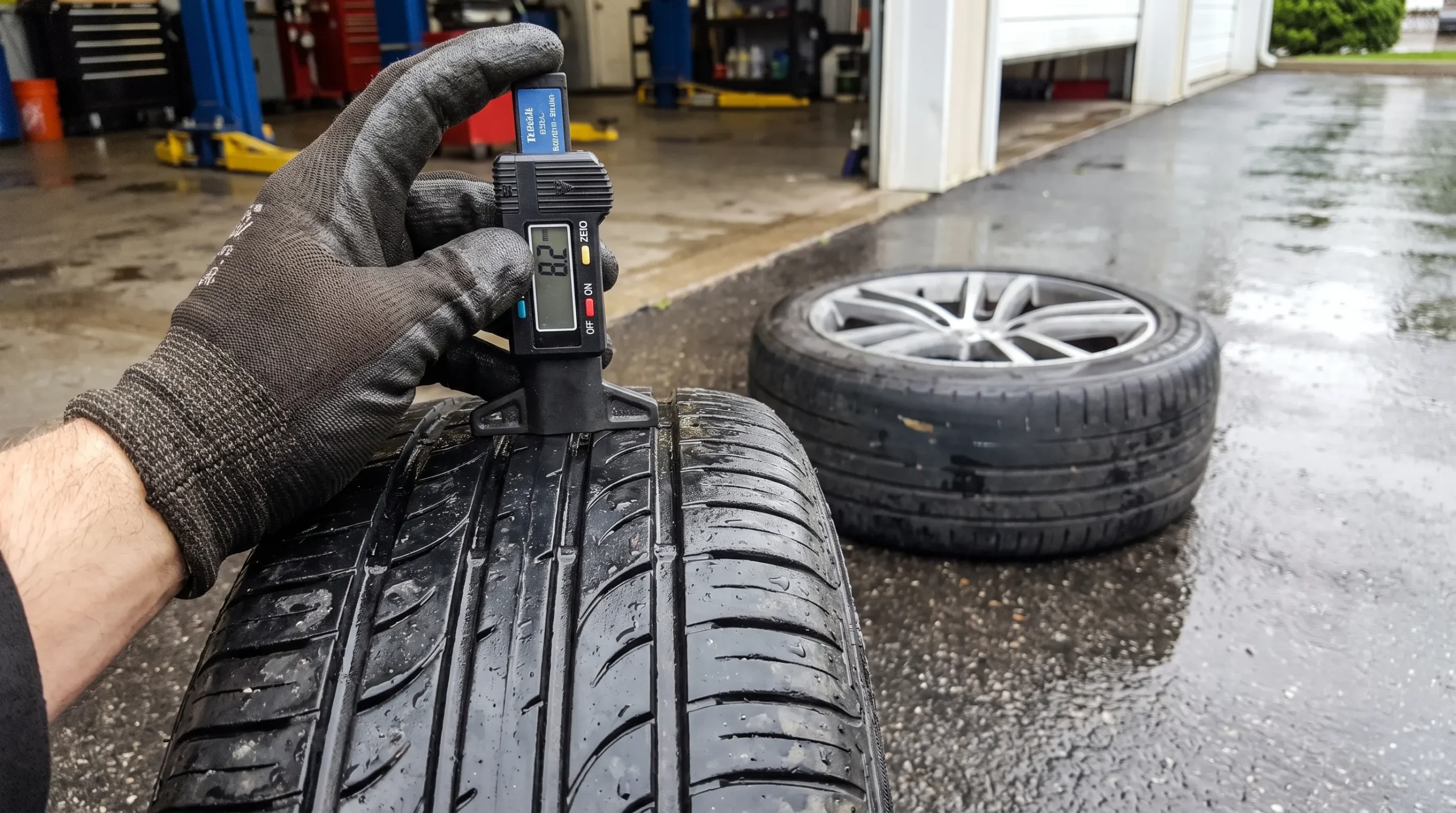
Check Tread Depth
The grooves in your tires are specifically designed to channel water away from the contact patch. As these grooves wear down, water cannot escape quickly enough, causing the tires to ride on top of the water instead of gripping the road.
Most safety experts recommend replacing tires when tread depth falls below 3 mm for wet-weather driving, even though the legal minimum in many countries is lower. Deeper tread provides better grip, shorter braking distances, and improved steering control.
If you frequently drive on motorways or through areas prone to heavy rainfall, maintaining healthy tire tread becomes even more important.
Maintain Correct Tire Pressure
Proper tire pressure ensures maximum contact between the tire and the road surface. Underinflated tires generate excess heat and wear faster, while overinflated tires reduce the contact area, resulting in poorer grip on wet roads.
Check tire pressure:
At least once every two weeks.
Before long journeys.
When the tires are cold.
According to your vehicle manufacturer’s recommendations.
Maintaining correct tire pressure also improves fuel economy and extends tire life.
Inspect for Visible Damage
Before the rainy season begins, inspect each tire for:
Sidewall cracks
Bulges
Cuts
Uneven wear
Embedded stones or nails
Small defects often become larger under wet driving conditions, increasing the risk of tire failure.
Make Sure Your Brakes Are Working Properly
Braking performance becomes even more important during rainfall because water naturally reduces friction between the tires and the road surface.
For example, if your vehicle normally requires 35 meters to stop from 60 km/h on a dry road, the stopping distance on a wet surface may increase to 45–50 meters depending on tire condition and road quality.
Have your braking system inspected if you notice:
Squealing noises
Grinding sounds
Soft brake pedal
Vehicle pulling to one side
Vibrations while braking
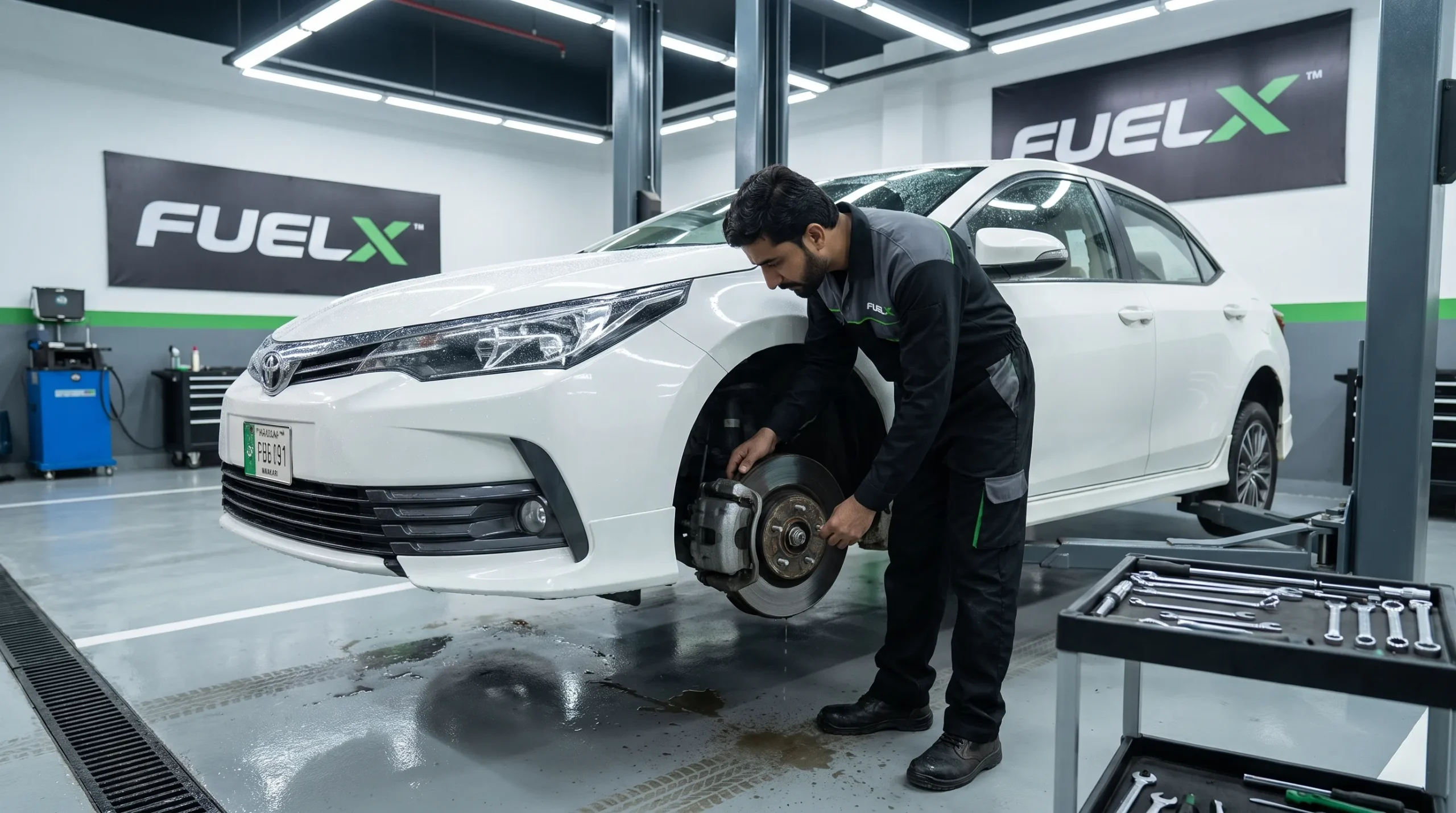
Your inspection should include:
Brake pads
Brake discs
Brake fluid
Brake lines
Replacing worn brake pads before they become excessively thin not only improves safety but also prevents damage to more expensive components such as brake discs.
Replace Worn-Out Windshield Wipers
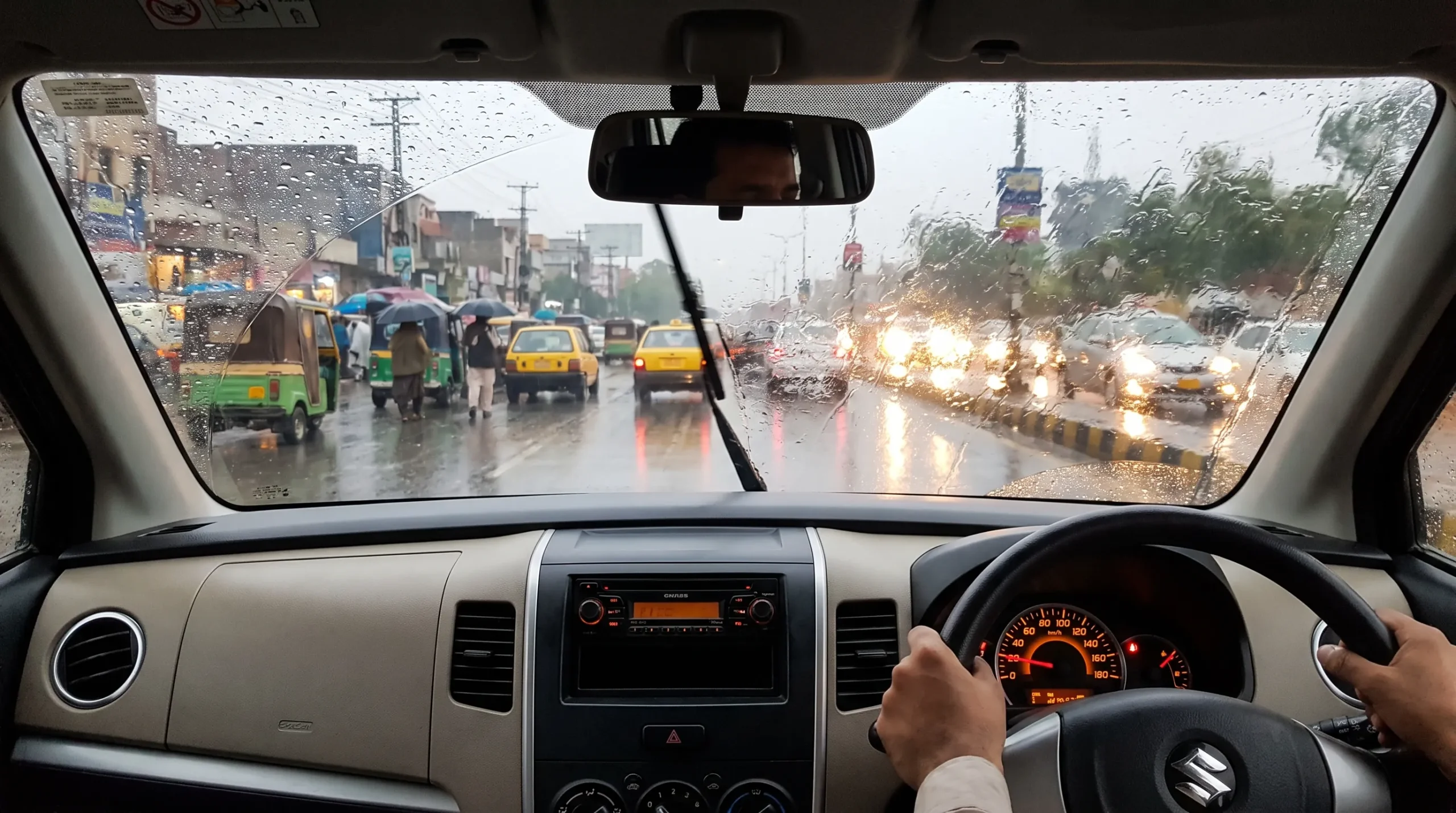
Visibility is your first line of defense during rainy weather.
A pair of worn windshield wipers may seem like a small issue, but poor visibility can quickly become dangerous during heavy downpours, especially when driving at night.
Signs that your wipers need replacing include:
Streaks left on the windshield
Skipping across the glass
Smearing water
Torn or cracked rubber
Chattering noises
Most manufacturers recommend replacing windshield wipers every 6 to 12 months, depending on usage and weather exposure.
Don’t forget to refill the windshield washer reservoir with quality washer fluid. It helps remove mud, insects, and oily road film that ordinary rainwater cannot clean.
Check All Vehicle Lights
Rain reduces visibility not only for you but also for every driver sharing the road.
Working lights allow you to see obstacles sooner while making your vehicle more visible to others.
Inspect:
Headlights
High beams
Brake lights
Tail lights
Turn indicators
Reverse lights
Fog lights
Clean the light lenses regularly because mud and dust can reduce brightness by a surprising amount.
Even during daytime rain, switching on your headlights improves visibility and helps other drivers judge your vehicle’s distance more accurately.
Protect Your Car’s Exterior from Rain Damage
Many people assume rain naturally washes a vehicle. In reality, rain often leaves behind dirt, pollutants, and mineral deposits that dull the paint over time.
Wash Your Car Regularly
Road spray contains:
Mud
Sand
Oil residue
Bird droppings
Tree sap
Airborne pollutants
When left on the paintwork for extended periods, these contaminants may gradually damage the clear coat.
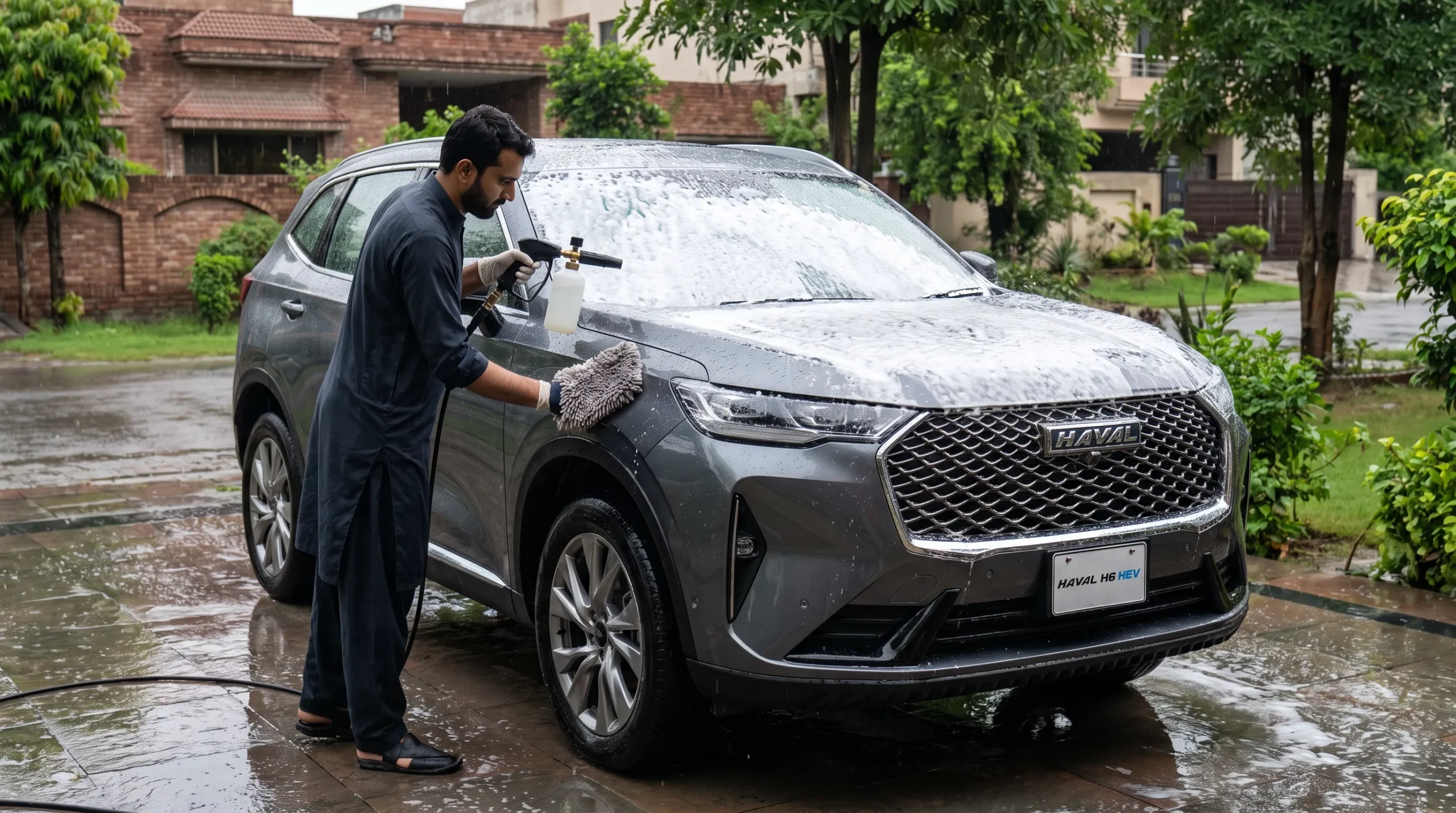
Washing your vehicle every one to two weeks during the rainy season helps preserve the finish and makes future cleaning much easier.
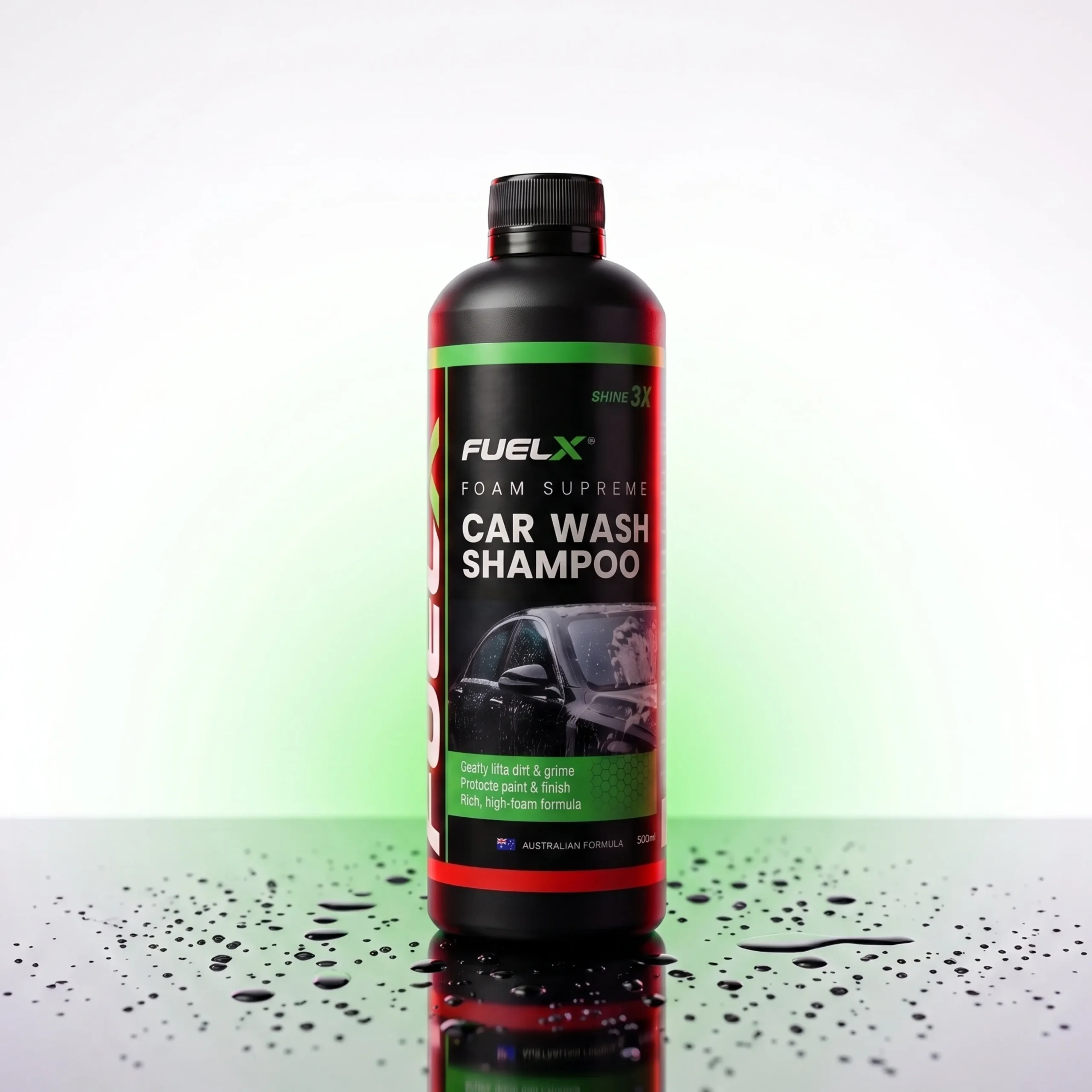
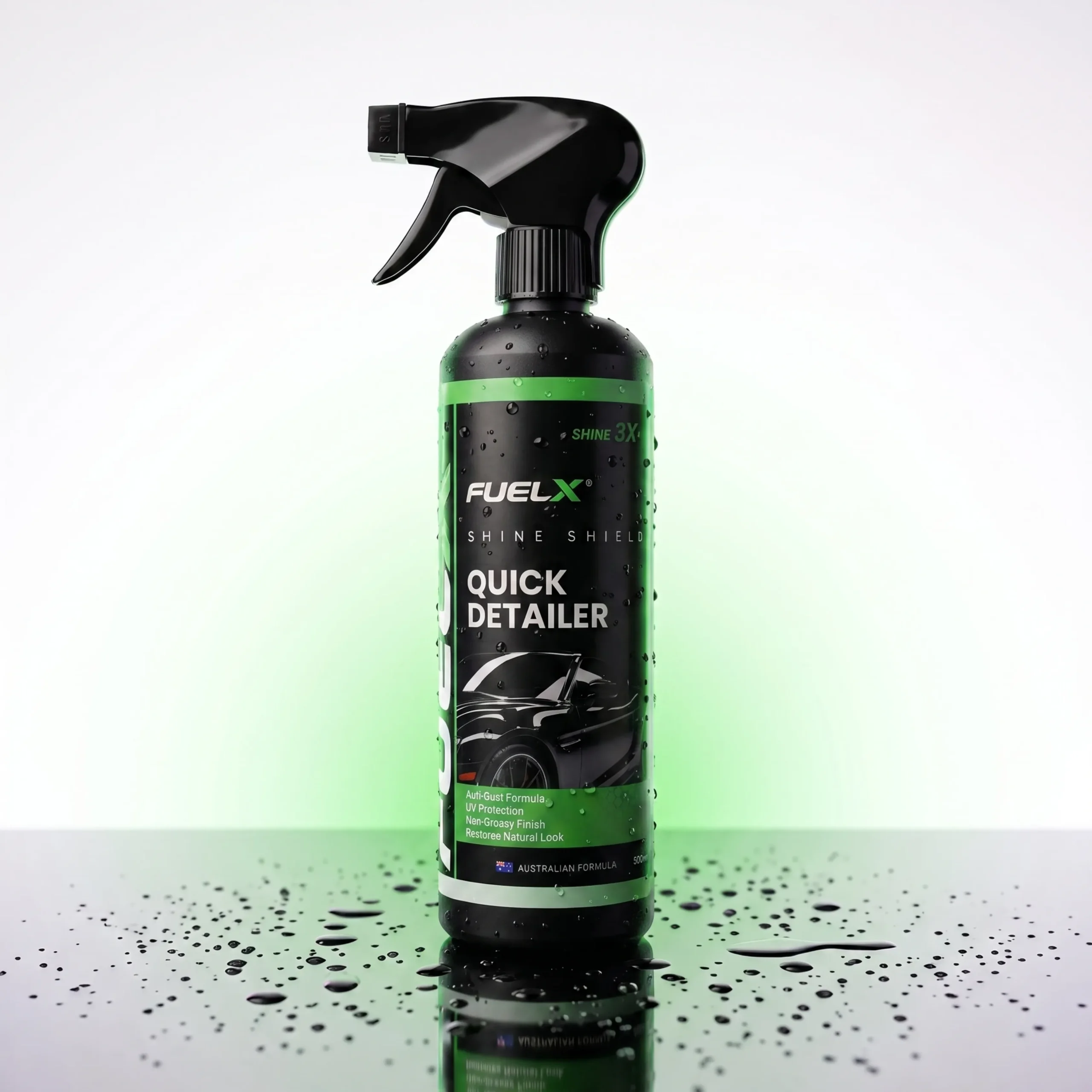
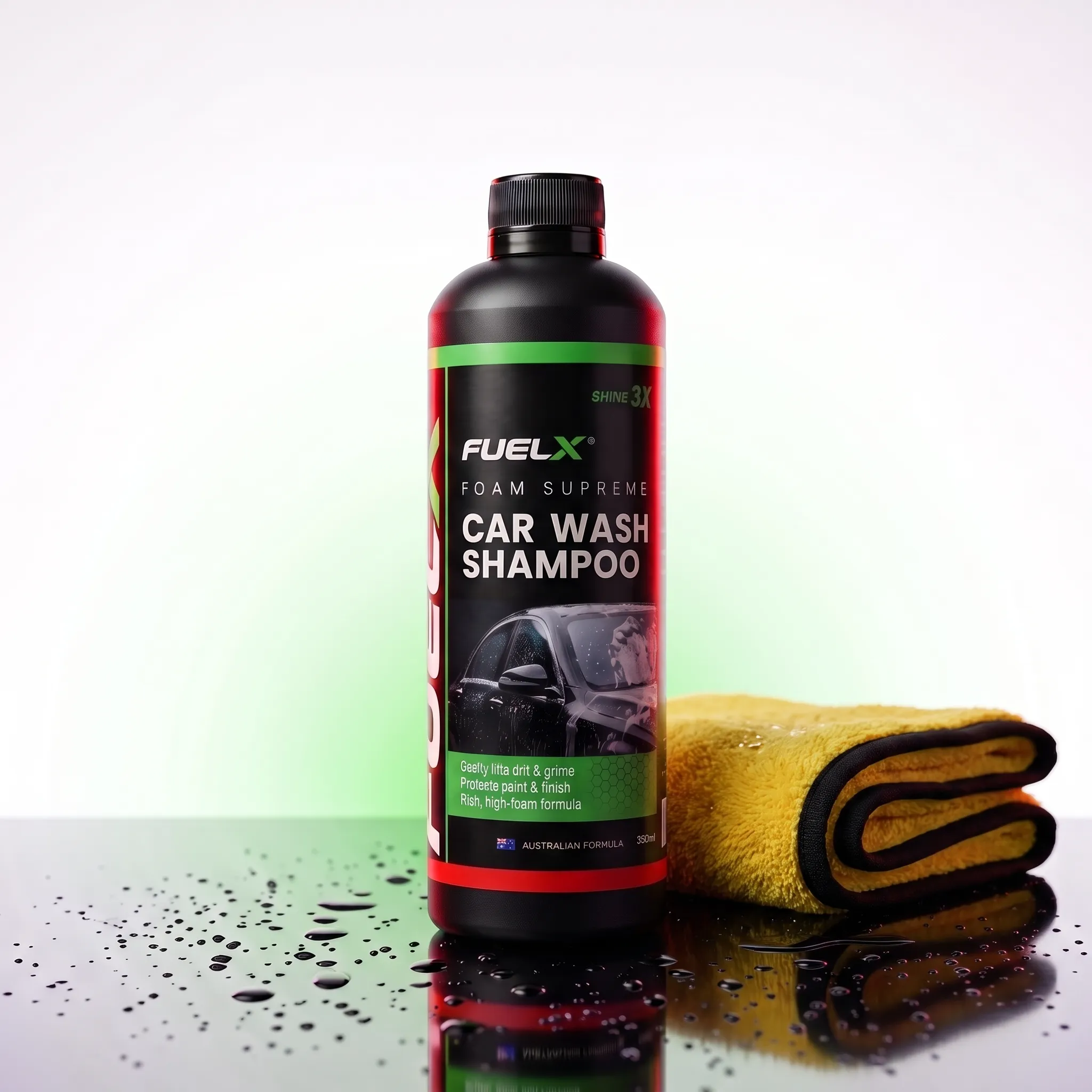
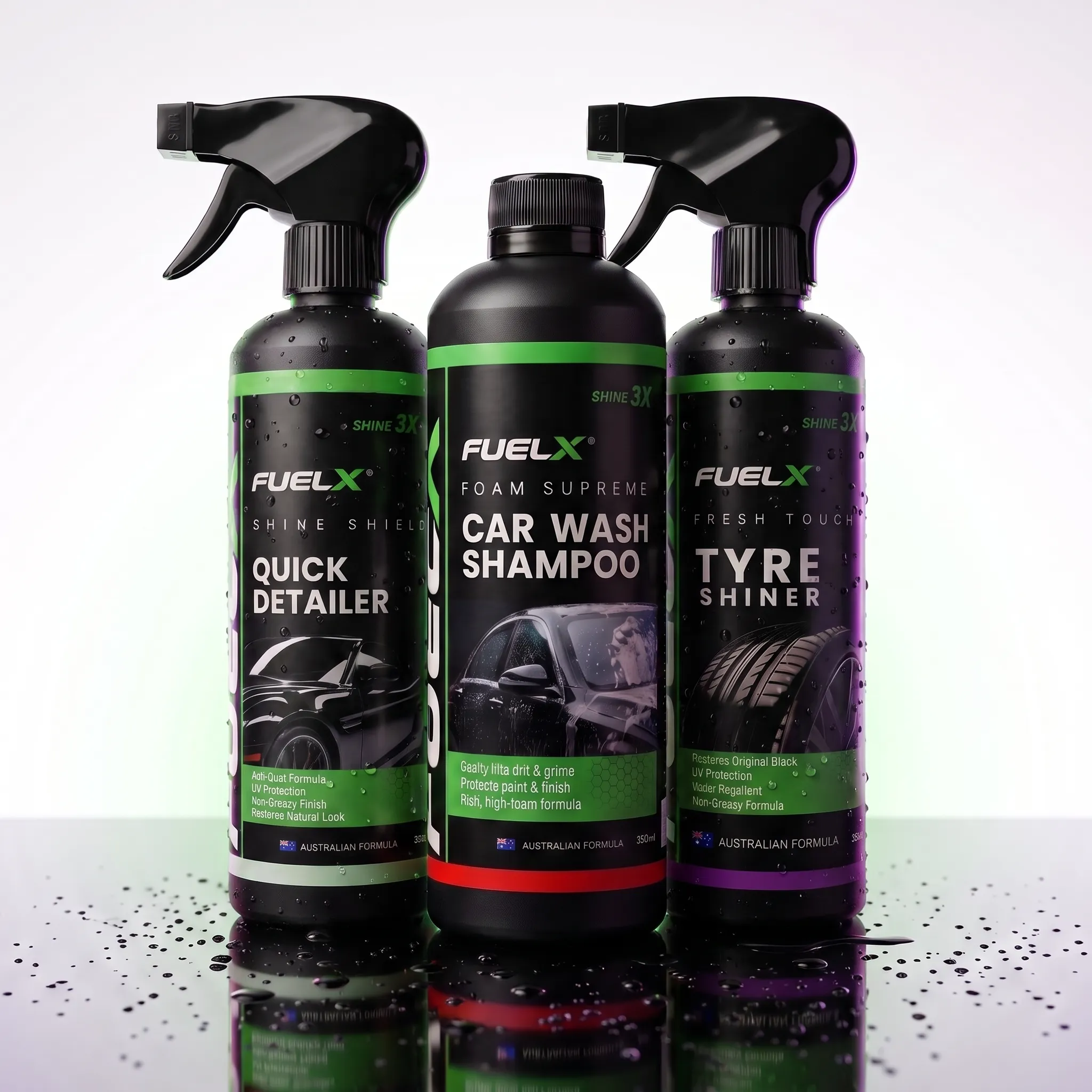
Using a high-quality pH-balanced FuelX Car Wash Shampoo removes dirt effectively while protecting wax coatings and painted surfaces.
Apply Wax or Paint Protection
A quality wax or paint sealant creates a protective layer that repels water and prevents contaminants from bonding directly with the paint.
Benefits include:
Water beading
Easier washing
Better shine
UV protection
Reduced oxidation
Additional defense against acid rain
Applying a fresh coat of wax before the rainy season begins can keep your vehicle looking cleaner for longer.
Clean the Undercarriage Frequently
One of the most neglected areas of vehicle maintenance is the underbody.
Whenever you drive through puddles or muddy roads, water splashes onto:
Suspension arms
Chassis
Exhaust system
Brake lines
Fuel lines
Mud traps moisture against these components, encouraging corrosion.
If you frequently drive on flooded roads, wash the undercarriage every two to four weeks or immediately after exposure to excessive mud.
Professional underbody cleaning is inexpensive compared to replacing rusted suspension components or repairing corrosion damage.
Inspect the Battery and Electrical System
Modern vehicles rely heavily on electronics. Moisture and corrosion can interfere with electrical connections, causing difficult starting, warning lights, or malfunctioning accessories.
Inspect:
Battery terminals
Wiring connections
Fuse box seals
Headlight connectors
White or bluish corrosion around battery terminals reduces electrical conductivity and may eventually prevent the engine from starting.
If your battery is more than three to four years old, consider having it tested before the rainy season begins, especially if you’ve previously experienced slow engine cranking.
Keep the Cabin Dry and Fresh
Rainwater often enters the cabin through wet shoes, umbrellas, clothing, or damaged door seals.
If moisture remains trapped inside, it can lead to:
Mold growth
Foggy windows
Unpleasant odors
Damp carpets
Poor cabin air quality
To prevent these problems:
Remove wet floor mats after driving.
Dry carpets completely.
Keep windows slightly open when parked in a secure area.
Replace clogged cabin air filters.
Use moisture absorbers if necessary.
A dry interior not only feels more comfortable but also reduces bacteria and allergens inside the vehicle.
Monitor Engine Fluids
Although the rainy season is cooler than summer, your engine still generates significant heat during daily driving.
Regularly inspect:
Engine oil
Engine coolant
Brake fluid
Windshield washer fluid
Power steering fluid
Maintaining the correct coolant level is particularly important when driving through slow-moving traffic, where engines spend long periods idling.
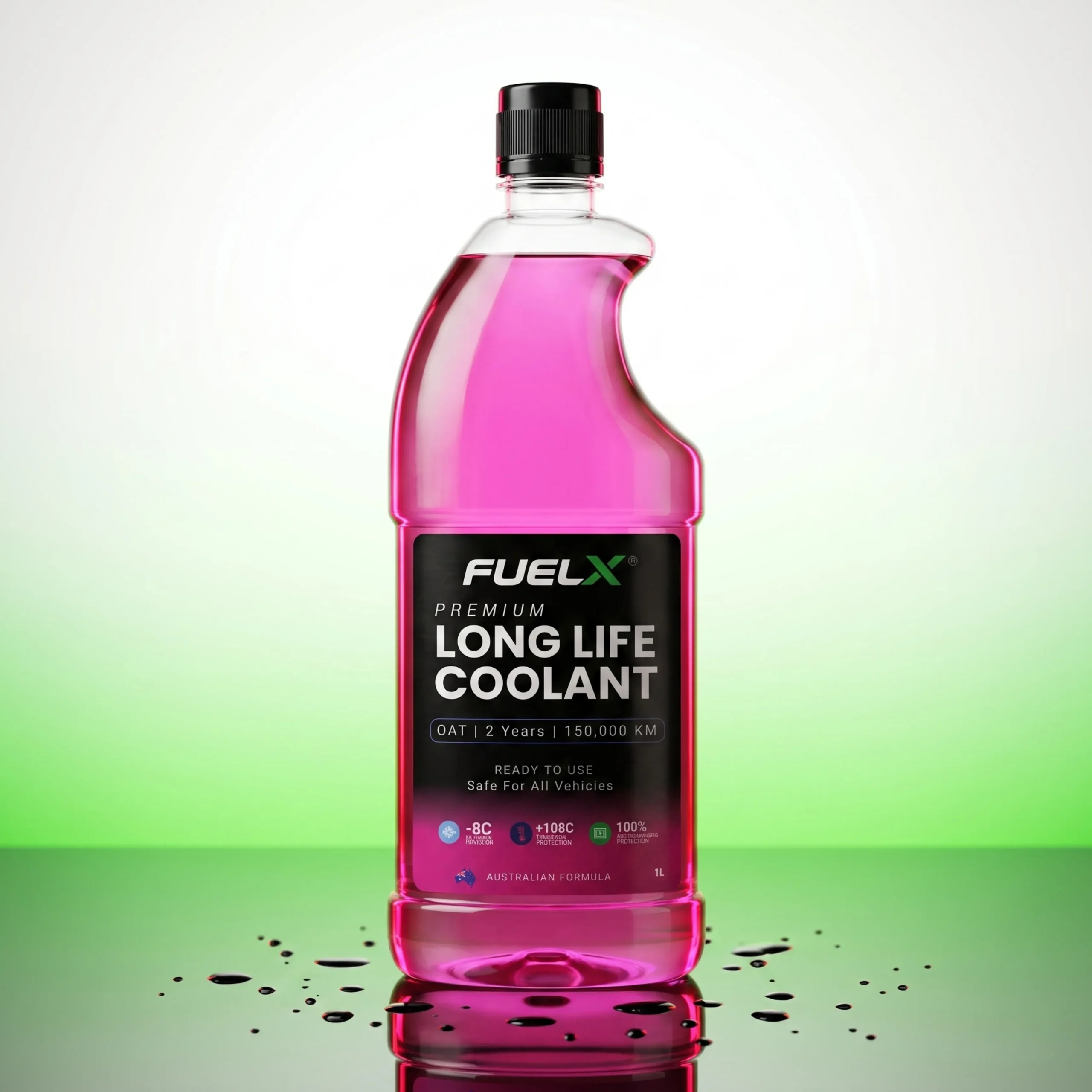
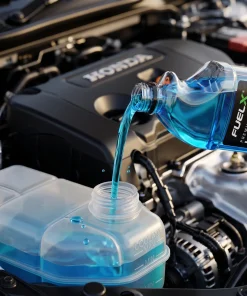
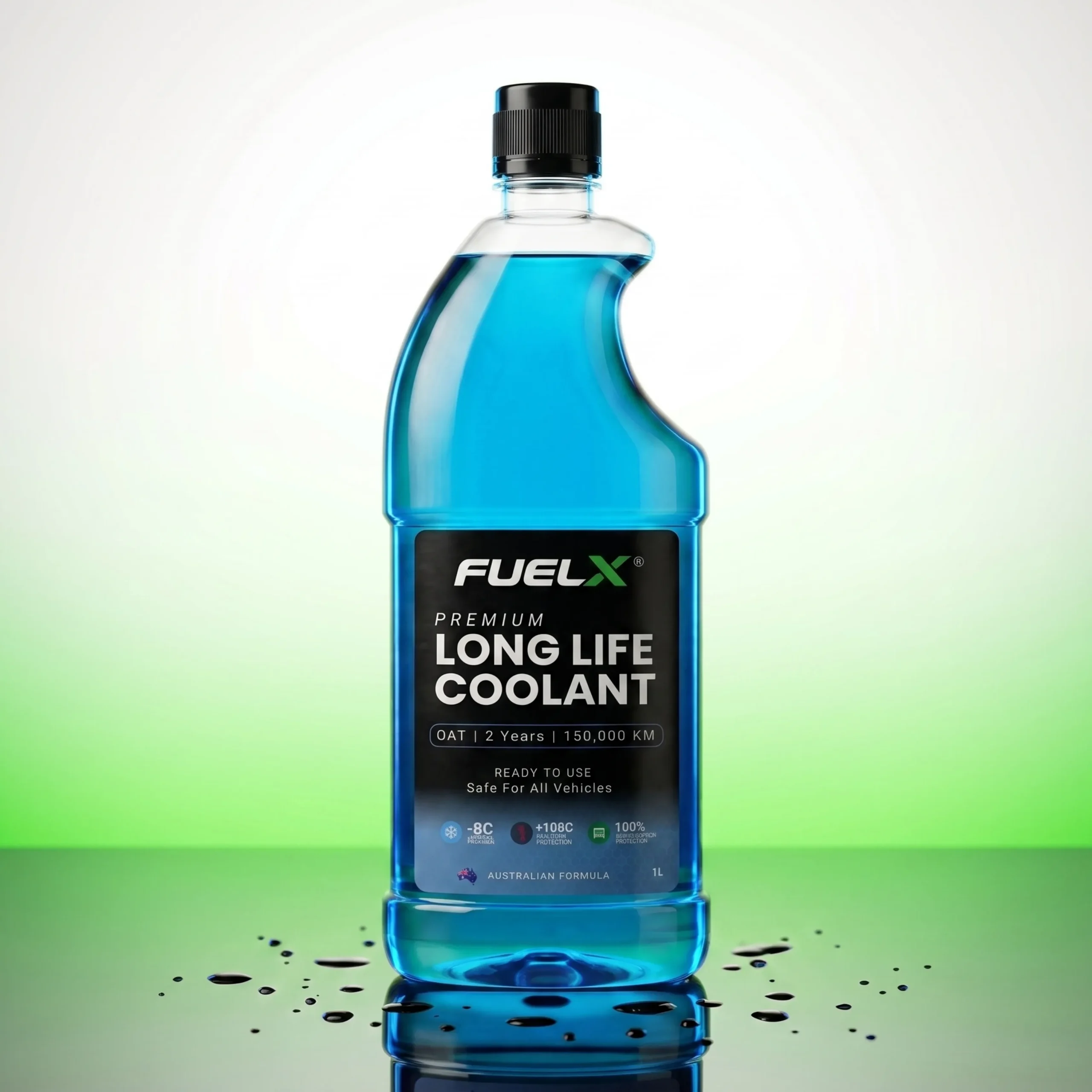
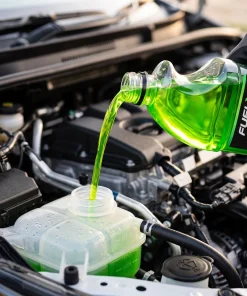
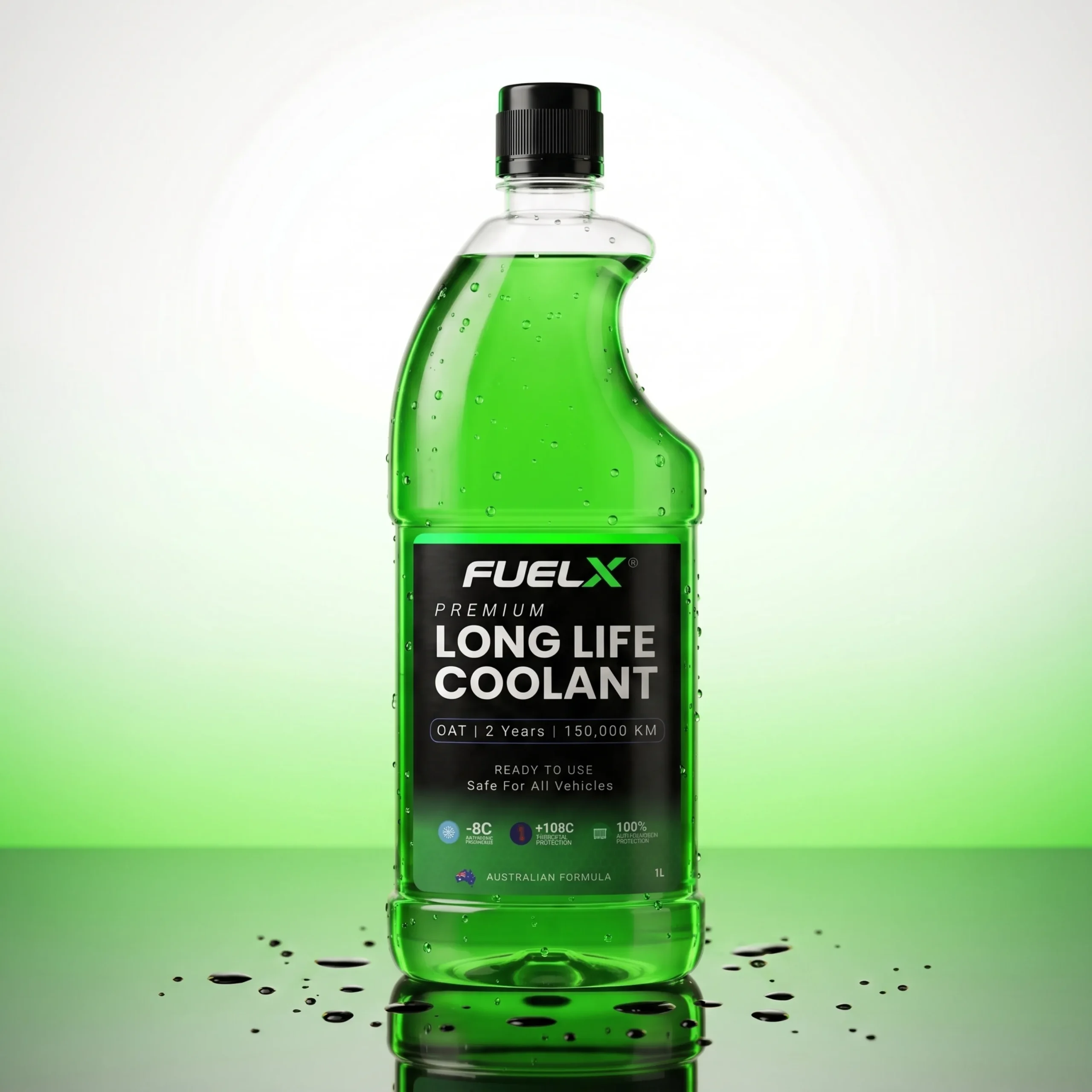
Using a premium-quality FuelX Engine Coolant helps regulate engine temperature while protecting the cooling system against corrosion, scale buildup, and overheating.
Always check fluid levels according to your owner’s manual and inspect for leaks before long journeys.
Avoid Driving Through Deep Water
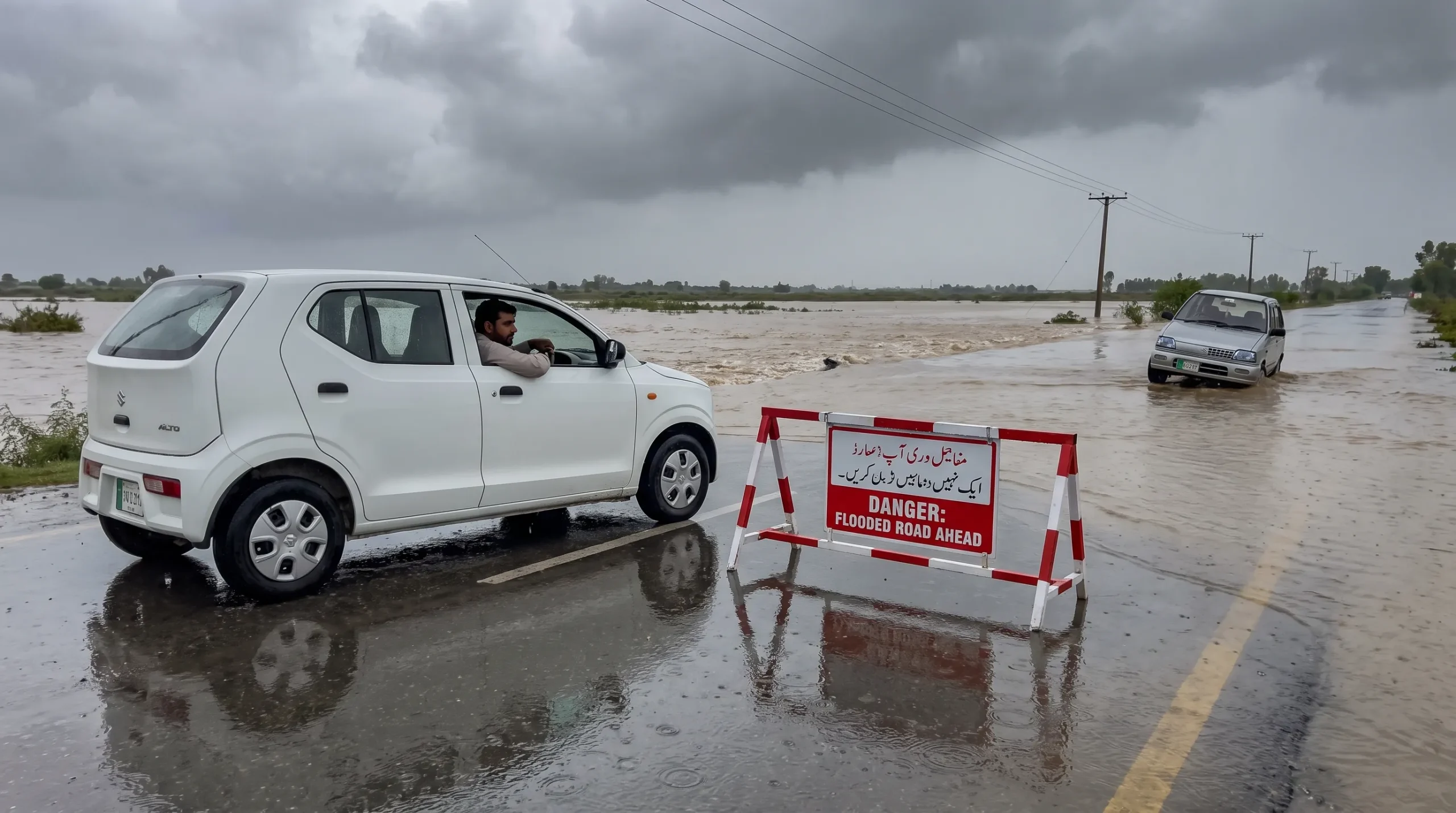
Flooded roads are among the greatest dangers during Pakistan’s monsoon season.
Water entering the engine’s air intake can cause hydrolock, a condition where water prevents the engine’s pistons from moving. Unlike air, water cannot be compressed, which may result in bent connecting rods or complete engine failure.
Deep water can also damage:
Transmission components
Wheel bearings
Sensors
Alternator
Starter motor
Electronic control modules
If the water level appears higher than the bottom of your doors or reaches the wheel hubs, it is usually safer to find an alternative route.
If you must cross shallow water:
Drive slowly.
Maintain a steady speed.
Avoid sudden braking.
Test your brakes gently after exiting the water to help dry the brake discs.
What to Do After Driving in Heavy Rain
Taking a few minutes to inspect your vehicle after heavy rainfall can prevent long-term damage.
Once you return home:
Wash away mud and road grime.
Clean the underbody.
Dry rubber door seals.
Inspect tires for embedded debris.
Test brake response.
Remove standing water from floor mats.
Wipe interior surfaces.
Check for dashboard warning lights.
These small habits significantly reduce moisture-related problems throughout the rainy season.
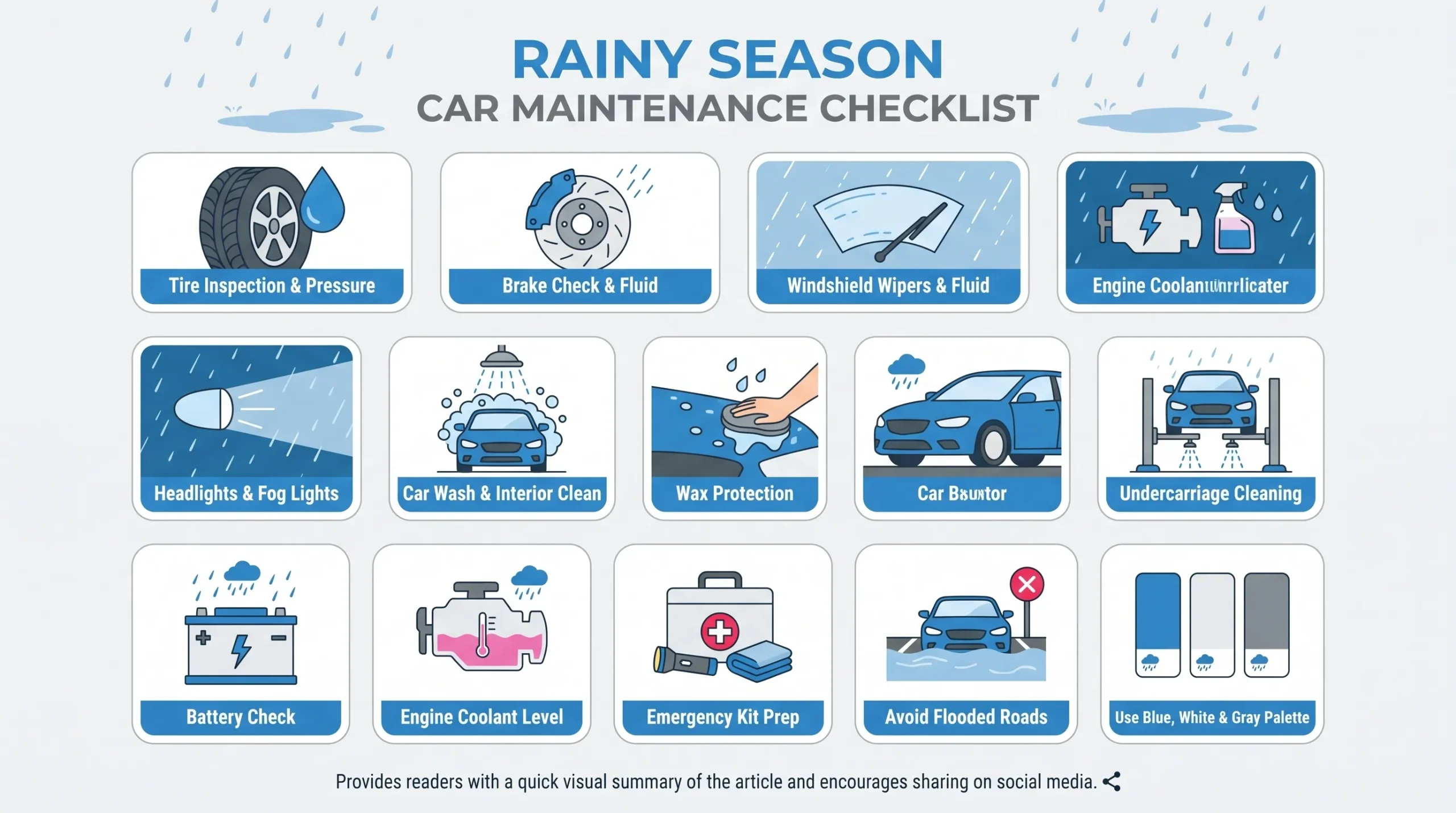
Essential Rainy Season Car Maintenance Checklist
Before heading into the monsoon season, make sure you:
✔ Inspect tire tread depth. ✔ Check tire pressure. ✔ Test your brakes. ✔ Replace worn windshield wipers. ✔ Refill washer fluid. ✔ Inspect all lights. ✔ Wash and wax the vehicle. ✔ Clean the underbody regularly. ✔ Check the battery. ✔ Monitor engine fluids. ✔ Keep the cabin dry. ✔ Carry an emergency kit with a flashlight, jumper cables, raincoat, tow rope, and basic tools. ✔ Avoid flooded roads whenever possible.
Completing this checklist before the rainy season begins can greatly reduce the risk of unexpected breakdowns.
Common Rainy Season Car Maintenance Mistakes
Many expensive repairs begin with small maintenance tasks that drivers overlook.
Some of the most common mistakes include:
Driving with worn-out tires that cannot effectively disperse water.
Ignoring brake noises until braking performance becomes unsafe.
Skipping regular washing, allowing mud and contaminants to remain on the paint.
Neglecting underbody cleaning after driving through floodwater.
Attempting to cross deep flooded roads unnecessarily.
Ignoring dashboard warning lights related to the battery or engine.
Leaving wet carpets inside the vehicle, leading to mold and unpleasant odors.
Avoiding these mistakes helps keep your vehicle safer, more reliable, and less expensive to maintain throughout the rainy season.
Conclusion
The rainy season may be unavoidable, but the problems it brings don’t have to be. With a proactive maintenance routine, you can confidently drive through Pakistan’s monsoon conditions while reducing the risk of breakdowns, corrosion, and costly repairs. Simple steps like checking tire tread, maintaining your braking system, replacing worn wipers, cleaning the underbody, and monitoring essential fluids all contribute to a safer and more dependable vehicle.
Regular cleaning is equally important, as mud, moisture, and road contaminants can quietly damage your car’s paint and hidden components if left unattended. Investing a little time in preventive care today can save thousands of rupees in repairs tomorrow while preserving your vehicle’s appearance and resale value.
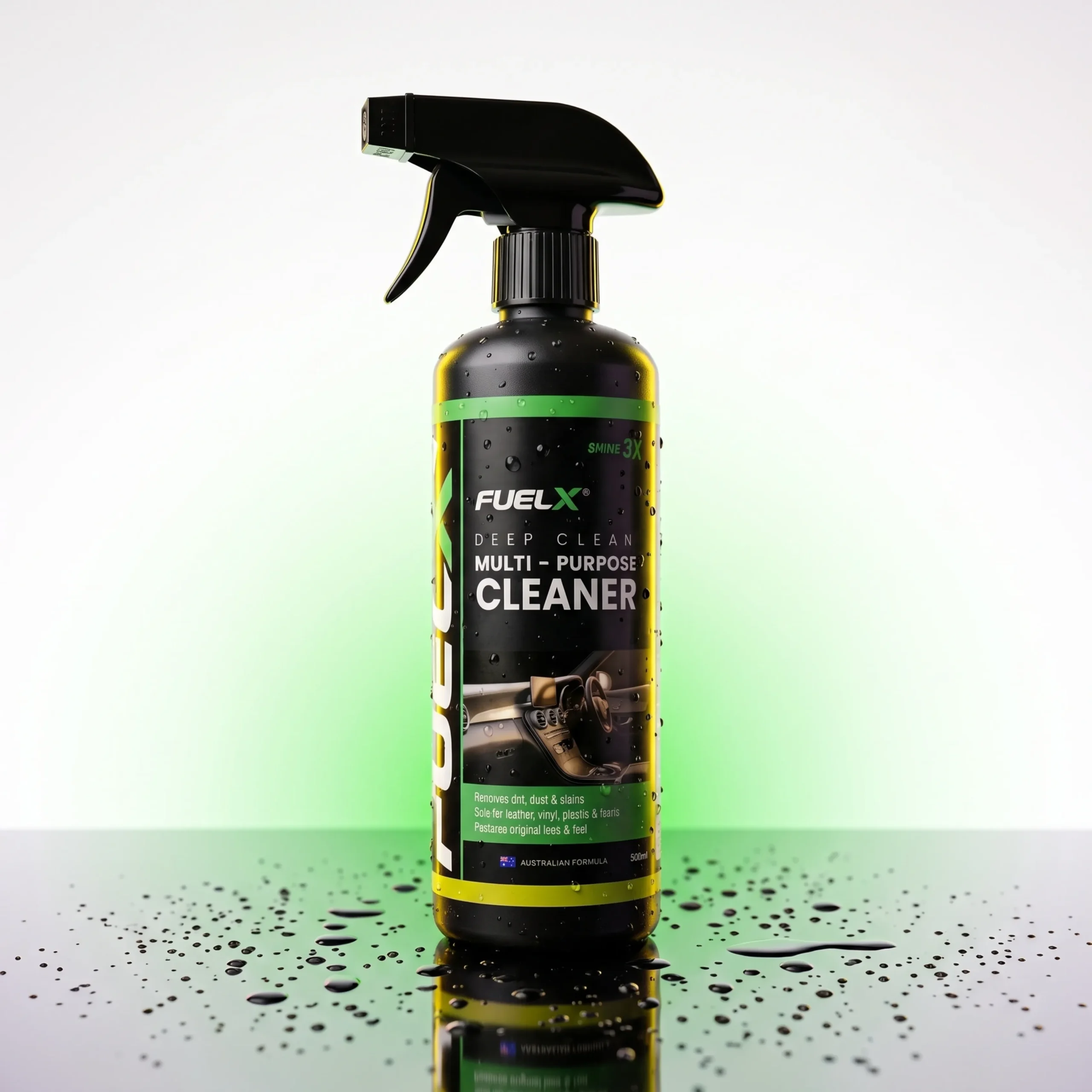
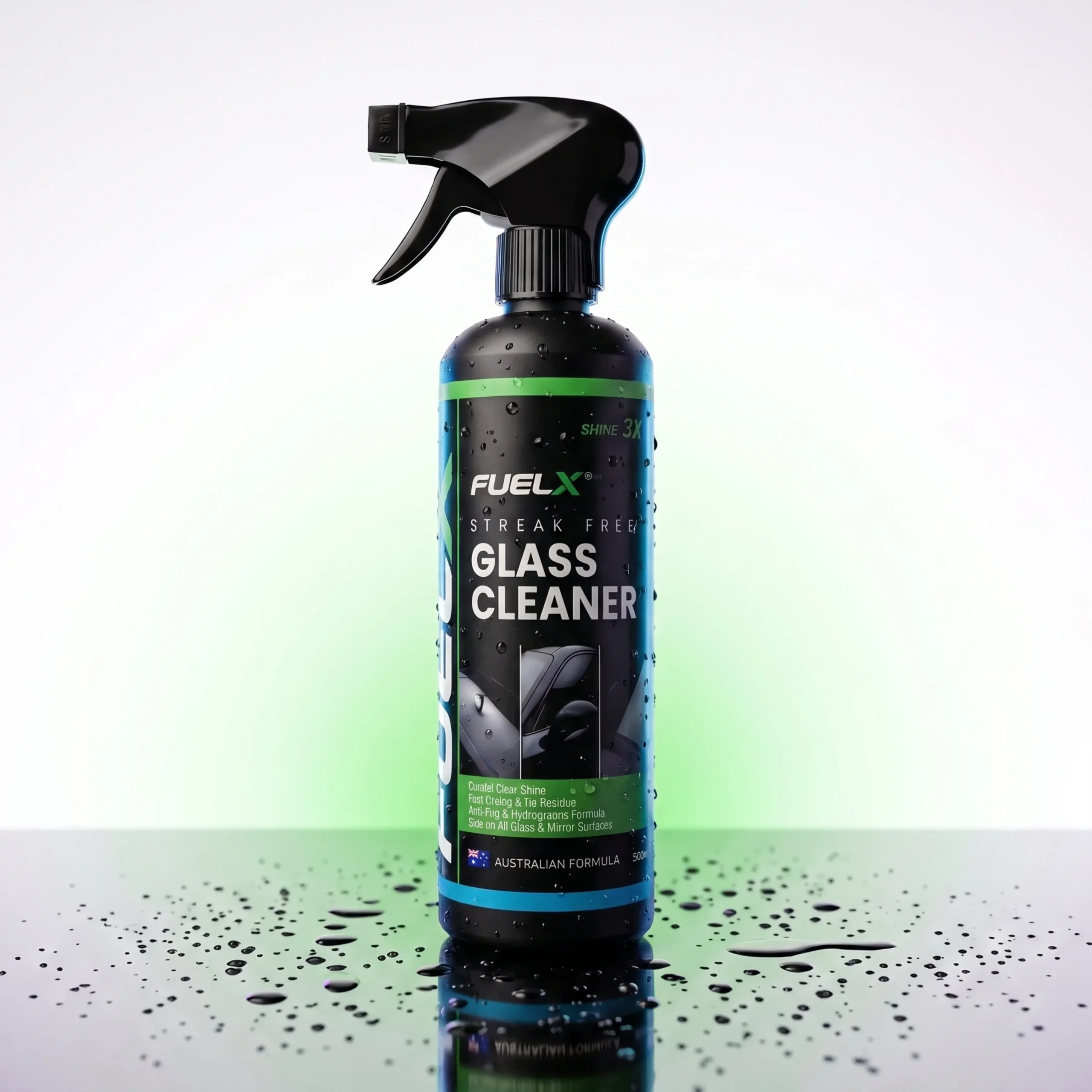
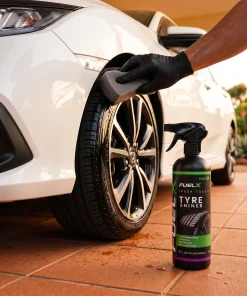
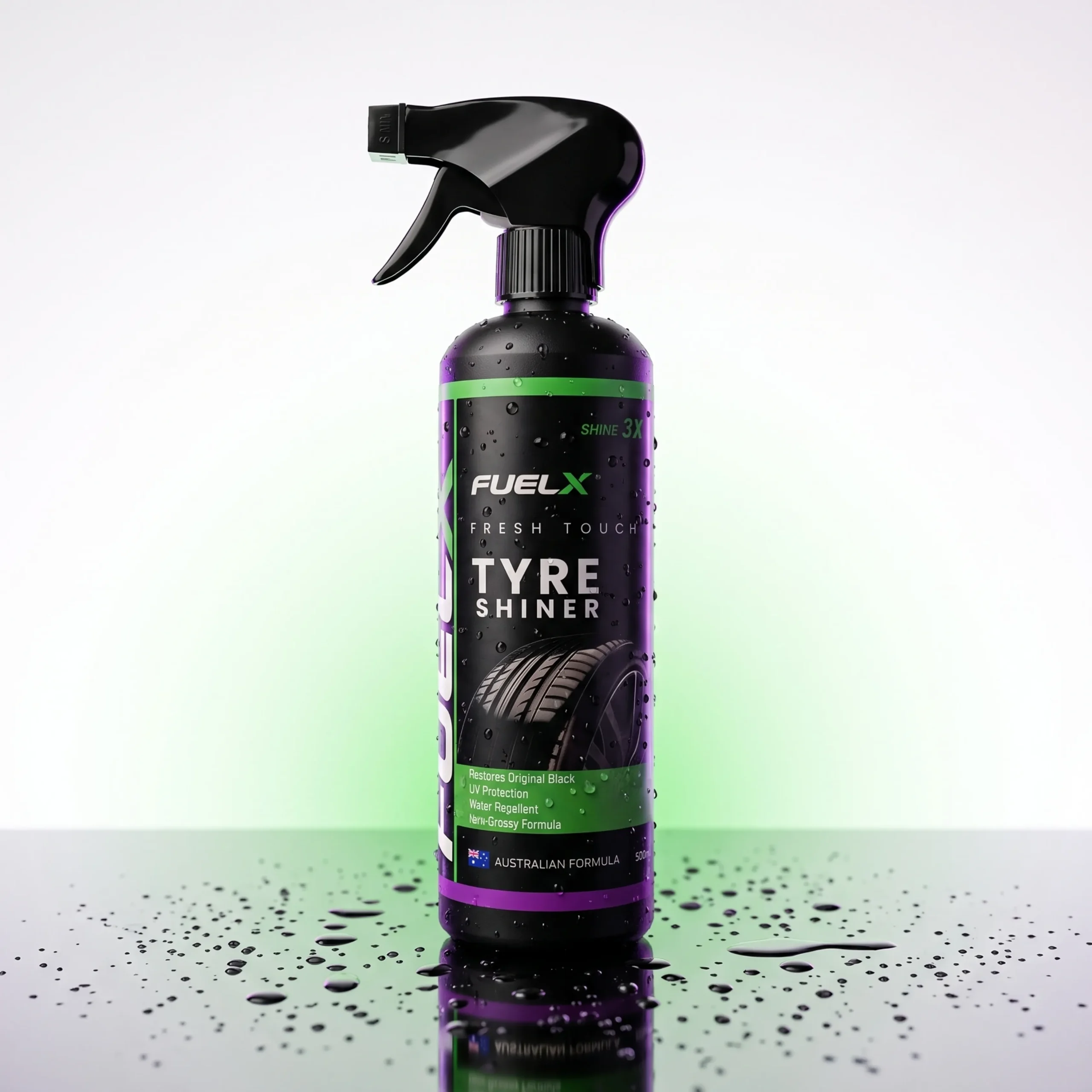
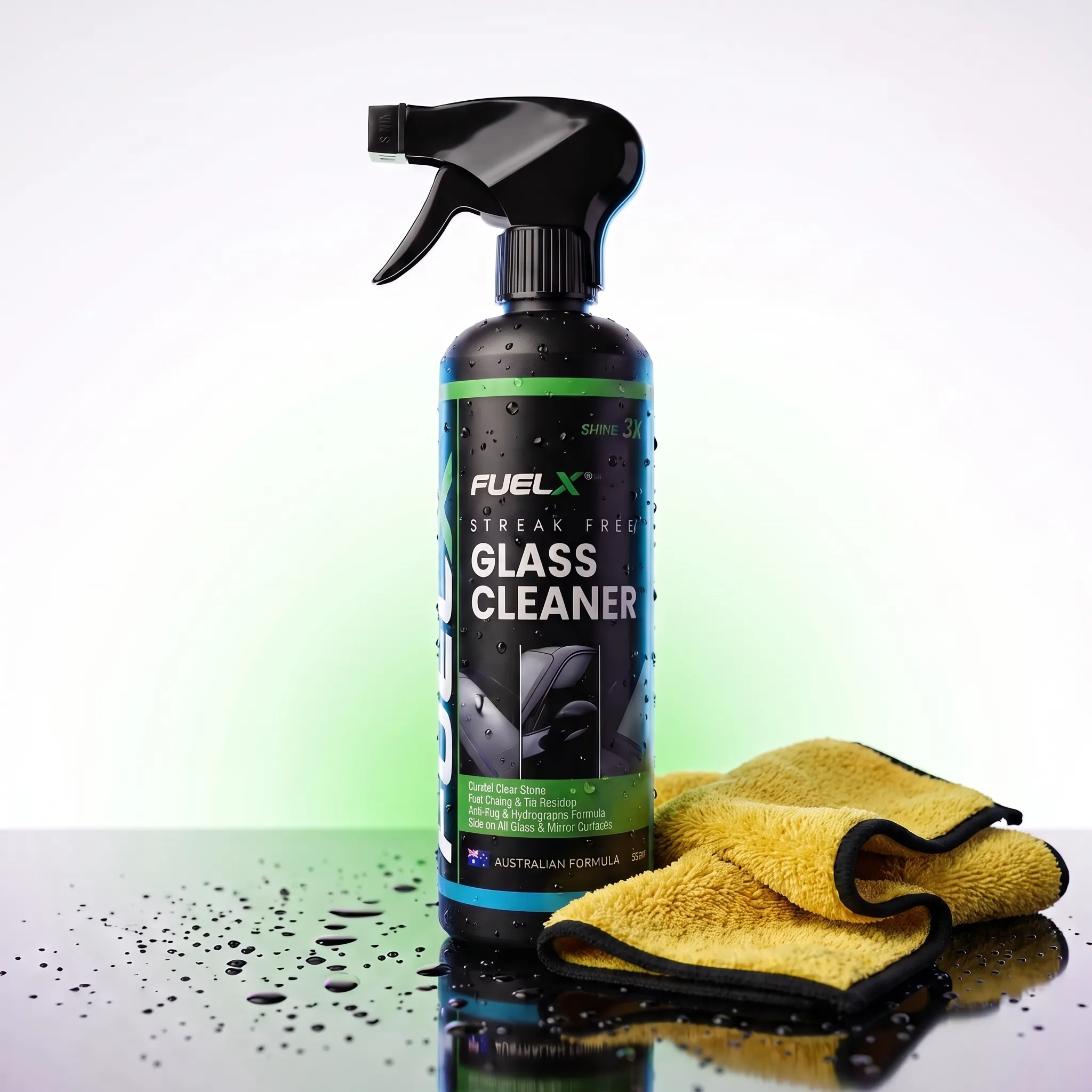
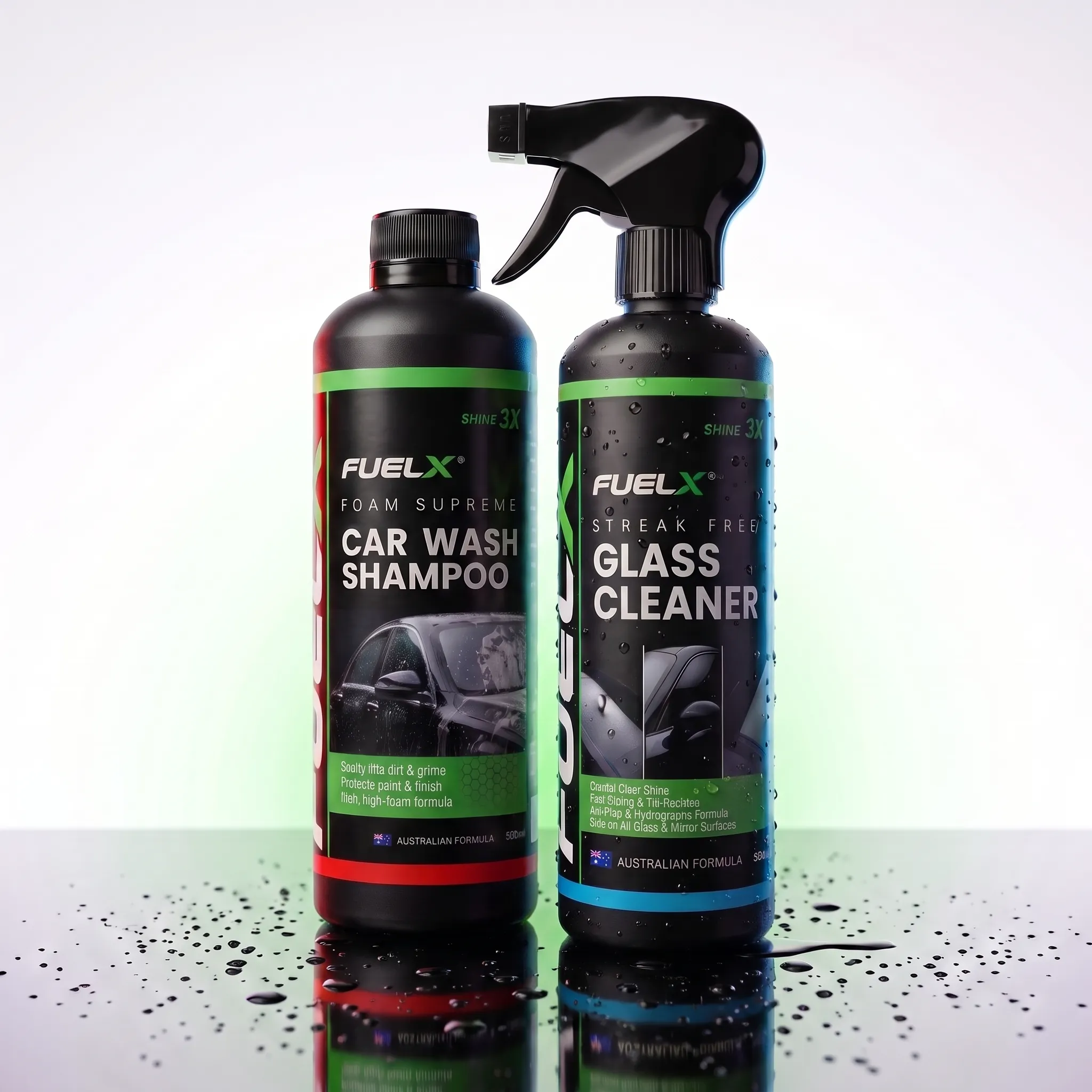
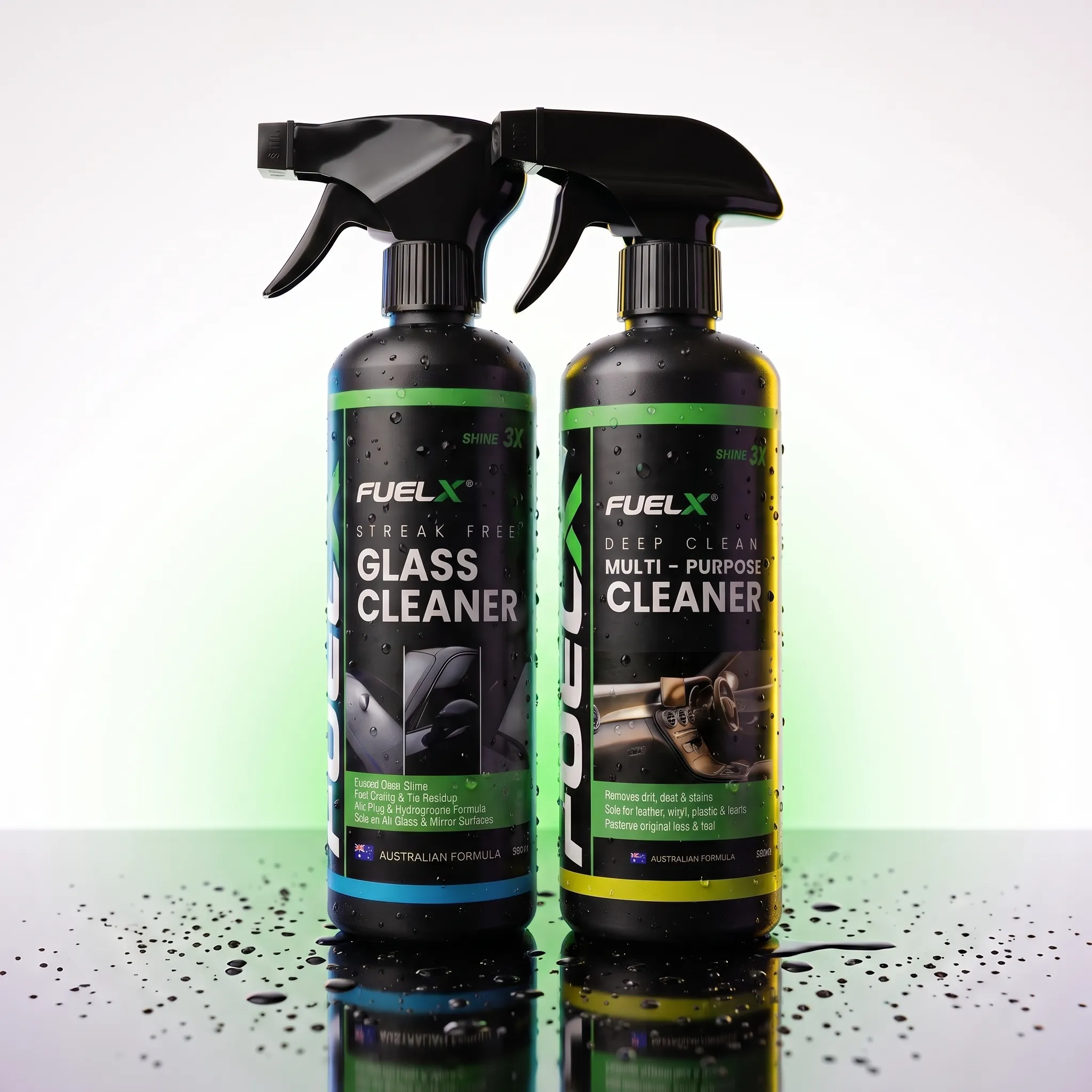
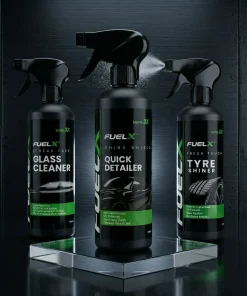
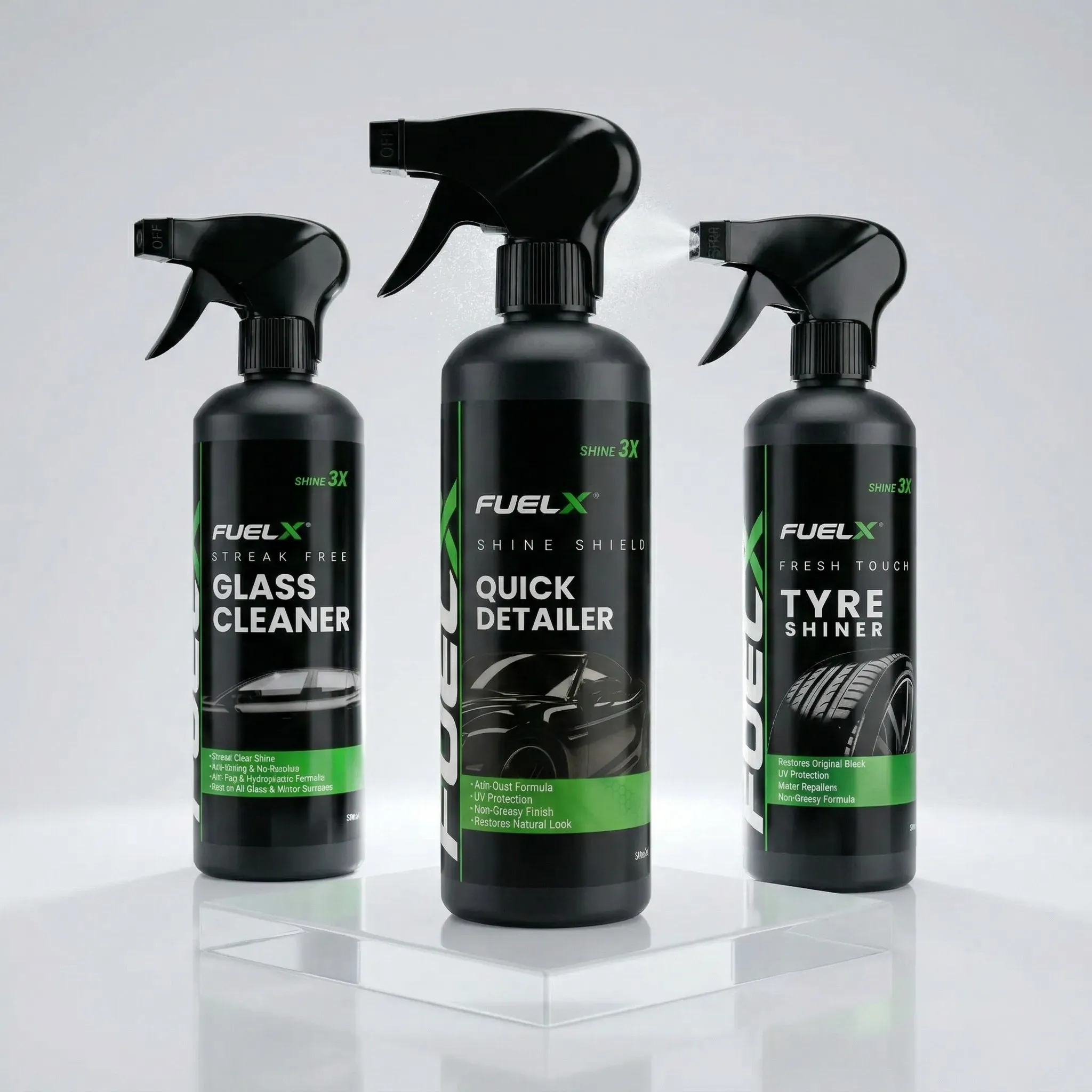
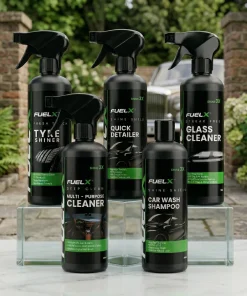
To make rainy-season maintenance even more effective, use trusted FuelX car care products as part of your routine. From FuelX Car Wash Shampoo for safely removing mud and grime, to FuelX Glass Cleaner for crystal-clear visibility, FuelX Tyre Shiner for protecting your tires, FuelX Multi-Purpose Cleaner for interior care, and FuelX Engine Coolant for reliable cooling system performance, the right products help keep your vehicle clean, protected, and ready for every journey. By combining smart driving habits with regular maintenance and quality car care solutions, you’ll be well prepared to tackle Pakistan’s rainy roads with confidence.
FAQ’s
How often should I wash my car during the rainy season?
Ideally, wash your vehicle every one to two weeks or immediately after driving through muddy or flooded roads. Regular cleaning removes contaminants that can damage the paint and encourage rust.
Can rain damage my car’s engine?
Rain itself won’t damage the engine, but driving through deep floodwater can allow water to enter the air intake, potentially causing hydrolock and severe engine damage.
How do I prevent rust during the rainy season?
Wash your car regularly, clean the underbody, repair paint chips promptly, and apply a quality wax or paint sealant before the rainy season begins.
Is waxing necessary before the rainy season?
Yes. Wax creates a protective barrier that repels water, reduces dirt buildup, and helps preserve your vehicle’s paint from environmental contaminants.
Should I check tire pressure more often during rainy weather?
Yes. Checking tire pressure every two weeks ensures optimal grip, improves fuel efficiency, and enhances braking performance on wet roads.
What should I do if my car gets flooded?
Do not attempt to start the engine. Have the vehicle inspected by a qualified technician before restarting it, as internal water damage can become much worse if the engine is cranked.
How often should windshield wipers be replaced?
Most manufacturers recommend replacing windshield wipers every six to twelve months, or sooner if they begin leaving streaks or skipping across the windshield.
Which FuelX products are useful during the rainy season?
FuelX Car Wash Shampoo, Glass Cleaner, Tire Shiner, Multi-Purpose Cleaner, and Engine Coolant help keep your vehicle clean, improve visibility, protect painted surfaces, and maintain reliable engine performance throughout Pakistan’s rainy season.