Driving in the rain can become stressful within seconds when your windshield suddenly turns cloudy or foggy. You may switch on the wipers, wipe the glass, or adjust the AC, but the haze keeps returning. During Pakistan’s monsoon season, this problem can become especially noticeable because rain, high humidity, wet clothing, umbrellas, and damp floor mats can all increase moisture inside the car.
Windshield fogging is not simply a problem of “dirty glass.” In most cases, it is caused by condensation: warm, moisture-filled air inside the vehicle comes into contact with a cooler windshield, causing water vapor to form tiny droplets on the glass.
For example, air at around 25°C and 80% relative humidity contains substantially more moisture than air at 25°C and 40% humidity. When that humid cabin air contacts a windshield cooled by rain, the glass can reach a temperature below the air’s dew point, causing condensation to form.
The good news is that you can usually clear the fog quickly by controlling airflow, humidity and temperature. In this guide, you’ll learn why your windshield gets foggy in rain, how to clear it safely, common mistakes that make the problem worse, and practical ways to prevent it.
Why Does Your Car Windshield Gets Foggy in Rain?
The basic science behind windshield fogging is simple: moisture in the air condenses when it reaches a sufficiently cool surface.
This is the same reason a cold bottle develops water droplets on a humid day. Your windshield can experience a similar effect when the outside surface is cooled by rain while the inside of the vehicle contains warm, humid air.
Three factors are particularly important.
1. Warm and Moist Air Inside the Car
Every person inside your vehicle adds moisture to the cabin simply by breathing. Wet clothes, shoes, umbrellas and damp carpets can add considerably more.
Imagine a family of four getting into a car after walking through a heavy downpour. Their wet clothing and shoes bring water into the cabin, while their breathing continuously adds water vapor. In a relatively small enclosed cabin, humidity can rise quickly.
If the inside of the windshield is cooler than the humid cabin air, condensation can form.
This is why a windshield may remain perfectly clear when you’re driving alone on a dry day but begin fogging soon after several passengers enter the vehicle during rain.
2. A Cooler Windshield
Rain can cool the exterior surface of the windshield. The effect can be noticeable when the glass has been exposed to rainfall for several minutes.
The important concept here is the dew point. The dew point is the temperature at which air becomes saturated with water vapor and condensation begins.
For example, if the cabin air is around 25°C with 80% relative humidity, its dew point is roughly 21°C. If the inside surface of the windshield becomes colder than that point, moisture can begin condensing on the glass.
You don’t need to calculate the dew point while driving. The practical takeaway is much simpler:
More cabin moisture + colder windshield = greater chance of fogging.
3. Poor Airflow
Airflow determines how quickly moisture can be removed from the windshield.
If your car is set to recirculation and the cabin is already humid, the same moisture-filled air may continue circulating. If the fan is running slowly or the vents aren’t directed toward the windshield, condensation may take longer to disappear.
That’s why simply wiping the glass often doesn’t solve the problem permanently. You’re removing the droplets, but the humid air is still present and can create new condensation.
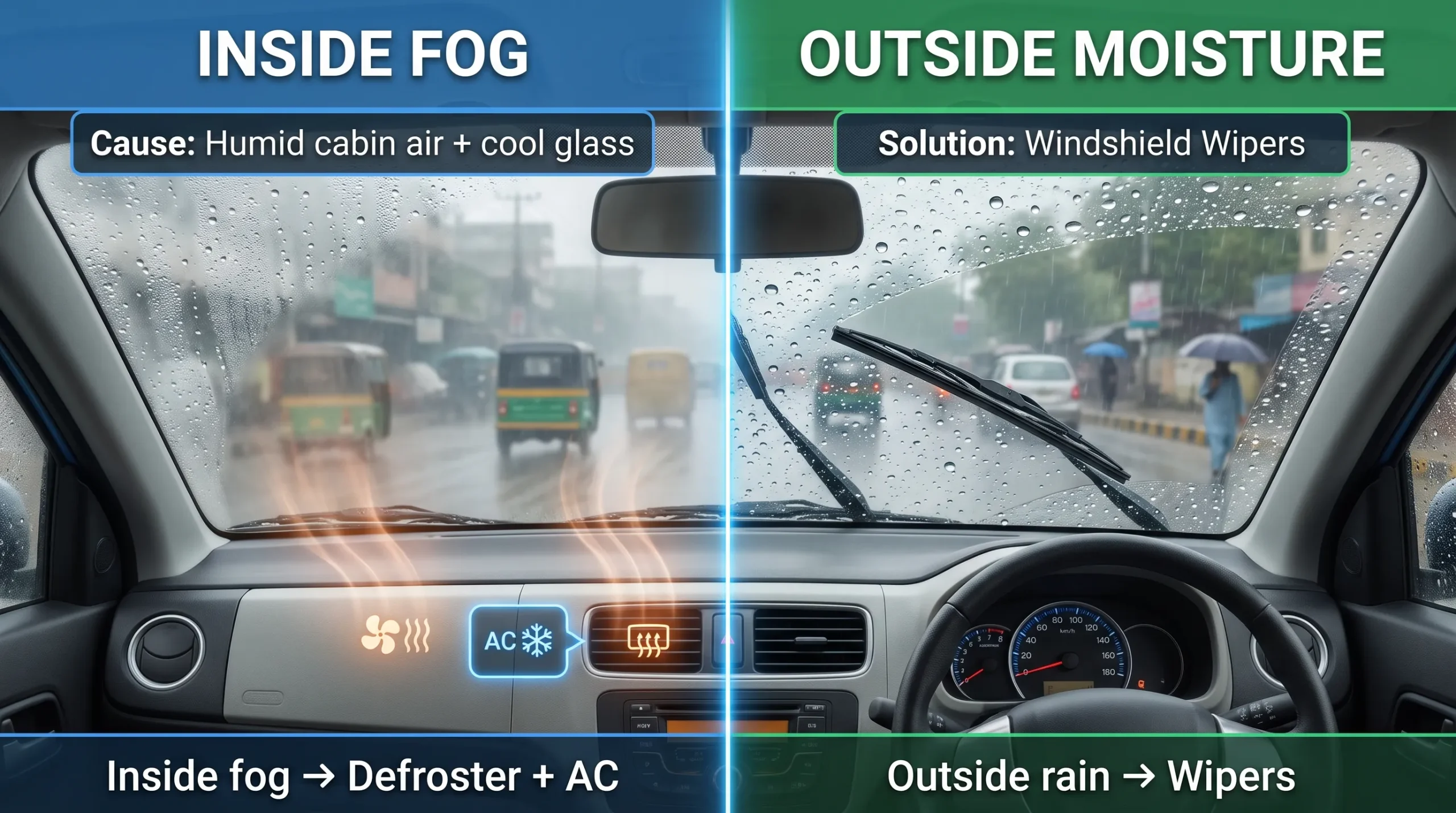
Inside Fog vs. Outside Moisture: What’s the Difference?
Before fixing a foggy windshield, determine where the moisture is located.
Fog on the Inside
Interior fogging usually appears as a cloudy or hazy layer on the cabin-facing side of the windshield.
Common clues include:
The fog returns after you wipe it.
The windshield clears when you use the defroster.
The cabin feels humid.
Wet passengers or mats are inside the car.
This is primarily a cabin moisture and condensation problem.
Moisture on the Outside
If water is sitting on the exterior surface, it may simply be rain or exterior condensation.
In this situation, windshield wipers are the main solution.
A useful rule is:
Inside fog → ventilation, AC and defroster.
Outside rain/water → windshield wipers.
Knowing the difference prevents you from repeatedly wiping the wrong side of the glass.
How to Quickly Defog Your Windshield While Driving
If the windshield starts fogging while you’re moving, your priority should be restoring clear visibility.
If visibility becomes seriously impaired, reduce speed and pull over safely rather than trying to continue through the fog.
For normal interior fogging, use the following procedure.
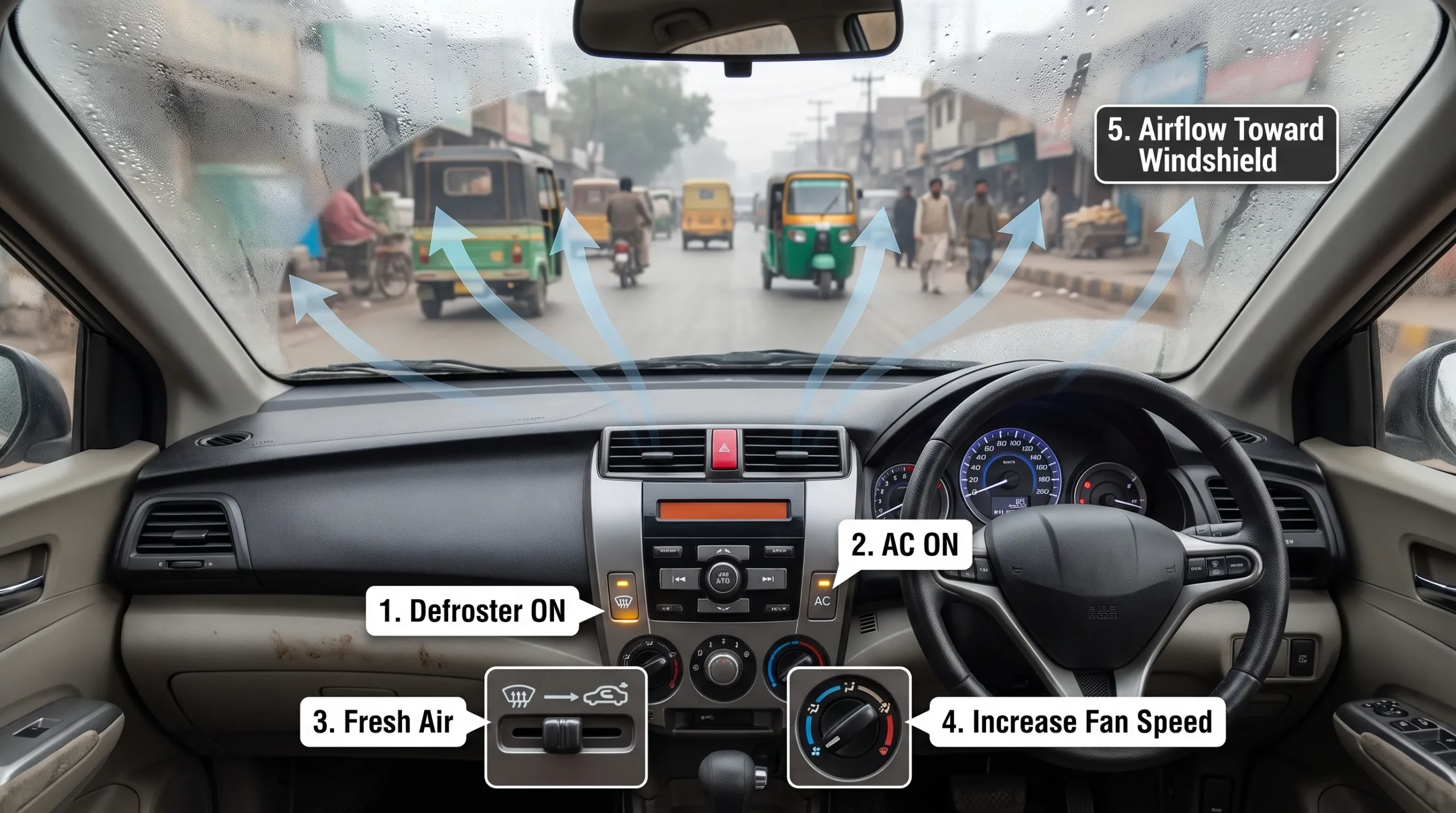
Step 1: Turn On the Front Defroster
Select the front windshield defroster/defogger setting.
This directs airflow toward the windshield, allowing the system to target the surface where condensation has formed.
Modern vehicles are designed with dedicated defrost vents for this purpose, so using the correct setting is generally much more effective than simply increasing the cabin fan while leaving airflow pointed toward the passengers.
Step 2: Turn On the AC
Don’t assume the AC is only useful during hot weather.
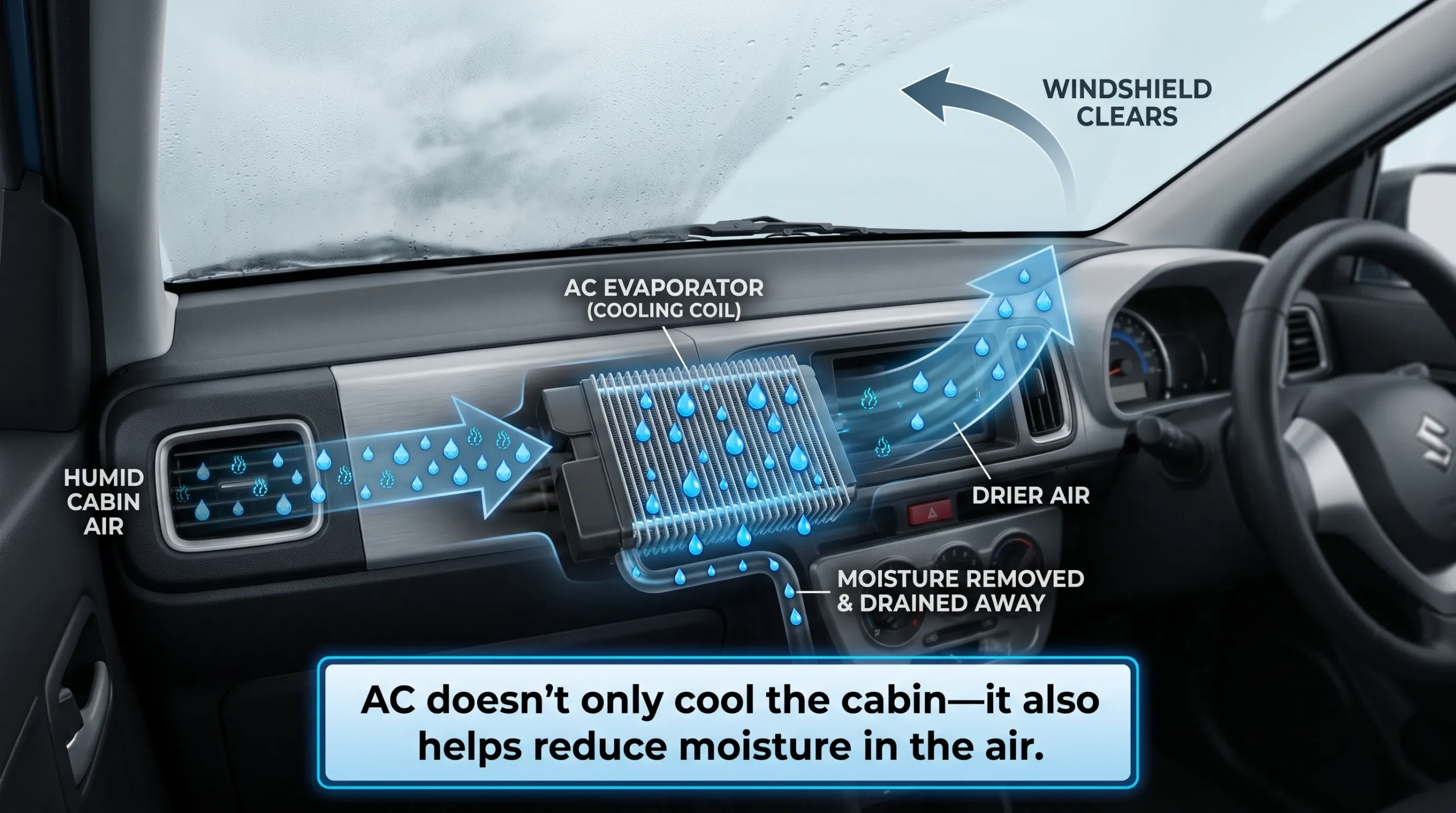
One of its useful functions during rainy conditions is dehumidification.
As humid air passes through the AC system, moisture can condense on the evaporator and drain away. The resulting air contains less moisture and can help dry the windshield.
This is why a rainy-weather combination such as AC + defroster + appropriate ventilation can clear interior fog more effectively than heat or airflow alone.
Step 3: Switch Off Recirculation When Appropriate
If the cabin is already humid, switch from recirculated air to fresh-air intake when conditions permit.
Recirculation is useful when you want to reuse conditioned cabin air, but it also means you continue circulating moisture already present inside the vehicle.
Fresh-air ventilation can help replace humid cabin air with outside air. However, the best setting depends on outside conditions and your vehicle’s climate-control system.
Step 4: Increase Fan Speed
Increase the blower speed so a stronger stream of air reaches the windshield.
If airflow is weak, moisture removal will generally take longer.
A practical approach is to increase the fan temporarily until visibility improves, then adjust it to a comfortable level.
Step 5: Direct Airflow Toward the Windshield
Make sure the ventilation system is sending air toward the front glass.
The objective is to move drier or dehumidified air directly across the fogged surface.
Step 6: Use the Wipers for Outside Moisture
If rain is also accumulating on the exterior, use your wipers.
Remember:
Defroster + AC = primarily helps with interior fog.
Wipers = primarily remove exterior rain and water.
If both sides are affected, you’ll need both systems working together.
Why Does AC Help Remove Windshield Fog?
The AC system doesn’t just make the cabin colder. It also helps remove moisture from air.
Think about what happens when humid air passes over a cold AC evaporator. Water vapor can condense into liquid water on the evaporator surface and then drain away.
This reduces the amount of moisture in the air being circulated through the cabin.
For example, air at 25°C and 80% relative humidity contains much more moisture than the same air at a lower relative humidity. Removing some of that moisture gives the ventilation system drier air to work with.
That’s why using AC during rain can be helpful even when the outside temperature isn’t particularly hot.
In simple terms:
AC reduces moisture → drier air reaches the windshield → condensation can evaporate more easily.
Common Mistakes That Make Windshield Fogging Worse
Keeping Recirculation On Continuously
Recirculation isn’t inherently bad, but leaving it on continuously while the cabin is humid can keep moisture trapped inside.
If several passengers are breathing in a closed cabin with wet clothes and mats, humidity can continue rising.
Wiping the Glass With Your Hand
Using your palm may clear a small area temporarily, but skin oils can leave a thin film on the glass.
That film becomes particularly problematic at night because headlights can reflect from it and create additional glare.
Leaving Wet Floor Mats Inside
Wet floor mats are a hidden source of cabin moisture.
A mat that feels only slightly damp can continue releasing moisture as it dries. If several mats are wet after heavy rain, the cabin can remain humid for hours.
Drying or removing wet mats after significant rainfall can therefore help reduce recurring fogging.
Leaving Wet Umbrellas in the Cabin
A wet umbrella may seem insignificant, but multiple wet objects inside a small cabin can collectively increase humidity.
If possible, shake off excess water before placing umbrellas inside and allow them to dry properly later.
Ignoring a Dirty Windshield
A windshield can look clean from outside while having a thin film of dust, oil, fingerprints or residue on the inside.
When condensation forms on this surface, visibility can become much worse.
How to Prevent Your Windshield From Fogging in Rain
The best approach is to control the conditions that create condensation.
Keep the Windshield Clean
Clean both the inside and outside of the windshield regularly.
The inside surface can accumulate:
Fingerprints
Dust
Smoke residue
Plastic-related vapors
Oily film
Cleaning-product residue
These contaminants don’t necessarily cause condensation, but they can make the resulting haze and glare much more noticeable.
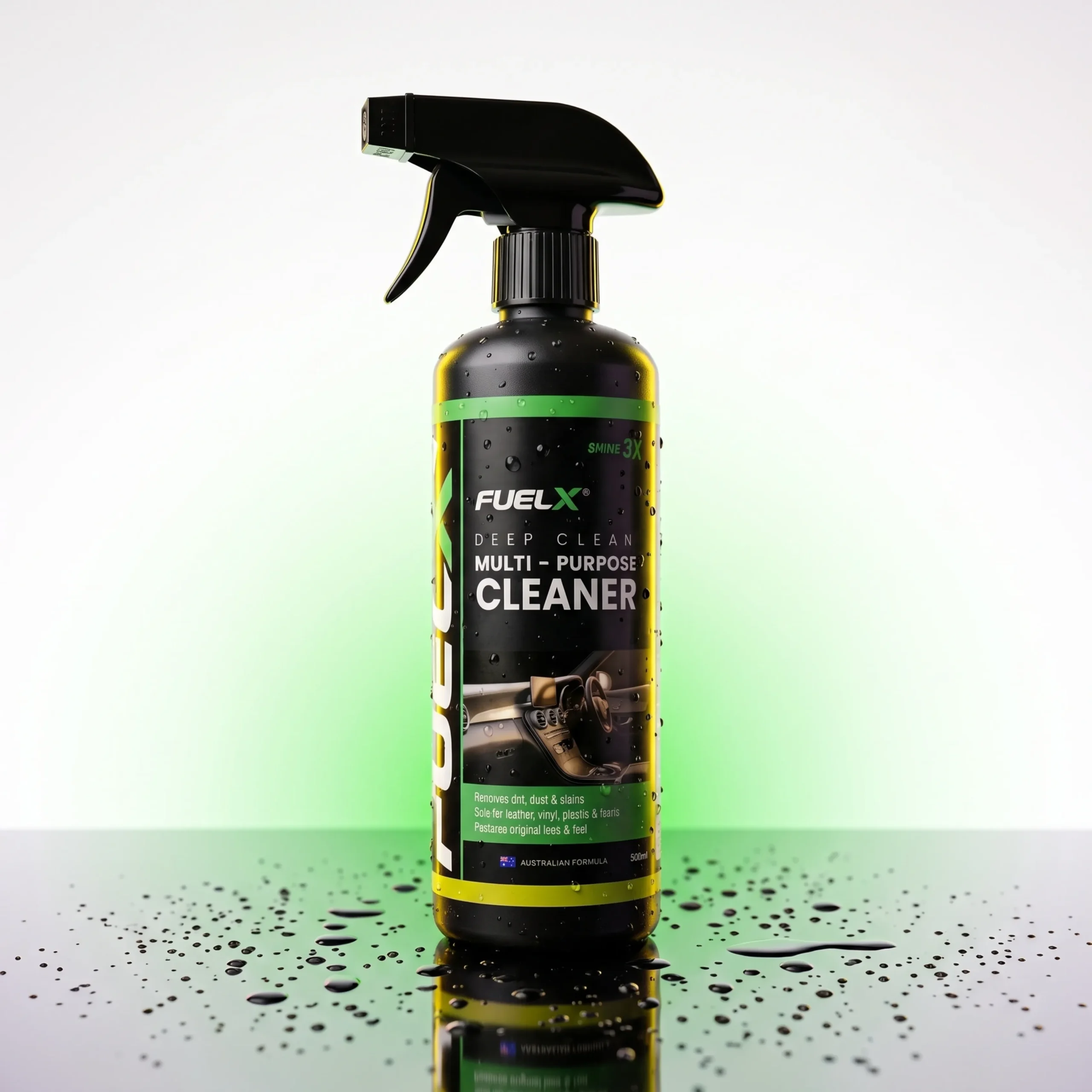
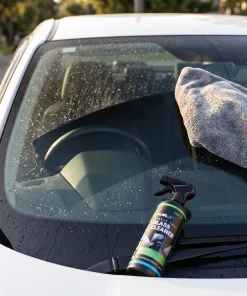
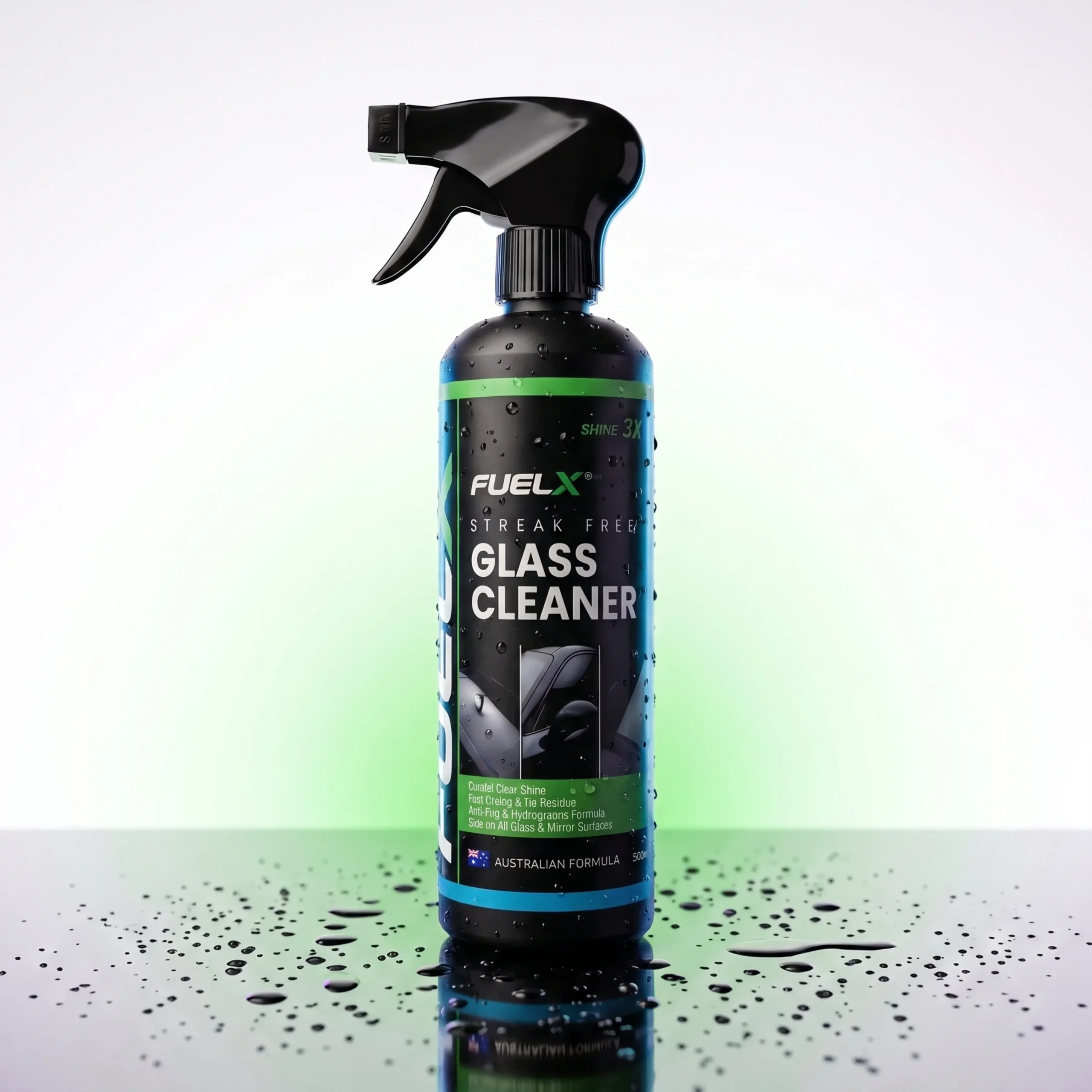
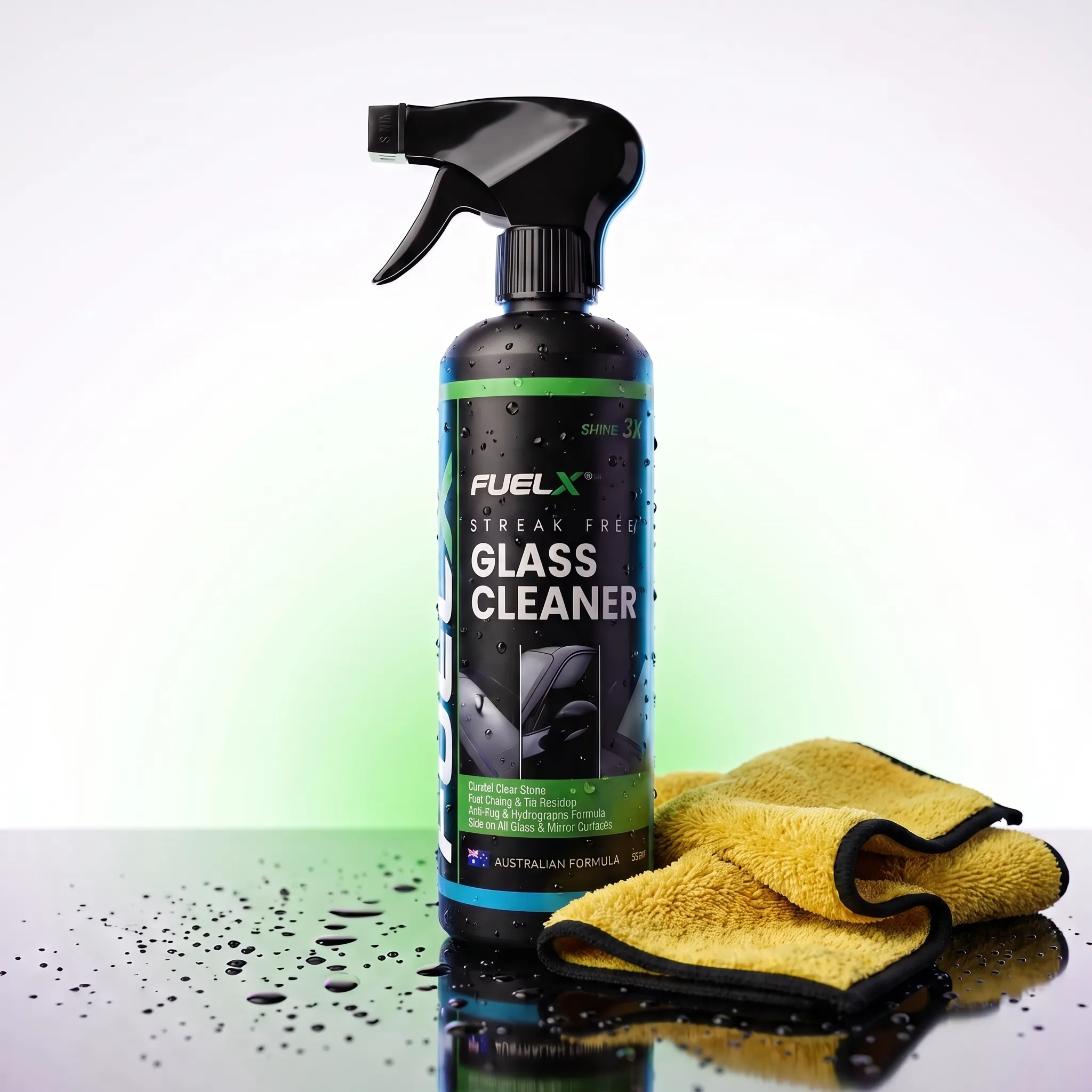
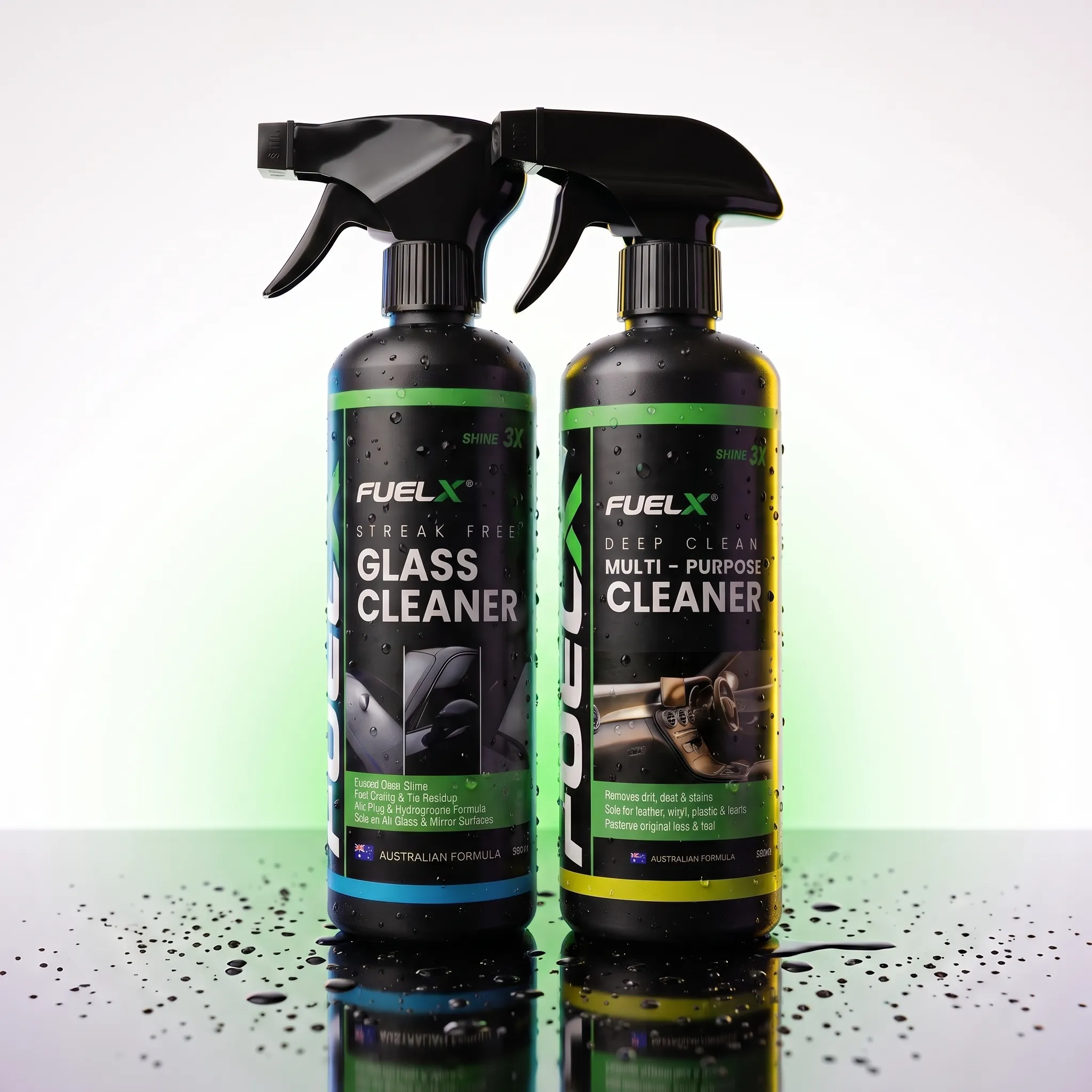
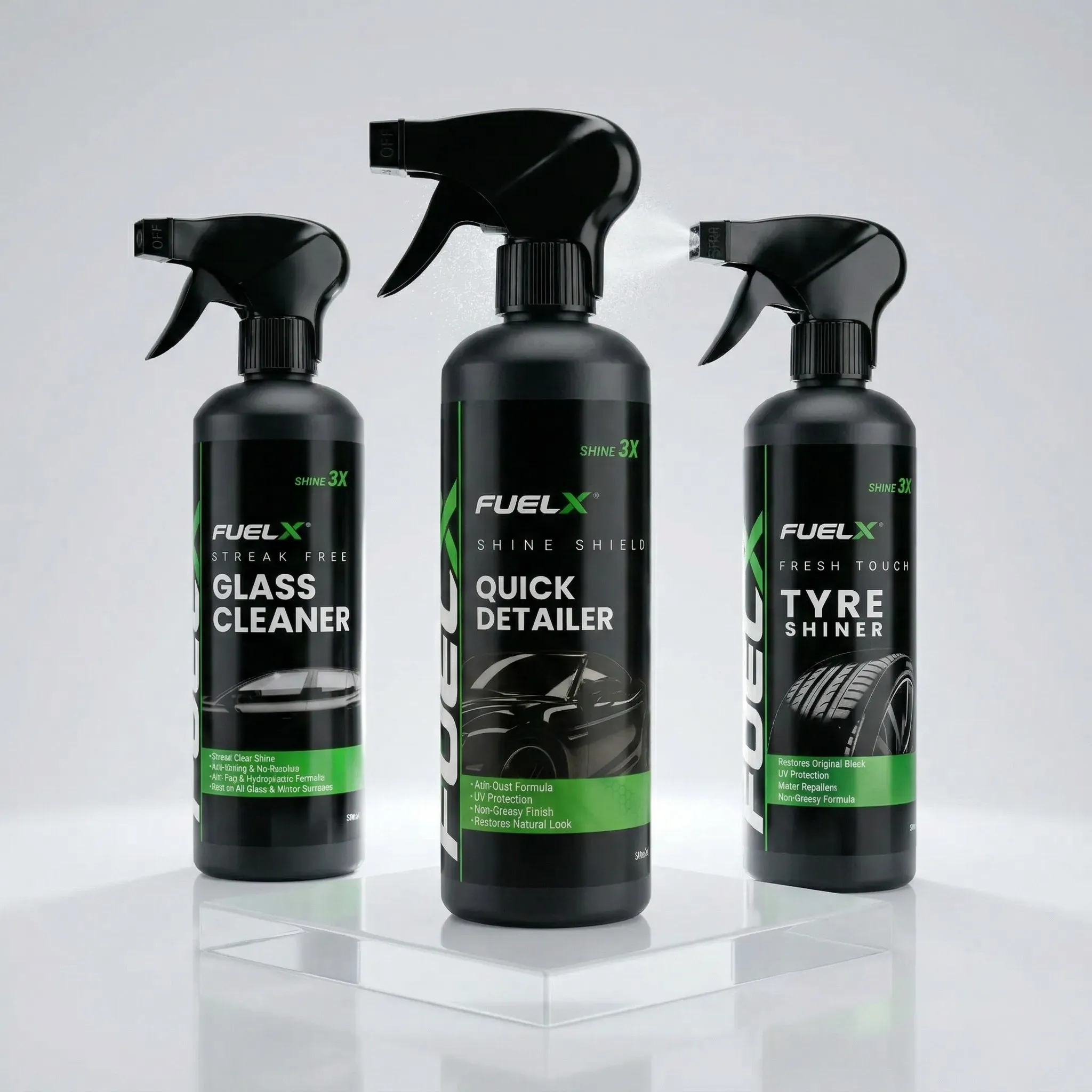
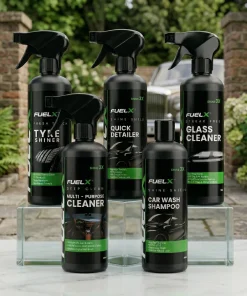
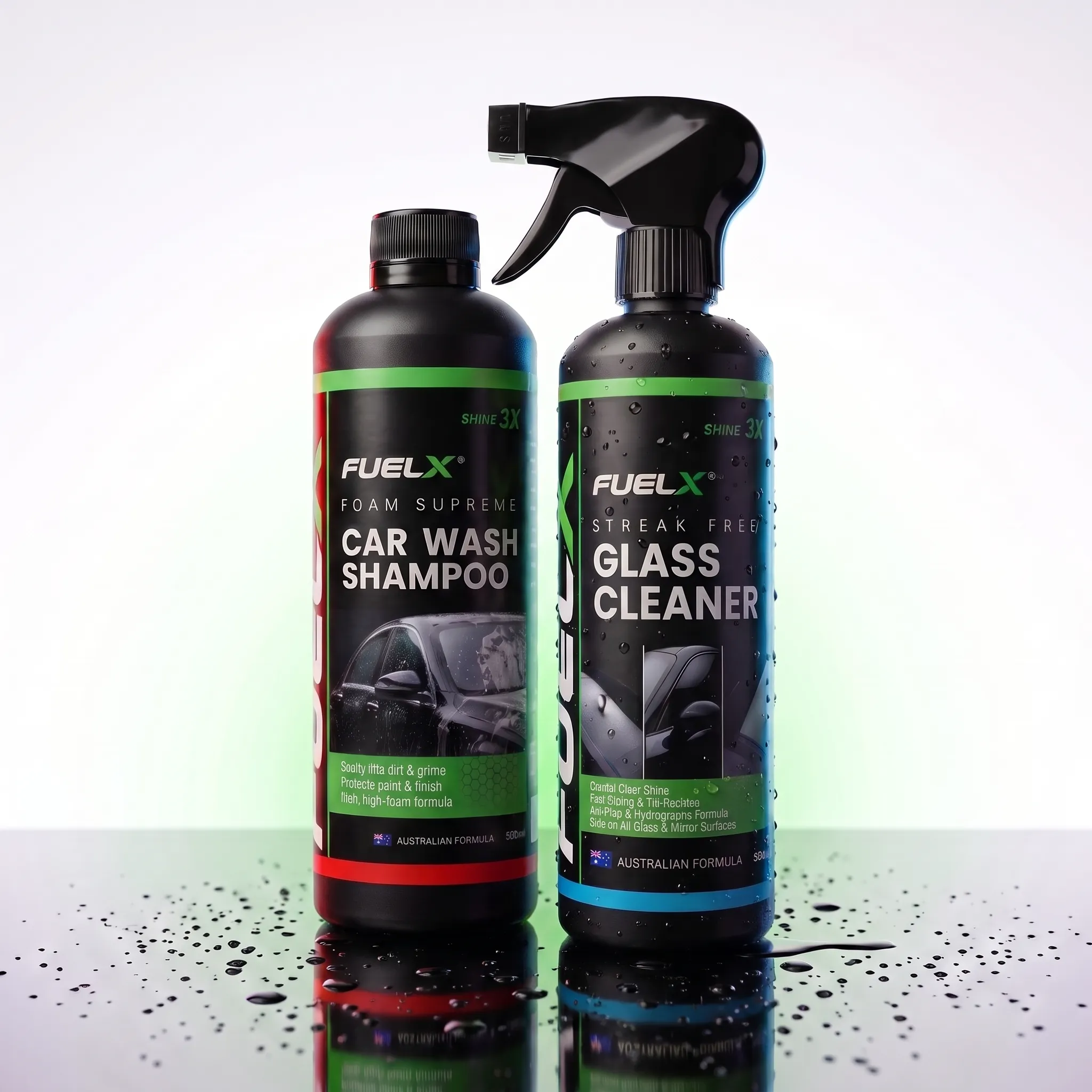
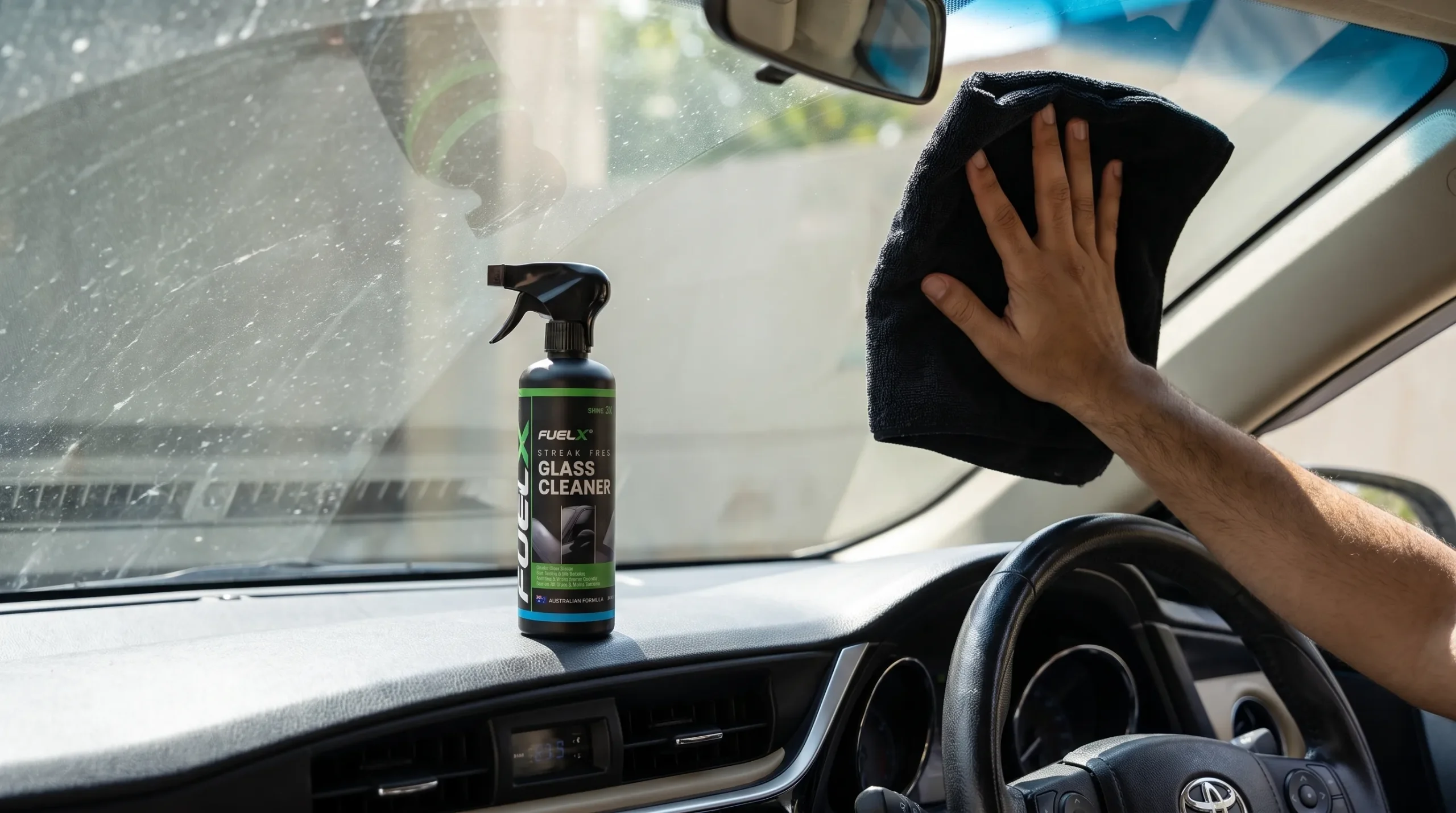
For routine automotive glass care, FuelX Glass Cleaner is a natural fit for maintaining a cleaner windshield surface. Use it with a clean microfiber towel and follow the product’s recommended application method.
A good glass-cleaning routine is particularly useful before the monsoon season begins.
Keep Your Interior Dry
After driving through heavy rain, inspect the:
Floor mats
Carpets
Seats
Door sills
Trunk area
Water entering through wet shoes or leaking into the vehicle can increase cabin humidity.
If your floor mats are soaked, remove and dry them rather than leaving them inside for several days.
This also helps prevent musty odors and moisture-related interior problems.
Use AC and Ventilation Correctly
Don’t automatically switch the AC off because the weather is cool.
During humid rain, AC can help dehumidify the air.
Also make sure the windshield vents aren’t blocked by objects placed on the dashboard.
Check the Cabin Air Filter
A clogged cabin air filter can restrict airflow through the HVAC system.
If the blower feels noticeably weaker than it used to, or if the windshield takes unusually long to defog, have the cabin filter inspected according to the vehicle manufacturer’s recommended maintenance schedule.
Does a Dirty Windshield Make Fogging Worse?
A dirty windshield doesn’t normally create the moisture responsible for fogging, but it can make the visibility problem much worse.
Imagine two windshields exposed to the same condensation:
Clean windshield: moisture forms on a relatively clean surface.
Dirty/oily windshield: moisture interacts with an existing film and spreads unevenly.
The second windshield can look considerably hazier.
This is especially dangerous at night. Headlights from oncoming vehicles can reflect from water droplets and residue, producing glare and reducing contrast.
That’s why cleaning the inside of the windshield is just as important as cleaning the outside.
Why Is Windshield Fogging Worse at Night?
Rainy nighttime driving combines several visibility challenges at once.
You may have:
Rain on the exterior glass
Condensation on the interior
Headlights from oncoming traffic
Streetlights
Reflections from wet roads
Dirt or oily residue on the windshield
A clean windshield doesn’t eliminate all of these problems, but it removes one avoidable source of glare.
If you frequently drive at night during rain, cleaning the inside of the windshield should be part of your regular car-care routine rather than something you do only when visibility becomes poor.
How to Clean Your Windshield for Better Rain Visibility
A proper cleaning technique can help prevent streaks and residue.
1. Park Safely
Always clean the glass while the car is parked.
Avoid cleaning extremely hot glass in direct sunlight because rapid evaporation can make streaking more likely.
This reduces the chance of dragging abrasive dirt across the glass.
3. Clean the Interior Glass
Apply your automotive glass cleaner according to its instructions.
Clean the windshield in sections, paying attention to the corners and lower area near the dashboard.
4. Clean the Exterior
Remove road grime, dust, insects and other contamination from the outside surface.
Exterior cleanliness is especially important during rainy weather because road spray can quickly cover the windshield.
5. Buff With a Dry Microfiber Towel
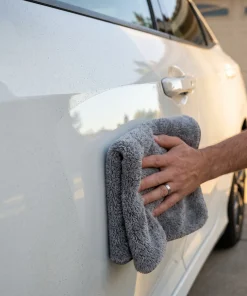
Use a clean, dry microfiber towel to remove remaining residue and minimize streaks.
After cleaning, inspect the glass from the driver’s seat from several angles. If you can see streaks in sunlight, they may become even more noticeable when exposed to headlights at night.
For a simple glass-care routine, FuelX Glass Cleaner paired with a quality microfiber detailing towel can help maintain cleaner automotive glass.
When Could Windshield Fogging Indicate a Vehicle Problem?
Not every case of fogging is simply caused by rain and humidity.
You should consider having the vehicle inspected if you notice persistent or unusual moisture inside the cabin, particularly when it occurs even in dry weather.
Watch for signs such as:
Wet carpet without an obvious source
Persistent dampness inside the vehicle
Unusual sweet-smelling vapor
Unexplained coolant loss
Residue appearing on the windshield
Very weak ventilation
Fogging that repeatedly returns despite proper defrosting
For example, an unexplained sweet smell combined with unusual windshield mist and coolant loss may require professional inspection because it can point toward a cooling-system or heater-related problem.
Don’t ignore unusual symptoms simply because the weather is rainy.
Quick Rainy-Day Windshield Defogging Checklist
When the windshield starts fogging from the inside, remember:
Front defroster ON
AC ON
Fresh-air mode when appropriate
Increase fan speed
Direct airflow toward the windshield
Use wipers for outside rain
Keep the windshield clean
Dry wet floor mats
Remove unnecessary moisture from the cabin
Pull over if visibility becomes unsafe
These steps address the three main causes of fogging: excess moisture, condensation and inadequate airflow.
Final Thoughts
A foggy windshield during rain is usually the result of a simple combination: moisture inside the cabin, a cooler windshield and insufficient airflow.
Once you understand this, the solution becomes much easier.
When interior fog appears, use the front defroster, turn on the AC, direct airflow toward the windshield and use fresh-air ventilation when appropriate. If moisture is on the outside, use the wipers.
For prevention, focus on controlling cabin moisture and keeping your glass clean. Dry wet floor mats after heavy rain, avoid leaving unnecessary wet items inside the vehicle, maintain your ventilation system and clean both sides of the windshield regularly.
A clean windshield is especially important during Pakistan’s monsoon season. Rain, humidity, road spray and nighttime glare can combine to reduce visibility, so maintaining clear glass should be considered part of basic vehicle safety—not simply a cosmetic task.
With the right ventilation settings and a consistent glass-cleaning routine, you can significantly reduce the frustration of windshield fogging and maintain clearer visibility when you need it most.
FAQ’s
Why does my windshield fog up when it rains?
Rain can cool the windshield while passengers, wet clothing, umbrellas and damp mats increase humidity inside the car. When humid cabin air contacts a cooler windshield, condensation forms.
Should I use AC when my windshield is foggy?
Yes. AC can help remove moisture from the cabin air, making it useful for clearing interior windshield fog even when the weather outside is cool.
Should I use recirculation or fresh air to prevent fogging?
When the cabin is humid, fresh-air ventilation can help replace moisture-filled cabin air. However, the appropriate setting depends on outside conditions and your vehicle’s climate-control system.
Why does my windshield fog up from the inside?
The most common reason is moisture-rich cabin air contacting a windshield surface that is cooler than the air’s dew point.
How do I stop my car windows from fogging in rain?
Use the front defroster, AC, appropriate ventilation and sufficient fan speed. Keep the windshield clean and dry wet mats and other moisture sources inside the cabin.
Does a dirty windshield make fogging worse?
Dirt doesn’t usually cause condensation, but dust and oily residue can make the resulting haze, streaking and glare significantly more noticeable.
Why does my windshield fog up more at night?
Nighttime driving introduces stronger light sources such as headlights and streetlights. Light reflecting from condensation and residue can produce glare and make an already foggy windshield appear even less clear.