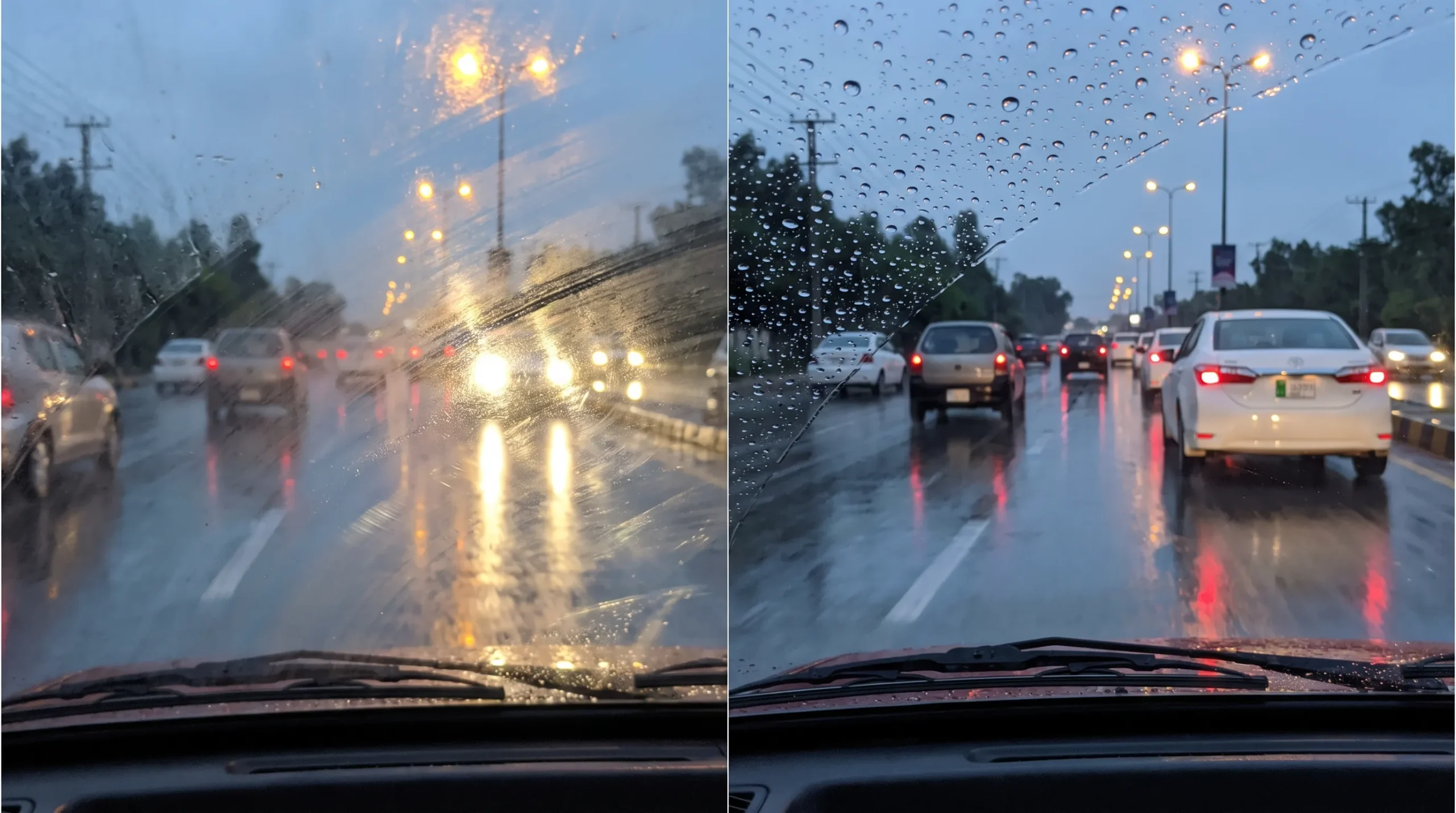
Rain can change driving conditions within minutes. A windshield that looks perfectly acceptable on a dry afternoon can suddenly become streaky, hazy, or full of glare once rain begins. The problem is often not the rain itself but the thin layer of dust, oil, road grime, water deposits, and interior residue already sitting on the glass.
This matters even more during Pakistan’s monsoon season. After several dry and dusty days, rain can mix road dust and oily traffic residue into a film that gets spread across the windshield by the wipers. At night, headlights from approaching vehicles can make the resulting glare even more distracting.
A practical example is a windshield that has not been properly cleaned for a week or two. It may still look reasonably clear when viewed from outside in daylight. But when rain starts and headlights hit the wet glass, streaks and bright reflections can become much more obvious. A few minutes of proper glass cleaning can prevent much of this avoidable contamination.
Keeping your windshield and windows clean is therefore not just about making your car look polished. It is part of maintaining a clear view of the road, vehicles, pedestrians, lane markings, and potential hazards.
The good news is that you don’t need professional detailing equipment. With a suitable automotive glass cleaner, clean microfiber towels, and the correct technique, you can maintain your car’s glass at home.
Why a Dirty Windshield Becomes a Bigger Problem in Rain
A windshield doesn’t have to look visibly dirty to affect how clearly you see through it.
A thin layer of dust, oily residue, smoke film, or dried water deposits can remain almost invisible under normal daylight. Once rain covers the glass, however, water interacts with that contamination and can spread less evenly across the surface.
The wipers then move across the contaminated water. Instead of leaving a uniformly clear surface, they can create streaks or patches.
The effect becomes especially noticeable at night. Headlights and streetlights are intense point sources of light. When light passes through or reflects from water droplets and contaminated areas of the windshield, it can appear more scattered and produce distracting glare.
Common sources of windshield contamination include:
Road dust and mud
Traffic pollution
Oily road residue
Fingerprints
Dashboard dust
Smoke residue
Interior vapors and film
Dried rainwater or mineral deposits
Dirty windshield wipers
How quickly can glass become dirty?
There isn’t a universal number because contamination depends heavily on driving conditions. A vehicle parked beside a busy road or driven daily through dusty traffic can develop visible dust and grime within a few days. After a dusty week followed by rain, the exterior glass can become noticeably dirtier after just one or two trips.
That’s why a fixed cleaning schedule isn’t always the best approach. Inspecting the glass regularly and cleaning it when visibility starts to decline is more useful than waiting for a particular number of days.
There is also an important distinction between dirty glass and damaged glass. Normal cleaning can remove surface contamination, but deep scratches, chips, cracks, and severe pitting cannot be corrected simply by using more glass cleaner.
What You Need to Clean Your Windshield and Windows
You don’t need a large detailing kit for this job.
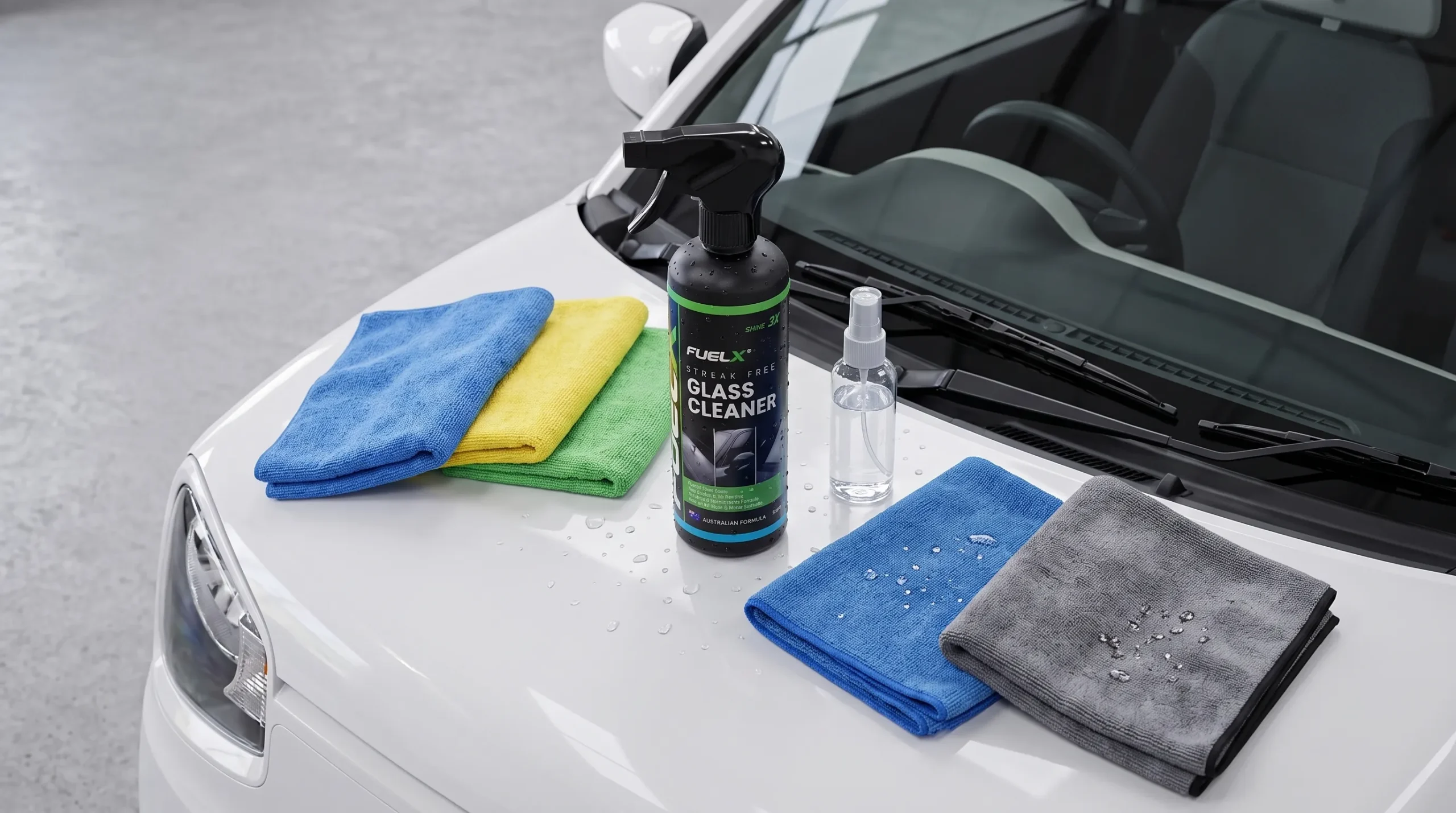
A practical home setup includes:
Automotive glass cleaner
2–3 clean microfiber towels
Clean water for removing loose dirt
A separate dry microfiber towel for final buffing
A soft towel for surrounding trim
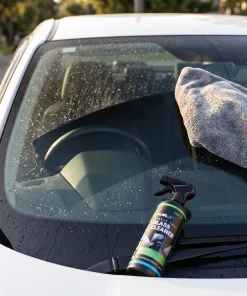
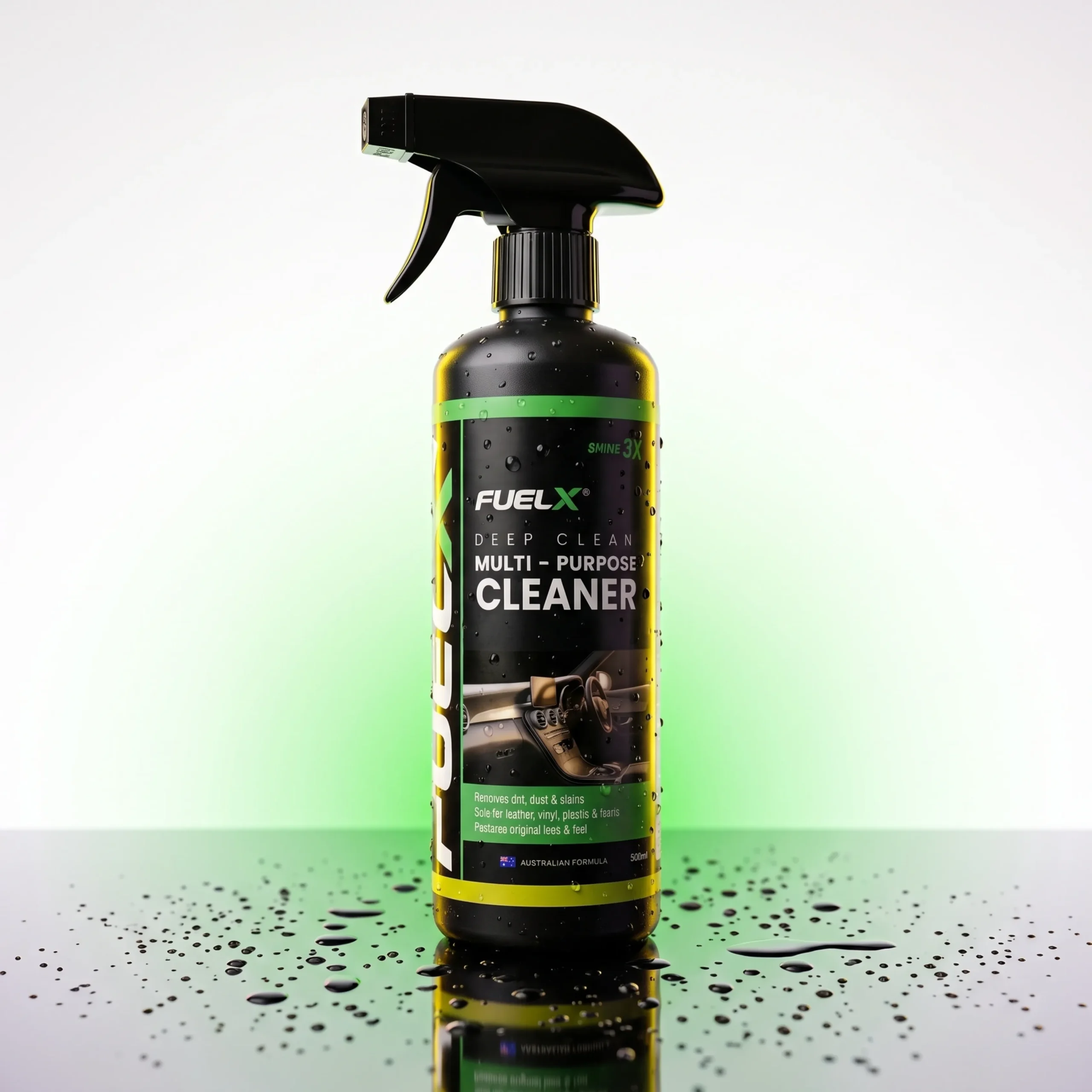
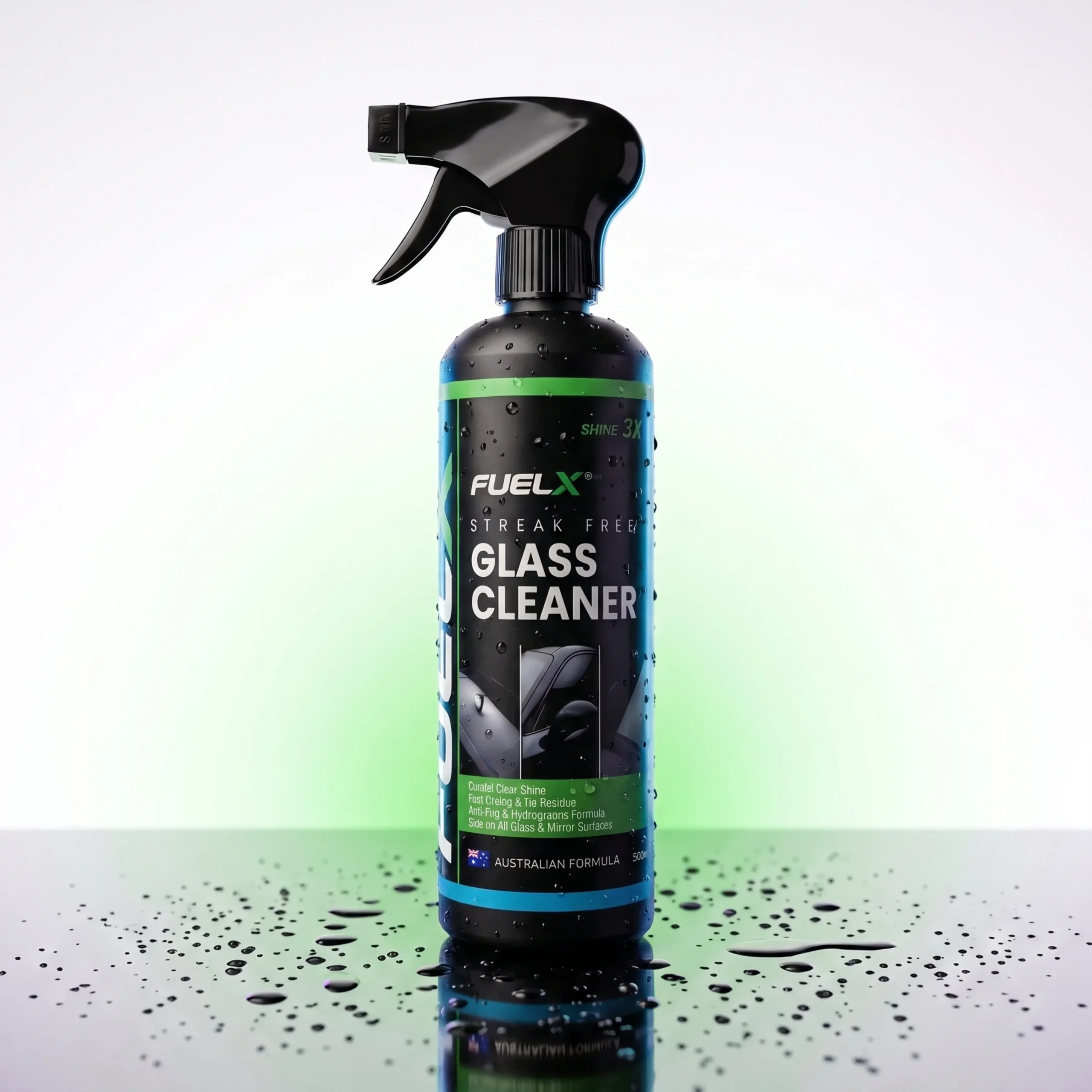
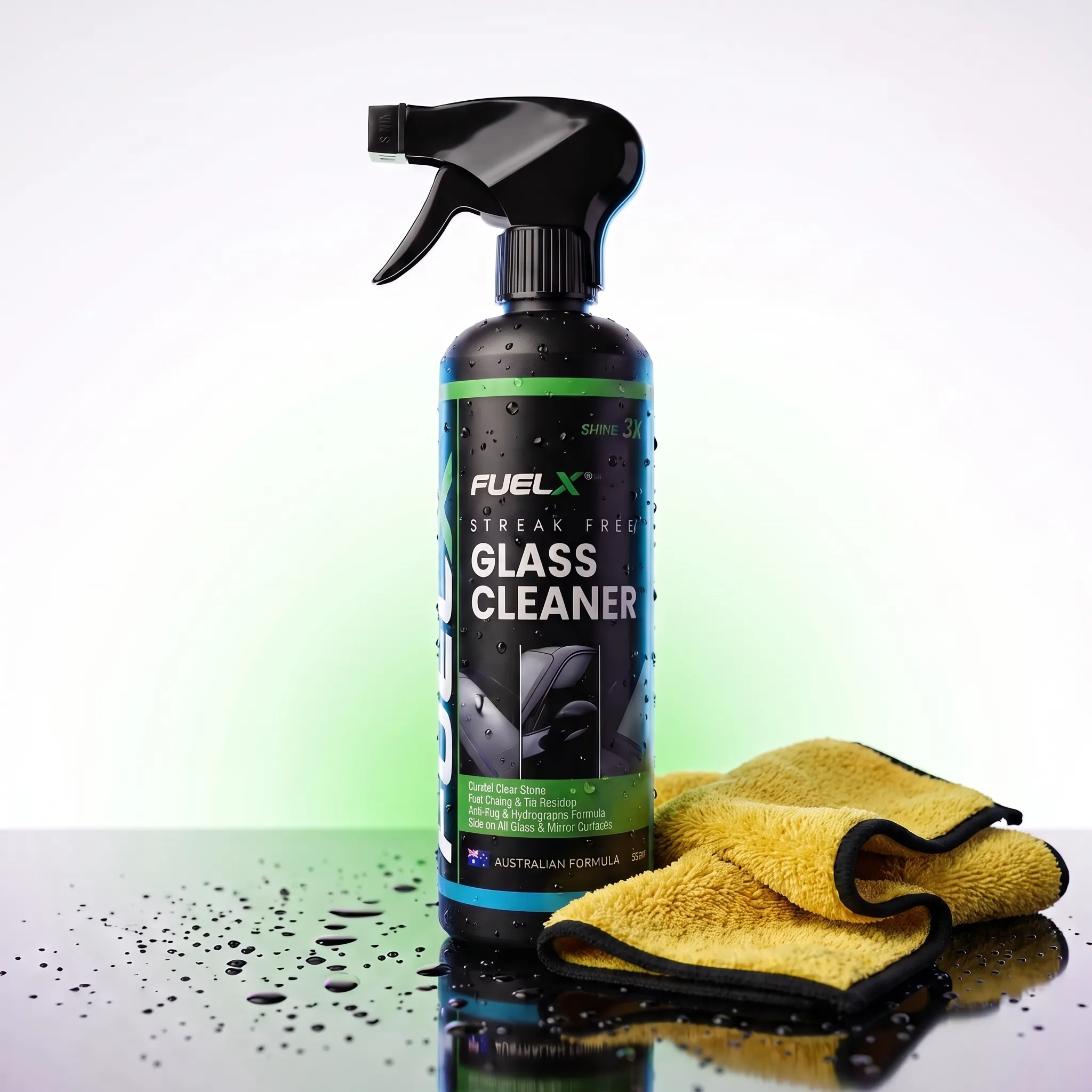
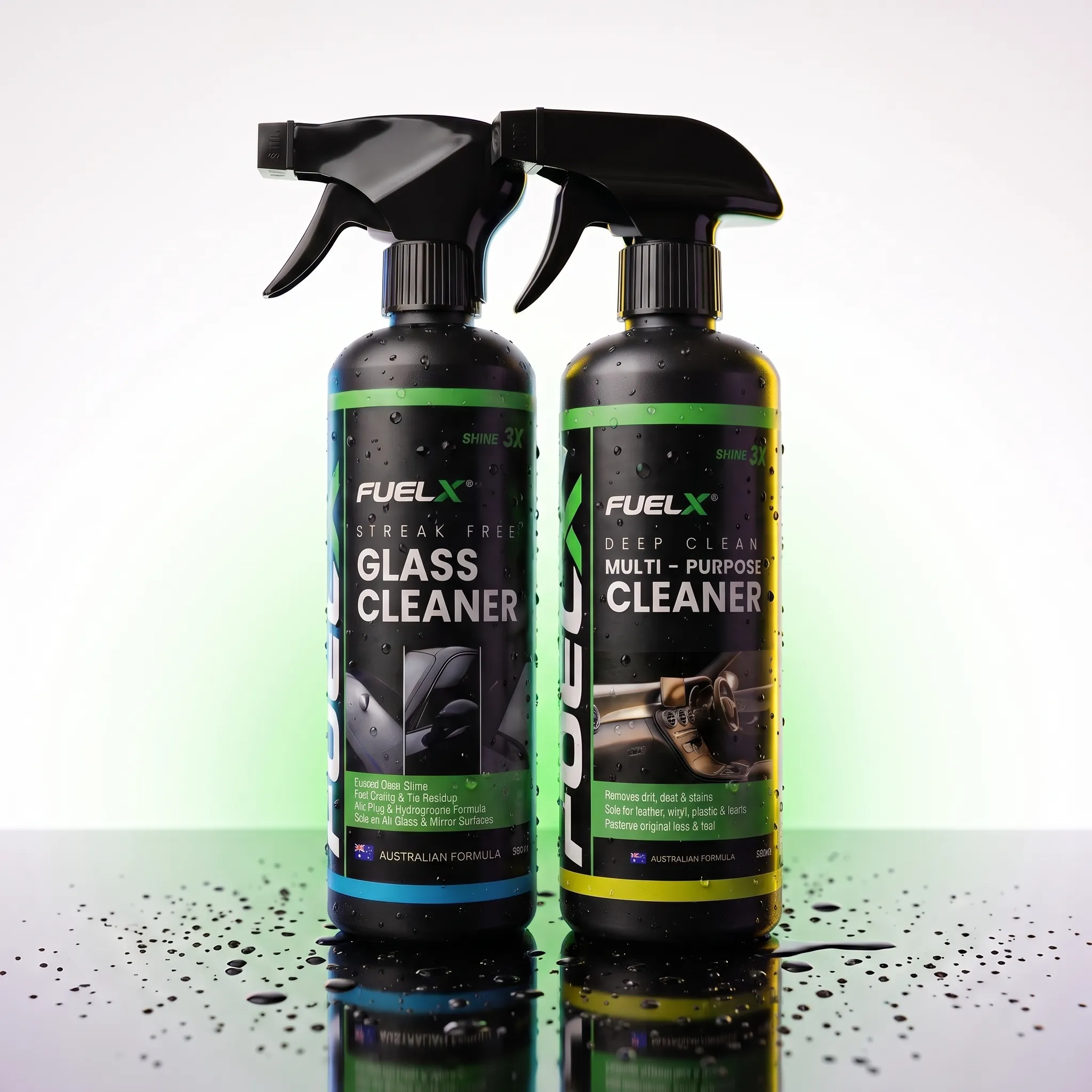
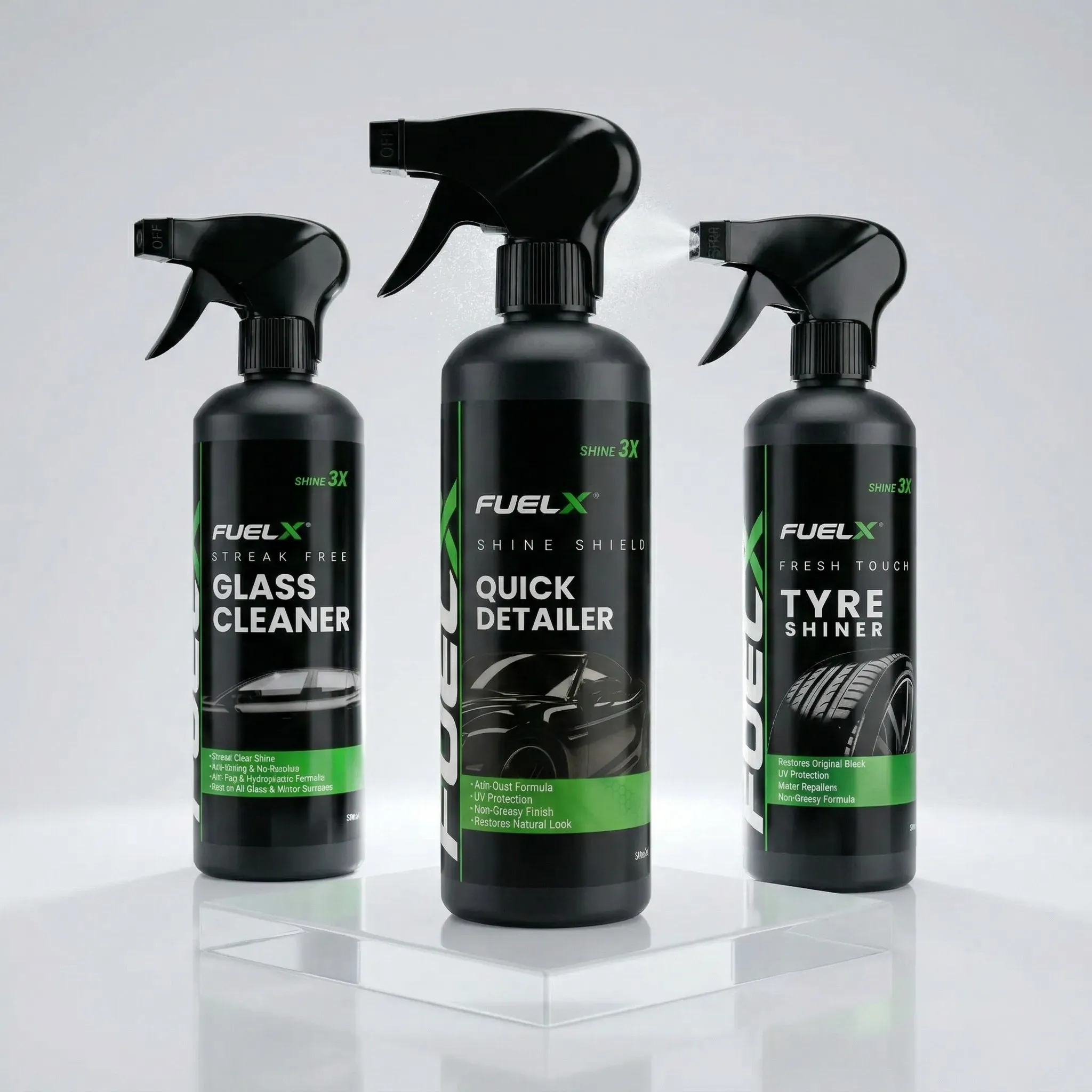
For example, FuelX Glass Cleaner can be incorporated into a regular car-care routine for automotive glass.
Why microfiber towels are important
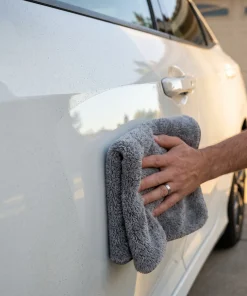
The towel you use has a direct effect on the final result. A dirty cloth can simply move contamination from one part of the windshield to another. A low-quality or lint-producing cloth can also leave small fibers behind.
A simple two-towel system works well:
Towel 1: Initial cleaning and removal of residue.
Towel 2: Final drying and buffing.
If you’re cleaning a heavily contaminated windshield, having a third towel available is useful because the first towel can become dirty quickly.
Keep your glass towels separate from towels used on tyres, wheels, engine components, or heavily soiled body panels. A towel that has picked up greasy tyre dressing should never become your primary glass-cleaning towel.
How to Clean the Outside of the Windshield
Step 1: Park the Car in the Shade
Begin by parking your vehicle in a shaded area.
This is particularly important in Pakistan during hot weather. Direct sunlight can heat the windshield significantly, causing cleaning products to evaporate faster than intended.
When a cleaner dries too quickly, it becomes harder to wipe evenly and can leave streaks.
You don’t need to measure the glass temperature. If the windshield feels very hot after the car has been parked in direct sunlight, allow it to cool before starting.
Step 2: Remove Loose Dust and Dirt
This step is easy to overlook.
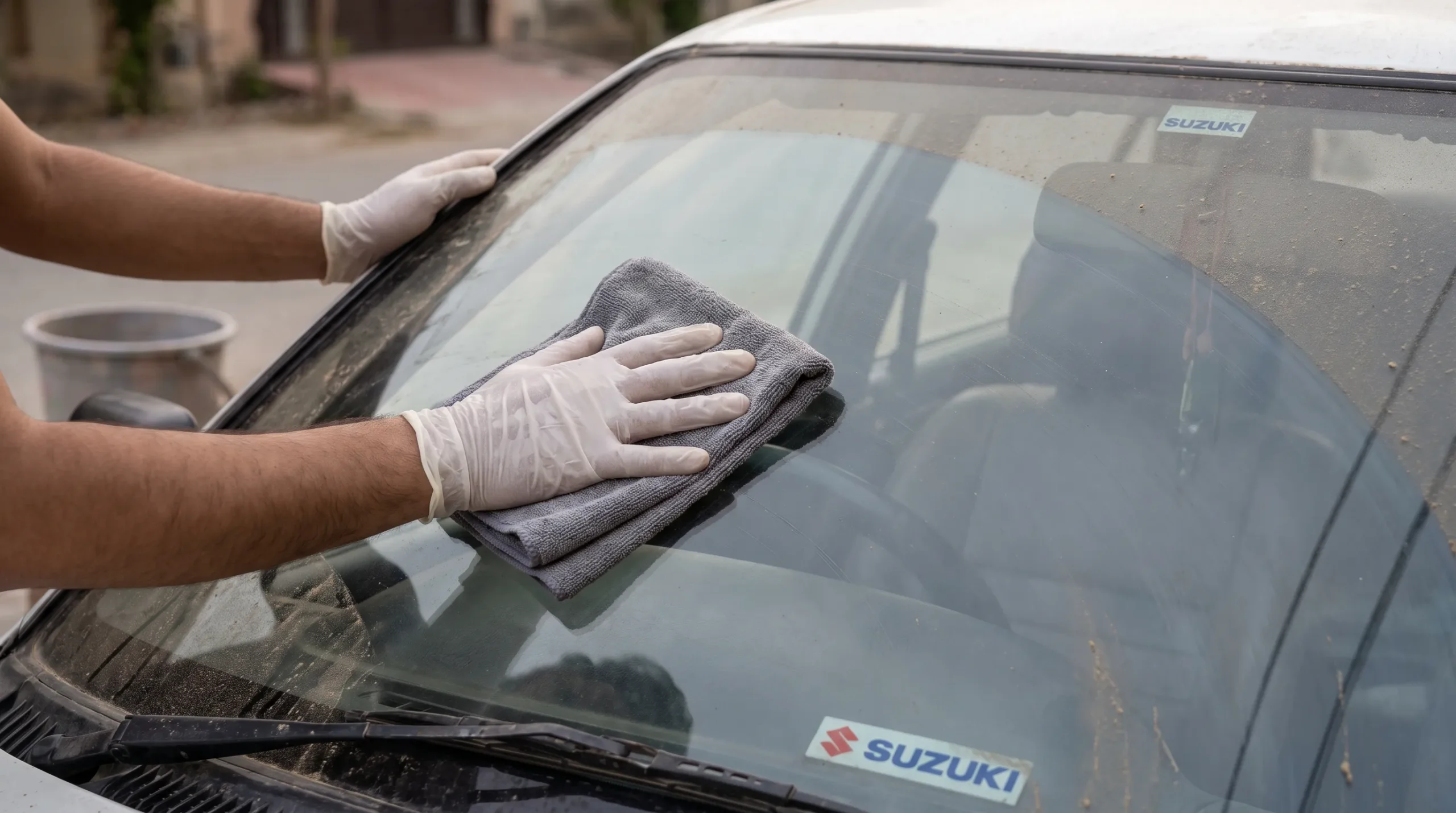
If the windshield has loose dust, mud, or sandy particles on it, don’t immediately start rubbing the dry surface with a microfiber towel. You could simply drag those particles across the glass.
For heavier contamination, gently rinse the windshield with clean water first.
Think of this as the difference between removing dirt and grinding dirt into the surface. The goal is to loosen and remove particles before detailed wiping.
If the windshield only has light dust, use a clean towel carefully rather than applying heavy pressure.
Step 3: Apply the Glass Cleaner
Apply an appropriate amount of automotive glass cleaner according to the product instructions.
Rather than covering the entire windshield with a large amount of product, work in manageable sections.
For example, divide the windshield into four sections:
Upper left
Upper right
Lower left
Lower right
This makes it easier to maintain consistent coverage and prevents the product from drying before you have finished wiping.
More cleaner does not necessarily produce better results. Excess product can leave residue that requires additional buffing.
Step 4: Wipe in Straight, Overlapping Passes
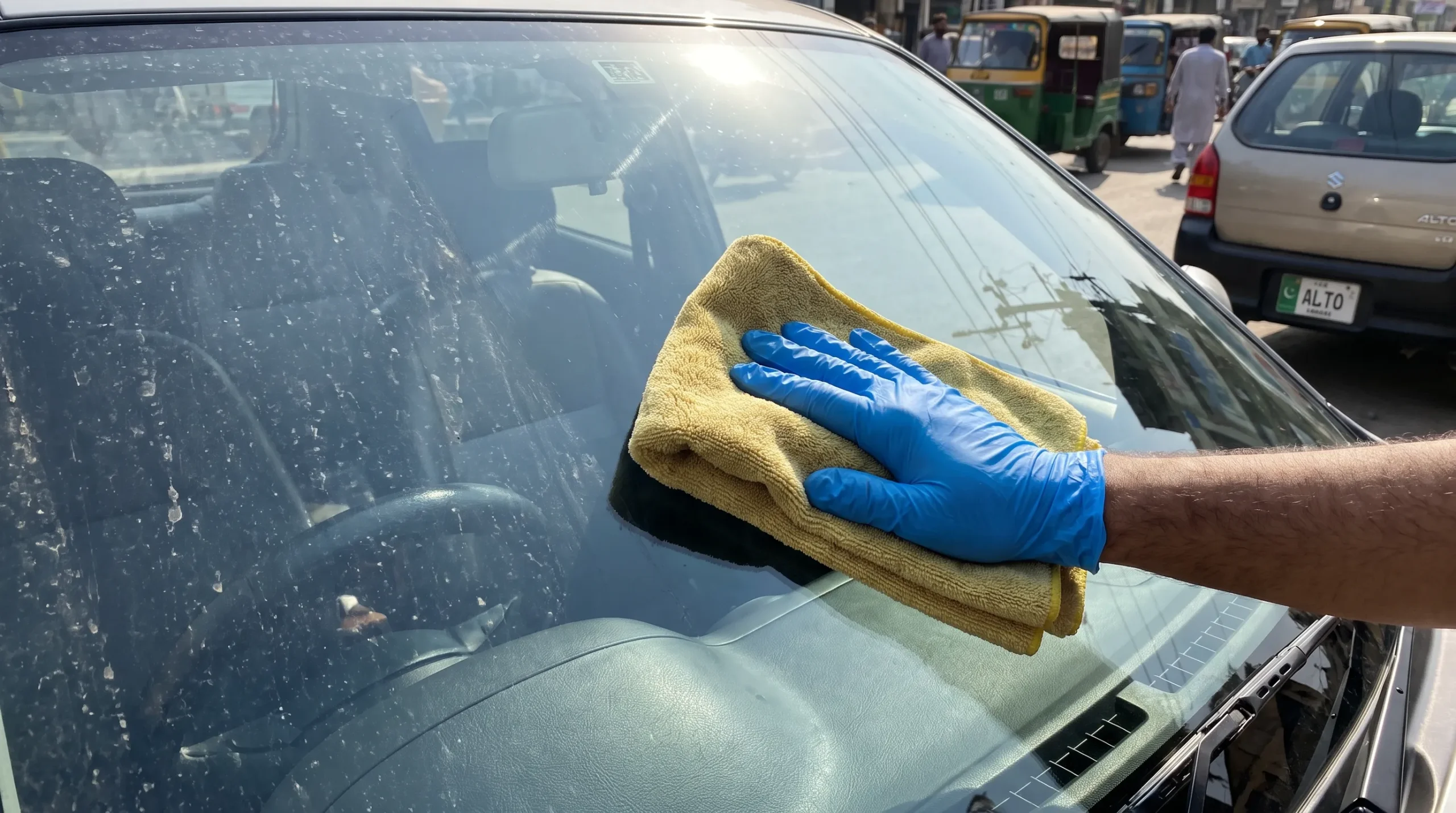
Use a clean microfiber towel and work systematically from top to bottom.
Make overlapping passes so each wipe slightly covers the previous area. This reduces the chance of leaving small untouched sections.
Pay particular attention to:
Lower windshield areas
Corners
Edges
Areas near the wiper sweep
The lower windshield often collects more dirt than expected because it is close to the wiper mechanism and dashboard area.
Use moderate pressure. Glass does not become cleaner simply because you press harder.
Step 5: Buff With a Dry Microfiber Towel
After the first cleaning pass, switch to a clean, dry microfiber towel.
Buff the glass using light pressure. If the towel becomes damp or visibly dirty, turn it to a clean side or replace it.
This final step is important because a windshield can look clean immediately after the first wipe but still have a thin layer of product residue.
A useful inspection method is to look across the glass rather than directly at it. Slightly changing your viewing angle can reveal streaks that are difficult to see head-on.
Step 6: Inspect the Glass From the Driver’s Seat
The final inspection should always be done from the position that matters most—the driver’s seat.
Look through the windshield under normal daylight and, if possible, inspect it again under artificial light.
Pay attention to the area directly in front of the driver’s line of sight. If you notice a streak, haze, or patch, clean that specific area again.
Don’t Forget the Inside of the Windshield
One of the biggest mistakes people make is cleaning the outside repeatedly while ignoring the interior.
The inside of a windshield can develop a thin film from:
Dashboard dust
Fingerprints
Smoke
Interior fumes
Air-conditioning-related residue
Plastic and vinyl materials
General airborne dust
This film can become particularly noticeable when sunlight or headlights hit the windshield.
How to clean the inside
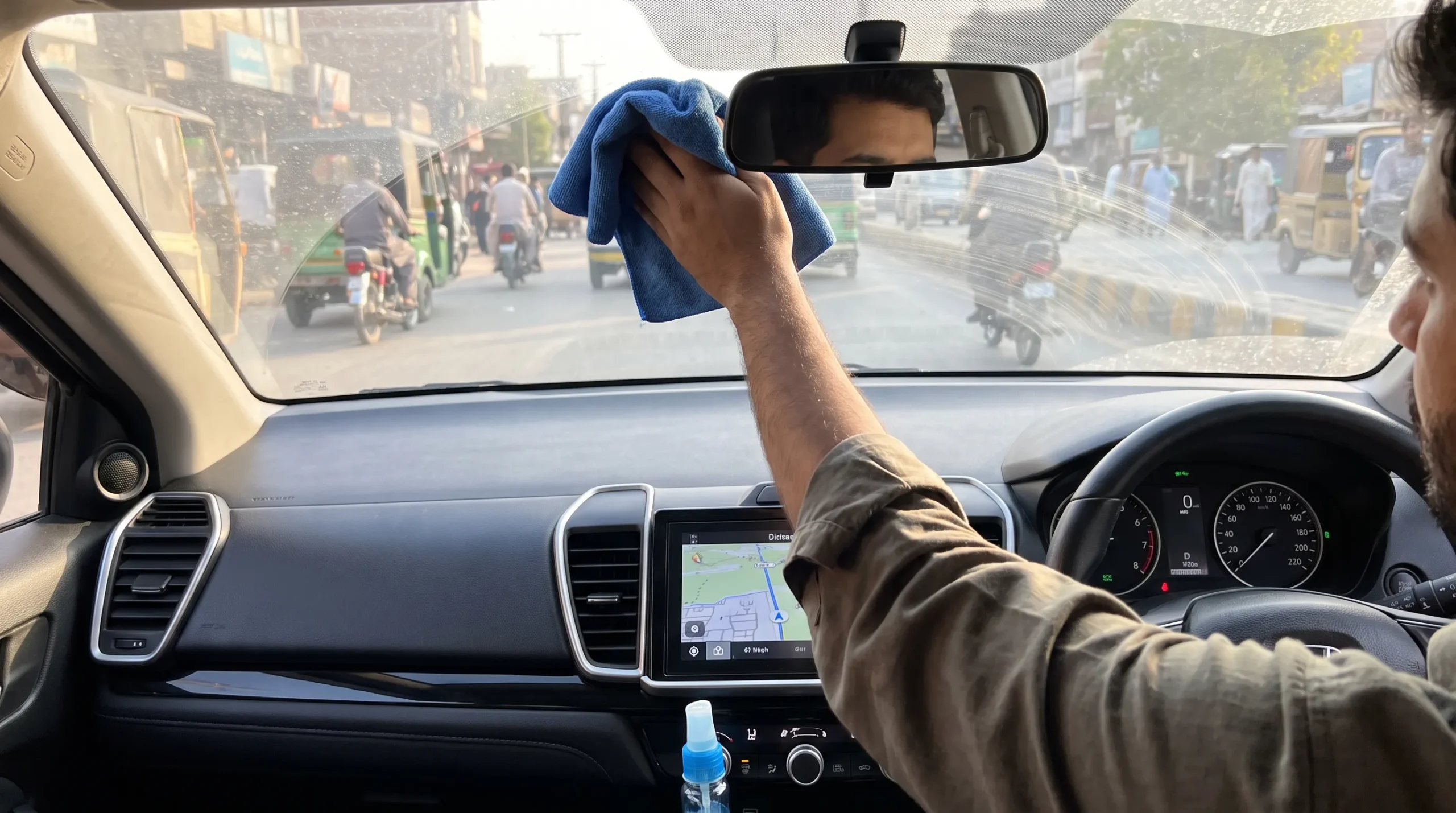
Start by dusting the dashboard and nearby surfaces. Otherwise, you may clean the windshield and then immediately introduce more dust.
Then:
Use a clean microfiber towel.
Apply an appropriate amount of automotive glass cleaner.
Work in small sections.
Wipe using overlapping passes.
Use a separate dry towel for buffing.
Inspect the glass from the driver’s normal seating position.
The lower inside portion can be awkward to reach. Don’t rush it. A clean glass surface is more valuable than completing the entire job in a few seconds.
Also be careful around dashboard vents, switches, screens, and electronic components. Avoid allowing excess liquid to run into these areas.
How to Clean Side Windows and Rear Glass
Your windshield isn’t the only glass that affects visibility.
Side windows are important when checking surrounding traffic, motorcycles, pedestrians, and vehicles in adjacent lanes. During rain, water and dirt on side glass can make these observations more difficult.
Clean:
Front side windows
Rear side windows
Rear windshield
Quarter glass
Window edges
Pay attention to the lower window edges. Dirt can accumulate around seals and become visible when the window is partially lowered.
Take care with rear defroster lines
Many vehicles have electrical defroster lines across the rear windshield. These lines help remove condensation.
Don’t aggressively scrub them. Use gentle wiping pressure and a suitable microfiber towel.
How to Remove Streaks, Water Spots, and Haze
Different glass problems require different approaches.
Streaks
Streaks commonly result from:
Too much cleaning product
Dirty towels
Incomplete buffing
Hot glass
Reusing a contaminated towel
Start by buffing the glass with a clean, dry microfiber towel. If the streak remains, re-clean that section using a fresh towel.
Water spots
Water spots can develop when water dries and leaves behind mineral deposits.
For example, if a vehicle gets wet during rain or washing and repeatedly dries without being properly cleaned, mineral residue can gradually become more visible.
Start with normal glass cleaning. If stubborn deposits remain, use an appropriate specialized glass treatment rather than aggressively scraping the glass.
Haze
Haze can come from interior film, exterior contamination, or deposits.
Clean both sides of the windshield before assuming that the glass is permanently damaged.
If the haze remains after proper cleaning, inspect the glass for scratches, pitting, or other permanent damage.
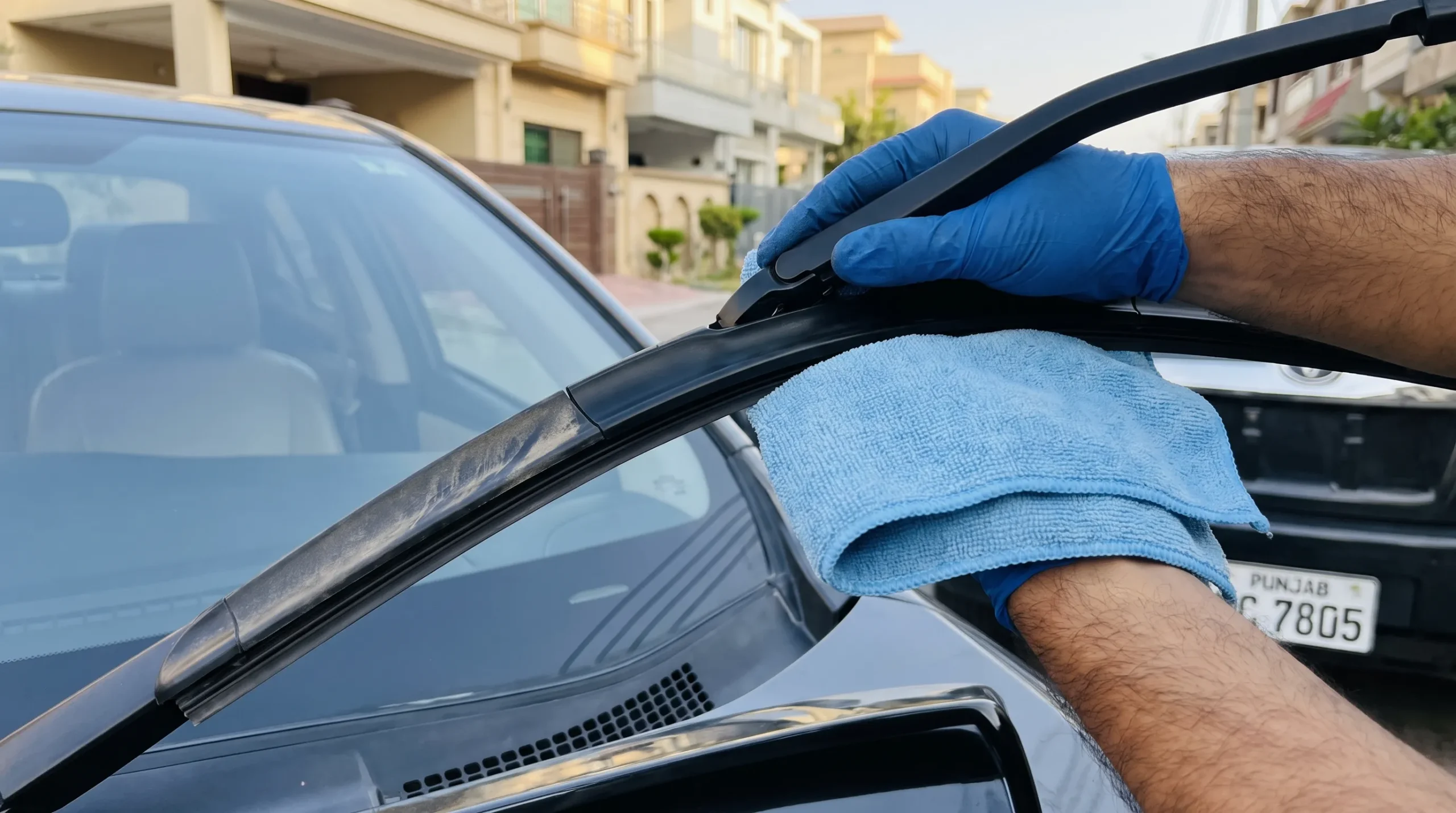
Clean Your Windshield Wipers Too
Wiper blades are directly connected to windshield cleanliness.
A dirty wiper can transfer dust and oily residue back onto freshly cleaned glass every time it moves.
Lift the wiper blade carefully and wipe the rubber edge with a clean, damp microfiber towel.
Check the blades for:
Cracks
Splits
Hardened rubber
Uneven edges
Skipping
Areas that don’t contact the glass properly
Cleaning can help when the blades are simply dirty. But if the rubber is cracked, hardened, or damaged, replacement is the appropriate solution.
If the blades leave multiple persistent streaks, skip across the glass, or leave sections untouched, cleaning the rubber may not be enough. The blades may need replacement.
Common Windshield Cleaning Mistakes to Avoid
1. Cleaning in Direct Sunlight
Hot glass causes cleaner to dry rapidly and increases the chance of streaking.
2. Using a Dirty Microfiber Towel
A towel used on tyres, wheels, or greasy surfaces can transfer contamination onto the glass.
3. Using Too Much Cleaner
Excess product can leave a film. Follow the product instructions instead of assuming more is better.
4. Cleaning Only the Outside
Interior contamination can cause haze and glare even when the exterior is perfectly clean.
5. Rubbing Dry, Gritty Glass
Remove loose dust and particles before detailed wiping.
6. Ignoring the Wipers
Dirty or worn blades can immediately make clean glass look dirty again.
7. Using Random Household Products
Not every household cleaning product is designed for automotive glass or the materials surrounding it. Use a product intended for automotive applications and follow its instructions.
How Often Should You Clean Car Windows?
There is no single correct interval for every driver.
Consider two examples.
A car that is driven daily through a dusty urban environment and parked outside may need windshield cleaning several times during a week.
A vehicle that is driven occasionally, parked under cover, and exposed to less dust may remain clean considerably longer.
A practical routine is:
Weekly: Inspect the windshield and windows. Clean them if dust, haze, fingerprints, or streaking are visible.
After heavy rain or monsoon driving: Check for road grime, mud, and water spots.
Before long-distance driving: Inspect the windshield, side windows, mirrors, and wipers.
Before night driving: Pay particular attention to haze and streaks because glare from headlights is more noticeable in darkness.
Whenever visibility declines: Clean the glass rather than waiting for your normal washing day.
The best schedule is therefore condition-based rather than calendar-based.
Extra Tips for Better Visibility During Rain
Clean glass is only one part of preparing your car for rainy weather.
Before driving in heavy rain:
Check that your wipers sweep smoothly.
Make sure your washer system works properly.
Keep headlights and taillights reasonably clean.
Clean your side mirrors.
Use the defogging system if condensation develops inside.
Keep a clean microfiber towel available.
Reduce speed when visibility becomes poor.
Increase your following distance.
Avoid sudden braking or lane changes when water is pooling on the road.
For example, if visibility drops significantly during a heavy downpour, maintaining your normal city-driving speed simply because the posted speed limit allows it may not be appropriate. Road conditions should determine your actual driving speed.
A clean windshield improves your view, but it cannot eliminate the hazards of heavy rain, standing water, poor lighting, or reduced visibility. Safe driving still requires adjusting speed and following distance.
Where FuelX Glass Cleaner Fits Into Your Car-Care Routine
Windshield cleaning works best when it becomes part of your regular vehicle maintenance instead of something you do only after visibility has already become poor.
FuelX Glass Cleaner can be incorporated into a routine for maintaining automotive glass. Pair it with clean microfiber towels and a consistent cleaning technique for a straightforward at-home glass-care routine.
The objective isn’t simply to make the windshield look shiny.
The real objective is to maintain a cleaner viewing surface so you can see the road environment more clearly.
For Pakistani drivers dealing with dust, road grime, monsoon rain, and outdoor parking, checking and cleaning the windshield regularly can prevent contamination from building up into a more difficult-to-remove film.
Quick Windshield Cleaning Checklist
Park the car in a shaded area.
Allow hot glass to cool.
Remove loose dust and dirt.
Clean the outside of the windshield.
Clean the inside of the windshield.
Use dedicated microfiber towels.
Buff away remaining streaks.
Clean side windows and rear glass.
Clean and inspect wiper blades.
Check the glass from the driver’s viewpoint.
Check visibility before driving in heavy rain.
Final Thoughts
A clean windshield is not merely a cosmetic feature. When rain, darkness, traffic, and headlights combine, even a thin layer of contamination can make glass appear streaky, hazy, or more reflective.
The solution doesn’t need to be complicated.
Remove loose dirt first, use an appropriate automotive glass cleaner, work in manageable sections, finish with a clean dry microfiber towel, and don’t forget the inside of the windshield. Keep the side windows and mirrors clean, and inspect the wiper blades regularly.
For drivers in Pakistan, where dust and monsoon conditions can quickly affect exterior glass, making windshield cleaning part of a regular car-care routine is especially practical.
A few minutes of proper maintenance can help you maintain a clearer view when the weather turns difficult—and that is considerably more important than simply having a spotless-looking car.
FAQ’s
How often should I clean my car windshield?
Clean your windshield whenever you notice dust, haze, streaks, or reduced clarity. During dusty periods and monsoon weather, you may need to clean it more frequently.
Why does my windshield look hazy when it rains?
Dust, oil, interior residue, and mineral deposits can create a thin film on the glass. When rain and headlights interact with that film, haze and glare can become much more noticeable.
How do I stop my windshield from streaking?
Use an appropriate automotive glass cleaner, avoid excessive product, work on manageable sections, and finish with a clean, dry microfiber towel. Also check whether your wiper blades are dirty or worn.
Should I clean the inside of my windshield?
Yes. Interior glass can develop a film from dashboard dust, fingerprints, smoke, and interior materials. Cleaning only the exterior may leave the windshield looking hazy.
Can dirty wipers make the windshield look dirty?
Yes. Wiper blades can transfer dust and grime back onto the glass. Clean them regularly and replace them if they become cracked, hardened, split, or damaged.
What is the best cloth for cleaning car glass?
A clean microfiber towel is a practical choice for automotive glass because it can pick up residue while generally leaving less lint than many ordinary cloths.
Why do headlights cause more glare in rain?
Water droplets and contamination on the windshield can scatter light from headlights and other bright sources. Keeping the glass clean can reduce avoidable contamination-related glare, although it cannot eliminate the effects of heavy rain.
How can I improve visibility while driving in heavy rain?
Keep the windshield, windows, mirrors, and wipers clean; use the defogging system when necessary; maintain an appropriate speed; and increase your following distance when visibility or road conditions deteriorate.