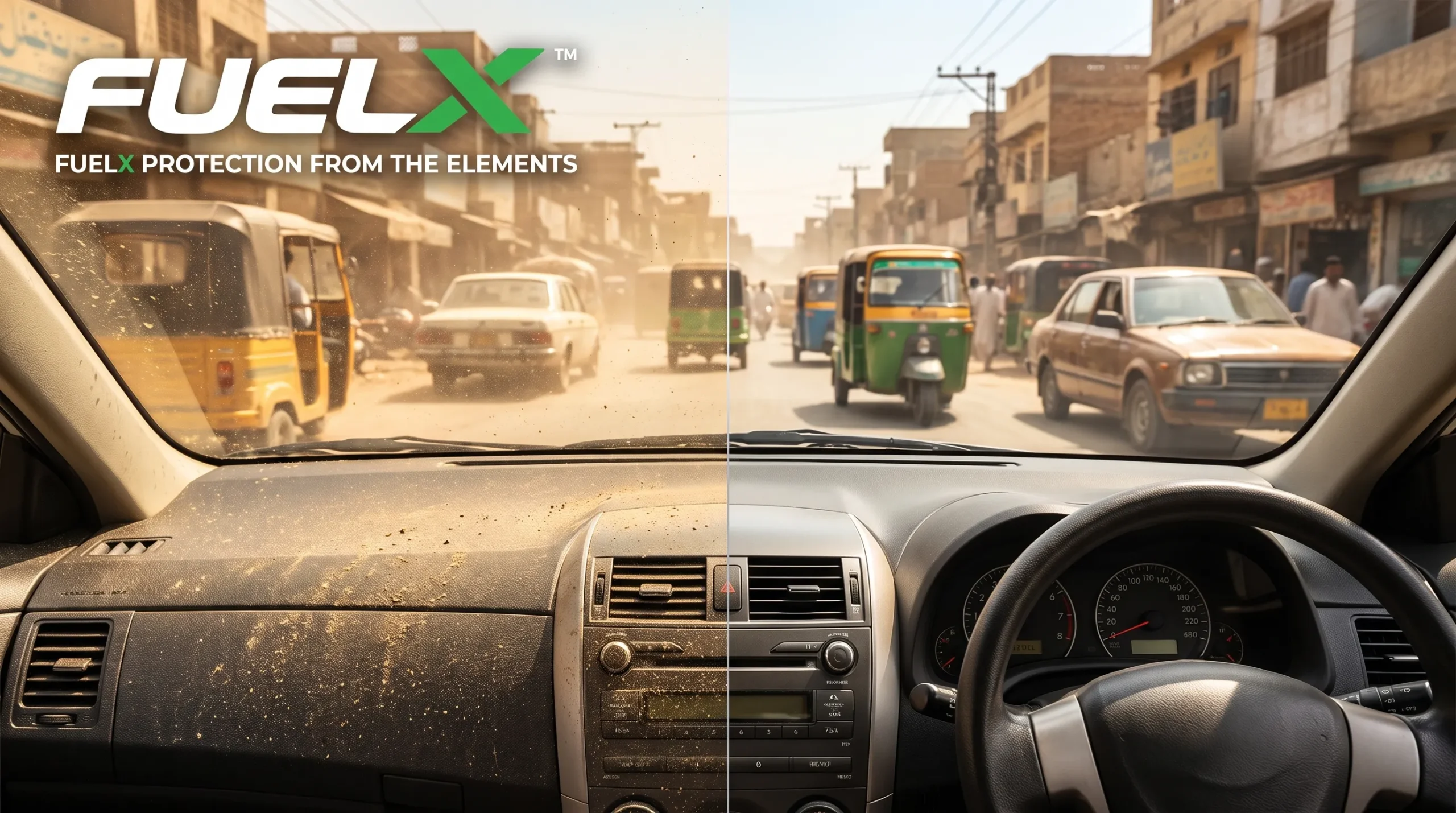
Your car dashboard is one of the first interior surfaces to show dust, fingerprints, oily marks, and everyday grime. In Pakistan, keeping it clean can be especially challenging. Dusty roads, heavy traffic, outdoor parking, high temperatures, and strong sunlight can make a clean dashboard look dirty again within days.
But dashboard cleaning is not simply about making the surface look shiny. Using the wrong cleaner, soaking the surface with water, or wiping loose dust with a rough cloth can create problems ranging from streaks and greasy residue to scratches and damage around sensitive electronic components.
The good news is that you do not need professional detailing equipment to clean your dashboard properly. With a suitable automotive interior cleaner, clean microfiber towels, a soft brush, and the right technique, you can maintain your dashboard safely at home.
This guide explains how to clean your car dashboard without damaging it, including what products to avoid, how much cleaner to use, and how to deal with sensitive areas such as infotainment screens, air vents, and glossy trim.
Why Your Car Dashboard Needs Special Care
A modern dashboard is rarely made from just one material. Depending on the vehicle, you may find textured plastic, soft-touch plastic, vinyl, leather or synthetic leather, rubberized surfaces, glossy trim, and transparent plastics around the instrument cluster.
Each material can have different cleaning requirements. That is why a product that works well on one interior surface should not automatically be assumed to be suitable for every other surface.
Your dashboard is also surrounded by components that do not appreciate excess moisture. Air vents, switches, buttons, speakers, instrument displays, and infotainment systems can all be located within a few centimetres of the area you’re cleaning.
There is also the heat factor.
AAA notes that a vehicle’s interior can reach around 120°F (49°C) or higher even on relatively moderate summer days, while interior surfaces exposed directly to sunlight can become substantially hotter. Prolonged heat and sunlight can contribute to fading, splitting, and cracking of interior materials.
This makes careful cleaning particularly important in a hot climate such as Pakistan.
Regular cleaning does not stop normal ageing, but removing dust and grime and following the vehicle manufacturer’s care instructions can help keep the interior looking cleaner and better maintained.
What Can Damage a Car Dashboard?
Before discussing the correct cleaning method, it is useful to understand the mistakes that cause problems.
1. Using Household Cleaners
Kitchen degreasers, bleach, strong detergents, and other household products are designed for different surfaces and types of contamination.
For example, a kitchen cleaner may be formulated to break down heavy grease. That does not mean it is appropriate for textured plastic, vinyl, soft-touch surfaces, or dashboard coatings.
For routine cleaning, choose an automotive interior product whose label specifically indicates that it is suitable for the surface you’re cleaning.
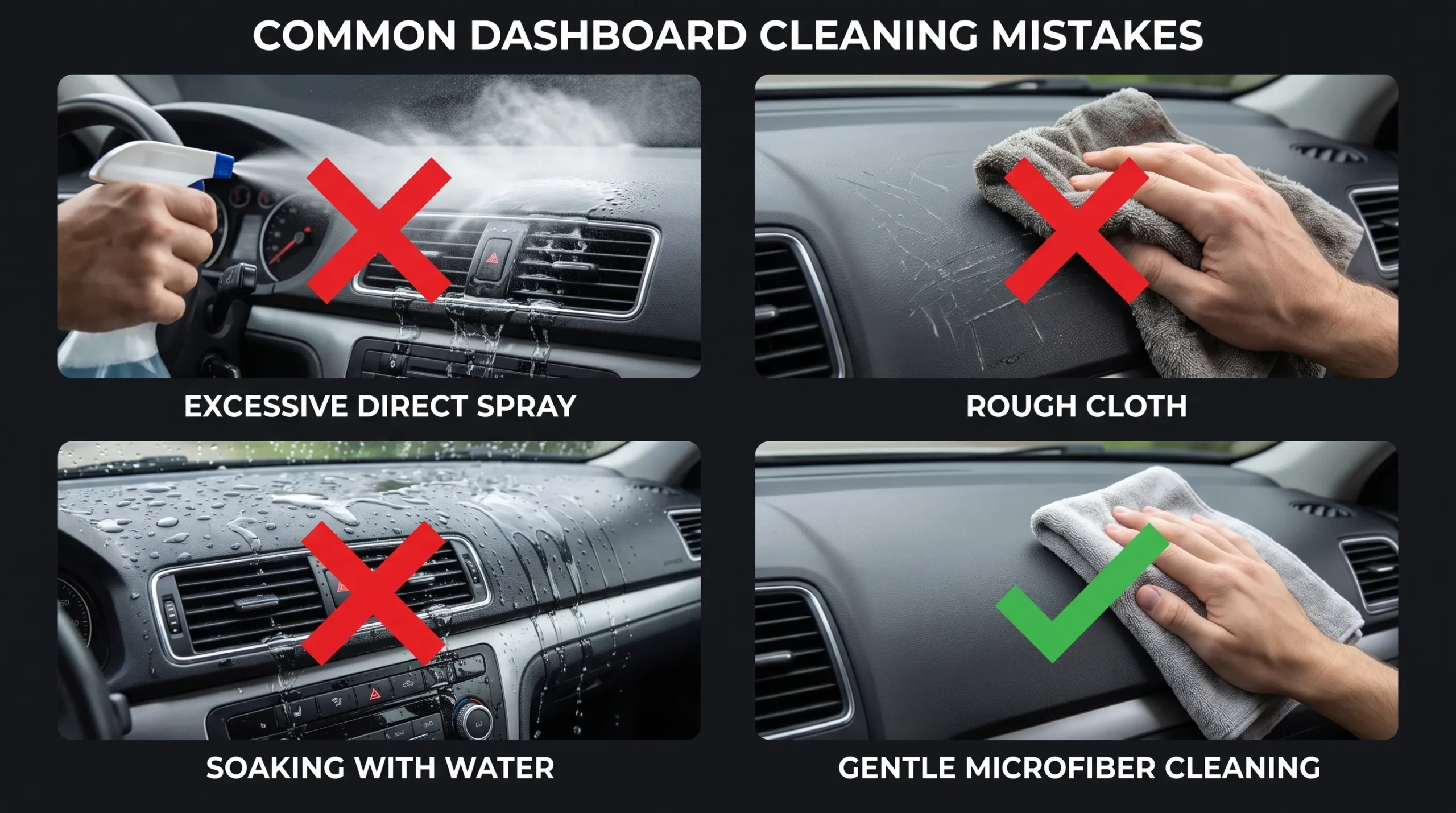
2. Using Too Much Water
A dashboard does not need to be soaked to become clean.
Excess moisture can run into vents, switches, buttons, seams, speakers, and electronic components. The safer principle is:
Use enough moisture to lift the dirt—not enough to saturate the dashboard.
A lightly damp microfiber cloth is usually much easier to control than a dashboard covered in spray or water.
3. Spraying Cleaner Directly Around Electronics
Direct spraying creates unnecessary overspray. The cleaner can travel farther than expected and reach screens, vents, glass, or gaps around buttons.
For many interior cleaning situations, a better technique is to apply a small amount of cleaner to a microfiber towel and then wipe the surface. This approach is also recommended by automotive-cleaning guidance because it gives you better control over how much liquid reaches the surface.
Always follow the instructions of the specific product you’re using.
4. Using Rough or Dirty Cloths
A cloth that feels soft may still contain trapped dirt particles.
If you use the same dirty towel repeatedly, you can simply move dust and grit from one section of the dashboard to another. Fine particles can also create micro-marks when dragged across sensitive surfaces.
That is why starting with a clean microfiber towel matters. Removing loose dust before wet cleaning is another important step because it reduces the amount of abrasive debris being dragged across the surface.
5. Cleaning a Hot Dashboard
If the dashboard is extremely hot, cleaning products can evaporate or dry unevenly before you finish wiping.
This can leave streaks and residue and makes the job harder than necessary.
Whenever possible, clean the interior in a shaded area and allow the dashboard to cool before applying cleaner.
6. Chasing an Excessively Glossy Finish
A clean dashboard does not have to look wet.
An extremely glossy or oily surface can attract dust and, depending on the material and product, may create unwanted reflections in the windshield.
For everyday driving, a clean, even, low-residue finish is generally more practical than an excessively shiny dashboard.
What You Need to Clean Your Dashboard Safely
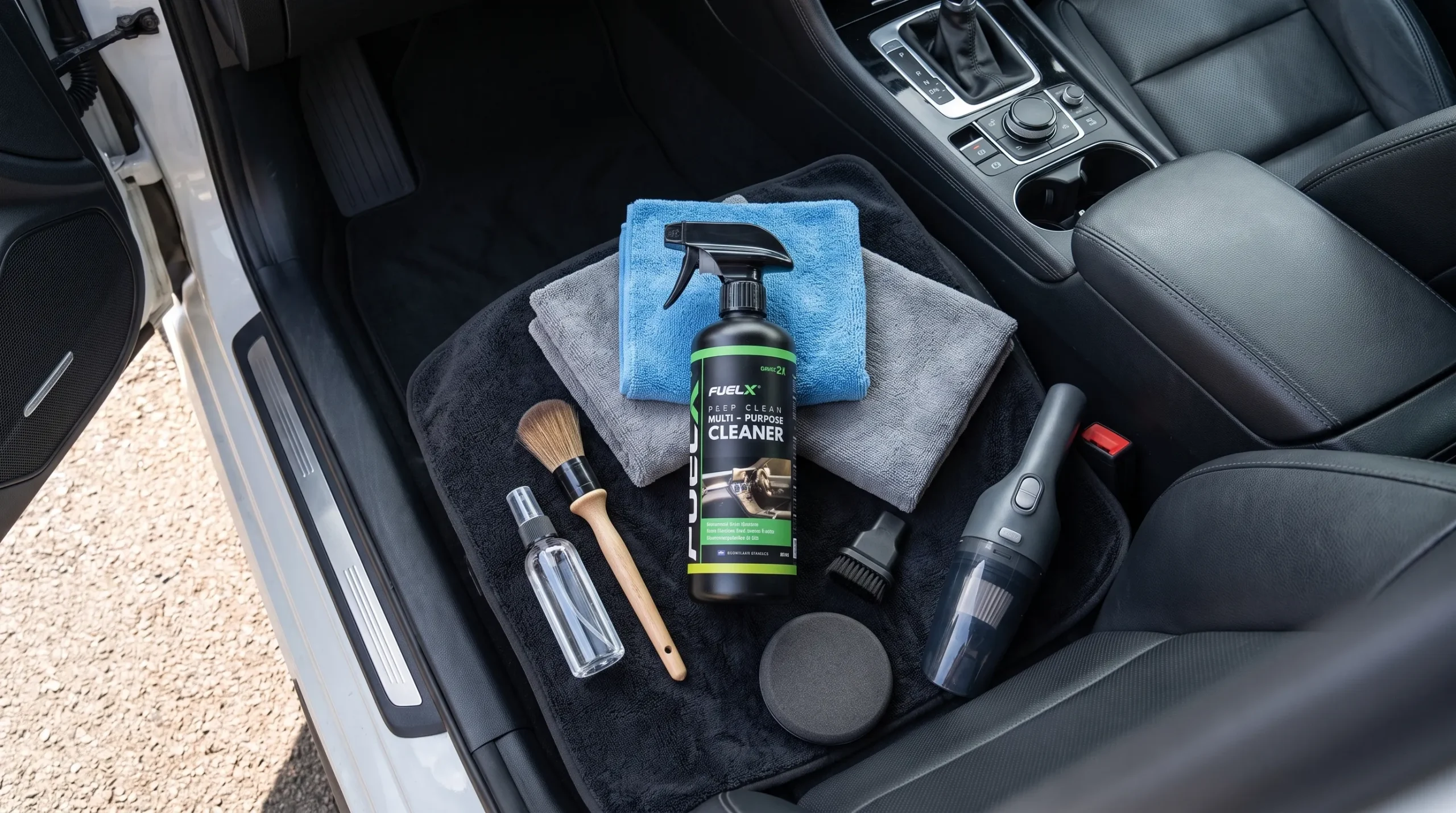
You can clean most dashboards with a simple set of tools:
Automotive interior cleaner suitable for the surface
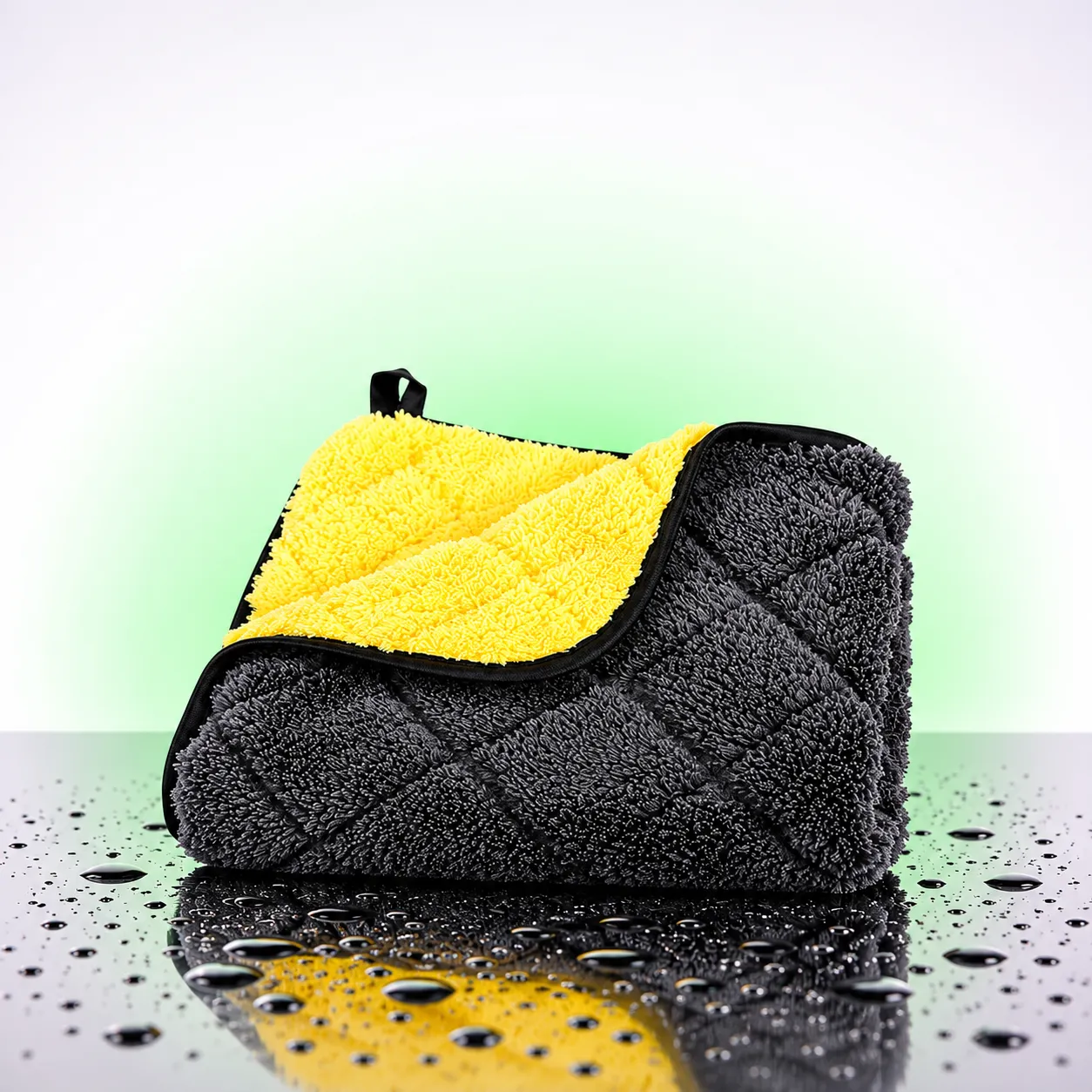
2–3 clean microfiber towels
Soft detailing brush
Vacuum with a soft brush attachment, if available
Small amount of clean water where appropriate
Applicator pad for compatible protectants, if required
You don’t need ten different chemicals.
In fact, beginners often make dashboard cleaning unnecessarily complicated by using several products when one suitable interior cleaner and a few clean towels are enough for routine maintenance.
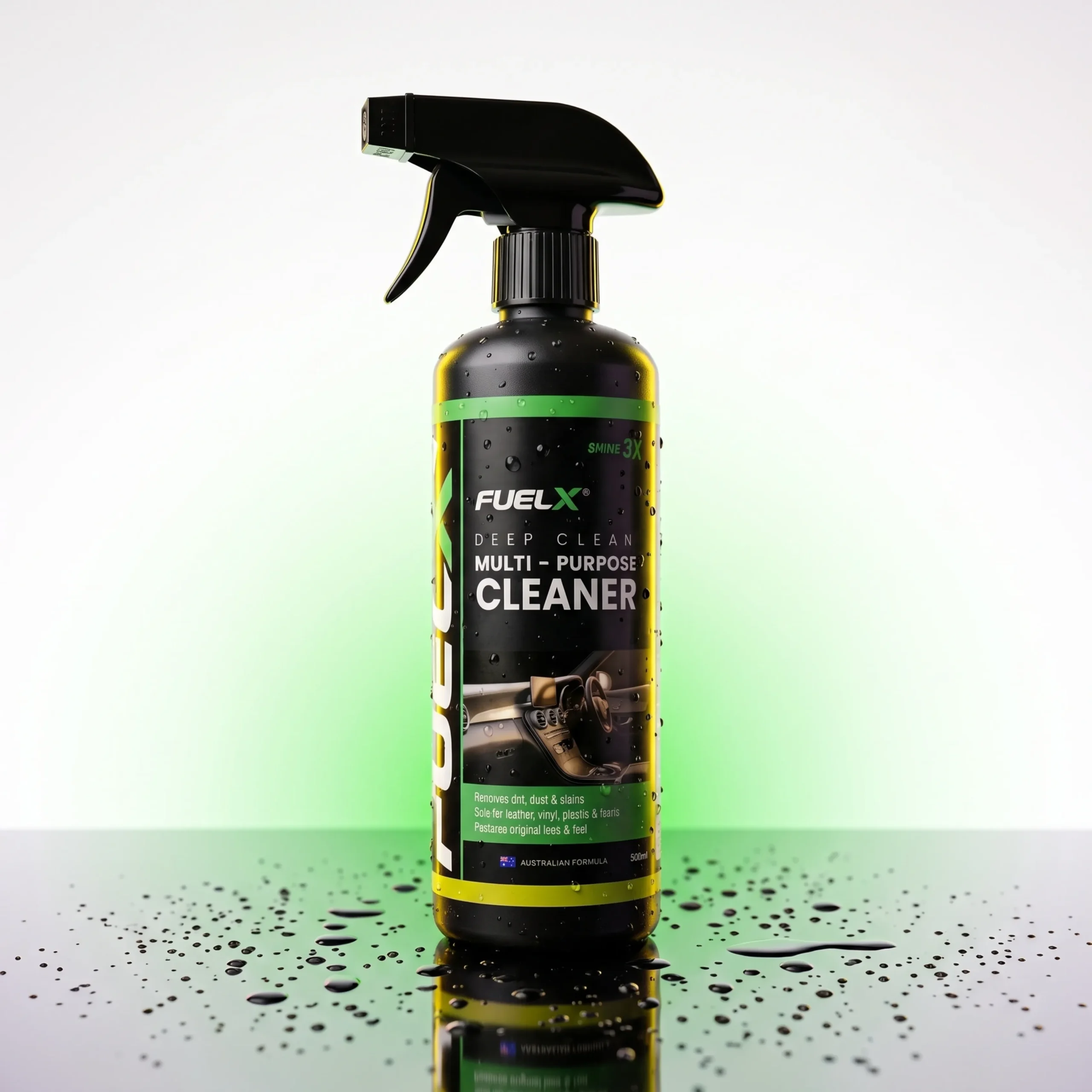
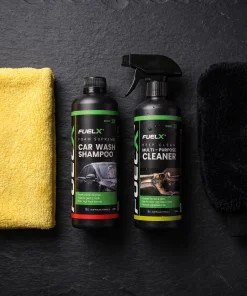
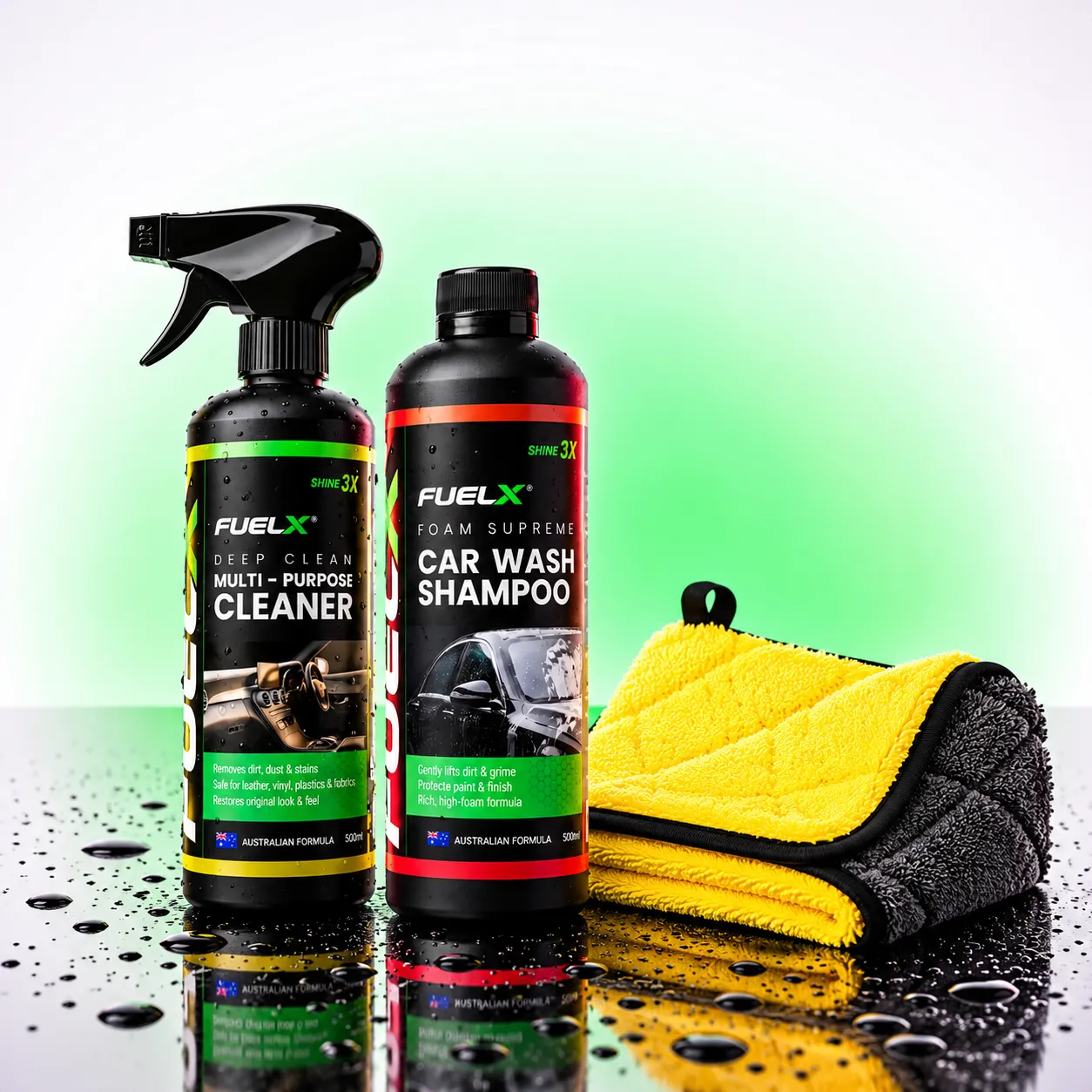
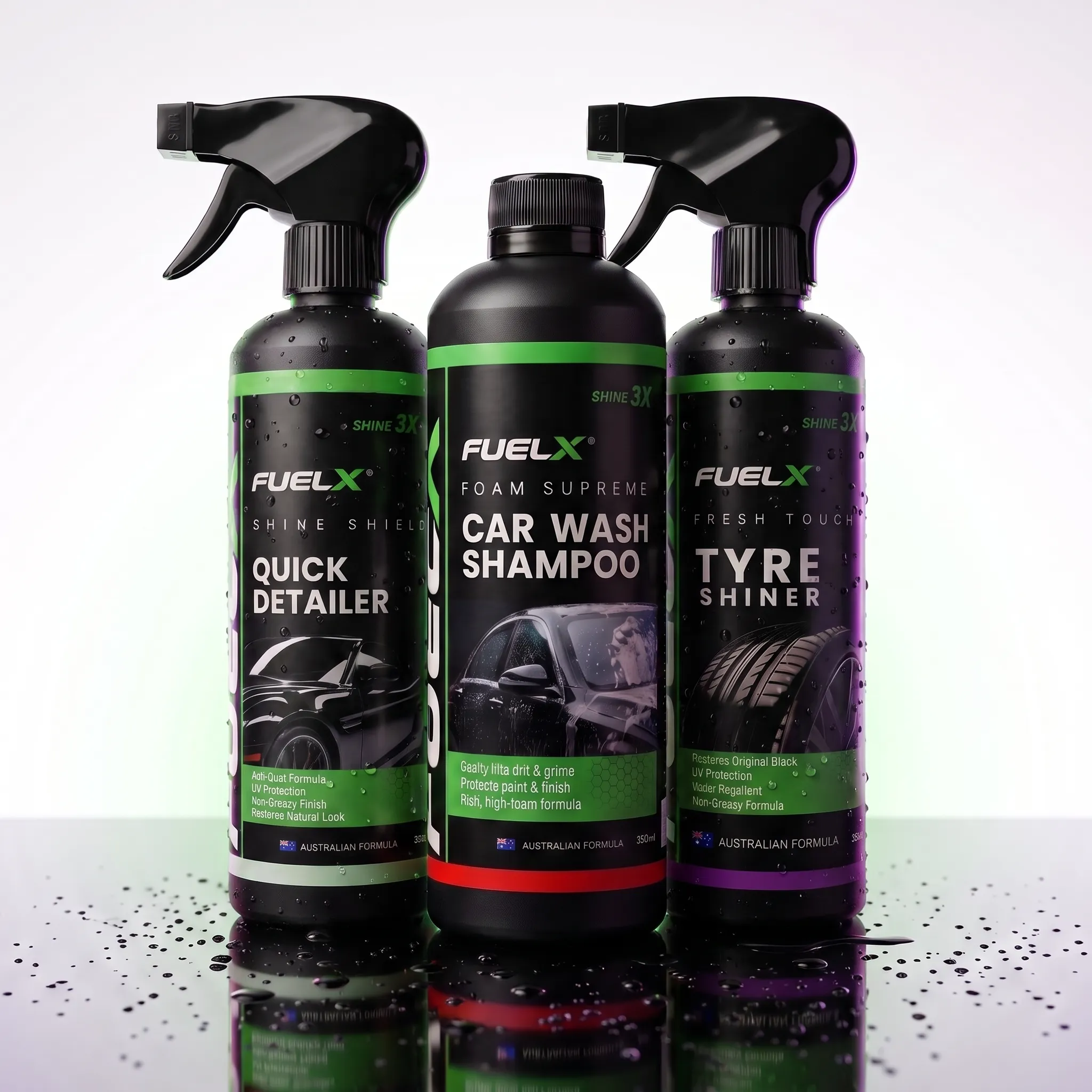
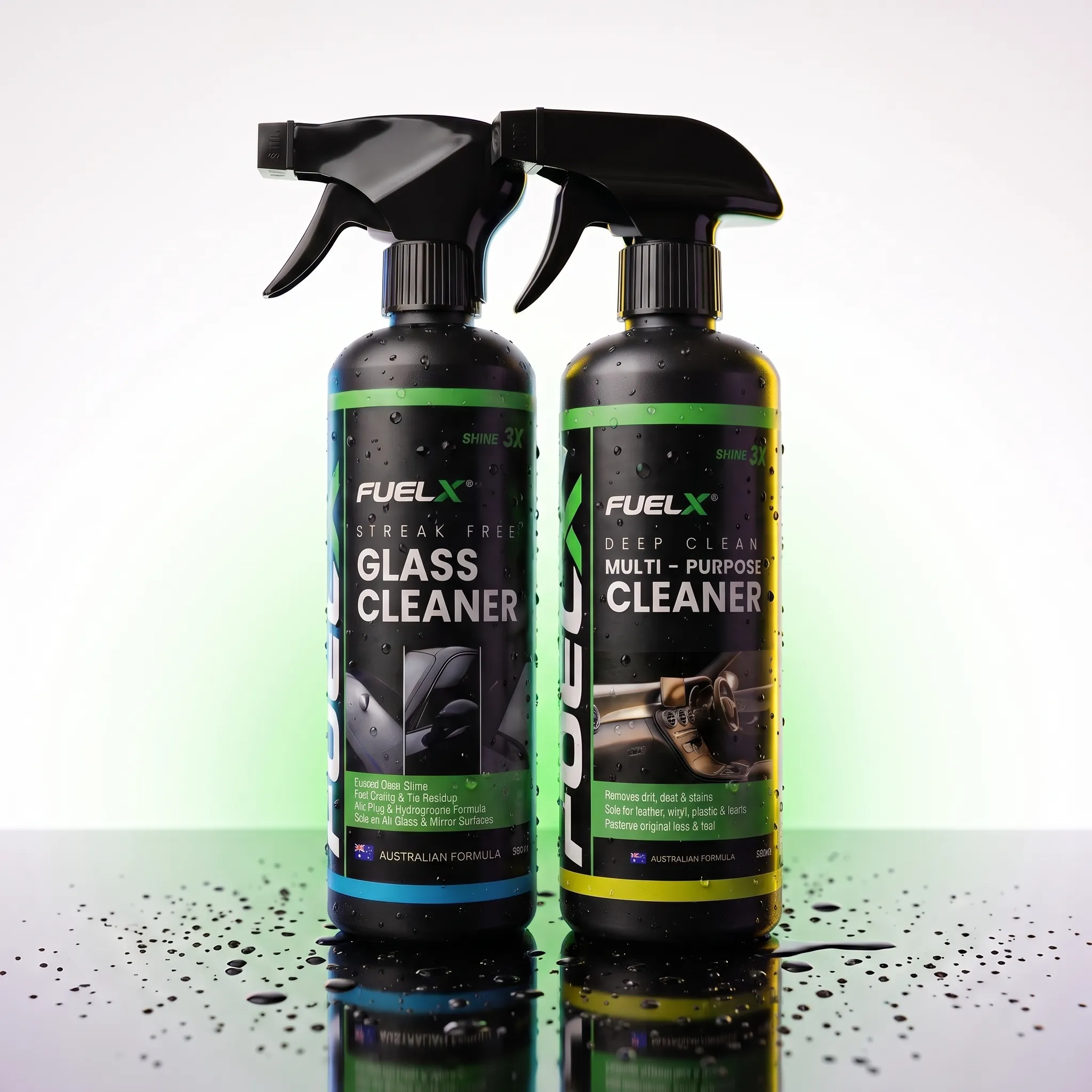
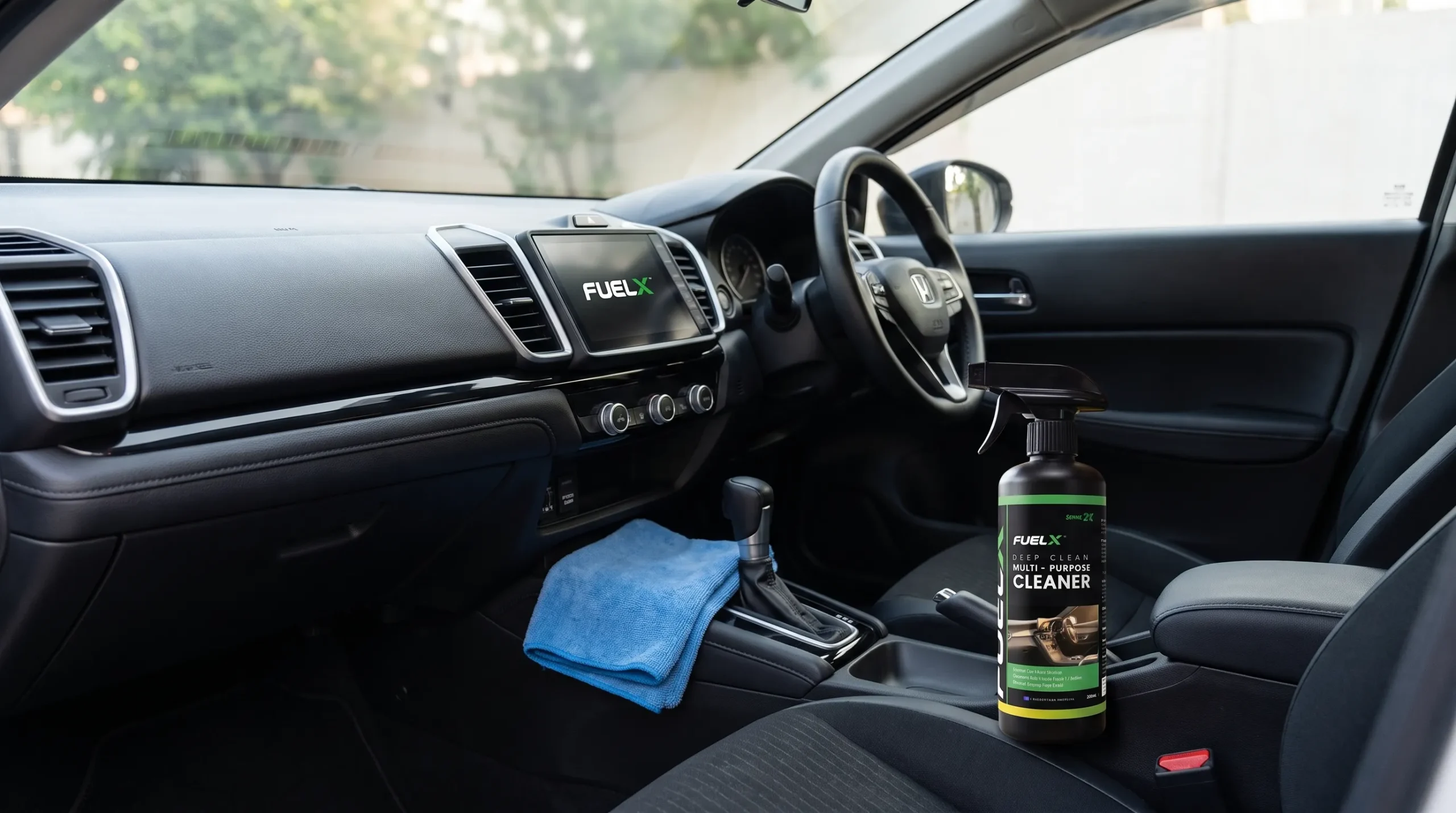
FuelX currently lists its Multi-Purpose Cleaner as an interior-cleaning product, and the company’s shop specifically positions it for interior surfaces including dashboard cleaning.
Before using any product, however, check its current label and instructions and test it on a small, inconspicuous area if you’re unsure about surface compatibility.
How to Clean Your Car Dashboard Step by Step
Step 1: Park in a Cool, Shaded Area
Start by moving the vehicle into shade.
If the car has been sitting in direct sunlight, give the interior some time to cool before cleaning.
This is particularly useful during Pakistan’s hot months, when the difference between outside temperature and the temperature of a sun-exposed interior can become significant. AAA reports that a vehicle interior can rise rapidly in temperature after parking, while direct sunlight can make interior surfaces much hotter.
Cleaning a cooler dashboard also gives you more working time before the product dries.
Step 2: Remove Loose Dust First
This is the step many people skip.
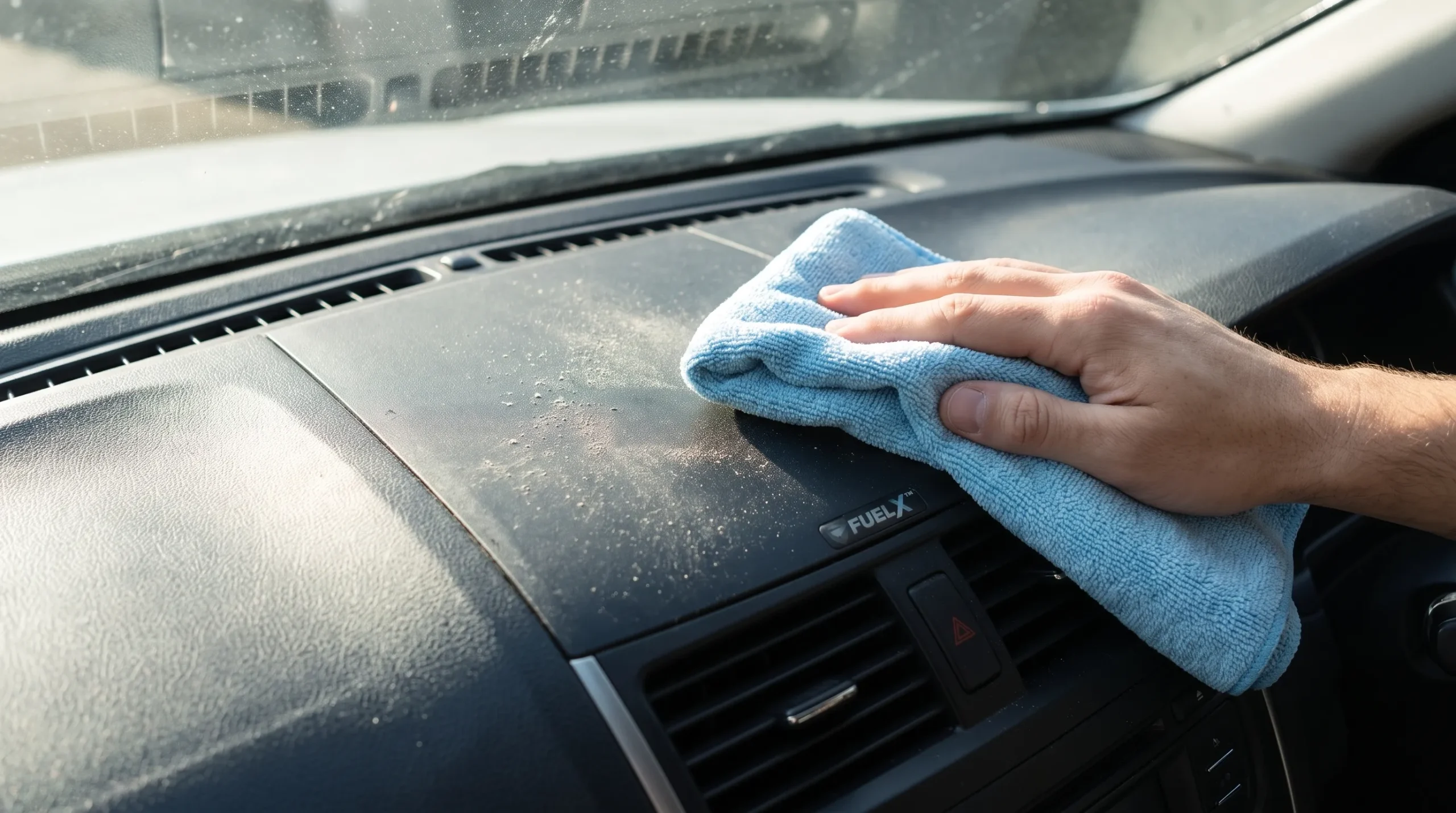
Before using any liquid cleaner, remove loose dust from the dashboard using a clean microfiber towel, soft brush, or vacuum.
Pay particular attention to:
Air vents
Dashboard seams
Around buttons
Instrument cluster edges
Speaker grilles
Areas near the windshield
Gaps around trim
Why does this matter?
Imagine wiping a dusty table with a wet cloth. Instead of lifting everything cleanly, you may drag the dirt across the surface. The same principle applies inside your car.
Professional cleaning guidance also recommends removing loose debris before wet cleaning to reduce the possibility of dragging abrasive particles across the dashboard.
Step 3: Test the Cleaner
If you’re using a product for the first time, don’t immediately cover the entire dashboard.
Choose a small, less visible area and test the product according to its instructions.
Look for:
Colour changes
Staining
Unusual gloss
Sticky residue
Changes in texture
This is especially important when you don’t know exactly what material your dashboard contains.
Step 4: Apply a Small Amount of Cleaner
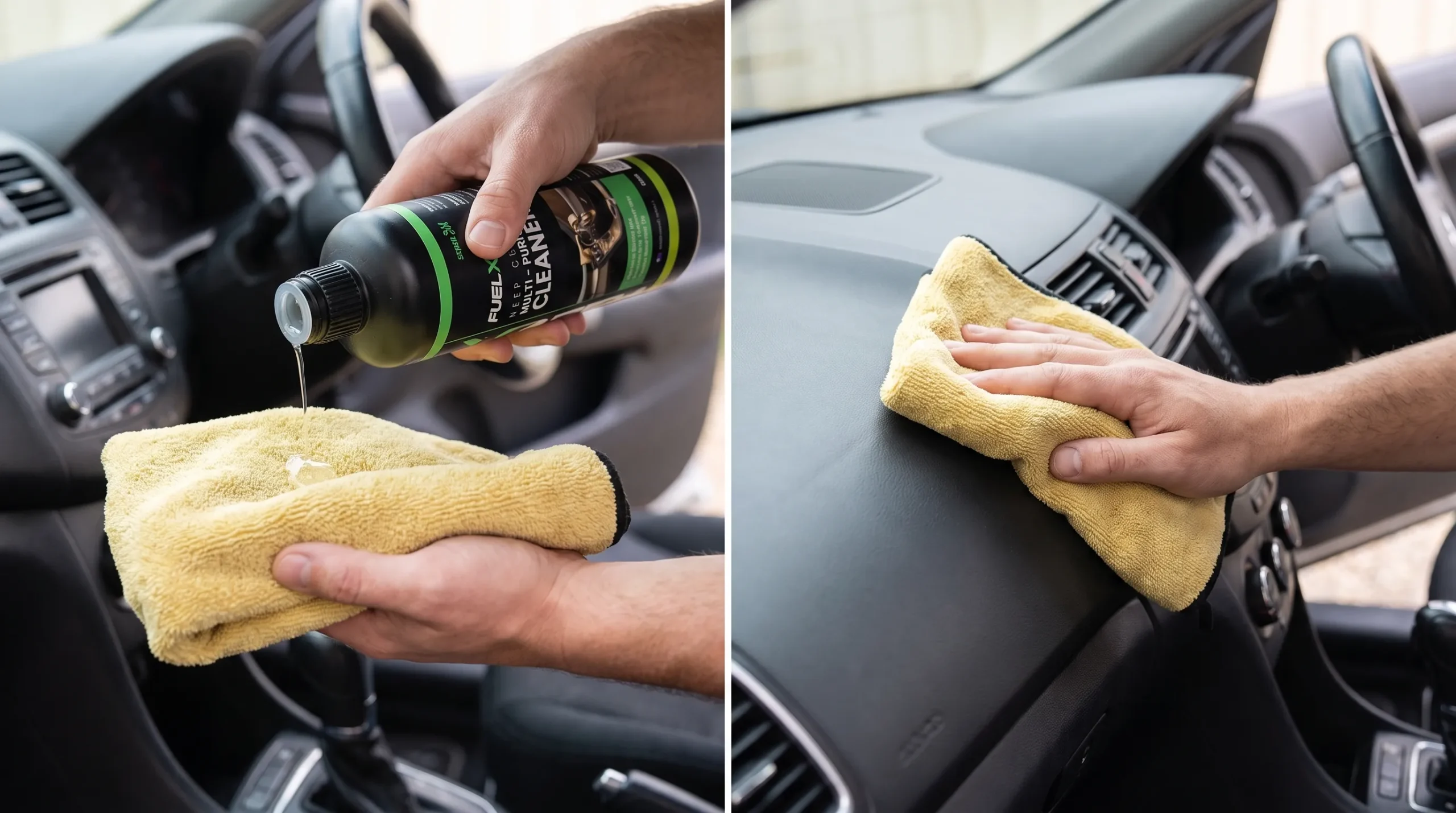
Apply a small amount of suitable cleaner to a clean microfiber cloth where the product instructions permit this method.
The towel should be damp with cleaner—not dripping wet.
This gives you much better control and reduces the chance of overspray reaching the windshield, instrument cluster, vents, or electronic components.
Step 5: Clean One Section at a Time
Do not try to clean the entire dashboard in one pass.
Divide it into manageable sections:
Driver-side dashboard
Centre dashboard
Passenger side
Lower dashboard
Vents and smaller areas
Wipe gently using overlapping strokes.
If an area is dirty, make another gentle pass instead of immediately applying heavy pressure.
The objective is to lift the dirt, not grind it into the surface.
Step 6: Clean Vents and Tight Areas
Dashboard vents are excellent dust collectors.
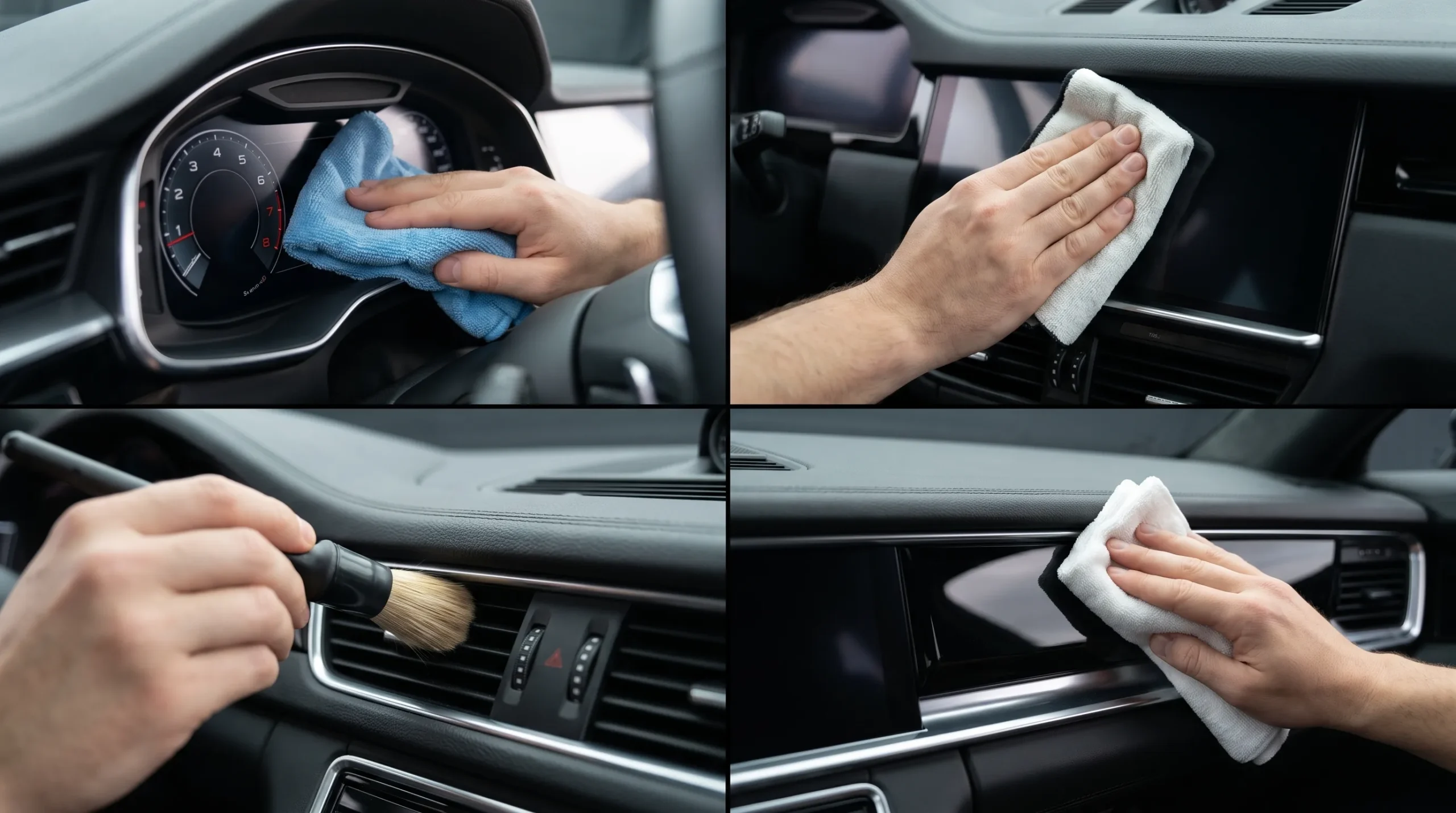
Use a soft detailing brush to loosen dust from the slats and surrounding gaps. Then collect the loosened dirt with a microfiber towel or vacuum.
Avoid flooding the vents with cleaner.
For narrow areas, controlled mechanical cleaning with a soft brush is generally more sensible than trying to force liquid into every gap.
Step 7: Wipe Away Residue
After cleaning a section, use a separate clean and dry microfiber towel to remove remaining moisture and residue.
This second-towel step is particularly useful if you want an even, natural finish.
It also prevents the mistake of leaving cleaner sitting in textured areas where it can dry and become visible.
Step 8: Inspect the Dashboard
Take a few seconds to inspect the finished surface from different angles.
Look for:
Dust
Streaks
Fingerprints
Missed areas
Greasy residue
Uneven finish
If you find residue, gently buff the area with a clean, dry microfiber towel.
How to Clean Different Dashboard Areas Safely
Instrument Cluster
The transparent plastic covering gauges and displays can show scratches and marks easily.
Use a clean microfiber towel, minimal moisture, and light pressure.
Avoid aggressive scrubbing.
If the vehicle manufacturer provides specific instructions for the instrument cluster, follow those instructions rather than treating it like ordinary dashboard plastic.
Touchscreen and Infotainment Display
Treat screens separately.
Do not automatically use the same cleaner you use on textured dashboard plastic. Check the vehicle manufacturer’s recommendations for the screen.
Most importantly, avoid spraying liquid directly into screen edges, buttons, or gaps.
Air Vents
Use a soft detailing brush to loosen dust.
Do not soak the vents. The goal is to remove the dirt while keeping liquid away from the interior components.
Glossy or Piano-Black Trim
Glossy trim makes fingerprints and fine marks particularly visible.
Use a clean microfiber towel and very light pressure.
Never use a towel that has been used to clean dirty exterior surfaces without washing it first.
Leather or Synthetic Leather
First identify the material.
Genuine leather and synthetic leather can have different care requirements, so use a product specifically approved for that material when necessary.
Never assume that because a cleaner is safe for plastic, it is automatically suitable for leather.
How Often Should You Clean Your Car Dashboard?
There is no universal number because driving conditions differ.
For a typical daily-driven car, a practical routine could look like this:
Quick dust removal: 1–2 times per week as needed
Dashboard cleaning: every 2–4 weeks
Deeper interior cleaning: every few months or when visibly necessary
If you regularly drive on dusty roads, park outdoors, travel through construction areas, or frequently carry passengers, you may need to clean the dashboard more often.
The important idea is consistency.
Cleaning a light layer of dust every week is much easier than trying to remove several months of accumulated grime.
Dashboard Cleaning Mistakes to Avoid
Keep this quick checklist in mind:
Don’t use bleach or harsh household chemicals.
Don’t soak the dashboard.
Don’t spray unnecessarily around electronics.
Don’t use dirty or rough towels.
Don’t scrub aggressively.
Don’t clean a very hot dashboard in direct sunlight.
Don’t leave excessive product residue.
Don’t assume every interior material can use the same cleaner.
Don’t use excessive shine simply because you want the dashboard to look “new.”
How to Keep Your Dashboard Cleaner for Longer
Good maintenance reduces the amount of deep cleaning you need.
Keep a clean microfiber towel in the vehicle for quick dust removal. If you notice fingerprints or small marks, clean them before they become a larger buildup.
Avoid eating inside the car when possible, and clean accidental spills promptly.
If your vehicle is frequently parked outdoors, using practical shade or sun-protection measures can reduce direct solar exposure. This is particularly relevant in Pakistan, where prolonged heat and sunlight can place additional stress on interior materials.
Also remember that cleaning and UV protection are different jobs. Cleaning removes contamination; an appropriate protectant may provide additional surface-care benefits when the manufacturer recommends one. Some automotive interior products are specifically formulated to leave a low-gloss or UV-protective finish, but claims should always be matched to the actual product instructions.
Dashboard Cleaner vs. Household Cleaner: Which Should You Use?
Factor
Automotive Interior Cleaner
Household Cleaner
Designed for vehicle interiors
Yes
Usually no
Surface compatibility
Product-specific
Varies
Suitable for dashboard plastics
When label permits
Not automatically
Suitable around electronics
Requires product-specific instructions
Often unsuitable
Recommended for routine dashboard cleaning
Preferred
Generally avoid unless approved
The key lesson is simple:
A stronger cleaner is not necessarily a better cleaner.
You want a product that is appropriate for the material and the type of dirt you’re removing.
Can You Use Water to Clean a Car Dashboard?
Yes, but use it carefully.
For light dust or suitable surfaces, you can lightly dampen a microfiber towel with clean water and wipe the dashboard.
Do not pour water onto the dashboard or spray large amounts across it.
Keep moisture away from:
Air vents
Switches
Screens
Speakers
Electrical gaps
Instrument displays
After wiping, use a dry microfiber towel to remove remaining moisture.
For sticky or oily contamination, an appropriate automotive interior cleaner can be more effective than simply increasing the amount of water.
Final Thoughts
Cleaning your car dashboard safely is not about using more chemicals, more water, or more pressure. It is about using the right product, the right microfiber towel, and the right technique.
Start by cooling the vehicle and removing loose dust. Test your cleaner on an inconspicuous area, apply a controlled amount, and clean one section at a time. Use a soft brush for vents and tight areas, keep moisture away from electronics, and finish with a clean, dry microfiber towel.
For Pakistani drivers, this routine is especially useful because dust, heat, sunlight, and everyday traffic can quickly make an interior look neglected. A simple dashboard cleaning every few weeks, combined with quick dust removal between deeper cleanings, can make a noticeable difference.
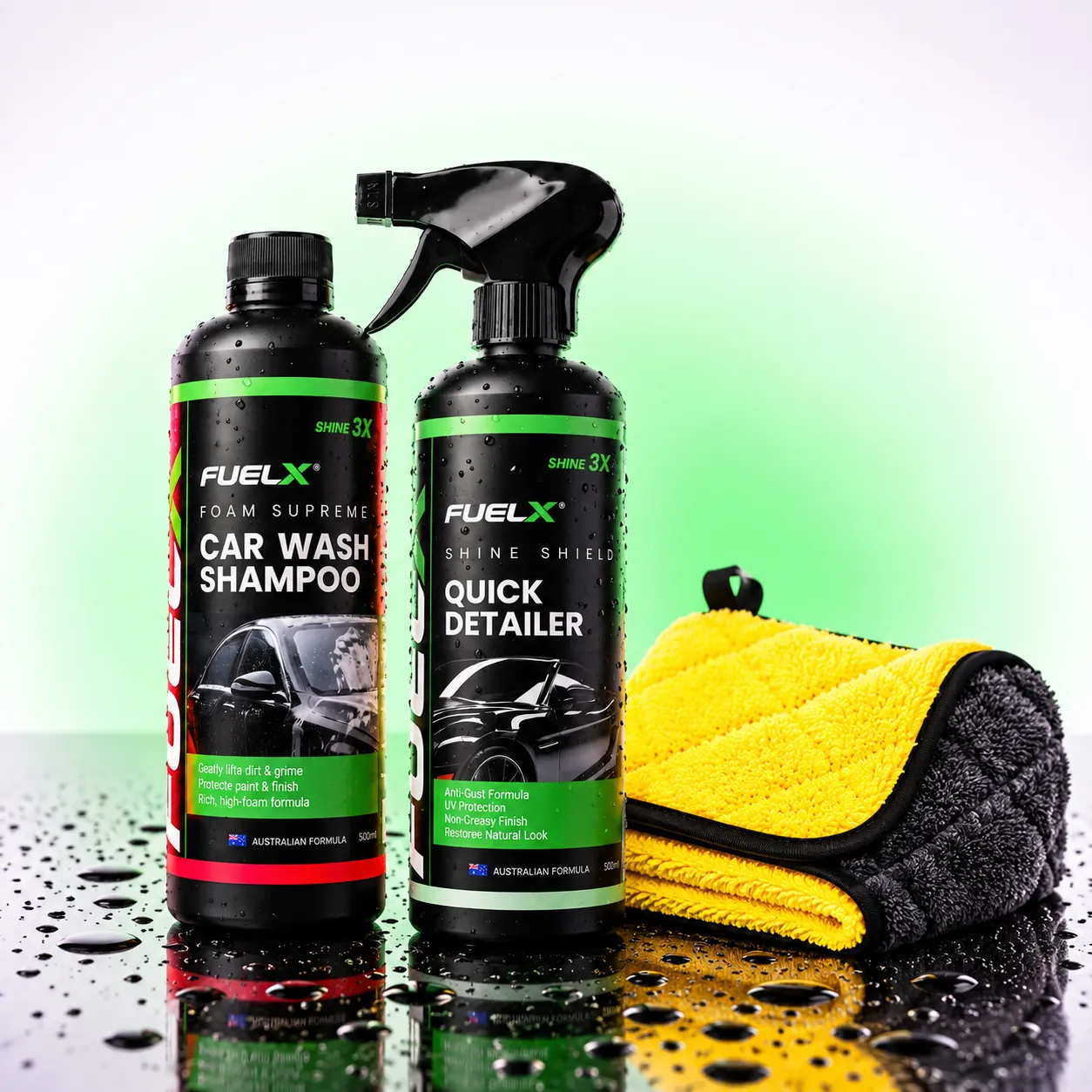
If you’re looking for an automotive cleaning product for routine interior maintenance, FuelX currently offers its Multi-Purpose Cleaner as part of its car-care range, alongside an Interior Deep Clean Kit and other detailing products. Choose the product according to the surface and always follow the current product directions.
A clean dashboard doesn’t need to be greasy or excessively glossy. Clean, even, and properly maintained is the goal.
FAQ’s
Can I use dish soap on my car dashboard?
Dish soap is formulated primarily for removing food grease from dishes, not for maintaining automotive interior materials. It is therefore not the preferred choice for routine dashboard cleaning. A suitable automotive interior cleaner is a better option.
Can I use glass cleaner on my dashboard?
Don’t assume that a glass cleaner is suitable for every dashboard surface. Automotive glass, textured plastic, soft-touch materials, and screens can have different cleaning requirements. Check the product label and vehicle manufacturer’s recommendations.
Can I spray dashboard cleaner directly onto the dashboard?
It depends on the product instructions. However, applying a controlled amount to a microfiber cloth can reduce overspray and is particularly useful around electronics, vents, and screens.
How do I clean a dusty dashboard without scratching it?
First remove loose dust with a soft microfiber towel, brush, or vacuum. Then use a suitable cleaner and clean microfiber towel with light pressure. Avoid aggressively wiping a heavily dusty surface.
How can I clean a dashboard without making it greasy?
Use the cleaner sparingly and choose a product designed to leave the type of finish you want. After cleaning, buff the surface with a clean, dry microfiber towel to remove excess residue.
How often should I clean my dashboard?
For many daily-driven vehicles, light dust removal once or twice a week and a more thorough cleaning every 2–4 weeks is a reasonable starting point. Cars exposed to heavy dust or outdoor parking may require more frequent attention.