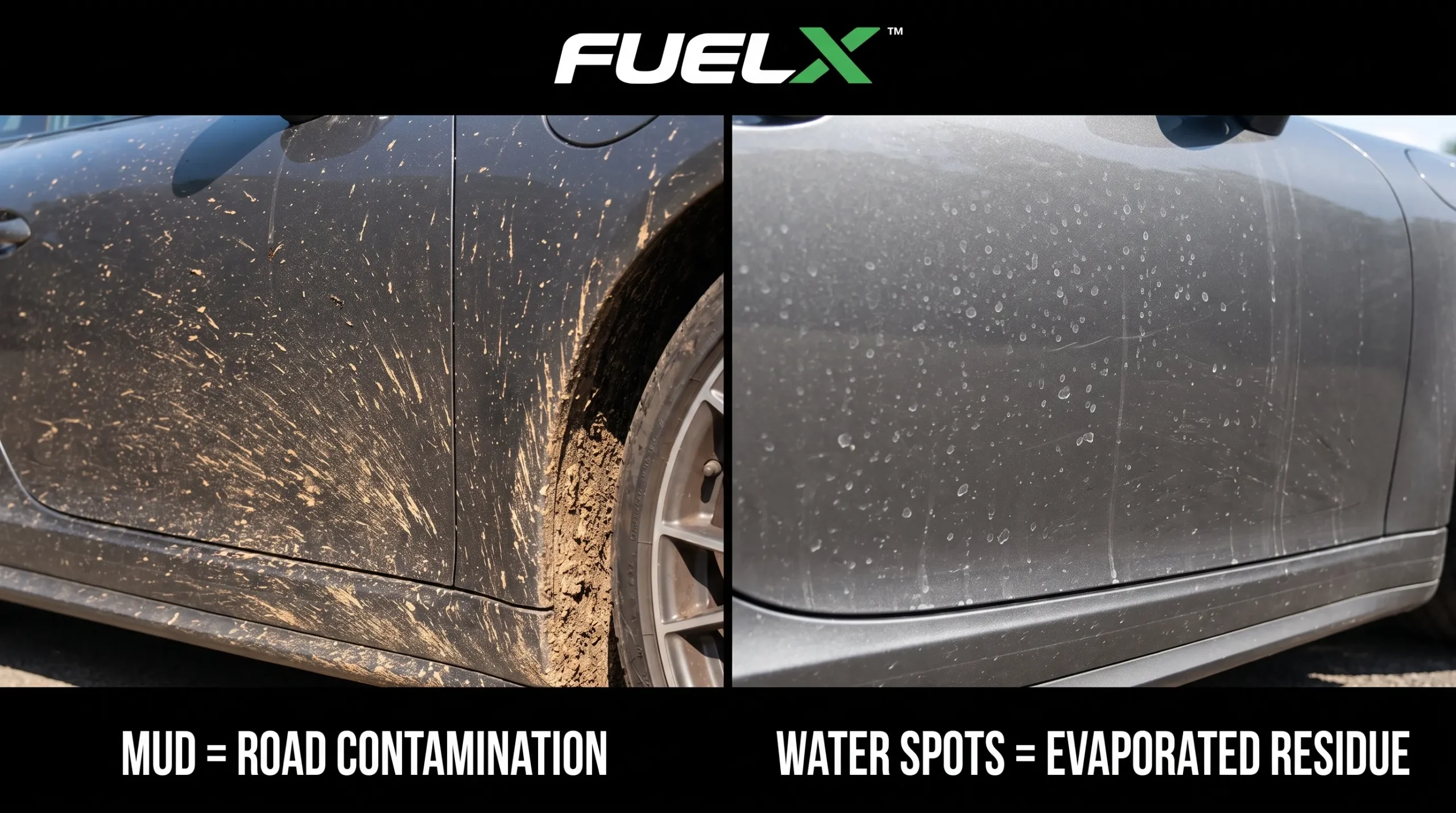
Pakistan’s monsoon season can turn a clean car into a dirty one surprisingly quickly. A short drive through a muddy street can leave brown splashes across the doors, bumpers, wheel arches, and lower body panels. Once the rain stops and the water evaporates, you may also notice circular water spots, cloudy marks, or dirty streaks across the paint and glass.
The common reaction is to grab a cloth and wipe everything away. Unfortunately, this is exactly where many car owners make a mistake.
Dried mud can contain soil, sand, dust, and road grime. Dragging these particles across the paint creates unnecessary abrasion. Research into automotive clear coats has shown that car washing itself can produce microscopic marring and scratches when abrasive contamination is moved across the surface.
The safer method is simple:
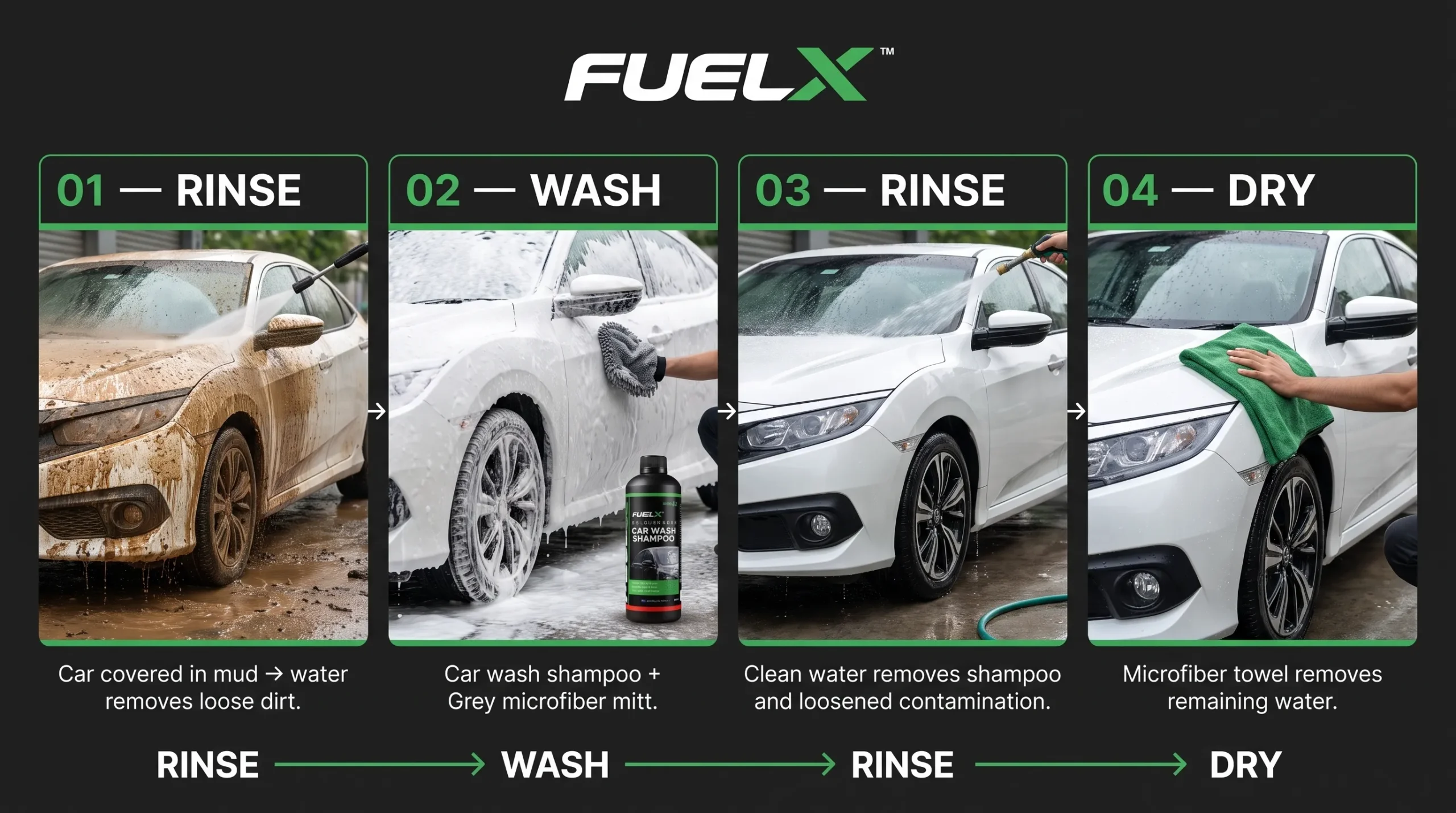
Rinse → loosen → wash → rinse → dry → maintain
This guide explains how to remove mud and rainwater stains safely, with practical advice for Pakistani driving and weather conditions.
What Causes Mud and Rainwater Stains on a Car?
Mud and rainwater stains may appear together, but they are caused by different types of contamination.
Mud and Road Dirt
When rain falls on roads, it mixes with loose soil, dust, sand, and other road contaminants. Cars travelling through this mixture pick it up on their lower body panels.
The most affected areas are usually:
Lower doors
Side skirts
Front and rear bumpers
Wheel arches
Mudguards
Rear quarter panels
Fresh mud is relatively easy to rinse away. The problem begins when it dries. As the water disappears, the remaining dirt becomes more firmly attached to the surface.
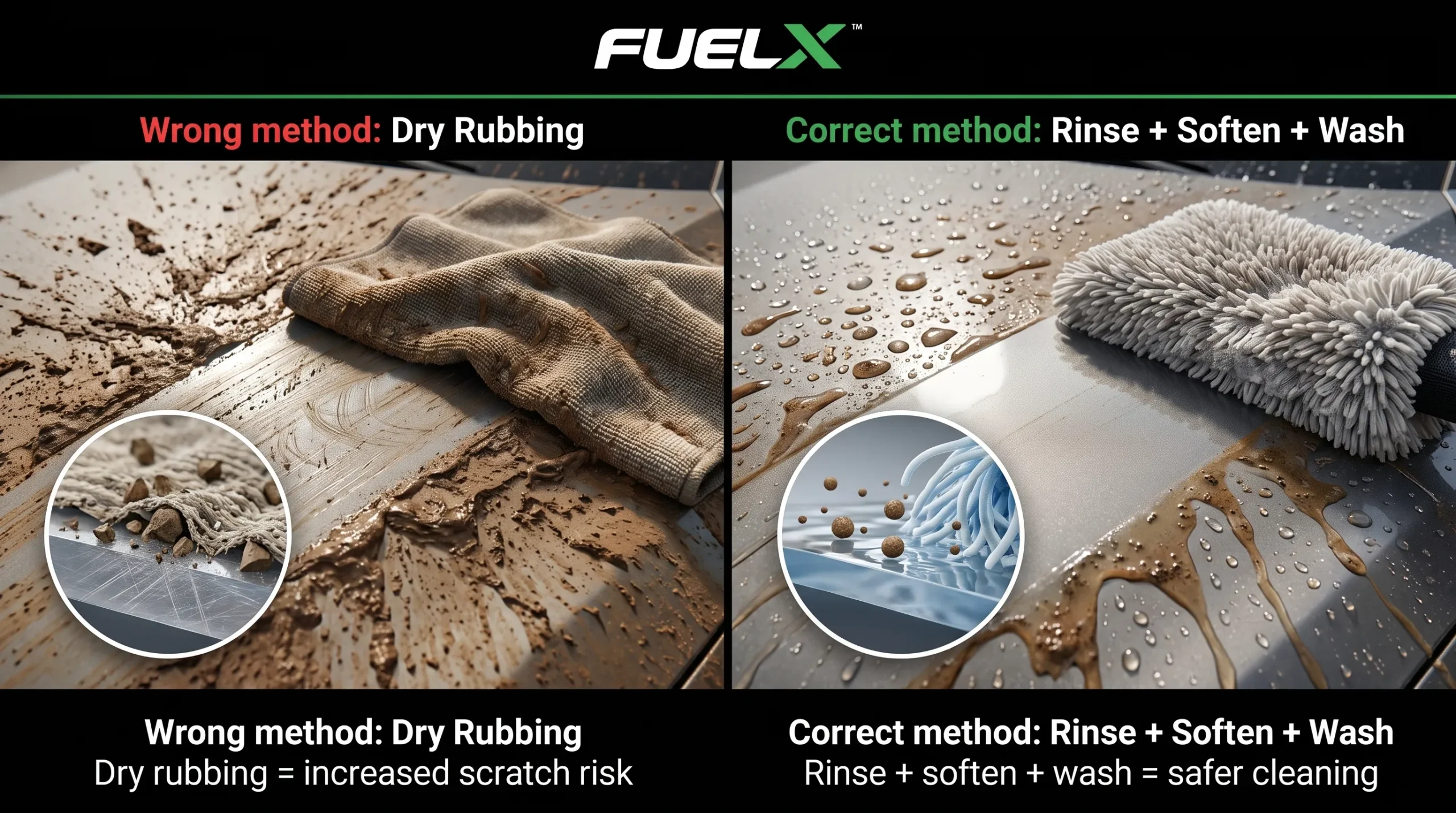
If you rub that dried mud with a dry cloth, you can move abrasive particles across the clear coat. Automotive paint is designed to resist normal environmental exposure, but it isn’t scratch-proof. Studies of automotive coatings have specifically identified washing and abrasive contamination as sources of fine marring.
Rainwater and Water Spots
Rainwater can also leave marks after it evaporates.
Water itself isn’t necessarily the problem. The issue is what remains behind after evaporation. Water can contain or collect minerals and environmental contaminants. Calcium, magnesium, silica and other dissolved or airborne materials can remain on the surface when the water dries.
This is why a car can sometimes look dirtier after rain than before it.
You may notice:
Circular water spots
White or cloudy marks
Rain streaks
Mineral deposits
Dirty patches around mirrors and handles
Dark-coloured cars, particularly black and dark blue vehicles, tend to make these marks more visually obvious because the contrast between the residue and paint is stronger.
What You Need Before Cleaning
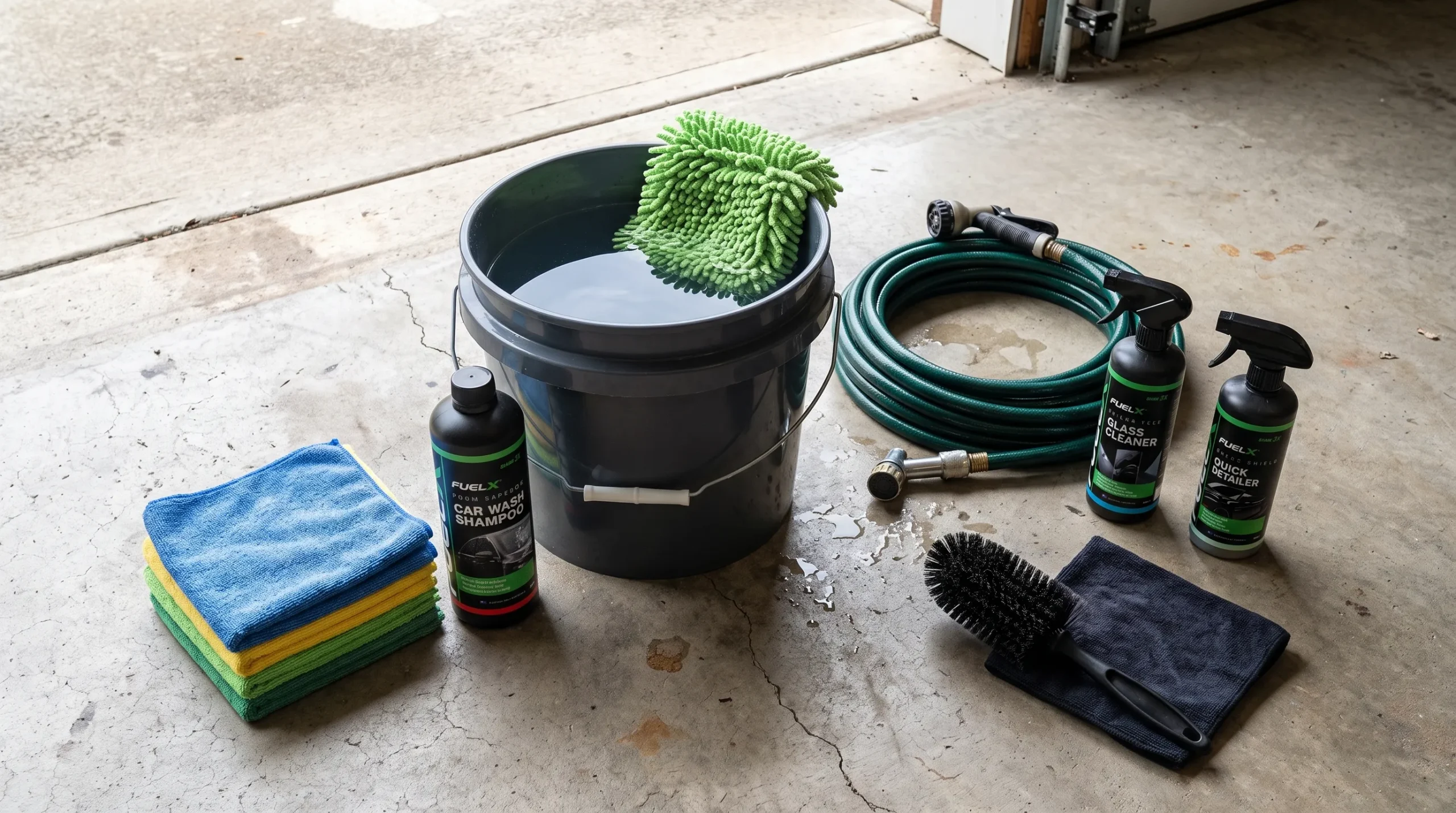
You don’t need a professional detailing studio to clean mud and rainwater stains. A basic home setup is enough.
Keep these items ready:
Clean water
Car wash shampoo
One or two buckets
Hose or pressure washer, if available
Microfiber wash mitt or soft washing cloth
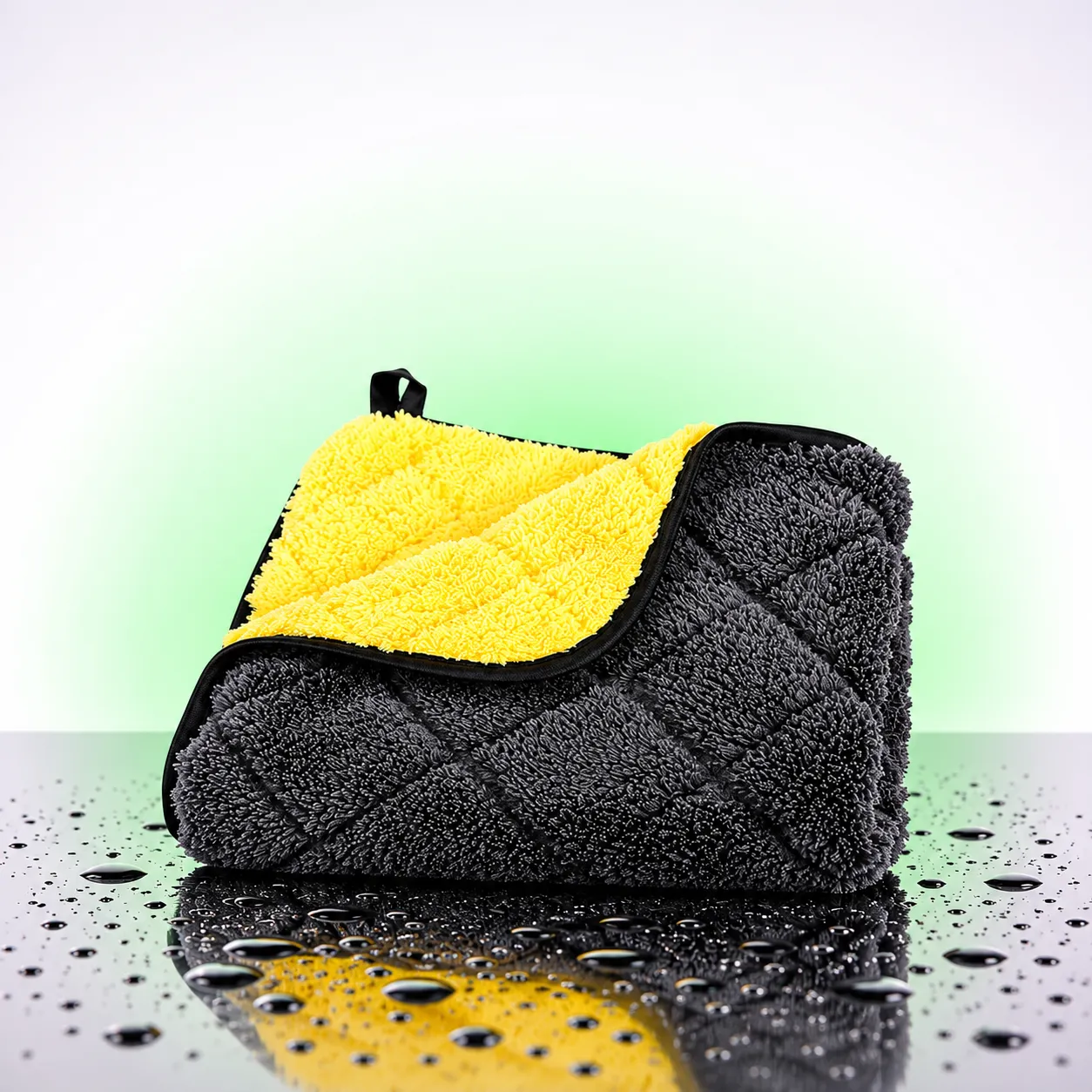
Clean microfiber drying towel
Glass cleaner
Quick detailer for suitable light maintenance
Separate cleaning tools for wheels and tyres
The most important principle is to minimize unnecessary friction.
A good car shampoo helps encapsulate and lift surface contamination during washing, while a clean microfiber towel gives you a safer way to dry the vehicle. The towel itself, however, must be kept clean. A microfiber towel covered with grit can still create marring.
How to Remove Mud From Your Car: Step by Step
Step 1: Park the Car in the Shade
If possible, clean the car in a shaded area.
This is particularly useful during Pakistan’s hot summer and monsoon conditions because water and shampoo can evaporate quickly from hot panels. When water evaporates before you can rinse or dry it, the minerals left behind can contribute to fresh water spots.
You don’t need to wait for a cool winter morning. Simply avoid washing a hot car under intense direct sunlight whenever practical.
Step 2: Rinse the Car Thoroughly
This is probably the most important step for preventing scratches.
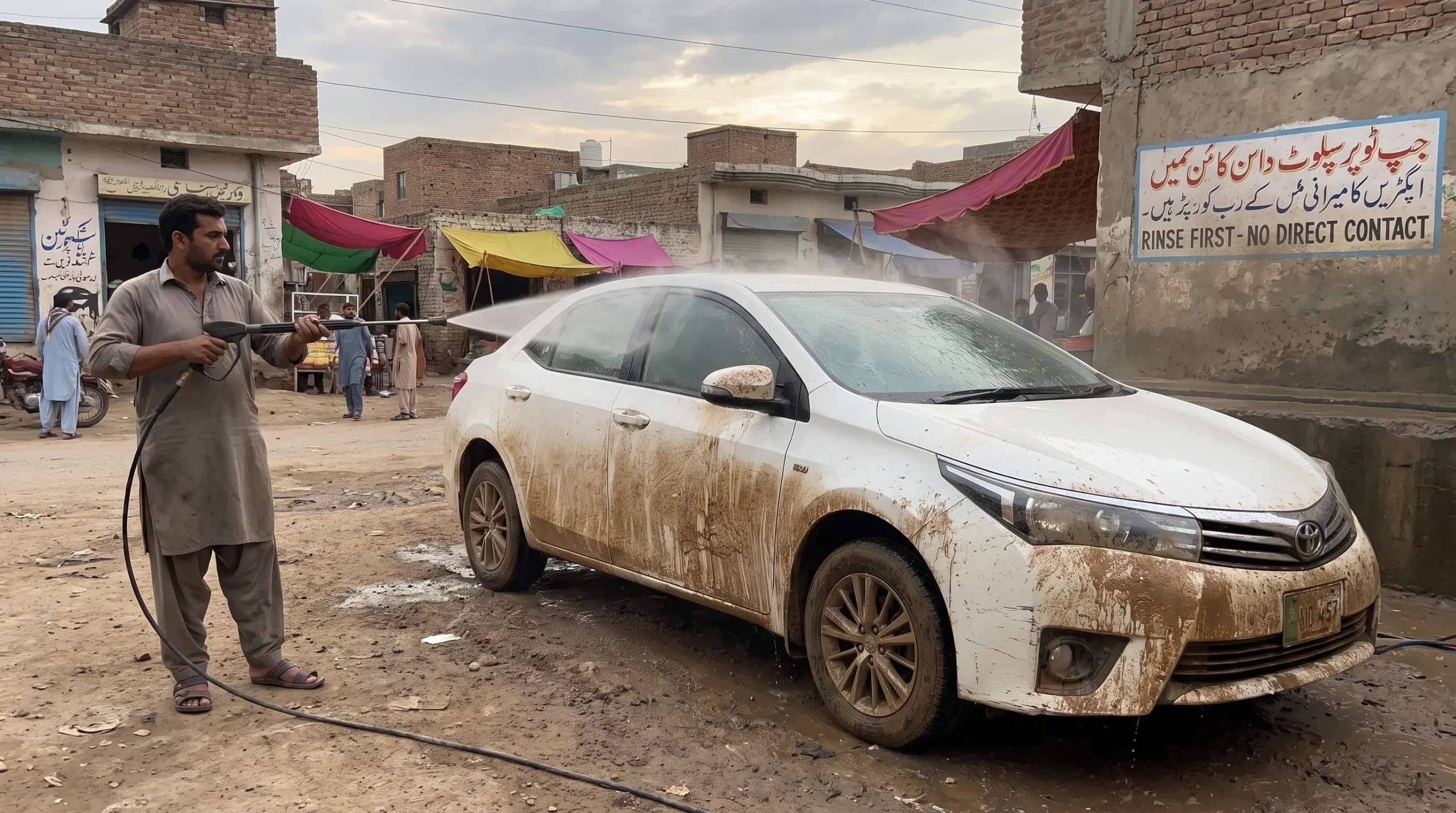
Before touching the paint with a wash mitt or cloth, rinse the vehicle thoroughly with clean water. Start at the roof and upper panels and move downward.
Give extra attention to:
Muddy lower doors
Front bumper
Rear bumper
Wheel arches
Side skirts
Areas behind the wheels
The purpose of the first rinse is not to make the car perfectly clean. It is to remove as much loose mud, dust, sand and grit as possible before you introduce physical contact.
Think of it like sweeping the floor before mopping it. You don’t want to push loose dirt around unnecessarily.
Step 3: Soften Dried Mud
If the mud has already hardened, don’t start scrubbing.
Wet the affected area thoroughly and allow the water to soften the contamination. Particularly stubborn patches may need another rinse.
Avoid:
Scraping with fingernails
Using a credit card or similar object
Hard brushes on painted panels
Scrubbing aggressively
Wiping the area while it is still dry
The goal is to loosen the contamination rather than fight it with force.
Step 4: Wash With Car Shampoo
Once most of the loose mud has been removed, wash the vehicle with a dedicated car wash shampoo.
Work from the cleaner upper surfaces toward the dirtier lower sections. Use a clean microfiber wash mitt and gentle movements rather than applying heavy pressure.
For a heavily contaminated car, a two-bucket method is useful:
Bucket 1: shampoo and water
Bucket 2: clean water for rinsing the mitt
After washing a section, rinse the mitt before loading it with shampoo again. This helps reduce the amount of dirt being transferred back to the paint.
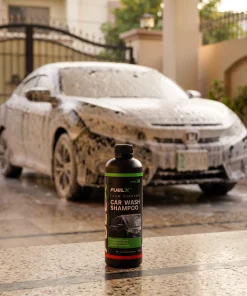
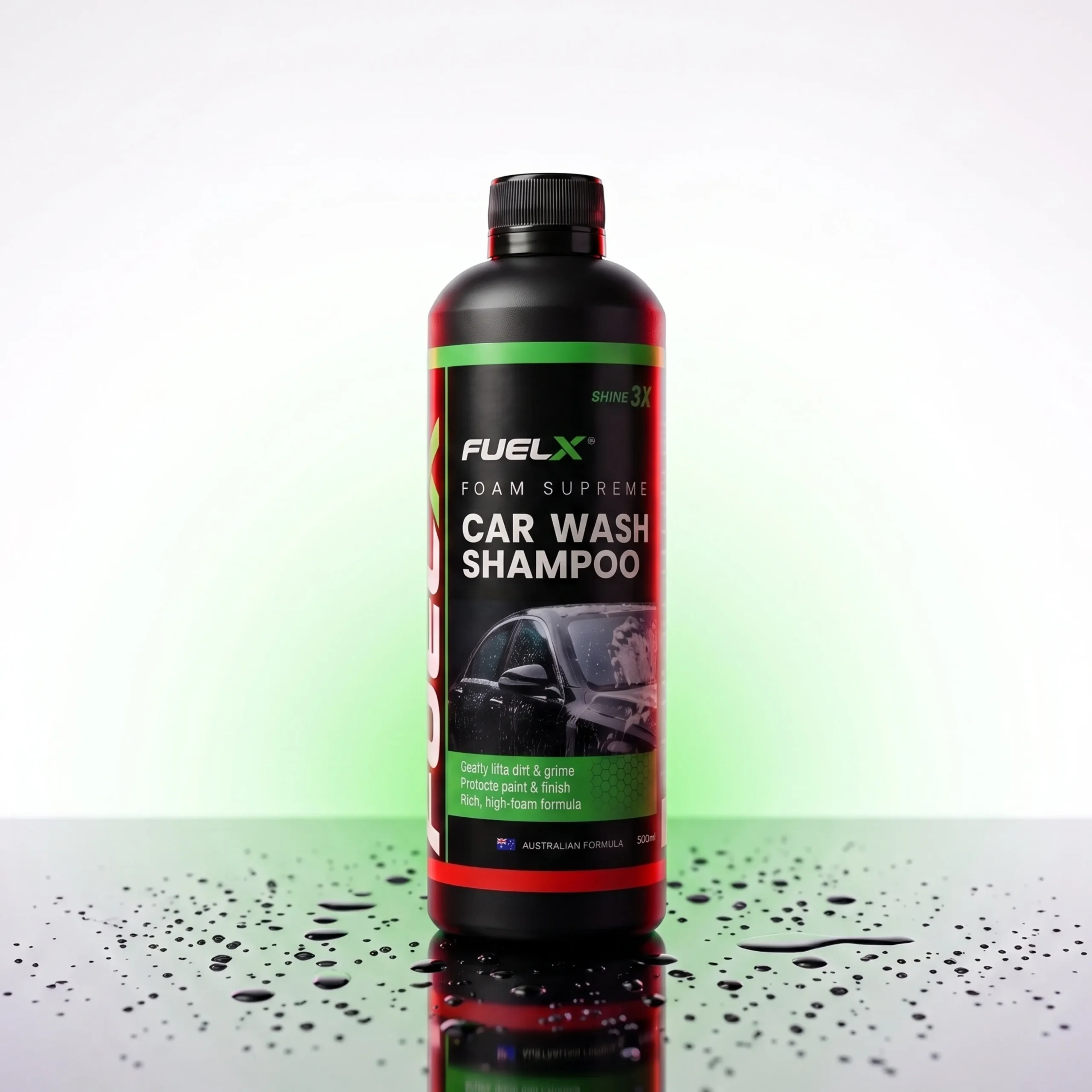
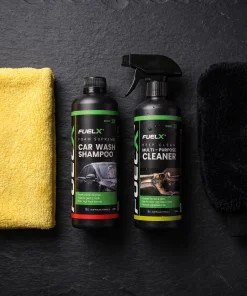
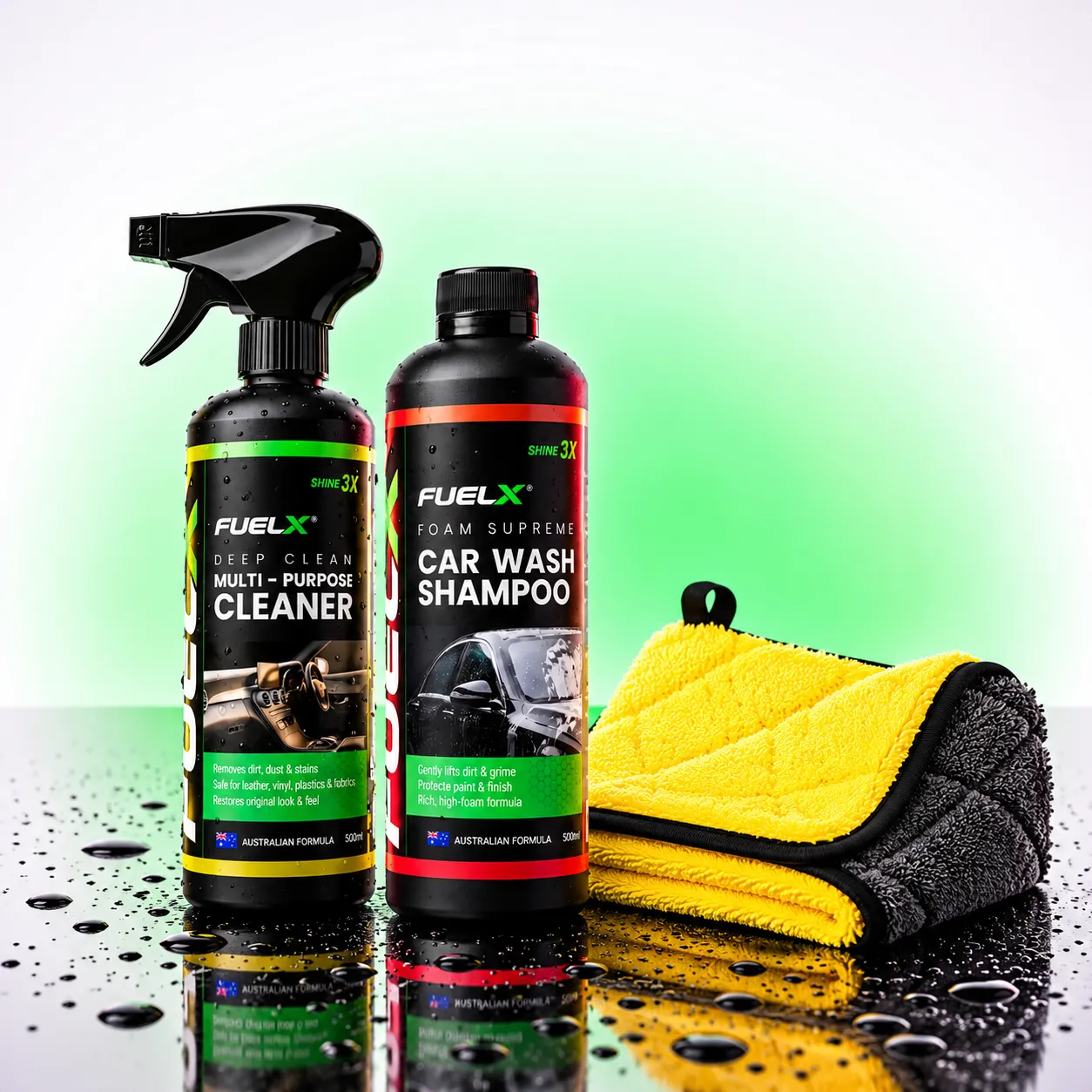
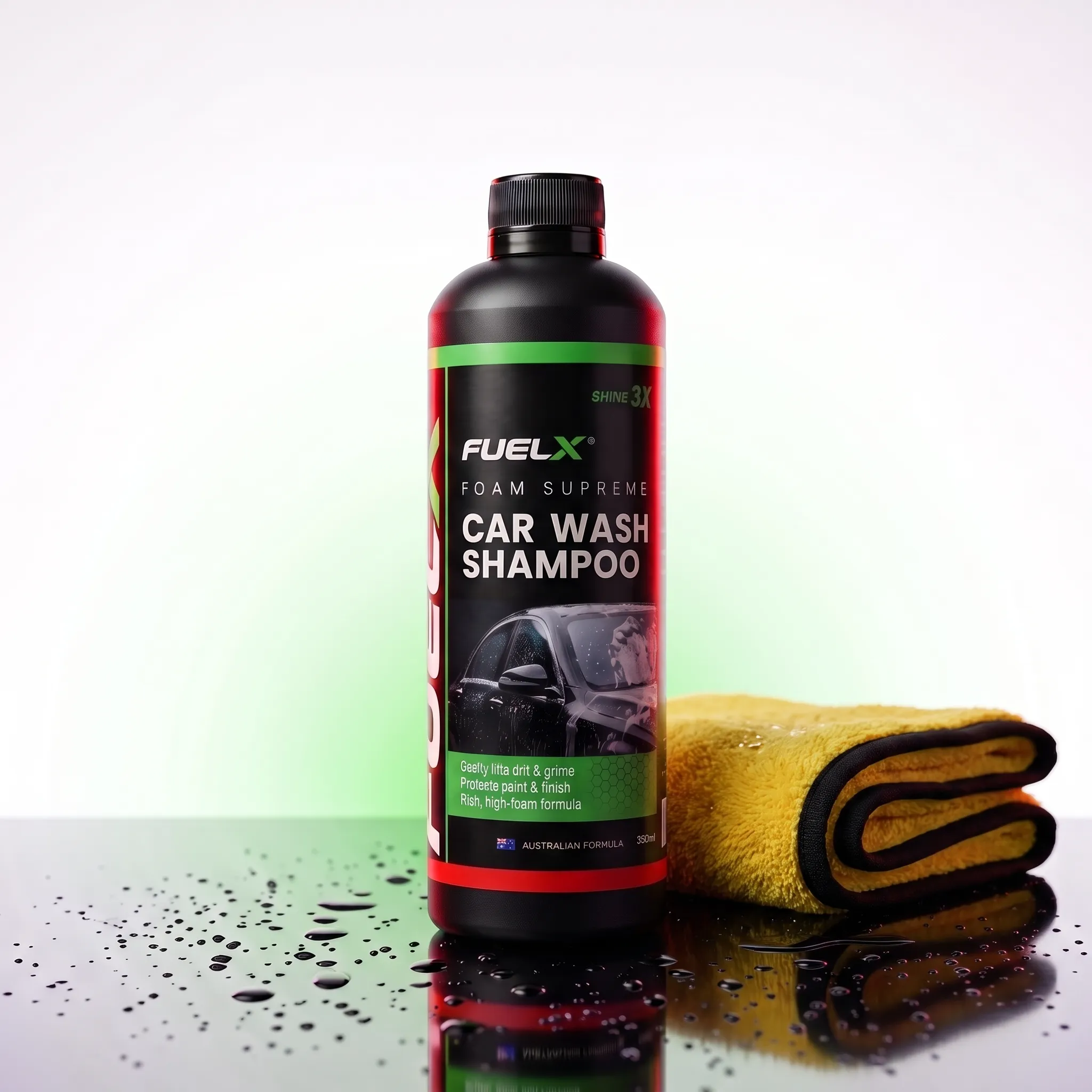
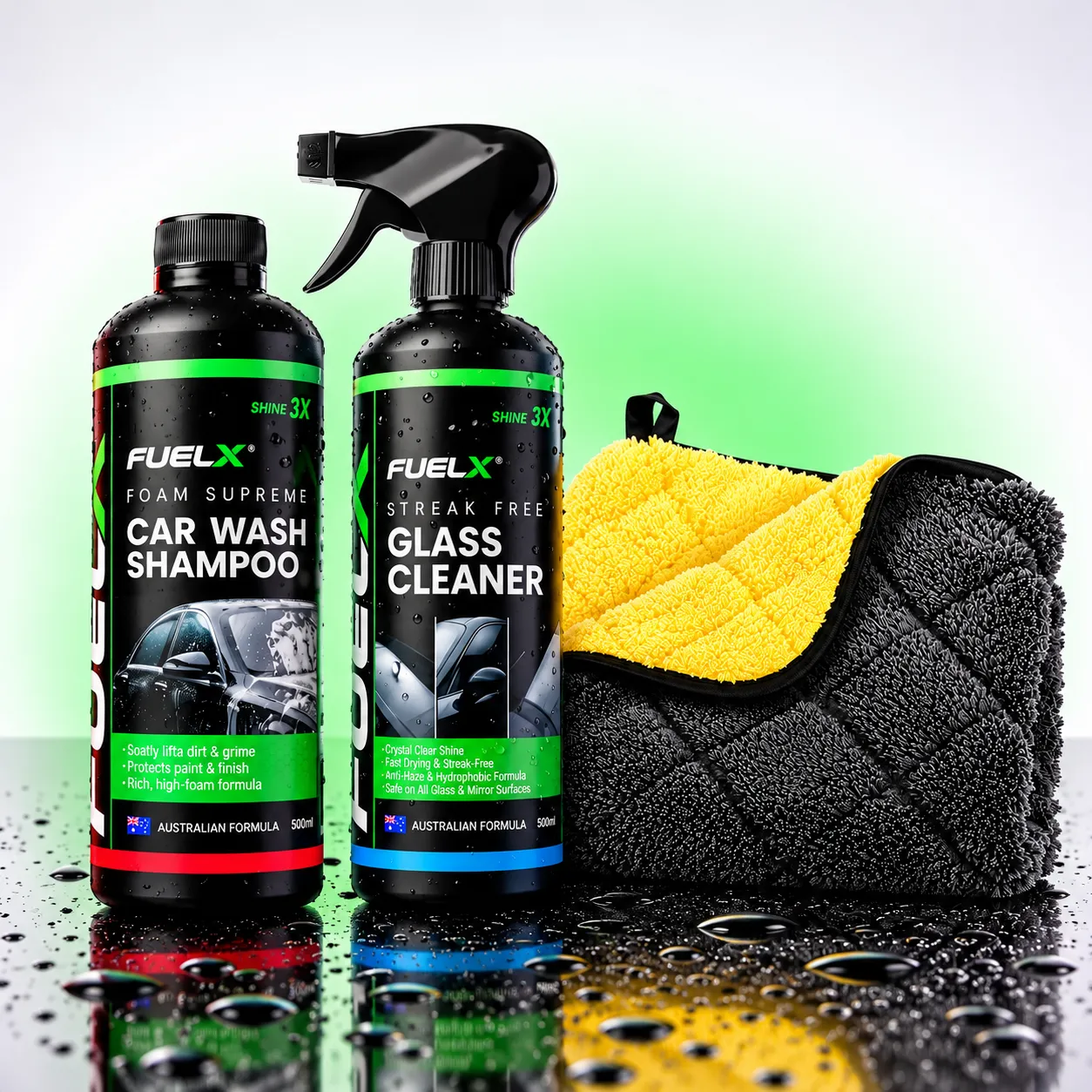
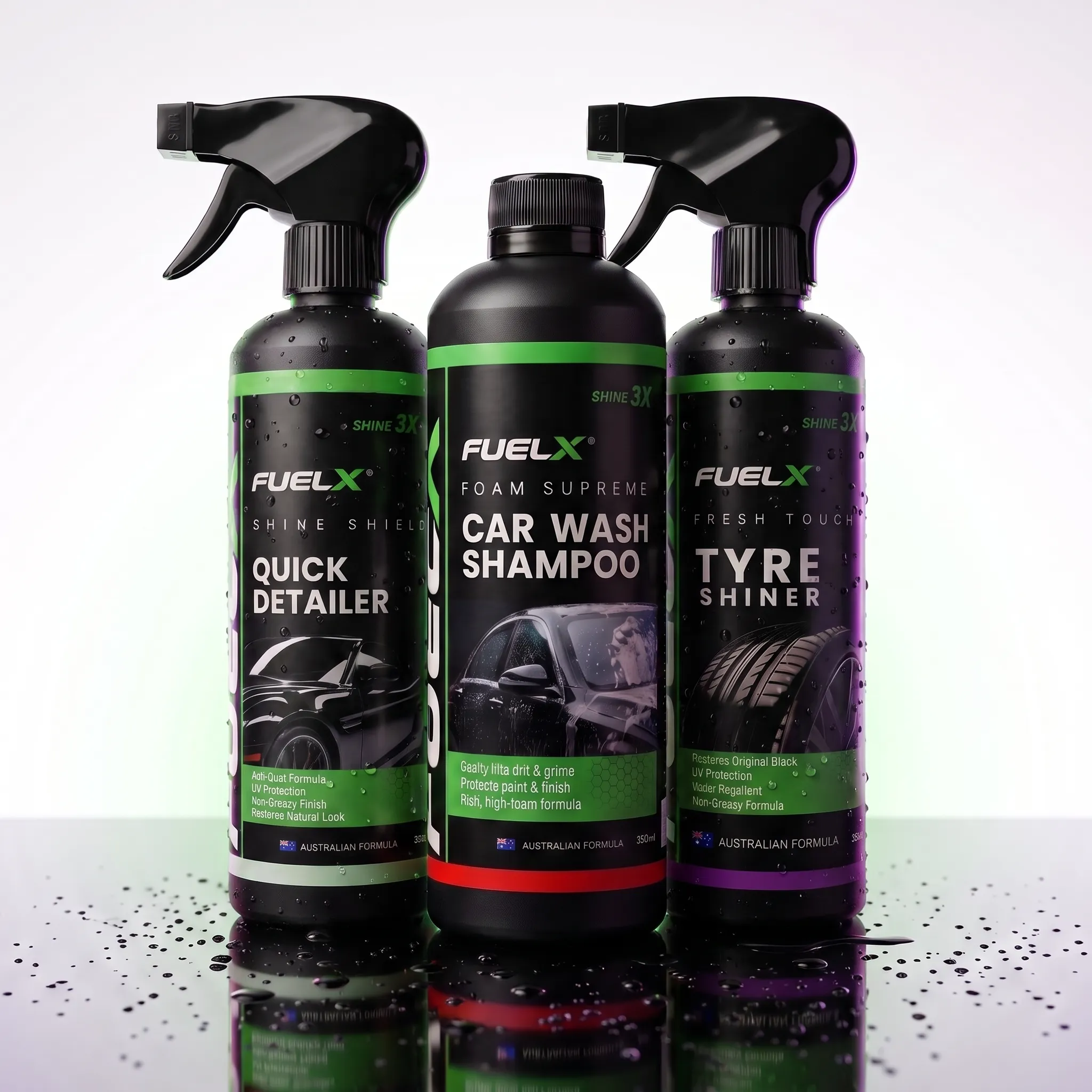
FuelX Car Wash Shampoo can be used as part of this stage according to its product directions.
Step 5: Rinse Again
After shampooing, rinse the vehicle thoroughly.
Don’t focus only on the large body panels. Muddy water and shampoo can remain around:
Door handles
Mirrors
Grilles
Panel gaps
Bumpers
Number-plate areas
Wheel arches
A proper final rinse removes the loosened contamination and shampoo before drying.
Step 6: Dry With a Clean Microfiber Towel
Don’t simply leave the vehicle wet and assume everything will evaporate cleanly.
As water evaporates, dissolved minerals and contaminants can remain behind and create visible spots. This is particularly noticeable when the vehicle is washed with mineral-rich water or when water is allowed to dry repeatedly on the surface.
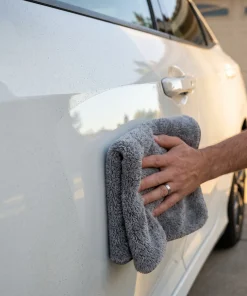
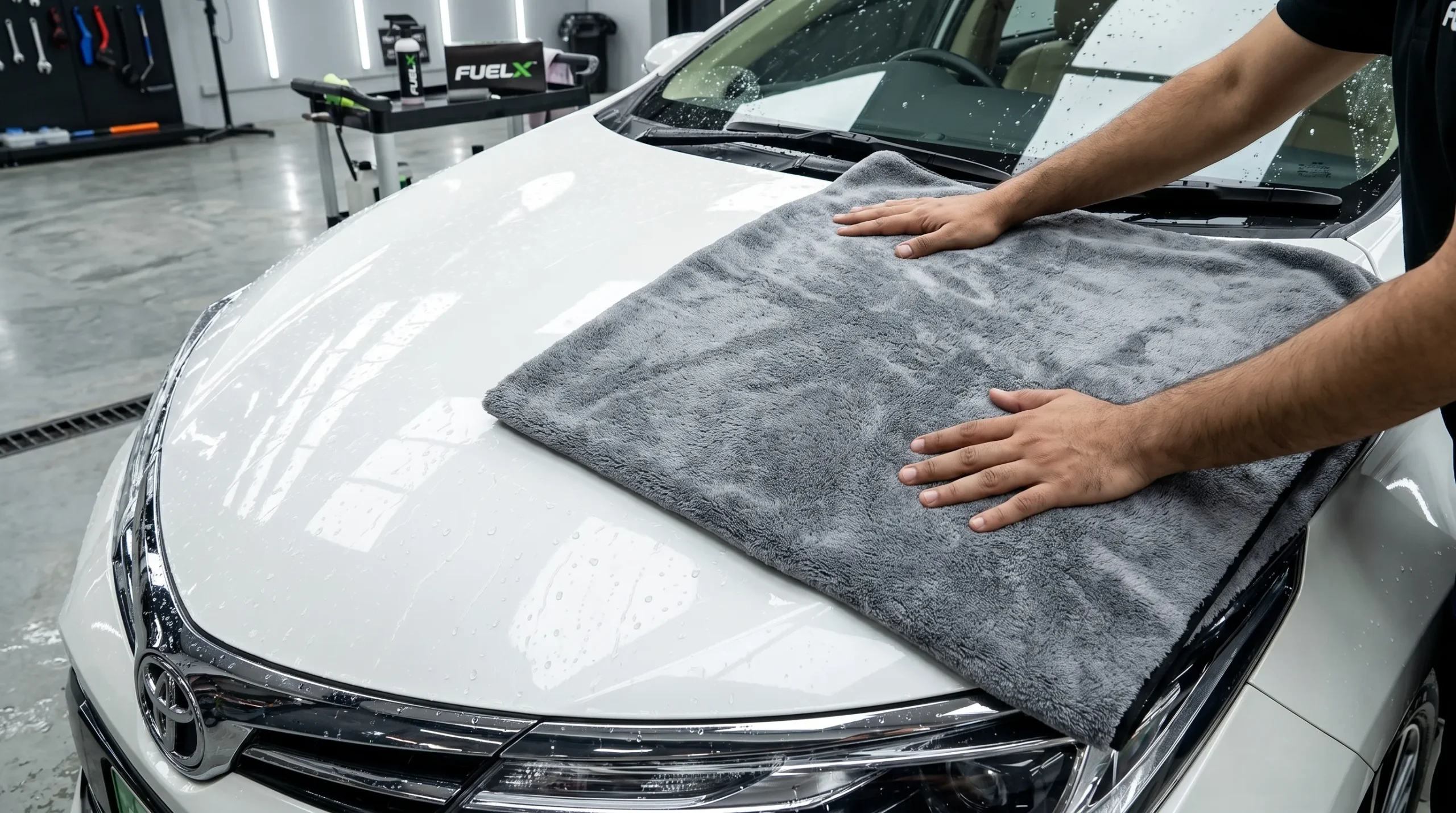
Use a clean microfiber drying towel and gently absorb the water from the surface.
Rainwater stains need a slightly different approach from dried mud.
First, Wash the Surface
Never attack water spots aggressively while the vehicle is still dirty.
Wash the panel first. Some marks that appear to be stubborn water spots may actually be a combination of dust, road grime and dried rainwater.
Once the surface is clean, you can determine how serious the spotting really is.
Dry and Inspect
Dry the panel with a clean microfiber towel and inspect it under good lighting.
If the marks disappear after washing, you don’t need an aggressive treatment.
If they remain, they may be mineral deposits that have bonded to the surface.
Understand When Water Spots Become a Bigger Problem
Not all water spots are equally serious.
Fresh mineral residue can sometimes be removed relatively easily. More persistent deposits may require a dedicated water-spot treatment. In severe cases, repeated exposure can result in actual etching of the surface, which may require polishing or professional paint correction rather than simple washing.
That’s why it is better to address recurring water spots early instead of repeatedly ignoring them.
How to Remove Dried Mud Without Scratching Car Paint
The most important rule is:
Never dry-wipe heavy mud from painted surfaces.
Imagine tiny grains of sand trapped between a cloth and the paint. Even though the cloth feels soft, those particles can create abrasion when you push them across the surface.
This is one reason automotive coating research identifies washing and abrasive contamination as significant sources of fine marring.
Follow this sequence instead:
Soak → Rinse → Loosen → Wash → Rinse → Dry
Also avoid using:
Kitchen towels
Rough old clothes
Hard brushes on painted panels
Scrapers
Excessive pressure
Dirty microfiber towels
Wheel-cleaning towels on the paint
A clean tool is not a luxury in car care. It is part of protecting the finish.
How to Clean Mud From Different Parts of Your Car
Car Body
Use the standard rinse, shampoo, rinse and dry process. Give particularly dirty lower panels additional attention.
Wheel Arches
Wheel arches can collect much more mud than the painted upper body. Clean them separately and avoid bringing heavily contaminated tools back onto the paint.
Wheels
Wheels can contain brake dust, road grime and mud. Use separate cleaning equipment rather than using the same mitt or towel you use for painted panels.
Tyres
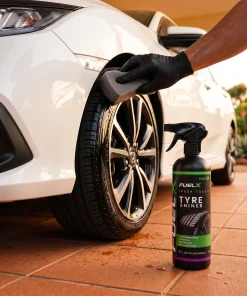
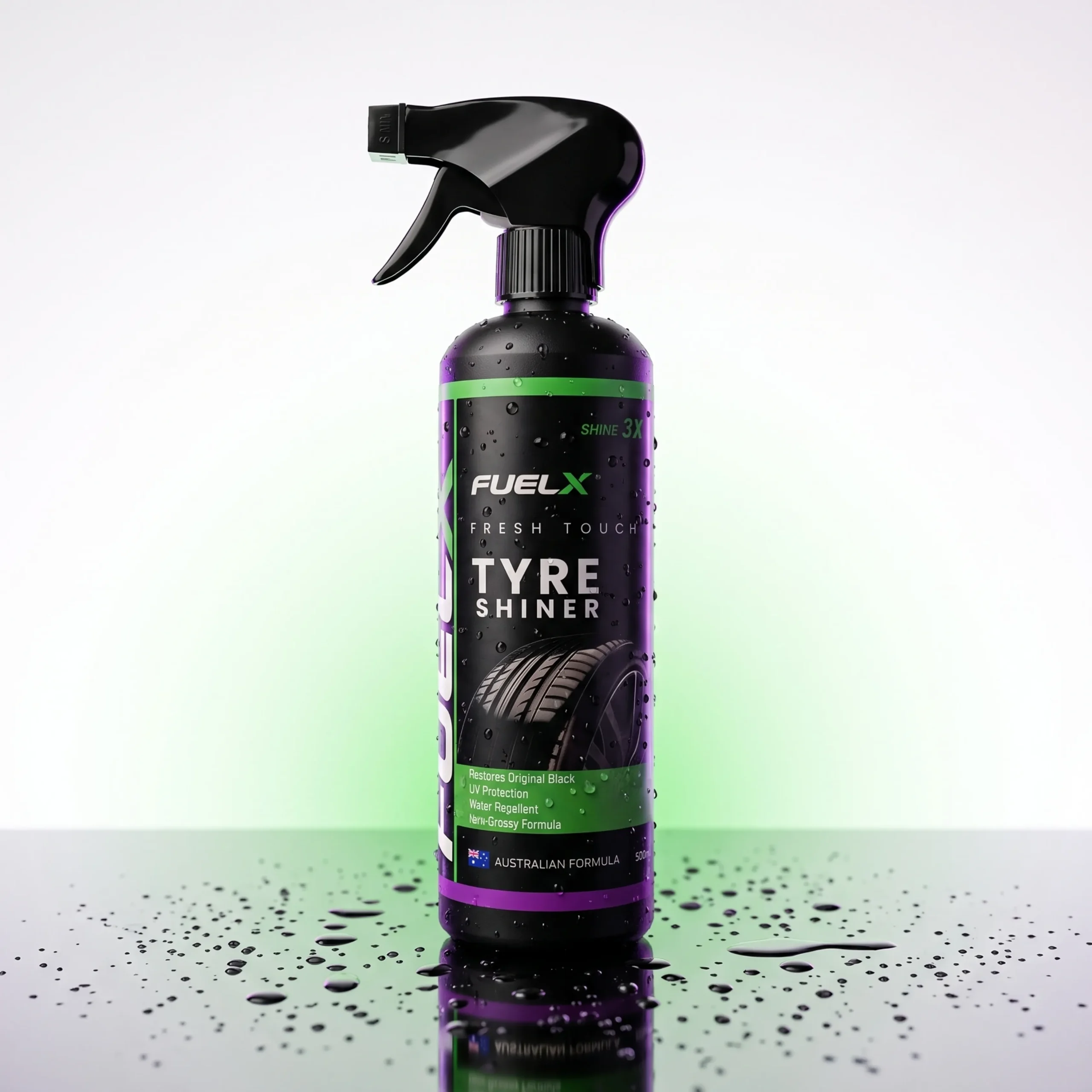
Clean the tyres after removing mud and road contamination. Once clean and dry, a suitable tyre-care product can be applied according to its directions.
Windshield and Windows
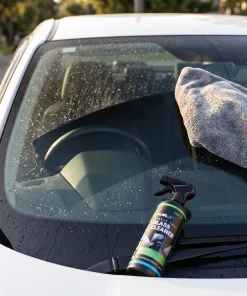
After removing the main layer of dirt, clean the glass with a suitable glass cleaner.
This is especially important after rain because dirty glass can reduce visibility when headlights, street lights or oncoming traffic create glare.
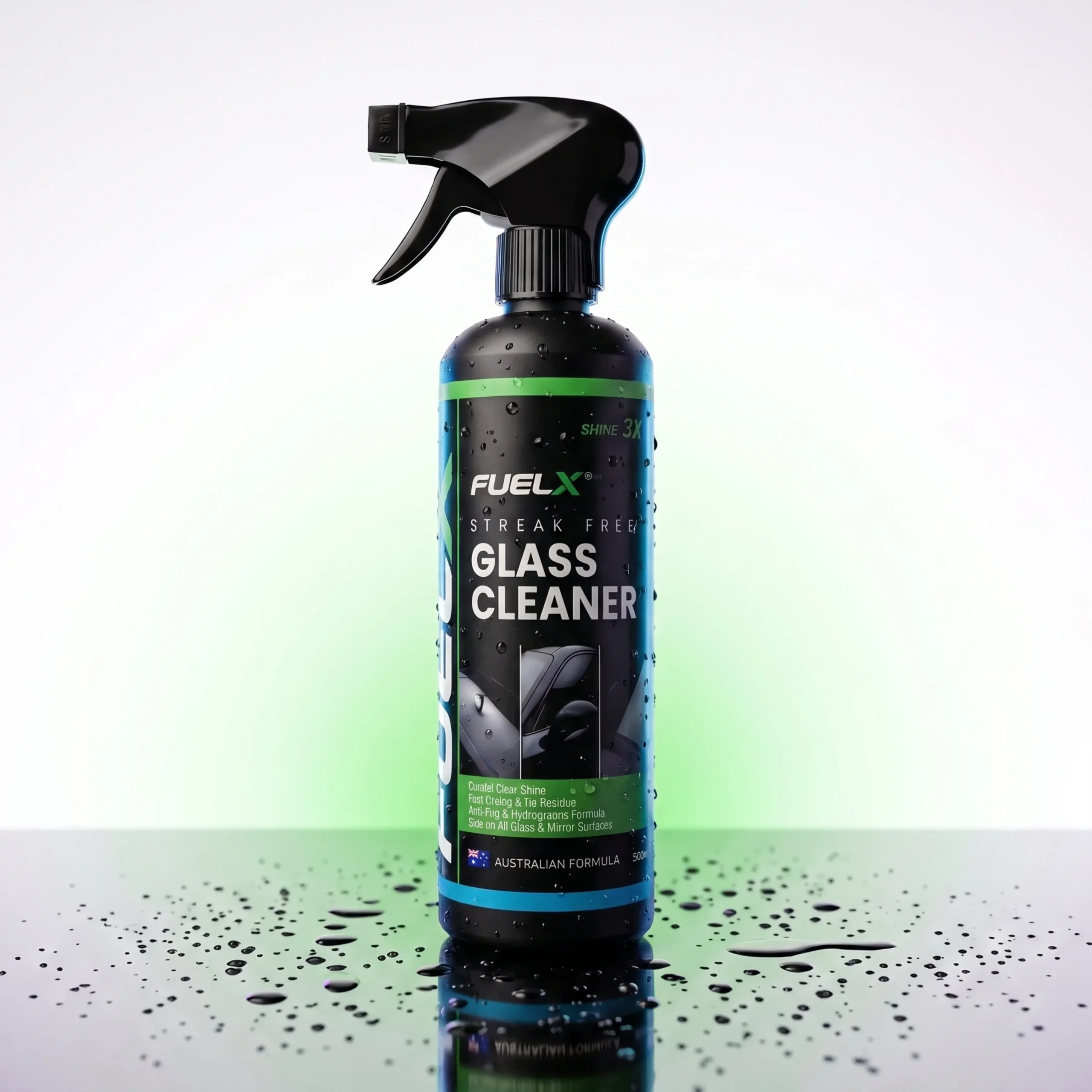
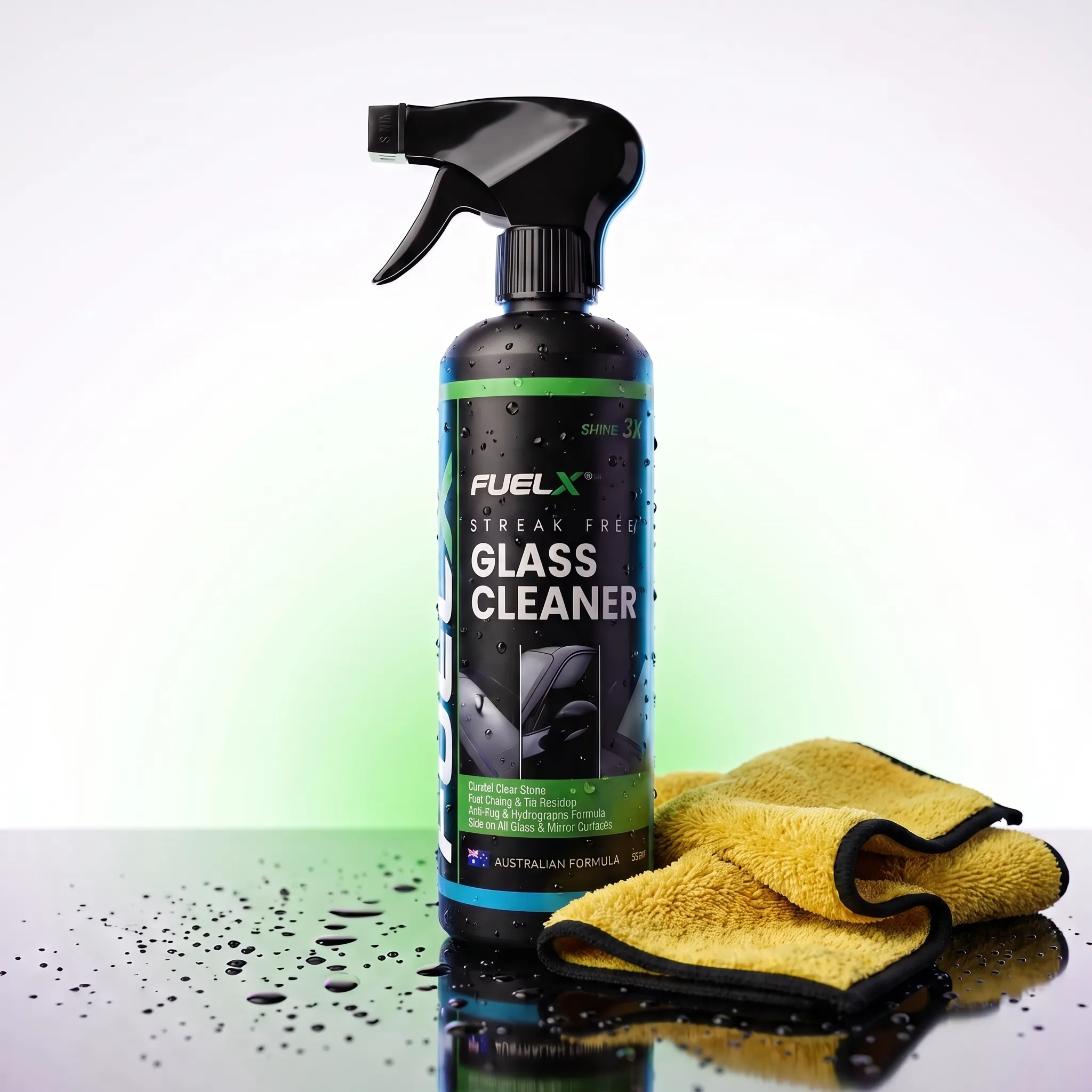
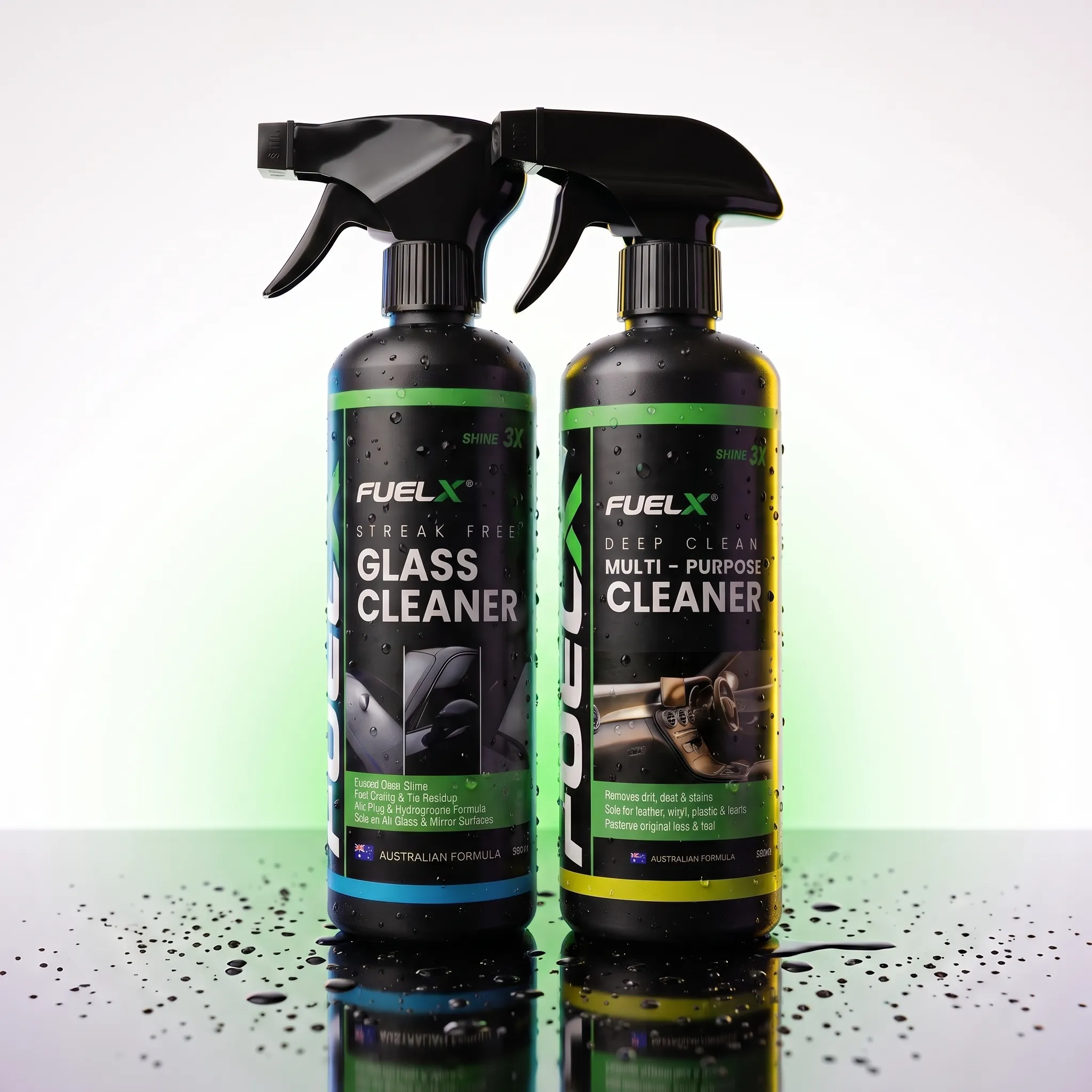
FuelX Glass Cleaner can be used as part of a regular glass-cleaning routine according to its product instructions.
Door Jambs and Handles
Don’t forget these areas. Rainwater and mud can collect around door handles, hinges and jambs, particularly after driving on wet roads.
A final wipe with a clean microfiber cloth can make a surprisingly noticeable difference.
Common Mistakes to Avoid
1. Wiping Dry Mud
This is one of the biggest mistakes. Always rinse and soften mud before washing.
2. Washing in Direct Sunlight
Fast evaporation can leave fresh water and shampoo marks. Shade is preferable.
3. Using Household Dish Soap
Dishwashing products are formulated for kitchen grease and dishes rather than regular automotive paint care. A dedicated car shampoo is a better choice for routine vehicle washing.
4. Using One Cloth Everywhere
A towel used around dirty wheels can pick up brake dust and grit. Keep wheel and paint-cleaning tools separate.
5. Ignoring the Lower Panels
The lower body normally receives more road contamination than the roof or bonnet. Give these areas extra attention during the pre-rinse.
6. Letting Water Dry on the Car
Air-drying may look convenient, but it can leave mineral deposits behind. Drying the car after washing is one of the simplest ways to reduce water spotting.
7. Using an Aggressive Product Too Quickly
If a normal wash removes the marks, stop there. More aggressive chemicals or polishing aren’t automatically better. Start with the least aggressive effective method and escalate only when necessary.
How Often Should You Wash Your Car During the Rainy Season?
There is no universal rule saying that a car must be washed every two, three or seven days.
The right frequency depends on how much contamination your vehicle receives.
For example, a car driven daily through muddy streets may need attention much sooner than a vehicle parked indoors and exposed only to light rain.
Consider washing sooner when:
Mud has accumulated on the paint.
Lower panels are heavily contaminated.
Rainwater has mixed with road grime.
The car has been repeatedly exposed to wet and dusty conditions.
Windows or mirrors have become visibly dirty.
Water spots are beginning to appear repeatedly.
The practical rule is:
Don’t wait for a calendar date when the vehicle is already heavily contaminated.
Cleaning significant contamination sooner is generally easier than allowing multiple layers of dirt and dried residue to build up.
A Simple Post-Rain Car Cleaning Routine
You can turn the process into a straightforward routine.
1. Rinse — around 5 minutes
Remove loose mud and road dirt with plenty of water.
2. Shampoo wash — around 10 minutes
Wash the exterior with car shampoo and a clean microfiber mitt.
3. Final rinse — around 5 minutes
Remove remaining shampoo and loosened contamination.
4. Dry and clean glass — around 5–10 minutes
Dry the paint with a clean microfiber towel and clean the windshield and windows.
For an average passenger car, this can make a basic post-rain wash a manageable 25–30 minute task, although the actual time will depend on vehicle size, equipment and how heavily the car is soiled.
How to Prevent Mud and Rainwater Stains
Prevention is easier than dealing with stubborn stains later.
Rinse Heavy Mud Early
If you return from a muddy road trip, don’t allow thick mud to remain on the car unnecessarily.
Keep Microfiber Towels Clean
Wash detailing towels properly and keep heavily contaminated towels separate from those used for paint and glass.
Dry After Washing
Don’t make a habit of leaving water sitting on the car until it evaporates naturally.
Use Suitable Maintenance Products
A quick detailer can be useful for appropriate light surface maintenance between full washes. It should not, however, replace a proper wash when the vehicle is heavily muddy.
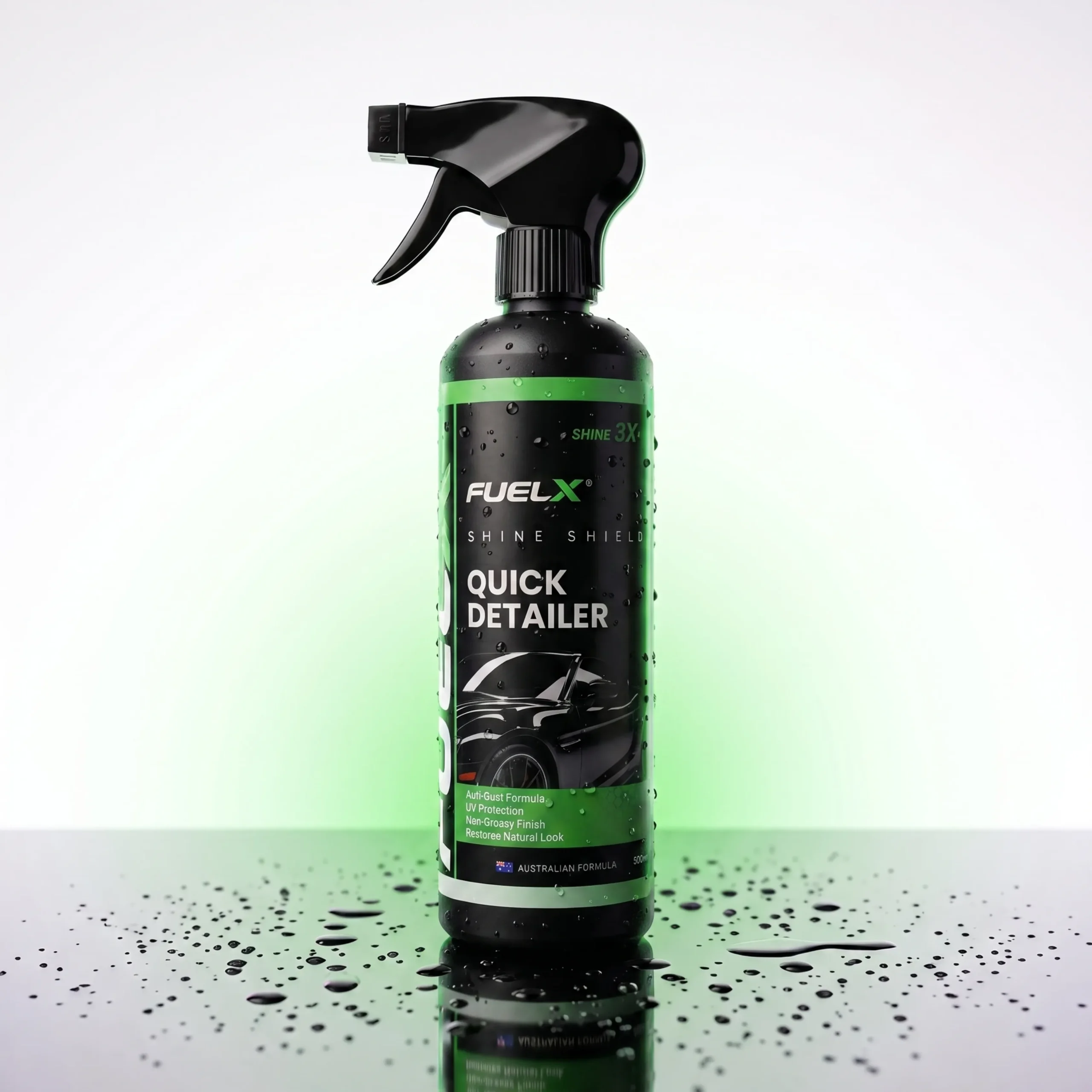
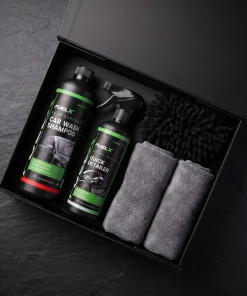
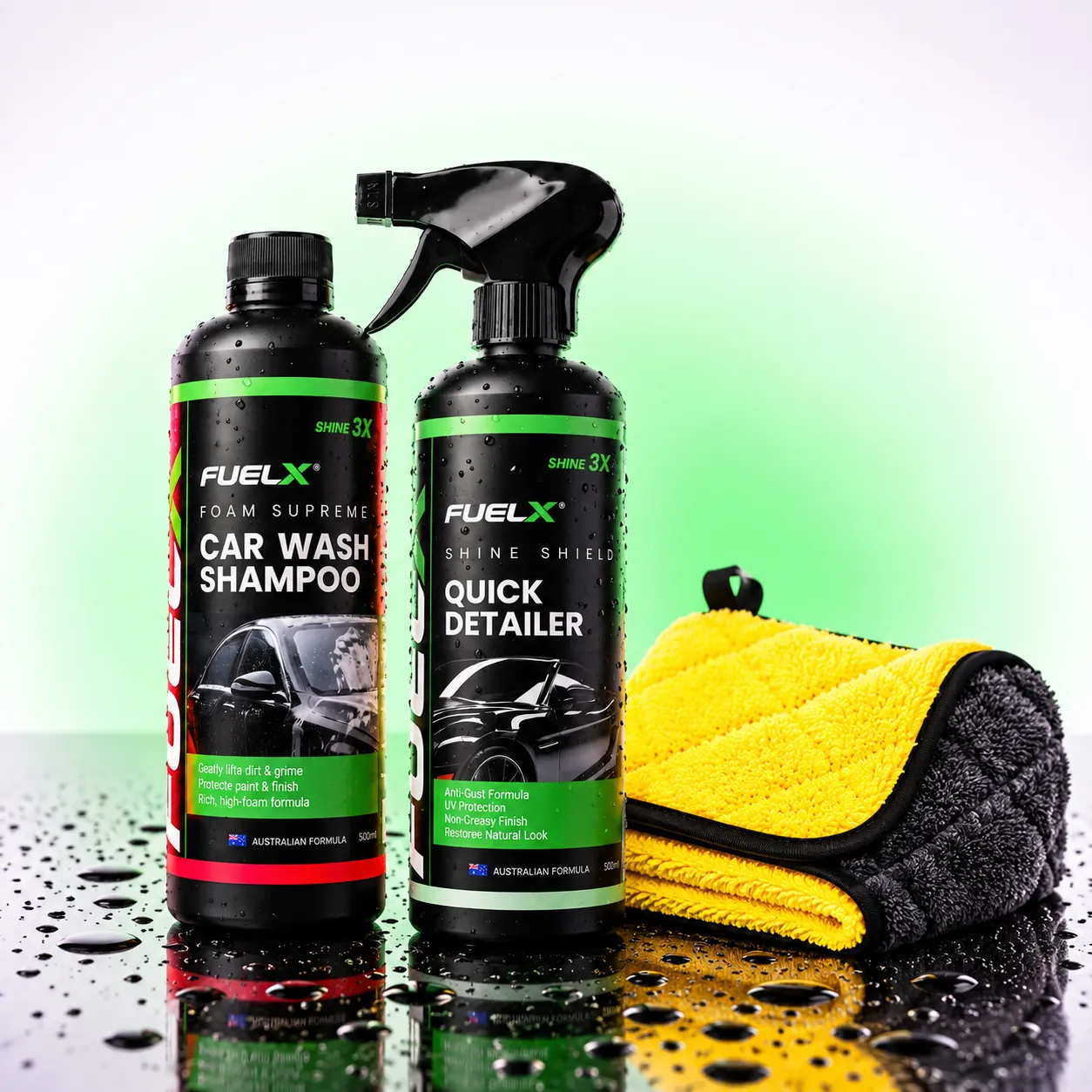
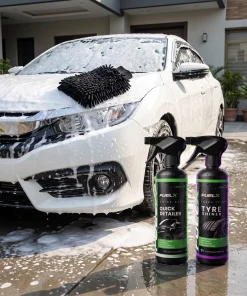
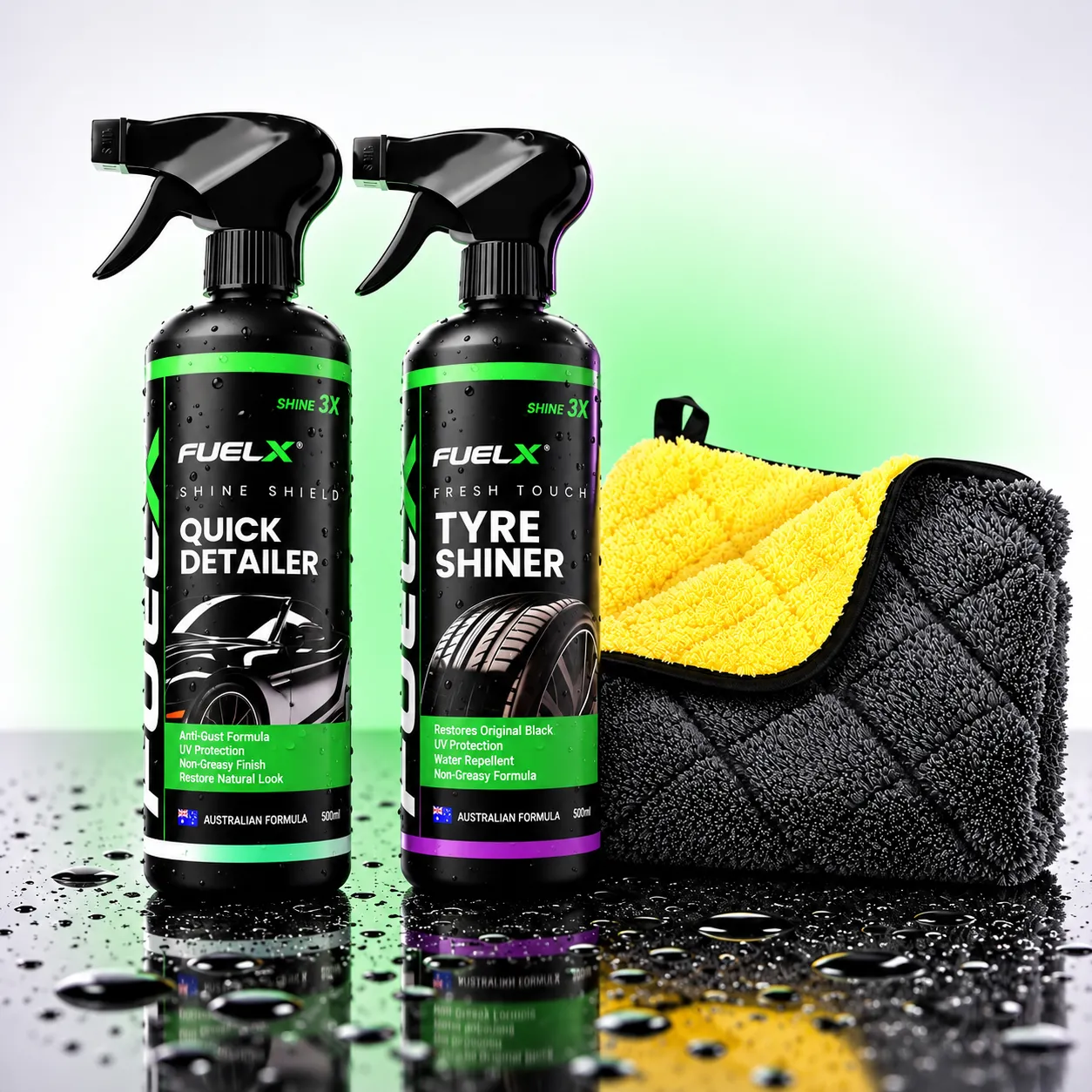
FuelX Quick Detailer can fit into this type of maintenance routine when used according to its directions.
Avoid Constant Water Exposure
If possible, don’t park directly under leaking pipes, dirty building runoff, or sprinkler systems. Repeated exposure to mineral-rich water can contribute to water spotting.
FuelX Products for Post-Rain Car Cleaning
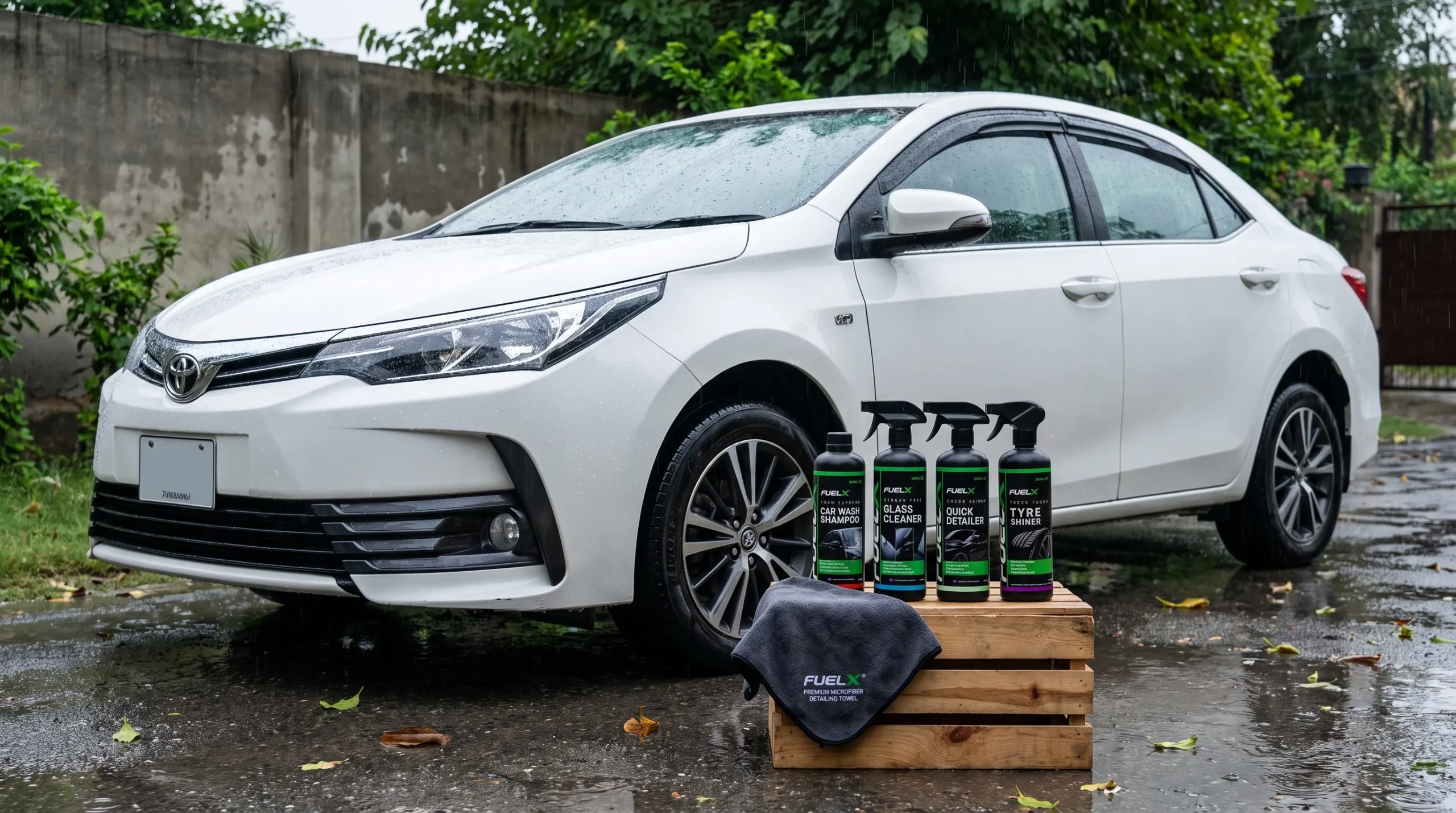
A simple FuelX routine can cover the main stages of post-rain exterior care:
Cleaning Need
FuelX Product
Mud, dust and general exterior dirt
Car Wash Shampoo
Drying after washing
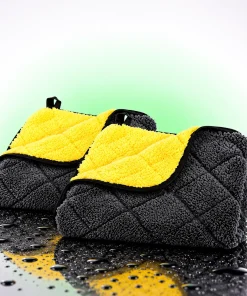
Premium Microfiber Detailing Towel
Light surface maintenance
Quick Detailer
Windshield and glass cleaning
Glass Cleaner
Tyre finishing after cleaning
Tyre Shiner
The key is not to use every product every time. Choose the product based on the problem you’re actually trying to solve.
A muddy car needs a proper wash. A lightly dusty vehicle may need a lighter maintenance step. Dirty glass needs glass cleaner. Clean tyres can then be finished with a suitable tyre product.
Final Thoughts
Mud and rainwater are unavoidable parts of driving in Pakistan, particularly during the monsoon season. But a dirty car doesn’t have to become a scratched or neglected car.
The most important thing is how you remove the contamination.
Don’t attack dried mud with a dry cloth. Don’t aggressively scrub water spots. Start with the least aggressive method that can solve the problem: rinse thoroughly, loosen the dirt, wash with suitable car shampoo, rinse again, and dry with a clean microfiber towel.
For regular maintenance, a simple routine of:
Rinse → Wash → Rinse → Dry → Maintain
can go a long way toward keeping your vehicle clean.
And if water spots continue to appear despite proper washing and drying, don’t simply polish harder. First determine whether you’re dealing with removable surface residue or actual paint etching.
With the right products, clean tools and a little patience, keeping your car looking fresh after a muddy Pakistani monsoon drive can be a straightforward part of your regular car-care routine.
FAQ’s
Can I wipe dried mud off my car with a dry cloth?
It is better not to. Dried mud may contain sand, soil and other abrasive particles. Rinse and soften the contamination before washing it away.
Does rainwater damage car paint?
Rain itself isn’t necessarily damaging to properly maintained automotive paint. The bigger concern is the dirt, pollutants and minerals that can remain behind after the water evaporates. Persistent deposits can sometimes contribute to water spotting and, in severe cases, etching.
How do I remove dried mud from a car without scratching it?
Rinse the vehicle thoroughly, soften stubborn mud with water, then wash gently with automotive shampoo and a clean microfiber wash mitt. Avoid scraping or aggressive rubbing.
How do I remove water spots from car paint?
Start with a proper wash and drying process. If the marks remain, determine whether they are surface mineral deposits or actual etching. Persistent or etched spots may require a dedicated treatment or professional paint correction.
Should I wash my car after every rain?
Not necessarily. Light rain doesn’t automatically require a complete wash. However, if rain has mixed with dust and road grime or you’ve driven through muddy areas, cleaning the car sooner is sensible.
Is microfiber good for drying a car?
Yes. A clean, suitable microfiber towel is commonly used for automotive drying. The important part is keeping the towel free from grit and avoiding unnecessary pressure while drying.