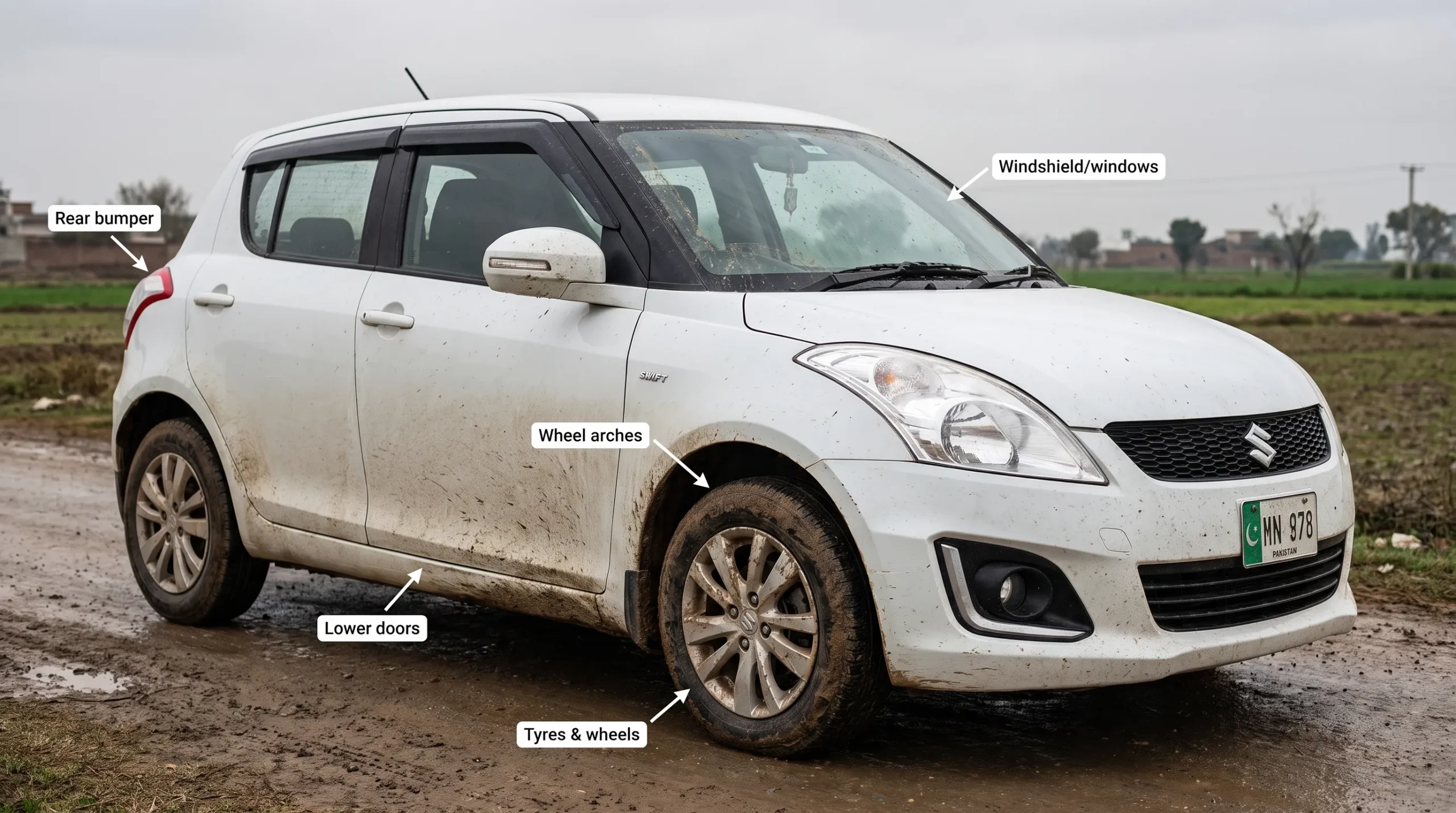
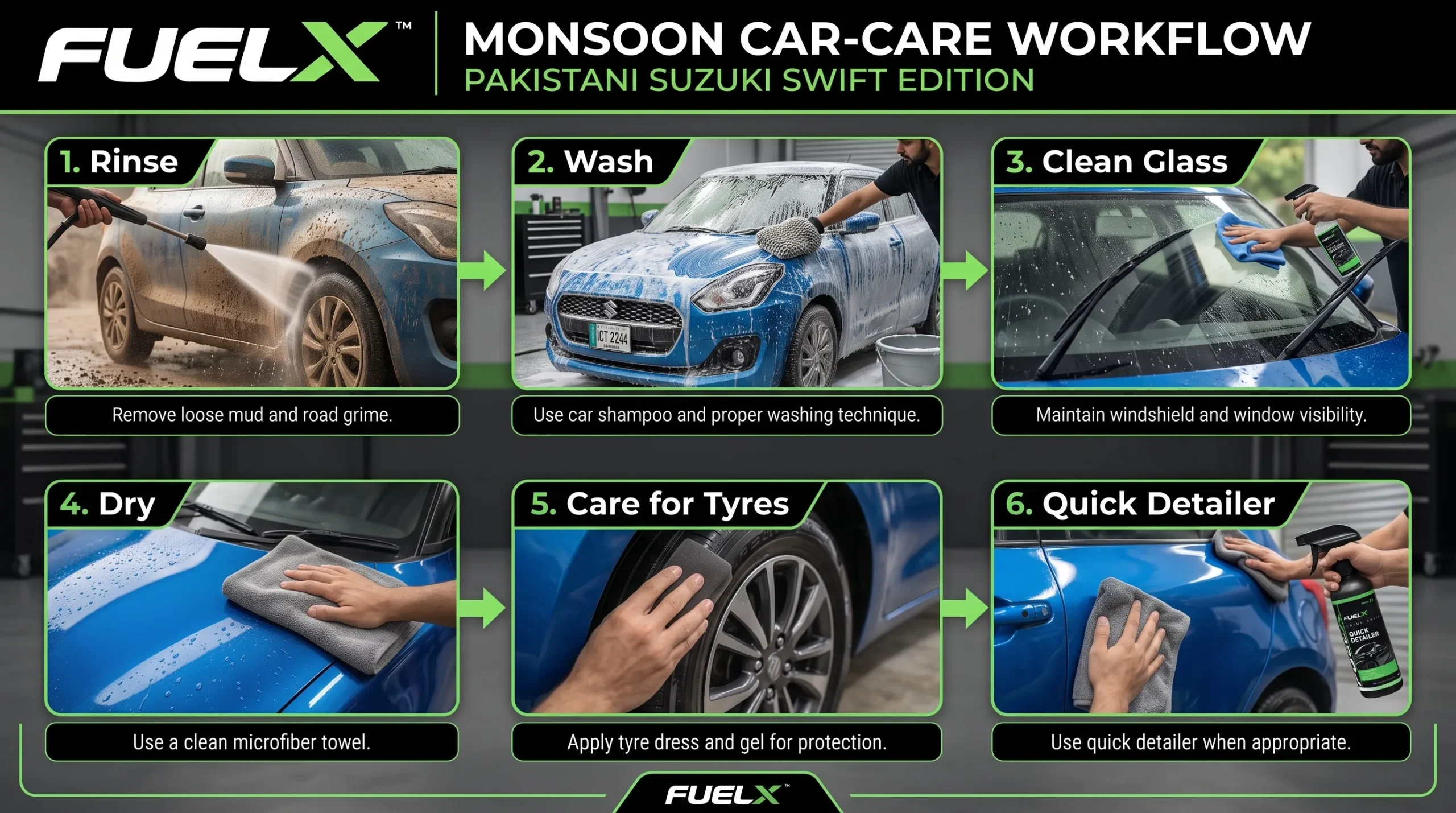
Monsoon rain can make your car look cleaner for a few minutes, but the roads can quickly undo that effect. In Pakistan, rainwater often mixes with road dust, mud, sand, oil residue and traffic grime before being thrown onto your car by passing vehicles. The result is a dirty film that commonly builds up around the lower doors, wheel arches, tyres, bumpers and glass.
The 2026 monsoon season is particularly relevant for Pakistani motorists because the National Disaster Management Authority (NDMA) has warned of localized intense rainfall and urban flooding during the July–September monsoon period.
For your car, the problem isn’t simply that it looks dirty. Heavy road grime can make cleaning more difficult, and wiping dried mud with a cloth can drag abrasive particles across the paint. A better approach is to remove contamination gently, wash the car regularly and give extra attention to the areas that receive the most road spray.
Here’s a practical monsoon car-care routine you can follow without turning every rainy drive into a full detailing session.
Why Monsoon Roads Are Hard on Your Car
Rainwater itself isn’t necessarily harmful to your car’s paint. The bigger issue is what rainwater picks up from the road.
During and after rainfall, loose soil, dust, sand, mud, oil residue and other contaminants can become mixed with water. When you drive through a wet road, your tyres throw this mixture onto the lower body of the car. On busy roads, vehicles ahead can also create a spray of dirty water that reaches your windshield, bonnet and front bumper.
The amount of grime can vary considerably depending on where and how you drive. A car used mainly on a relatively clean city road may remain reasonably clean after light rain, while a vehicle travelling through muddy streets, standing water or road construction areas can become heavily contaminated within a single trip.
That’s why “It rained, so my car should be clean” is a misleading assumption.
Rain can remove some loose dust, but it can also create a fresh layer of road grime.
Which Parts of Your Car Collect the Most Monsoon Grime?
Some areas of your car are exposed to considerably more road spray than others.
Lower Doors and Side Panels
The lower sections of the doors are directly in the path of water and dirt thrown upward by the tyres. Mud can accumulate along the bottom edges and around door seams.
These areas often need more attention than the roof or upper doors because they are closer to the road.
Wheel Arches and Mudguards
Wheel arches are among the dirtiest areas of a car during monsoon season. Mud, sand and small pieces of road debris can collect inside them.
If you regularly drive through puddles or muddy roads, don’t be surprised if these areas become dirty again shortly after washing.
Wheels and Tyres
Tyres are constantly in contact with the road, so they naturally collect mud and contaminants. Brake dust can also combine with wet road grime and create a stubborn layer around the wheels.
Because wheels and tyres are significantly dirtier than painted body panels, it’s better to use separate cleaning tools for them.
Rear Bumper and Boot Area
The rear of the car receives a lot of spray from the rear tyres. This is why the back bumper can become dirty even when the roof and bonnet still look relatively clean.
Windshield and Windows
Road spray can leave a hazy or greasy-looking film on glass. During rain, this can become particularly noticeable when headlights from other vehicles reflect from a wet windshield.
Keeping the outside of the windshield clean is also important for visibility. Vehicle documentation and safety guidance commonly emphasize maintaining clean windshields, particularly where cameras or sensors may rely on a clear field of view.
8 Practical Ways to Protect Your Car From Monsoon Dirt
1. Wash Off Road Grime Before It Dries
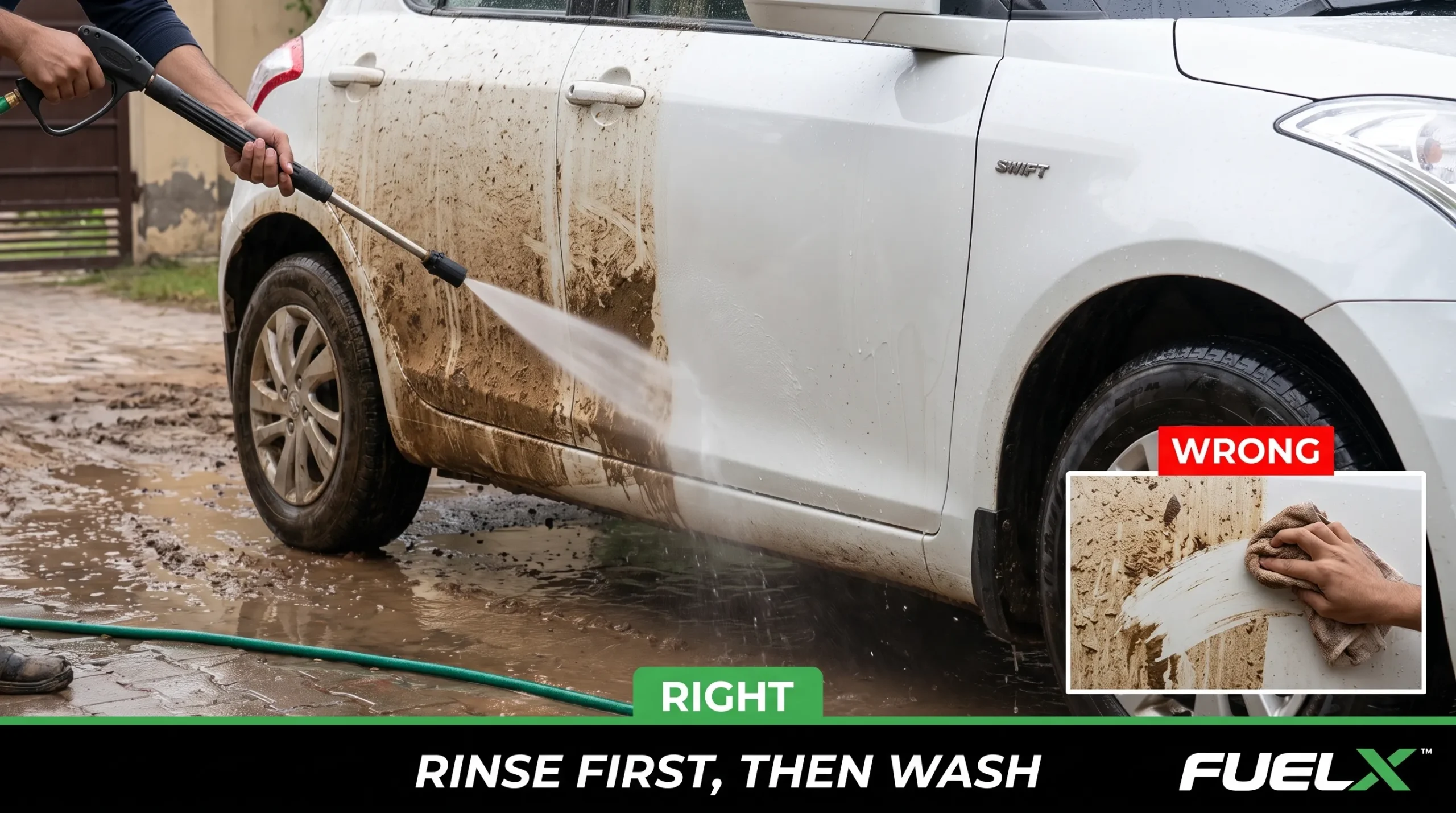
One of the simplest ways to make monsoon car care easier is to deal with heavy mud before it dries completely.
Suppose you drive through a muddy road and park the car afterward. The water eventually evaporates, leaving behind concentrated dirt. If you then take a dry cloth and start rubbing the panel, you’re moving those particles across the paint.
The principle is simple: remove dirt with water and lubrication rather than force.
Professional car-care manufacturers similarly recommend pre-rinsing or pre-washing heavily contaminated vehicles before using a two-bucket wash process.
2. Use a Proper Car Wash Shampoo
If you are washing your car more frequently during monsoon season, the product you use becomes more important.
A dedicated car shampoo is formulated for automotive cleaning and can provide the lubrication needed to help lift dirt from the surface during washing.
Household dishwashing liquid may be readily available, but it isn’t designed specifically for routine automotive washing. Using a purpose-made car shampoo gives you a more appropriate cleaning process.
However, remember that the shampoo alone doesn’t prevent scratches. Your technique matters. A clean wash mitt, plenty of rinse water and gentle movements are just as important as the cleaning product.
3. Follow the Two-Bucket Washing Method
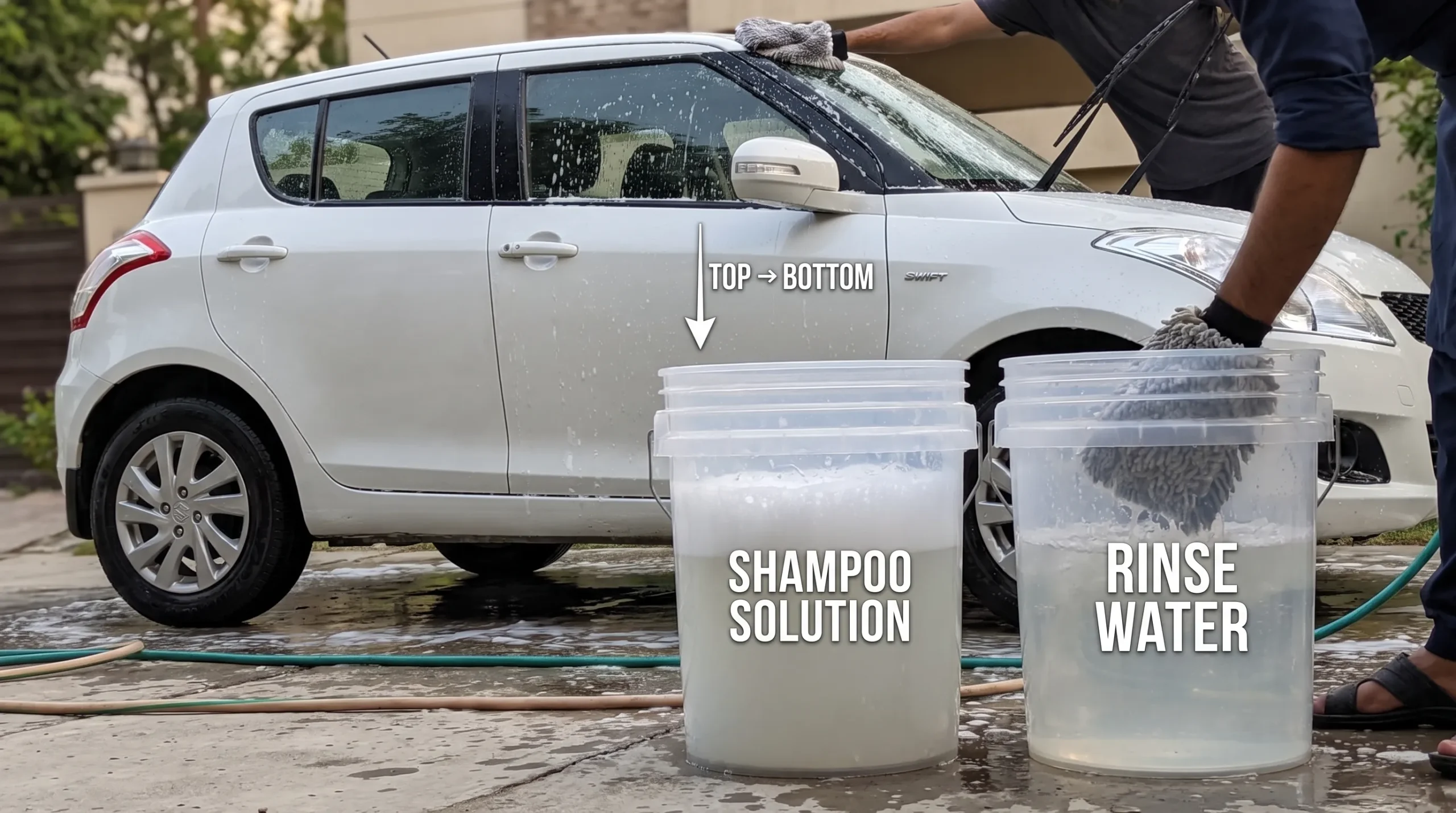
The two-bucket method is especially useful when your car is heavily dirty.
Use:
Bucket 1: Car shampoo and water
Bucket 2: Clean water for rinsing your wash mitt
After washing one section, rinse the mitt in the second bucket before loading it with fresh shampoo.
This helps reduce the amount of grit and dirt carried back onto the vehicle. Automotive detailing guidance also recommends a separate rinse bucket as part of a two-bucket washing process.
This top-to-bottom approach makes sense because the lower sections are usually more contaminated.
4. Pay Extra Attention to Lower Panels and Wheel Areas
During the monsoon, don’t spend all your effort making the bonnet shine while ignoring the areas receiving the most road spray.
Give additional attention to:
Lower doors
Side skirts
Wheel arches
Mudguards
Front and rear bumpers
Wheels
Tyres
If mud is dried onto a panel, don’t immediately scrub it.
First rinse it thoroughly. If necessary, repeat the rinse before washing.
The goal is to reduce the amount of physical contact required to remove the dirt.
For wheels and tyres, use separate cleaning equipment where possible. A cloth used on a heavily contaminated wheel should not immediately be used on the painted body.
5. Keep the Glass Clean for Better Visibility
During heavy rain, visibility can change quickly.
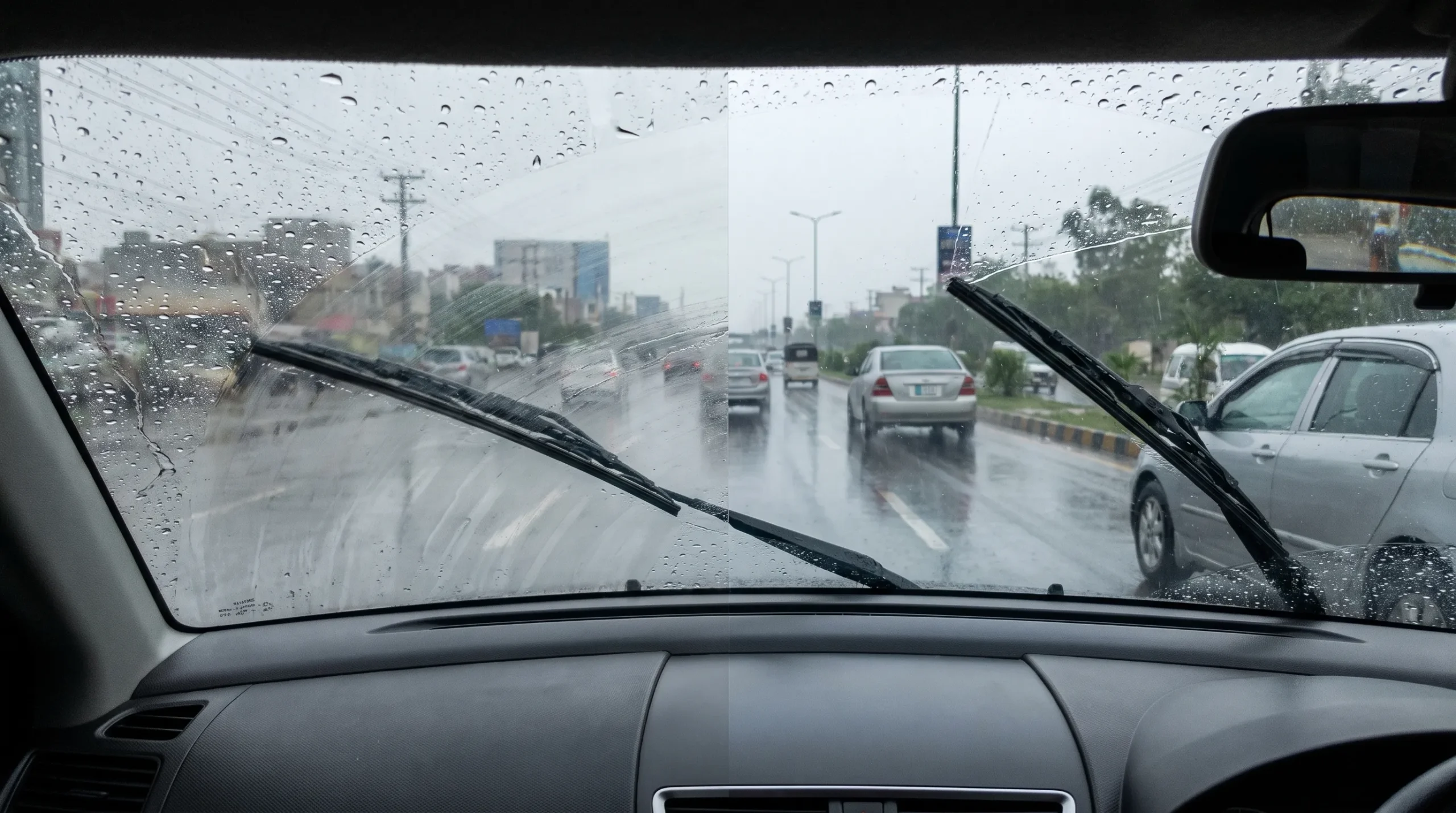
Road spray from a vehicle ahead can cover the windshield in seconds. A dirty windshield can make the situation worse because water and dirt can create streaks or glare.
Clean your windshield and windows regularly, especially if you drive frequently in traffic.
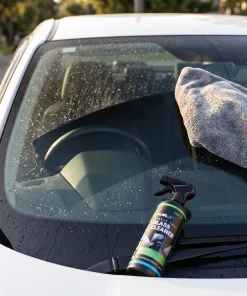
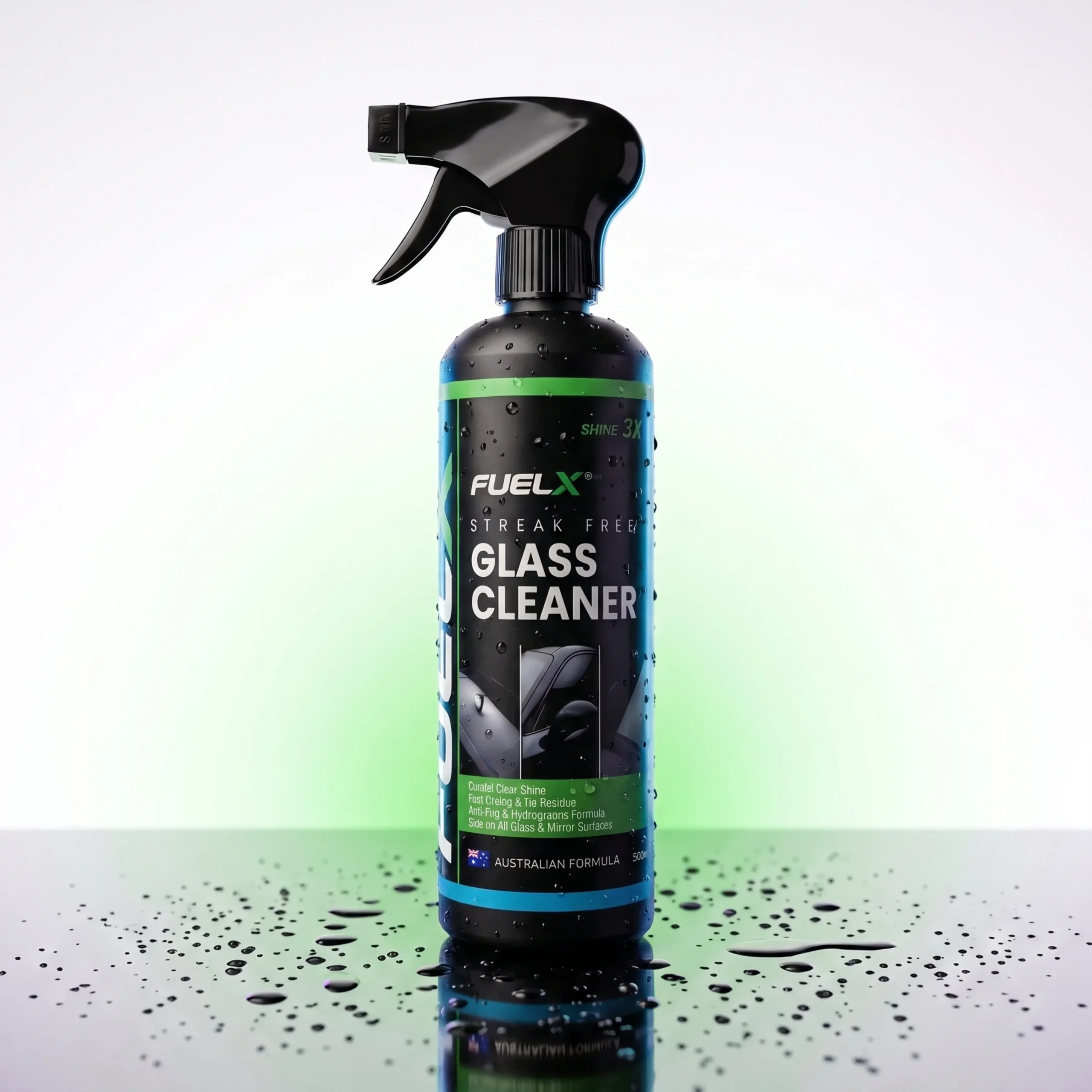
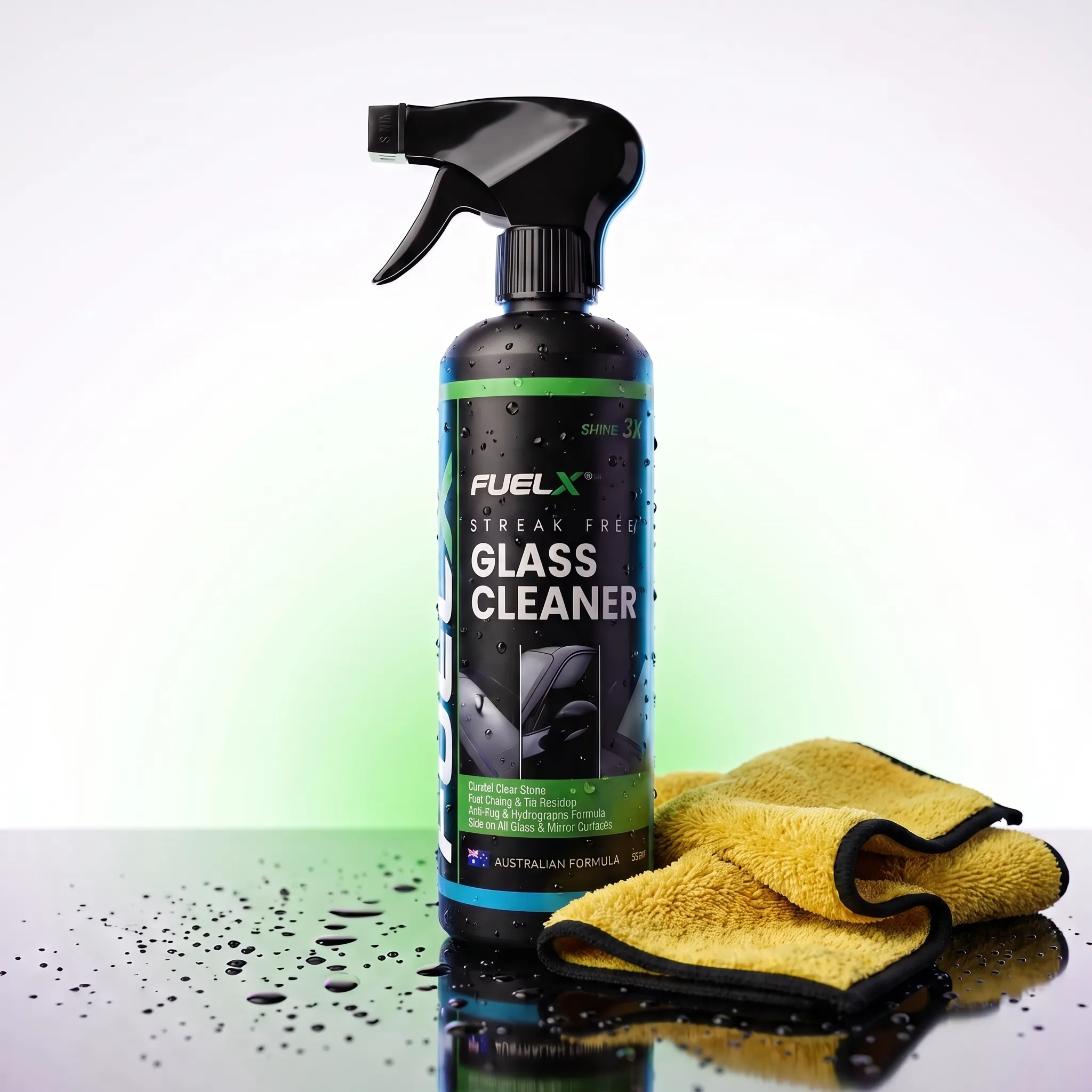
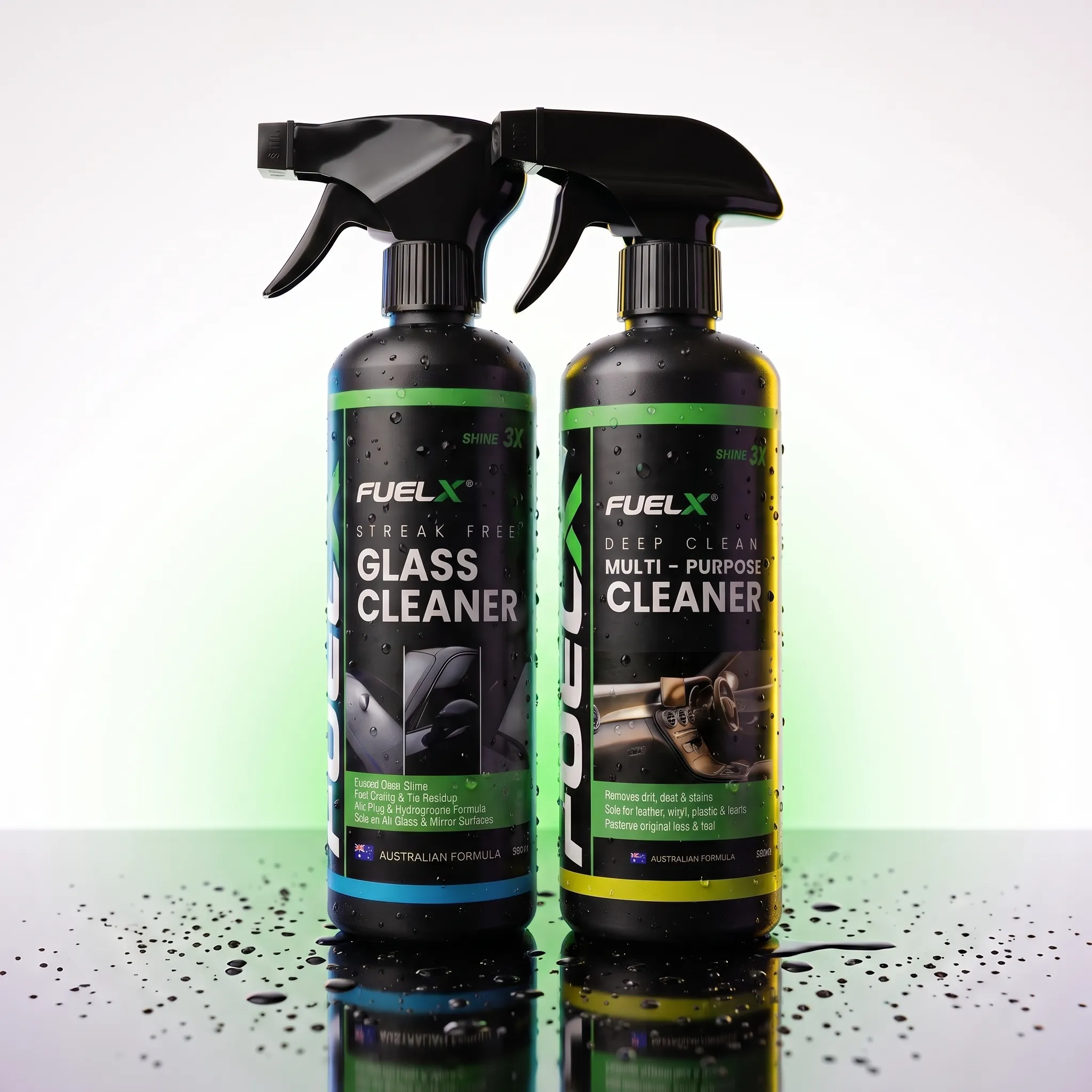
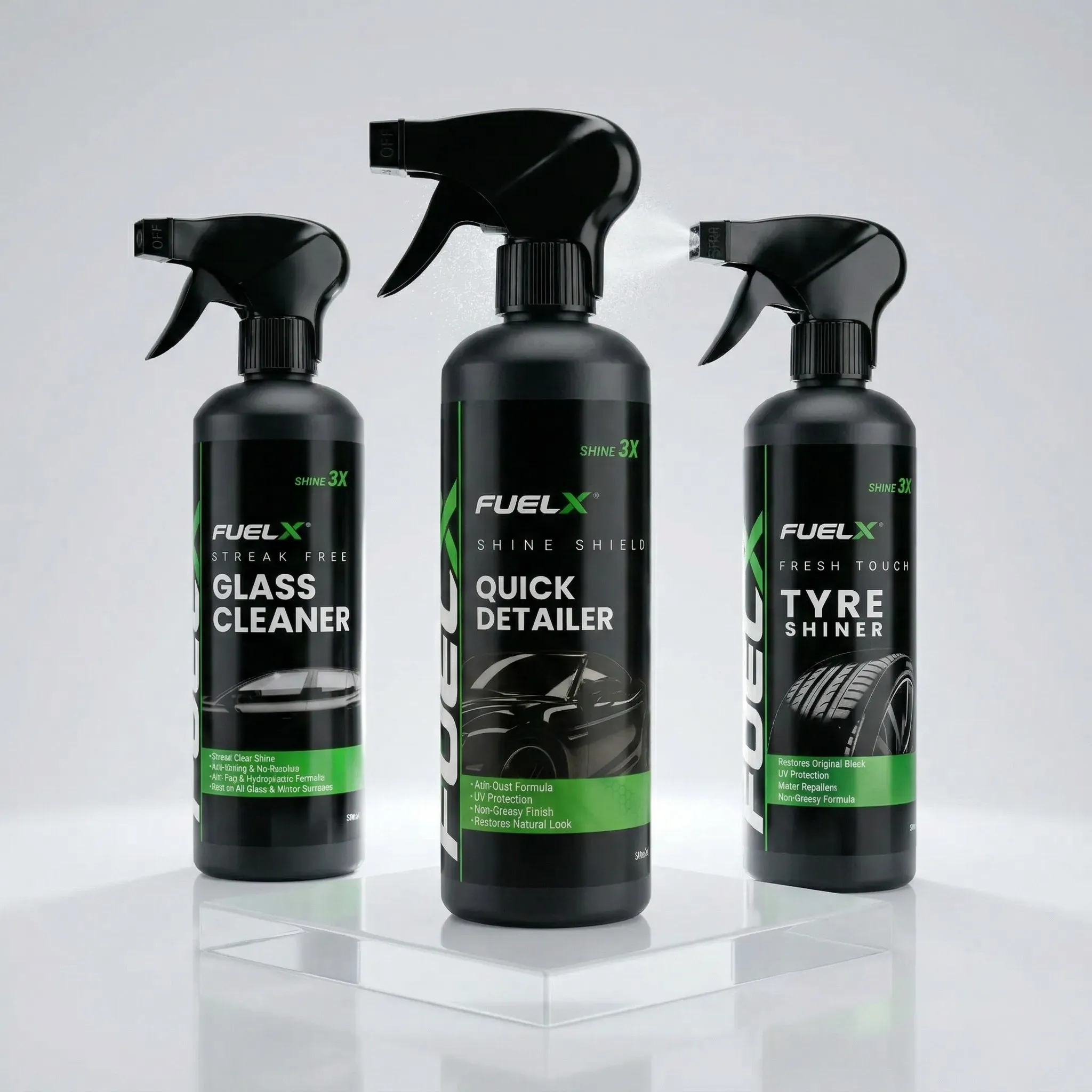
FuelX Glass Cleaner can be included in this routine.
Use a clean microfiber cloth and avoid using a towel that has already been exposed to tyre dressing, grease or heavy road grime.
Also inspect your wiper blades. If the blades are leaving repeated streaks across the windshield instead of clearing water cleanly, cleaning or replacing them may be necessary.
Road spray is a recognized reason for increased windshield-wiper activity in rainy conditions, and vehicle guidance emphasizes keeping the outside of the windshield clean.
6. Dry the Car Instead of Letting Water Evaporate
After washing, it’s tempting to leave the vehicle outside and let the water disappear naturally.
The problem is that water droplets can leave visible mineral deposits or water spots as they evaporate, particularly when the water contains dissolved minerals.
You don’t need to aggressively dry the paint.
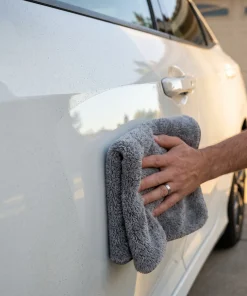
Use a clean microfiber drying towel and gently remove excess water from the surface.
If a section still has visible dirt, don’t try to polish it away with the drying towel. Wash that section again.
A useful rule is:
If you can see dirt, don’t wipe harder—clean it first.
7. Use a Quick Detailer Between Full Washes
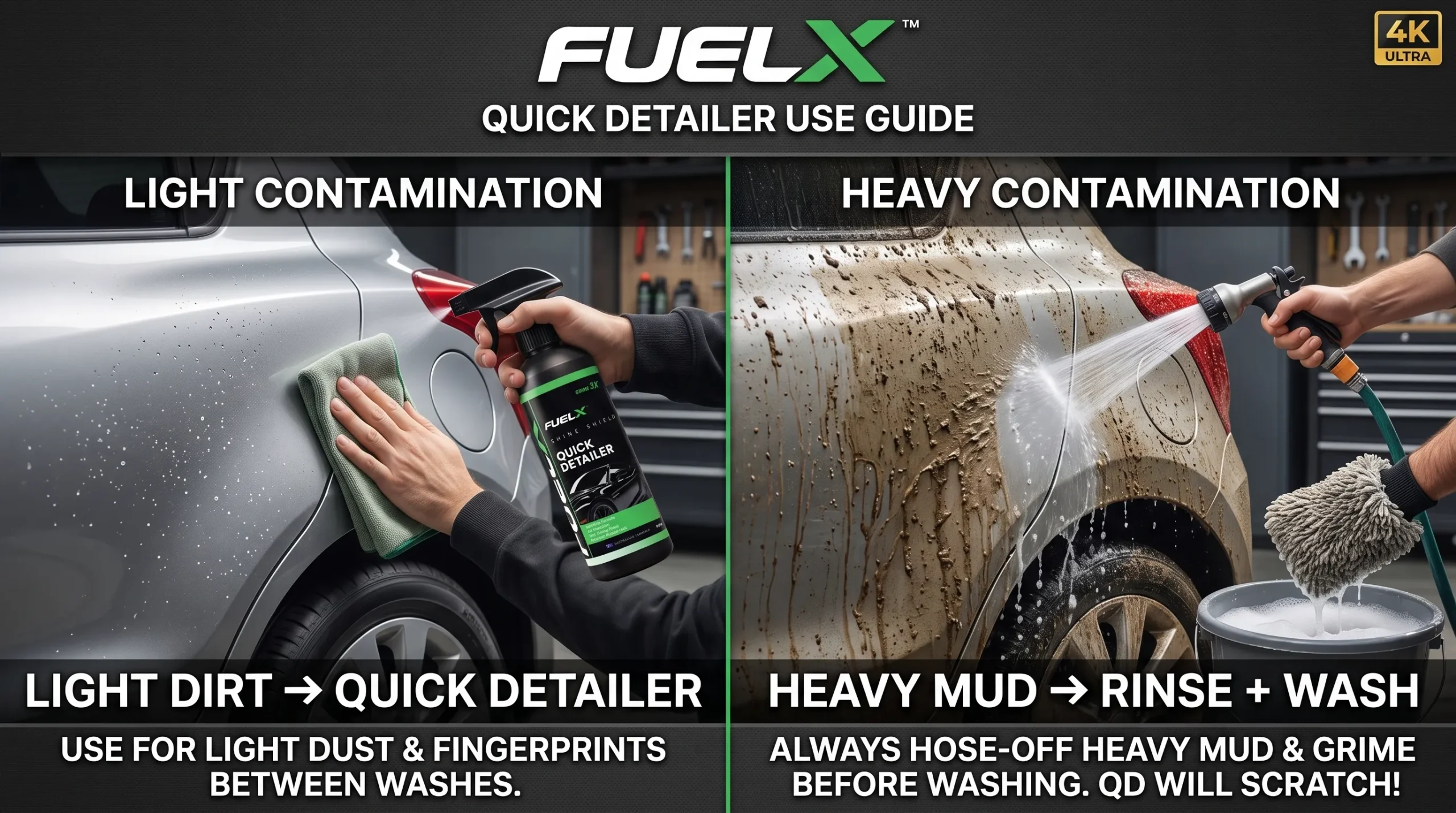
A quick detailer can be useful during monsoon season when the car has light dust, minor water spots or limited surface contamination.
For example, imagine you washed your car yesterday and today’s rain left a few light spots on an otherwise clean exterior. A quick-detailing product may be appropriate.
But if the car has thick mud covering the doors and bumpers, don’t use a quick detailer as a substitute for washing.
That’s because you’re still physically wiping contamination across the surface.
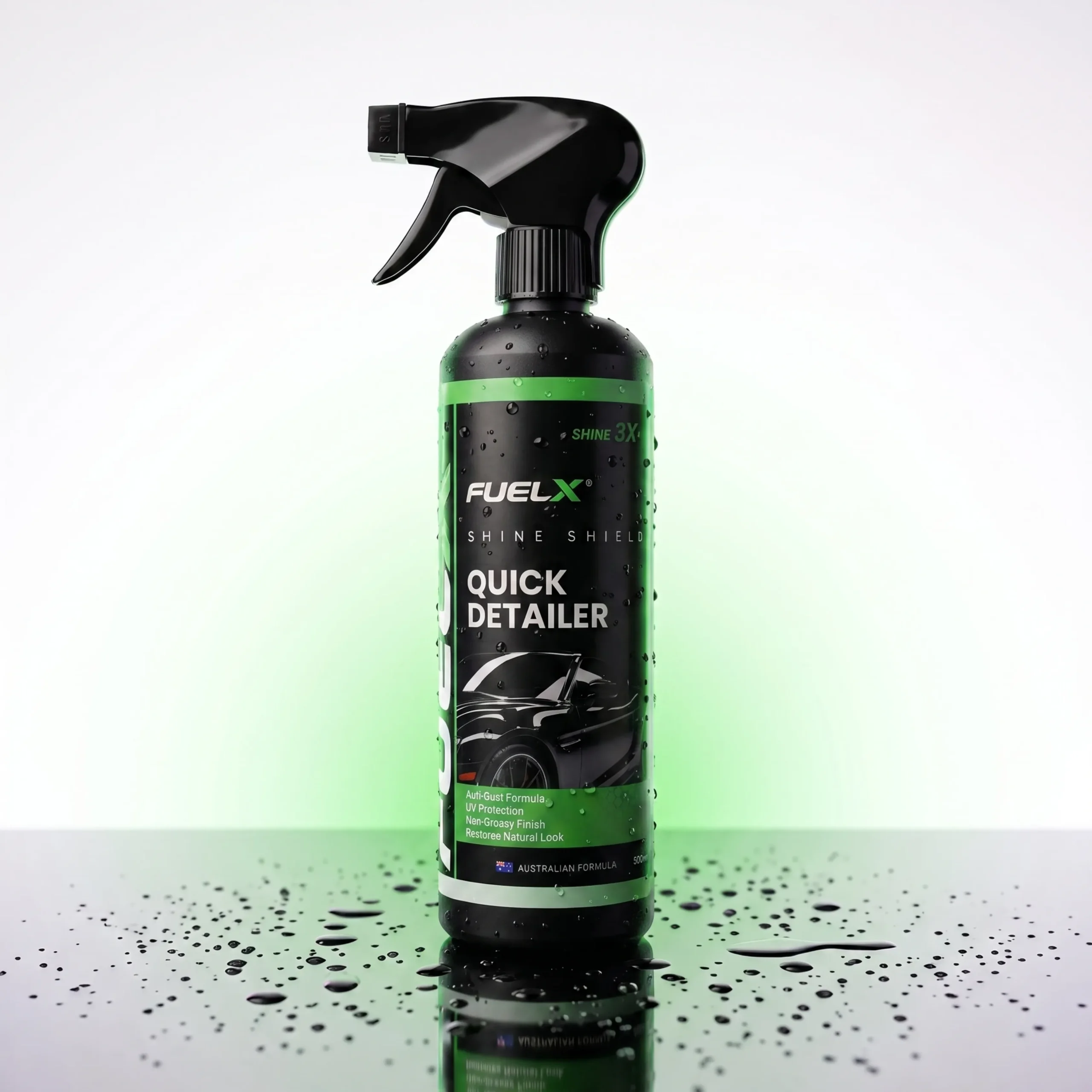
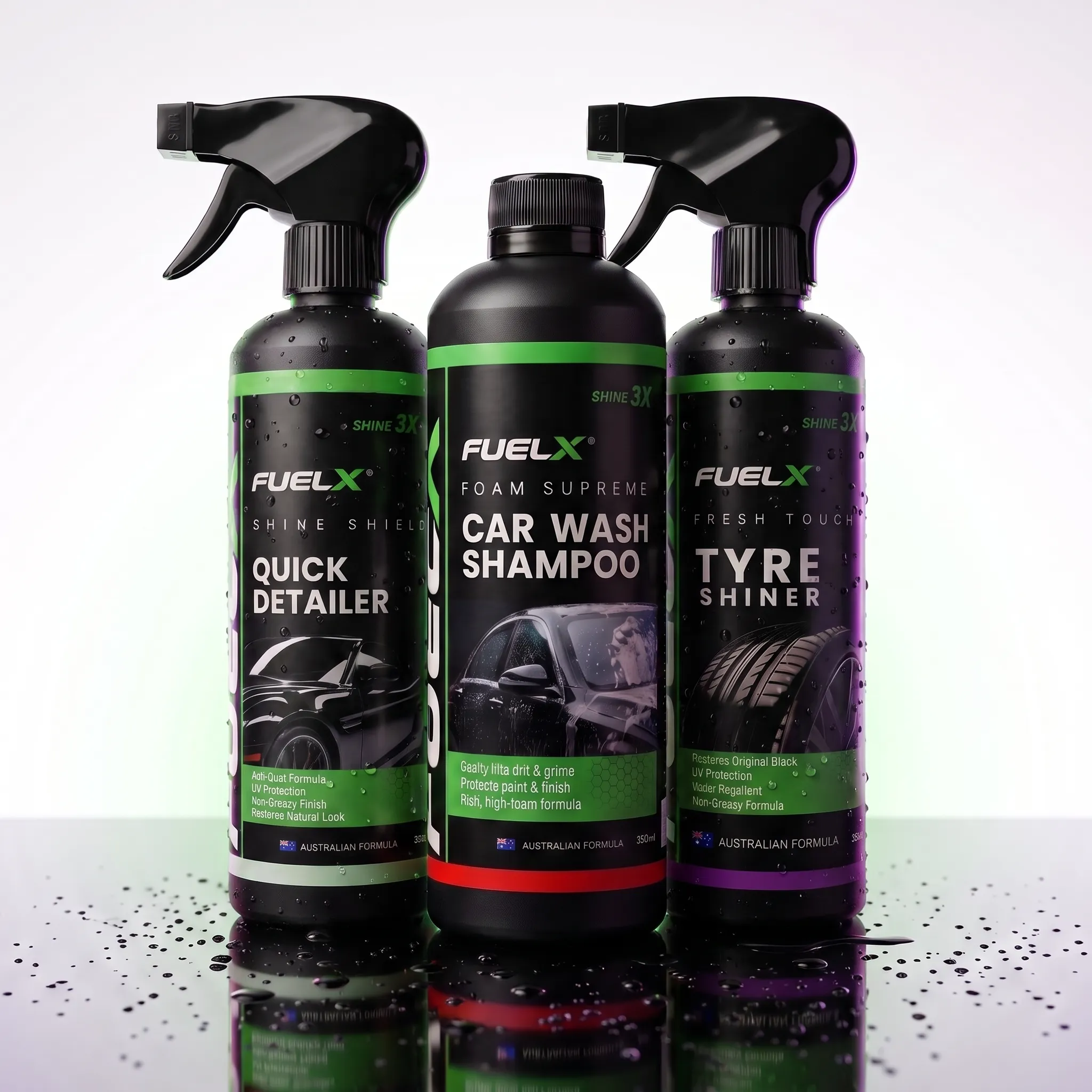
FuelX Quick Detailer can be useful for maintaining a lightly contaminated exterior between proper washes.
Think of it this way:
Light contamination → quick detailing may be appropriate.
Heavy mud and road grime → rinse and wash first.
8. Keep the Tyres and Exterior Finish Clean
Tyres can quickly lose their clean appearance during rainy weather.
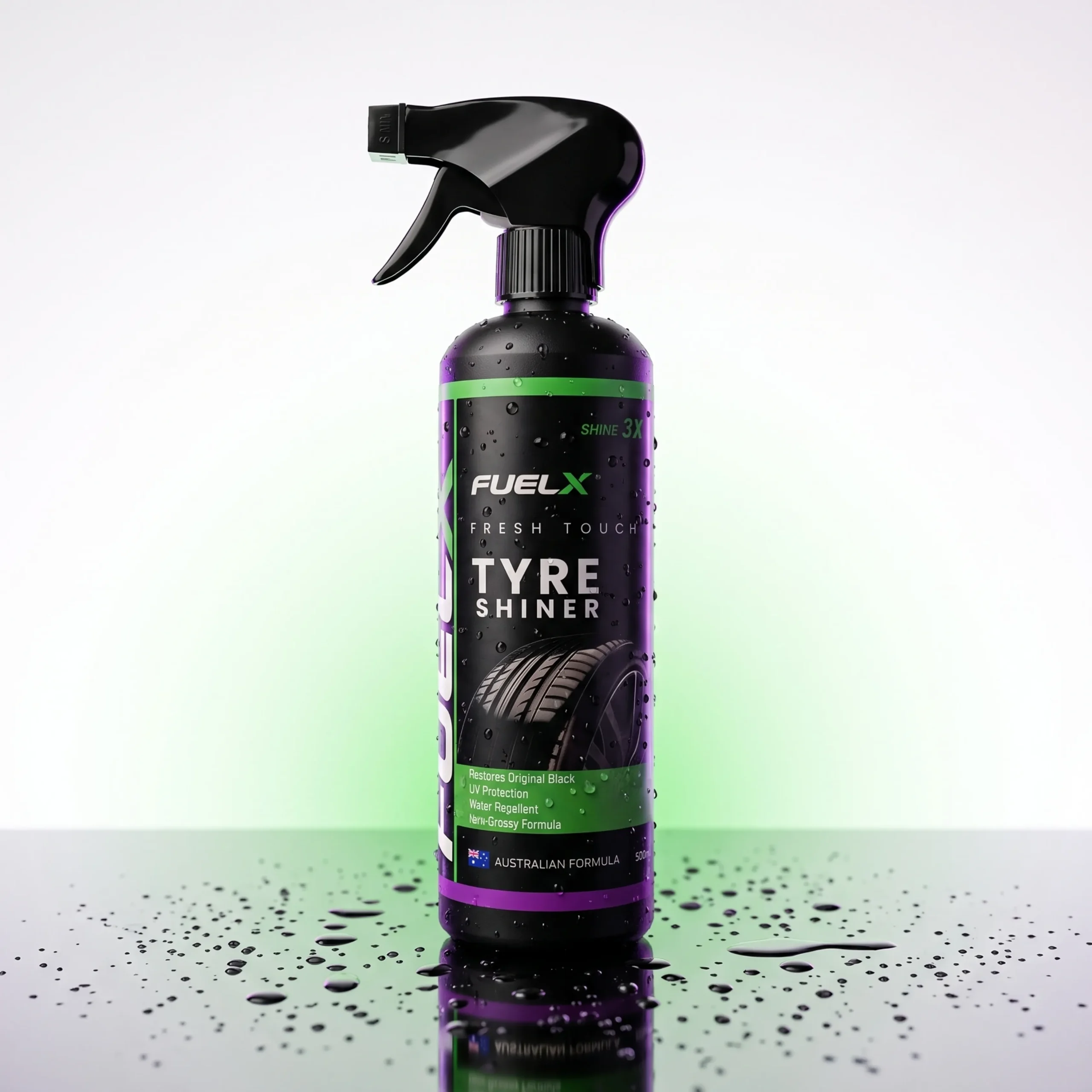
After washing them, a tyre shiner can help restore a cleaner, more finished appearance.
FuelX Tyre Shiner can be used as part of your exterior-care routine after the tyres have been cleaned.
For drivers who prefer having multiple exterior-care products together, a suitable FuelX exterior-care kit can also simplify the routine.
The objective isn’t to make the car look showroom-perfect after every rainy trip. It’s to maintain a reasonable level of cleanliness so that heavy contamination doesn’t build up unnecessarily.
How Often Should You Wash Your Car During Monsoon?
There isn’t a universal rule saying that every car must be washed every exactly seven days.
Your driving conditions matter more.
For example, someone who drives 10–15 km through relatively clean urban roads may accumulate far less grime than someone who drives the same distance through construction zones, muddy streets and standing water.
A practical guide is:
Driving conditions
Practical approach
Light rain + relatively clean roads
Inspect and rinse when necessary
Normal city driving
A weekly wash is a reasonable starting point
Heavy rain + muddy roads
Wash sooner when visible grime builds up
Standing water or muddy-road driving
Rinse affected areas promptly
Heavy road contamination
Perform a full wash rather than quick detailing
The important point is condition-based cleaning rather than calendar-based cleaning.
If the lower half of your car is visibly covered in mud after two days, waiting another five days simply because “wash day” hasn’t arrived doesn’t make much sense.
What Not to Do After Driving in Heavy Rain
A few common habits can make monsoon cleaning harder.
Don’t Rub Dried Mud With a Dry Cloth
Rinse first. Dried mud may contain fine abrasive particles that you don’t want to drag across the paint.
A towel used on wheels and tyres can carry much more contamination than one used for clean paint.
Don’t Ignore Wheel Arches
These areas can hold a surprising amount of mud and debris during rainy weather.
Don’t Leave Heavy Grime for Too Long
The longer contamination remains, the more difficult the eventual cleaning process can become.
Don’t Use Quick Detailer on Heavily Muddy Paint
Quick detailing is for light contamination, not thick road grime.
Don’t Ignore the Windshield
Exterior appearance is secondary to visibility. Keep the windshield, mirrors and other critical glass surfaces clean.
Don’t Scrub Harder When Dirt Doesn’t Come Off
This is one of the most important rules.
If dirt isn’t coming off easily, add water, shampoo or another appropriate cleaning step rather than increasing pressure.
A Simple 10-Minute Post-Monsoon-Drive Routine
You don’t need to perform a complete detail after every rainy drive.
Instead, develop a quick inspection routine.
Step 1: Inspect the Vehicle
Look at the lower doors, bumpers, wheel arches, tyres and windshield.
Step 2: Rinse Obvious Mud
If there are large areas of mud, remove loose contamination before it dries.
Step 3: Check the Glass
Make sure the windshield, mirrors and side windows aren’t covered with road spray.
Step 4: Clean Heavily Contaminated Areas
If the vehicle needs more than a simple rinse, use a proper wash.
Step 5: Dry the Vehicle
Use a clean microfiber towel after washing.
Step 6: Check the Tyres and Wheel Arches
These areas often need additional attention.
Step 7: Decide Whether a Full Wash Is Needed
If most of the exterior is dirty, don’t try to solve the problem with a quick detailer. Wash the car properly.
Can Monsoon Dirt Damage Your Car Paint?
It’s important not to exaggerate this.
A normal layer of road dirt isn’t going to instantly destroy your car’s paint. Automotive paint systems are designed to deal with normal environmental exposure.
The bigger issue is abrasive contamination combined with poor cleaning technique.
For example, suppose a lower door has dried mud containing fine sand. If you wipe that area repeatedly with a dry cloth, the particles can be dragged across the surface. Repeated improper washing can contribute to fine swirl marks and scratches.
This is why good detailing focuses on lubrication, rinsing and clean wash media.
Even professional paint-care guidance emphasizes frequent washing with suitable car shampoo, the two-bucket method and appropriate accessories to maintain a finish.
So the goal isn’t to panic every time your car gets muddy.
The goal is to clean contamination without unnecessarily grinding it into the paint.
FuelX Products That Can Help With Monsoon Car Care
You don’t need a garage full of detailing chemicals to maintain your car during the rainy season.
A practical setup can start with a few basic products.
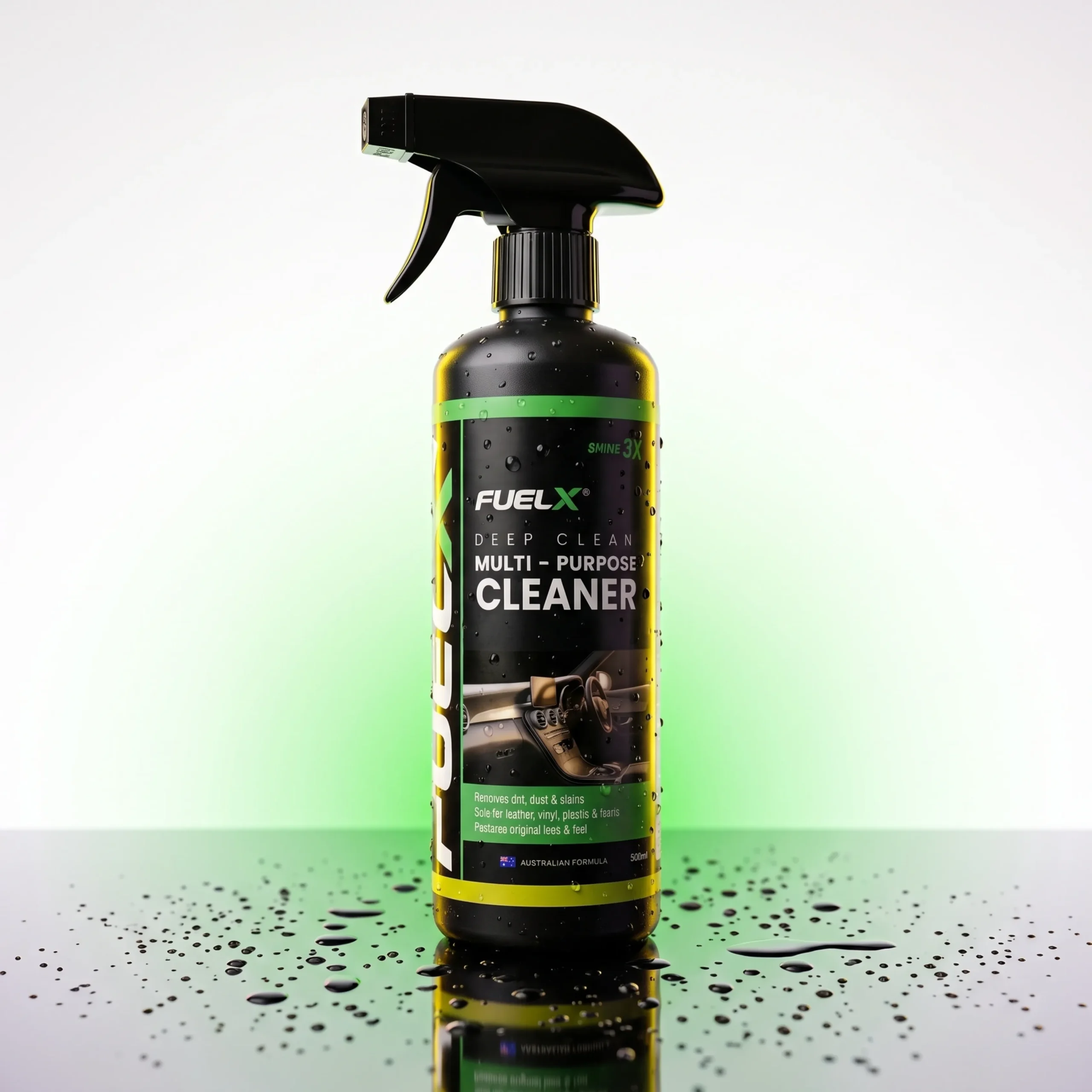
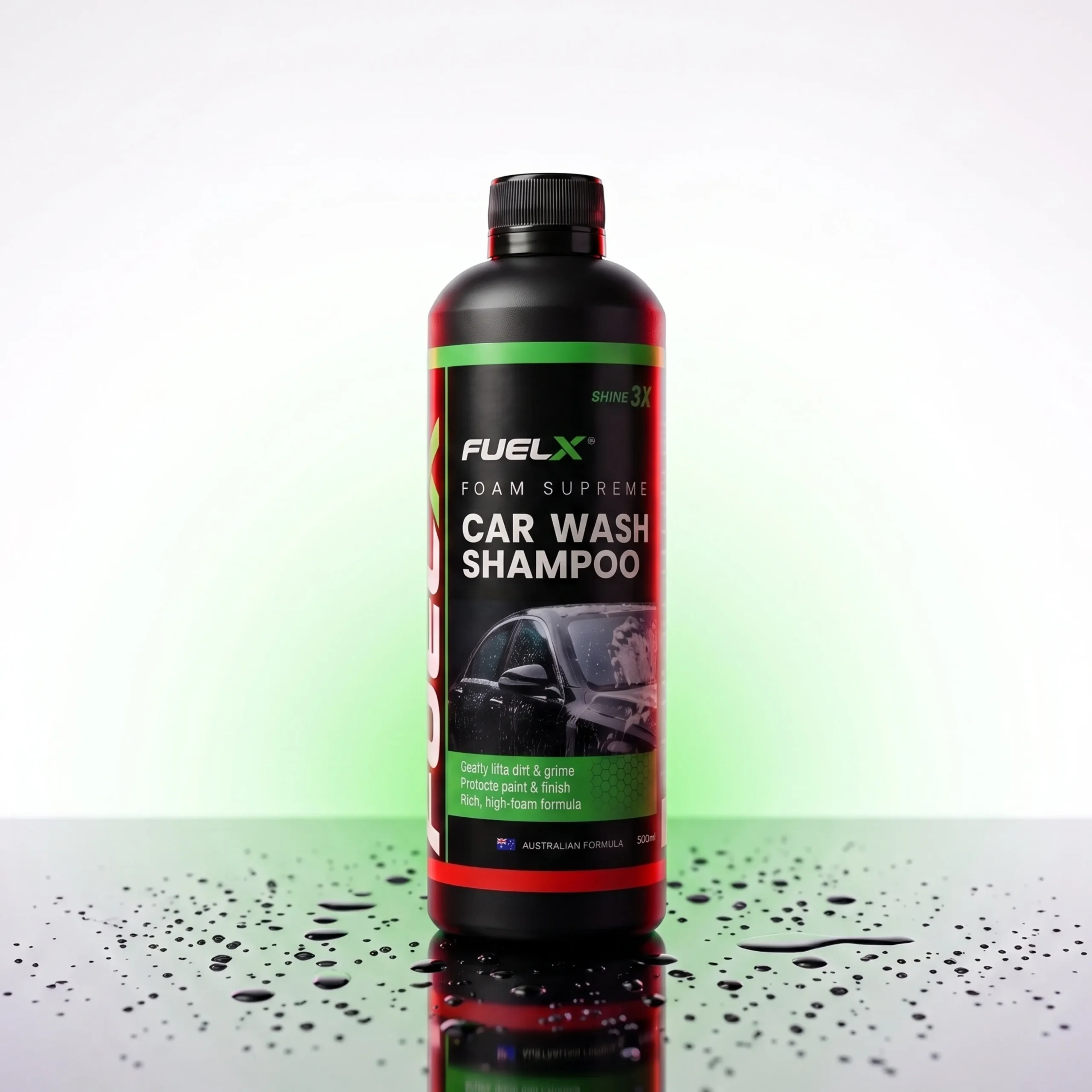
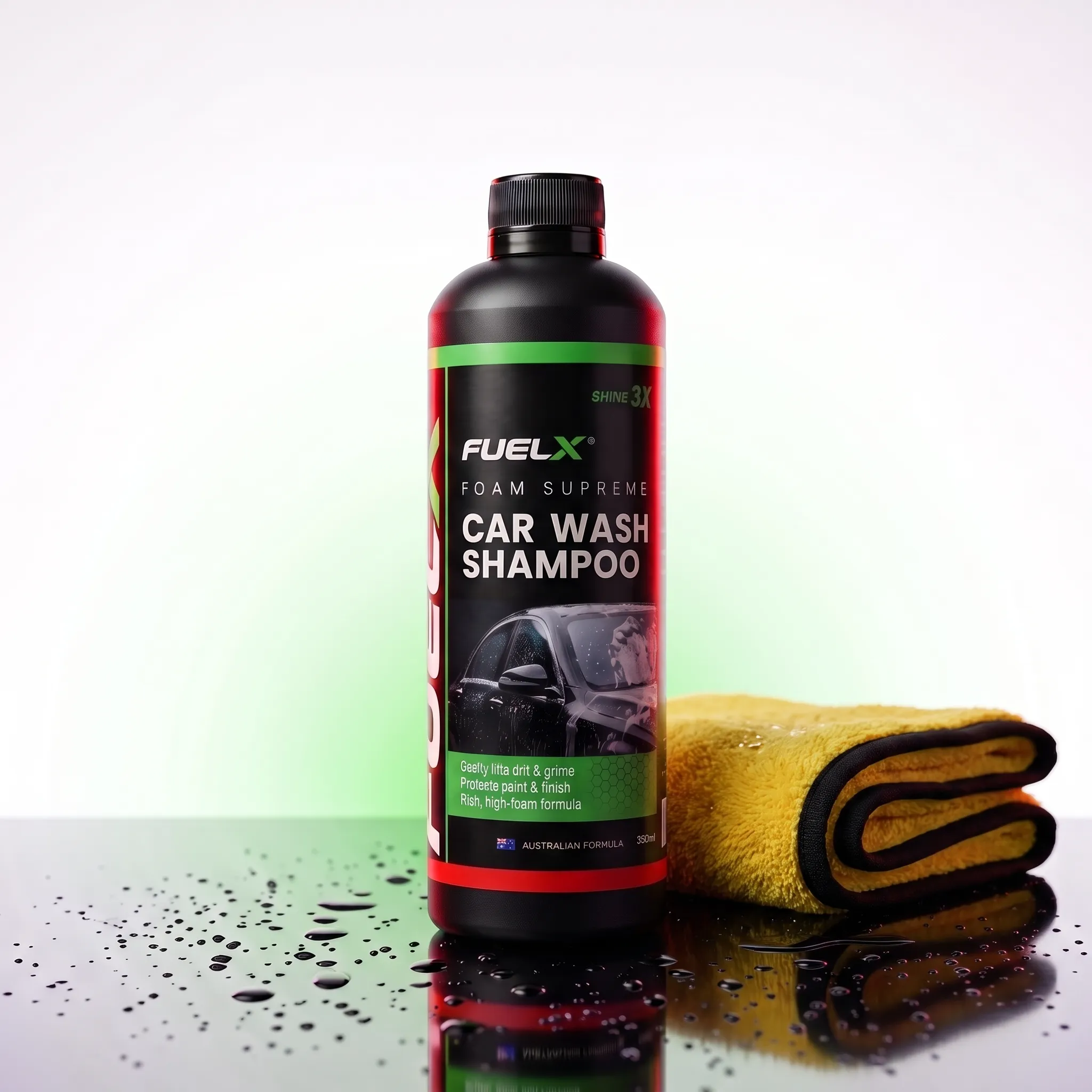
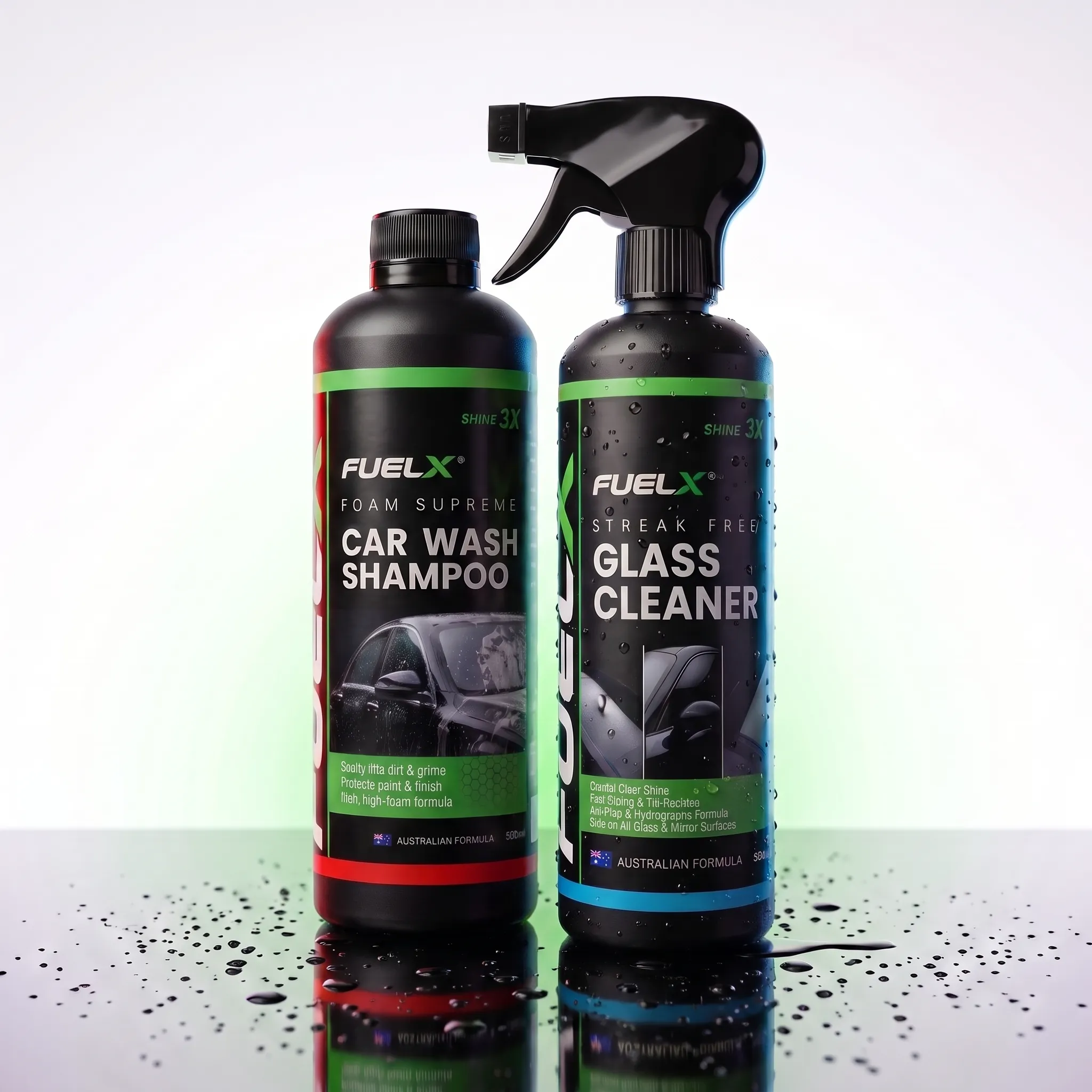
FuelX Car Wash Shampoo
Use it for regular exterior washing when the vehicle has accumulated road dirt, mud and general grime.
FuelX Glass Cleaner
Useful for keeping the windshield and windows cleaner during a season when road spray and rain can quickly reduce glass clarity.
FuelX Quick Detailer
Suitable for light exterior contamination and maintenance between proper washes. Avoid using it as a substitute for washing heavily muddy paint.
FuelX Tyre Shiner
Use after cleaning your tyres when you want a cleaner, more finished appearance.
FuelX Exterior Shine Kit
A convenient option for drivers who want several exterior-care products as part of one routine.
FuelX Starter Wash Kit
A practical starting point for someone building a basic home car-washing setup.
The right combination depends on how frequently you drive, the roads you use and how much detailing you’re willing to do yourself.
Final Monsoon Car Care Checklist
Before and after rainy drives, remember these simple habits:
Rinse heavy mud before it dries.
Use a dedicated car wash shampoo.
Wash from top to bottom.
Use separate rinse water when possible.
Give lower panels and wheel arches extra attention.
Keep the windshield and mirrors clean.
Inspect your wiper blades regularly.
Dry the vehicle with a clean microfiber towel.
Use quick detailer only when contamination is light.
Clean tyres separately from painted body panels.
Don’t allow heavy road grime to build up unnecessarily.
Never rely on aggressive rubbing to remove stubborn dirt.
Conclusion
Protecting your car during Pakistan’s monsoon season isn’t about keeping it perfectly spotless every time you drive through the rain. That’s simply unrealistic.
The better strategy is to control how much dirt remains on the vehicle and how you remove it.
Rinse heavy mud before it dries. Use a dedicated car shampoo. Follow a sensible washing technique. Give extra attention to the lower body, wheels and wheel arches. Keep the windshield clean for visibility, and use a quick detailer only when the contamination is light.
A simple routine can save you from the frustrating cycle of letting road grime build up and then aggressively scrubbing it away.
With consistent maintenance and the right car-care products, your vehicle can handle the muddy, wet conditions of monsoon season while staying cleaner, easier to maintain and better looking throughout the rainy months.